
Pro
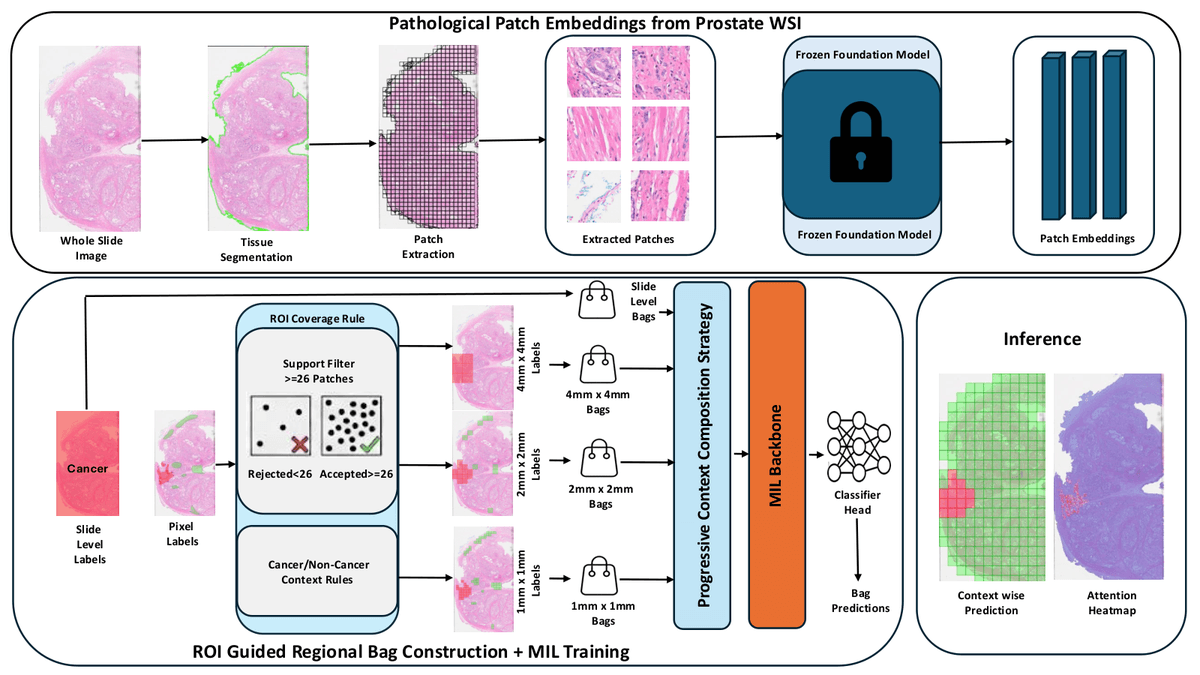
Utah's PC-MIL Jumps Cancer Localization from 51% to 93% Without Retraining
A new pathology MIL framework treats the spatial scale of supervision as a design axis, boosting cross-context accuracy from 77% to 96%.
20 stories
A new pathology MIL framework treats the spatial scale of supervision as a design axis, boosting cross-context accuracy from 77% to 96%.
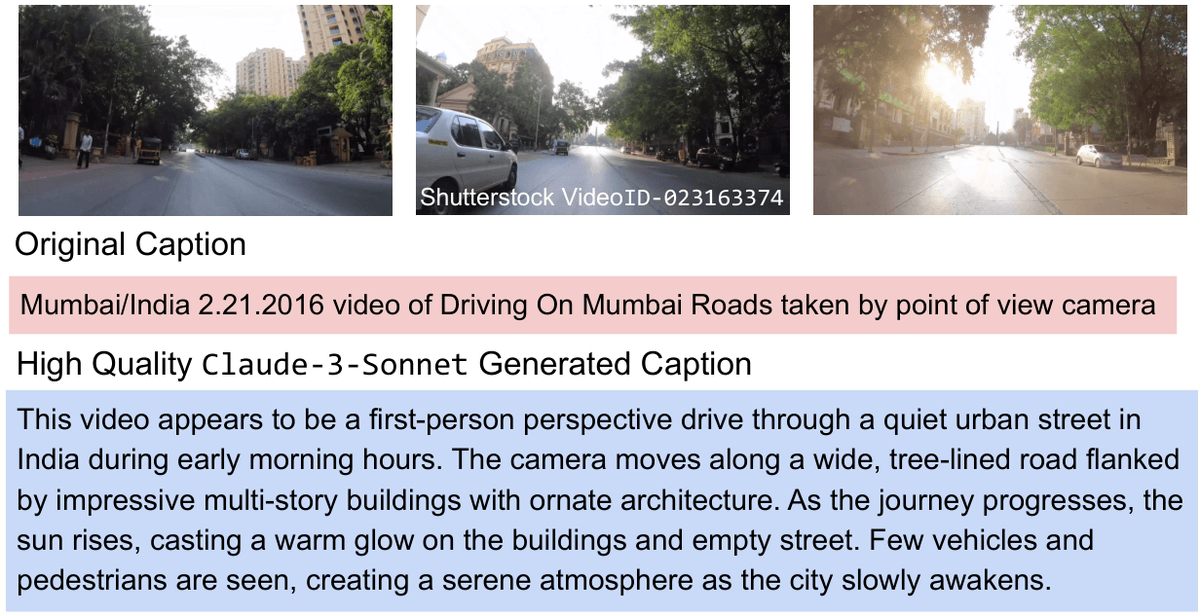
Amazon researchers unify video generation and embedding tasks in a single model, closing the retrieval gap that has plagued VideoLLMs against specialized dual-encoder systems.
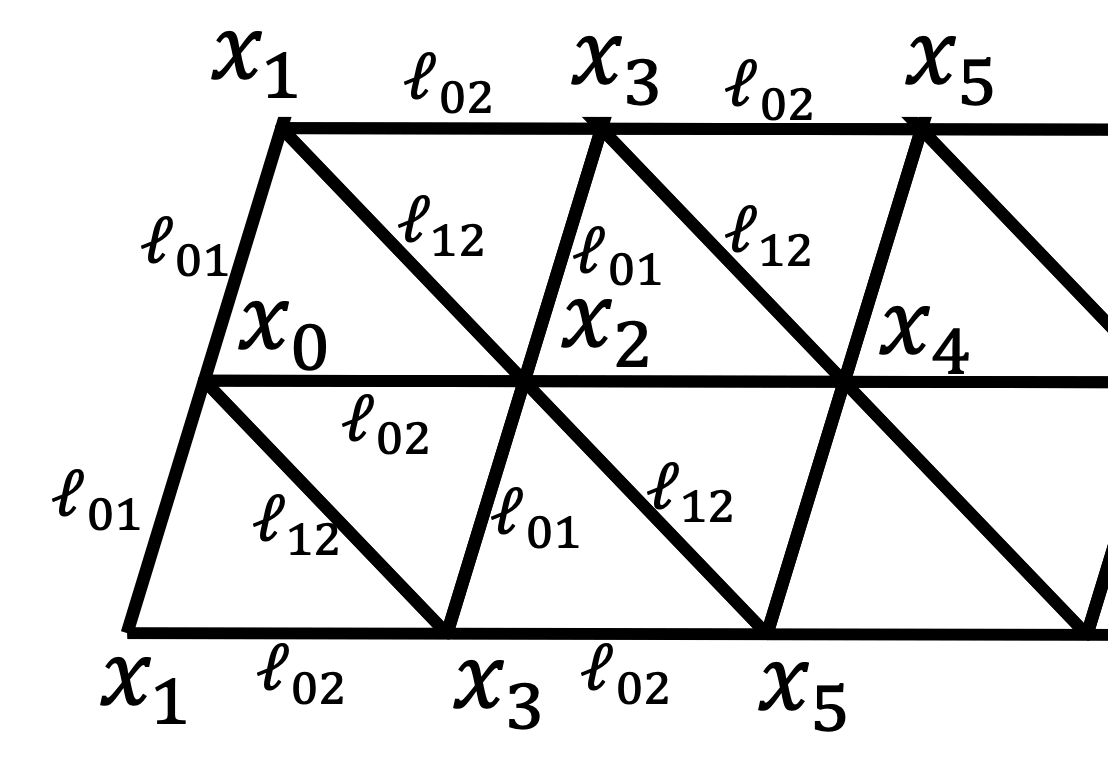
Researchers turn a century-old open problem about hinged tetrahedra rings into an explicit formula, proving these mechanisms exist for any count above five.

A hybrid framework lets robots debate their next move through LLM dialogue when their reinforcement learning policy is still too green to trust.
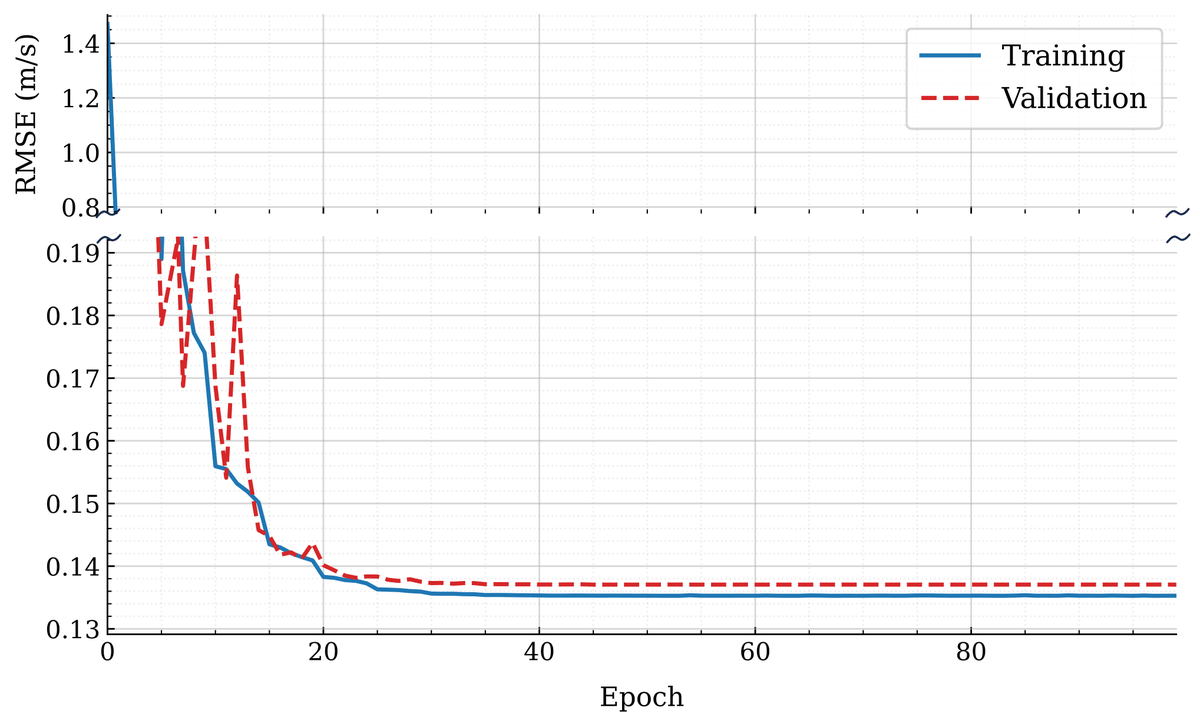
A hybrid planner hands lateral safety to a mixed-integer optimizer while learning only the velocity profile, hitting 97% success at 54 ms per cycle.
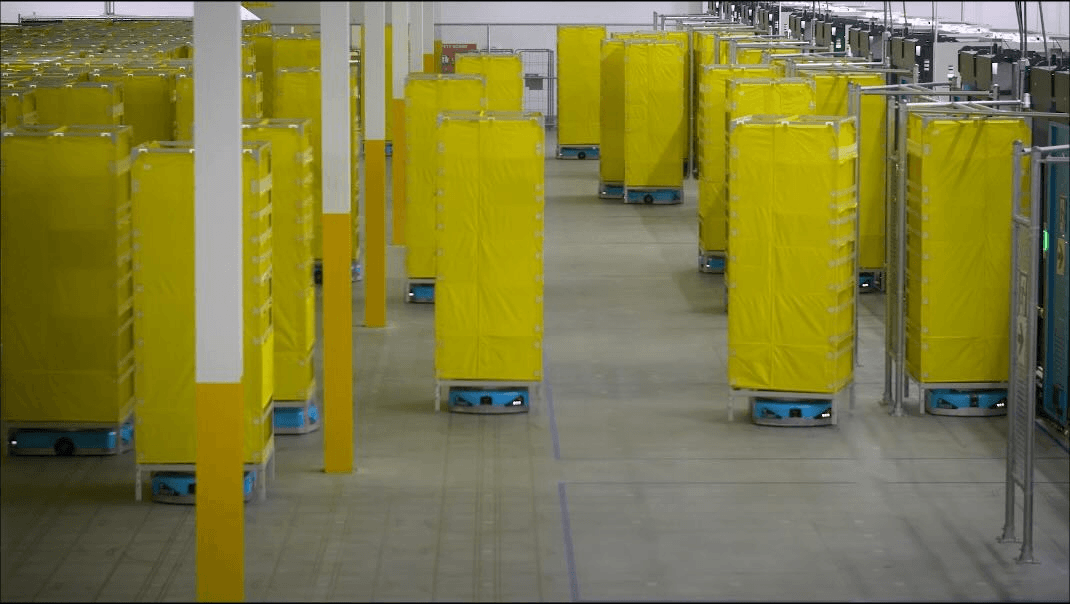
Amazon Robotics researchers publish a paper comparing four foundation model architectures trained on warehouse robot movement data, finding local, event-based designs scale best.

A 180,000-demonstration dataset spanning 15 different two-armed robots aims to unlock cross-platform learning for bimanual manipulation tasks.

Researchers at KTH and Linköping built an indoor SLAM system that navigates using only cheap magnetometers, an IMU, and a barometer, without any camera.
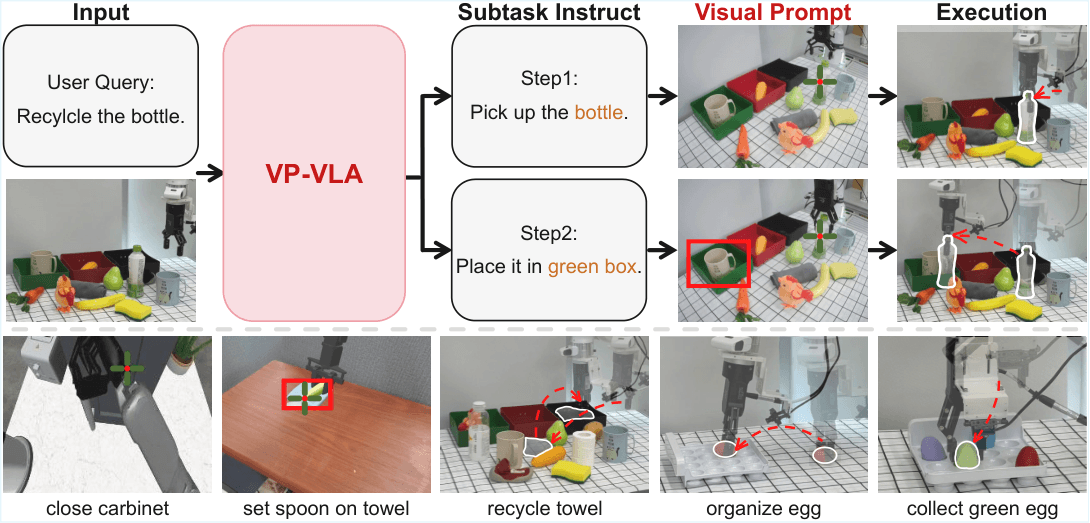
A dual-system approach draws crosshairs and boxes on camera feeds to tell robots where to act, boosting success rates by up to 8.3%.
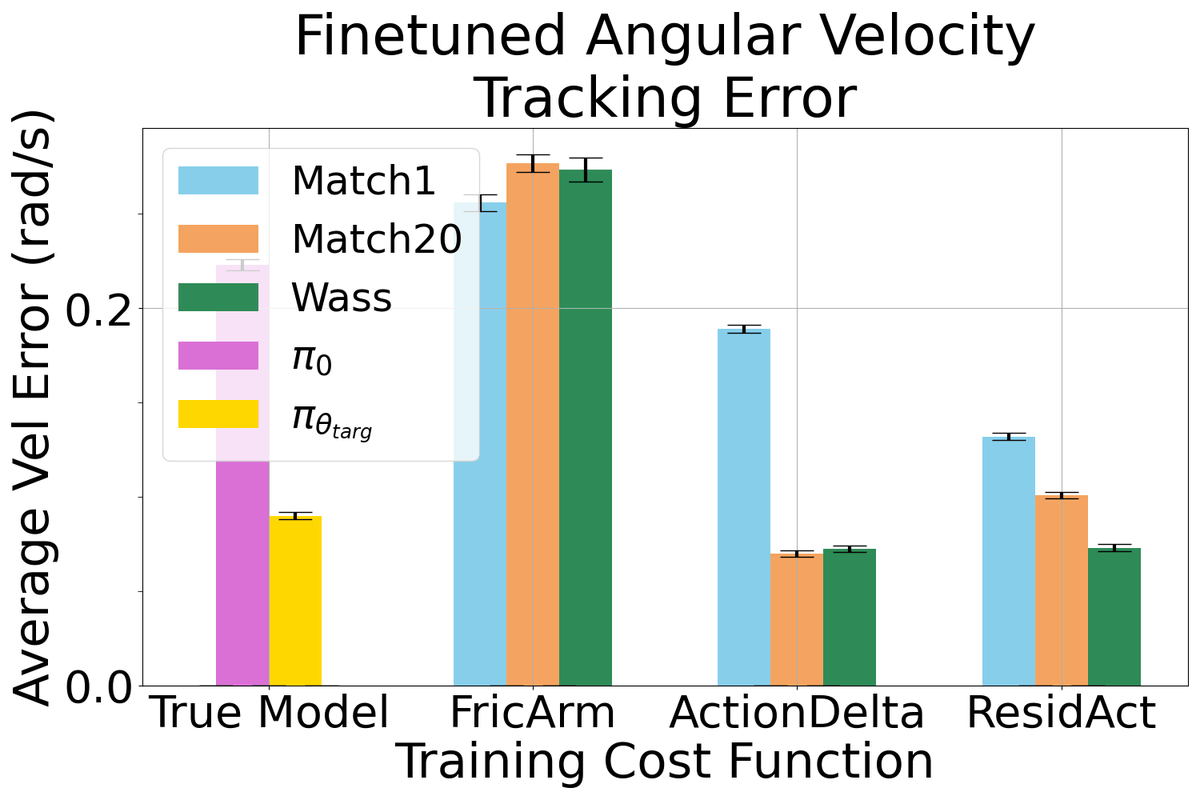
A new sim-to-real method for legged robots skips motion capture and time alignment, closing dynamics gaps with under five minutes of hardware data.
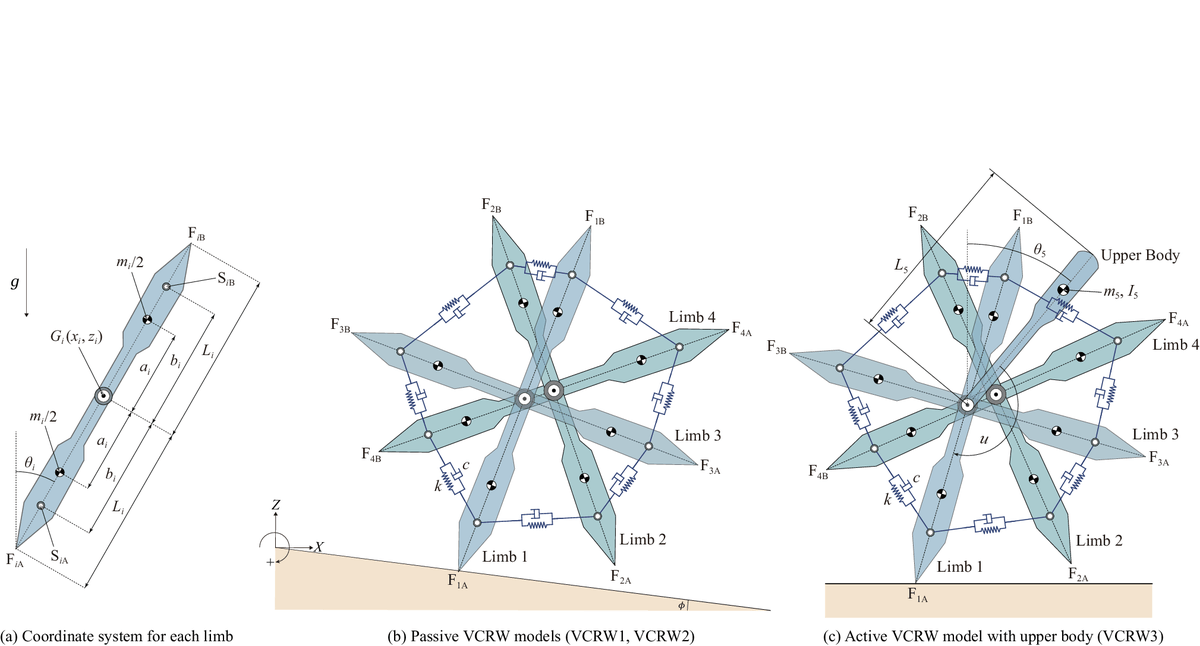
A JAIST team proposes viscoelastically-combined rimless wheels, a passive walker built from two cross-shaped frames linked by springs and dampers, with a simulated actuated extension for level ground.
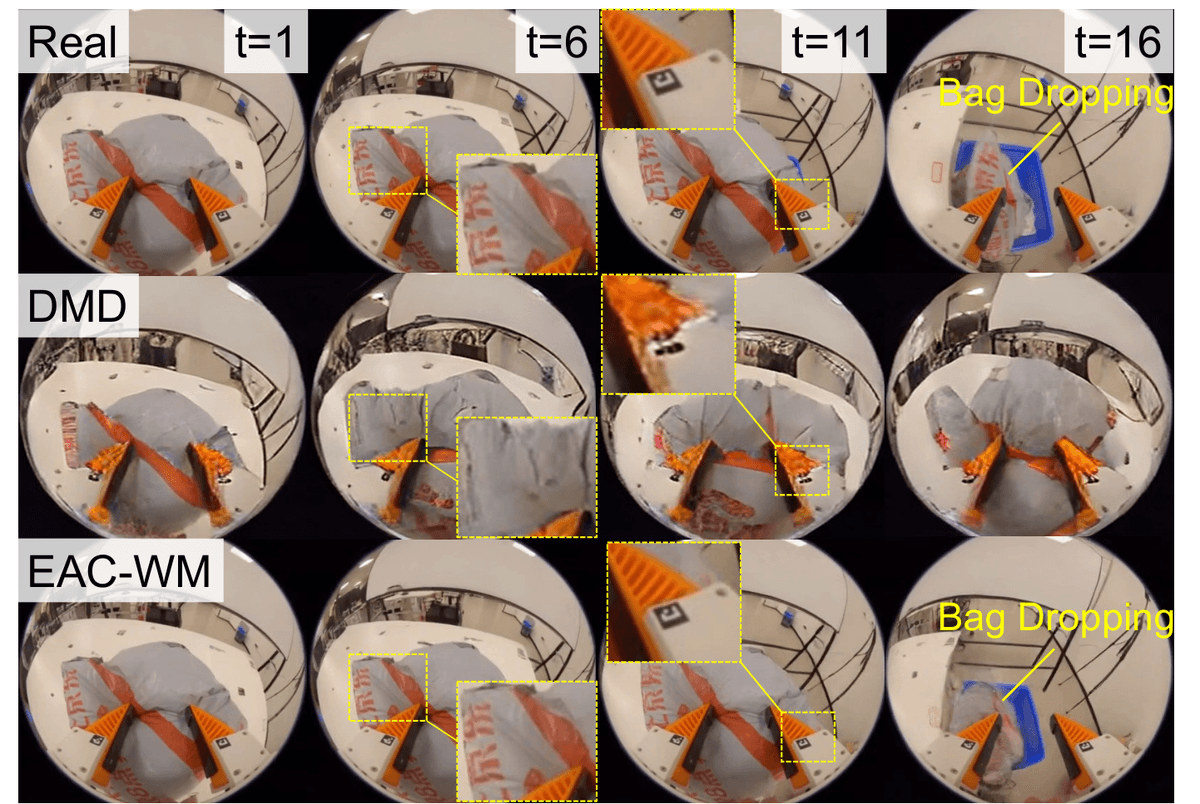
A new framework uses world models to synthesize robot recovery data automatically, hitting 93.3% success on soft bag pushing from just five demonstrations.
A vision-based pipeline uses control barrier functions to filter human motion imitation commands in real time, blocking self-collisions and human-robot collisions before they happen.
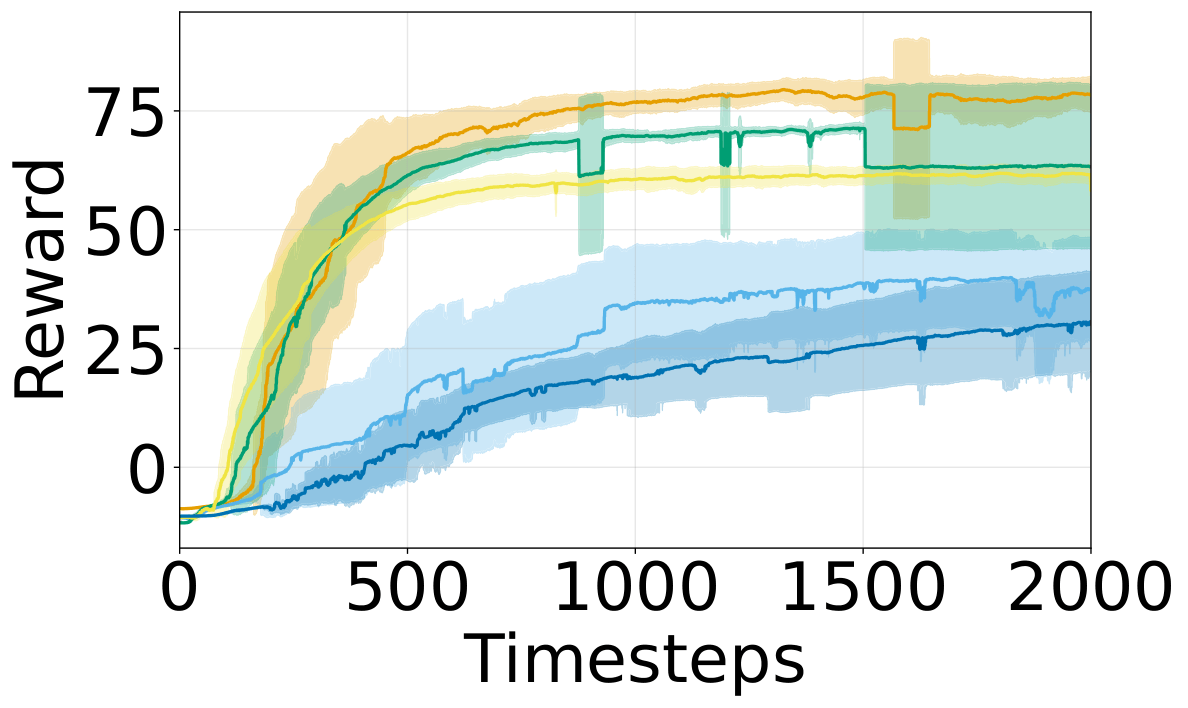
Researchers evolved asymmetric hexacopter drones that beat conventional designs by up to 170%, using evolutionary algorithms to shape bodies and PPO to train brains.
A cooperative localization framework uses fleets of surface vessels as acoustic anchors to prevent underwater robots from drifting during long GPS-denied missions.
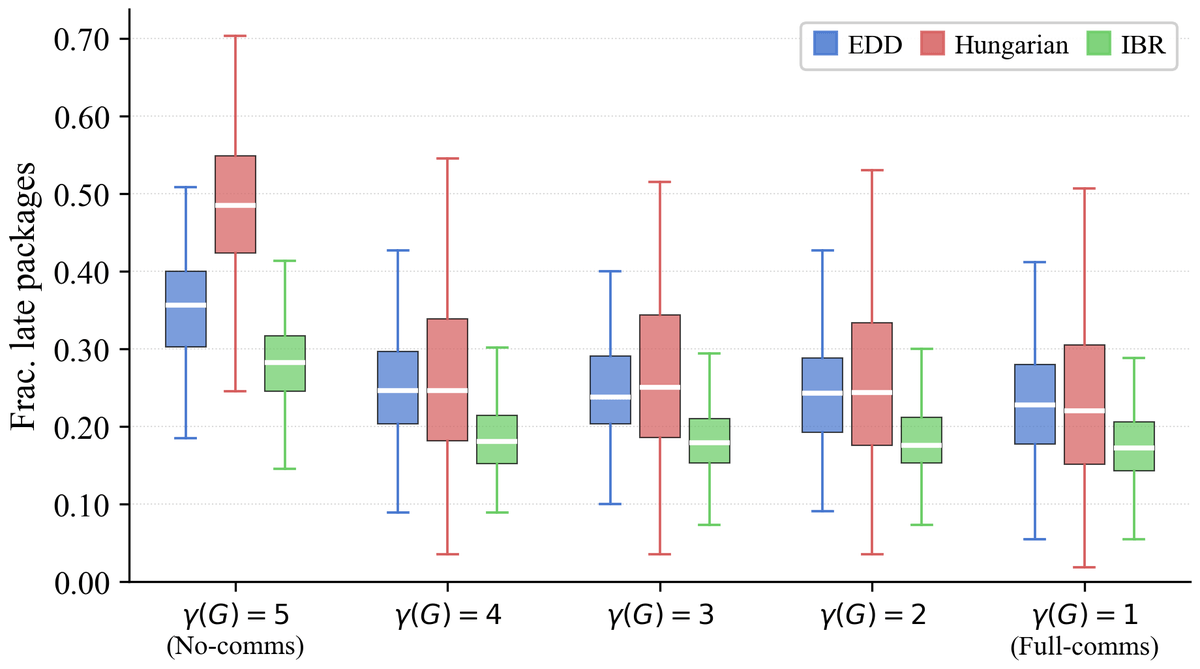
A UC Berkeley team turns city-scale drone dispatch into a local best-response game, matching centralized planners at a fraction of the compute.
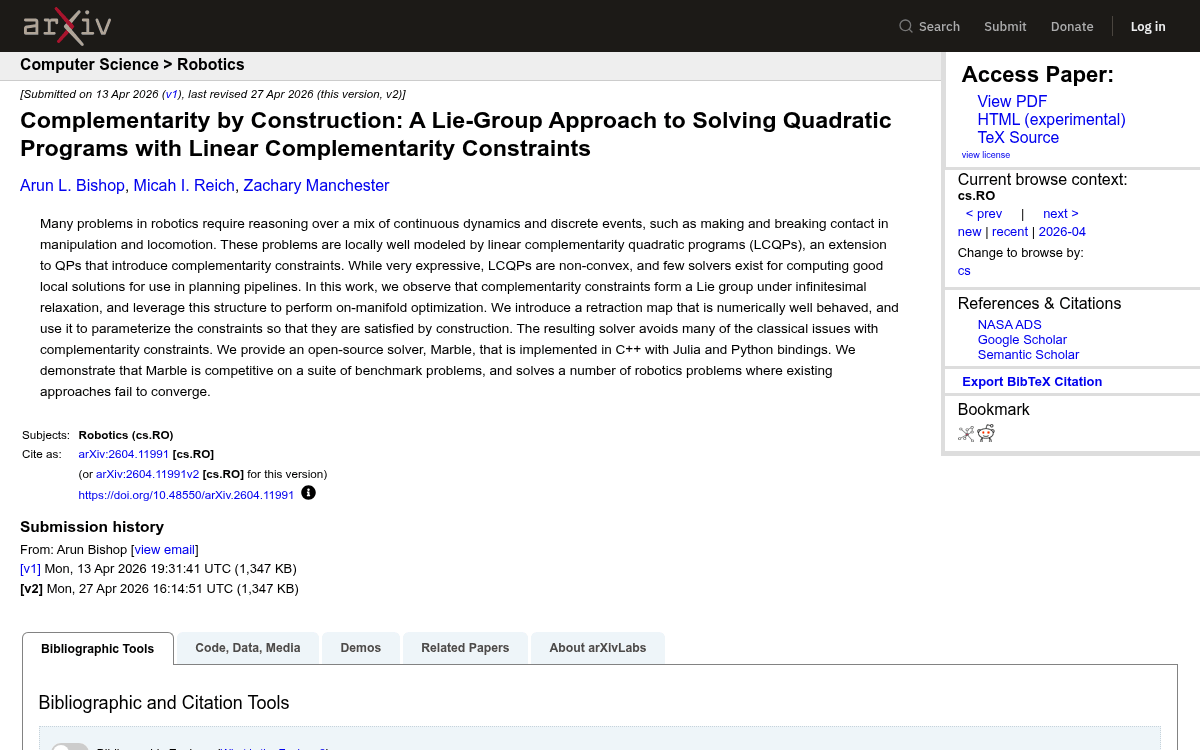
A new open-source solver from CMU and MIT tackles contact and hybrid robotics planning problems by treating complementarity constraints as a Lie group.

A new odometry method extends 2D radar tracking into full 3D pose estimation, matching lidar accuracy across 643km of driving data with just a gyroscope assist.

A new sampling scheme for model predictive control spreads candidate trajectories apart using uncertainty ellipsoids, cutting convergence time by up to 72 percent.
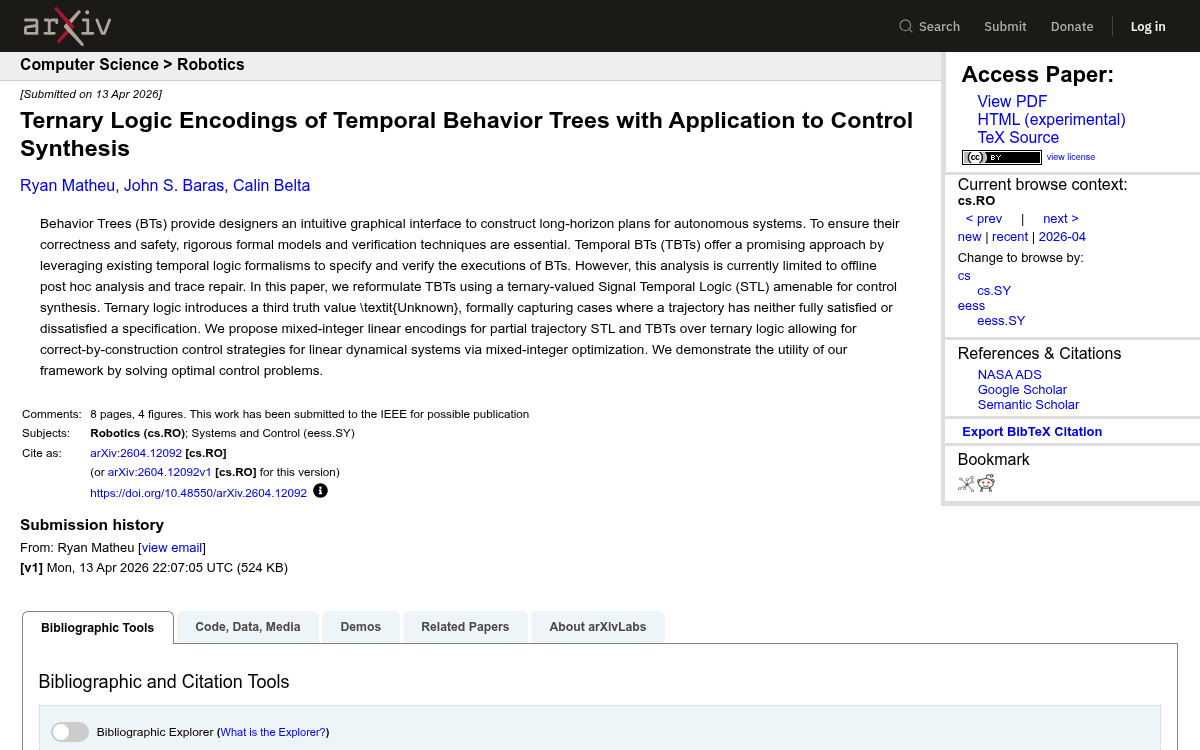
A new ternary-logic formulation lets robots plan directly from Behavior Trees using mixed-integer optimization, turning graphical task specs into provably safe control policies.