
Pro
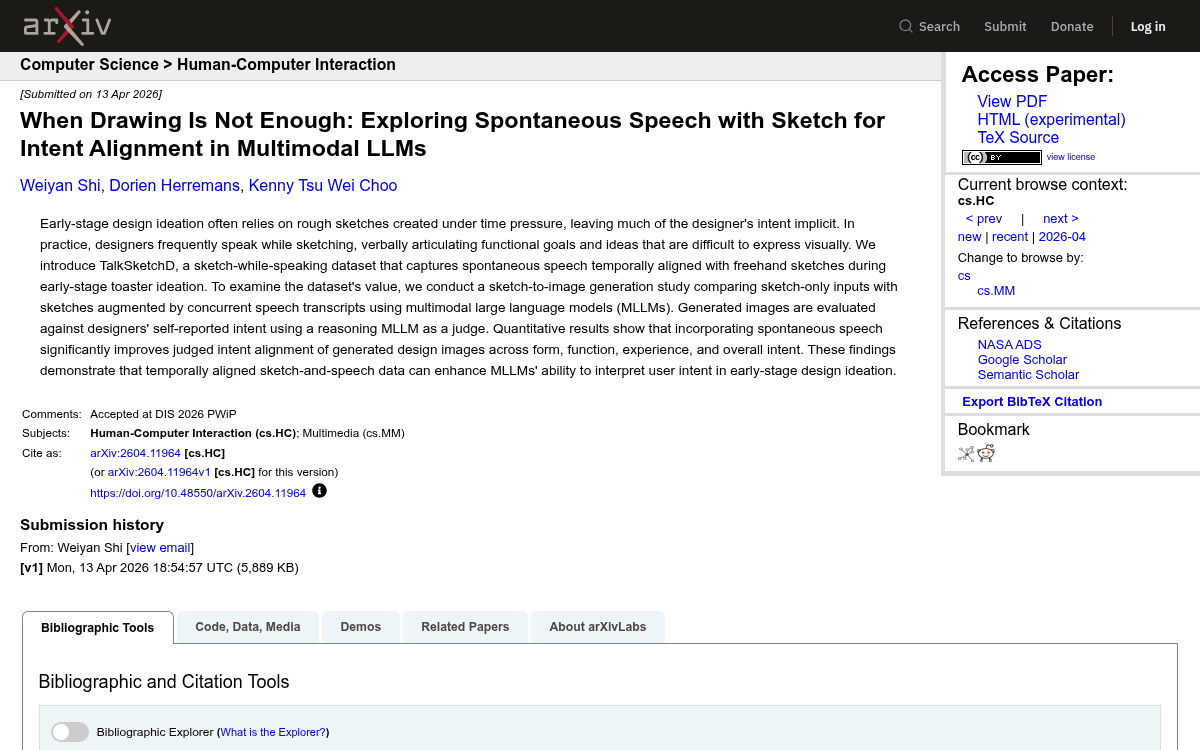
TalkSketchD Shows Designers' Mumbling Beats Sketches for AI Intent Alignment
A small study shows that feeding a designer's messy real-time speech alongside their rough sketches lifts intent-alignment scores from a median of 2 to 7 out of 7.
20 stories
A small study shows that feeding a designer's messy real-time speech alongside their rough sketches lifts intent-alignment scores from a median of 2 to 7 out of 7.
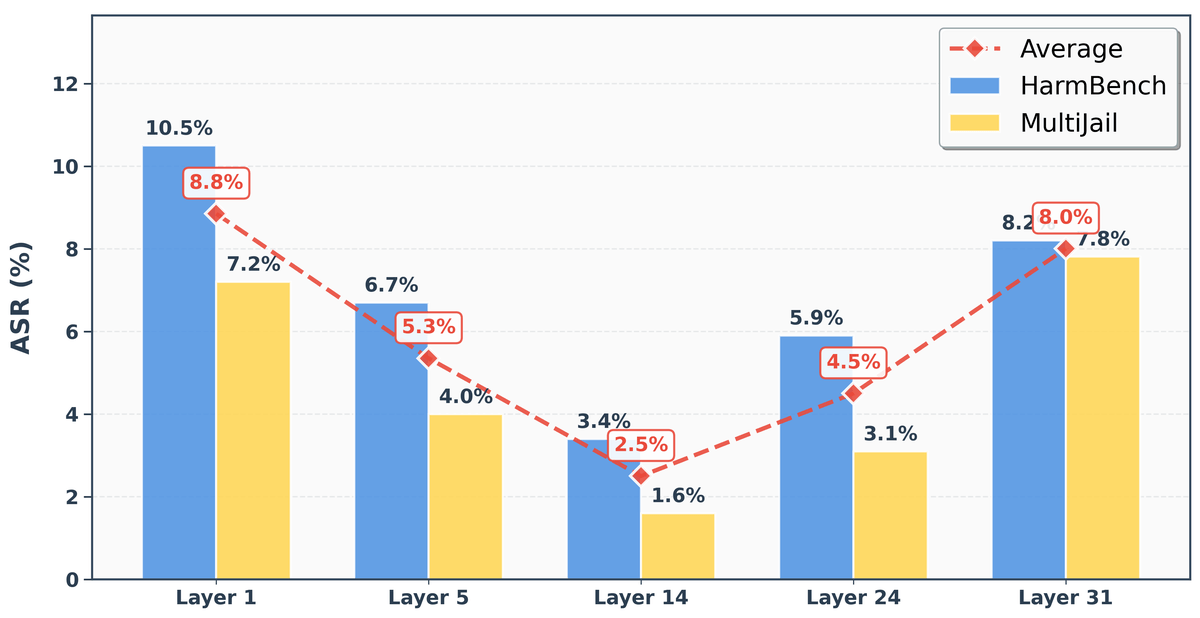
A new method locates the mid-network layer where meaning trumps language, then anchors safety training there to close cross-lingual jailbreak gaps.
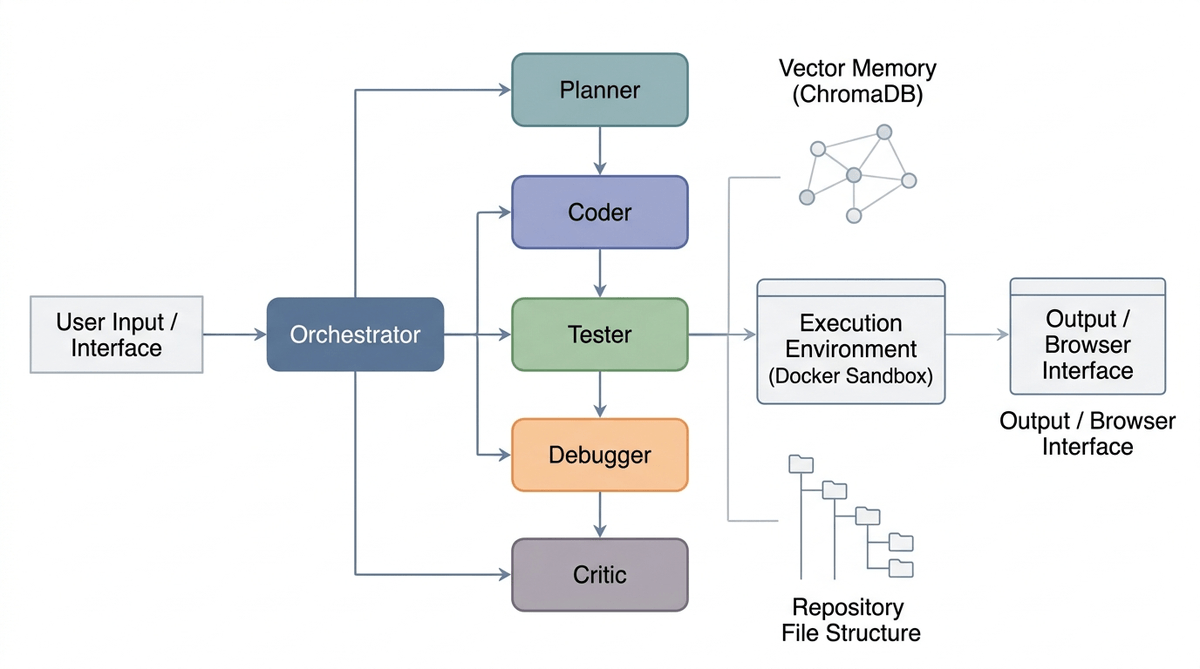
A five-agent pipeline that forces every generated patch through a Docker sandbox hits 40 percent on SWE-Bench Lite, more than doubling single-agent GPT-4o.
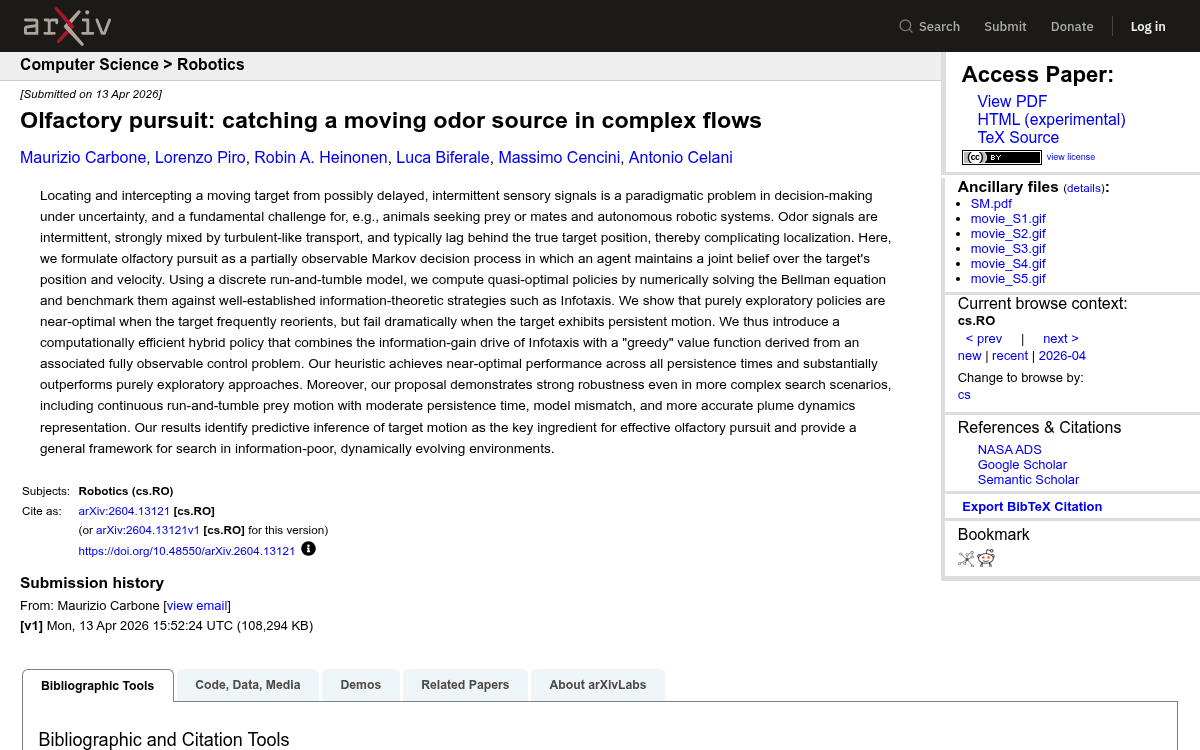
Researchers show that classic Infotaxis fails when odor sources move persistently, and a hybrid policy that predicts target trajectories fixes it.
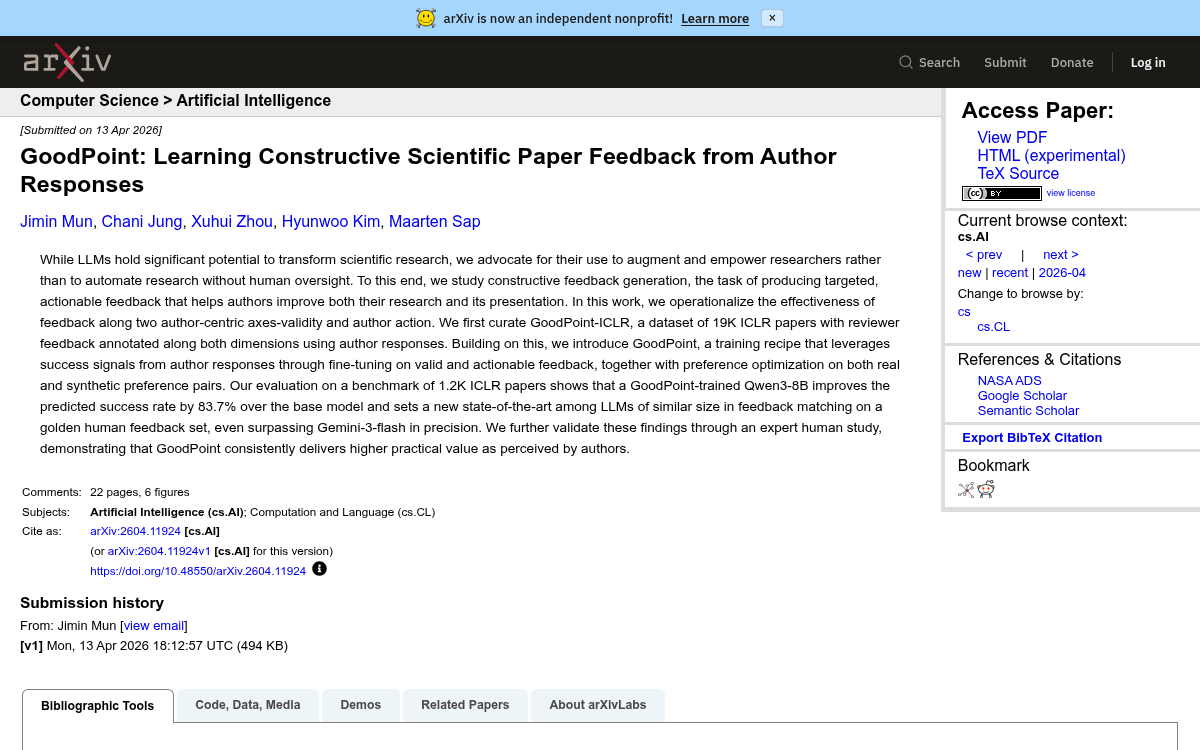
GoodPoint trains an 8B model on 19K ICLR papers to generate targeted, actionable paper feedback that authors actually act on — beating Gemini-3-flash in precision.
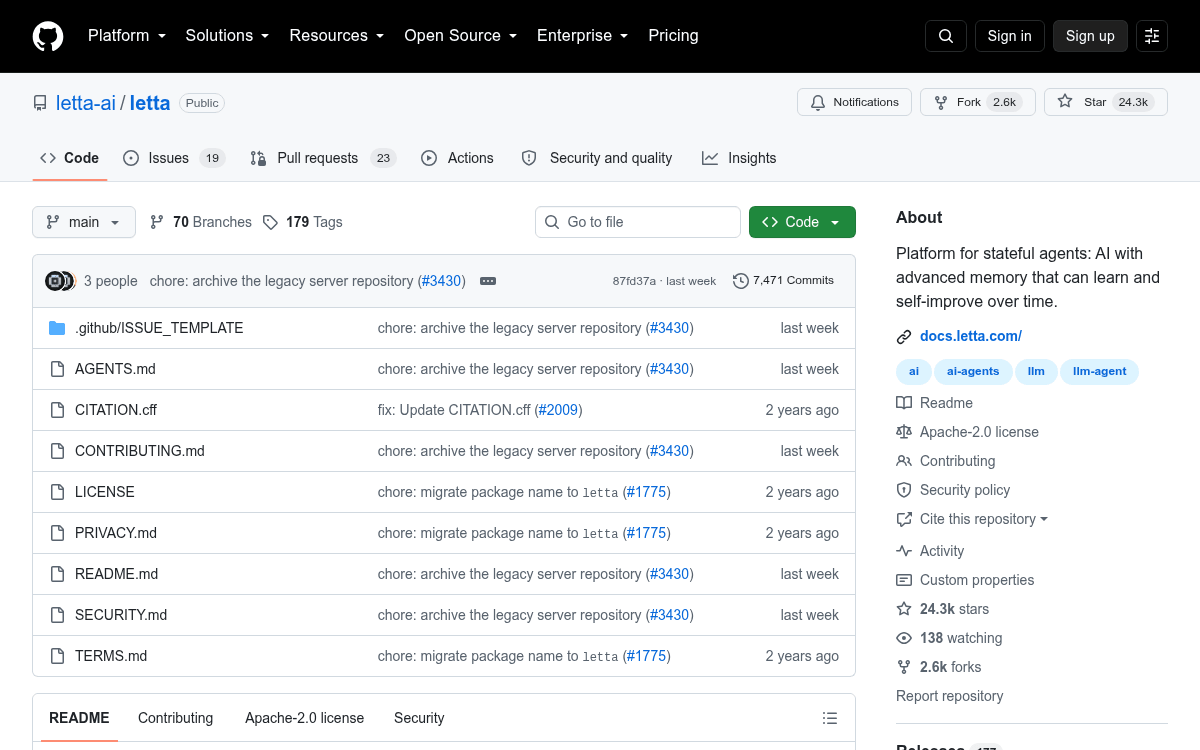
The original letta-ai/letta repository has been retired, with active development shifting to letta-code, a memory-first coding agent with git-backed context.

A hands-on Chinese-language LLM curriculum bundles video, docs, and runnable code across fine-tuning, RAG, agents, and deployment into one path.
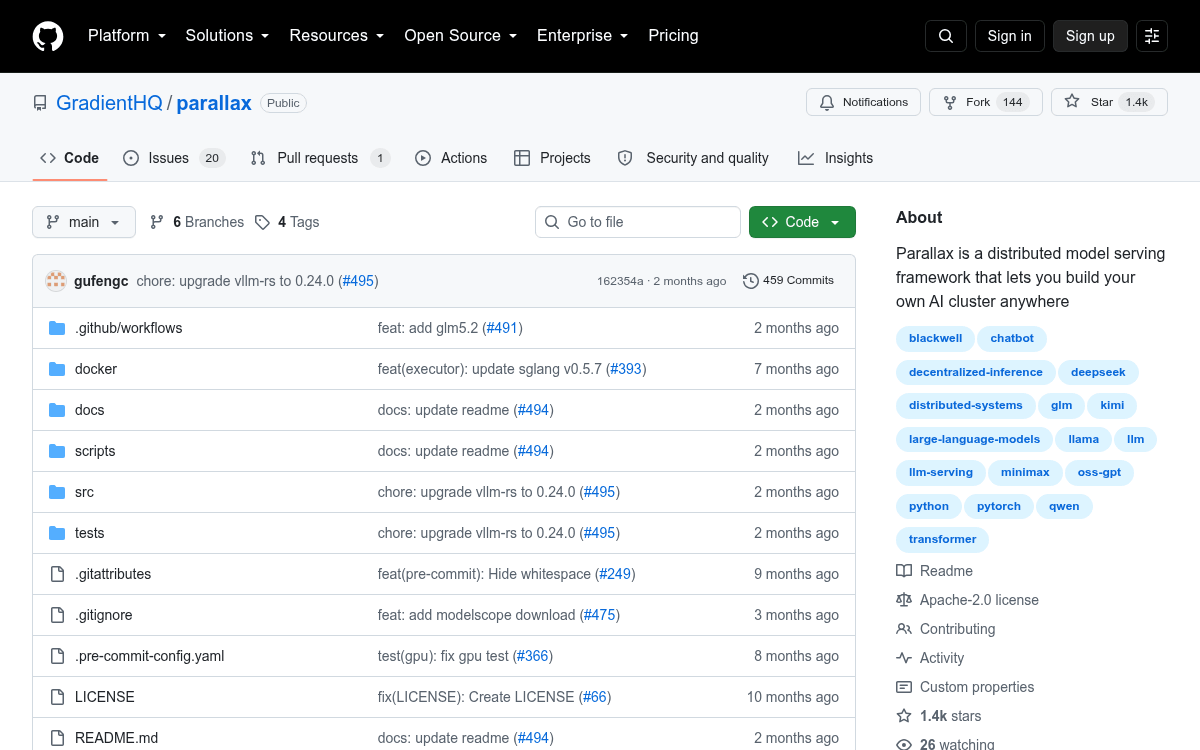
Gradient's open-source Parallax turns a pile of mismatched Macs and GPUs into a single inference cluster, hitting 3.1x throughput over Petals.

WorldGen turns a text prompt or image into a fully explorable 3D Gaussian Splat scene in seconds, with just two lines of Python
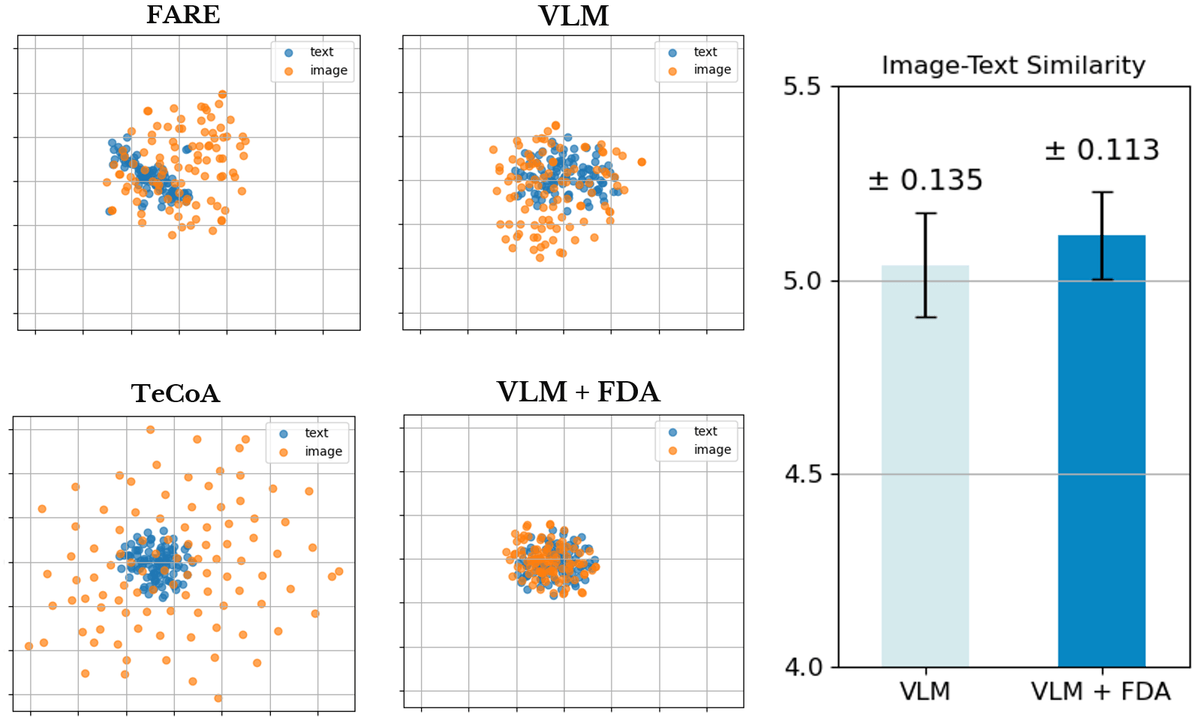
New attention trick removes function words from vision-language alignment, cutting adversarial attack success by up to 90% with essentially no accuracy loss.
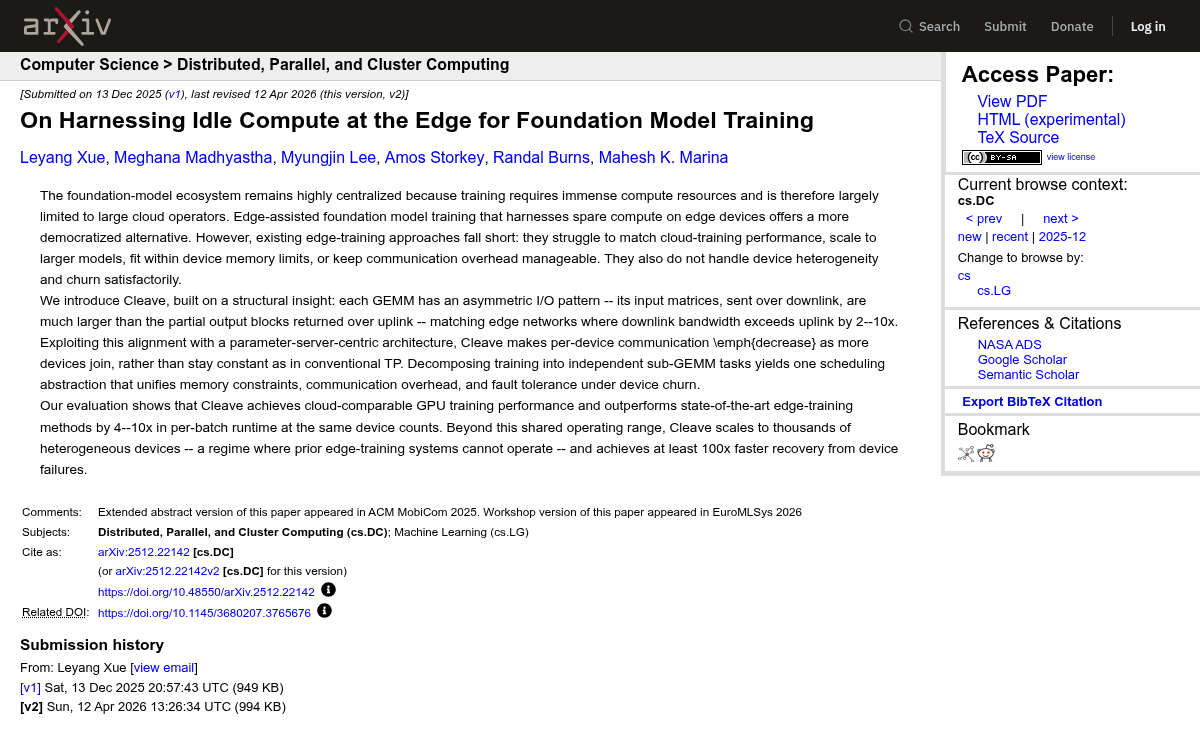
Cleave turns idle phones and laptops into a distributed training cluster by exploiting a match between how GEMMs move data and how home networks work.
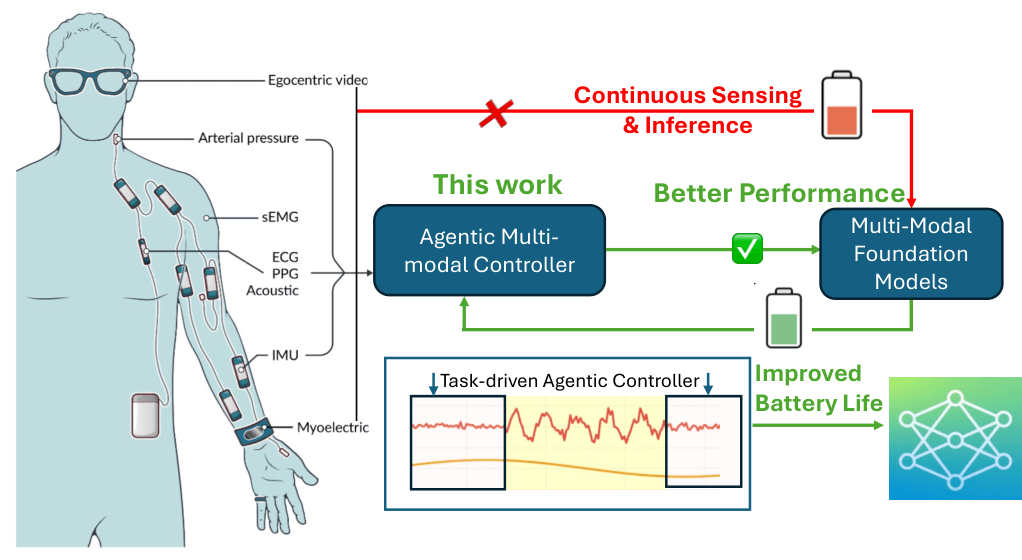
A new framework called AMI lets wearable medical devices skip redundant sensor readings and idle unused modalities, cutting sensor usage nearly in half while lifting accuracy.
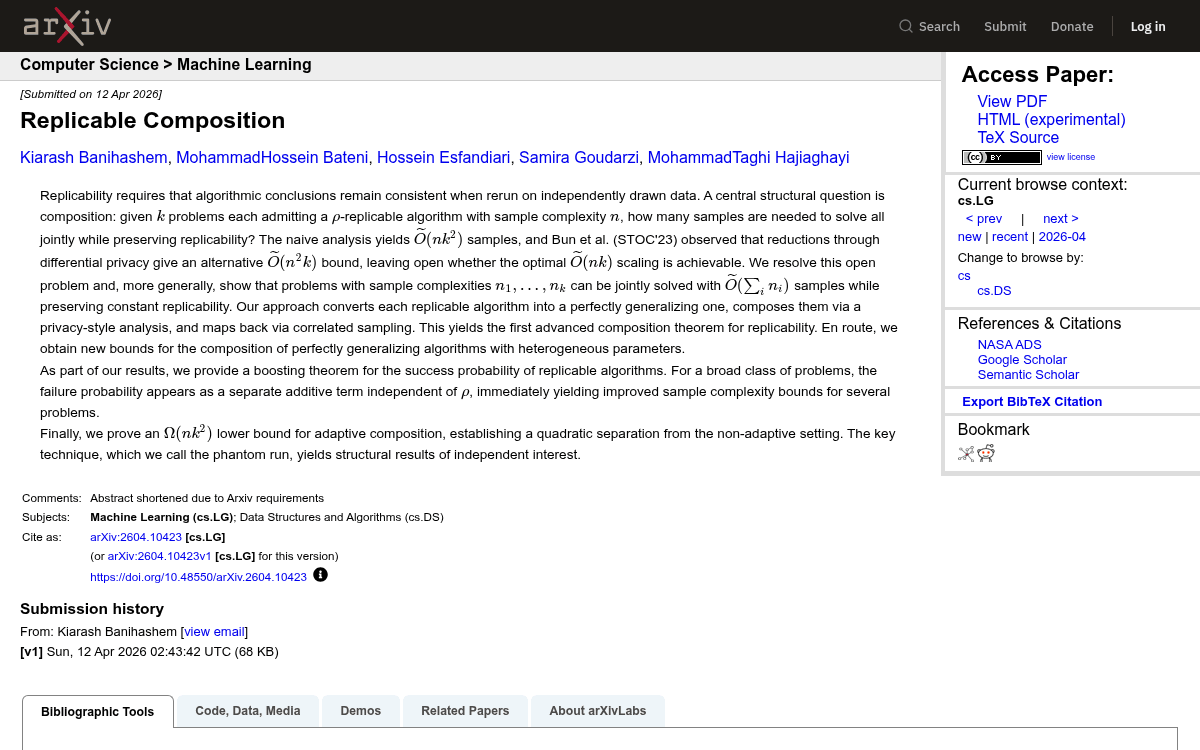
A team of five researchers closes a decade-defining gap in replicable algorithm theory, proving optimal sample scaling when composing k stable procedures.

A new framework grounds ECG language models in causal graphs and counterfactual reasoning, cutting hallucinations to 4% while lifting diagnostic accuracy to 84%.
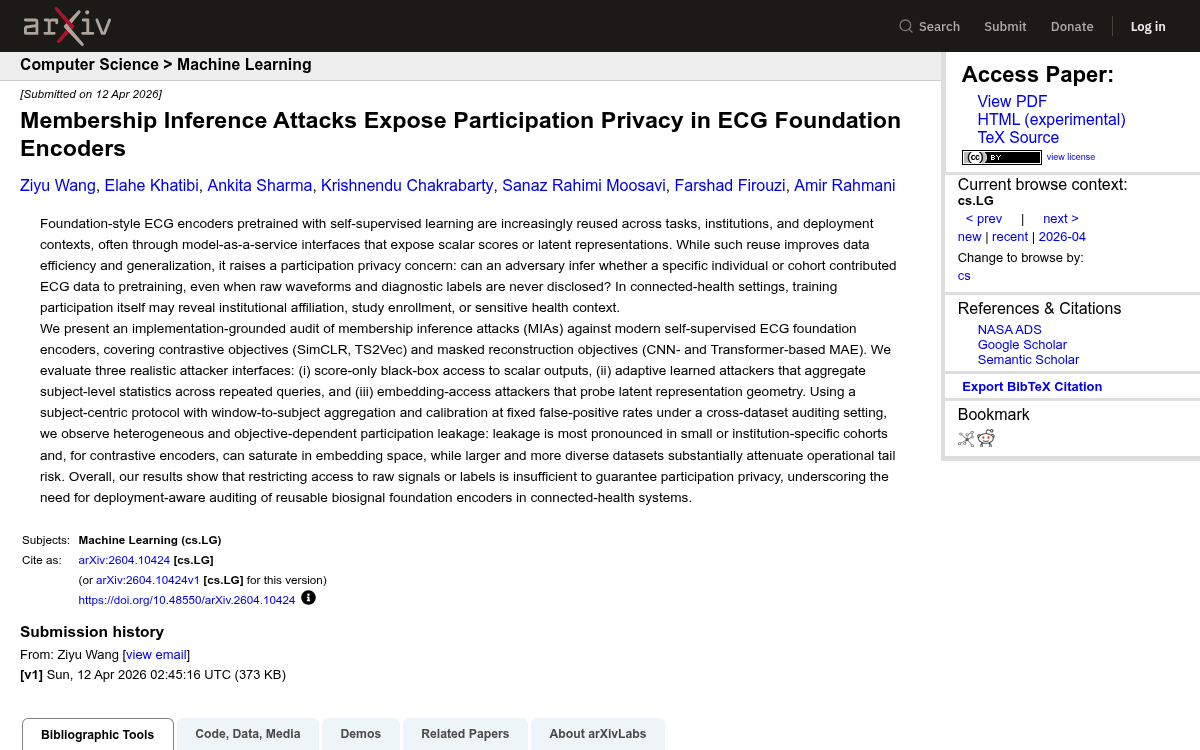
A new audit finds self-supervised ECG encoders can reveal whether a specific cohort's data was used for pretraining, especially when embeddings are exposed.
New research shows heterogeneous sparse connectivity only helps when placed by gradients, and RigL's equilibrium topology can be predicted and used as initialization.
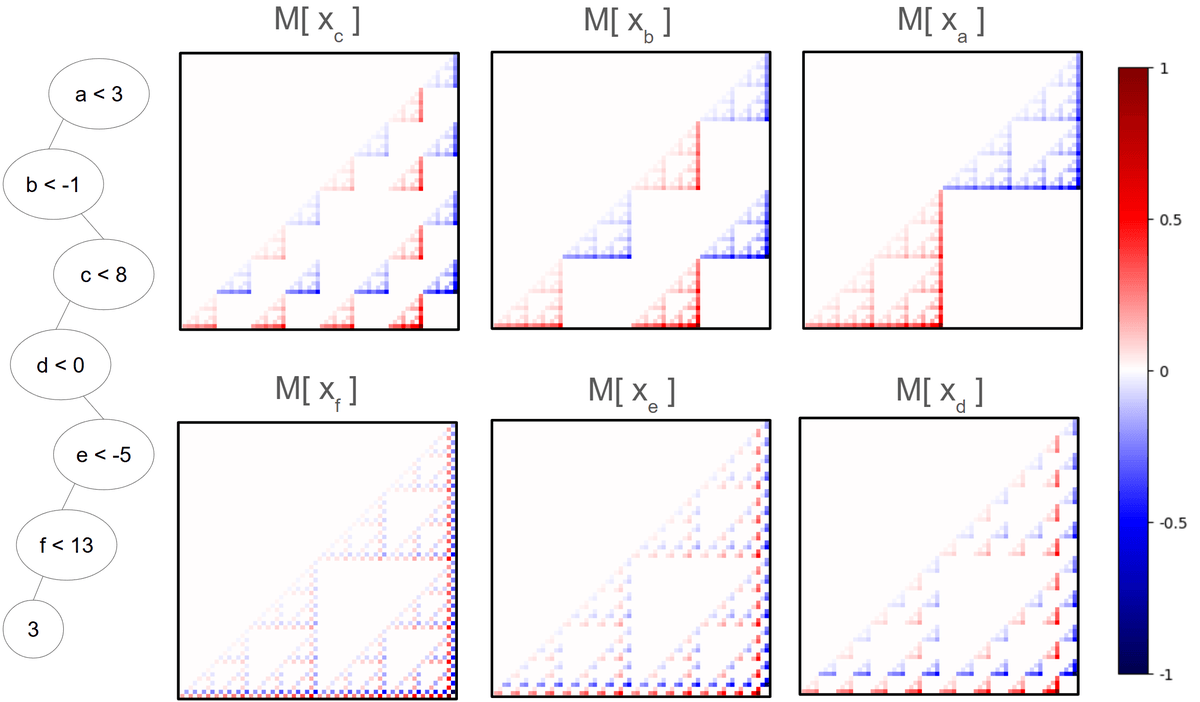
A Strassen-inspired trick shrinks SHAP's exponential cost from 3^D to 2^D, making exact feature attributions practical for deep tree ensembles.

New research shows replay buffers silently poison self-supervised models on streaming data, and proposes SOLAR to adaptively balance stability and plasticity.
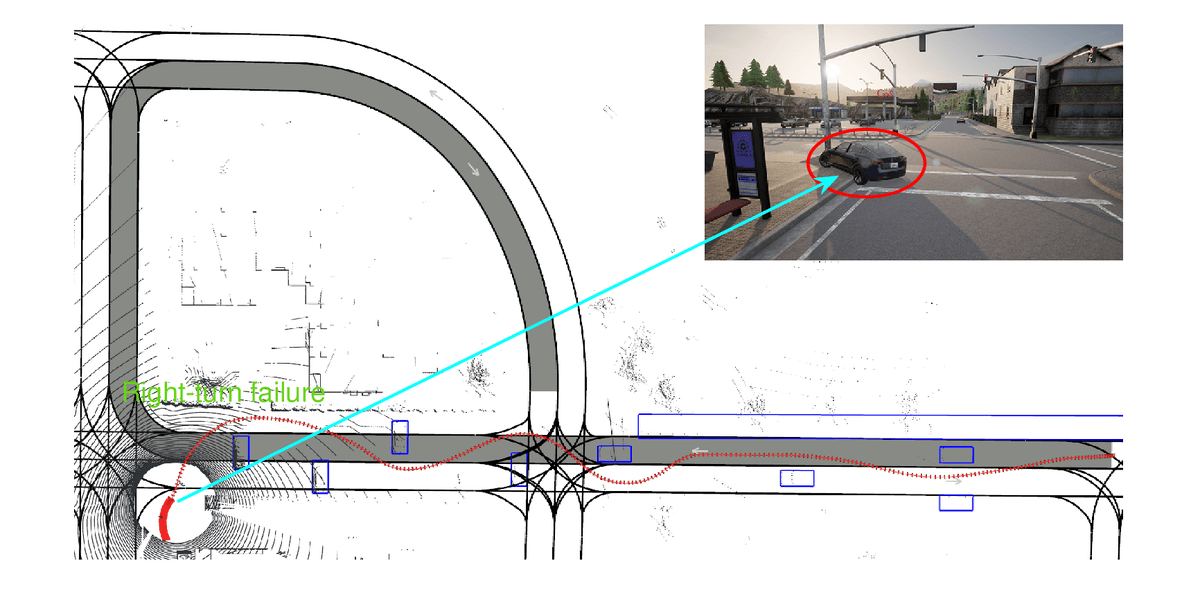
A new framework yields controllers with finite-sample deployment guarantees under distribution shift, tying both concentration and robustness to a single closed-loop operator norm.
A joint learning-and-resource optimization framework that squeezes more accuracy out of tiny sensor datasets while cutting energy and CPU costs at IoT edge nodes.