
Pro
HoPA Distills Video, Audio, and Text Into 100 Training Samples
HoPA compresses datasets with three or more modalities into tiny synthetic sets, using a single SVD-derived proxy instead of expensive pairwise alignments.
20 stories
HoPA compresses datasets with three or more modalities into tiny synthetic sets, using a single SVD-derived proxy instead of expensive pairwise alignments.
Four new compressed optimizers extend Muon-style training to federated settings, cutting uplink traffic by roughly 60-65% while preserving convergence.
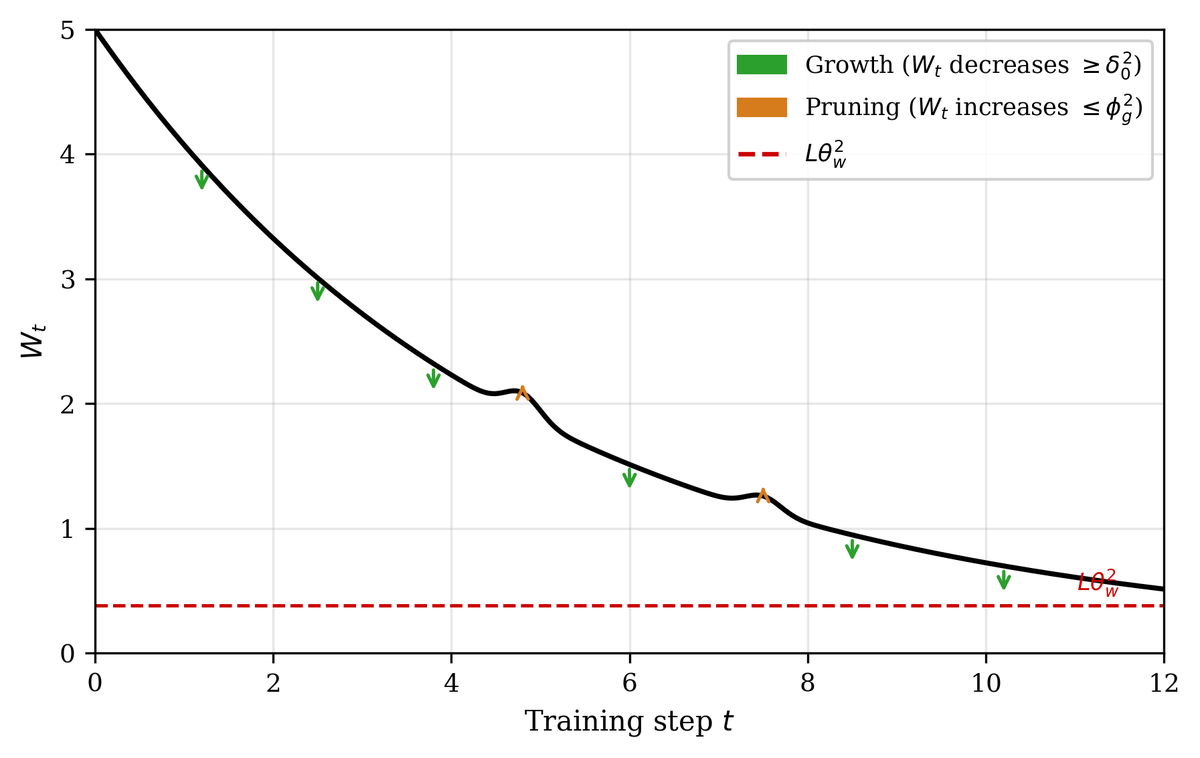
A new Transformer variant grows its own attention heads based on task geometry, matching BERT-base with 3-7x fewer parameters and no pre-training.
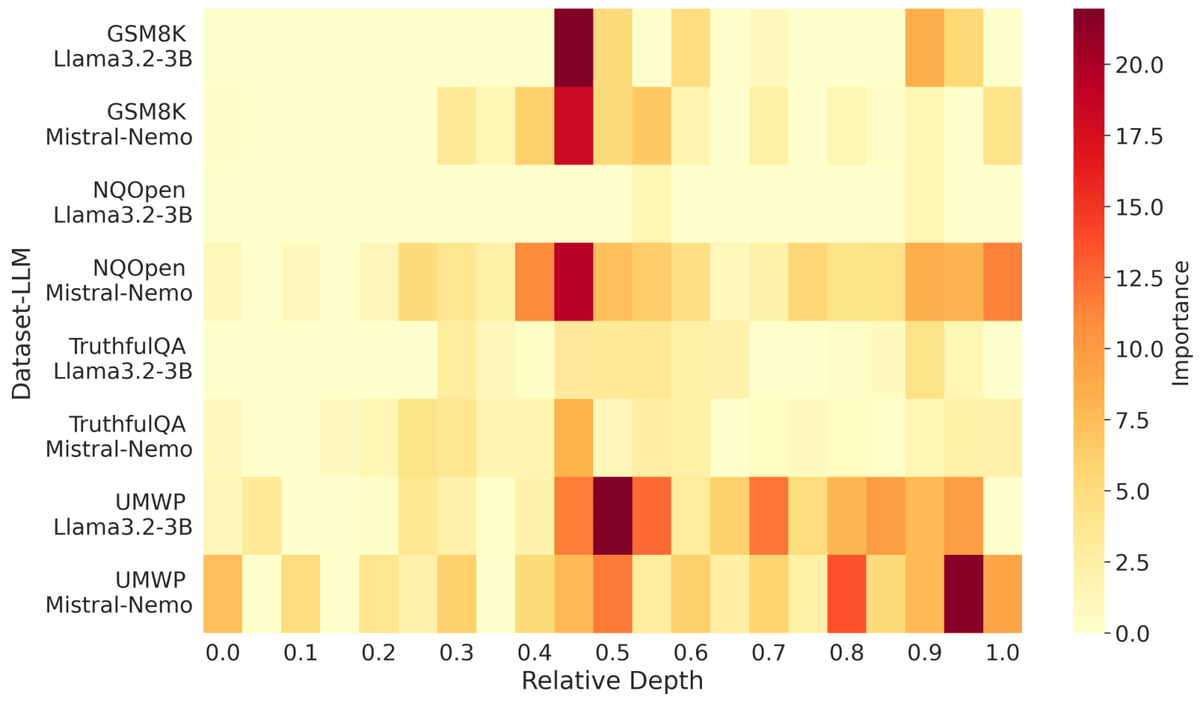
A new probe called SinkProbe uses attention sink scores as features to detect hallucinations, beating prior methods on 23 of 28 benchmarks.
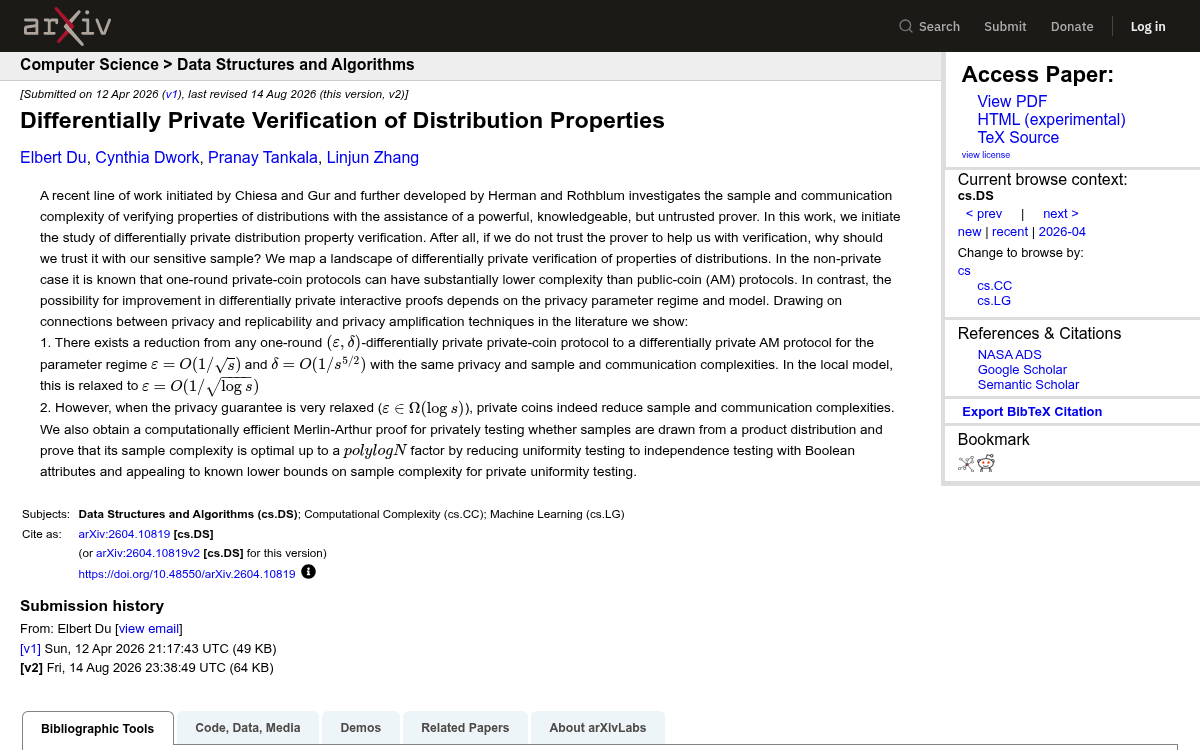
A new theory paper asks what happens when a verifier wants to check claims about a distribution using a helpful, untrusted prover, while keeping the sample private.
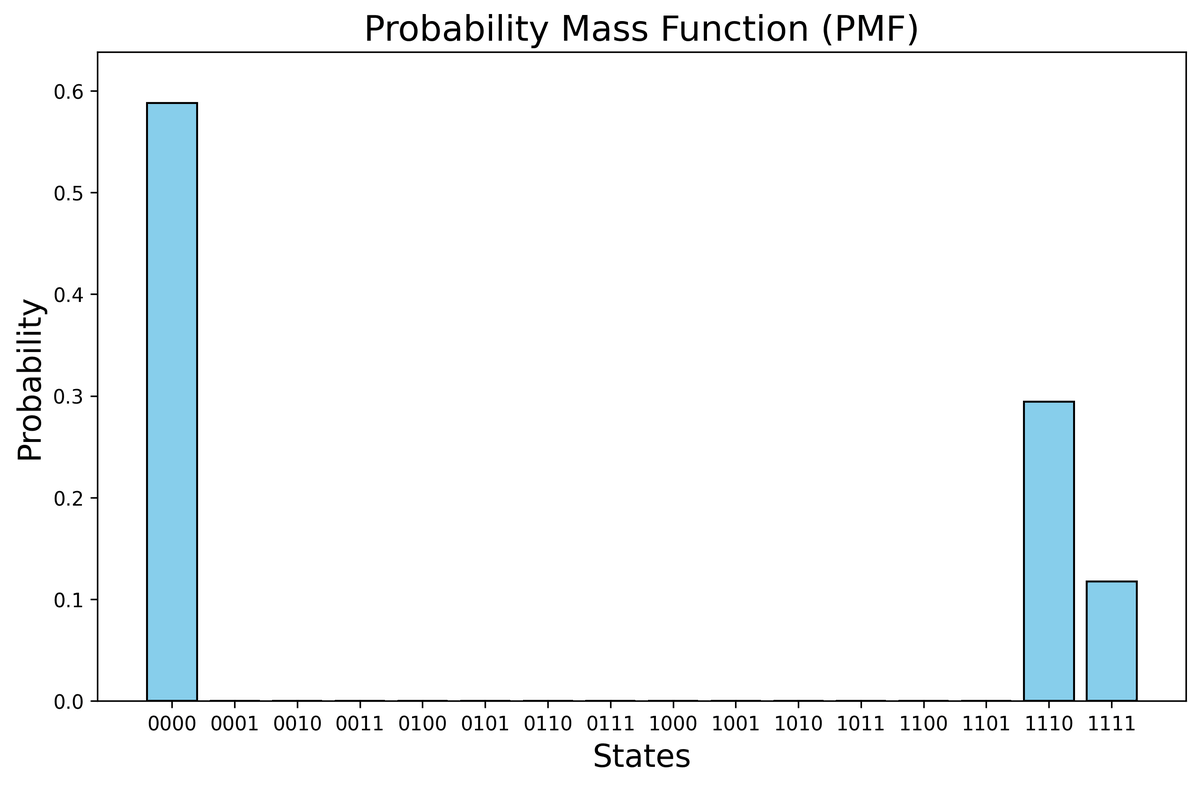
A new MCMC sampler uses logistic noise to jump between disconnected modes in discrete distributions, beating parallel tempering on Ising models, TSP, and binary neural nets.
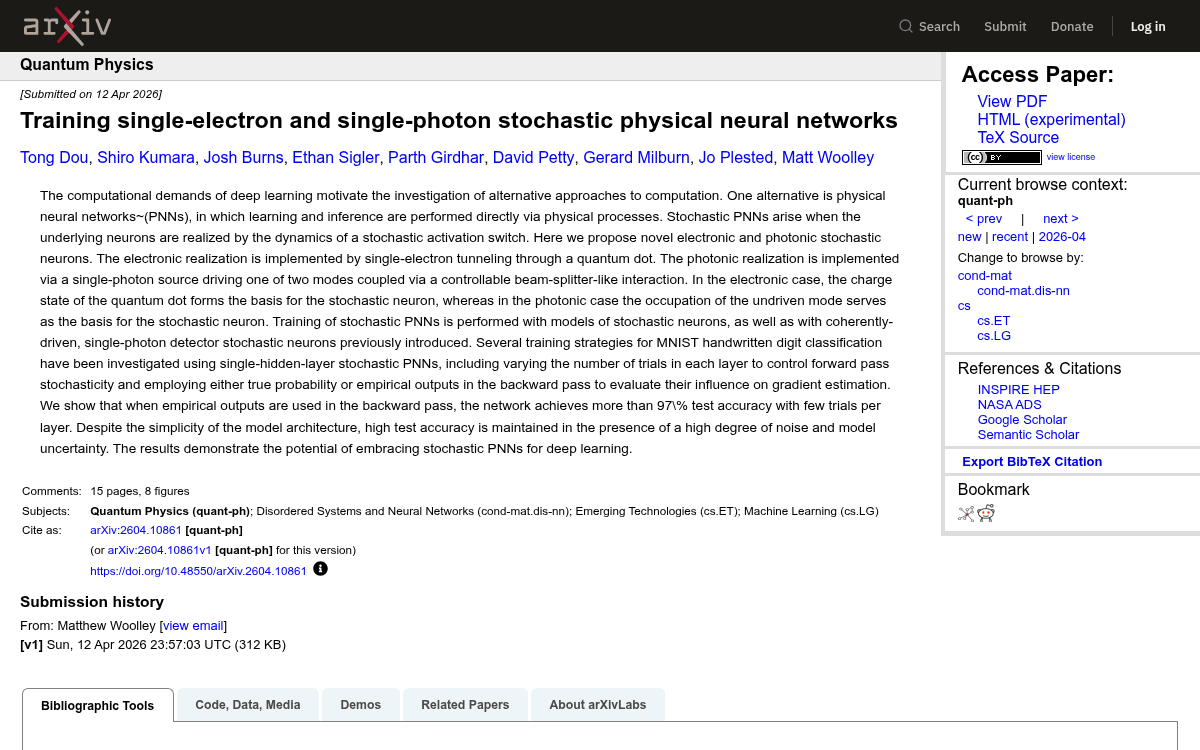
Researchers propose single-electron and single-photon stochastic neurons, then train them with sample-based gradient estimators reaching 97 percent on MNIST.
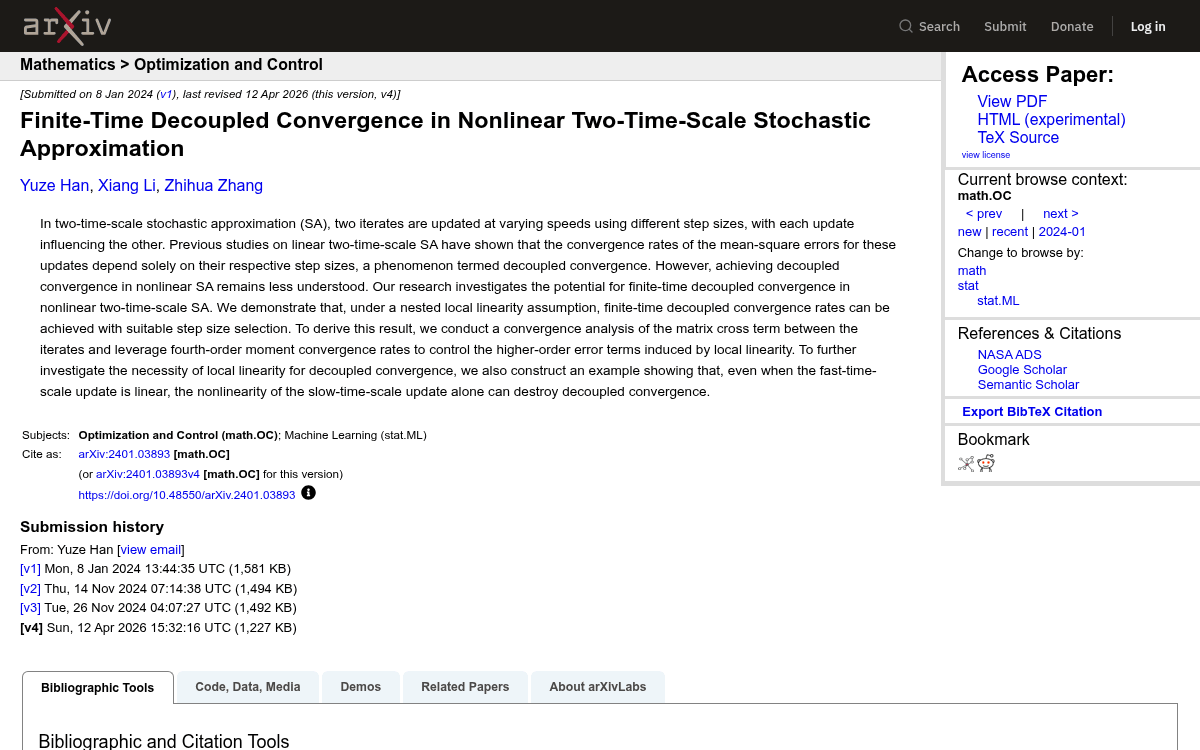
A new proof shows that in nonlinear two-time-scale stochastic approximation, each iterate's error can depend only on its own step size given a local linearity condition.
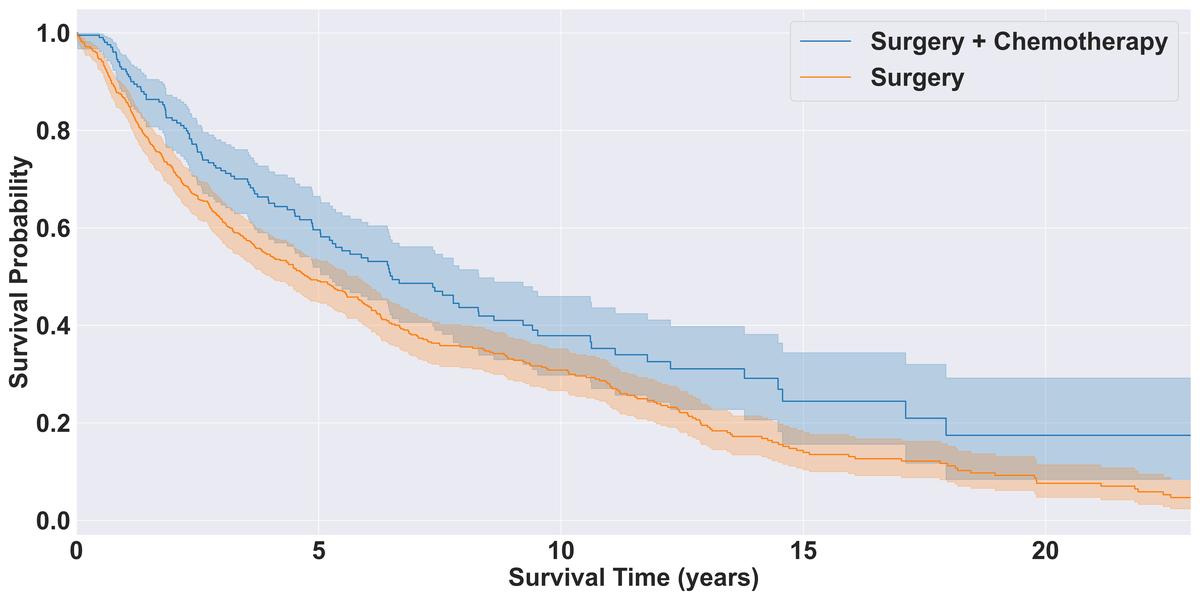
A new deep learning method estimates how treatment effects change over time for censored survival data, tackling instability in precision medicine analyses.
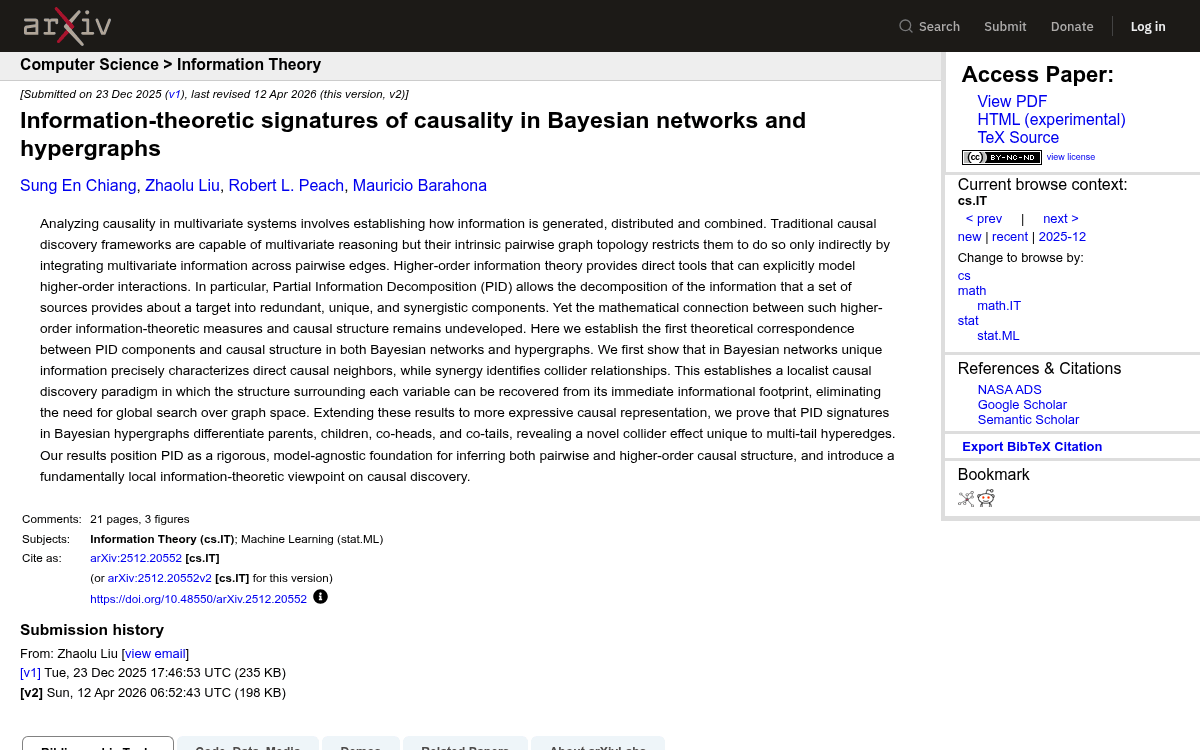
A new theoretical framework links Partial Information Decomposition atoms to causal graph structure, letting you infer edges locally without searching the full graph space.
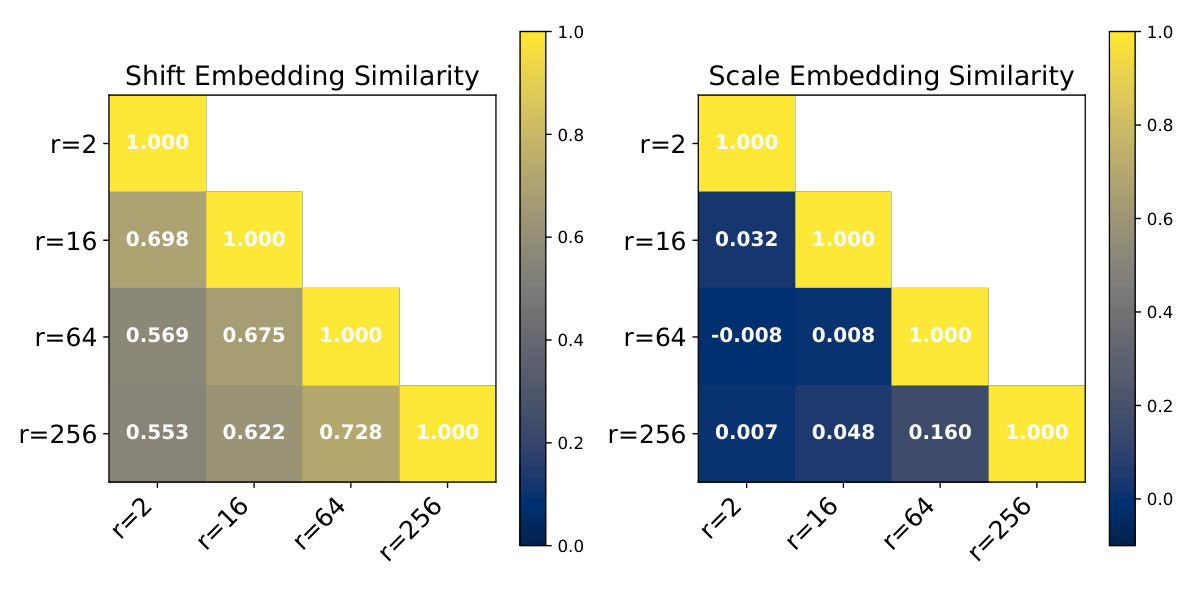
Researchers show prompt embeddings can be learned in just 2 dimensions, then randomly up-projected, cutting trainable parameters by 98% with no loss in accuracy.
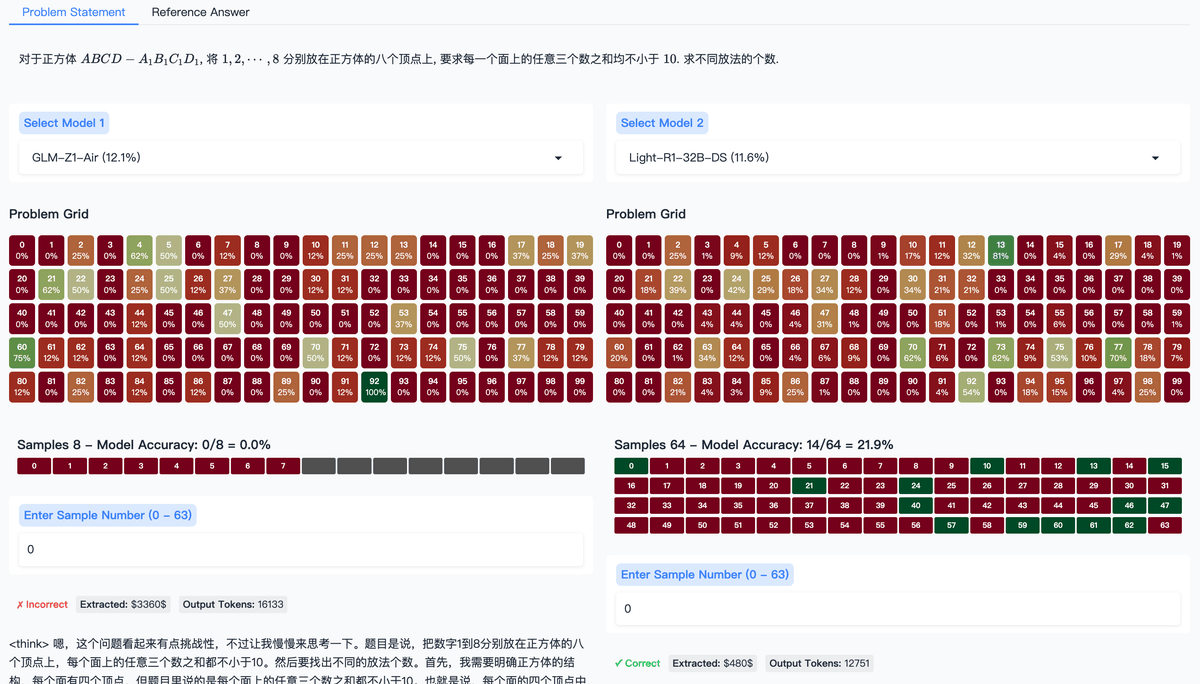
A new bilingual Olympiad math suite exposes how the strongest reasoning models still stumble, guess symmetries, and lose accuracy in Chinese.
A new benchmark and DPO recipe from Technion and Nvidia Research measure and fix the gap between what LLMs decide and what they say.
A new agentic framework turns motion sensor signals into text-based reasoning problems, hitting 81.6% accuracy across eight benchmarks without any training.
A new framework fine-tunes small LLMs to turn vague engineering requirements into executable optimization code, without needing costly simulator feedback in the training loop.
A new framework combines structure-aware hypergraph retrieval with step-level rewards to push multi-hop QA accuracy past Graph-R1 baselines.
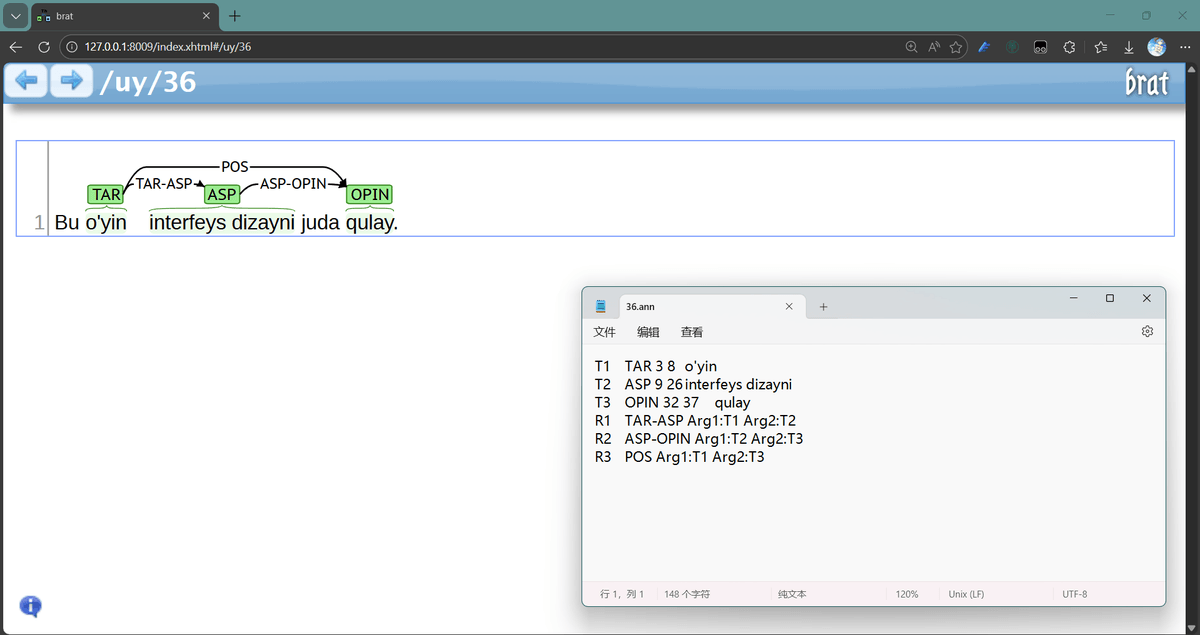
Researchers built the first target-aspect-opinion-sentiment quadruple dataset for Uzbek and Uyghur, plus a syntax-aware tagging model that beats GPT-5 by seven F1 points.
A new proposal to classify undecidable problems into three complete complexity classes, borrowing the NP-complete playbook to map what lies past the halting problem.
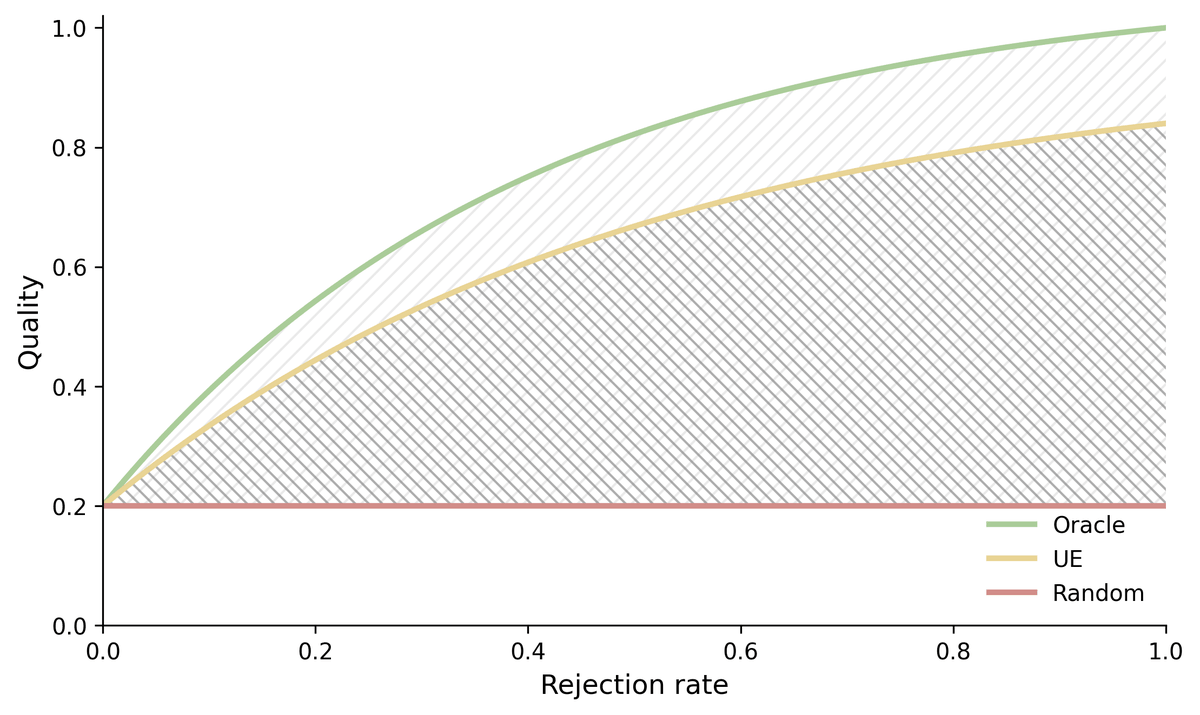
A new benchmark reveals confidence scores in LLMs break down when questions have multiple valid answers or ambiguous phrasing, exposing predictable failure modes.
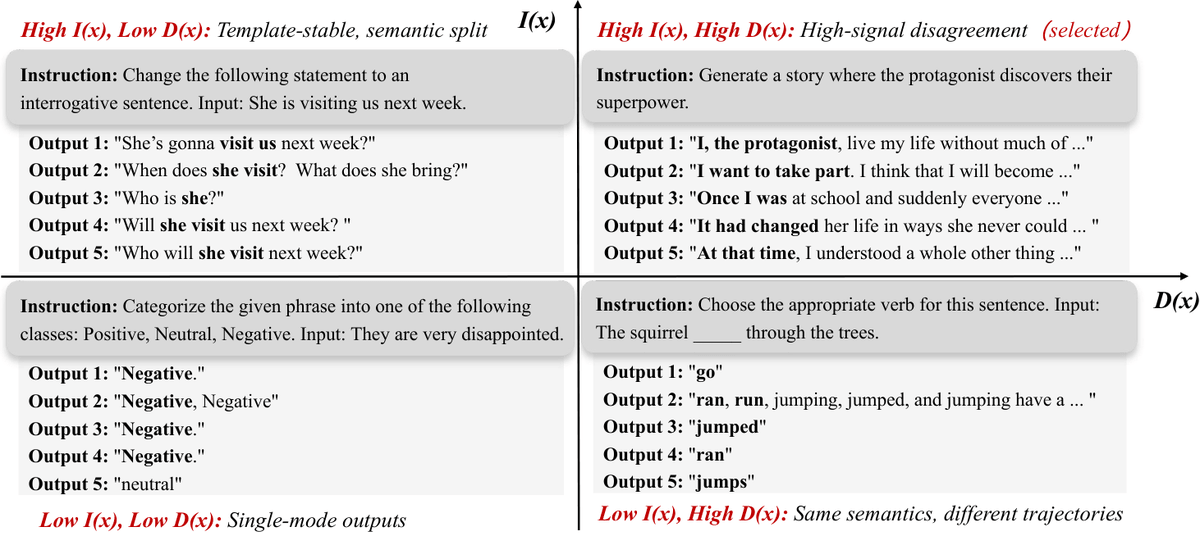
A new geometry-aware method scores instruction data by measuring how a model's own multi-sample answers spread in embedding space, beating strong selectors with just 10K examples.