
Pro
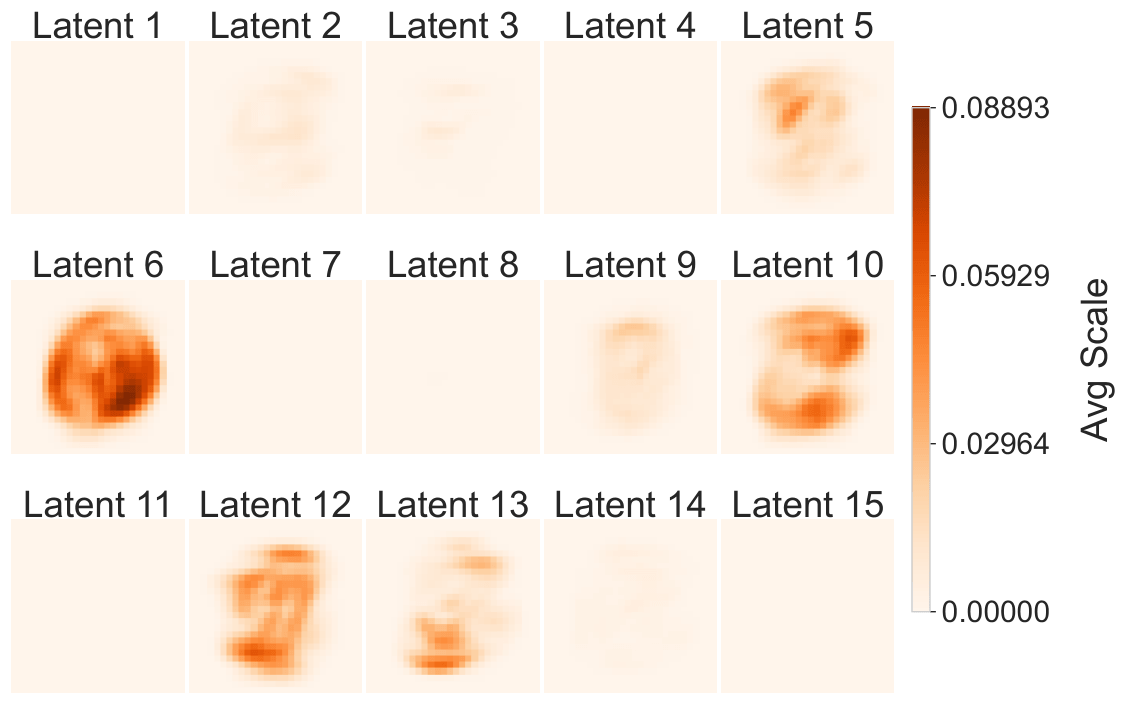
Notre Dame's bfVAE Untangles AI's Hidden Data Without Ground-Truth Labels
A new framework unifies disentangled VAEs and delivers evaluation metrics that work without ground-truth generative factors, particularly for tabular data.
20 stories
A new framework unifies disentangled VAEs and delivers evaluation metrics that work without ground-truth generative factors, particularly for tabular data.
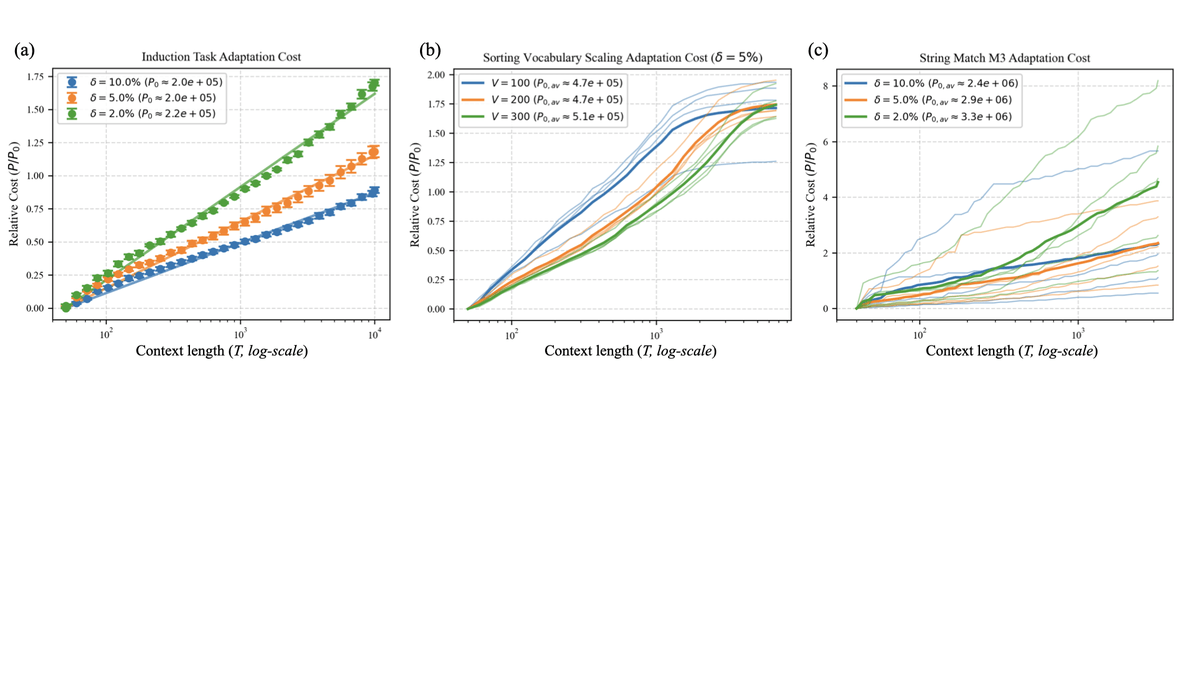
New theoretical work shows transformers have an inductive bias toward low-complexity algorithms, explaining why they nail sorting but fail at shortest-path.
A self-supervised approach reduces complex physics expressions to compact forms by learning from reversed scrambling trajectories, hitting near-perfect solve rates.
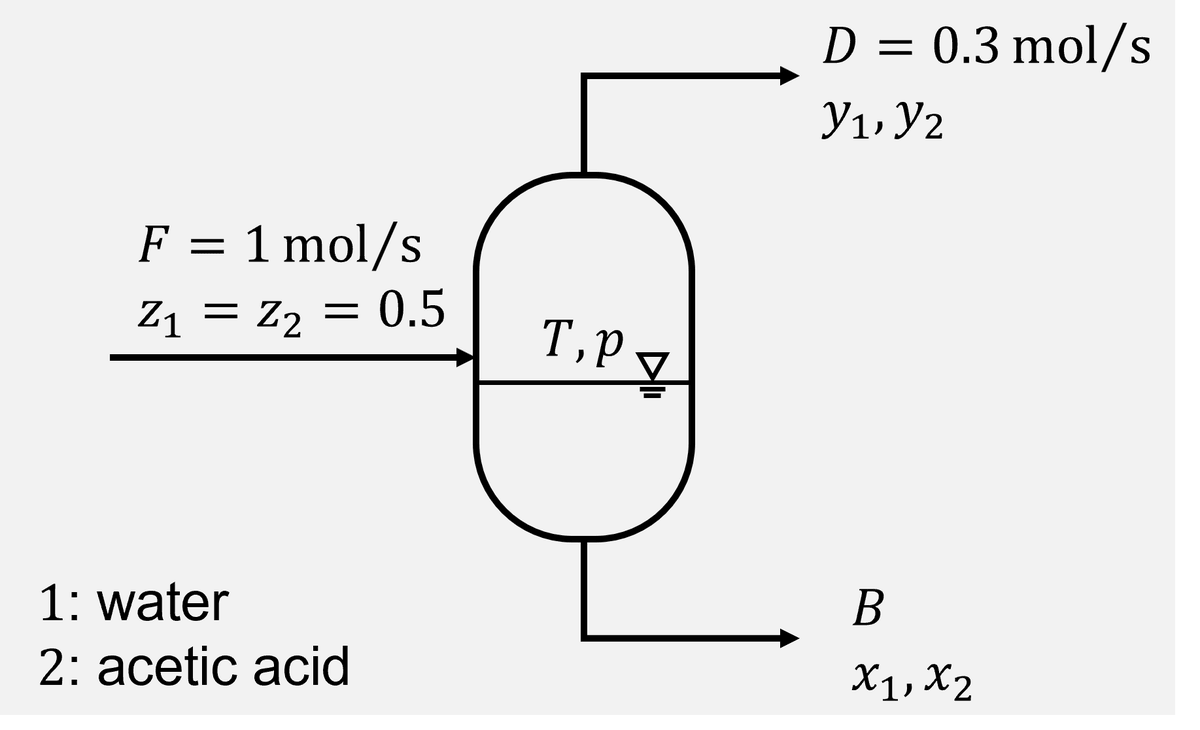
A hybrid Bayesian optimization approach that embeds physics equations as constraints and uses Gaussian processes only for missing terms converged in a single iteration versus 25+ for standard BO.
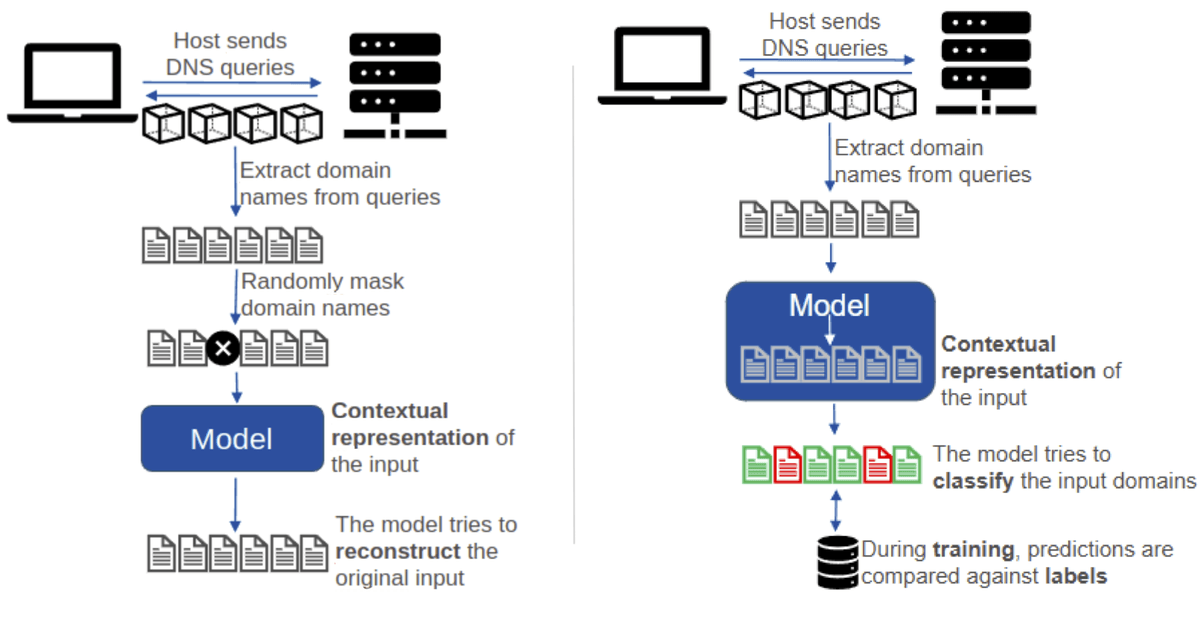
A new Transformer with graph attention learns domain name embeddings from raw DNS traffic, beating Word2Vec baselines on malicious domain classification.
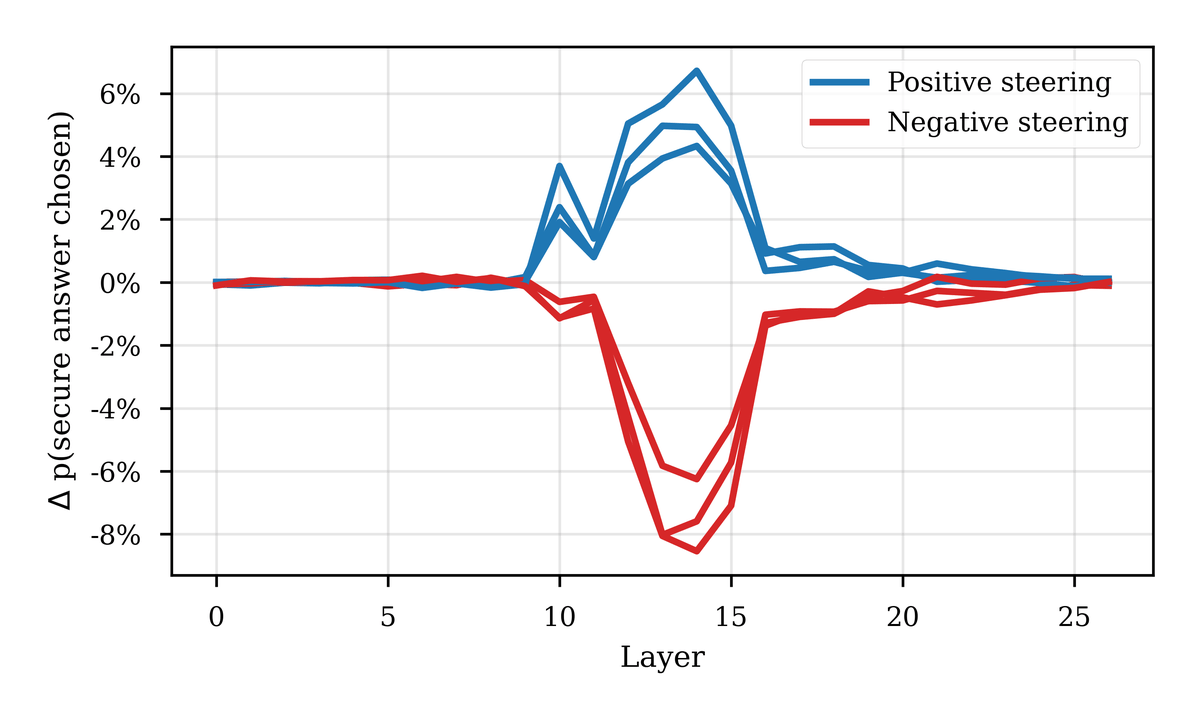
Researchers at Fraunhofer show code models internally 'know' when they are writing vulnerable code, and a single vector addition can flip the outcome.
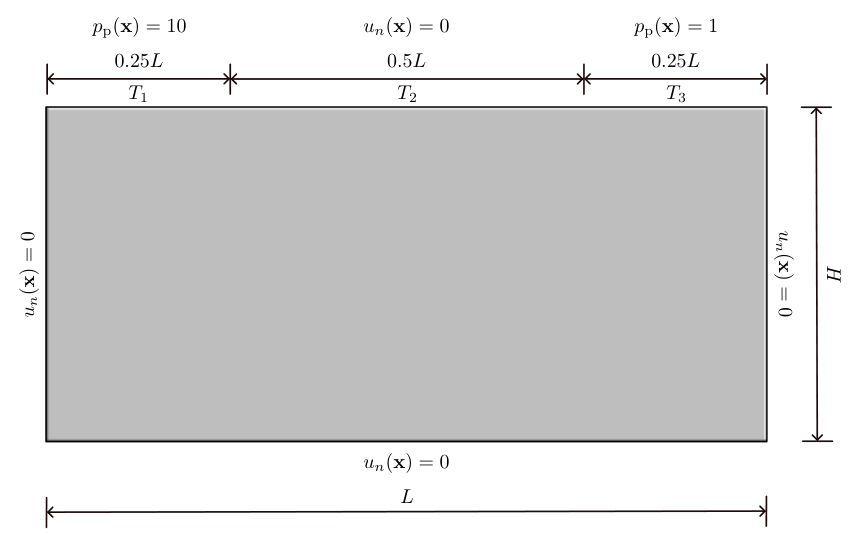
A new deep learning solver linearizes nonlinear gas flow equations in porous rock, hitting analytical accuracy across pressure regimes with proven convergence.
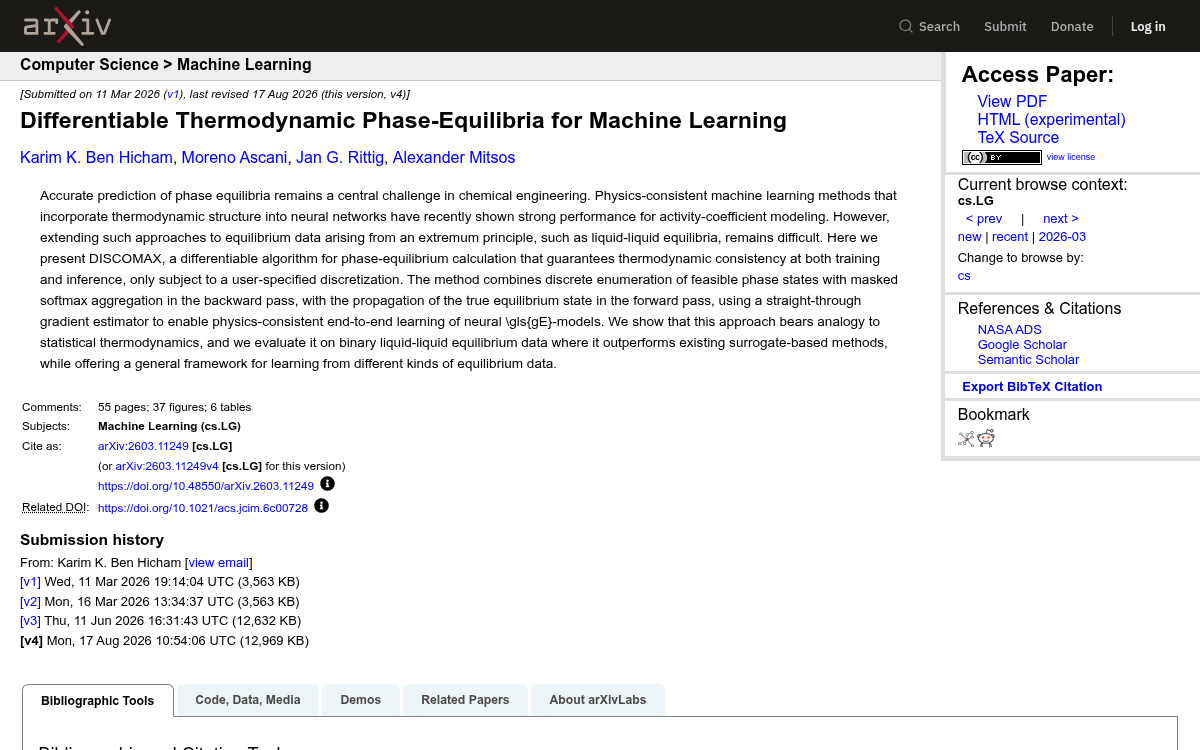
A new differentiable solver called DISCOMAX lets neural networks learn phase equilibria end-to-end while guaranteeing thermodynamic consistency at every step.
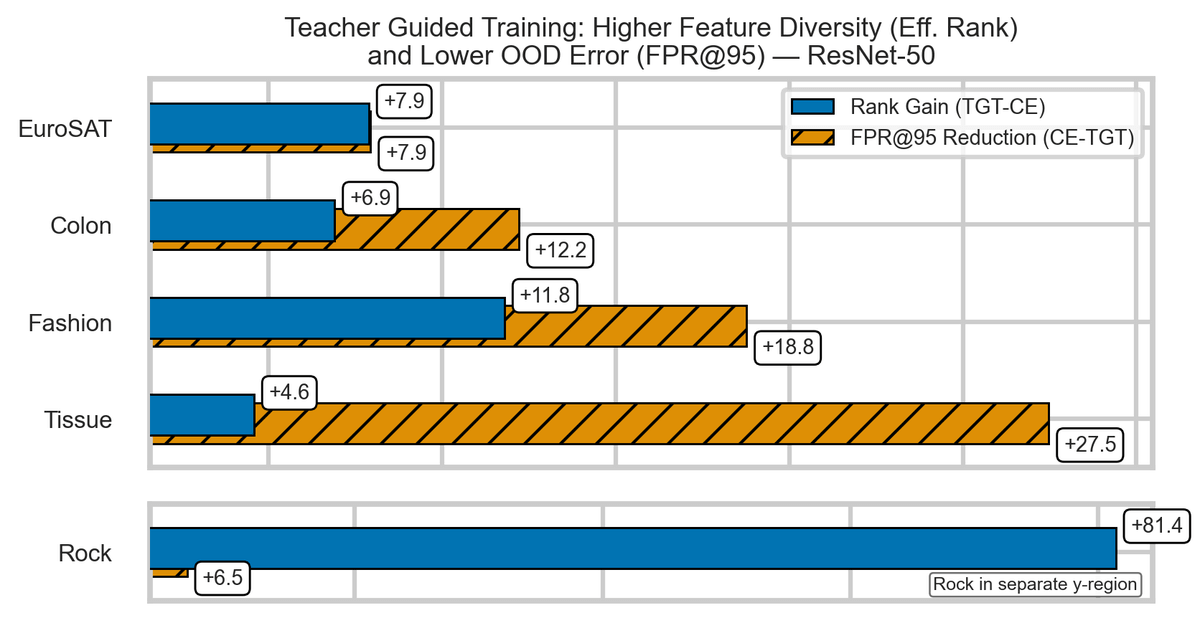
A geometric fix restores domain-shift signal in single-domain classifiers, cutting distance-based OOD false positives by 11-13 points with zero inference overhead.
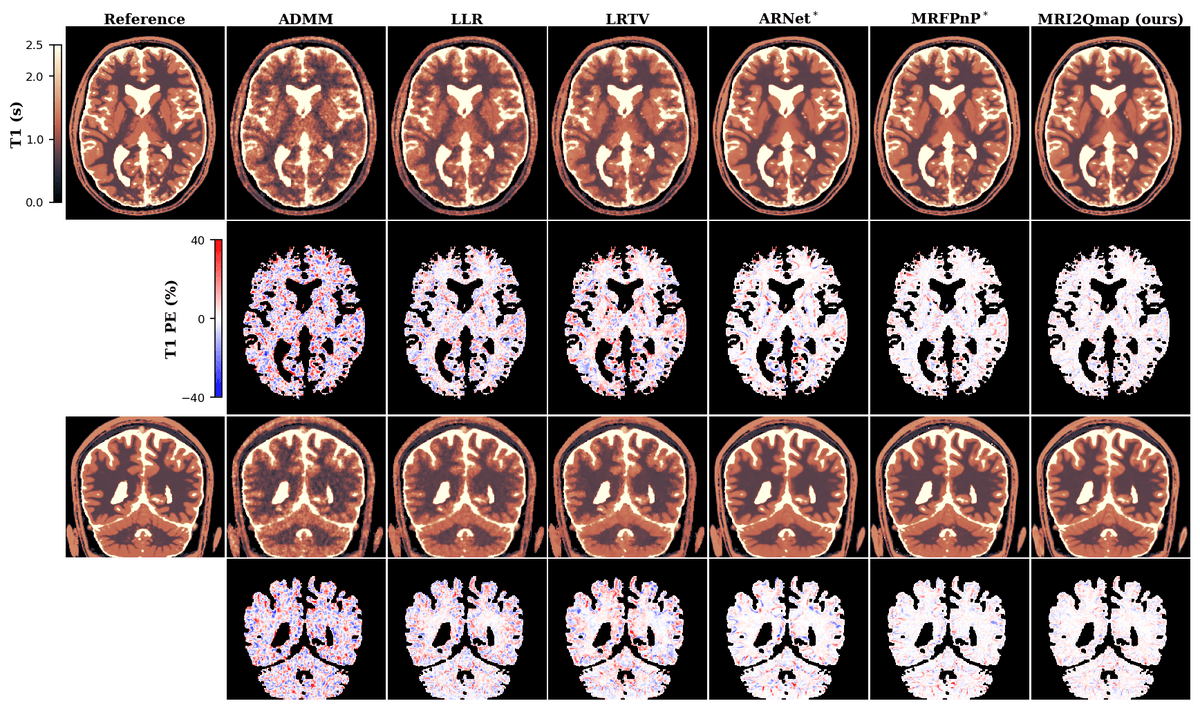
MRI2Qmap reconstructs quantitative brain maps from highly undersampled scans by borrowing spatial priors from ordinary weighted MRI, no ground-truth qMRI training data required.
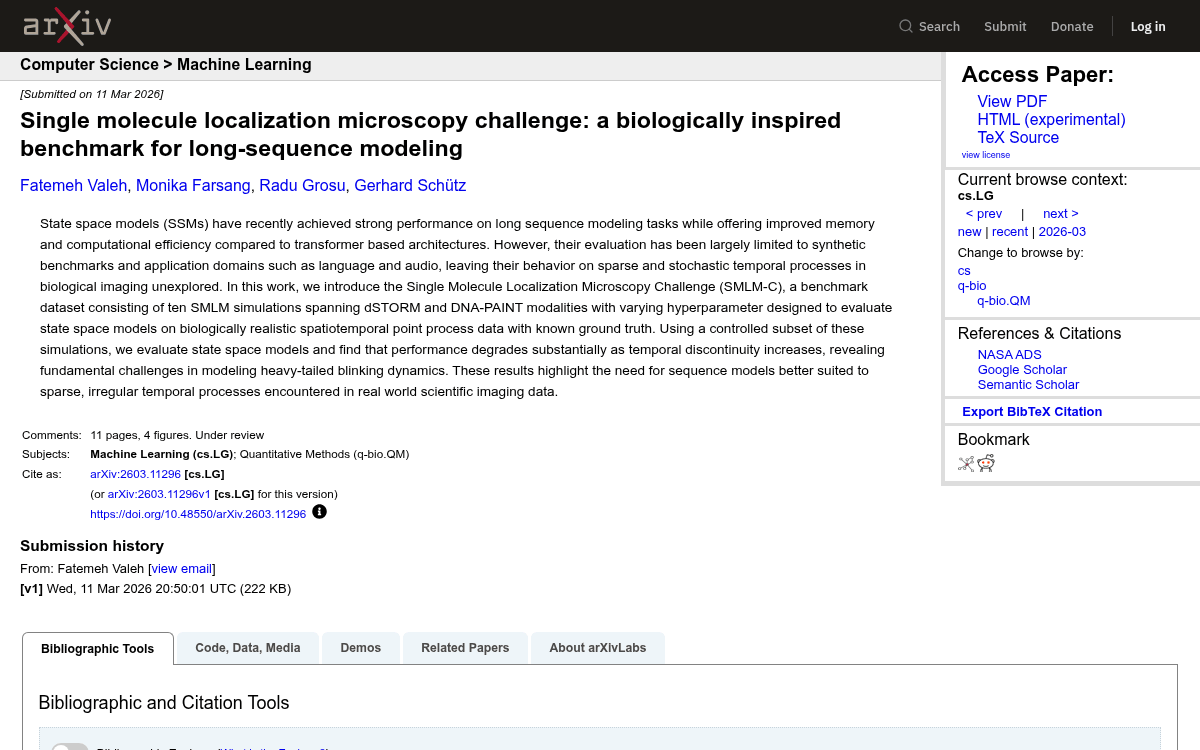
A new biology-inspired benchmark tests whether Mamba and S5 can handle the sparse, heavy-tailed sequences that dominate super-resolution microscopy.
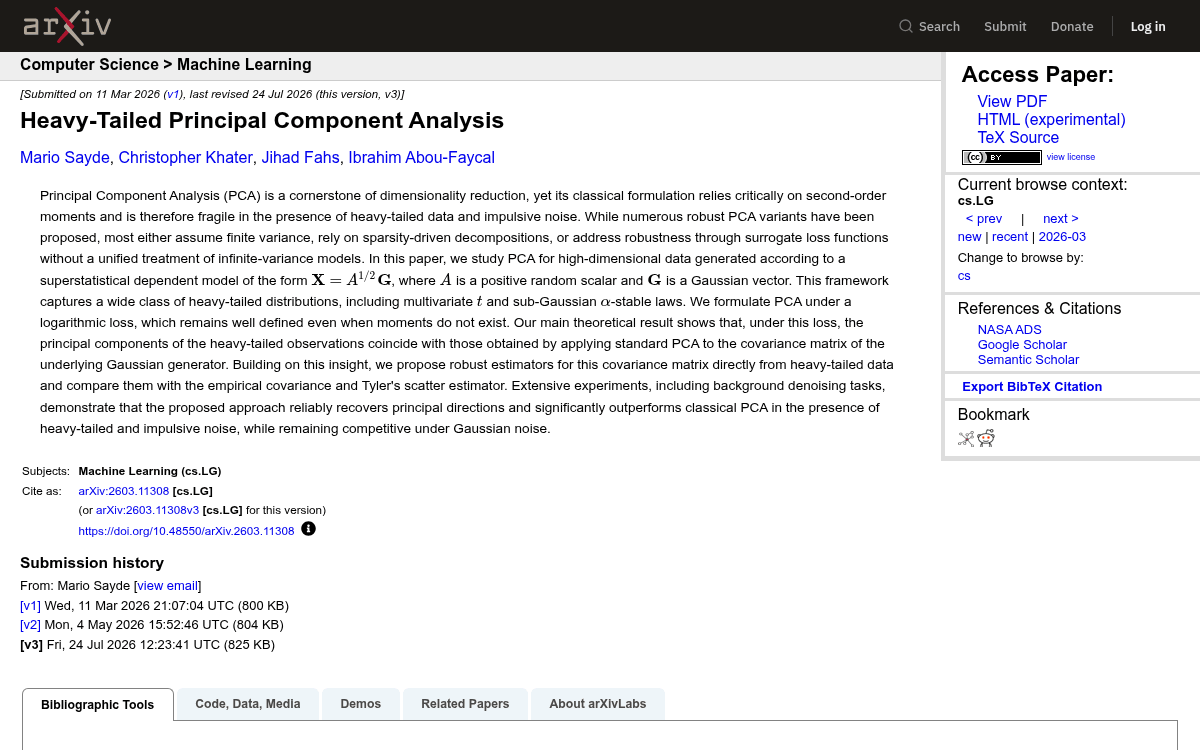
A new PCA formulation swaps the fragile squared-error loss for a logarithmic one, letting principal directions survive data with infinite variance.
MR-Search trains search agents to reflect between attempts, delivering 9-19% gains over sparse-reward RL baselines across eight QA benchmarks.
A systems biology study shows that popular equation-discovery methods break down when candidate functions correlate, and that switching bases only helps if you sample data correctly.
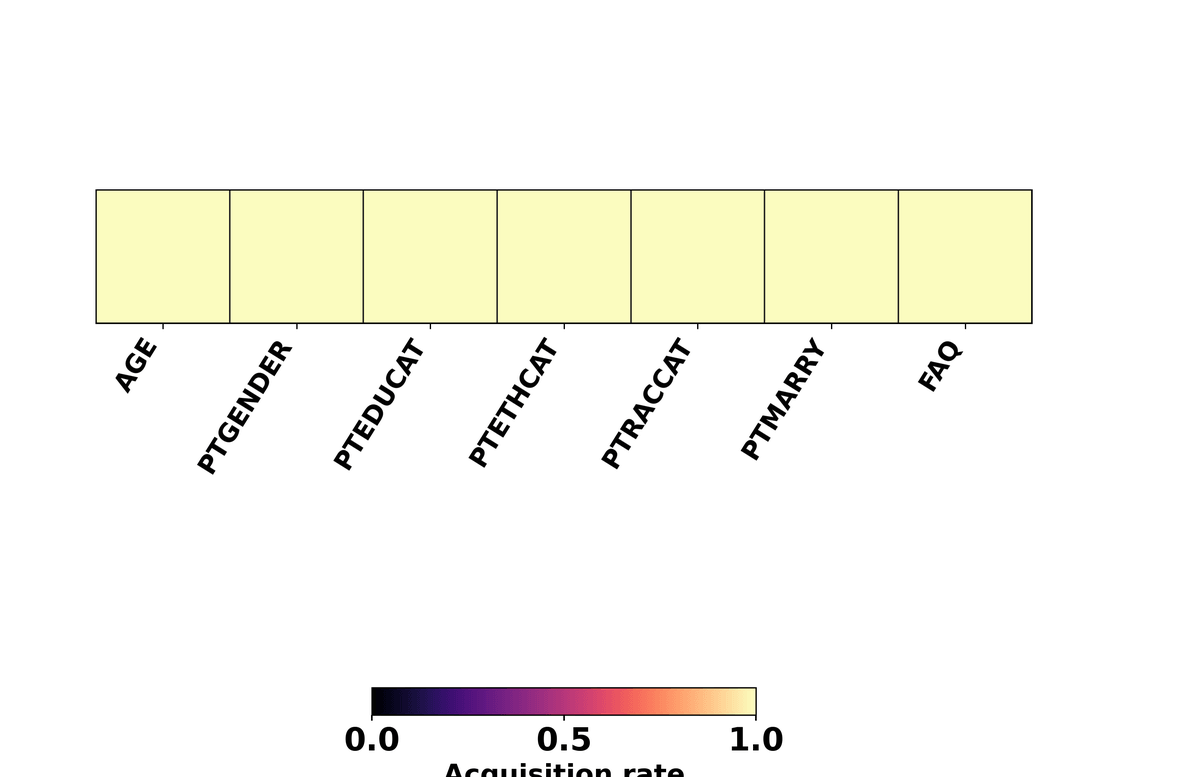
A team from UNC, Michigan, and Minnesota introduces REACT, a differentiable framework that learns which costly measurements to collect and when across time.
A new framework reframes learning as a coupled dynamical system where structure, parameters, and an internal energy budget evolve together under constraint.
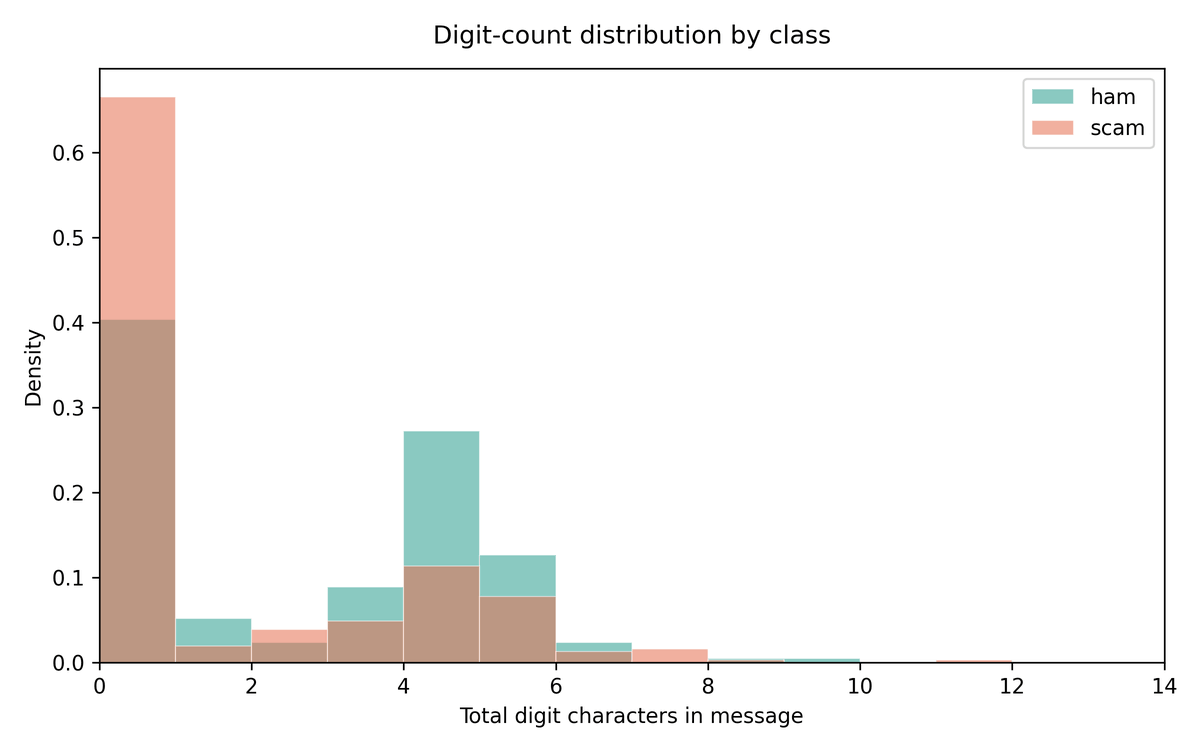
A Linear SVM beat a transformer at spotting Bangla-English scam messages, exposing where deep learning still struggles in low-resource, code-mixed text.
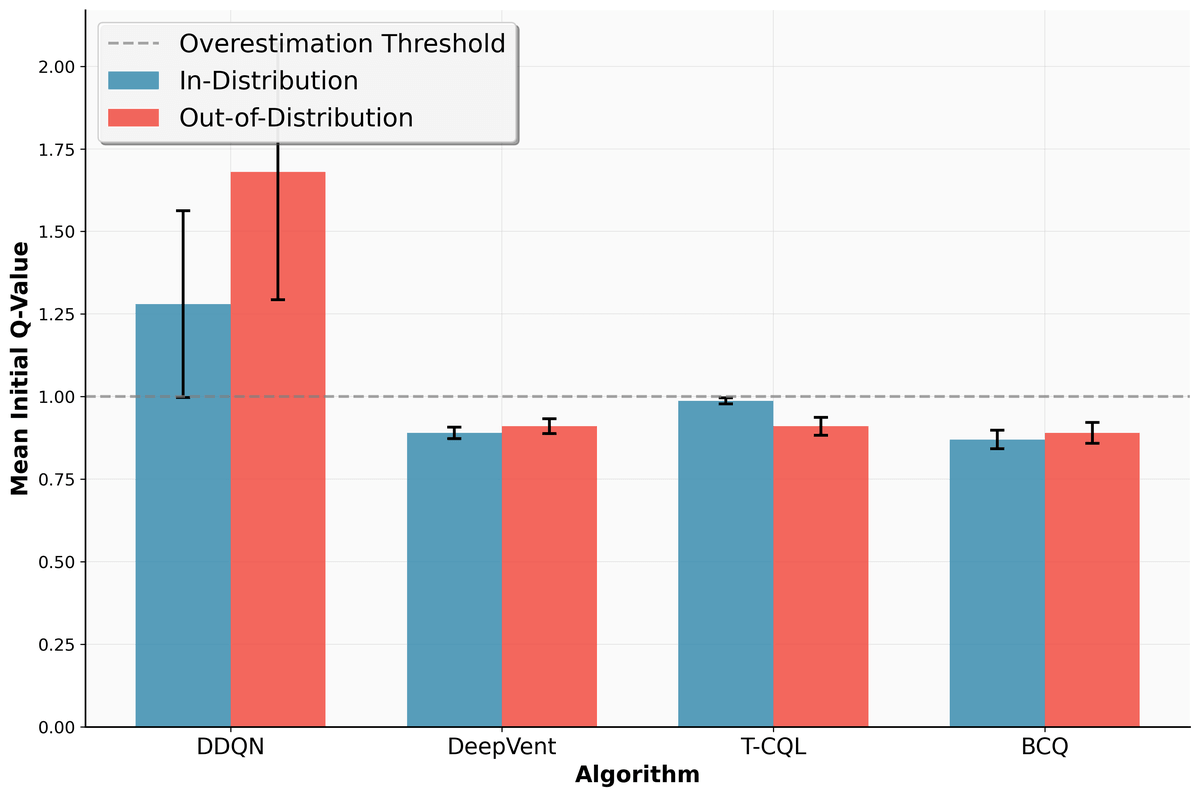
A new offline reinforcement learning framework combines a Transformer encoder with conservative Q-learning to suggest ventilator settings, tested on 98 simulated ICU patients.
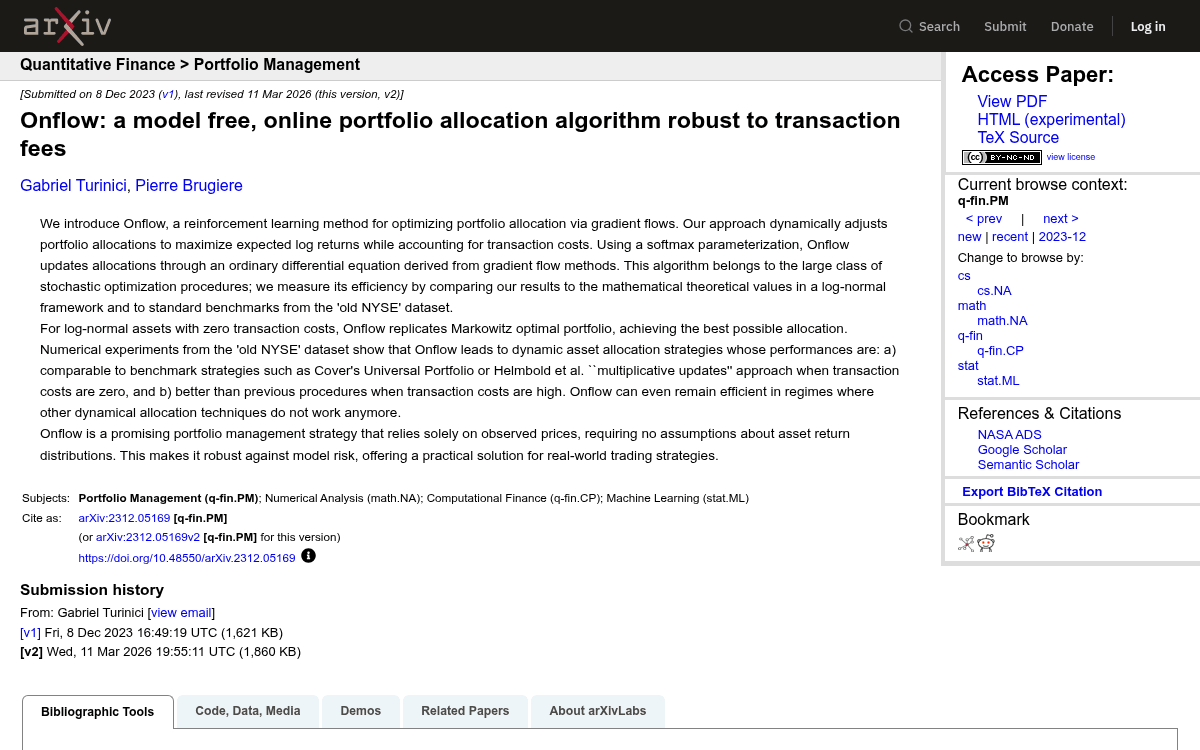
A new gradient-flow reinforcement learning method rebalances portfolios online without assuming any return distribution, staying stable even under heavy trading fees.
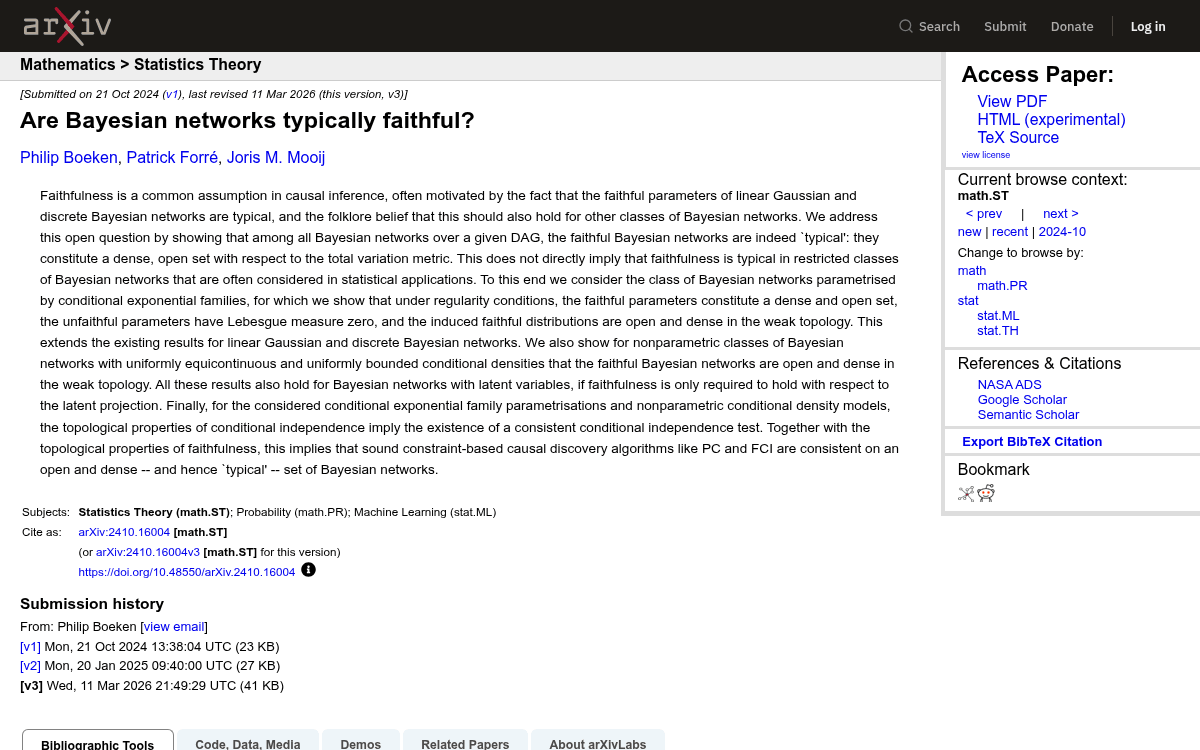
New proofs extend the faithfulness assumption underlying PC and FCI causal discovery from Gaussian and discrete networks to broad parametric and nonparametric settings.