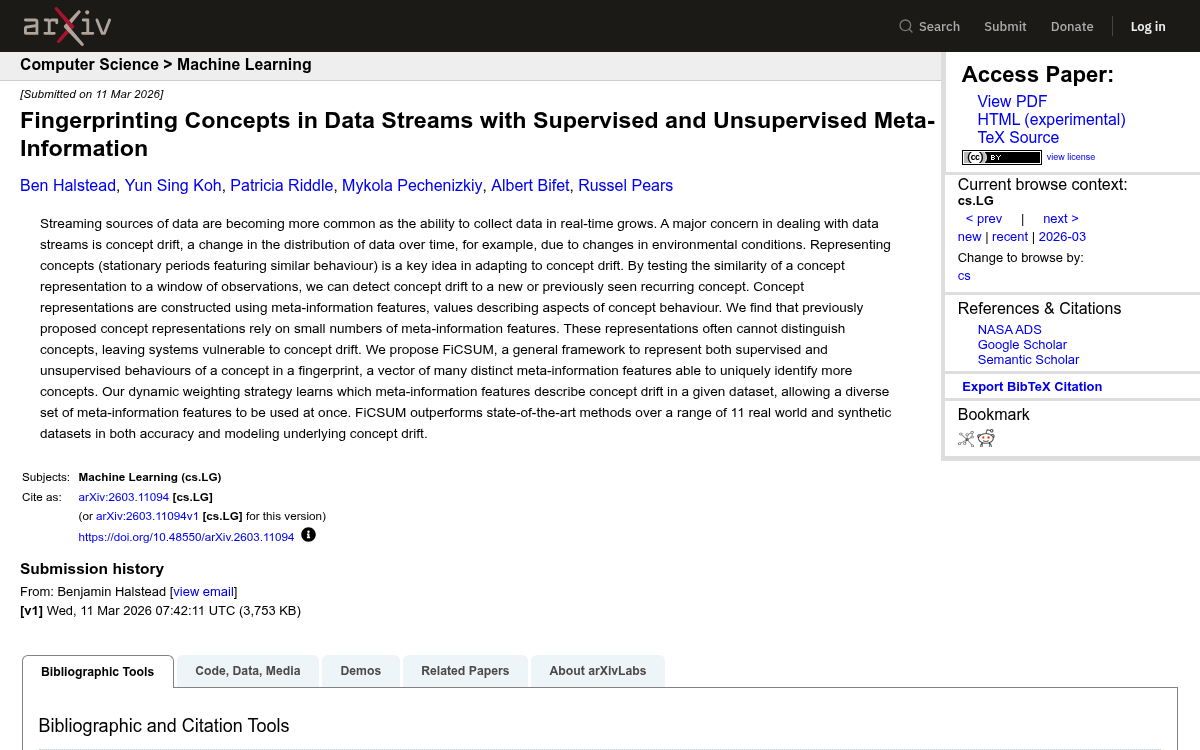
A new framework called FiCSUM builds concept fingerprints from 65+ meta-information features, outperforming state-of-the-art methods on 11 datasets for tracking drifting data streams.
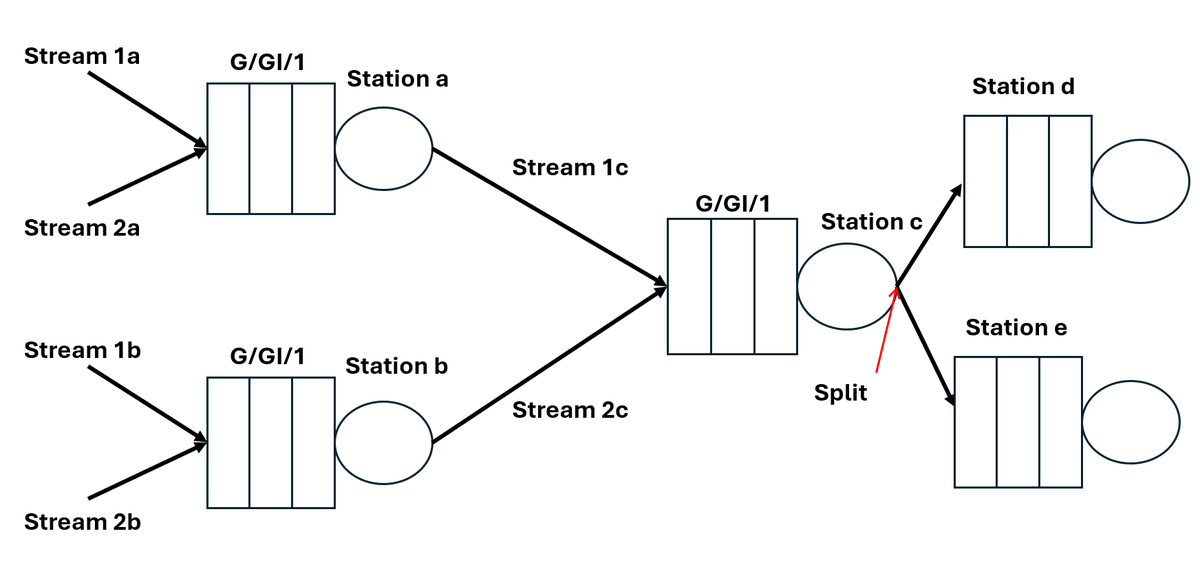
A neural operator learns to merge non-renewal arrival streams by mapping their moments and autocorrelations, breaking a decades-old bottleneck in queueing network analysis.
A new framework unifies disentangled VAEs and delivers evaluation metrics that work without ground-truth generative factors, particularly for tabular data.
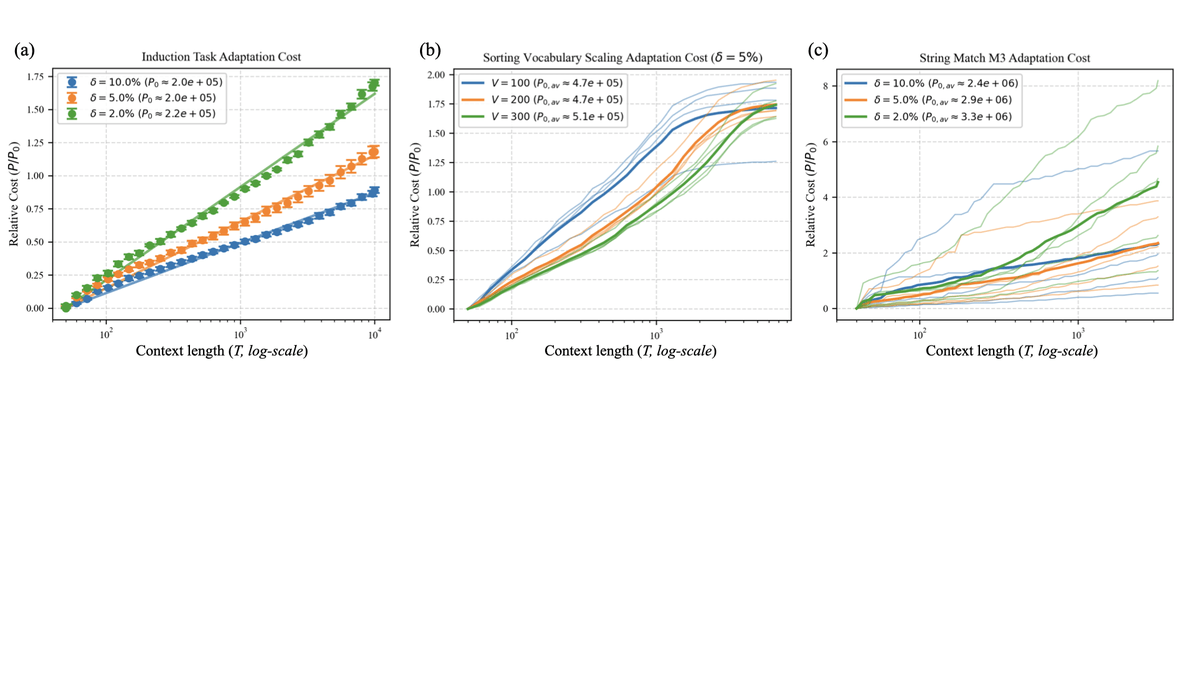
New theoretical work shows transformers have an inductive bias toward low-complexity algorithms, explaining why they nail sorting but fail at shortest-path.
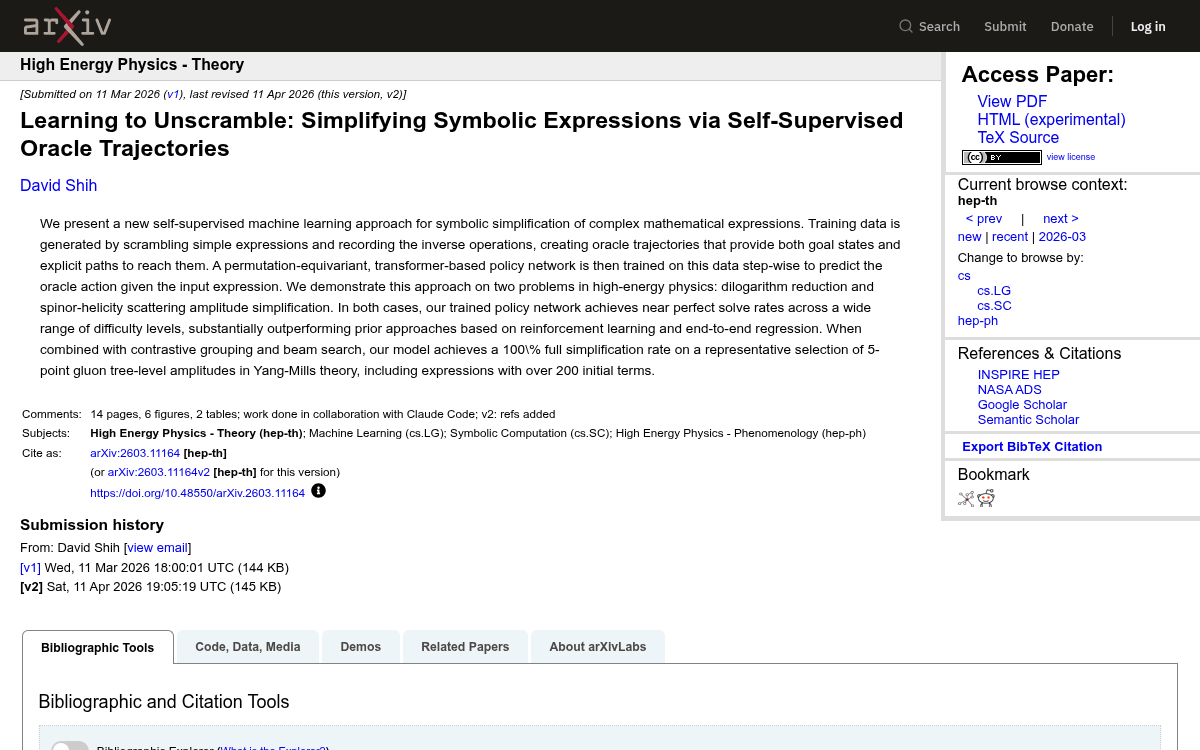
A self-supervised approach reduces complex physics expressions to compact forms by learning from reversed scrambling trajectories, hitting near-perfect solve rates.
A hybrid Bayesian optimization approach that embeds physics equations as constraints and uses Gaussian processes only for missing terms converged in a single iteration versus 25+ for standard BO.
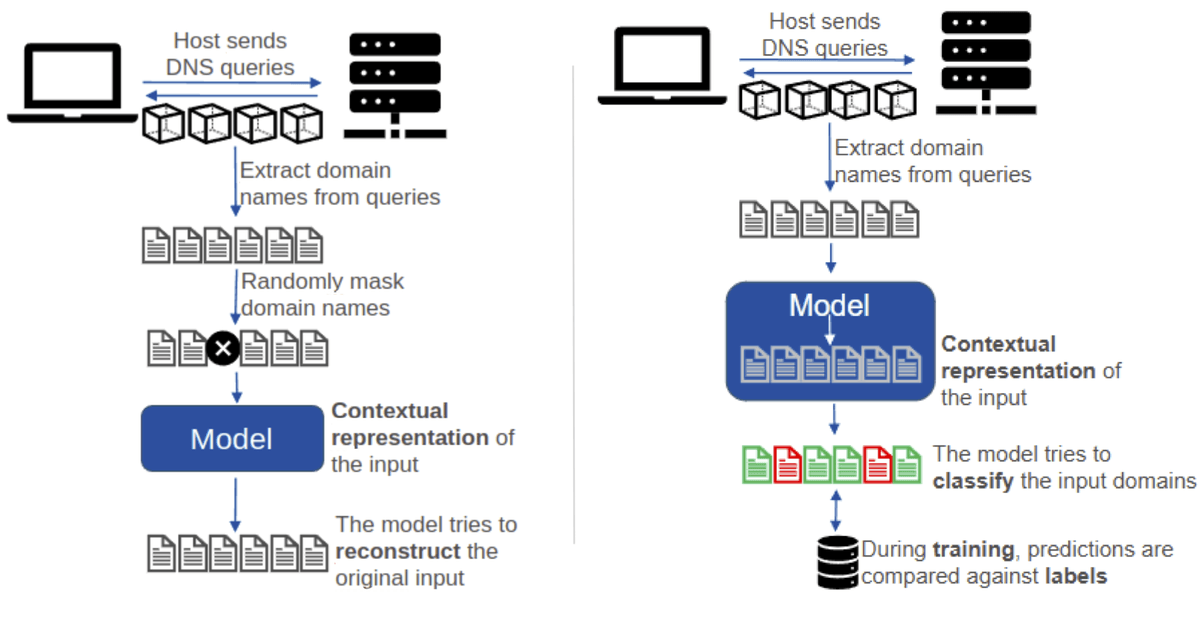
A new Transformer with graph attention learns domain name embeddings from raw DNS traffic, beating Word2Vec baselines on malicious domain classification.
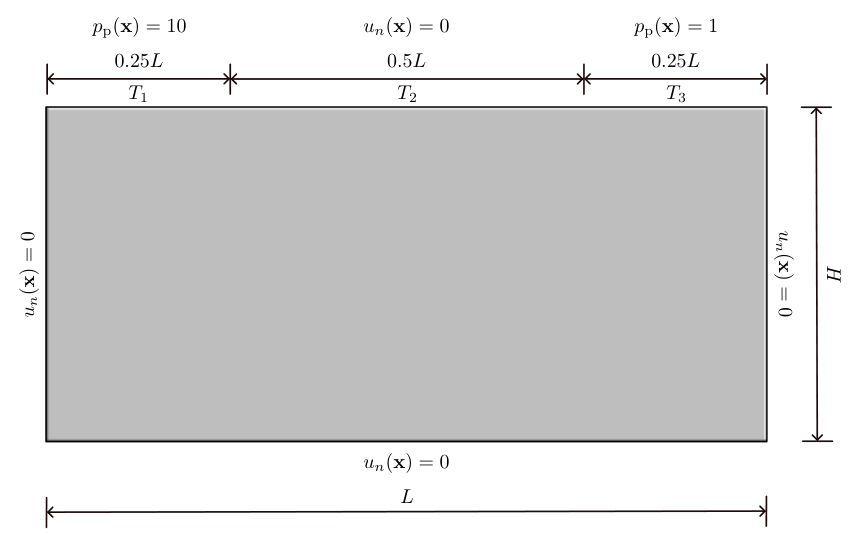
A new deep learning solver linearizes nonlinear gas flow equations in porous rock, hitting analytical accuracy across pressure regimes with proven convergence.
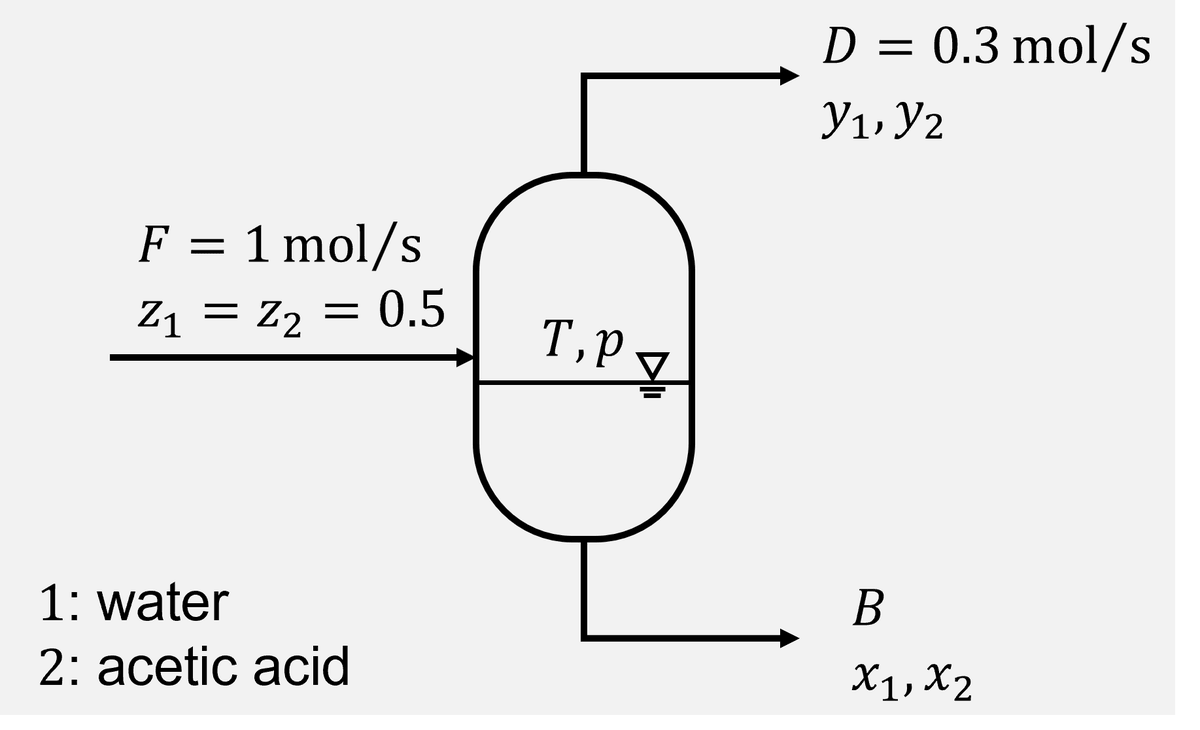
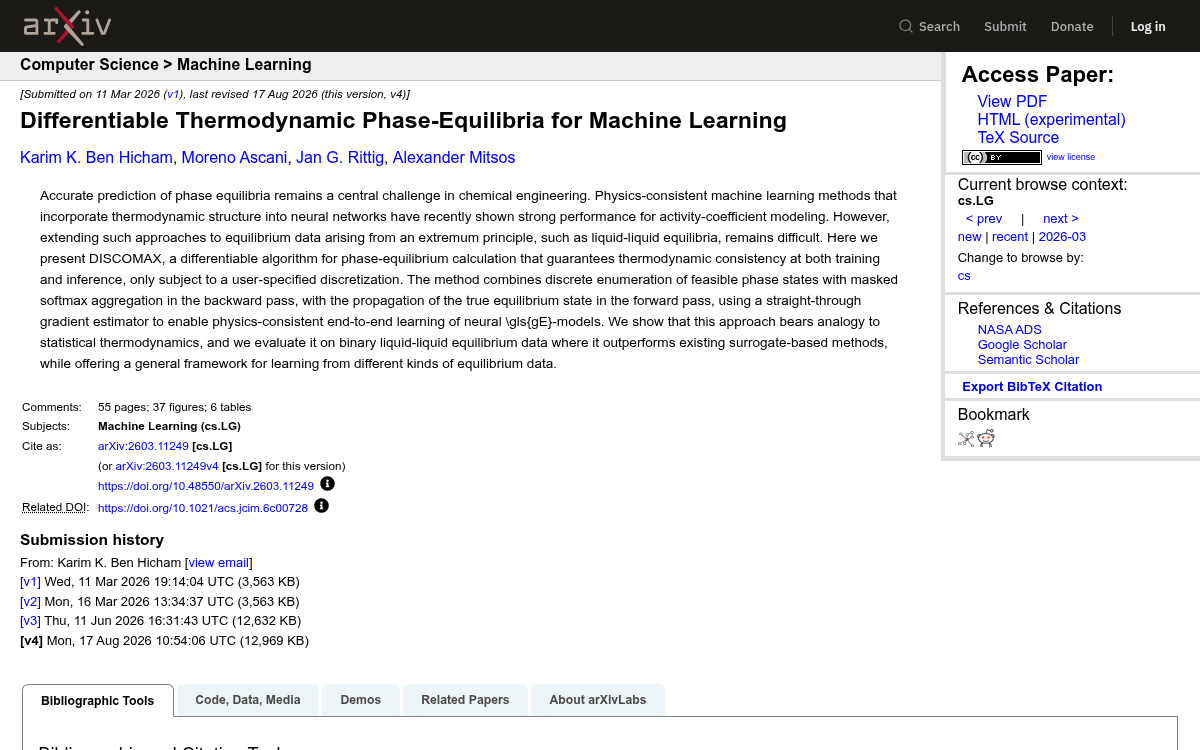
A new differentiable solver called DISCOMAX lets neural networks learn phase equilibria end-to-end while guaranteeing thermodynamic consistency at every step.
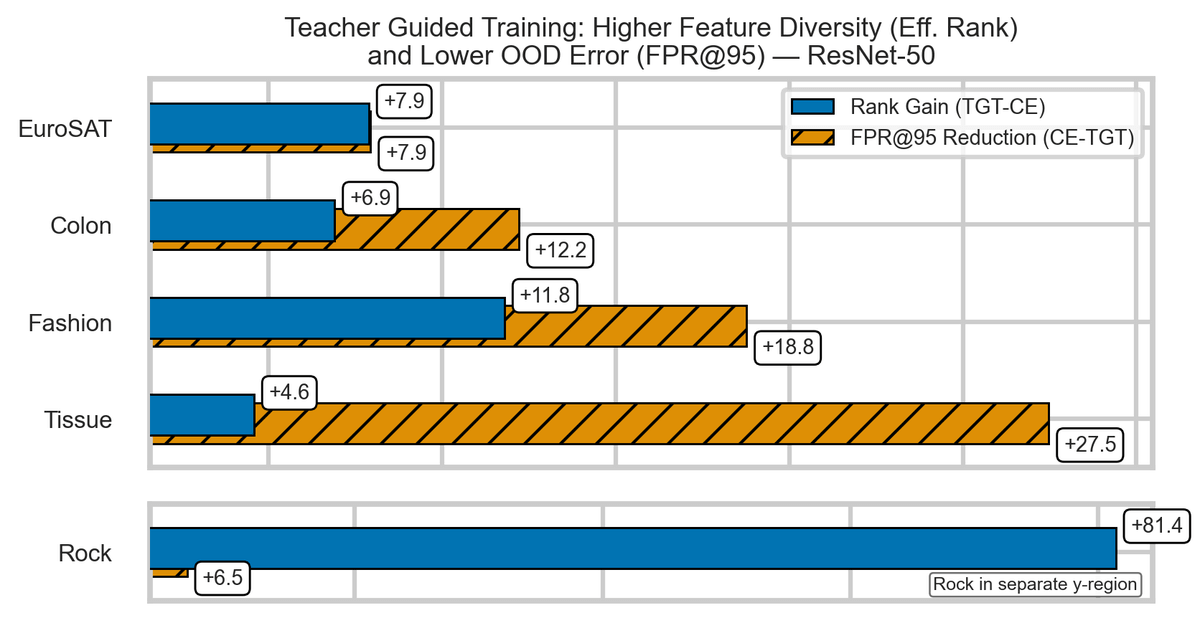
A geometric fix restores domain-shift signal in single-domain classifiers, cutting distance-based OOD false positives by 11-13 points with zero inference overhead.
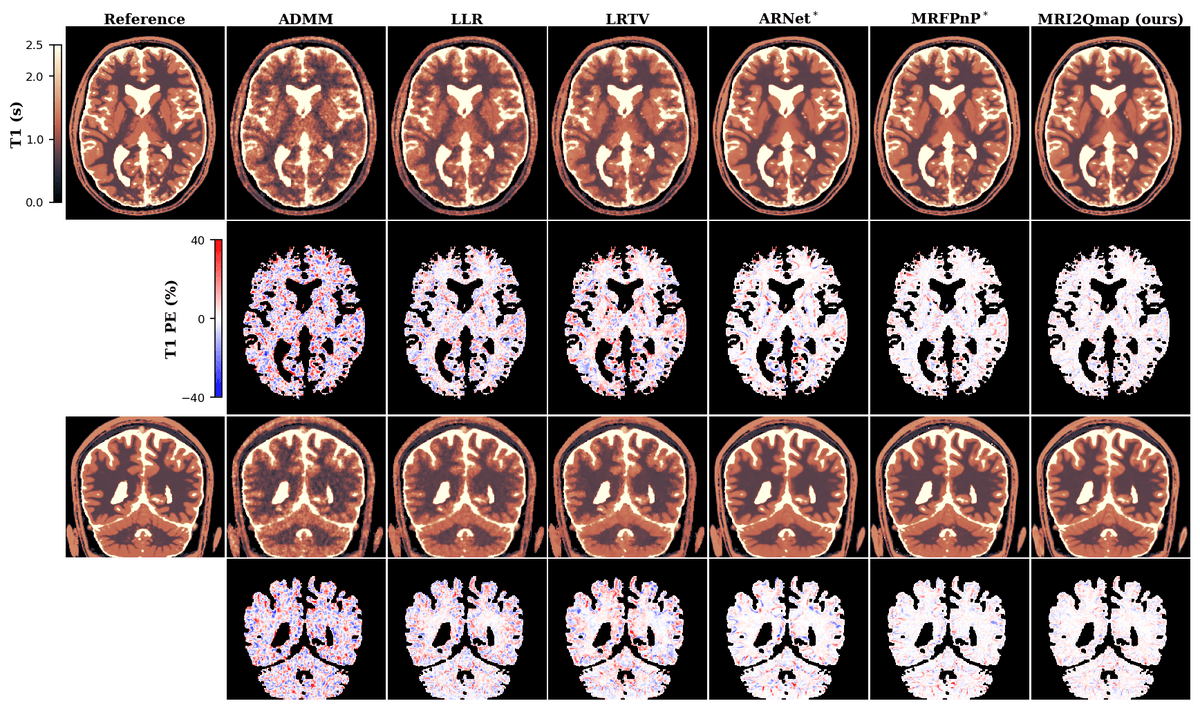
MRI2Qmap reconstructs quantitative brain maps from highly undersampled scans by borrowing spatial priors from ordinary weighted MRI, no ground-truth qMRI training data required.
A systems biology study shows that popular equation-discovery methods break down when candidate functions correlate, and that switching bases only helps if you sample data correctly.
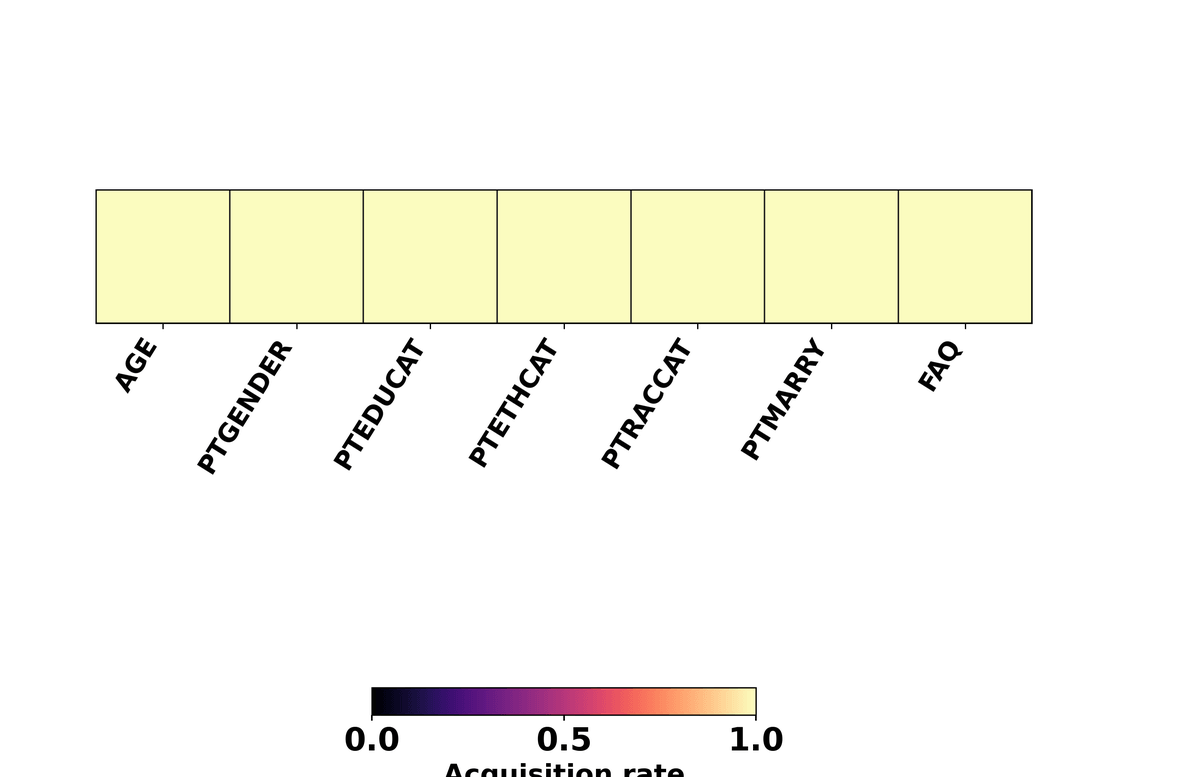
A team from UNC, Michigan, and Minnesota introduces REACT, a differentiable framework that learns which costly measurements to collect and when across time.
A new framework reframes learning as a coupled dynamical system where structure, parameters, and an internal energy budget evolve together under constraint.