
Pro
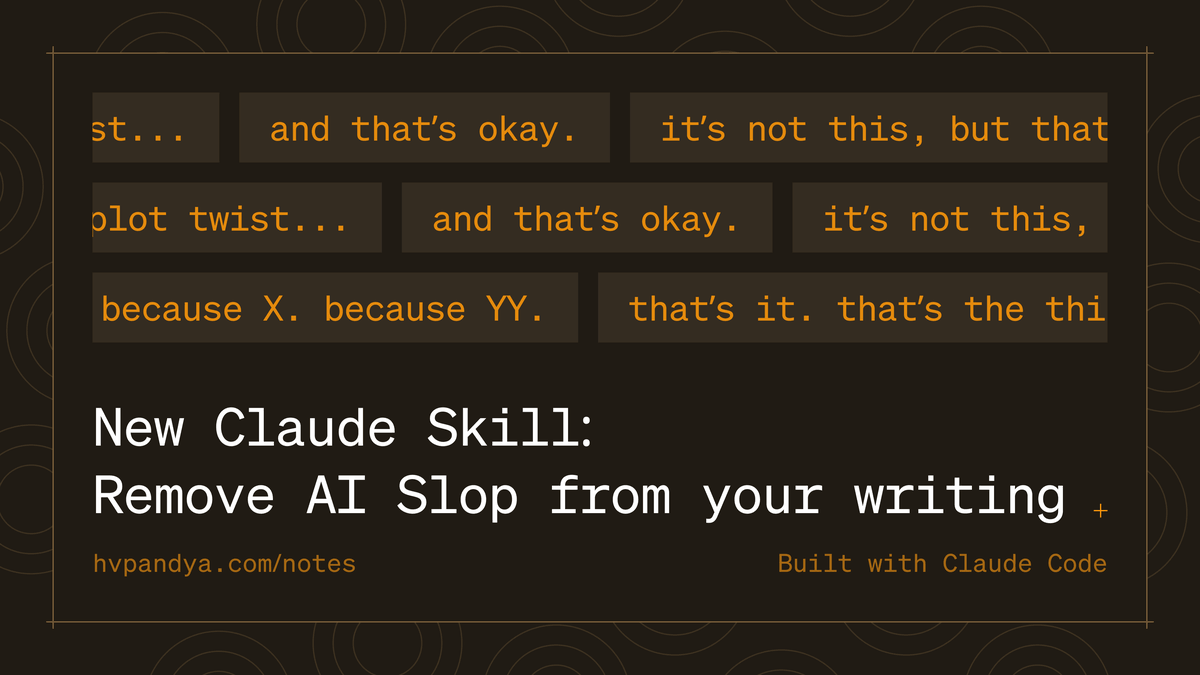
Hardik Pandya's stop-slop Teaches AI to Catch Its Own Writing Patterns
Hardik Pandya open-sourced a prompt skill file that teaches LLMs to detect and strip their own writing clichés from prose
20 stories
Hardik Pandya open-sourced a prompt skill file that teaches LLMs to detect and strip their own writing clichés from prose
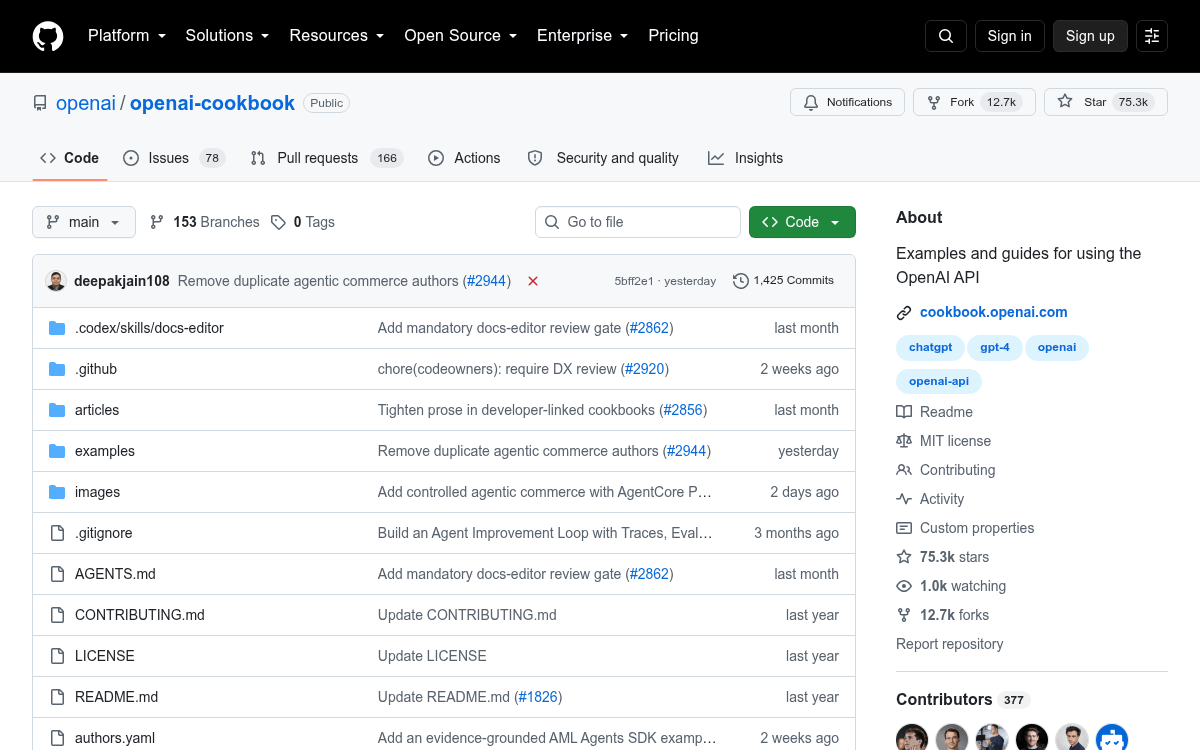
OpenAI's official cookbook repo has crossed 74K stars, packing runnable recipes for Codex, the Agents SDK, evals, and Realtime audio.
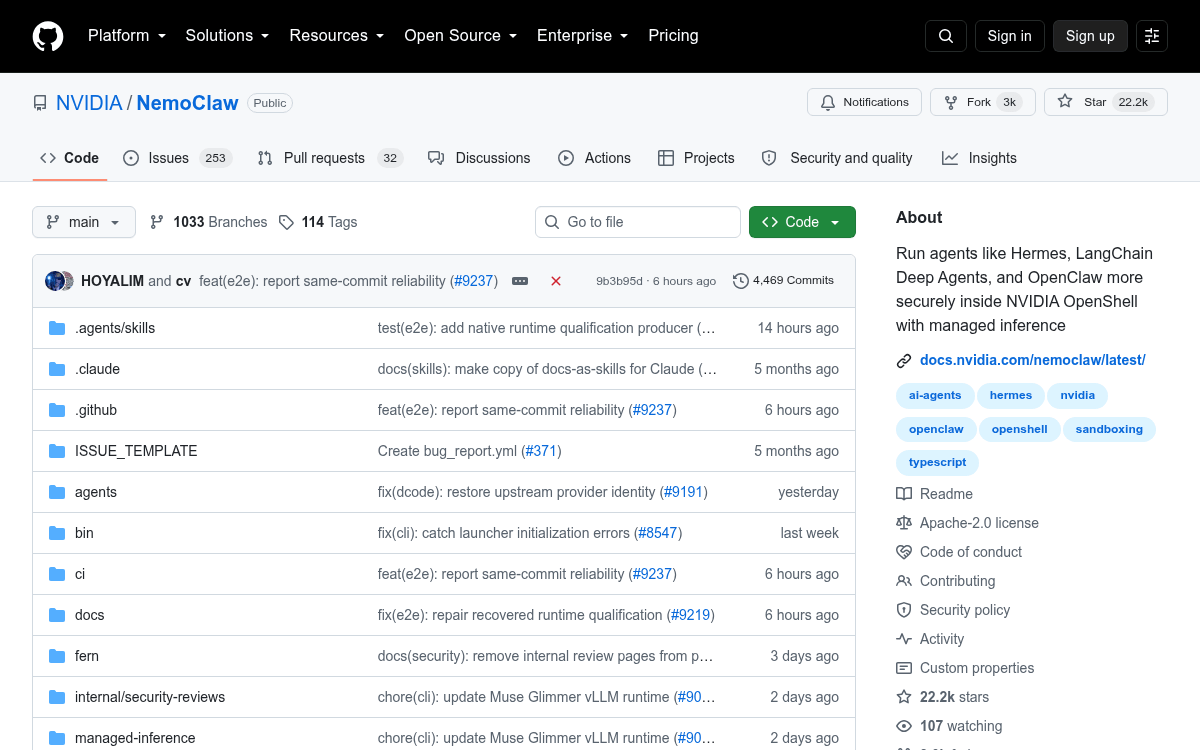
NVIDIA open-sources NemoClaw, a sandboxed runtime stack for AI agents with built-in network policy, credential custody, and multi-provider inference routing
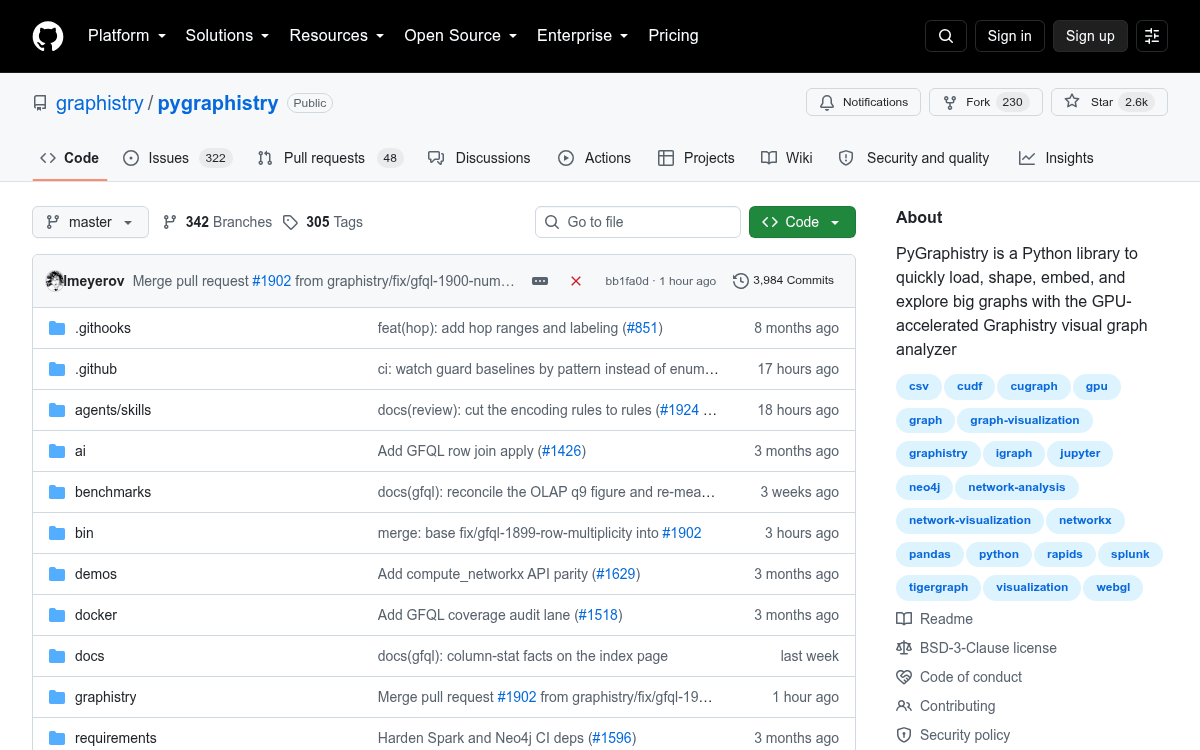
Graphistry ships PyGraphistry 0.56.0, a broad GFQL and Cypher release that tightens local query validation and cleans up legacy internals.
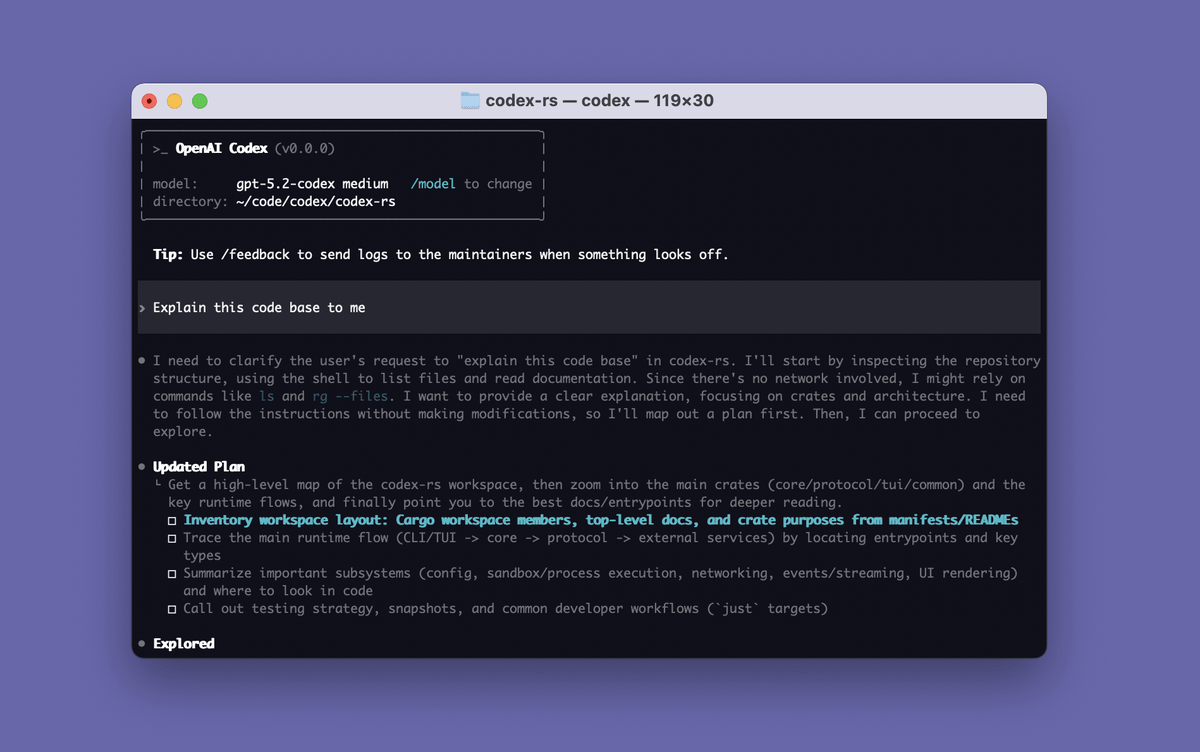
OpenAI's open-source Codex CLI puts an agentic coding assistant directly in your terminal, with sandboxed execution, approval modes, and ChatGPT plan integration.
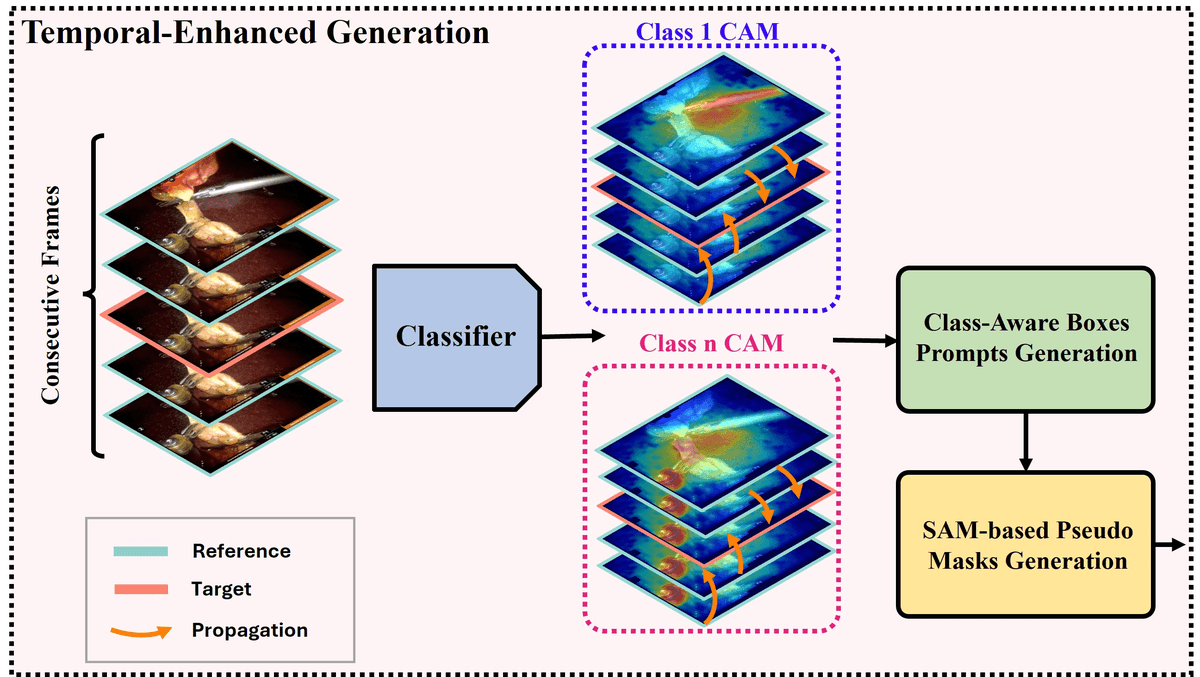
A new framework trains surgical tool segmenters using only presence labels that can be auto-extracted from video overlays, cutting pixel annotation costs.
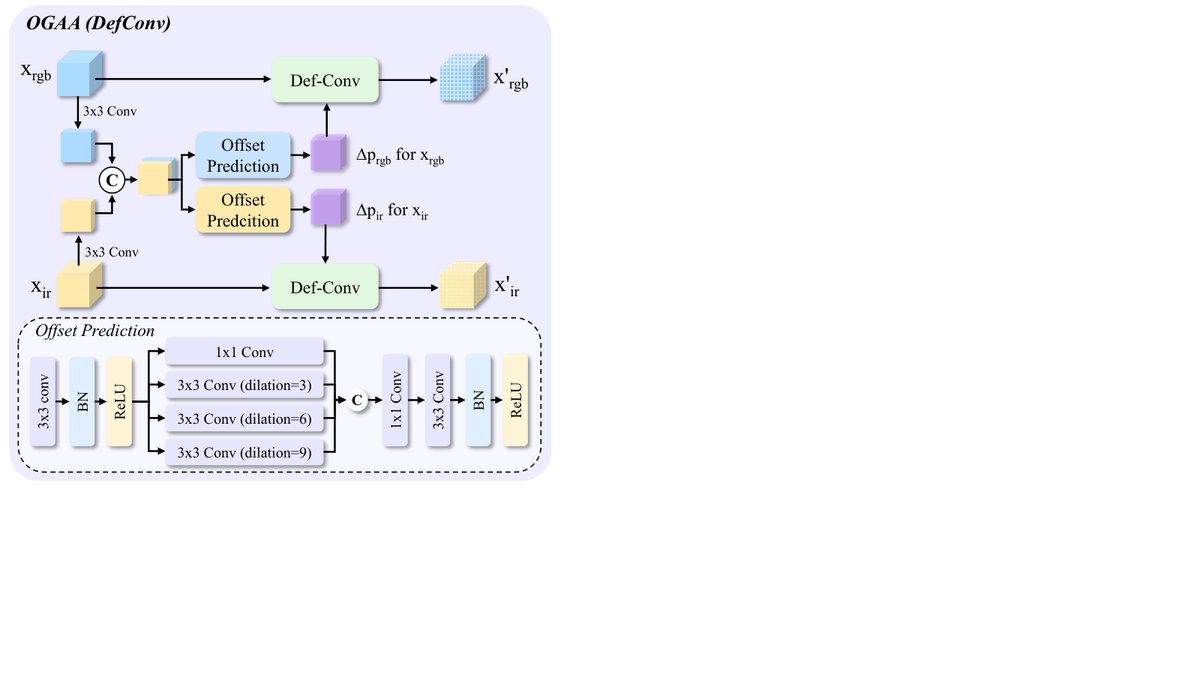
MM-UAV combines RGB, infrared, and event-camera data across 2.8 million frames to make drone tracking robust in the dark, in clutter, and at speed.
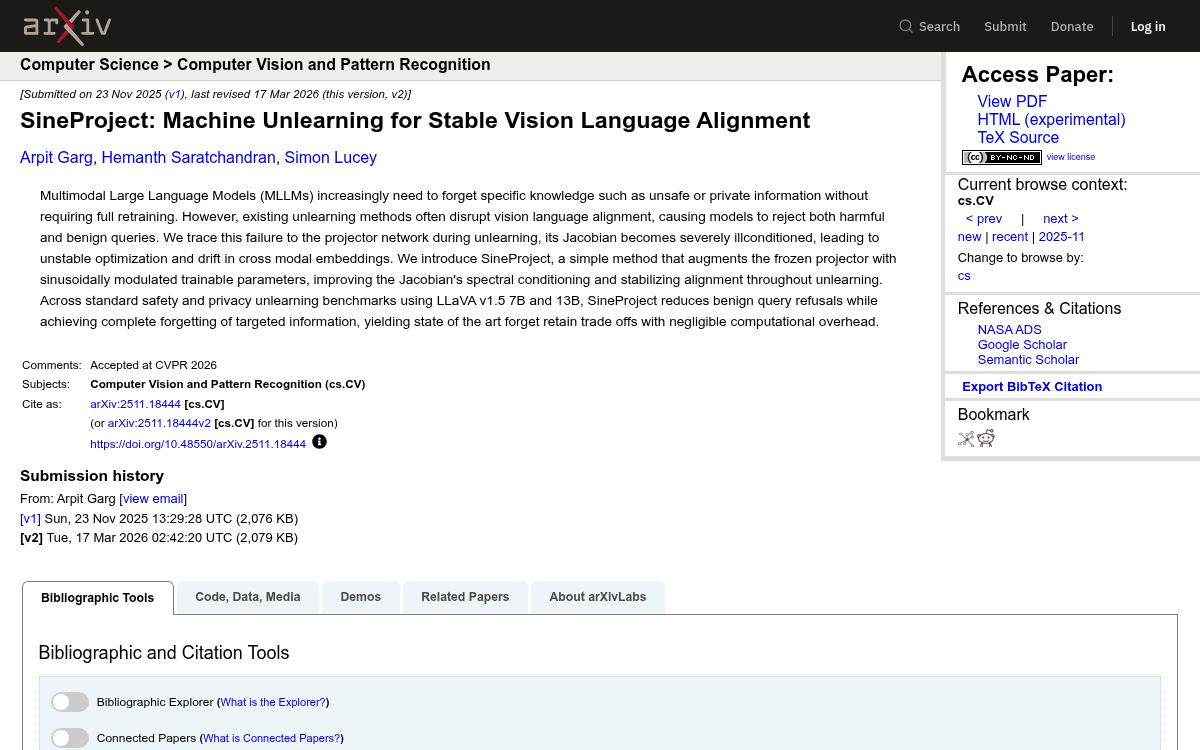
Researchers trace catastrophic over-refusal in multimodal unlearning to ill-conditioned projector Jacobians, and fix it with a sinusoidal reparameterization that costs under 1% overhead.
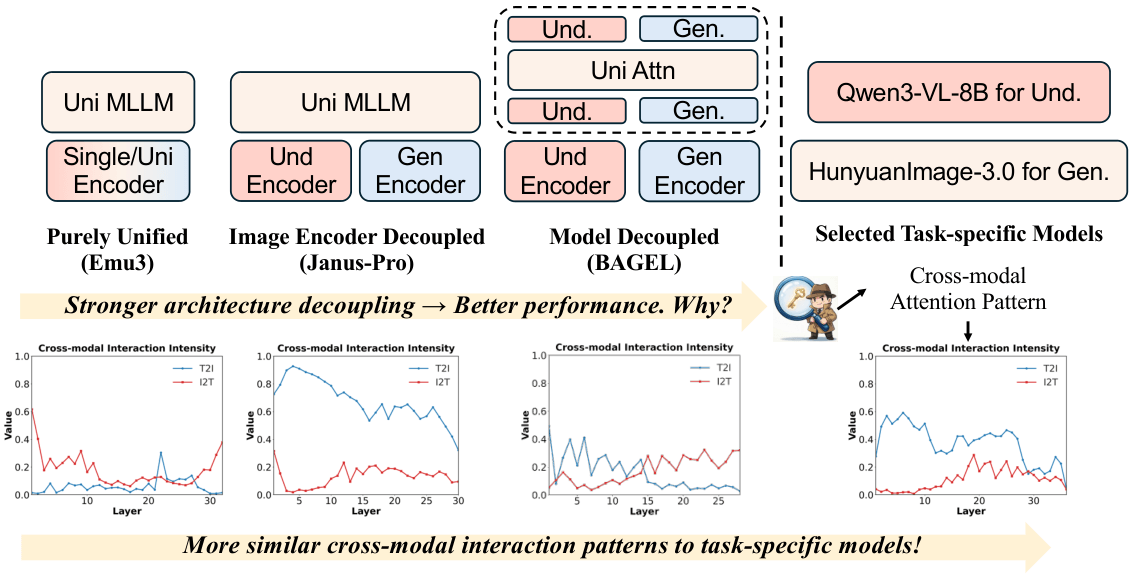
New research shows architecture decoupling in unified models works by reshaping attention patterns, and a simple loss can do the same job.
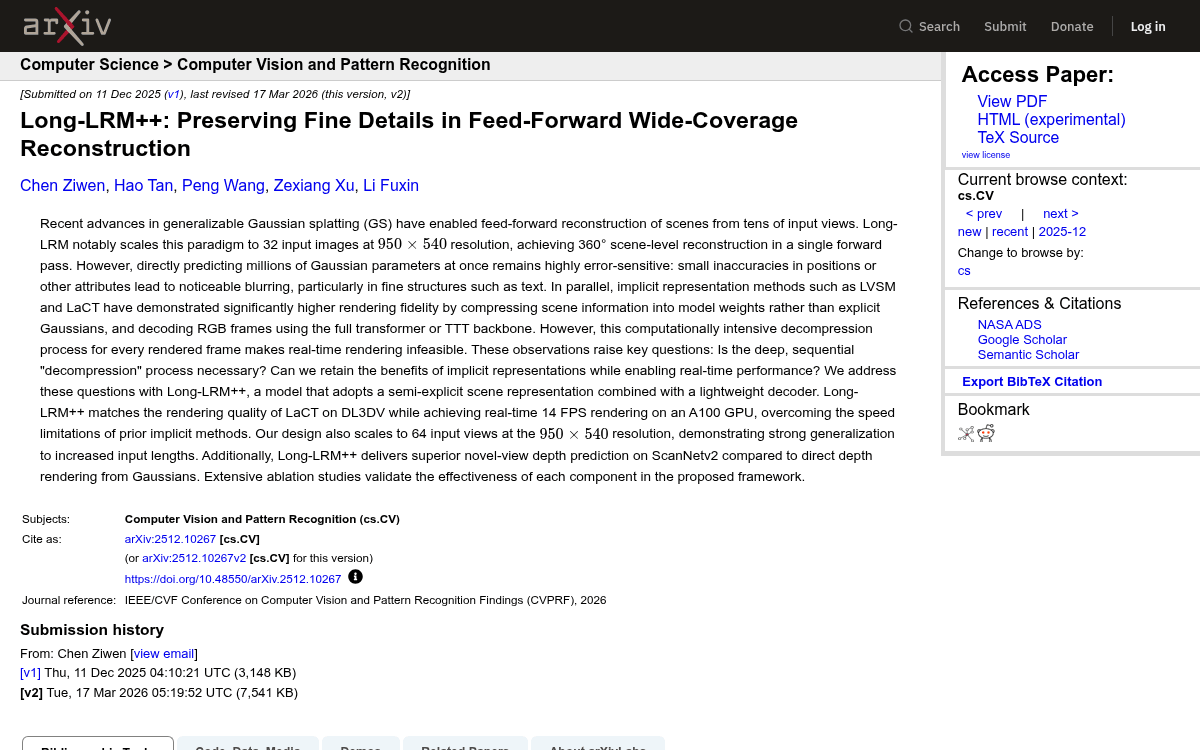
Adobe Research's new feed-forward reconstruction model matches implicit-method quality while rendering scenes at 14 FPS on a single A100 GPU.
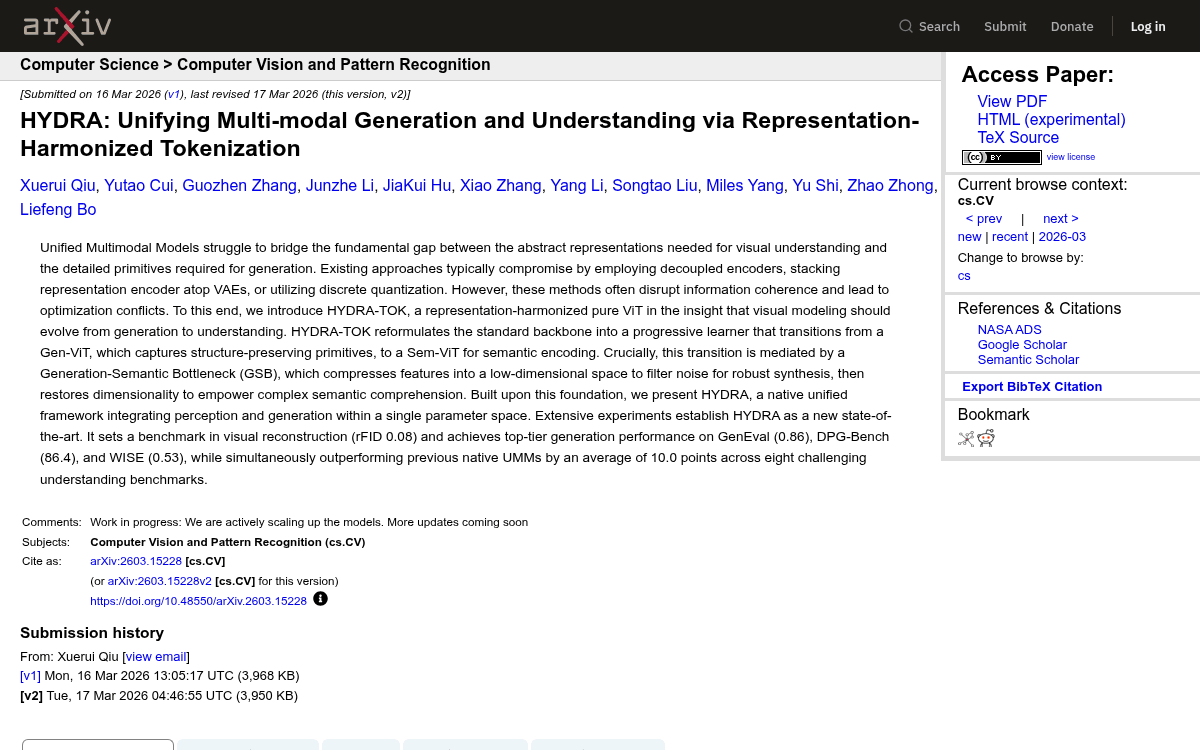
A new pure vision transformer tokenizer bridges the split between image understanding and generation, setting fresh state of the art scores across benchmarks.
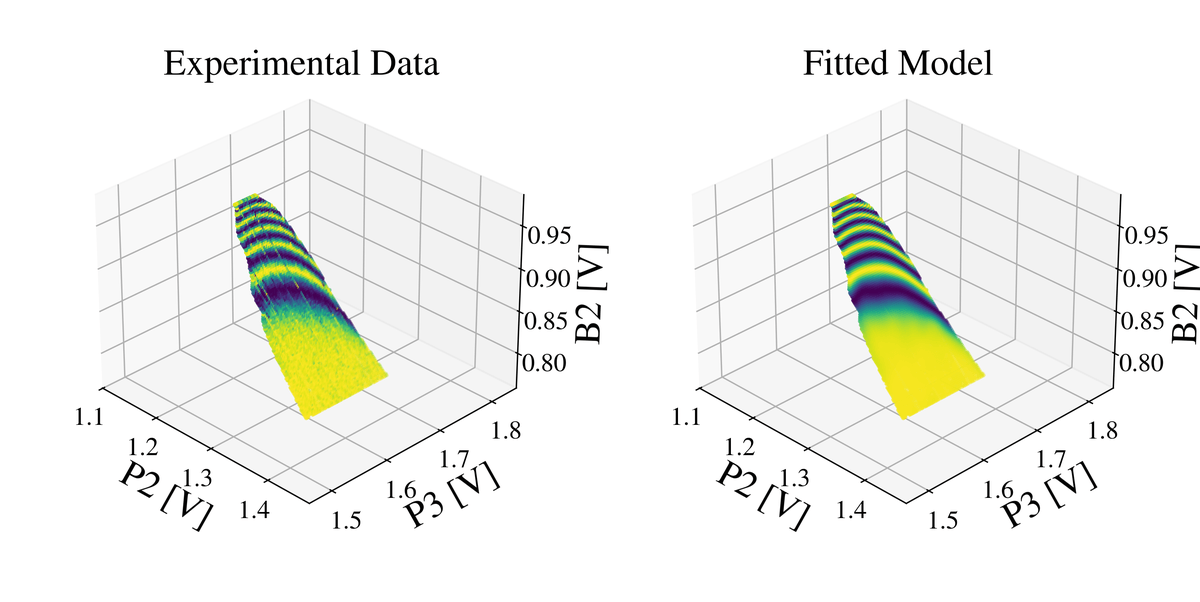
Sandia researchers port phase-shifting holography and graph-cut unwrapping into silicon spin qubit calibration, producing a 3D map of exchange phase across gate voltages.
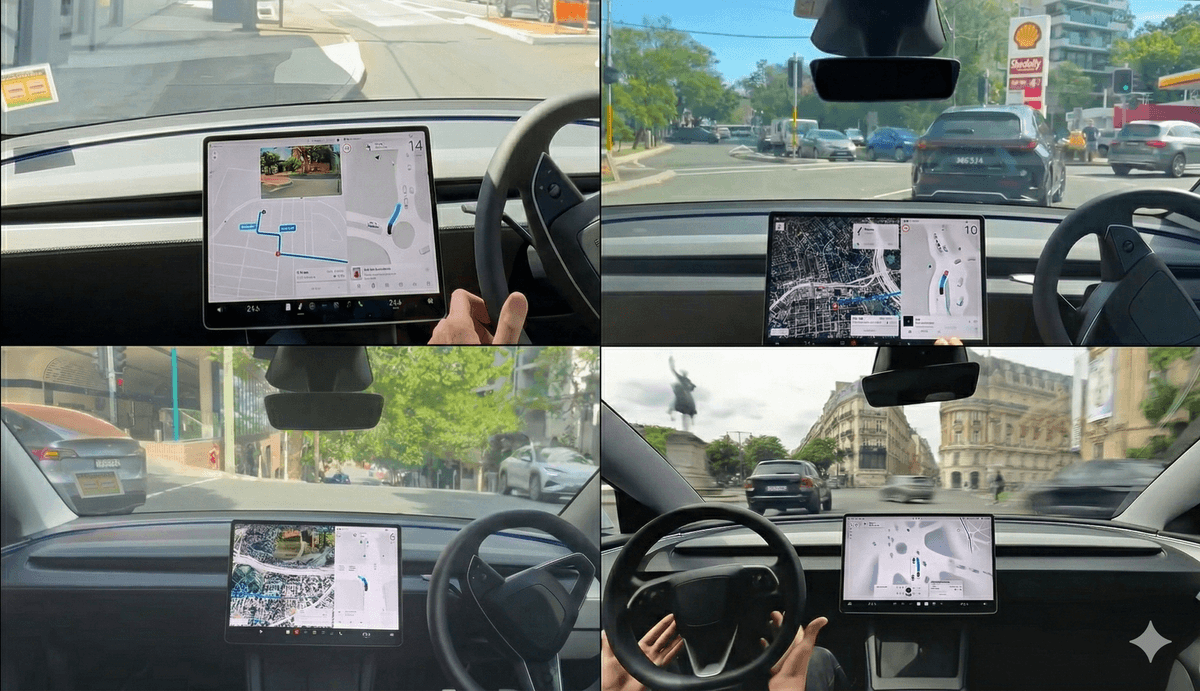
A survey paper traces how autonomous driving stacks have collapsed from modular perception-planning-control pipelines into single neural networks trained on fleet-scale data.
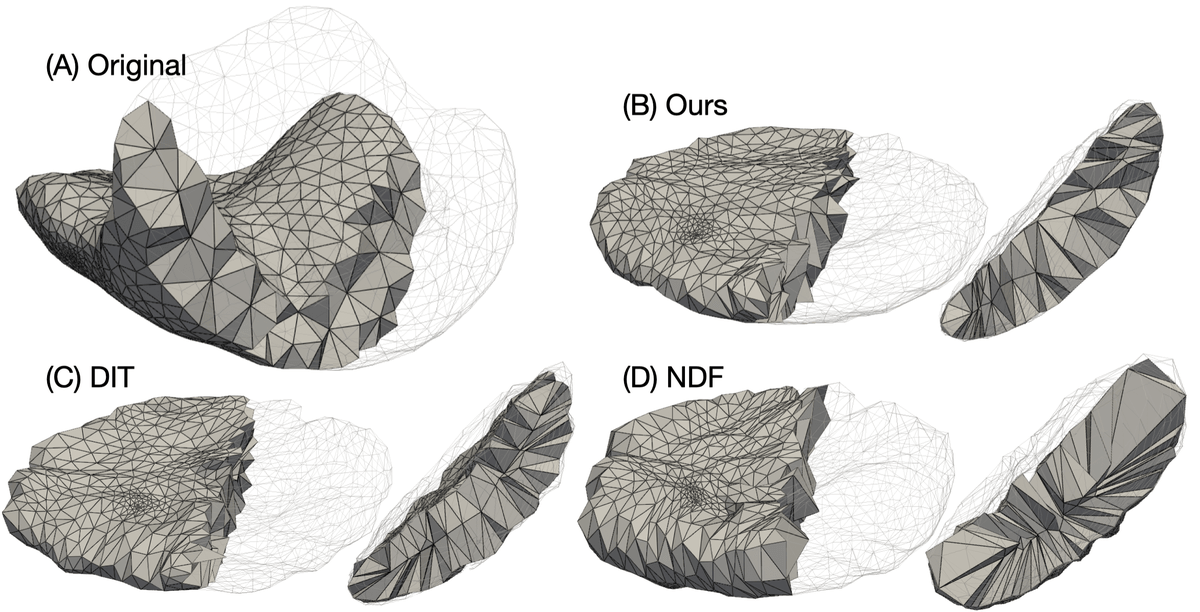
A new MIT method extends implicit shape learning into the organ interior, producing fold-free placenta atlases and clean voxel-wise MRI intensity maps in a single pass.
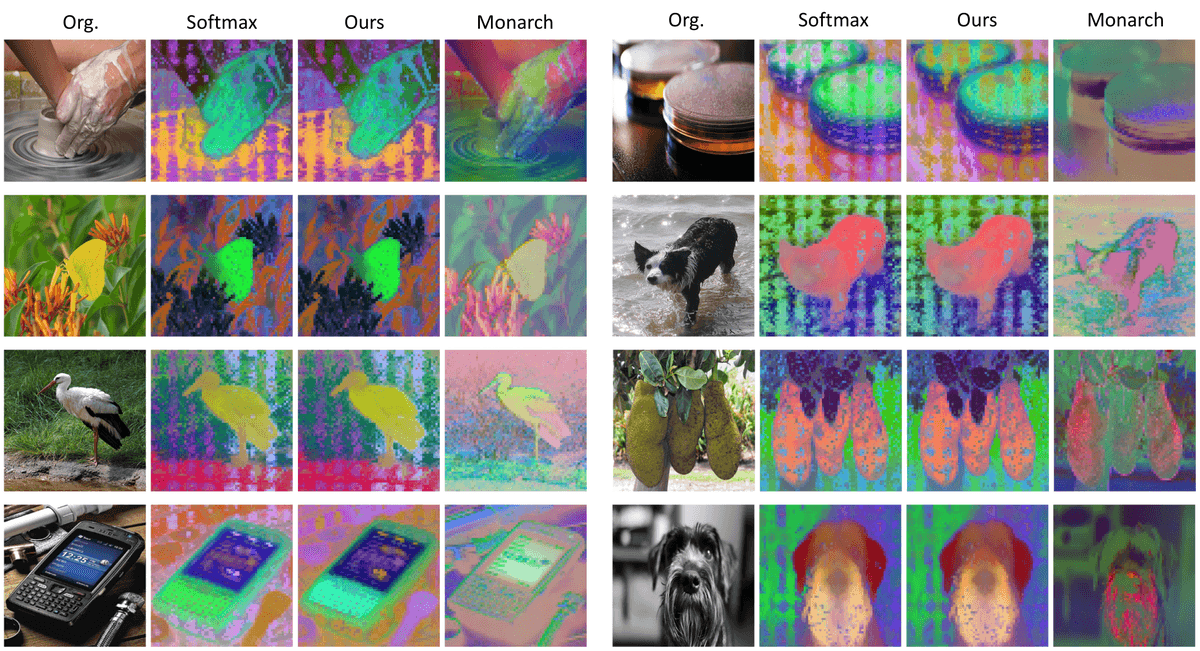
A three-stage recipe converts pretrained softmax Vision Transformers into linear-attention models while staying within 1% of the original accuracy.
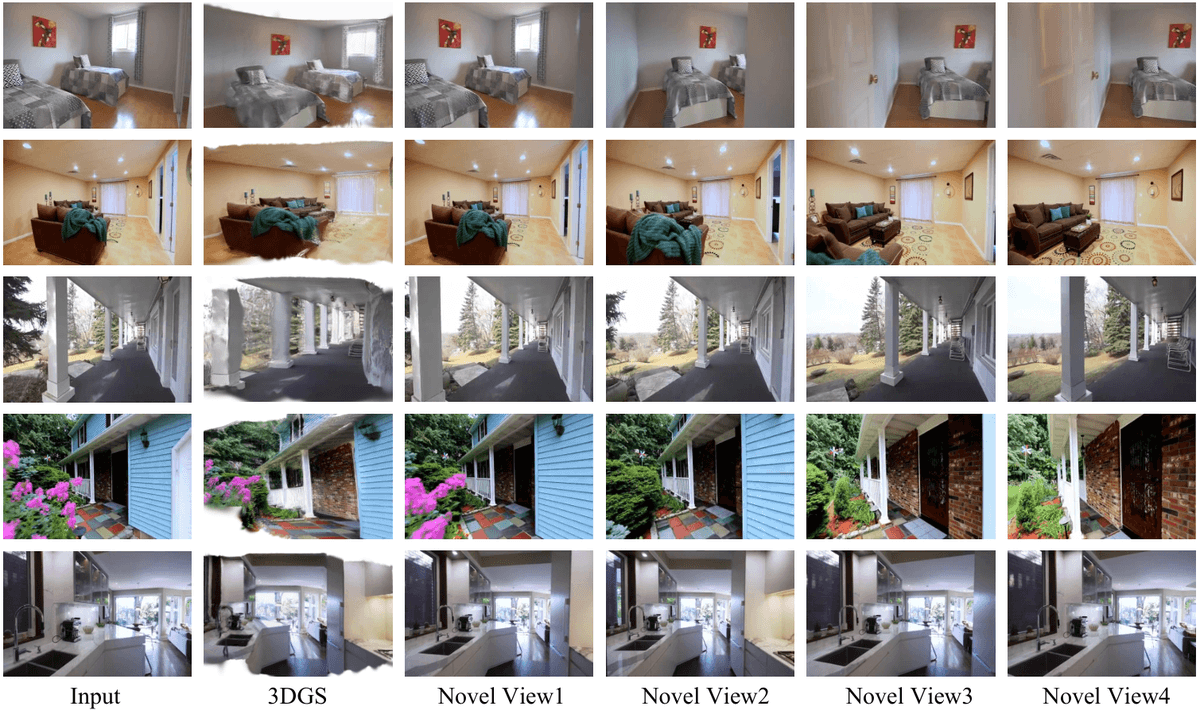
OneWorld runs diffusion inside a 3D feature space instead of 2D latents, cutting cross-view drift and lifting PSNR by over a point on RealEstate10K.
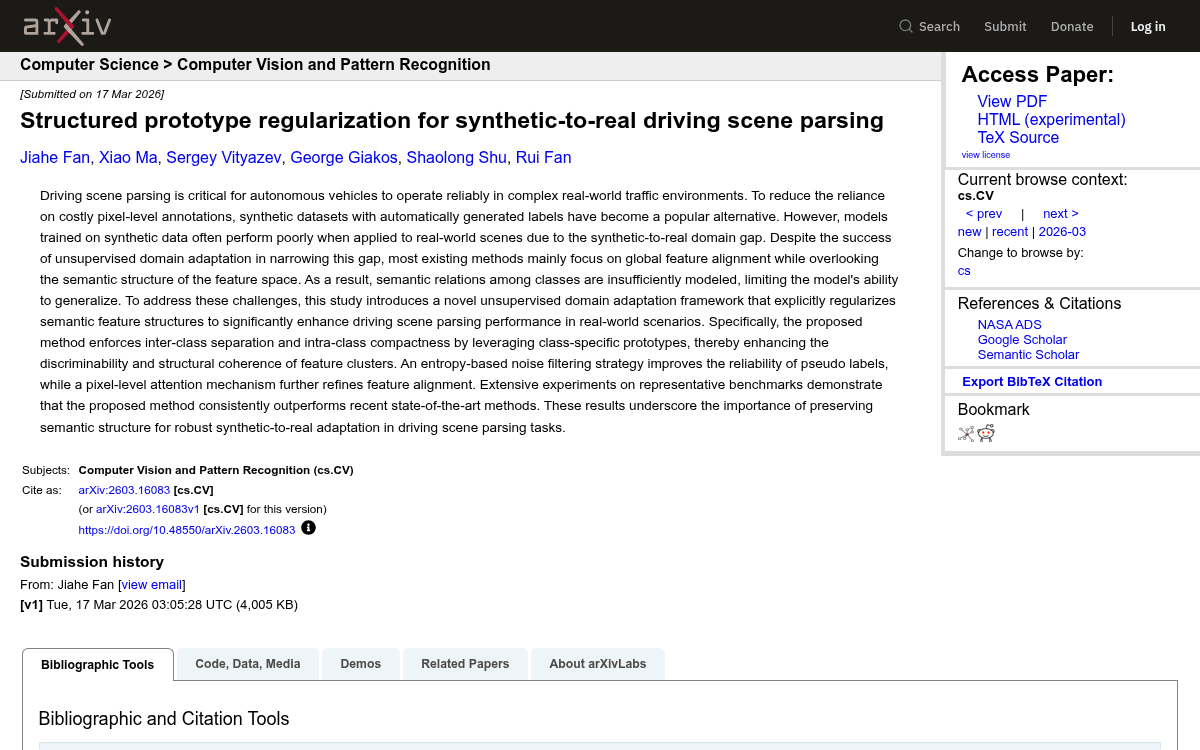
A new domain-adaptation method for driving segmentation preserves semantic structure between synthetic and real images, boosting mIoU by up to 20.7 points.
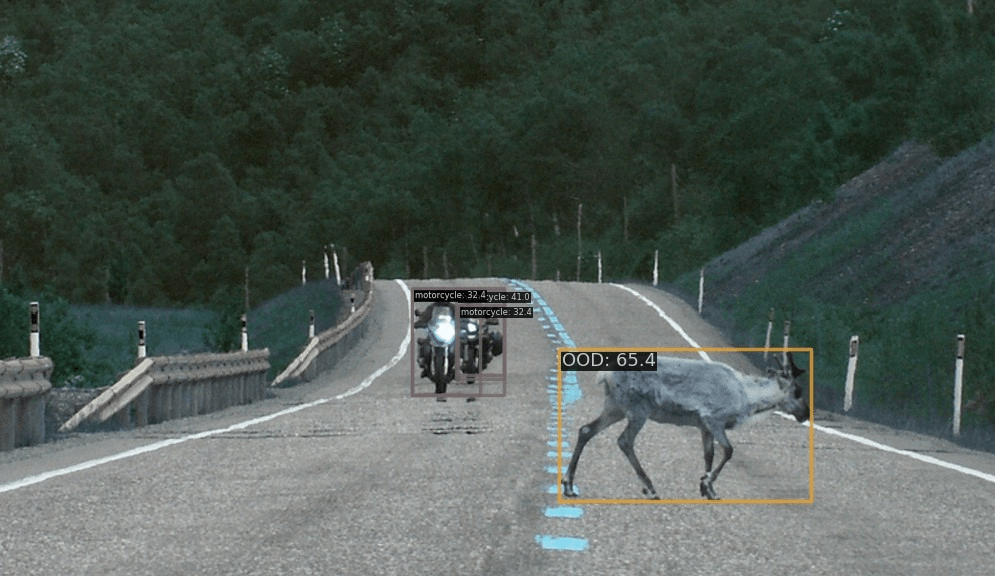
A new framework teaches street-scene detectors to spot unknown objects by pasting AI-generated oddities into training images, beating GroundingDINO on the OoDIS benchmark.
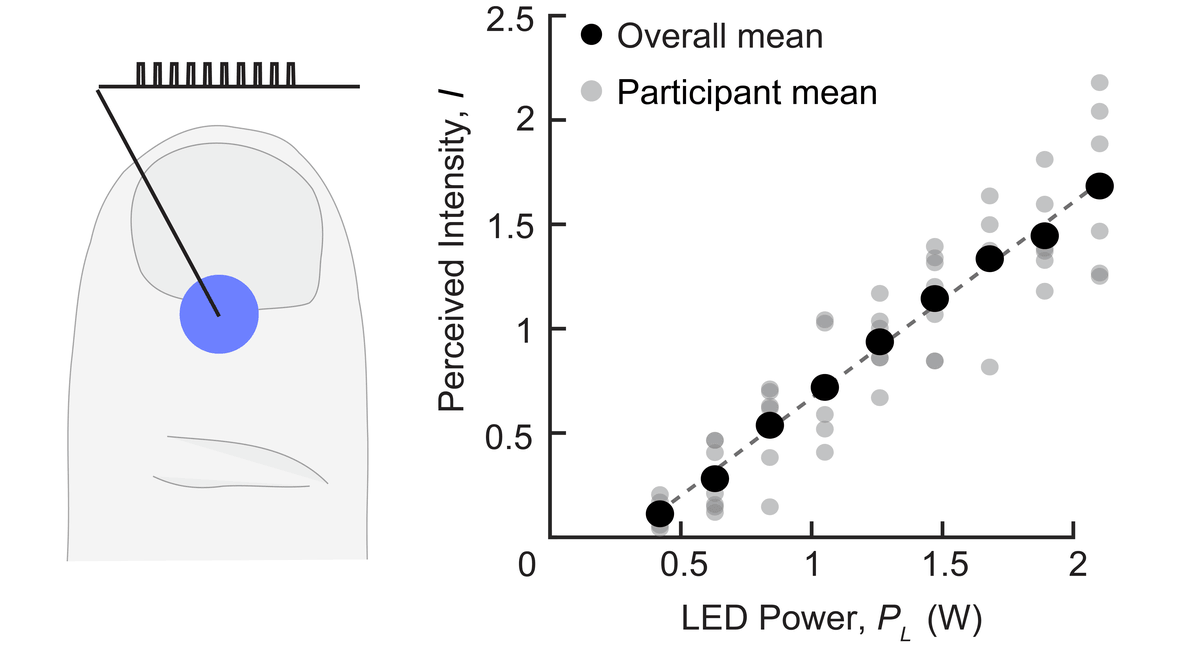
UC Santa Barbara researchers built millimeter-scale tactile actuators that turn LED light pulses directly into 440 mN of touch feedback.
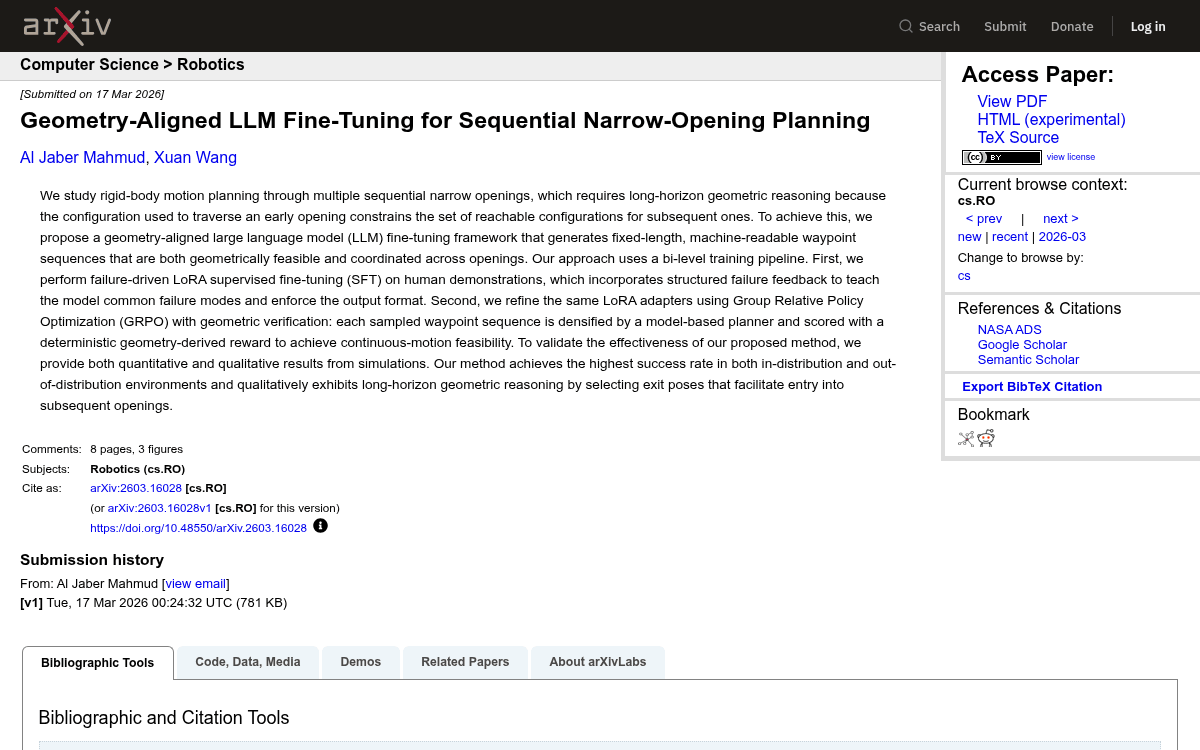
A bi-level LoRA fine-tuning recipe teaches Llama-3.1-8B to plan rigid-body motion through sequential narrow doorways with 92.6% success.