
Pro
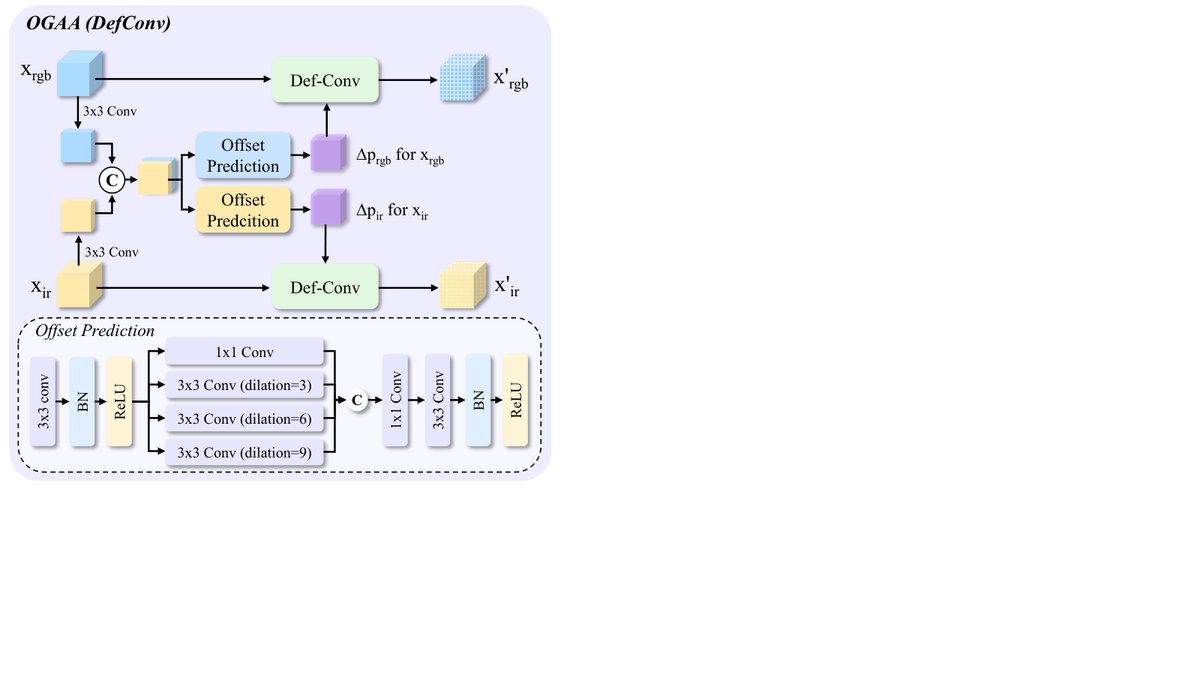
Jiangnan University's MM-UAV Benchmark Tracks Drones With Three Fused Sensors
MM-UAV combines RGB, infrared, and event-camera data across 2.8 million frames to make drone tracking robust in the dark, in clutter, and at speed.
20 stories
MM-UAV combines RGB, infrared, and event-camera data across 2.8 million frames to make drone tracking robust in the dark, in clutter, and at speed.

Researchers trace catastrophic over-refusal in multimodal unlearning to ill-conditioned projector Jacobians, and fix it with a sinusoidal reparameterization that costs under 1% overhead.
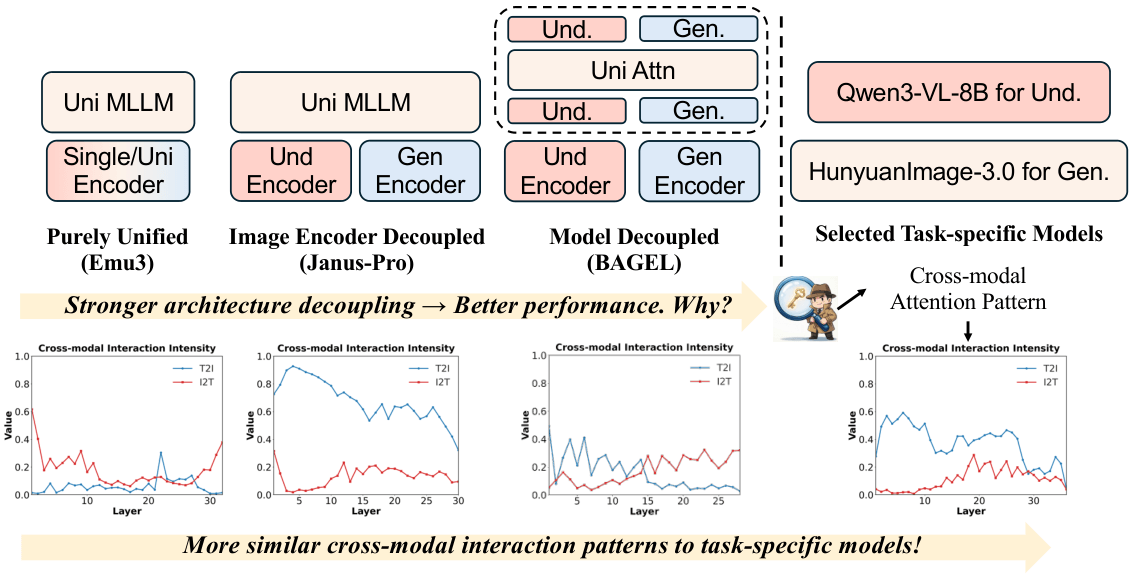
New research shows architecture decoupling in unified models works by reshaping attention patterns, and a simple loss can do the same job.
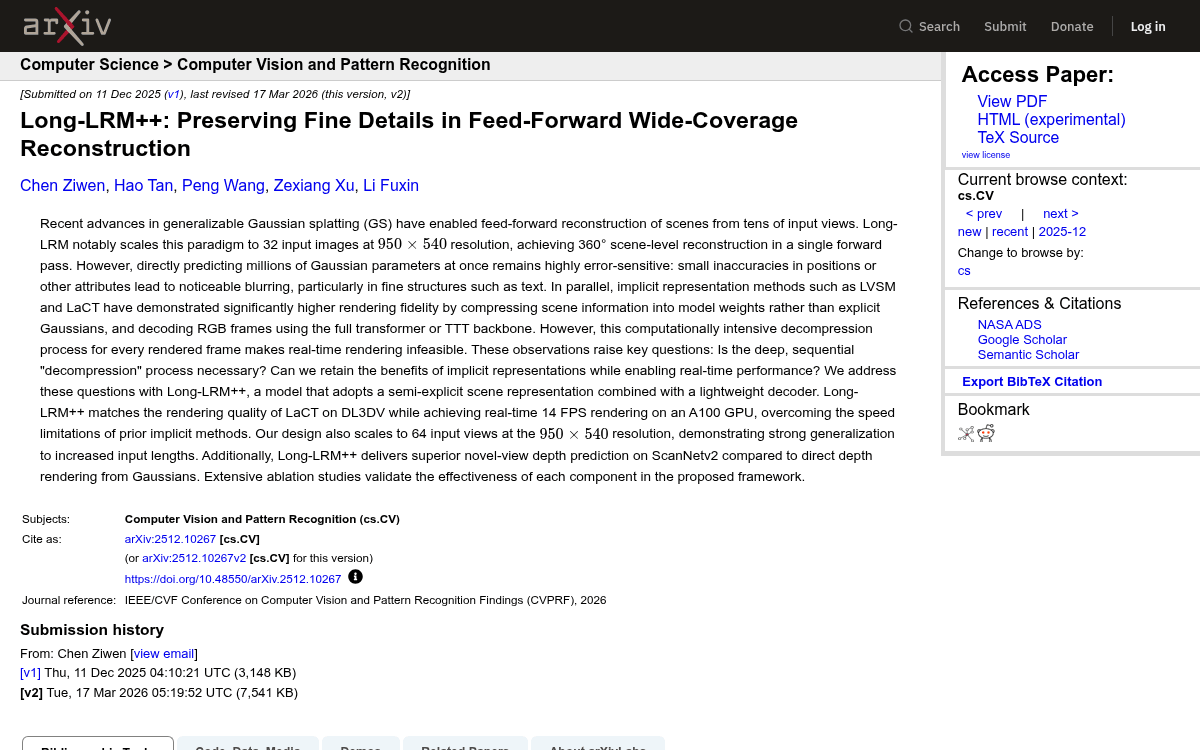
Adobe Research's new feed-forward reconstruction model matches implicit-method quality while rendering scenes at 14 FPS on a single A100 GPU.
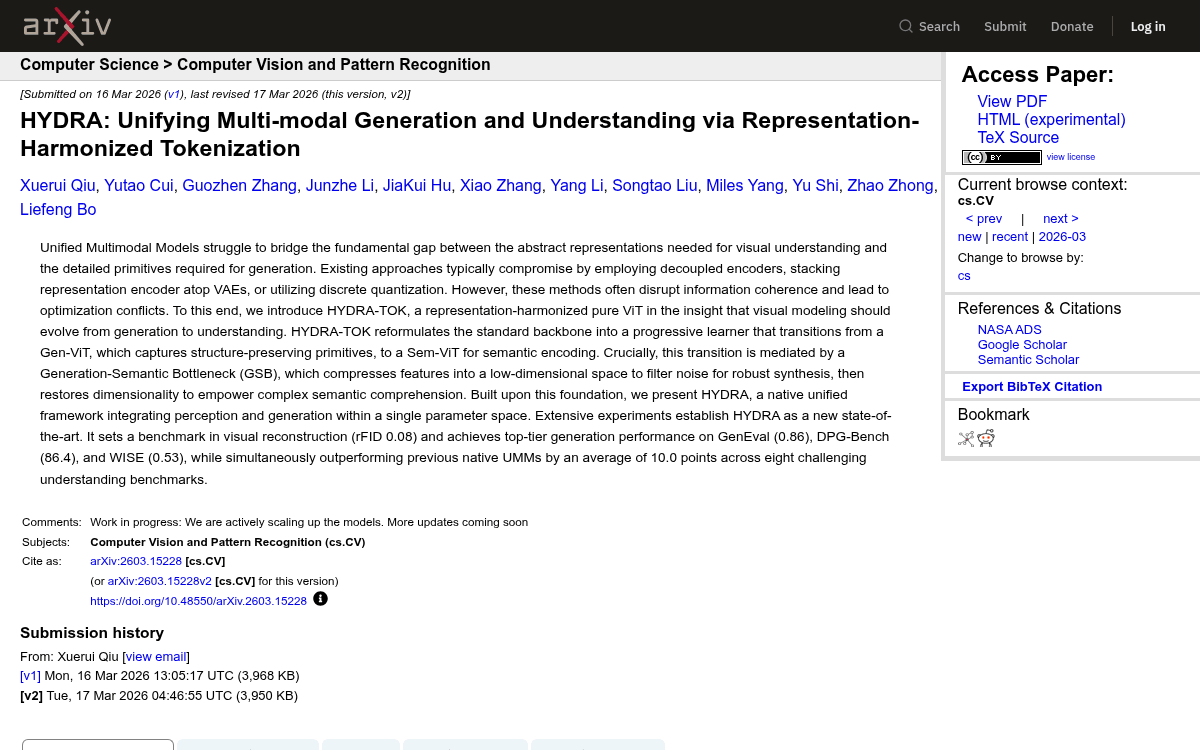
A new pure vision transformer tokenizer bridges the split between image understanding and generation, setting fresh state of the art scores across benchmarks.
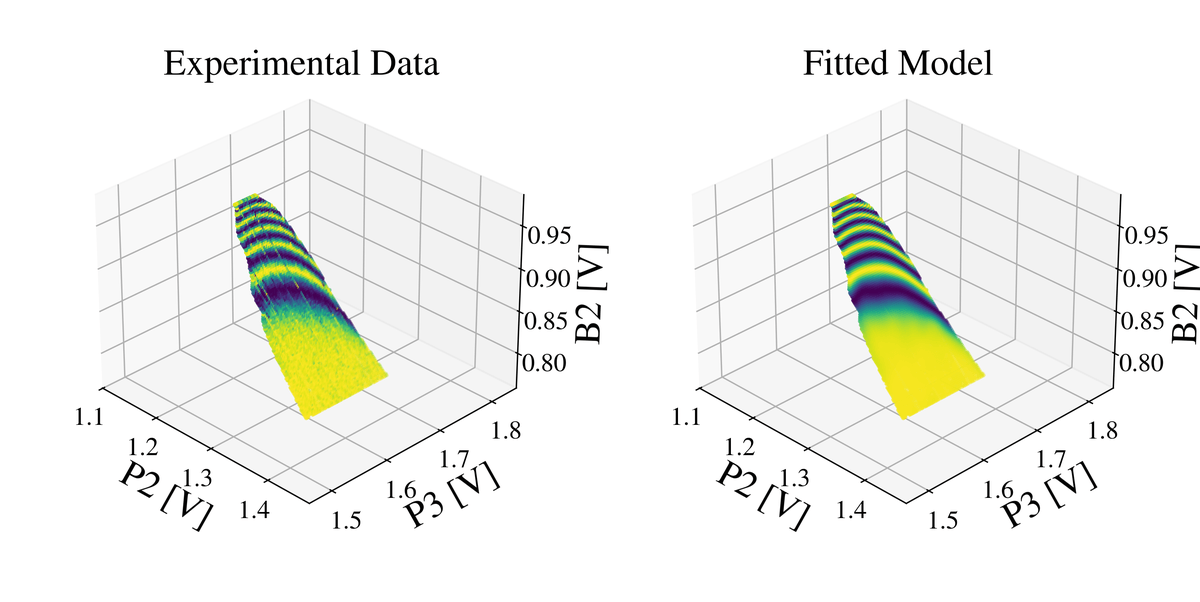
Sandia researchers port phase-shifting holography and graph-cut unwrapping into silicon spin qubit calibration, producing a 3D map of exchange phase across gate voltages.
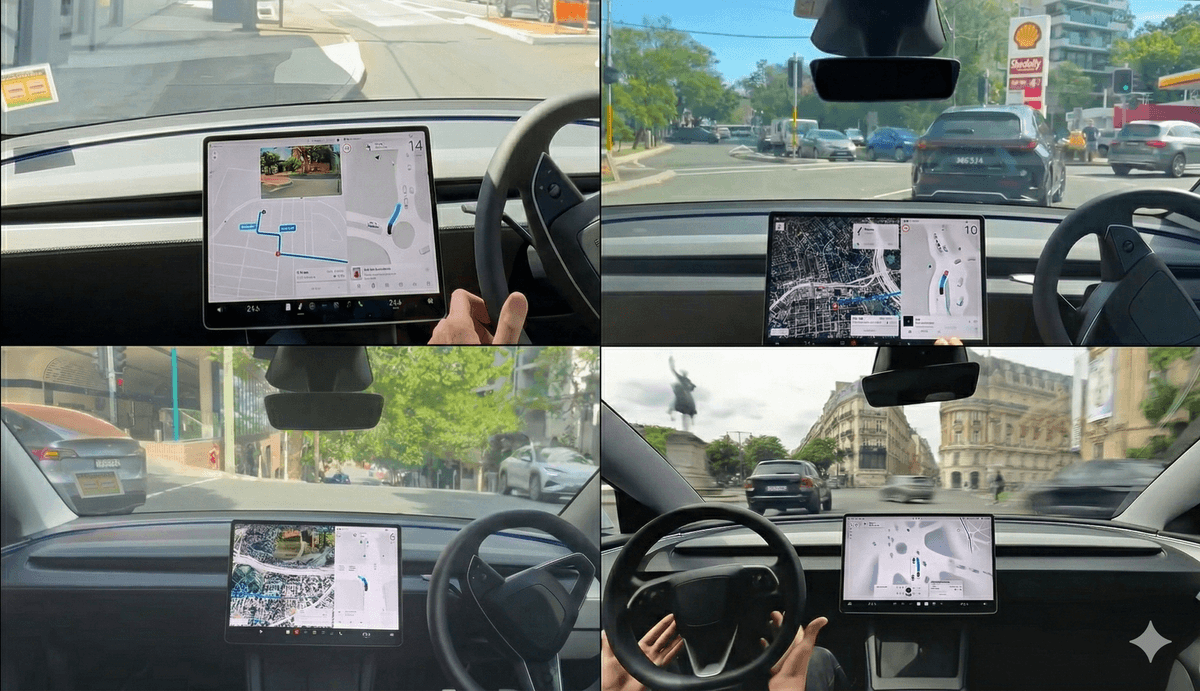
A survey paper traces how autonomous driving stacks have collapsed from modular perception-planning-control pipelines into single neural networks trained on fleet-scale data.
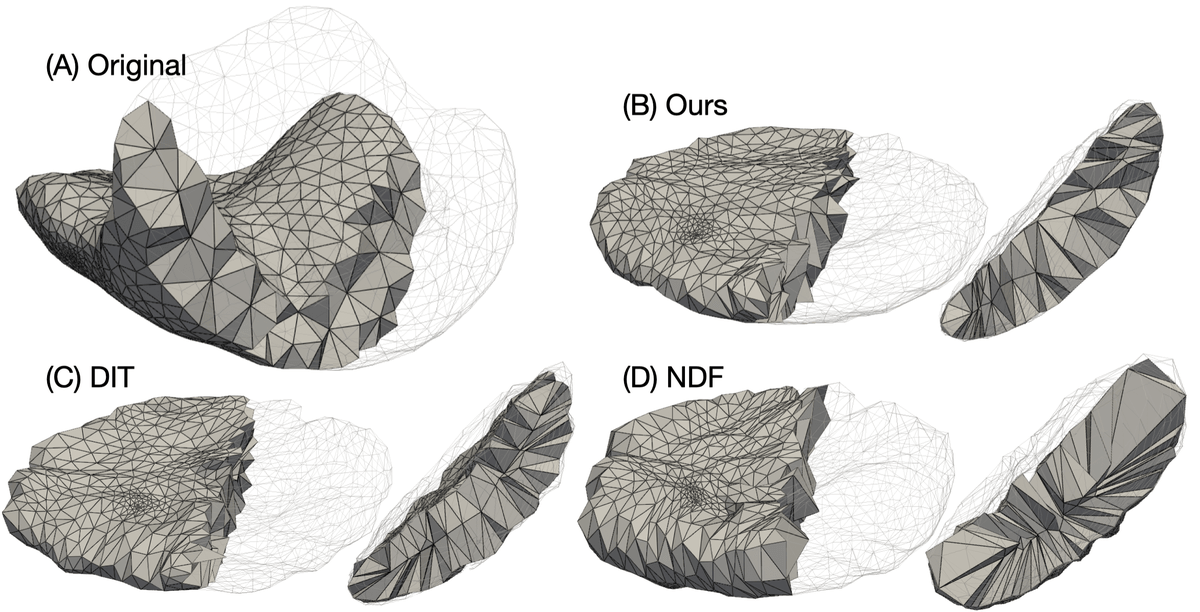
A new MIT method extends implicit shape learning into the organ interior, producing fold-free placenta atlases and clean voxel-wise MRI intensity maps in a single pass.
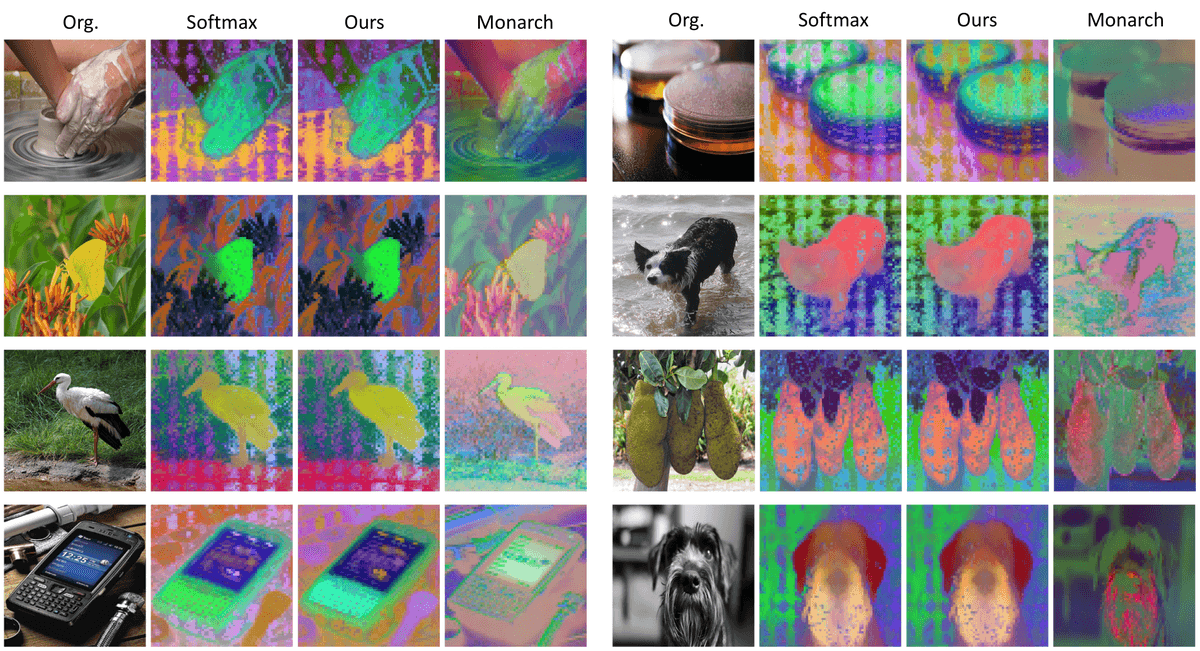
A three-stage recipe converts pretrained softmax Vision Transformers into linear-attention models while staying within 1% of the original accuracy.
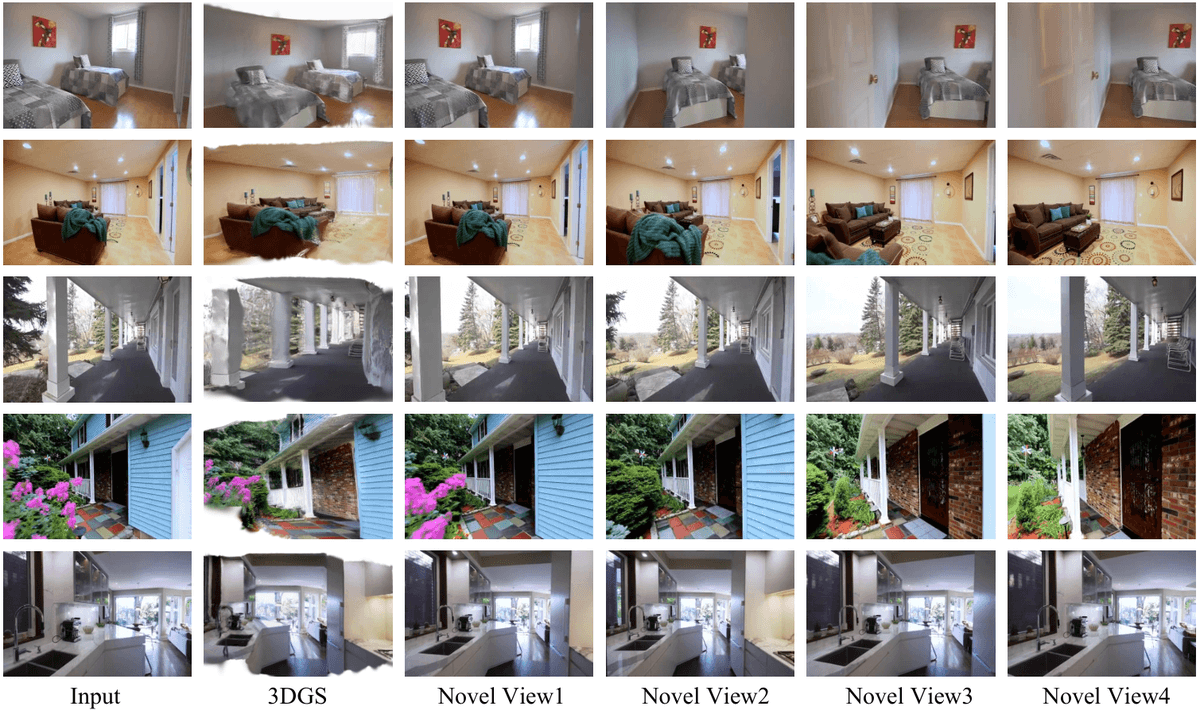
OneWorld runs diffusion inside a 3D feature space instead of 2D latents, cutting cross-view drift and lifting PSNR by over a point on RealEstate10K.
A new domain-adaptation method for driving segmentation preserves semantic structure between synthetic and real images, boosting mIoU by up to 20.7 points.
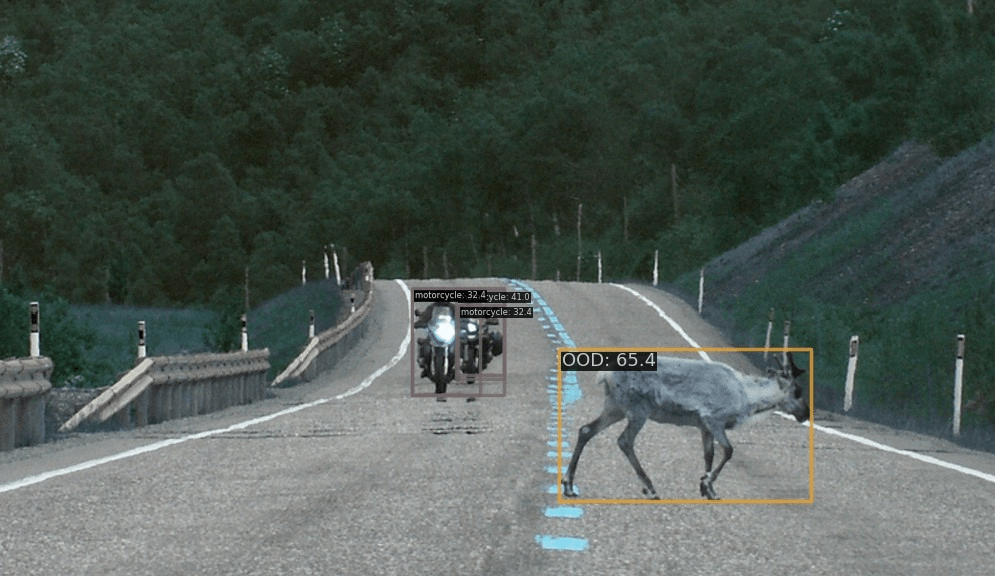
A new framework teaches street-scene detectors to spot unknown objects by pasting AI-generated oddities into training images, beating GroundingDINO on the OoDIS benchmark.
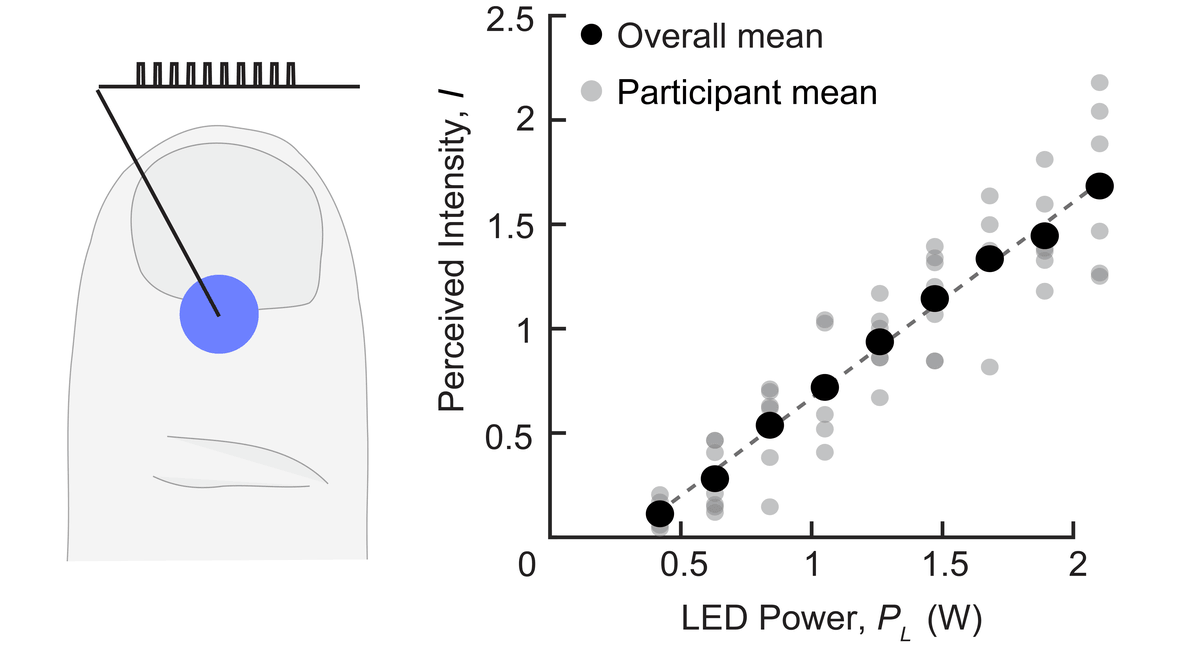
UC Santa Barbara researchers built millimeter-scale tactile actuators that turn LED light pulses directly into 440 mN of touch feedback.
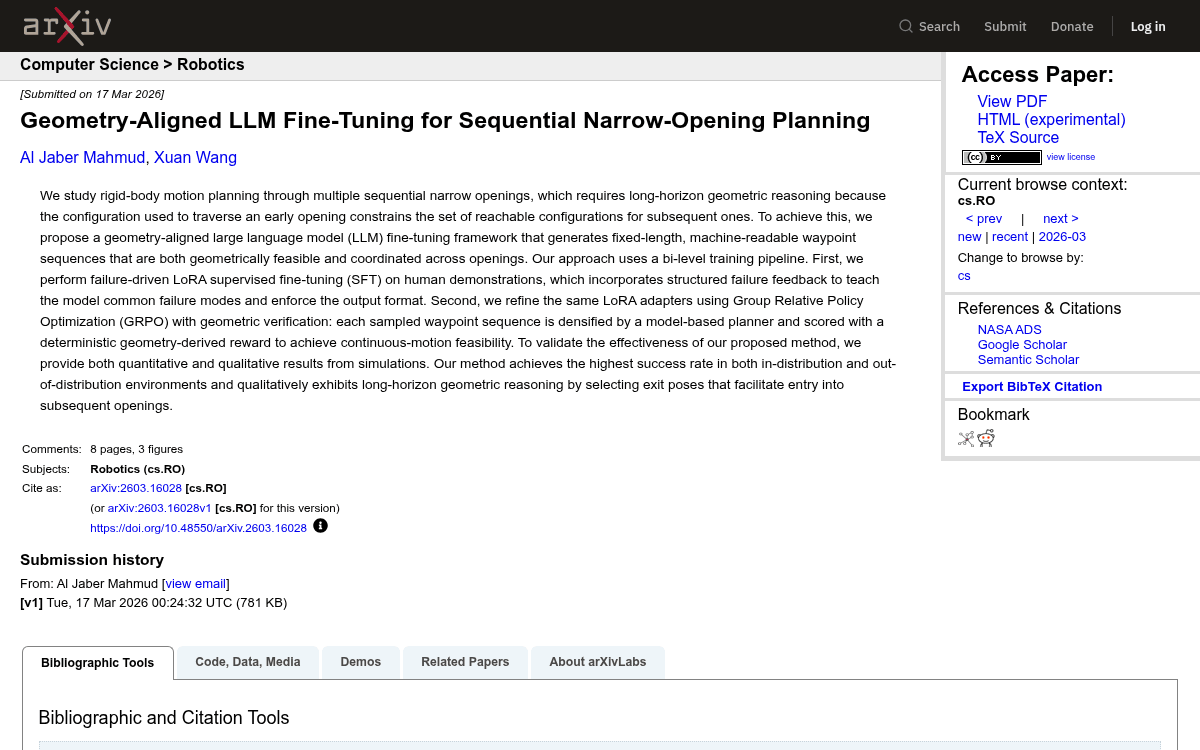
A bi-level LoRA fine-tuning recipe teaches Llama-3.1-8B to plan rigid-body motion through sequential narrow doorways with 92.6% success.
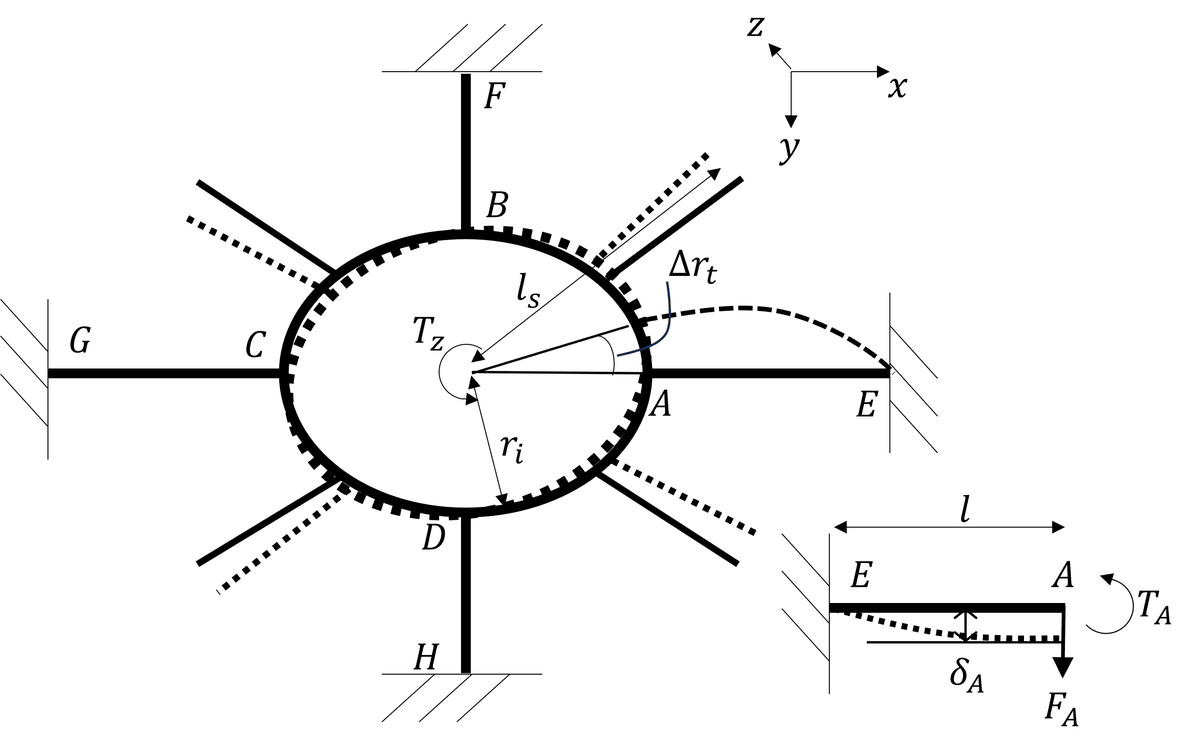
A KAIST team built a slim, non-contact optical torque sensor that measures joint forces with 2.14 times better resolution than standard least-squares calibration.
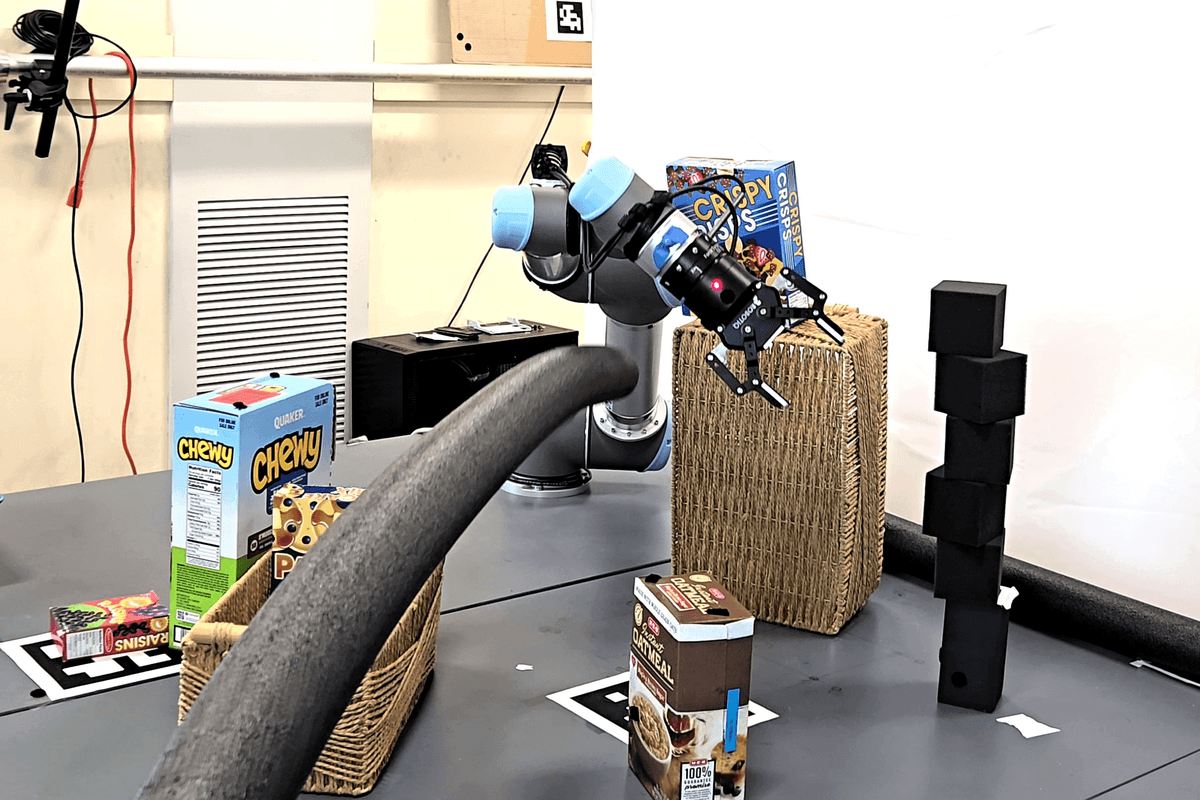
A new sampling-based motion planner uses differential flatness and CPU vectorization to produce dynamically feasible robot trajectories in microseconds.
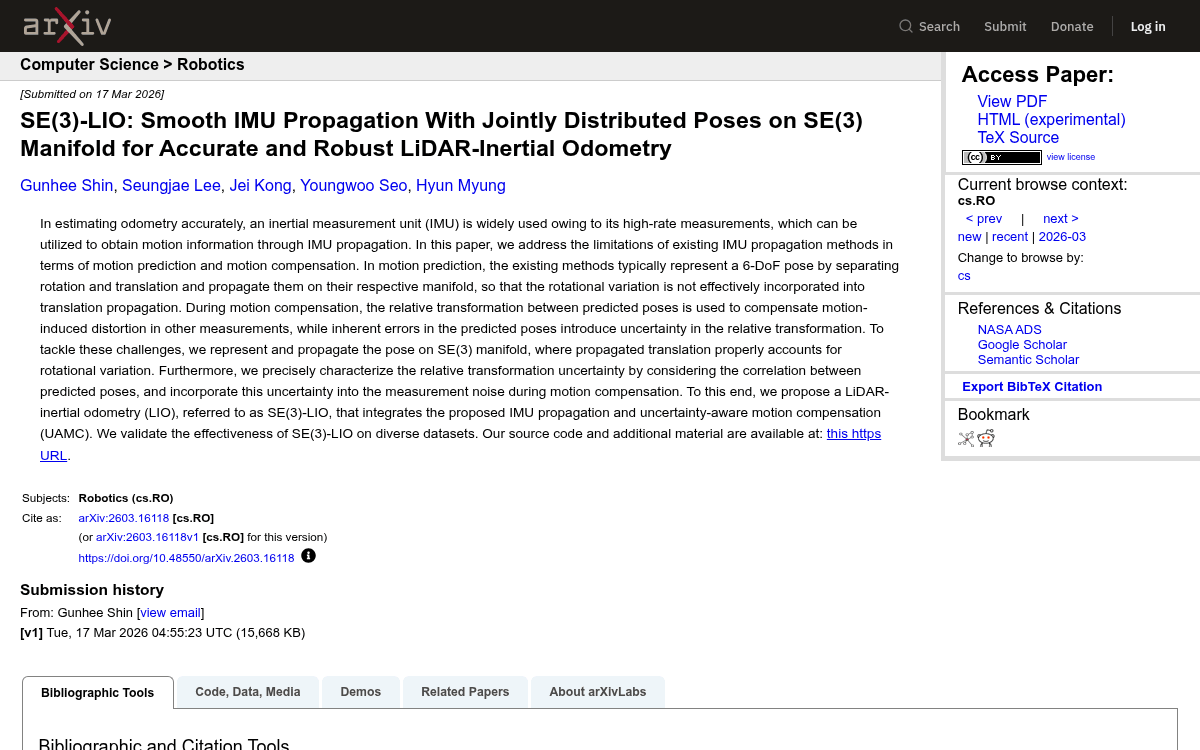
A new LiDAR-inertial odometry method jointly propagates rotation and translation on SE(3), cutting trajectory error by more than half on rough terrain.
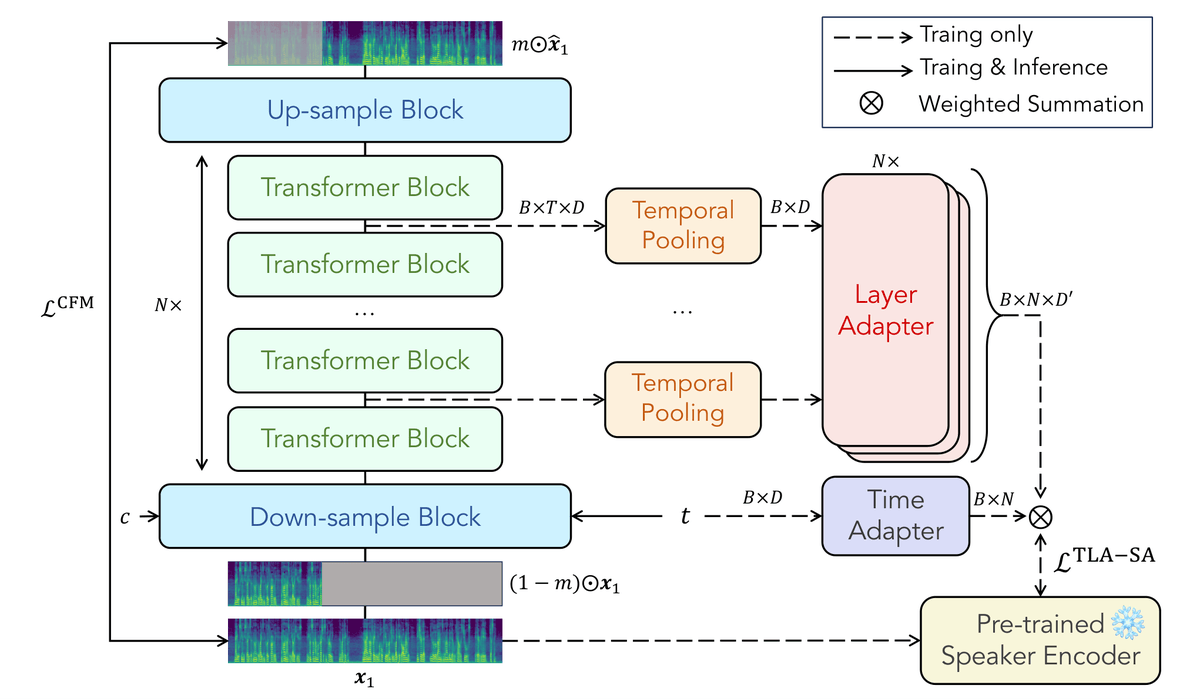
A new training strategy called TLA-SA fixes the speaker mismatch problem in flow-matching TTS by weighting alignment loss across time and depth.
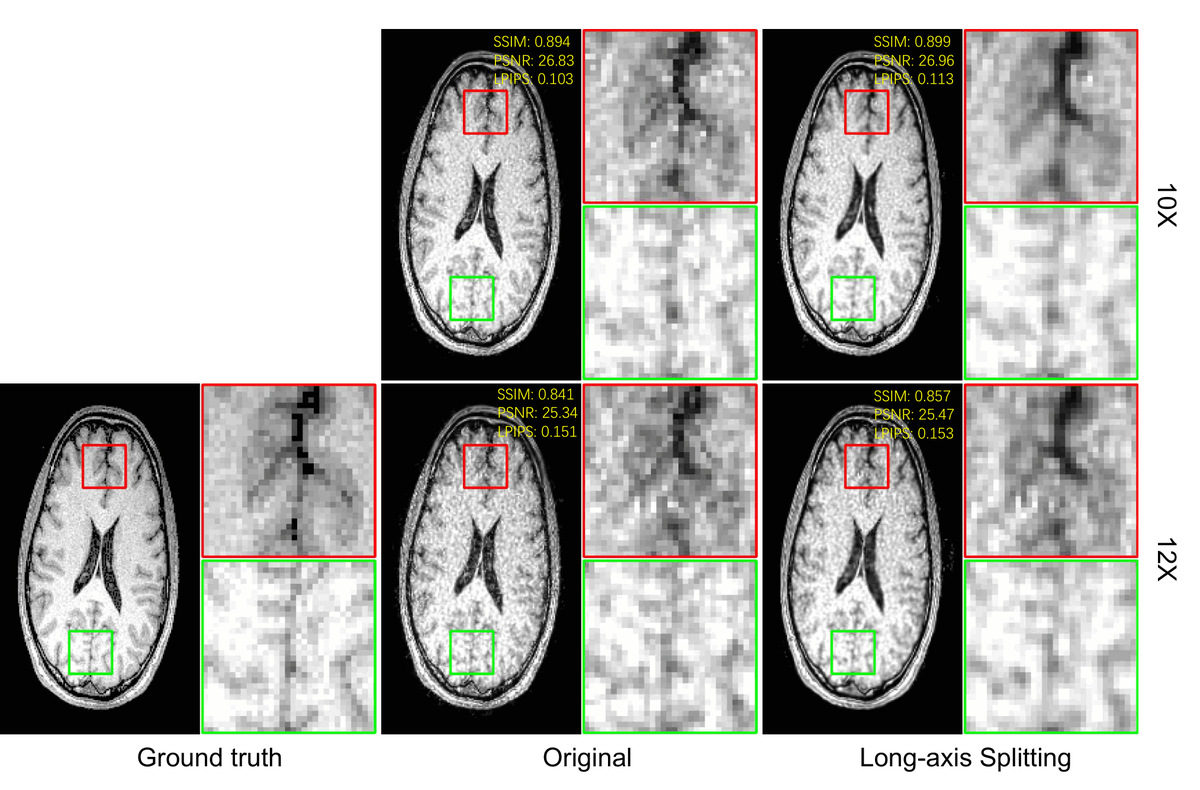
A self-supervised method borrows 3D Gaussian Splatting from graphics to reconstruct isotropic 3D MRI volumes from heavily undersampled k-space, no training data required.
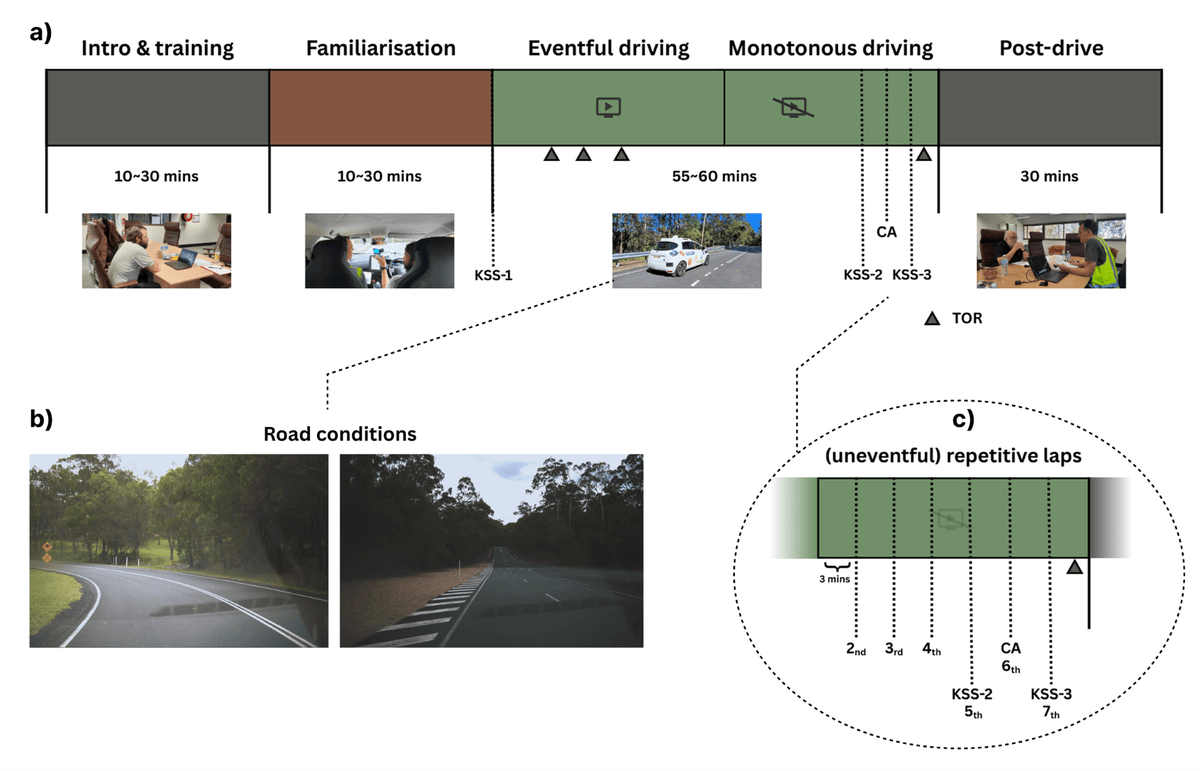
A test-track study with 40 drivers finds a GPT-4 powered voice agent measurably reduces passive fatigue in Level 3 automated cars.