
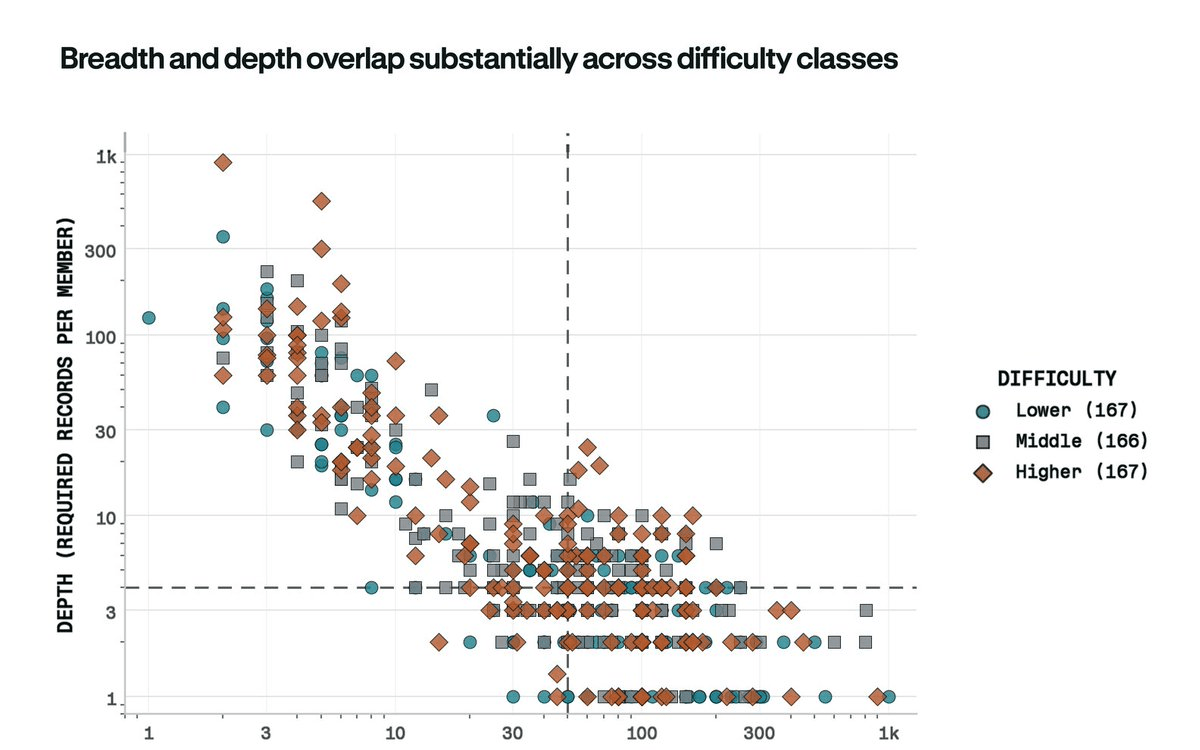
Perplexity's Open-Source WANDR Benchmark Exposes How Badly Research Agents Fail at Scale
Perplexity open-sources WANDR, a 500-task benchmark exposing how badly research agents fail at large-scale, evidence-backed data collection
20 stories
Perplexity open-sources WANDR, a 500-task benchmark exposing how badly research agents fail at large-scale, evidence-backed data collection
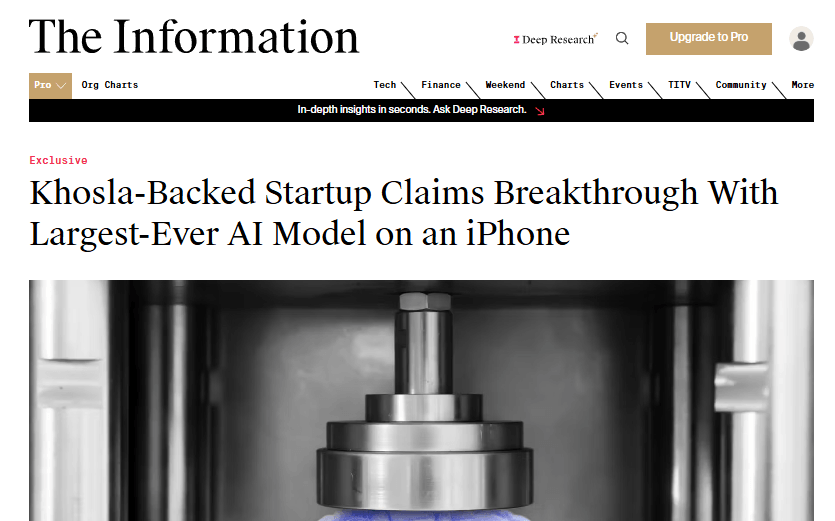
PrismML's Bonsai 27B squeezes a full 27B reasoning model into 3.9 GB, making it the first model of its class to run on a phone.
Google unveils Sec-Gemini v3, CodeMender, open-source CAPSEM, and two new open standards to secure the agentic era from code to commerce
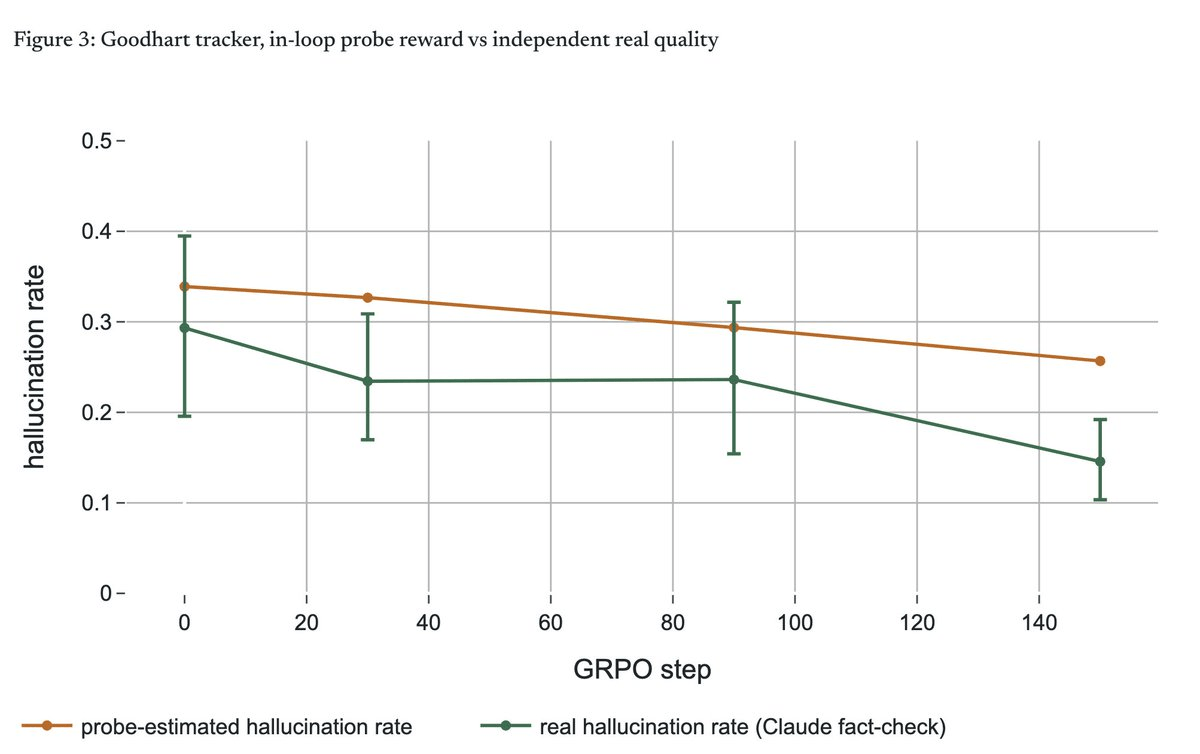
Goodfire's Silico opens its private beta, letting an AI agent autonomously run interpretability experiments — reproducing months of research in days
NVIDIA's dcgm-exporter 4.5.3-4.8.2 adds per-process GPU metrics, improved health reporting, and MIG job label support for Kubernetes clusters.

Anthropic launches free premium Claude access for verified US K-12 teachers, with state-standard-aligned lesson planning and FERPA-grade privacy built in

Anthropic pledges $10M CAD and Claude API credits to eight Canadian research institutions, deepening ties with the country that invented deep learning
Lightpanda is a from-scratch browser written in Zig that runs 9x faster and uses 16x less memory than Chrome, now with a built-in LLM agent that compiles tasks into replayable scripts
NVIDIA's new 1B embedding model beats larger rivals on retrieval benchmarks by distilling an 8B teacher into a compact, multilingual powerhouse
A ggml-powered C++ engine brings dozens of TTS, ASR, and voice-conversion models to portable GGUF weights, running up to 5x faster than PyTorch.
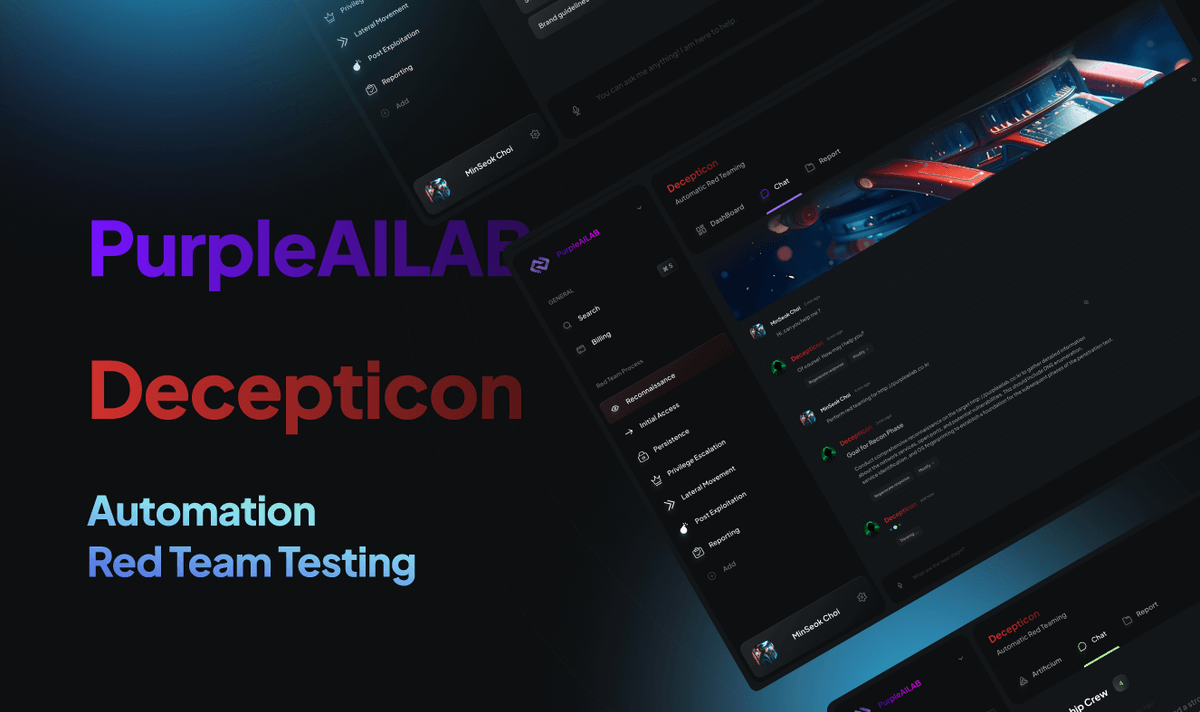
Decepticon is an open-source multi-agent red team framework that autonomously runs full attack chains inside a hardened Kali sandbox, scoring 98.08% on the XBOW benchmark
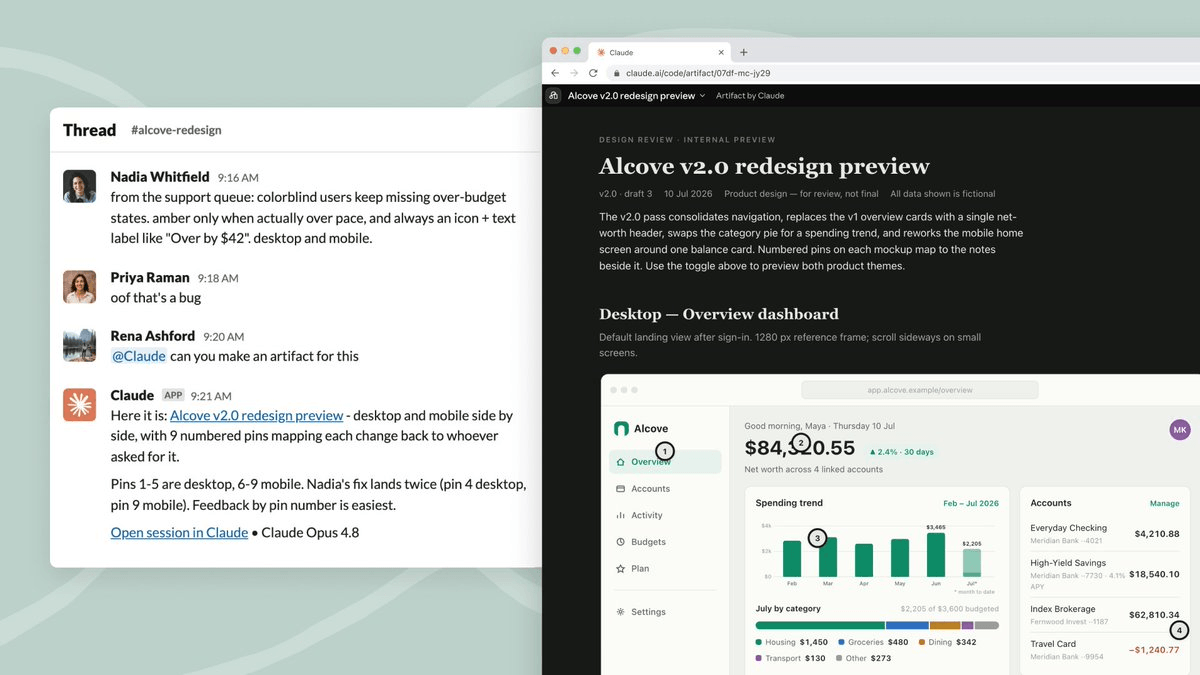
Claude Artifacts now support real-time multiplayer editing, public sharing links, and Claude Tag can build internal tools directly from Slack threads
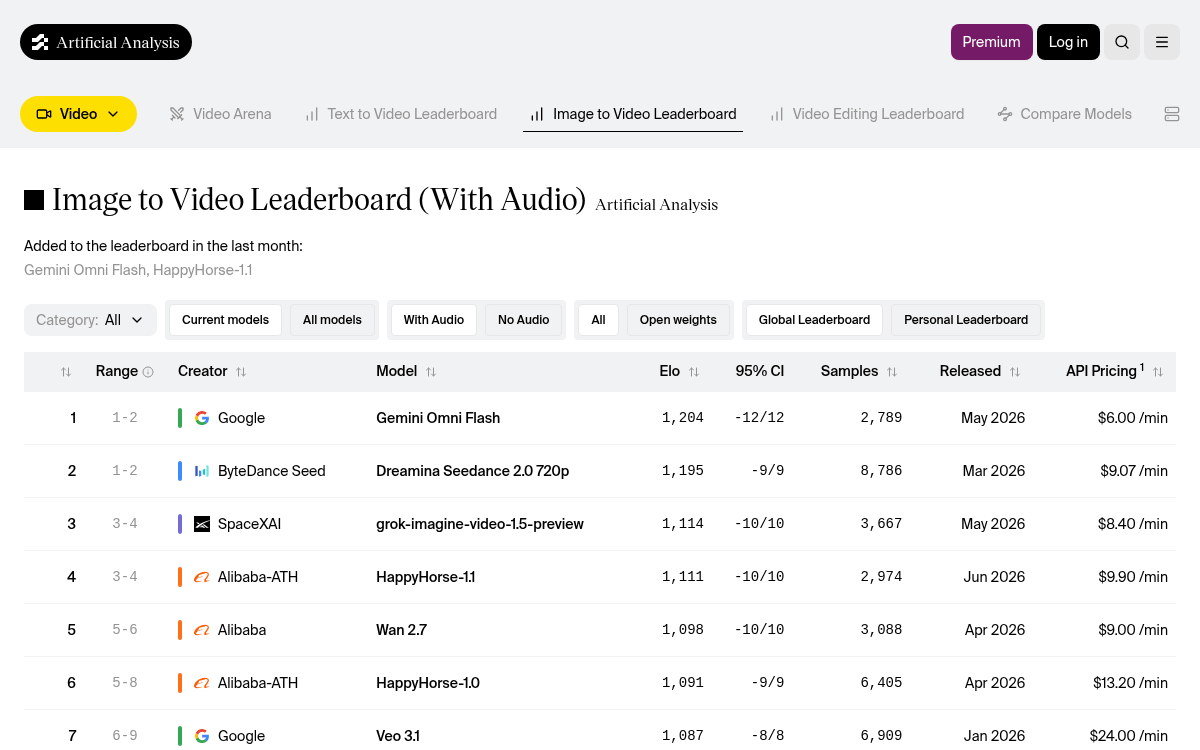
Google's Gemini Omni Flash debuts at the top of Artificial Analysis video leaderboards, beating Seedance 2.0 with conversational editing at $6/min
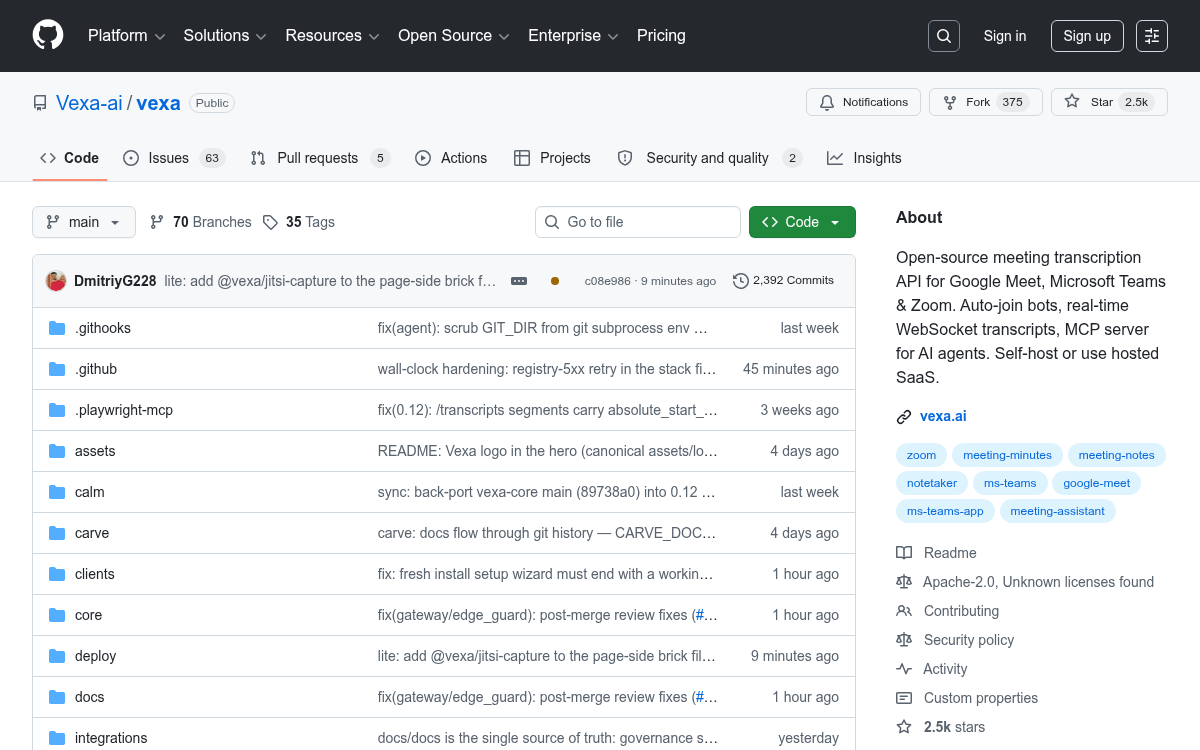
Vexa is an open-source, self-hostable meeting bot API for Google Meet, Teams, and Zoom with real-time transcription, interactive bot controls, and an MCP server for AI agents
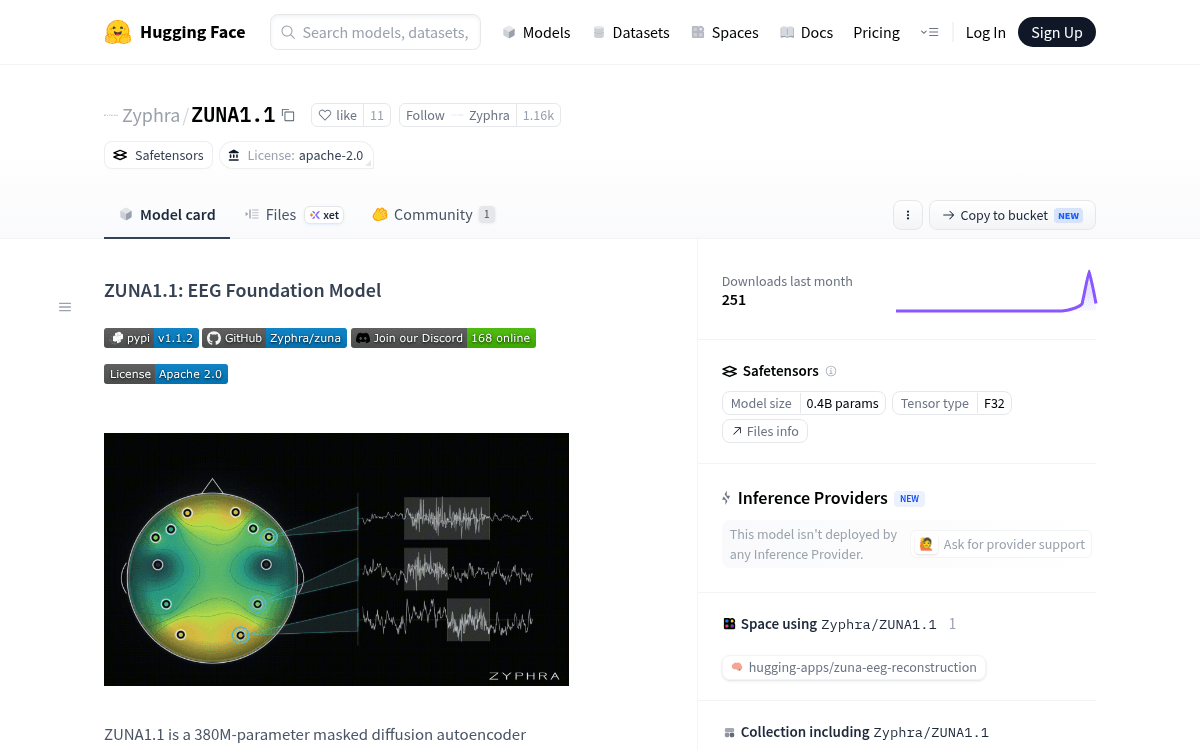
Zyphra's ZUNA1.1 handles messy, variable-length EEG from any headset, free and open-source under Apache 2.0
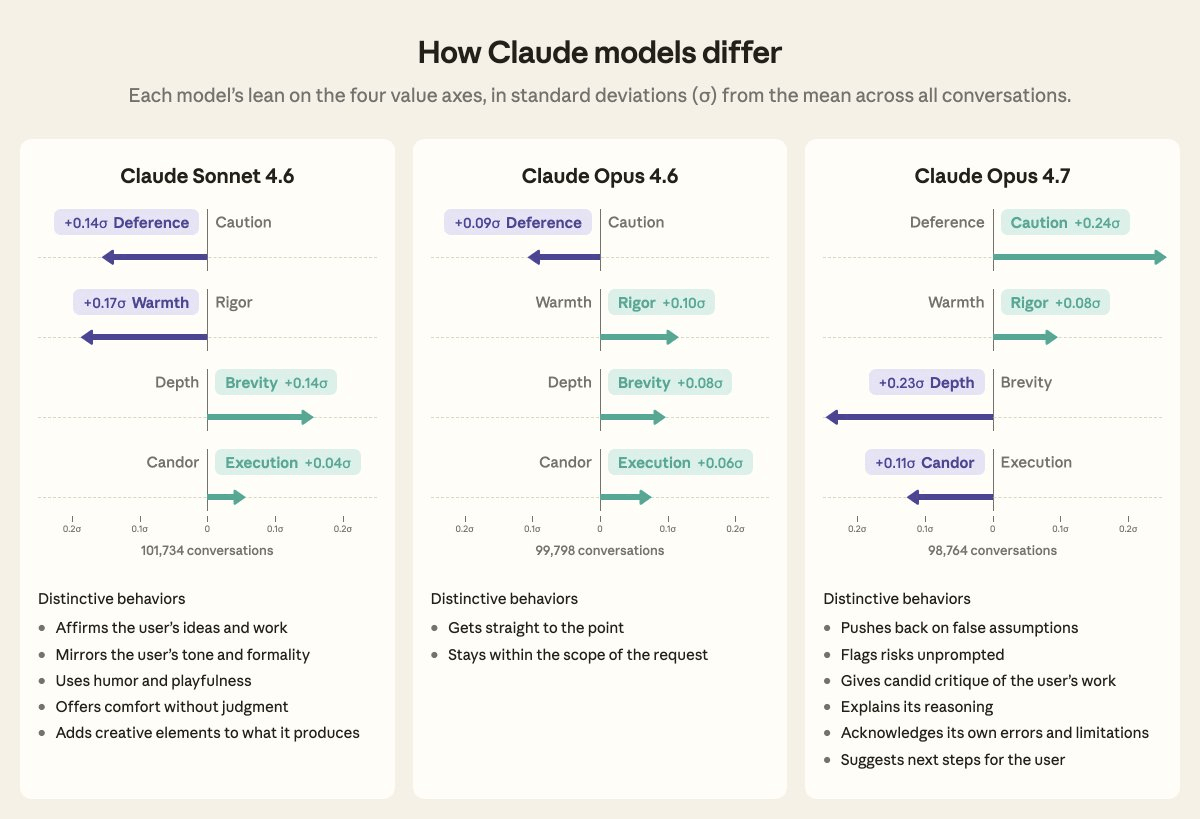
Anthropic analyzed 300K+ conversations to map how Claude's expressed values shift across model versions and 20 languages, revealing a four-axis framework that could reshape how AI behavior is monitored and steered.
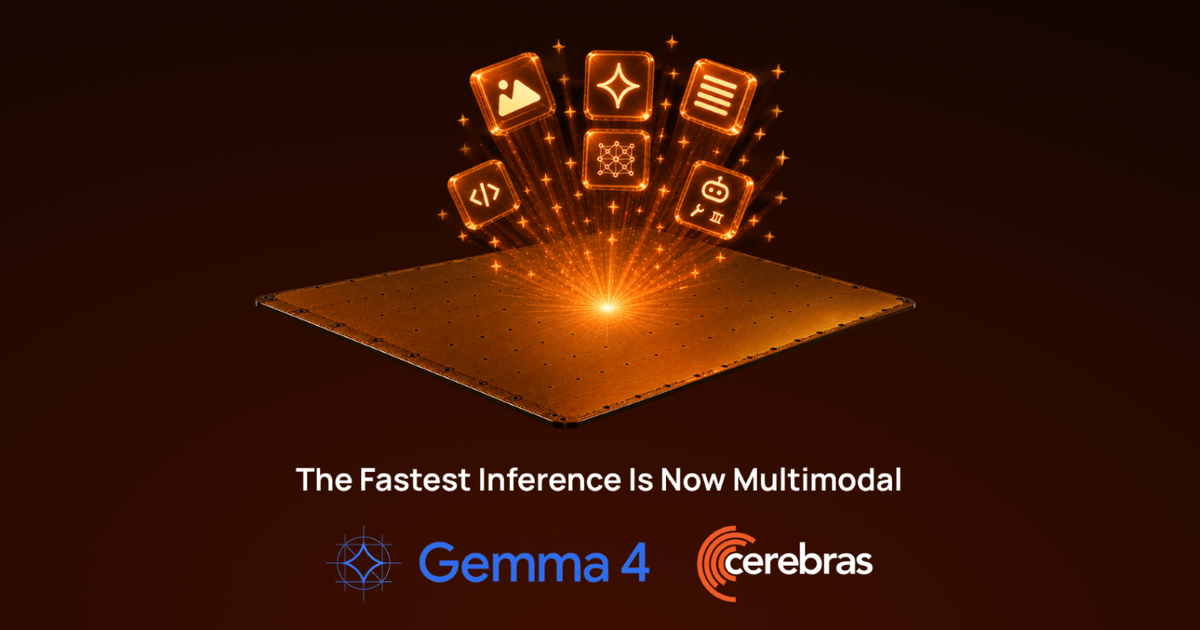
Gemma 4 31B hits 1,851 tokens/sec on Cerebras wafer-scale hardware, making real-time multimodal and agentic loops practical for the first time
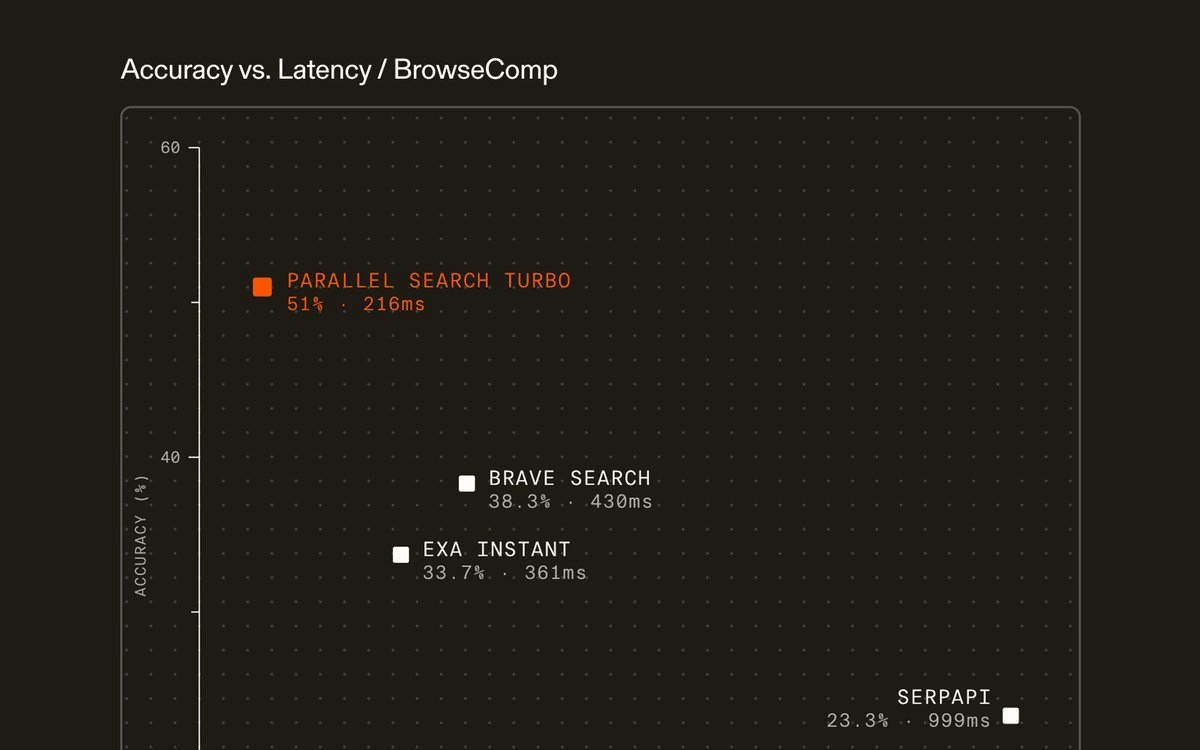
Parallel Web Systems launches Turbo mode for its Search API: 200ms median latency, $1 per 1,000 requests, and benchmark-leading accuracy against Exa, Tavily, and Brave.
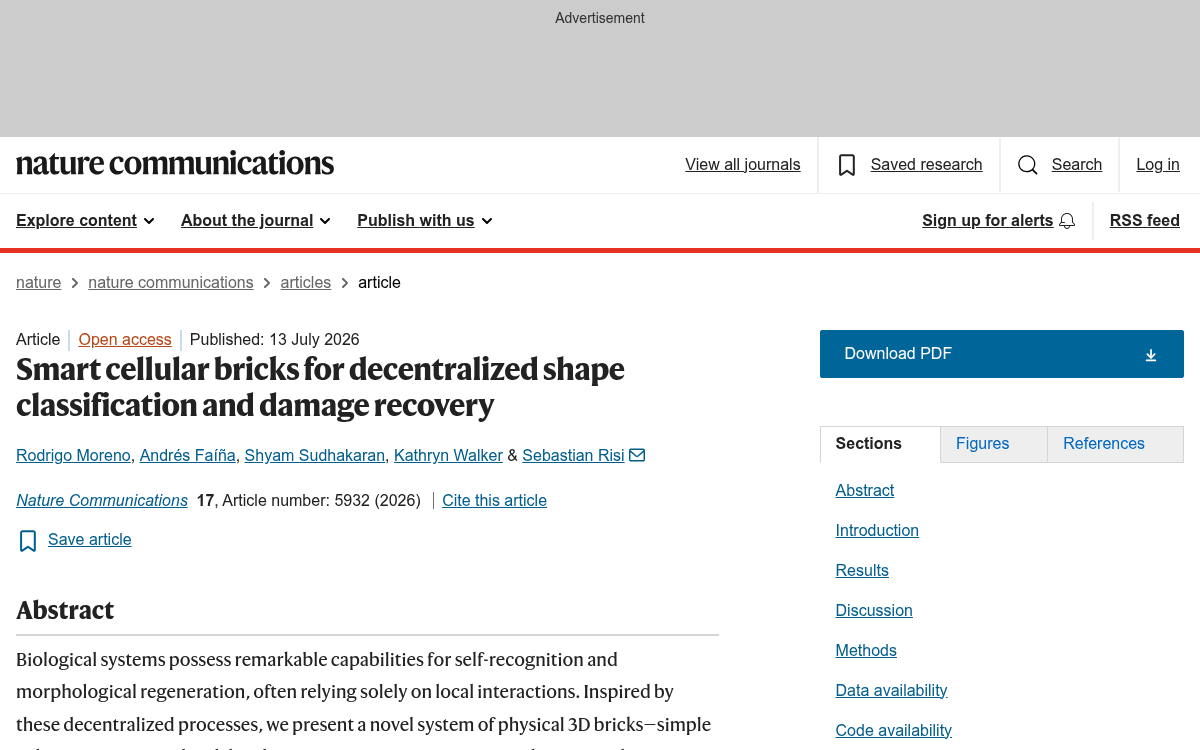
Sakana AI publishes in Nature Communications: physical bricks running identical tiny neural nets collectively recognize their own 3D shape and guide self-repair, with no central controller and no brick knowing its position.
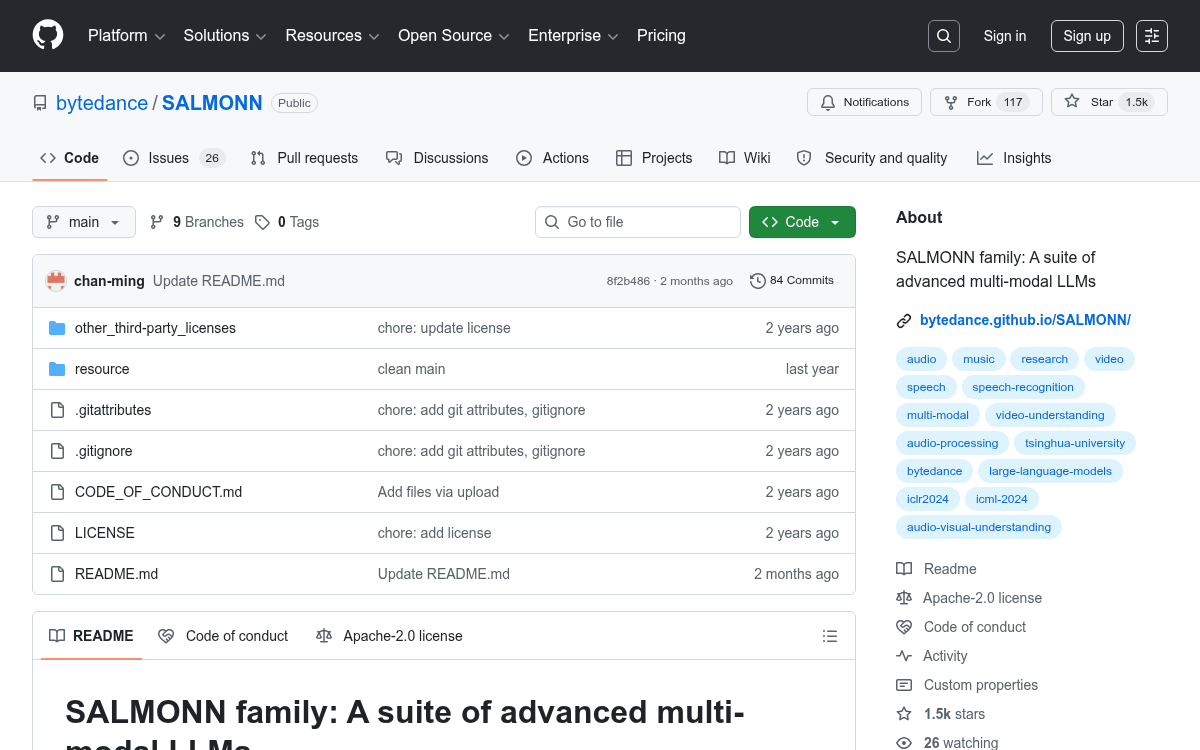
ByteDance and Tsinghua open-source video-SALMONN 2, a 7B audio-visual model that beats GPT-4o and Gemini-1.5 Pro at video captioning using a novel multi-round DPO training technique