
Pro
Waterloo's Code2LoRA Instantly Builds Custom AI Adapters for Any Codebase
Code2LoRA uses a hypernetwork to instantly generate repo-specific LoRA adapters, matching per-repo fine-tuning accuracy with zero inference-time token cost
20 stories
Code2LoRA uses a hypernetwork to instantly generate repo-specific LoRA adapters, matching per-repo fine-tuning accuracy with zero inference-time token cost
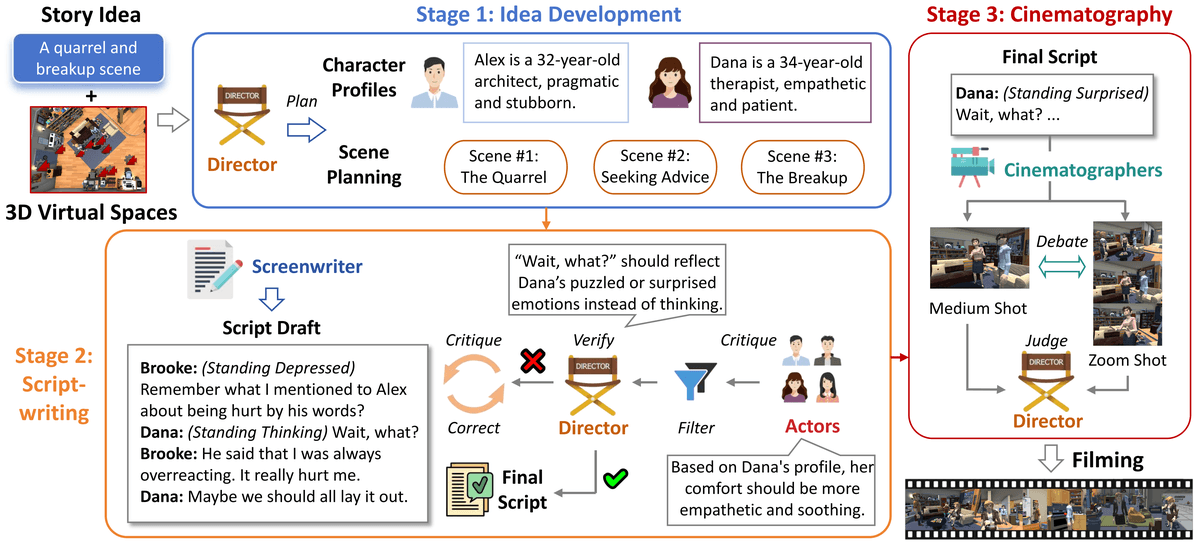
An open-source engine from AIDC-AI turns a single topic prompt into a complete short video with script, visuals, voiceover, and music.
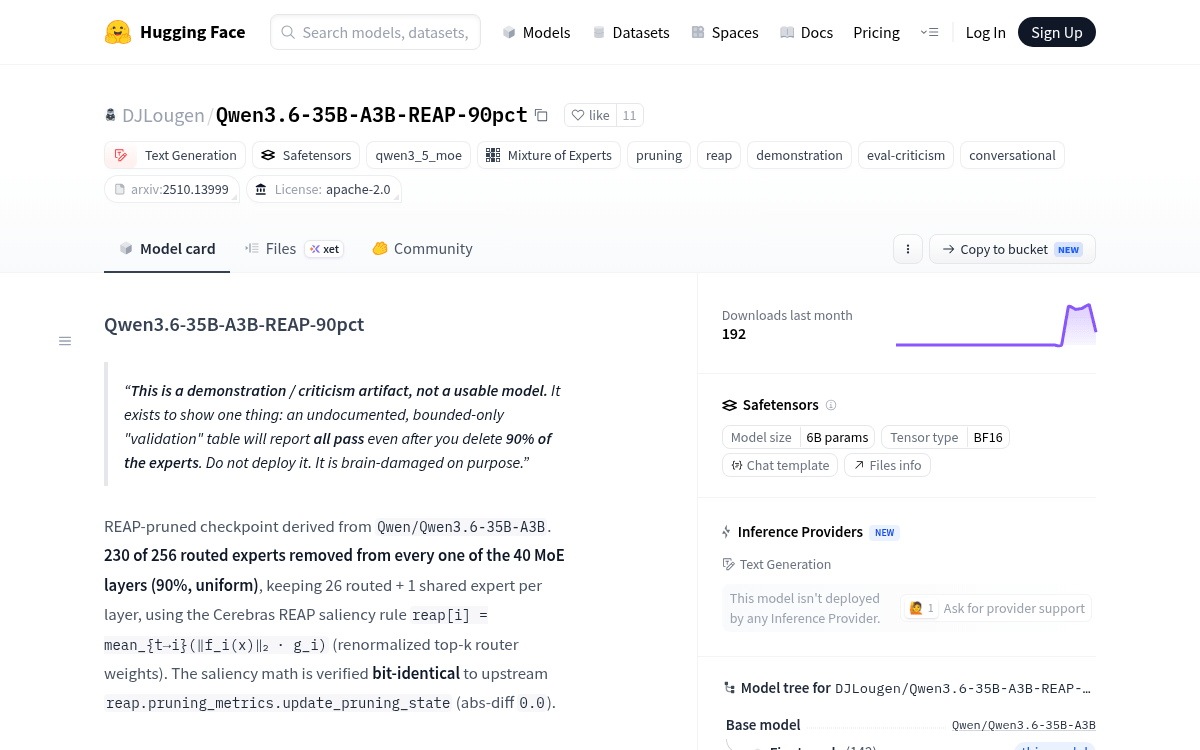
A deliberately broken Qwen3 MoE model passes 15/15 validation checks after 90% of its experts are deleted, exposing a systemic flaw in how compressed models get evaluated.
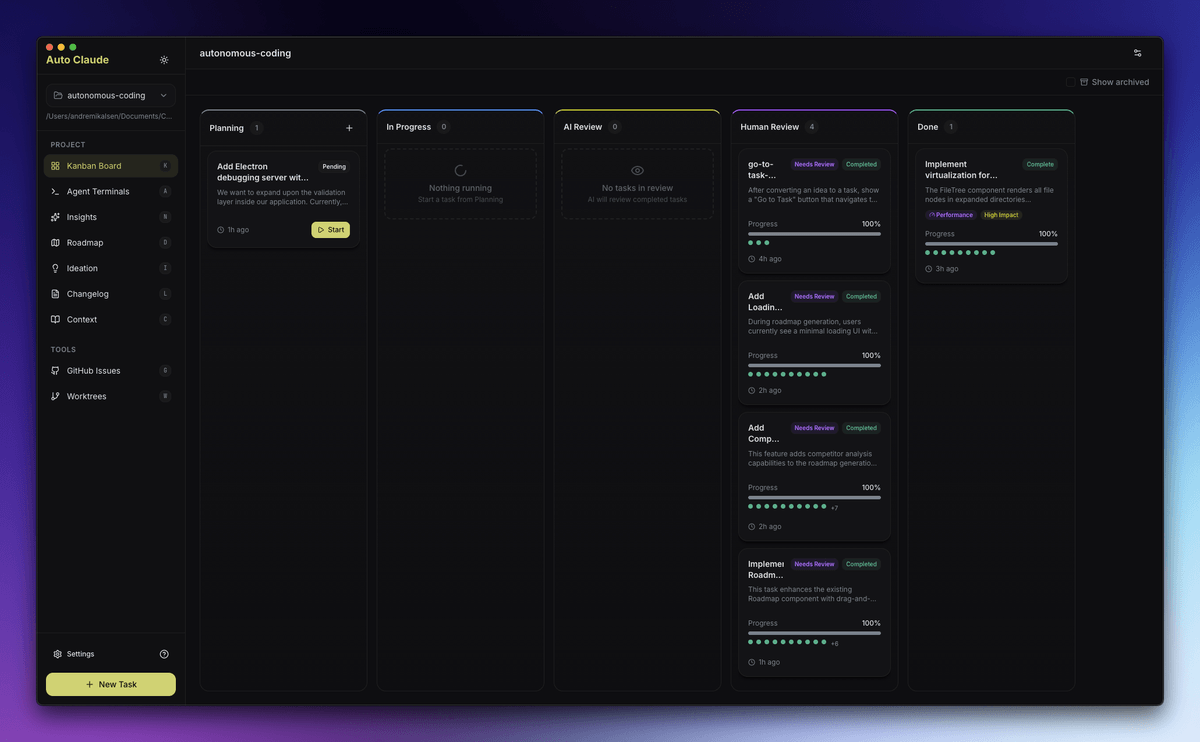
Aperant (formerly Auto Claude) brings a Kanban-driven multi-agent pipeline to your local desktop, running up to 12 parallel Claude agents in isolated git worktrees to plan, build, test, and ship software autonomously.
FreeLLMAPI is a self-hosted TypeScript proxy that stacks free-tier keys from 16 AI providers behind one OpenAI-compatible endpoint, adding up to ~1.7B tokens per month with automatic failover.
Browser Use's web automation library lands as a native Claude Code plugin, letting agents browse, click, and scrape without leaving your coding session
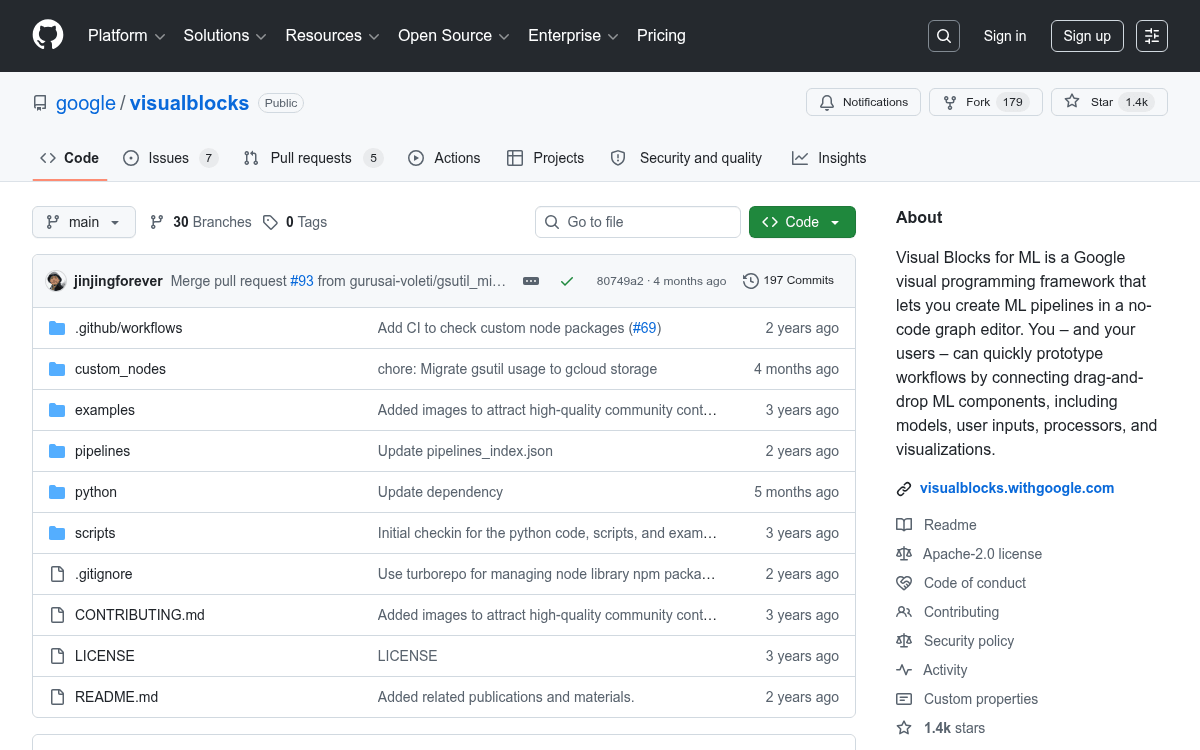
Google's open-source Visual Blocks lets you wire up ML pipelines by dragging nodes — no code required, and now with LLM-powered pipeline generation via InstructPipe.
earthtojake/text-to-cad gives any coding agent a full CAD pipeline locally — parametric Python output, STEP/STL/URDF exports, and a browser viewer, all MIT-licensed and free
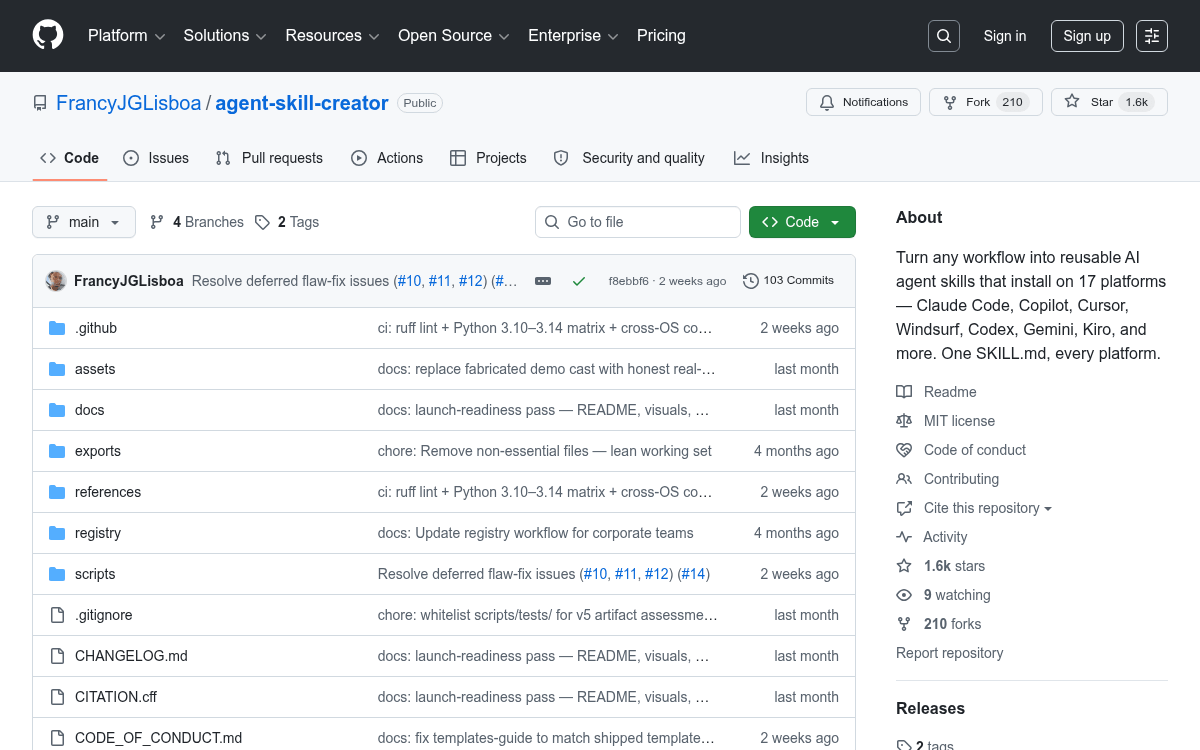
FrancyJGLisboa's open-source repo turns any workflow description into a validated, cross-platform agent skill — no spec writing or prompt engineering needed
Suno's revamped stem separation now regenerates individual tracks from scratch, delivering artifact-free audio ready for professional DAW workflows.
Obscura is a Rust-built headless browser that uses 6x less memory than Chrome and ships with built-in stealth mode, targeting AI agent workloads at scale
Databricks open-sources Omnigent, a meta-harness that unifies Claude Code, Codex, and custom agents under one shared layer for composition, control, and real-time collaboration.
Warp's AI terminal agent now connects directly to SuperGrok subscriptions, unlocking Grok Build 0.1 — xAI's purpose-built agentic coding model — without burning Warp credits.
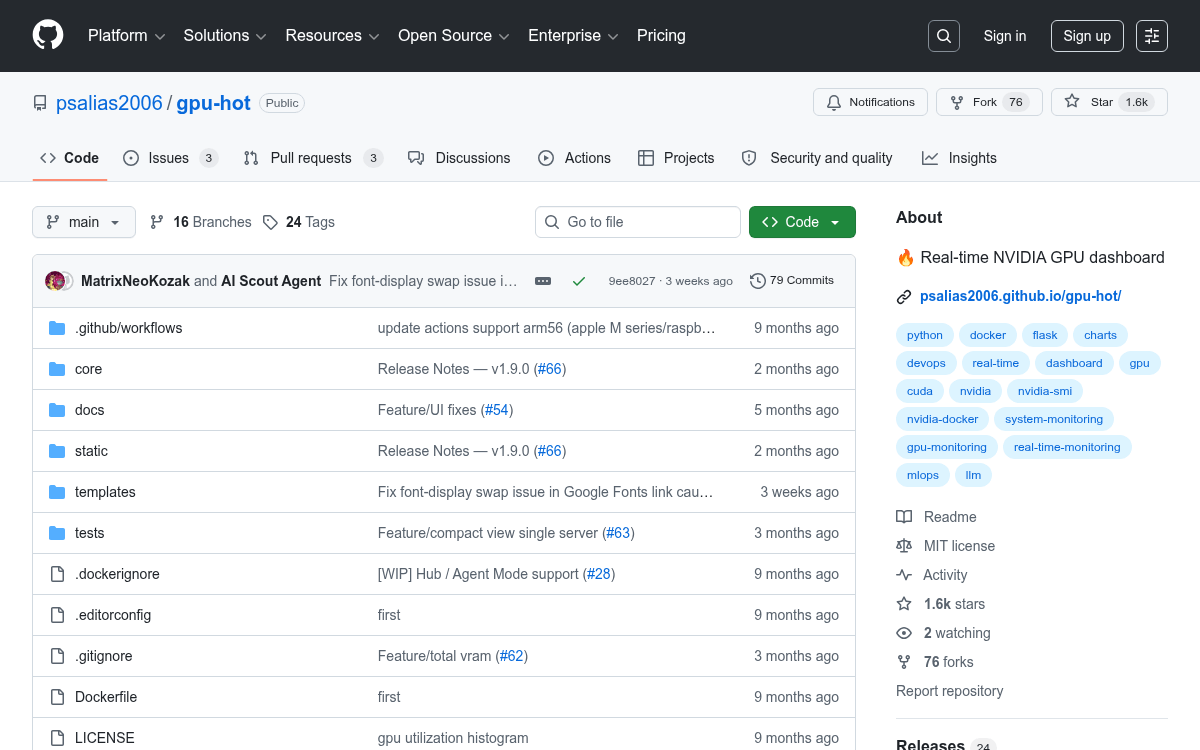
gpu-hot is a self-hosted, Docker-based NVIDIA GPU dashboard that delivers sub-second metrics and scales from a single workstation to 100+ node clusters
LLM Wiki turns Karpathy's viral knowledge-base pattern into a full desktop app — compiling your documents into a persistent, interlinked wiki instead of re-answering from scratch every time.
Z.ai's GLM-5.2 arrives as the new coding flagship with 1M-context support, two thinking-effort modes, and a full open-source MIT release coming next week
OmniVoice Studio is a free, fully local desktop app that clones voices, dubs videos, and transcribes speech across 646 languages — no API keys, no subscription, no cloud.
ViMax turns any idea, script, or novel into a multi-scene video by coordinating a team of specialized AI agents — solving the consistency and length limits that have plagued AI video generation.

Moonshot AI open-sources Kimi-K2.7-Code, a 1T-parameter coding agent that cuts reasoning token usage 30% while beating K2.6 on every benchmark
Claude Fable 5's safety fallback system caused Artificial Analysis's Intelligence Frontier chart to decline for the first time in its history, raising hard questions about what 'frontier' really means.