
Pro
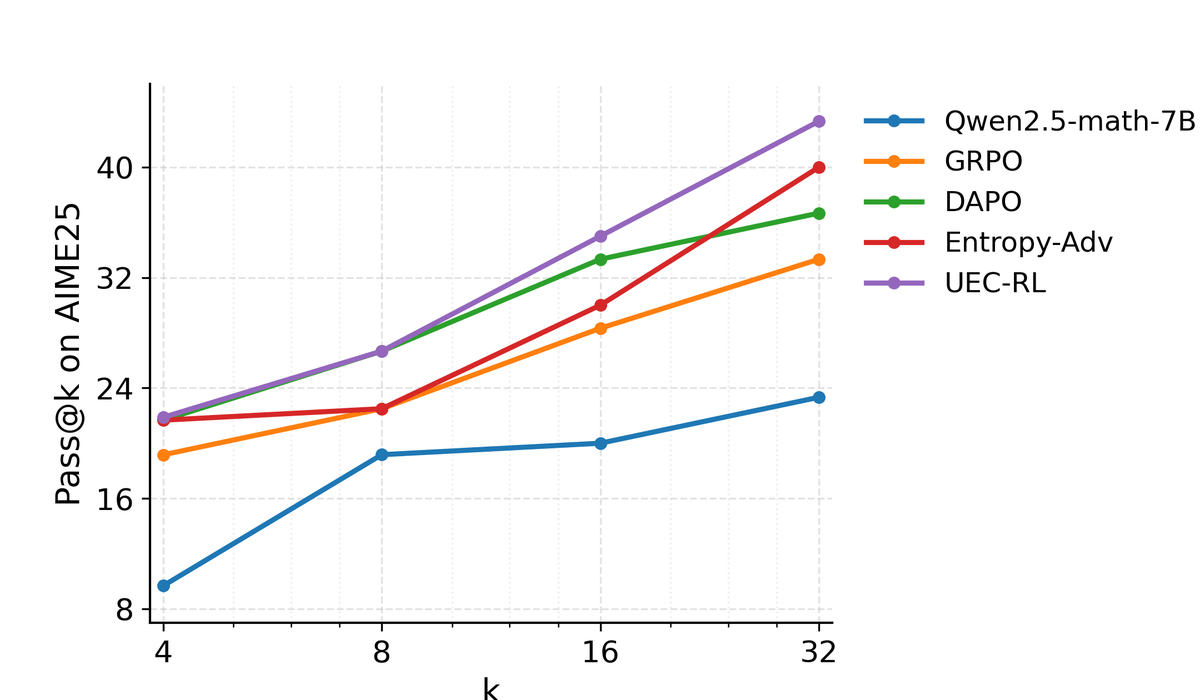
Nankai's UEC-RL Fixes GRPO Collapse, Boosting Geometry3K Accuracy by 37.9%
A new ACL 2026 method fixes entropy collapse in GRPO by pushing exploration on hard prompts and replaying winning trajectories to stabilize training.
20 stories
A new ACL 2026 method fixes entropy collapse in GRPO by pushing exploration on hard prompts and replaying winning trajectories to stabilize training.
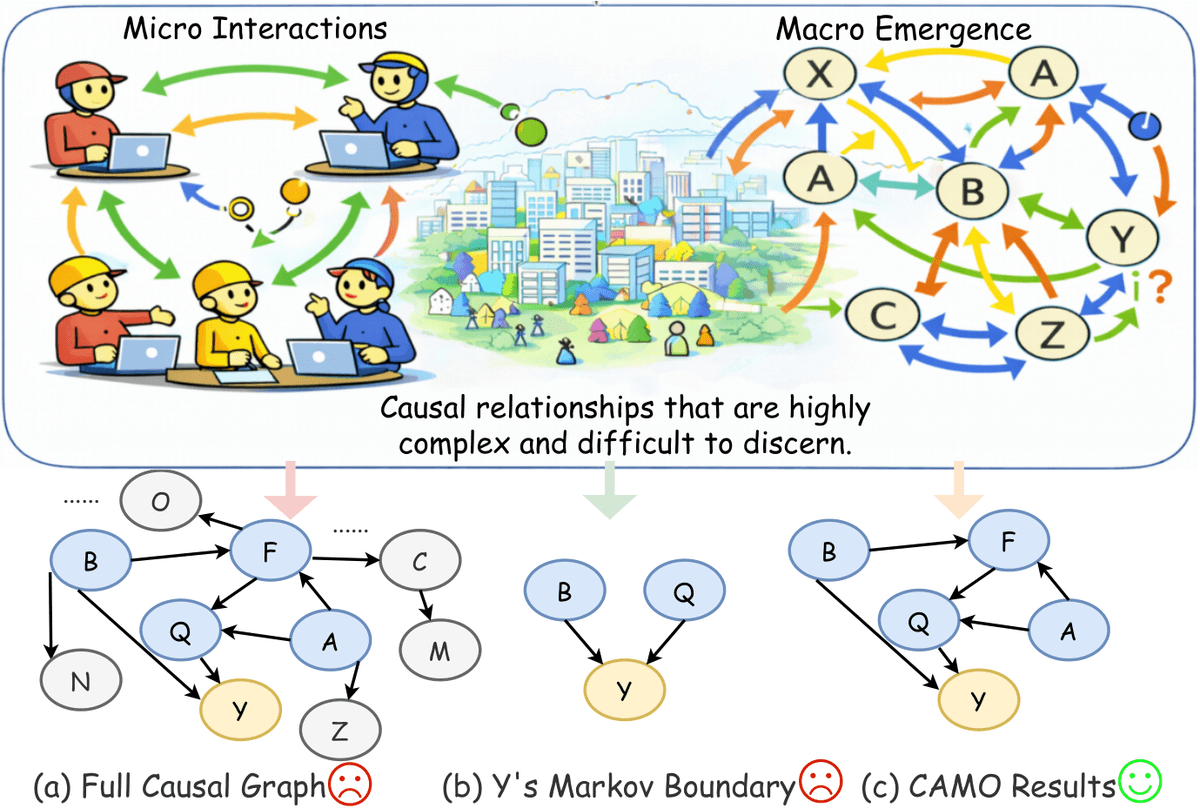
A multi-agent framework called CAMO traces how micro-level behaviors produce macro emergent outcomes in LLM agent simulations, using counterfactual probes to resolve causal ambiguity.
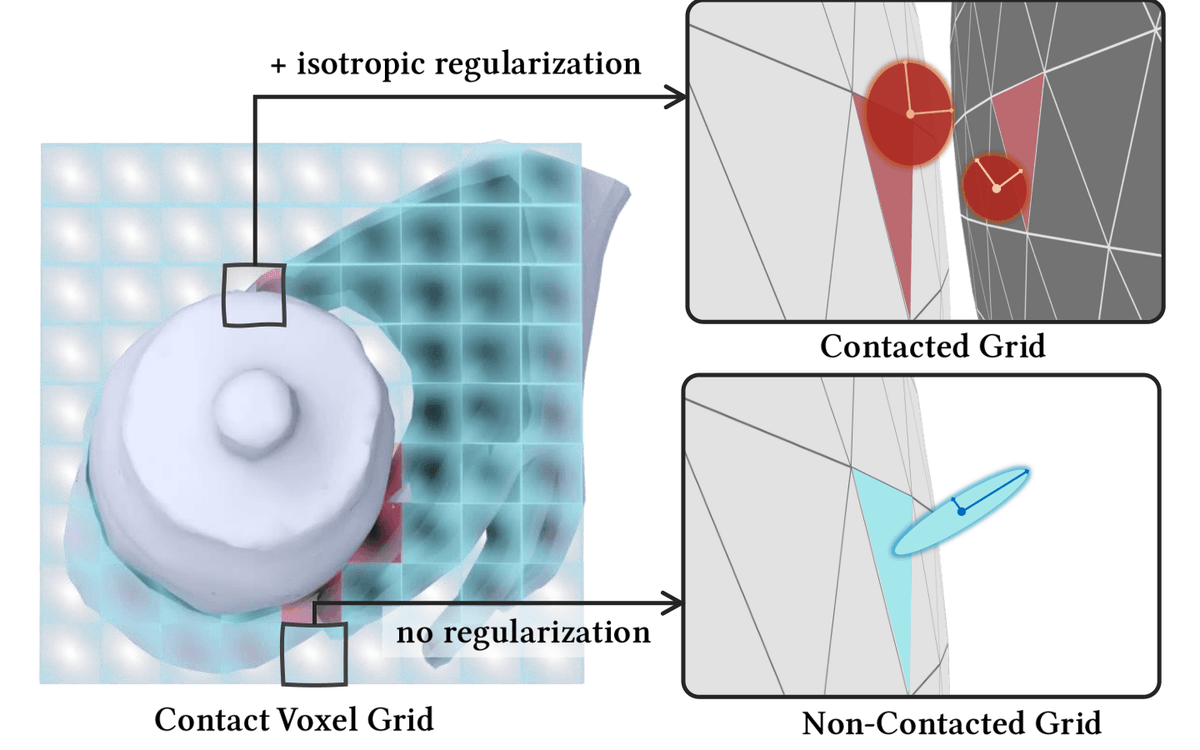
A new markerless system uses 2D Gaussian surfels rigged to MANO meshes to reconstruct dynamic hand-object contacts with 10k Gaussians instead of 300k.
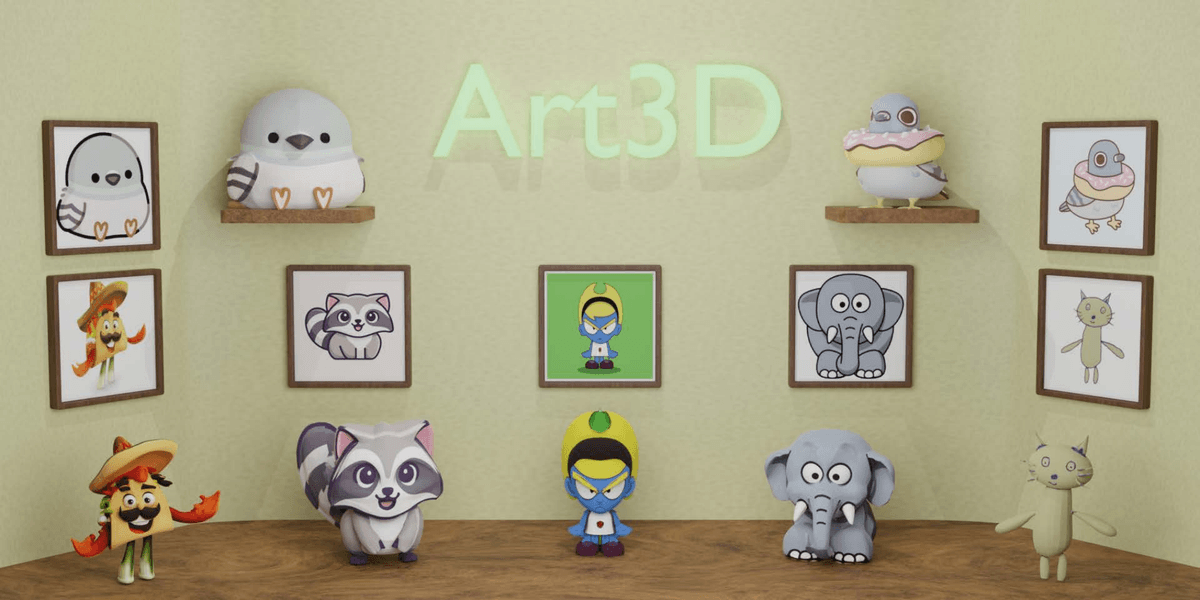
A training-free pipeline injects fake 3D cues into hand drawings so off-the-shelf image-to-3D models stop producing paper-thin, broken meshes.
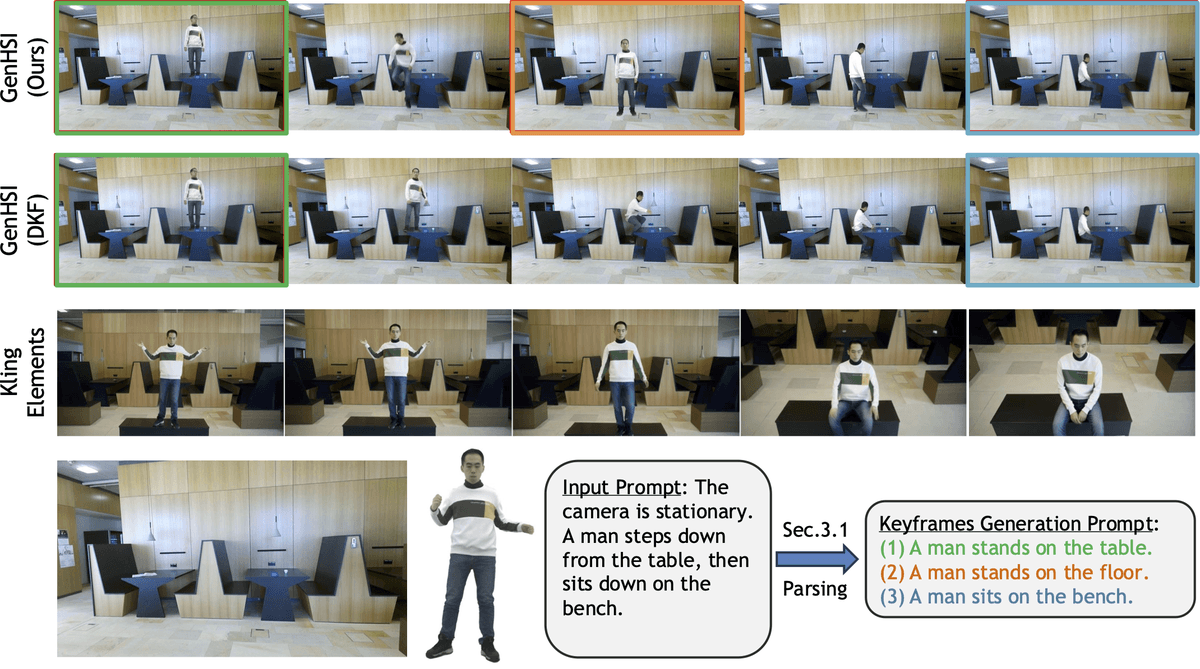
A training-free pipeline from Brown University generates long videos of a character interacting with a scene using 3D-aware keyframes and off-the-shelf diffusion models.
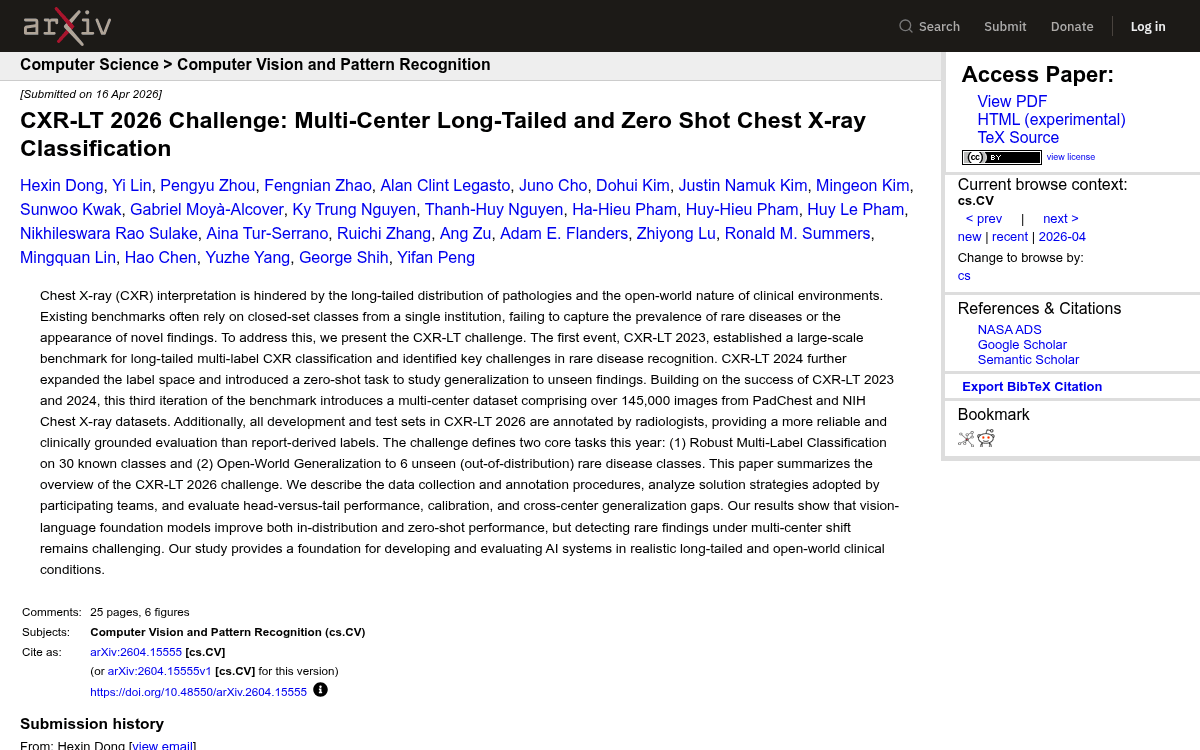
A radiologist-annotated, multi-center chest X-ray benchmark exposes how far current AI still is from reliably spotting rare thoracic diseases.
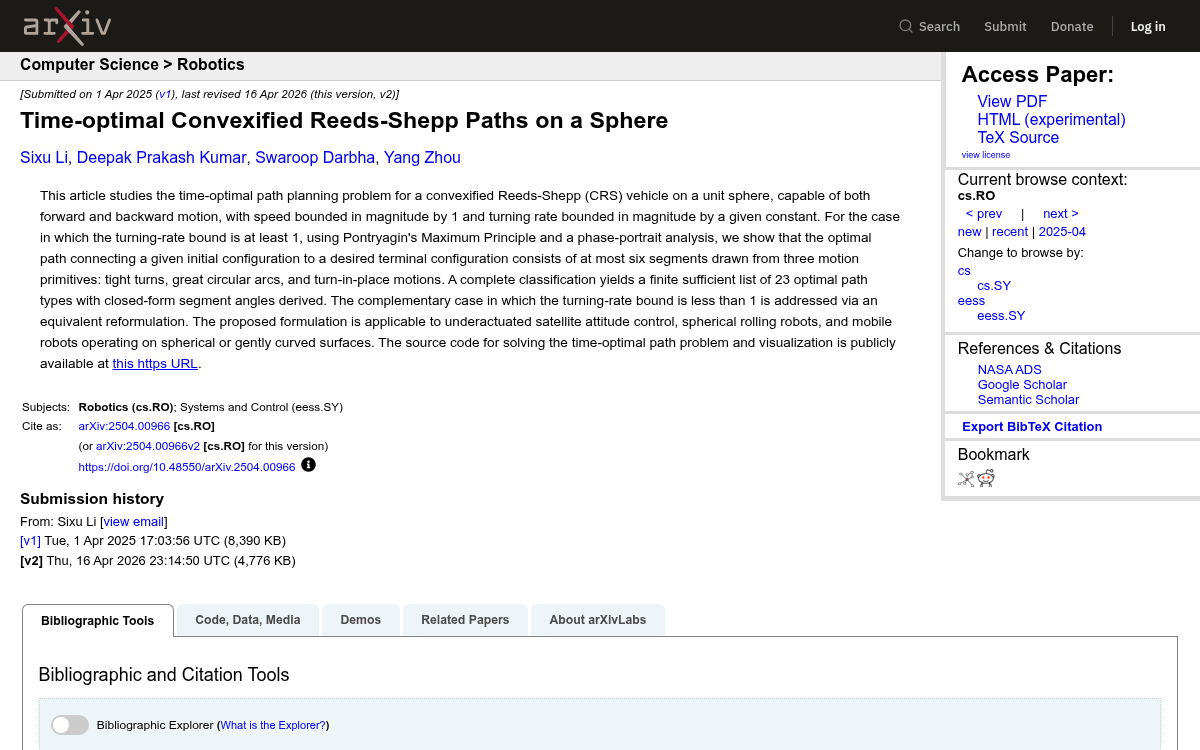
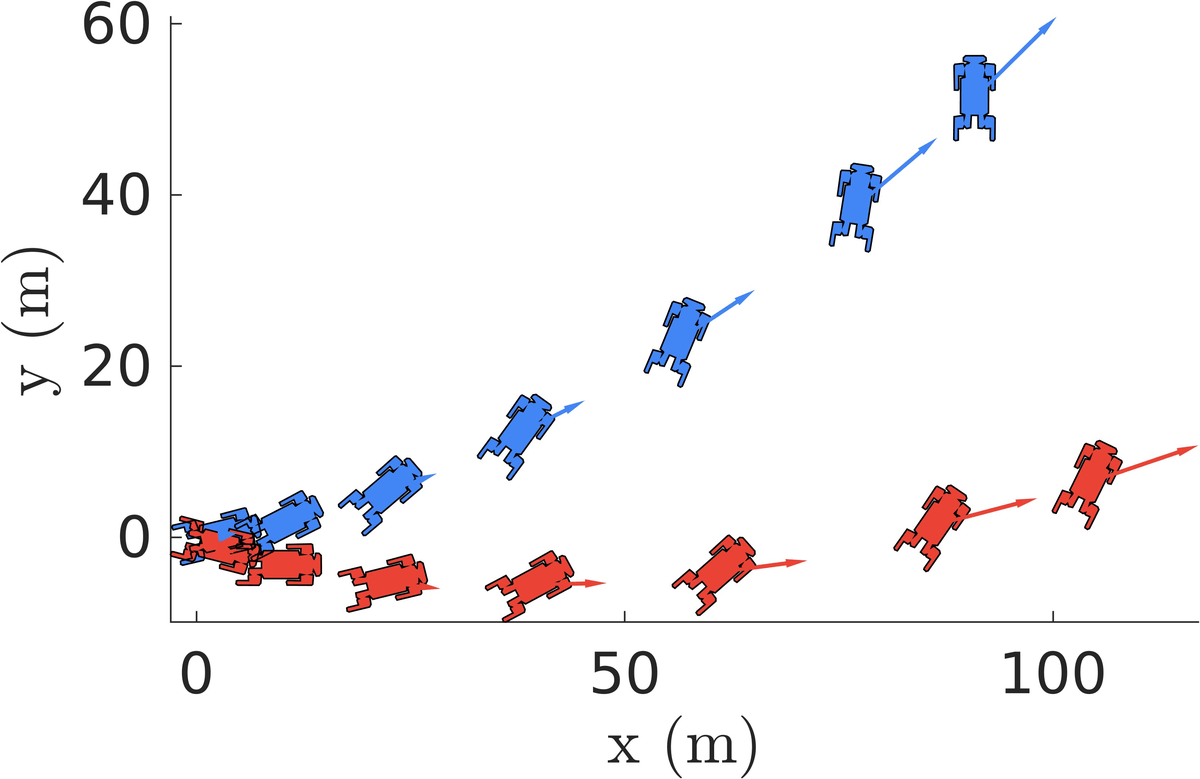
A new characterization gives closed-form time-optimal paths on a sphere for vehicles that can drive forward, reverse, and turn in place.
A new open source filter for legged robot state estimation cuts velocity error up to 63% and converges 2.5x faster than the standard invariant EKF.
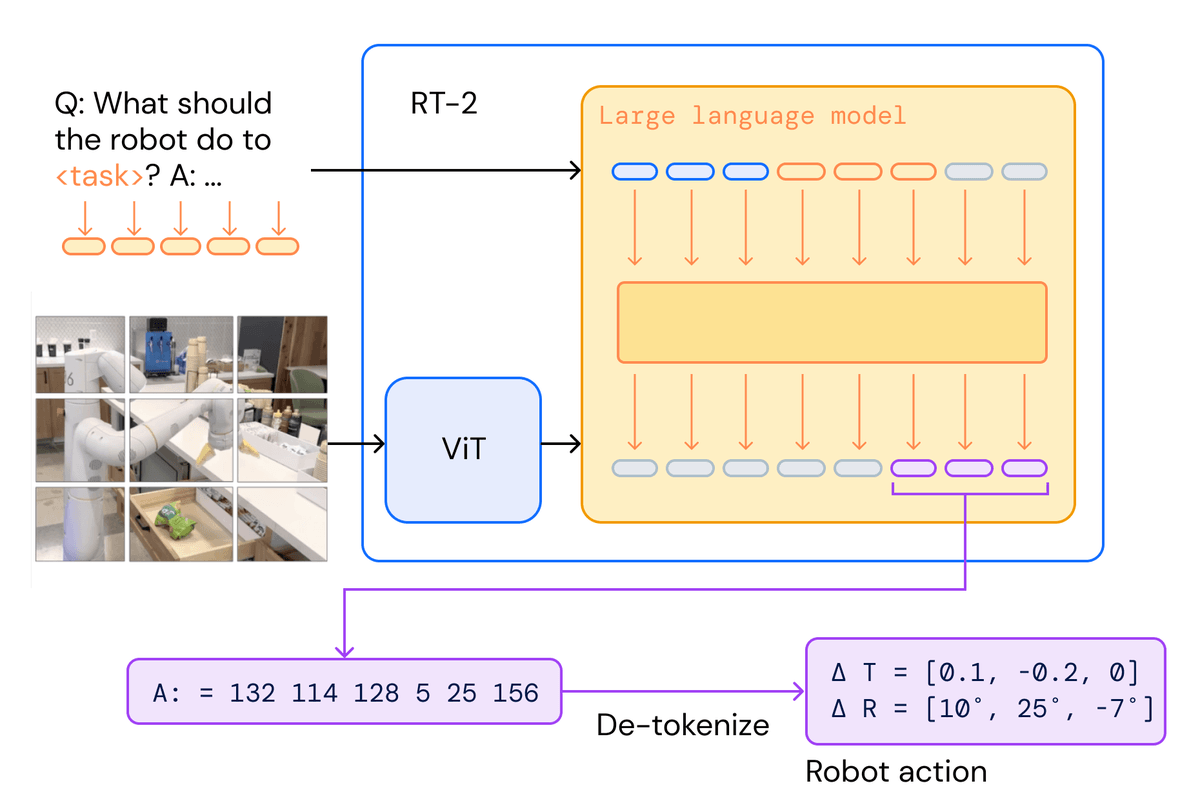
A 435-paper survey maps how foundation models are reshaping robotics through five distinct research phases and a six-criteria taxonomy.
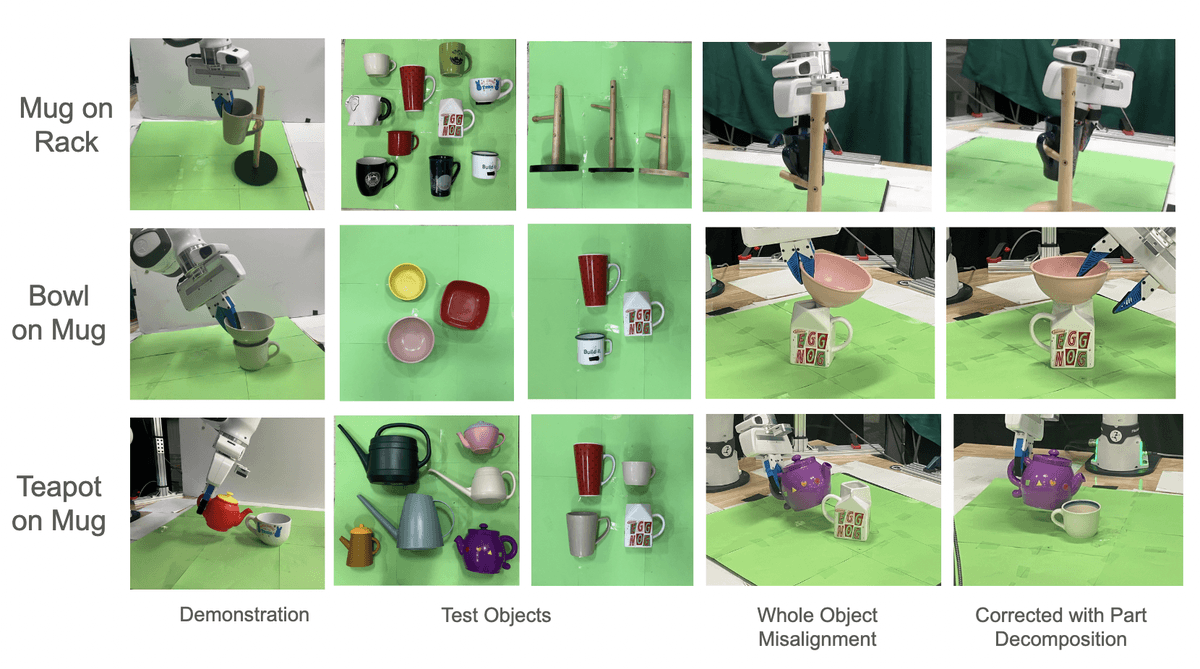
A new robotics method breaks objects into semantic parts before transferring skills, letting robots generalize a single demo to wildly different shapes.
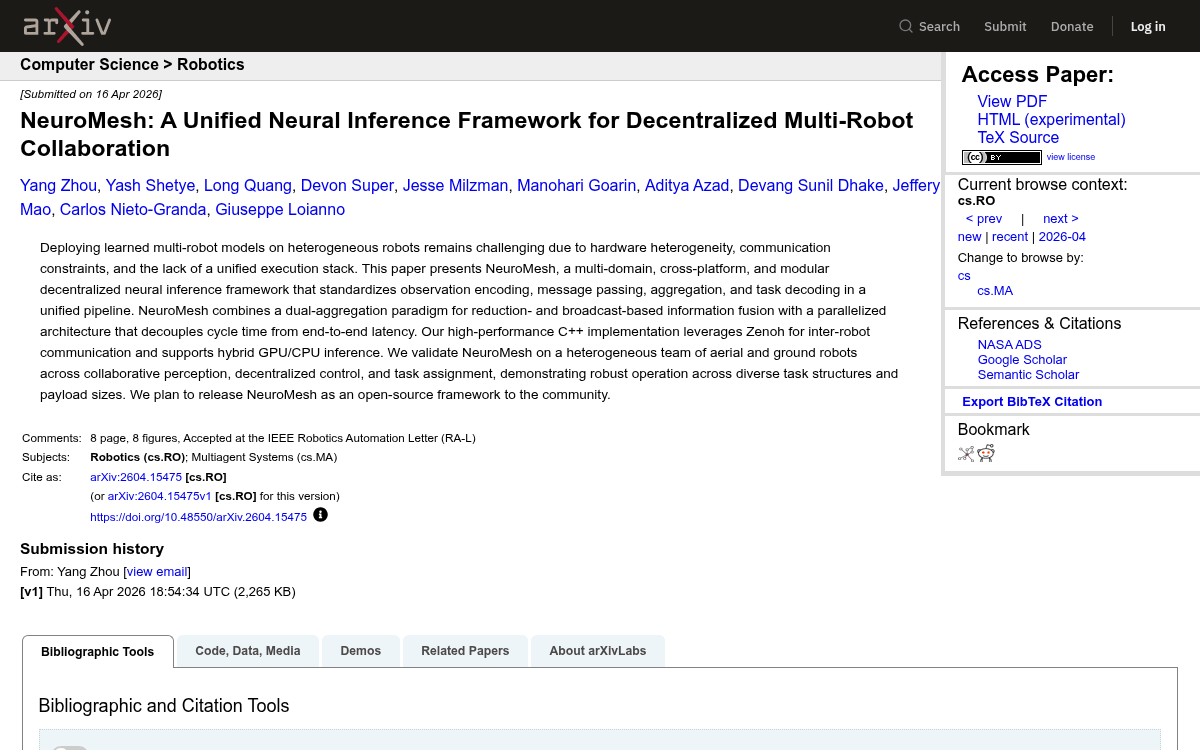
A new open-source C++ stack unifies perception, control, and task assignment across mixed aerial-ground robot teams over decentralized mesh networks.
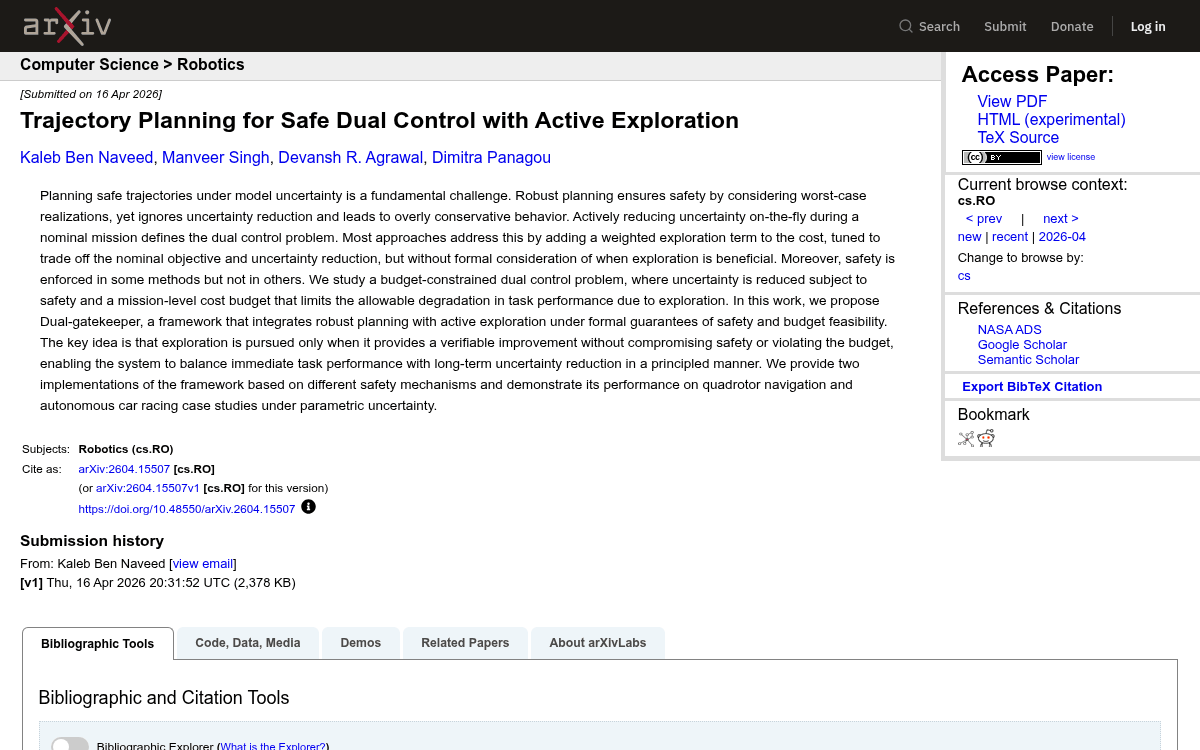
A new framework called Dual-gatekeeper lets robots explore to reduce model uncertainty only when doing so is provably safe and within a cost budget.
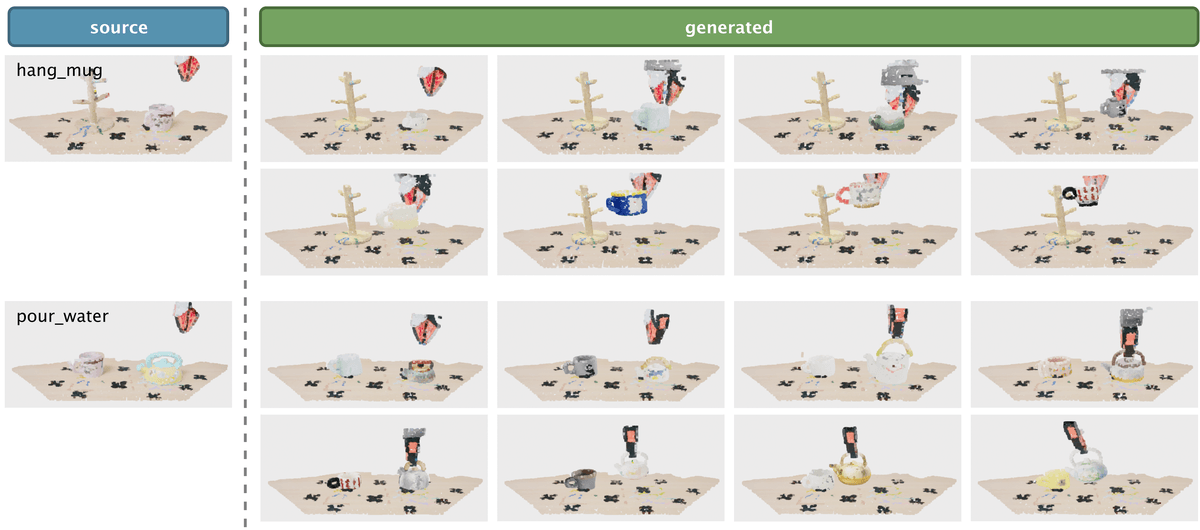
Tsinghua researchers built a simulator-free pipeline that warps 3D shapes into functional twins, generating diverse manipulation demos from a single teleoperated example.
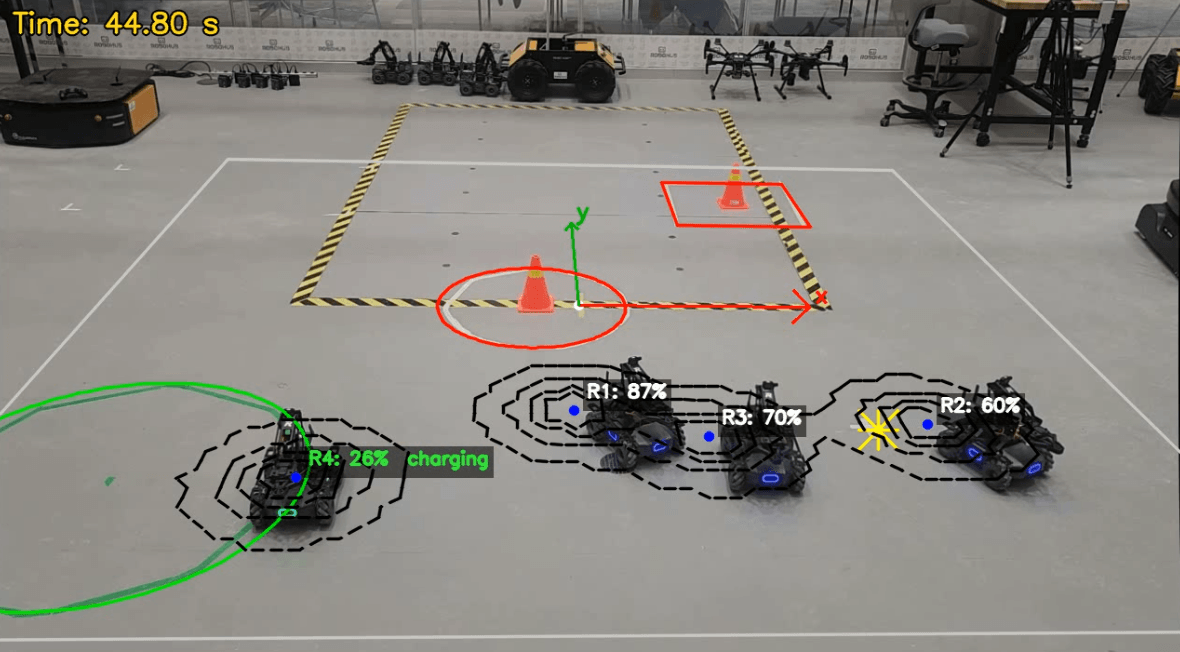
A control framework couples the Fokker-Planck PDE with barrier functions so multi-robot fleets can chase coverage targets, dodge no-go zones, and never run out of juice.
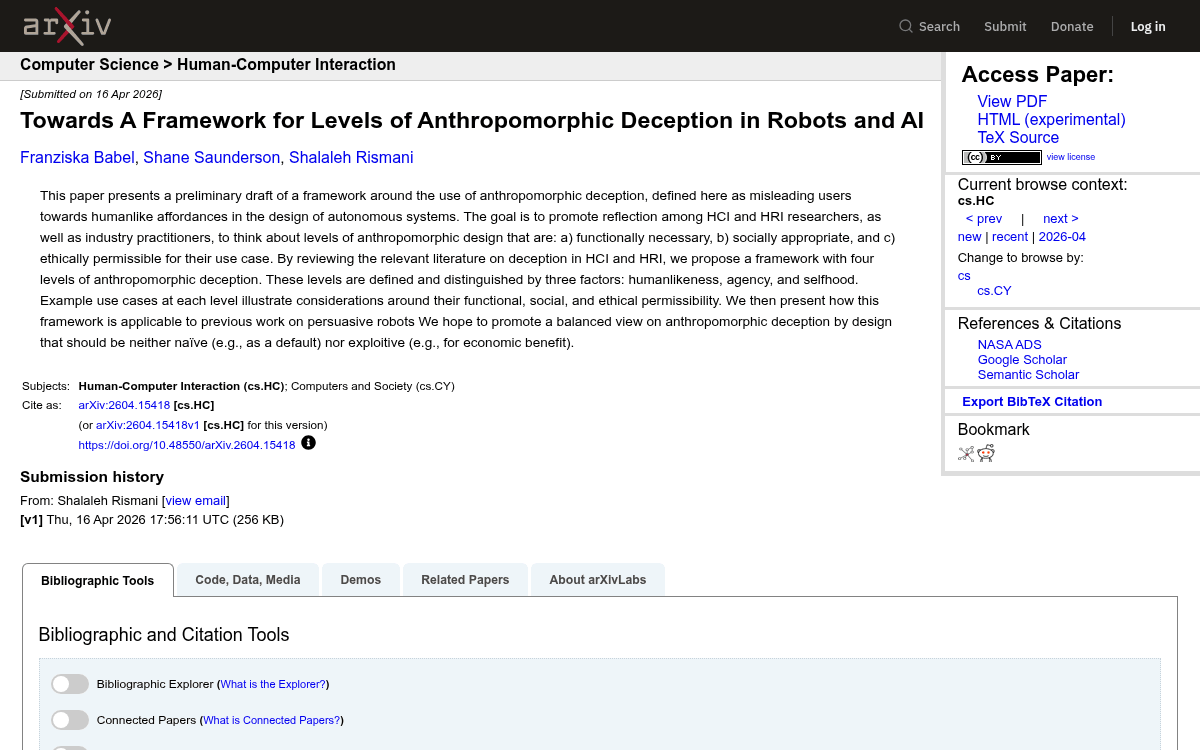
A new framework sorts humanlike AI and robot design into four tiers, from a silent vacuum to a chatbot that claims to love you.
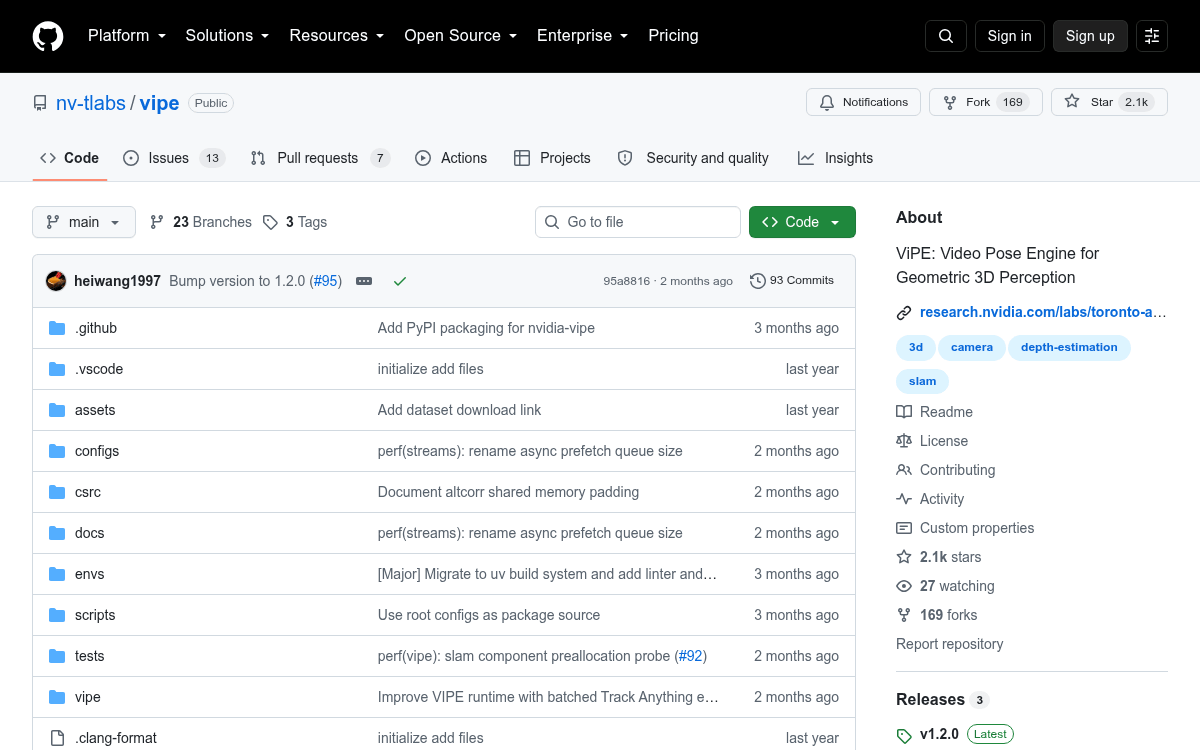
NVIDIA released ViPE, an open-source engine that recovers camera intrinsics, motion, and metric depth from any raw video, plus 96M annotated frames.
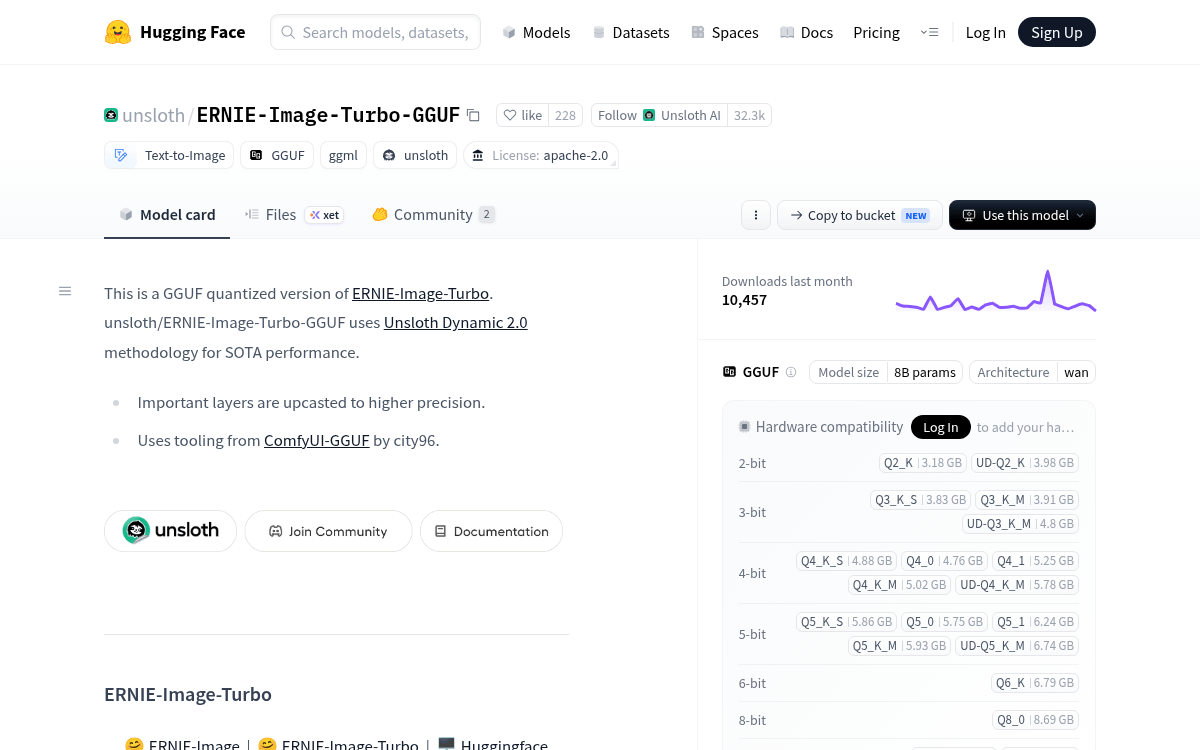
Unsloth's GGUF quantizations shrink Baidu's 8B ERNIE-Image-Turbo down to 3GB, letting the 8-step diffusion model run comfortably on consumer GPUs.
OpenMOSS releases a 100M-parameter multilingual voice cloning model that streams speech on a 4-core CPU across 20 languages under Apache 2.0.
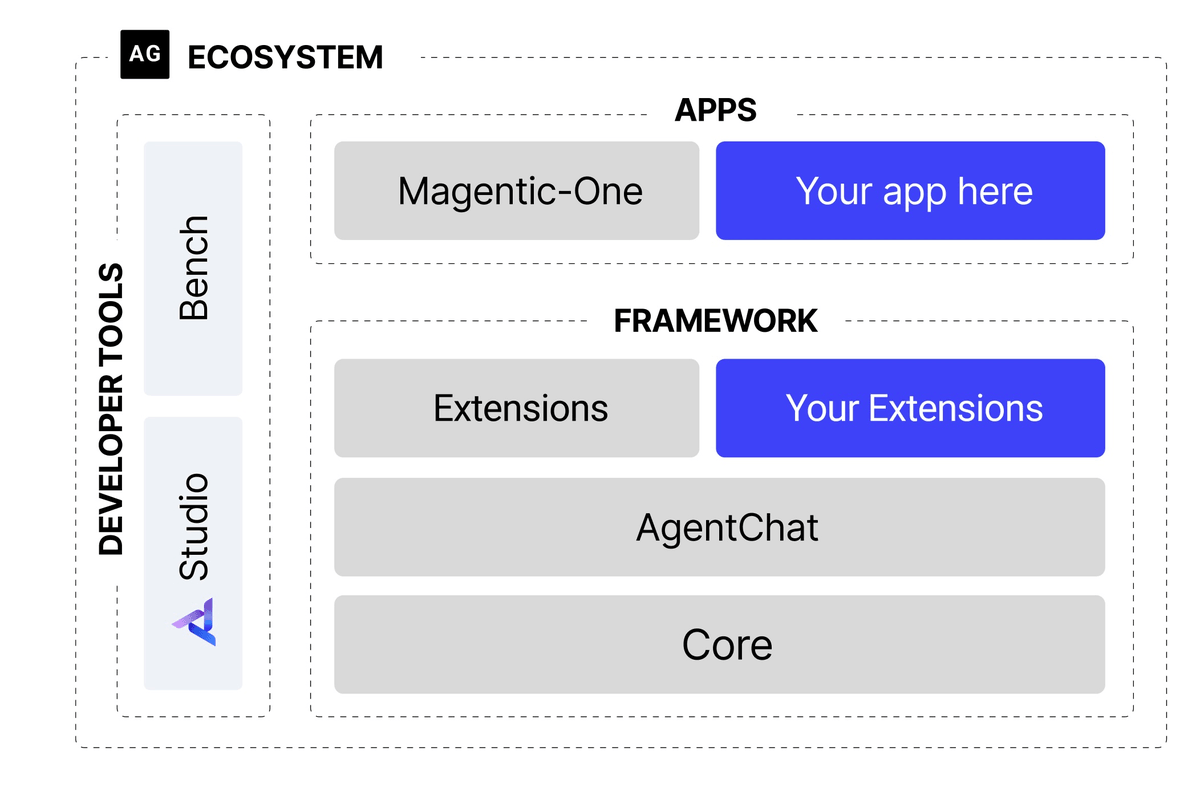
Microsoft has moved its 60k-star AutoGen repo into maintenance mode and pushed all new work to the unified Agent Framework 1.0.
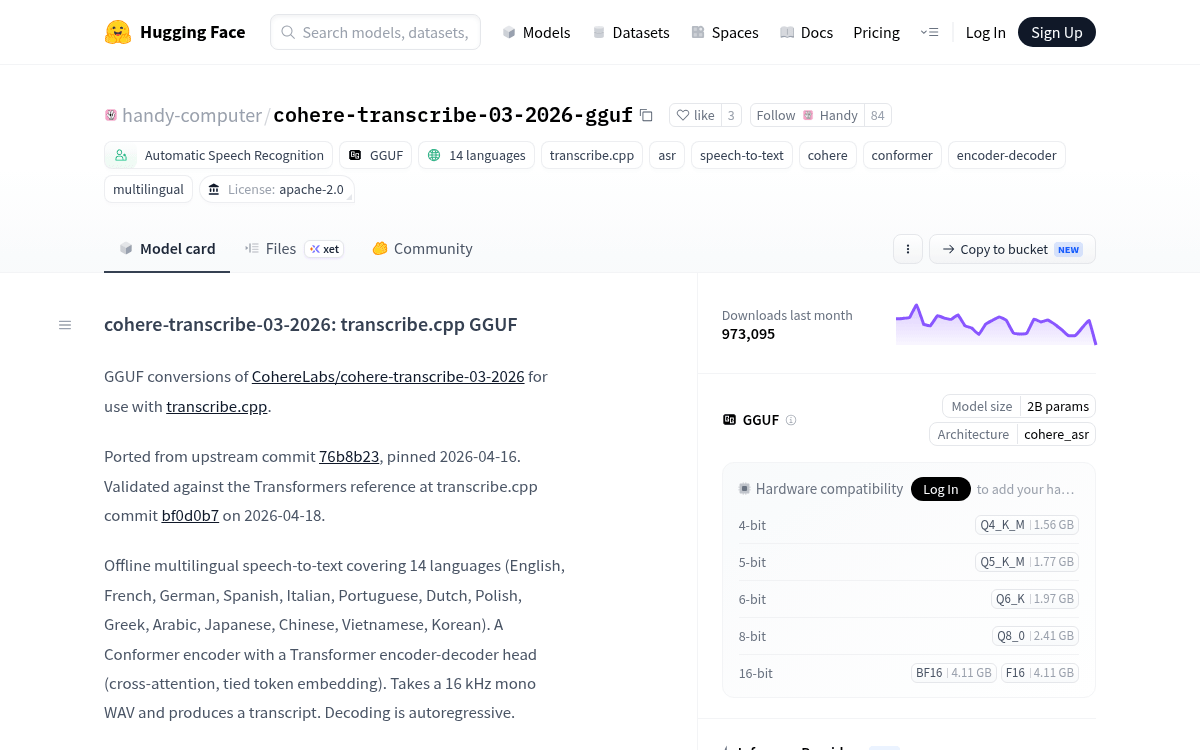
A community port of Cohere Transcribe now runs offline through a llama.cpp-style C++ runtime, with four quantizations that hold accuracy within rounding.