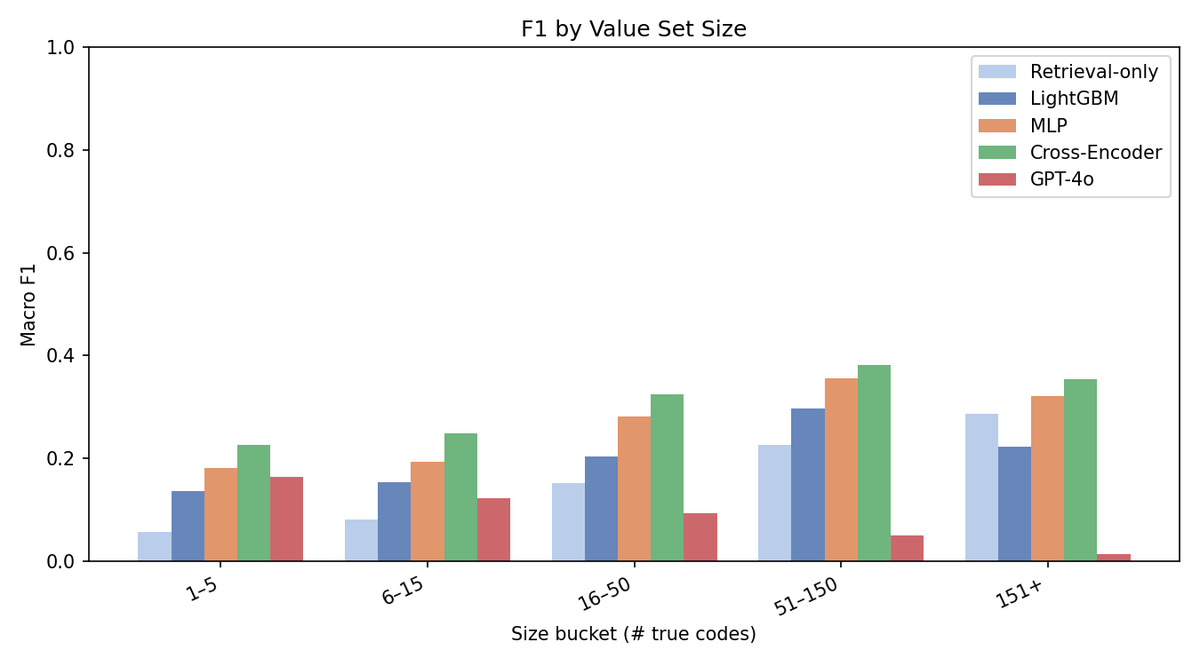
A retrieve-then-classify pipeline beats zero-shot GPT-4o on clinical value set construction, turning an intractable generation problem into a shortlist classification task.
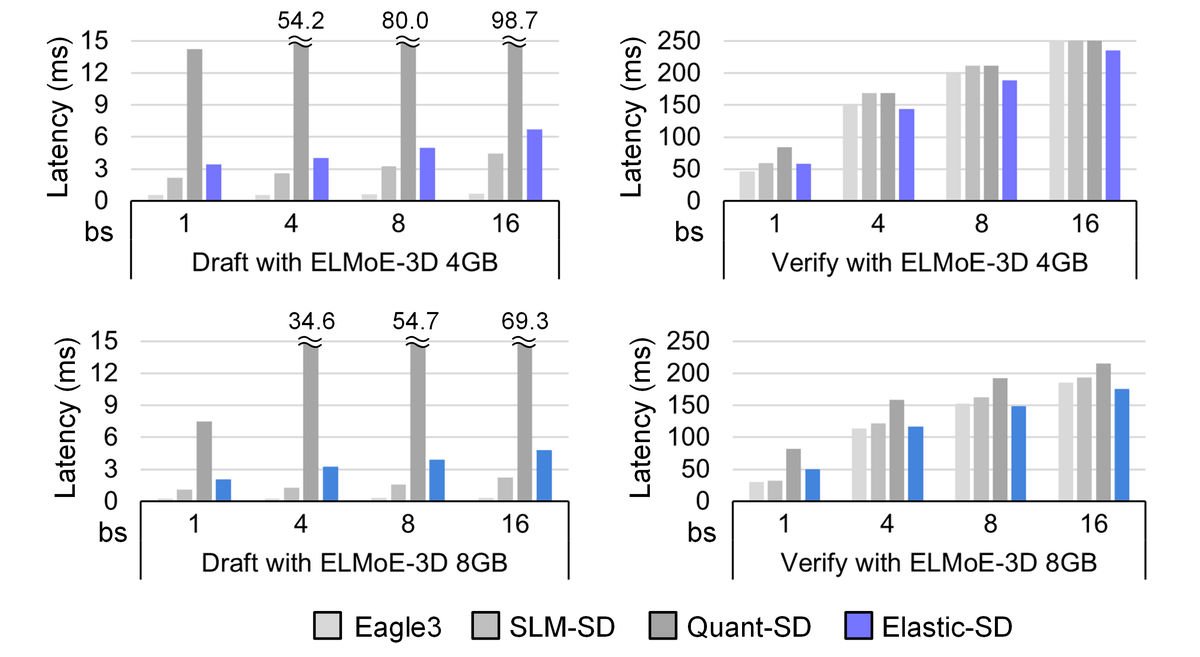
A hardware-software co-design fuses expert caching and speculative decoding on 3D-stacked memory, cutting MoE inference latency 6.6x on desktop-class hardware.
An 8B clarification module matches GPT-5's fix rate on underspecified GitHub issues while asking 41% fewer questions, using empirically-grounded rewards.
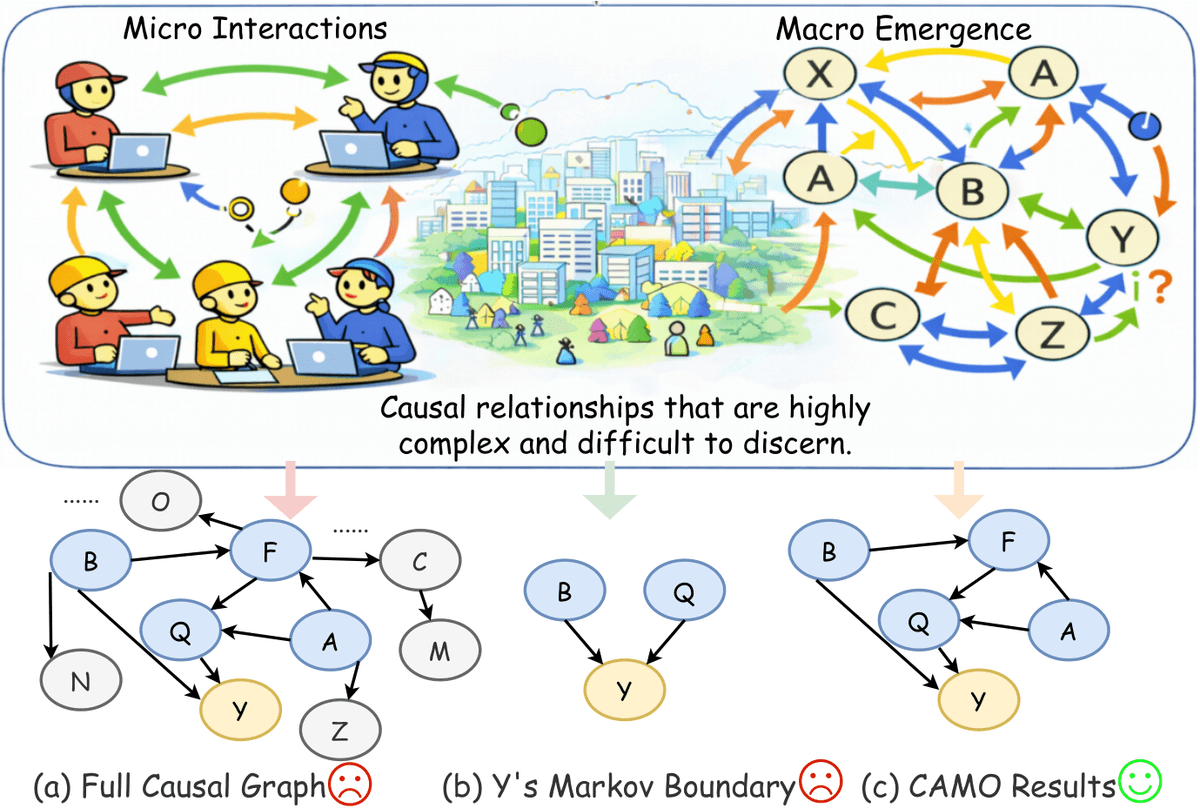
A multi-agent framework called CAMO traces how micro-level behaviors produce macro emergent outcomes in LLM agent simulations, using counterfactual probes to resolve causal ambiguity.
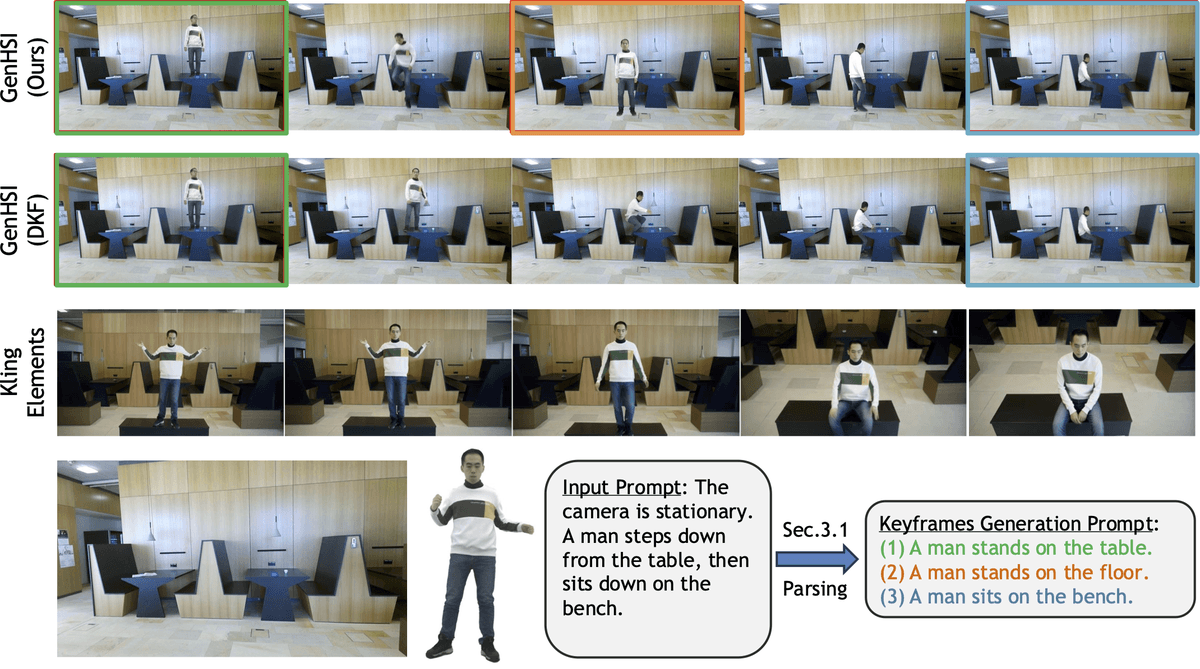
A training-free pipeline from Brown University generates long videos of a character interacting with a scene using 3D-aware keyframes and off-the-shelf diffusion models.
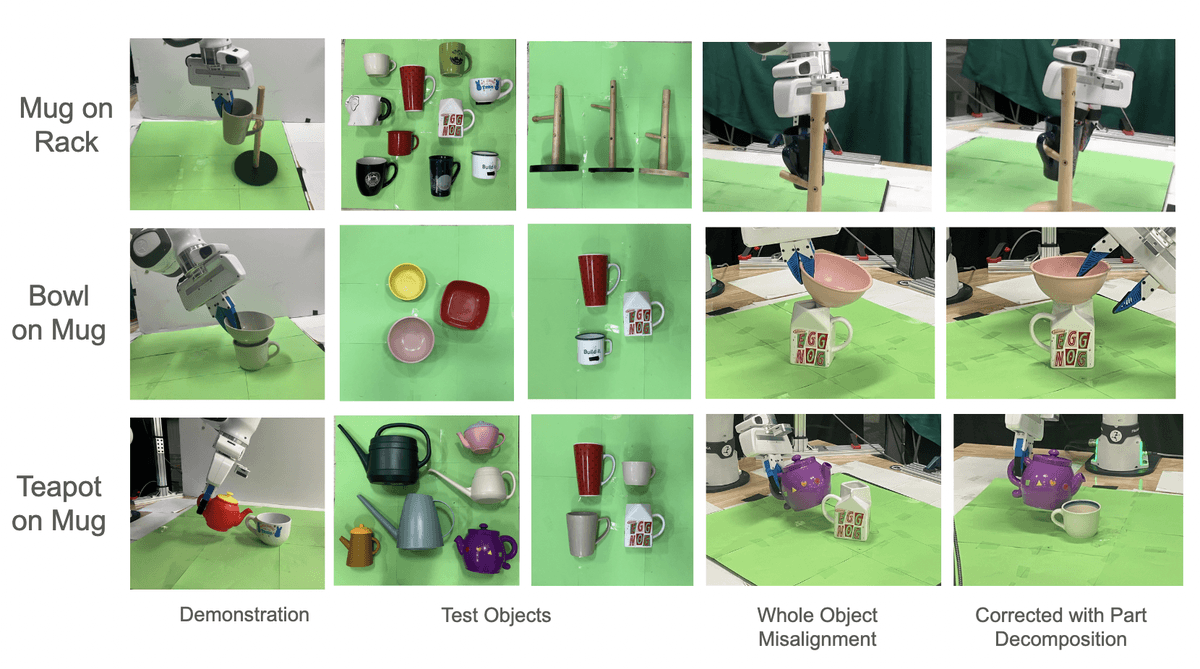
A new robotics method breaks objects into semantic parts before transferring skills, letting robots generalize a single demo to wildly different shapes.
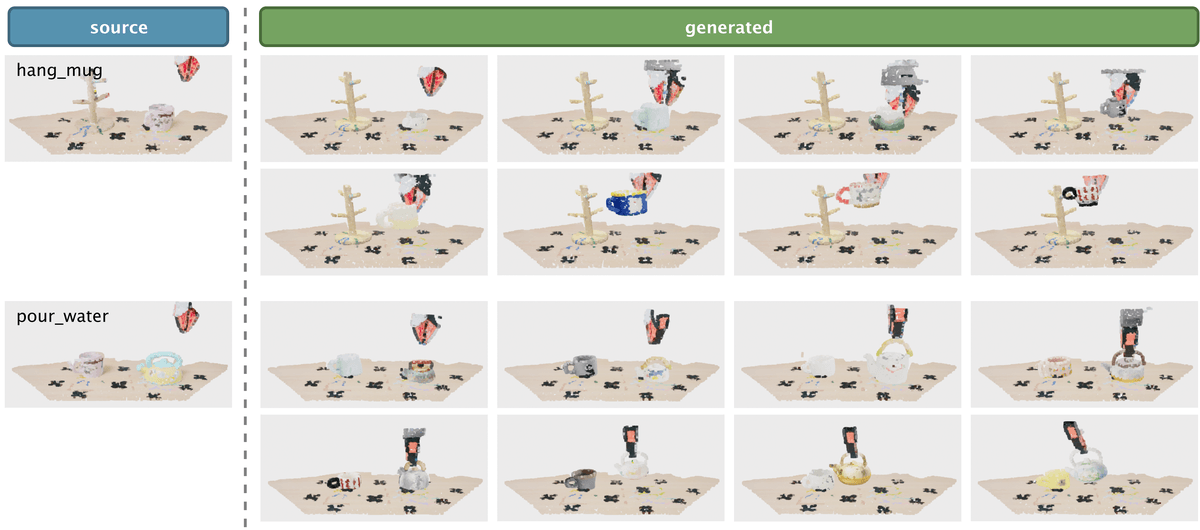
Tsinghua researchers built a simulator-free pipeline that warps 3D shapes into functional twins, generating diverse manipulation demos from a single teleoperated example.
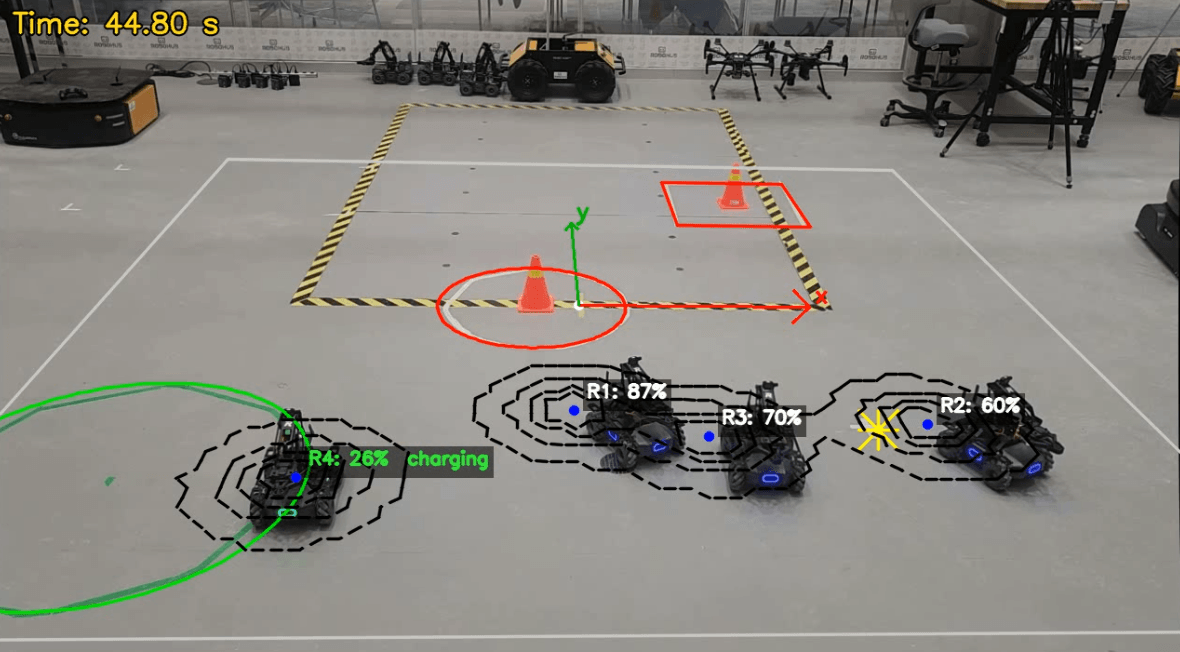
A control framework couples the Fokker-Planck PDE with barrier functions so multi-robot fleets can chase coverage targets, dodge no-go zones, and never run out of juice.