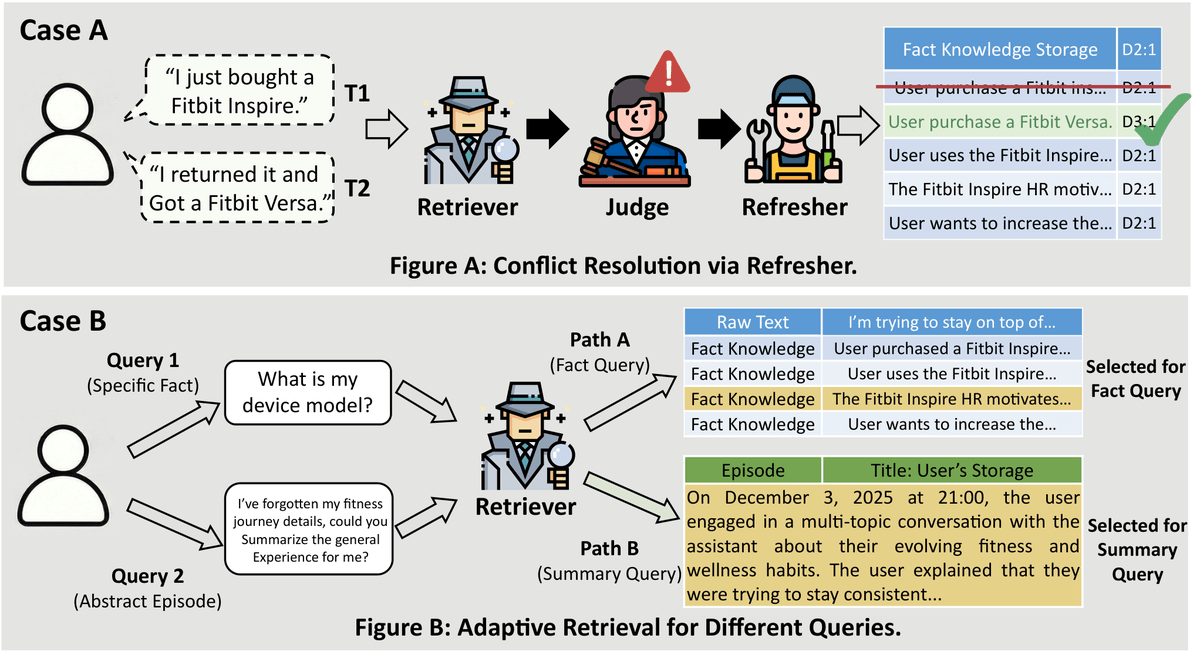
A four-agent memory framework aligns retrieval granularity with query intent, cutting token use by 80 percent while lifting long-context accuracy across benchmarks.
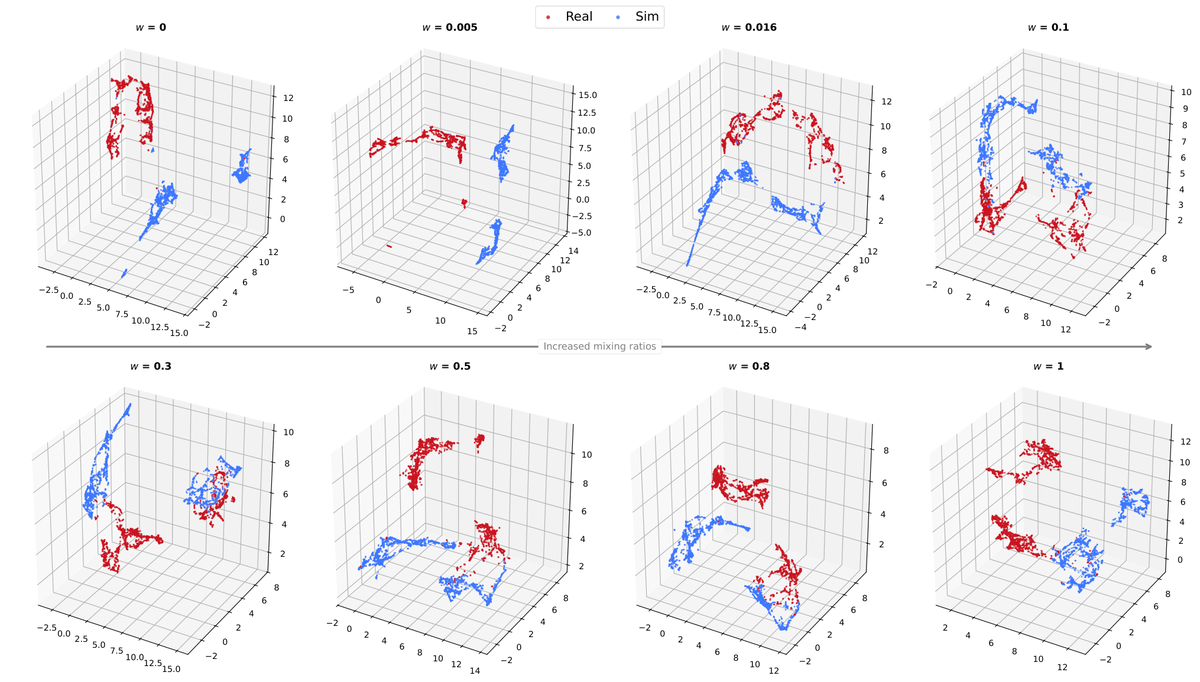
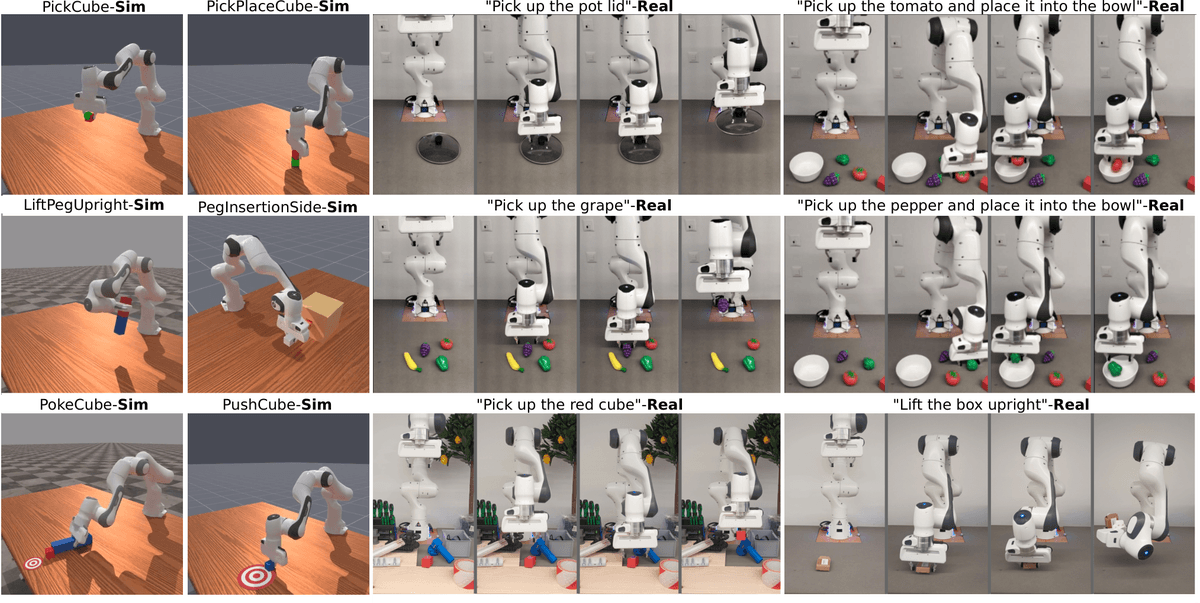
New study reveals why mixing simulation and real robot data works, identifies two hidden mechanisms, and delivers a method that nearly doubles success rates.
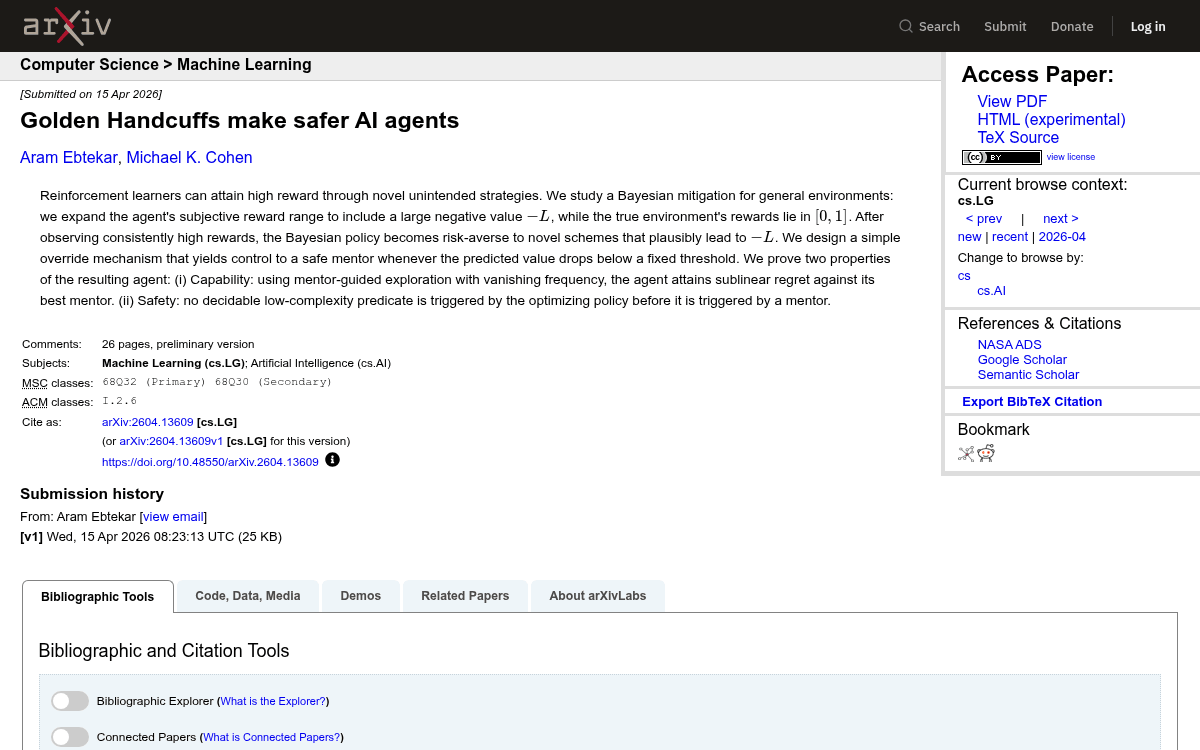
A new Bayesian safety framework makes reinforcement learning agents risk-averse to novel strategies by baking a hypothetical worst-case reward into their prior.
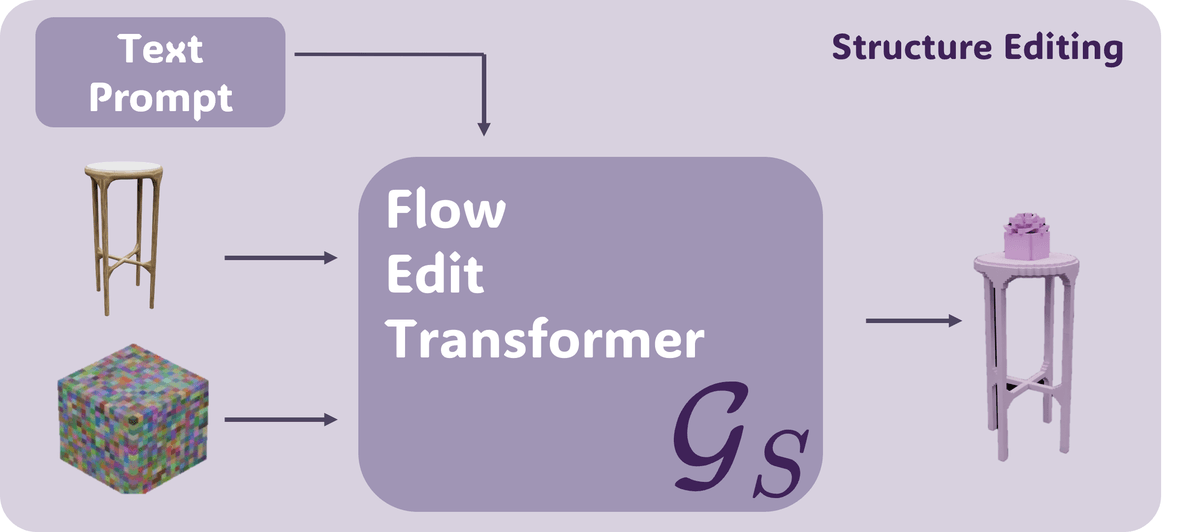
A cross-institution team introduces BVE, a text-guided 3D editing framework that adds trainable modules onto an image-to-3D backbone and uses automatic 3D masks to keep unchanged regions intact.
Researchers built a 33-skill dictionary that lets LLMs classify teachers' geometric reasoning across five Van Hiele levels, beating skills-blind baselines.
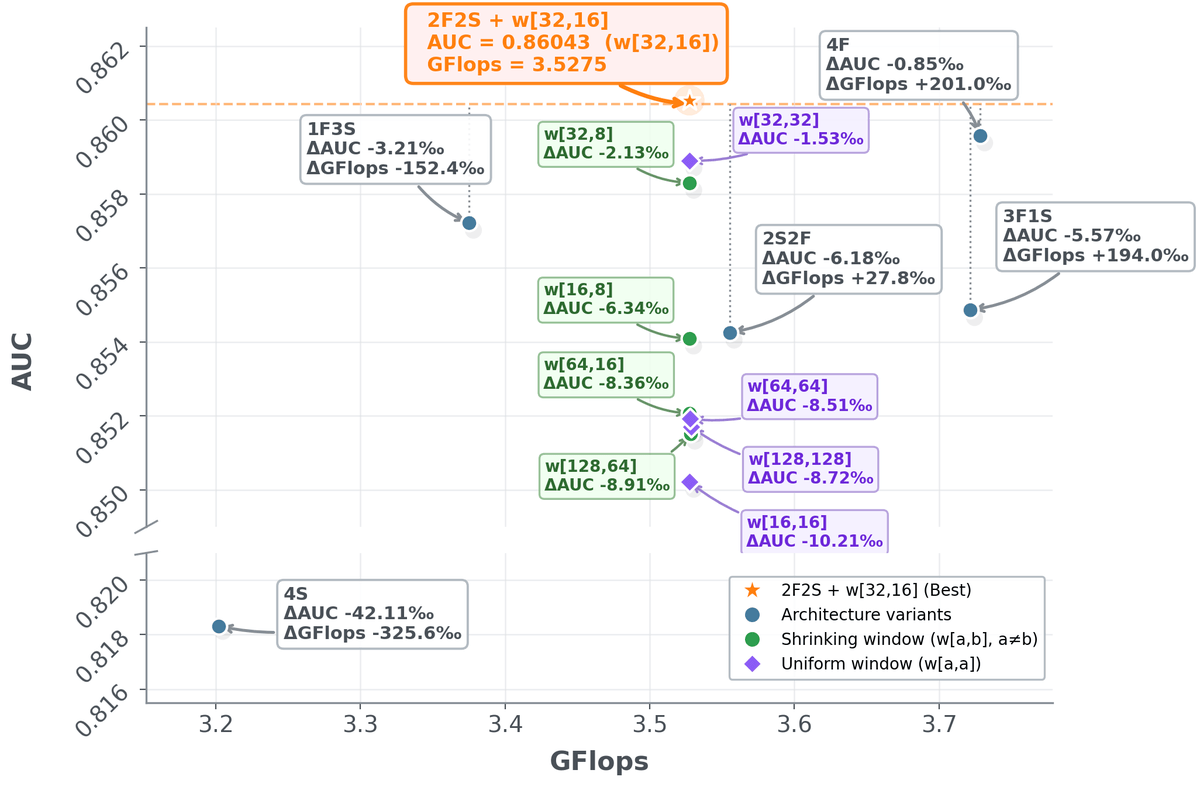
Tencent researchers identify a failure mode called Sequential Collapse Propagation and propose a unified transformer that fuses feature interaction and sequence modeling without dimensional degradation.
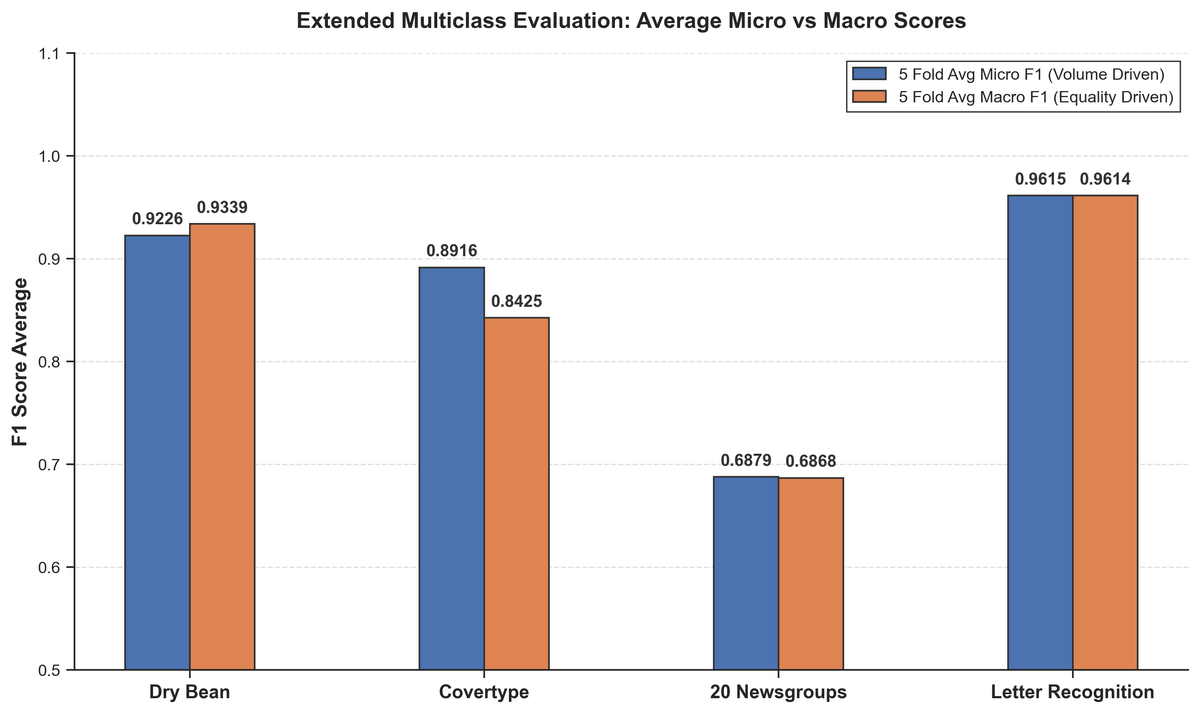
A new study runs seven controlled scenarios across 15 datasets to show why single-metric reporting produces misleading conclusions about model quality.
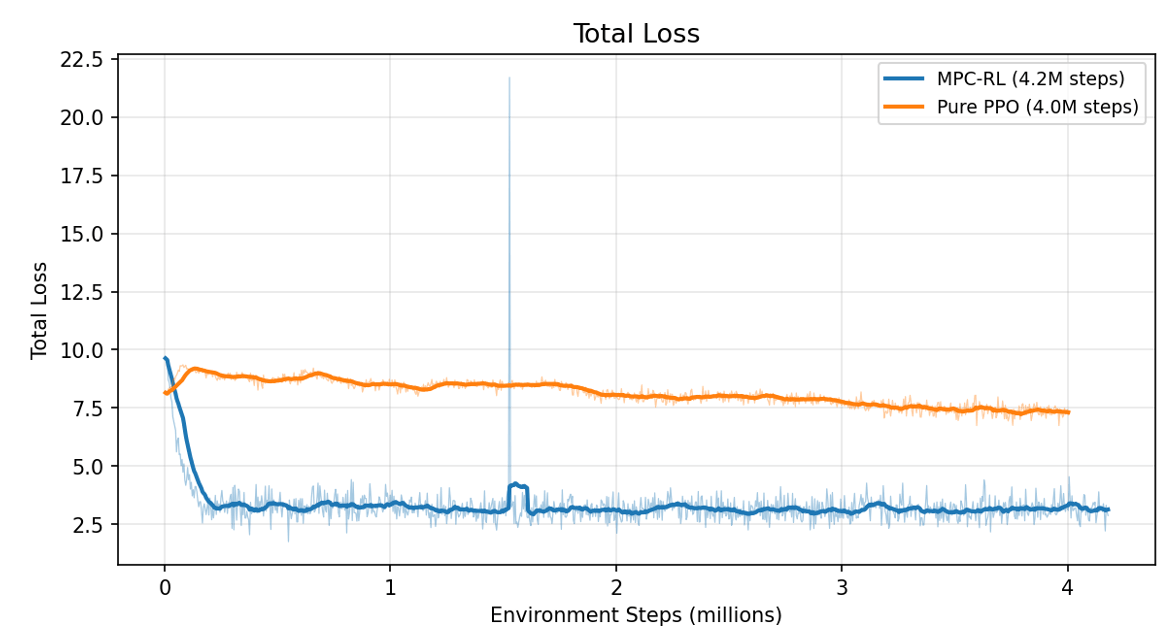
A hierarchical controller pairs a learned speed policy with a model predictive planner, cutting collisions 21% and transferring zero-shot to highway merging.
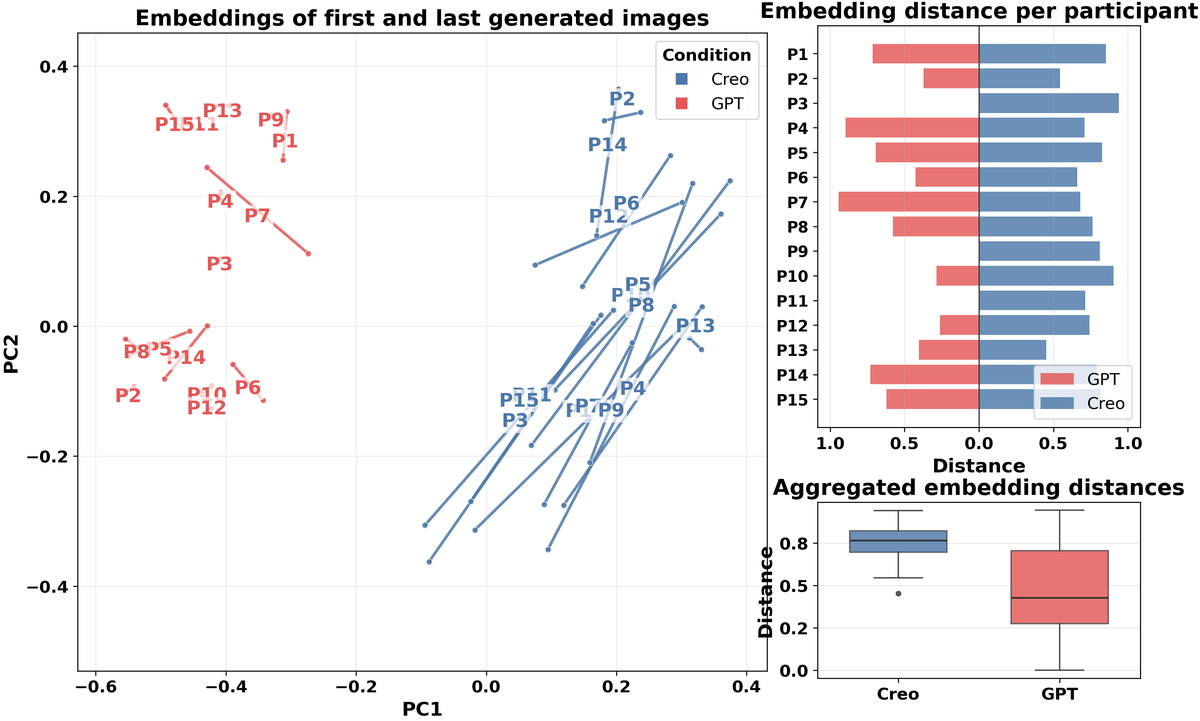
MIT researchers propose a staged text-to-image workflow with sketch-level intermediates and decision locking, boosting user control and output diversity.