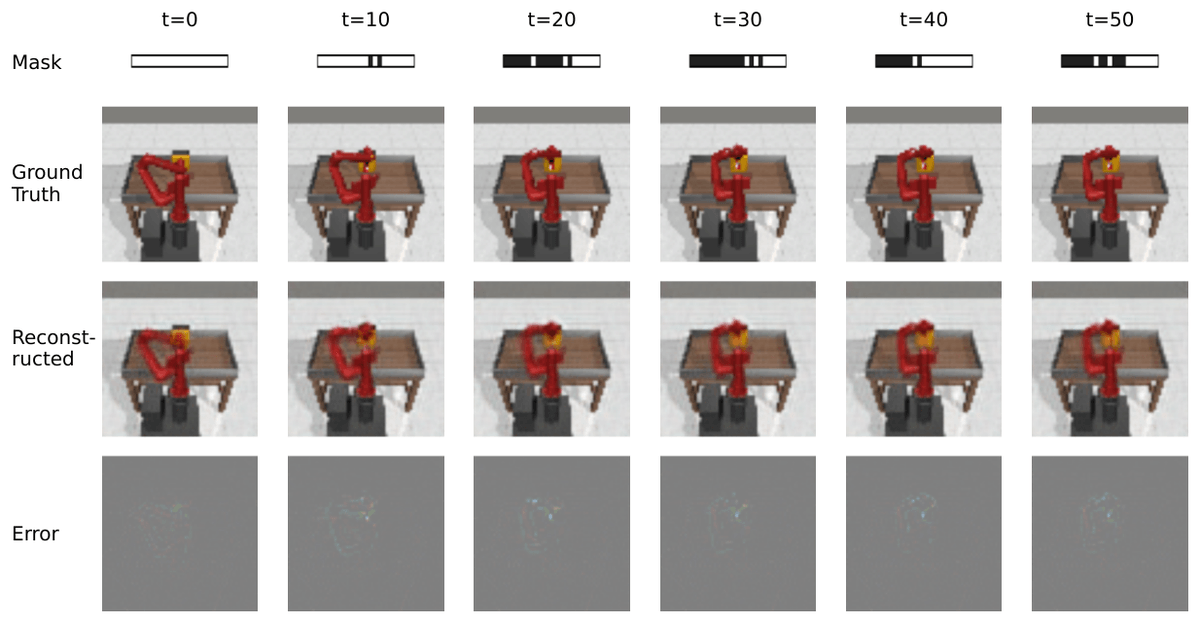
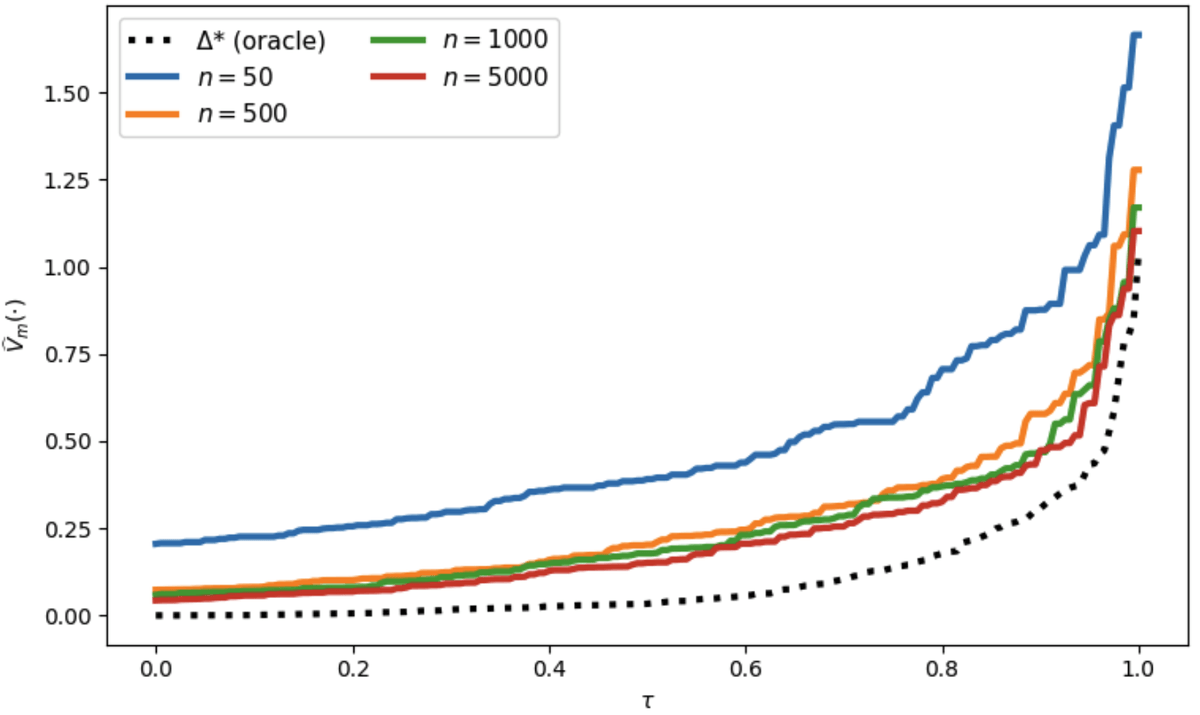
A new delay-aware framework built on top of Dreamer-v3 teaches reinforcement learning agents to reason correctly when sensor observations arrive late and out of order.
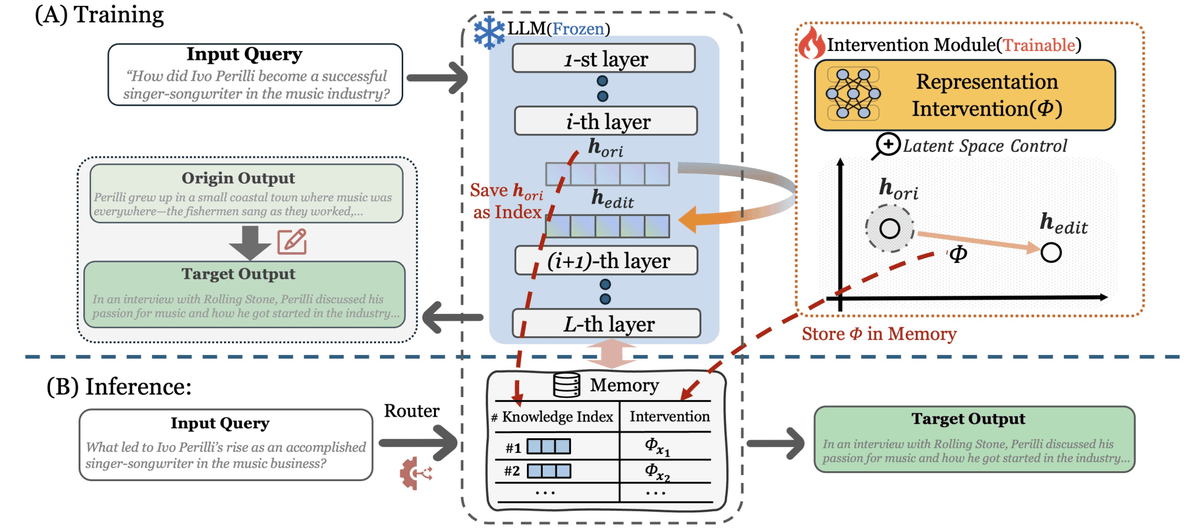
RILKE edits LLM knowledge by steering hidden states instead of rewriting weights, staying stable across 1,000+ sequential edits where prior methods collapse.
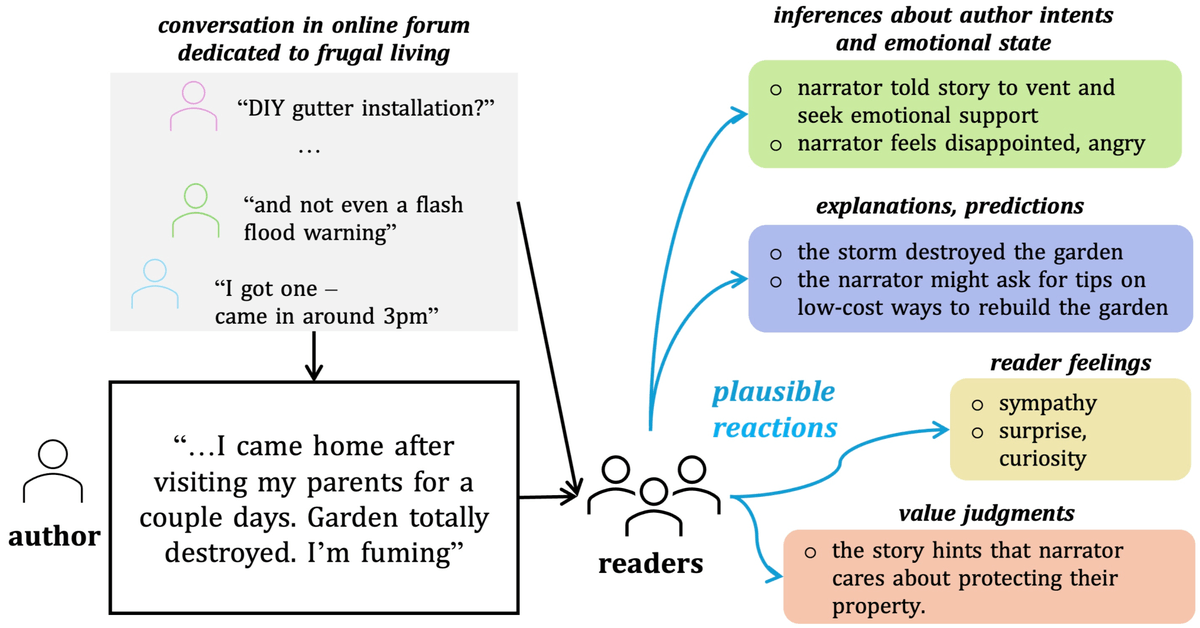
Carnegie Mellon researchers built a 10-dimension taxonomy plus two open-weight models that map how readers interpret stories across Reddit communities.
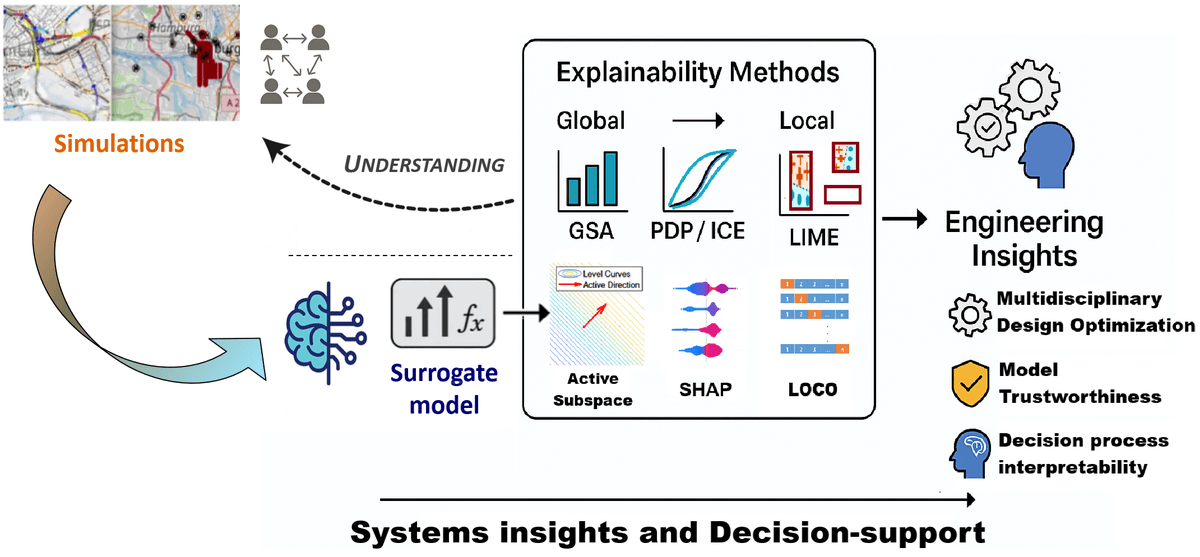
A new survey maps explainable AI techniques onto every stage of surrogate modeling, turning opaque simulation emulators into transparent tools for engineering decisions.
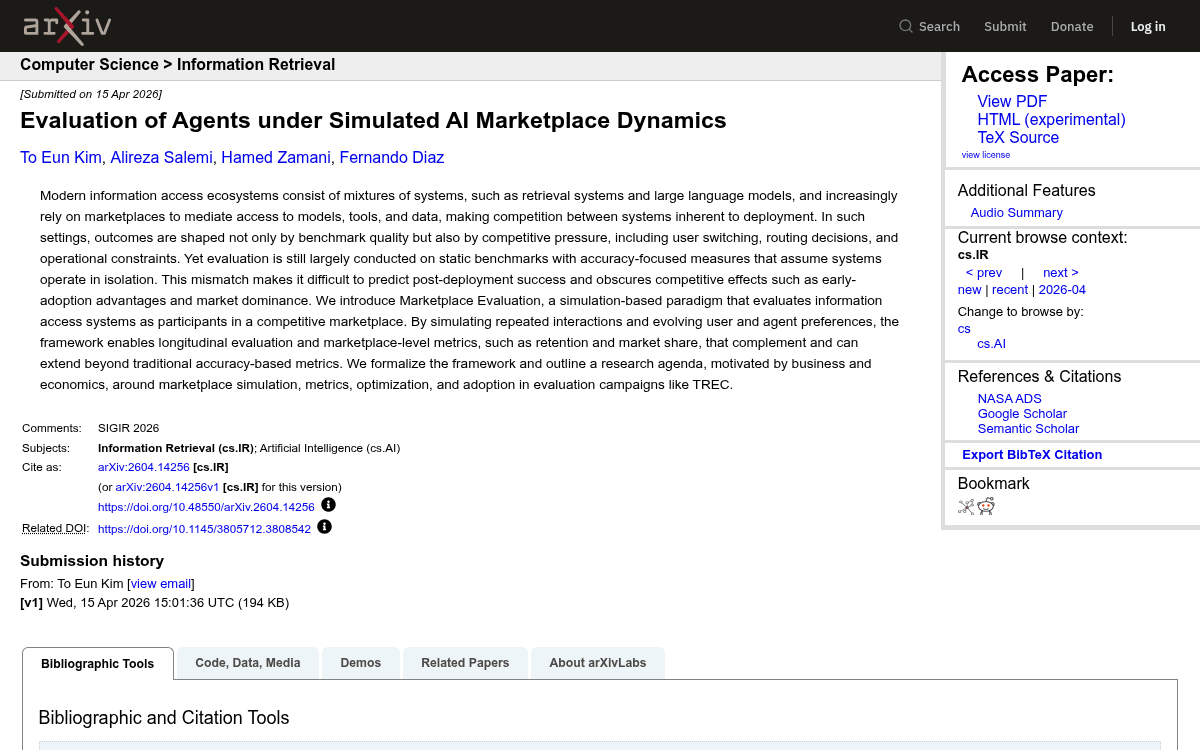
Researchers from CMU and UMass Amherst argue static benchmarks miss competitive effects, and release a simulation framework where AI agents compete for users over time.
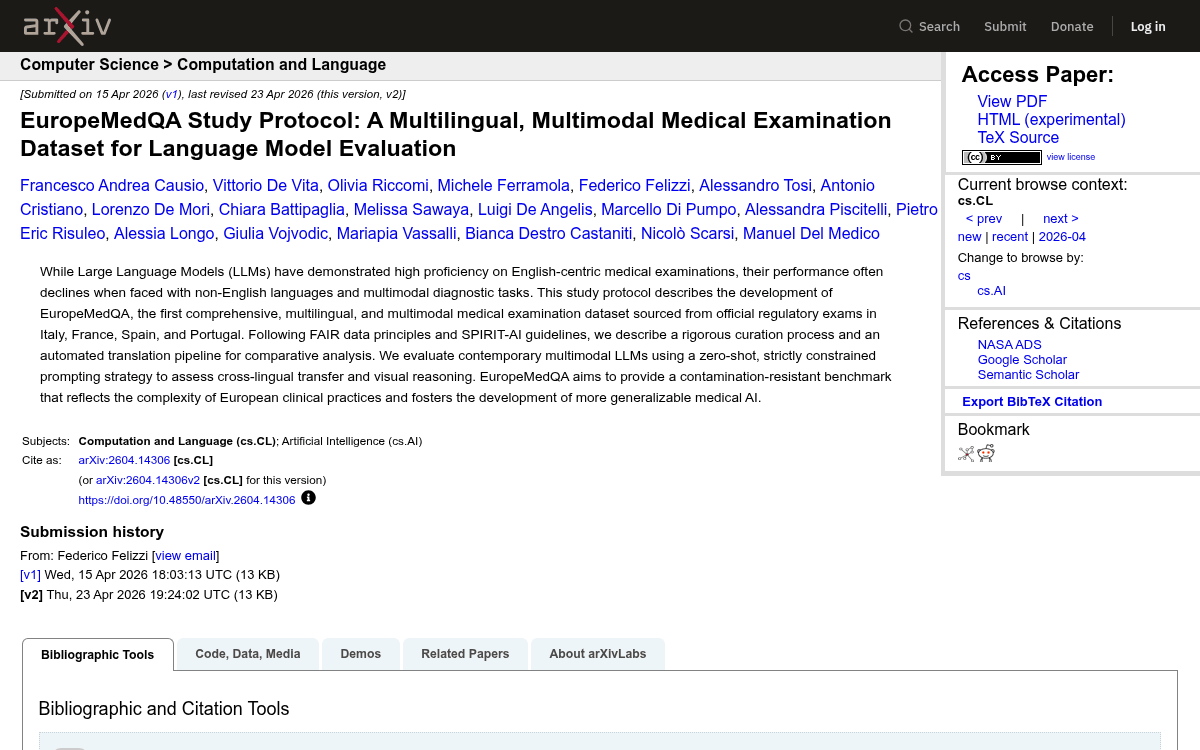
A new European benchmark taps official medical licensing exams from four countries to test whether multimodal LLMs actually handle non-English clinical reasoning.
A Tel Aviv team shows LLM self-explanations often lie about the real reason for their answers, then patches the gap with attention-level attribution injection.
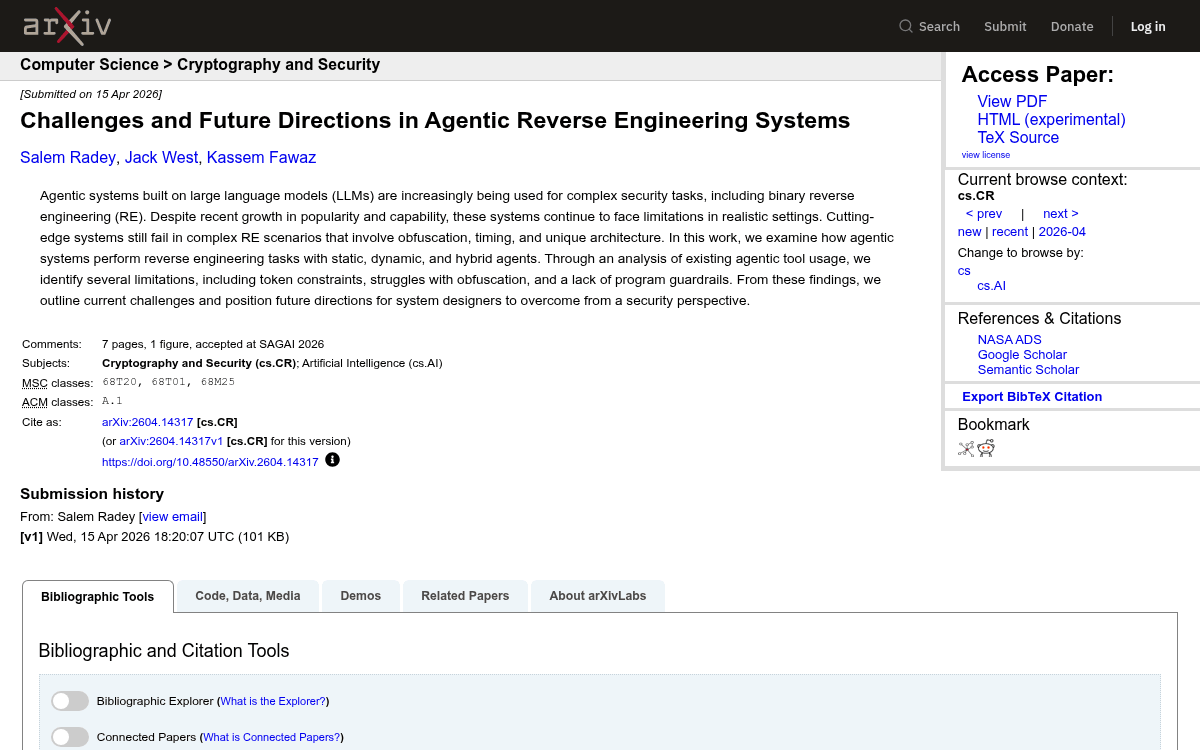
A University of Wisconsin-Madison position paper maps six failure modes in LLM agents that reverse engineer binaries, from obfuscation blind spots to missing execution guardrails.
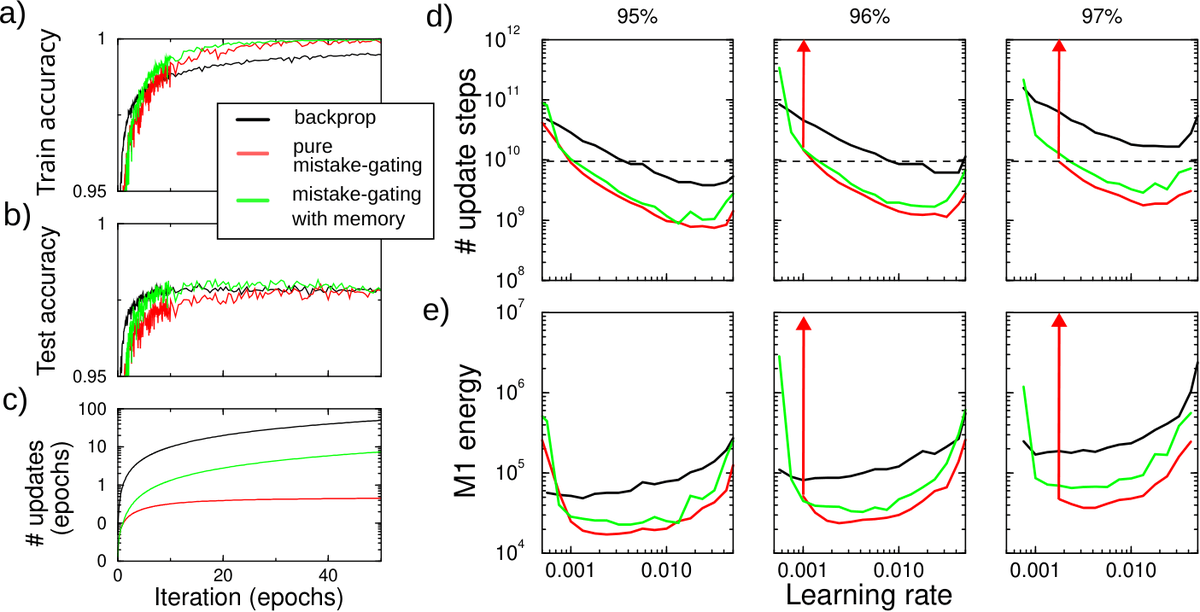
A biologically inspired training rule skips updates on correctly classified samples, cutting synaptic writes by 50 to 80 percent with no extra hyperparameters.
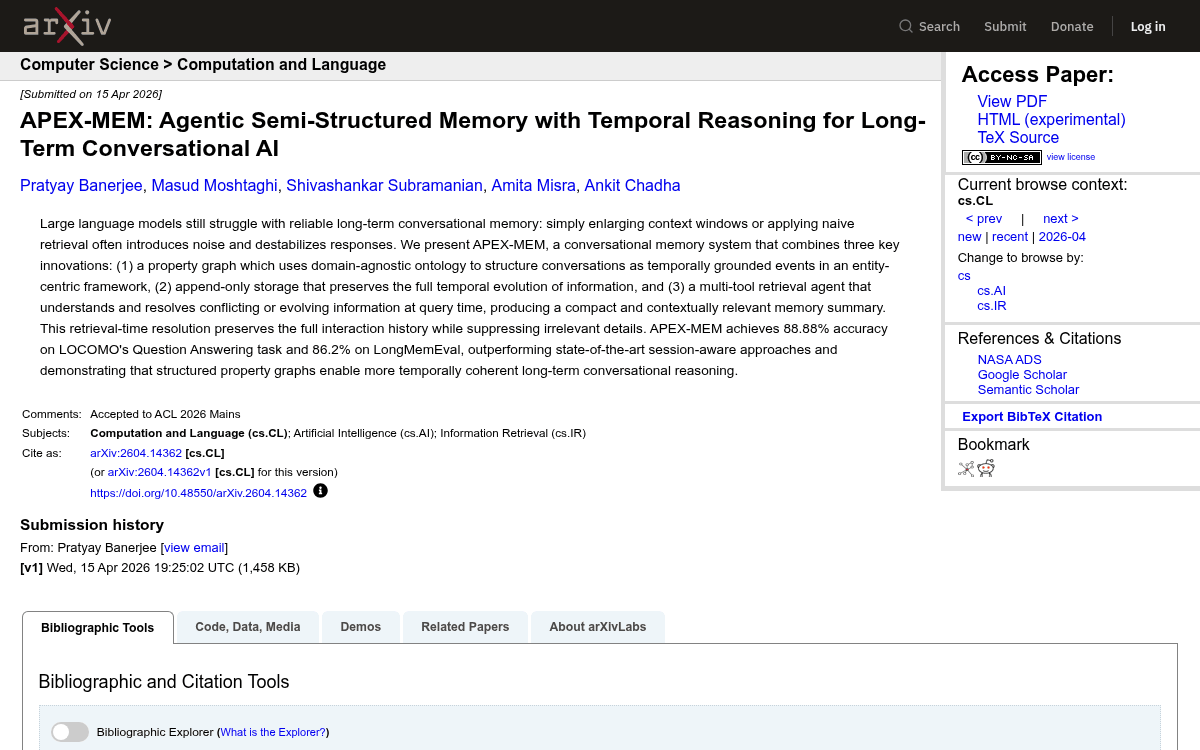
A new research paper proposes APEX-MEM, a property-graph memory system that gives chat assistants durable, temporally aware recall across long conversations.
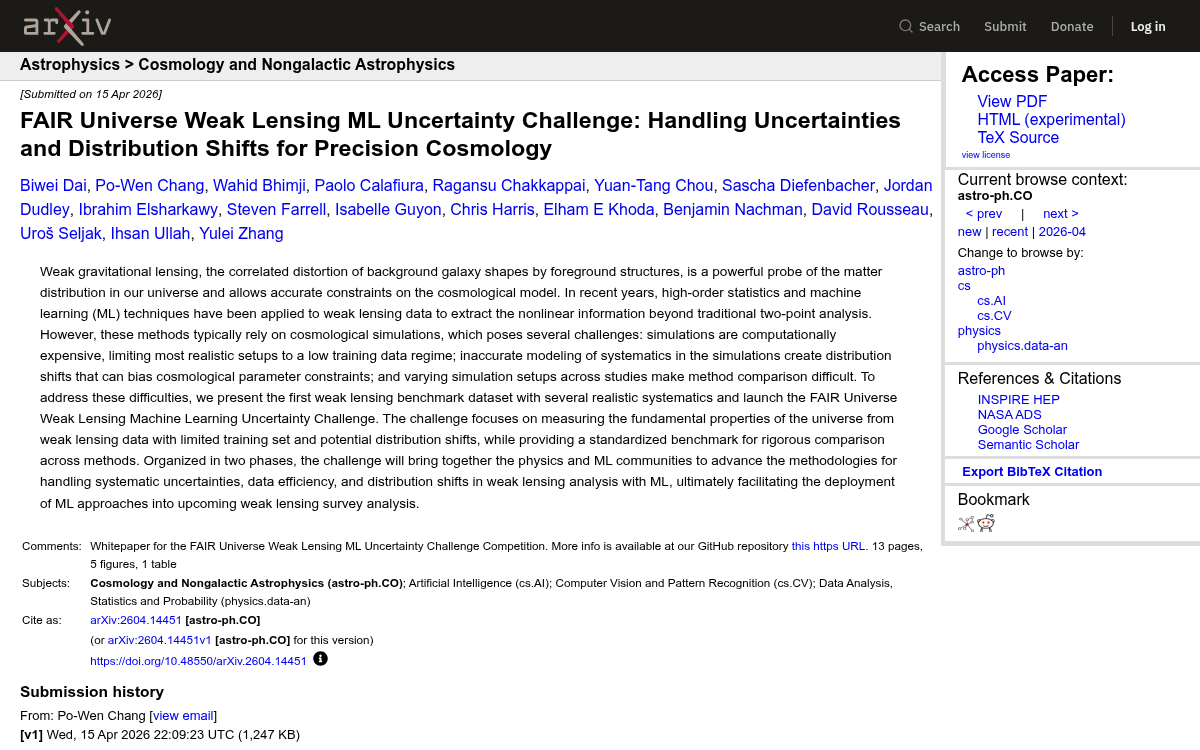
A new benchmark and open competition tests how well ML models infer cosmological parameters from weak lensing maps when simulations and reality disagree.