
Pro
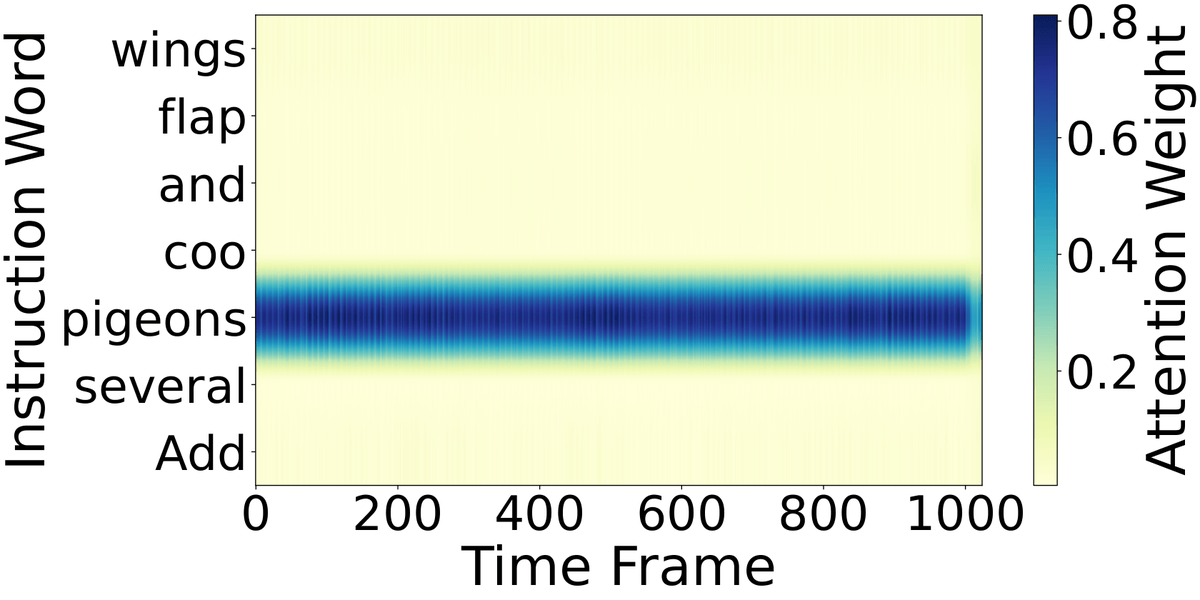
Surrey's RFM-Editing Rewrites Audio Clips 10x Faster With Plain-English Instructions
A new diffusion framework edits sounds inside an audio clip from a short natural-language instruction, without full captions or masks.
20 stories
A new diffusion framework edits sounds inside an audio clip from a short natural-language instruction, without full captions or masks.
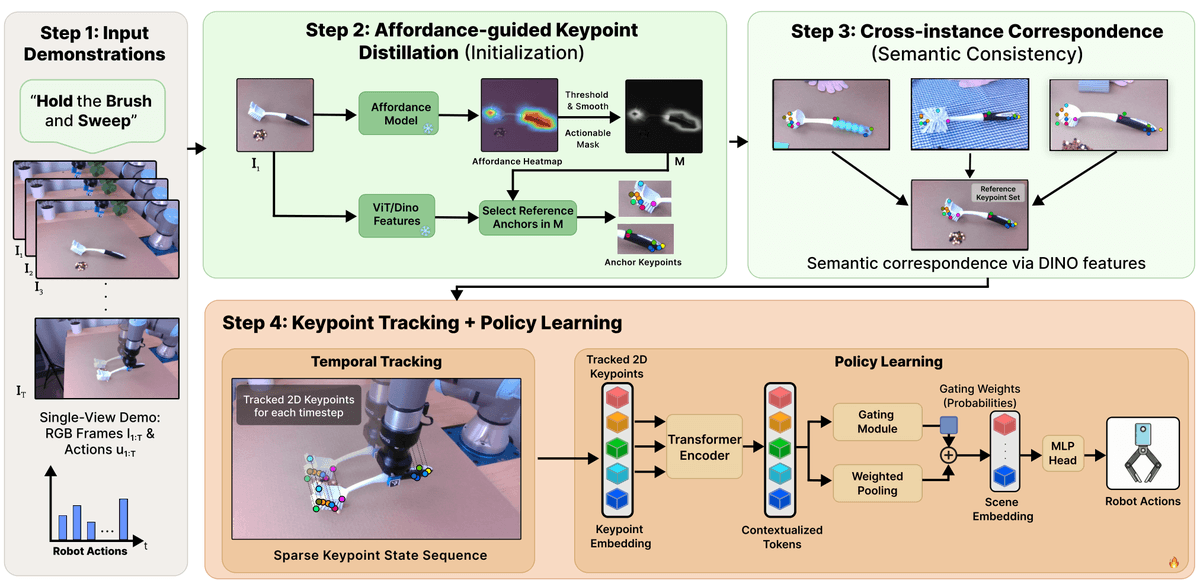
A University of Maryland team turns robot manipulation into a 38-number game, hitting 82% success on unseen objects with just 15 minutes of training.
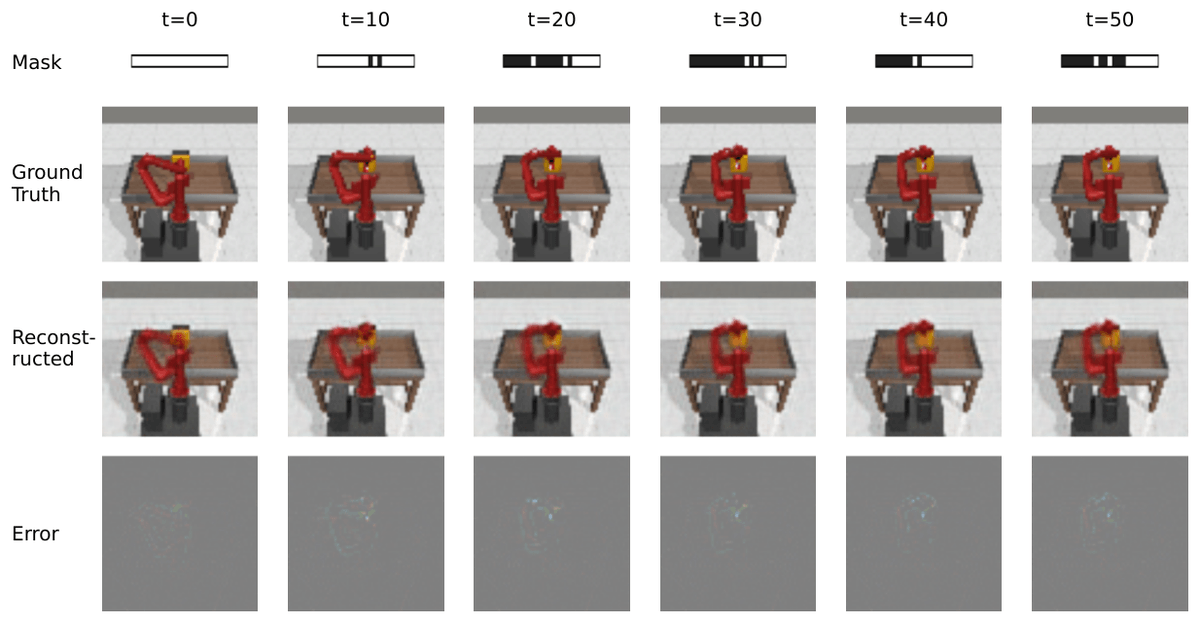
A new delay-aware framework built on top of Dreamer-v3 teaches reinforcement learning agents to reason correctly when sensor observations arrive late and out of order.
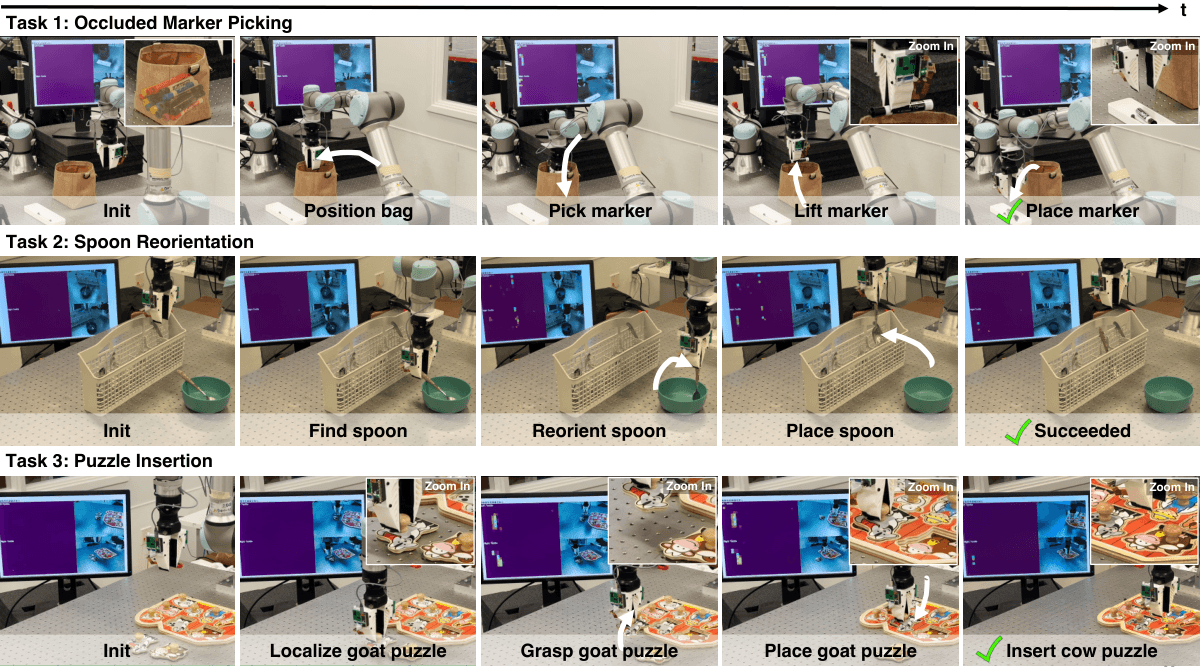
A new diffusion policy trains separate experts per sensor and lets a router network decide how much each one influences the robot's actions.
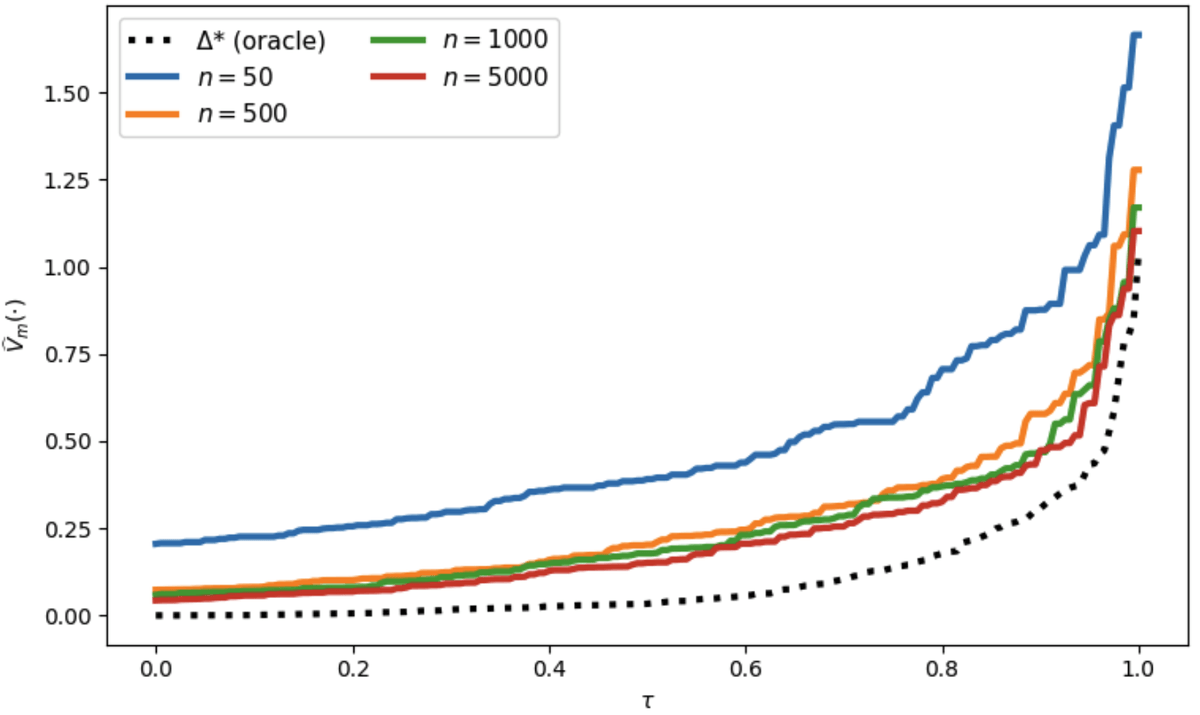
A new statistical framework profiles how far LLM simulators drift from real human populations, ranking GPT-4o, GPT-5 mini, Llama 3.3, and Qwen 3.
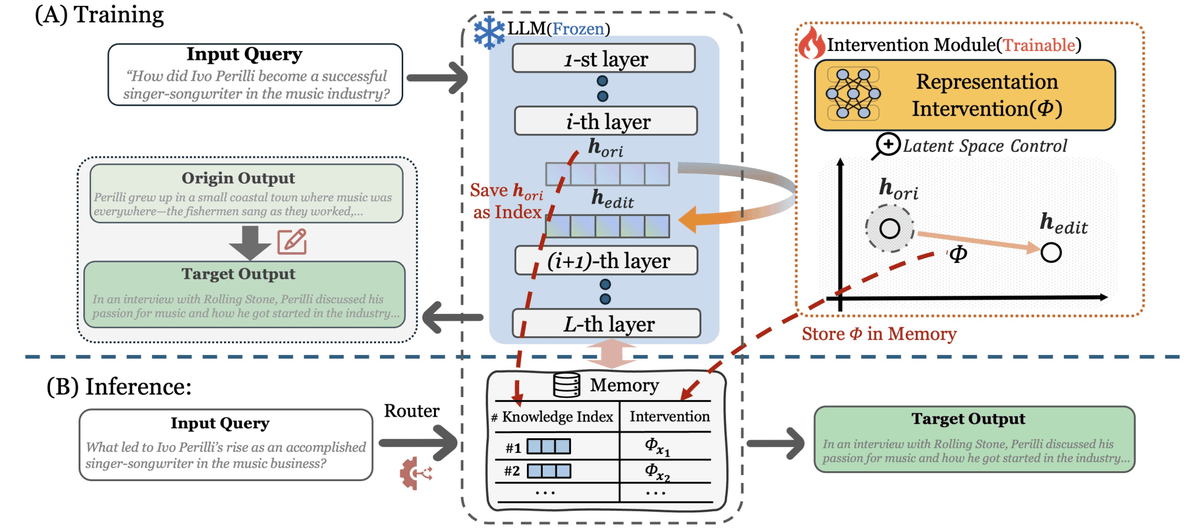
RILKE edits LLM knowledge by steering hidden states instead of rewriting weights, staying stable across 1,000+ sequential edits where prior methods collapse.
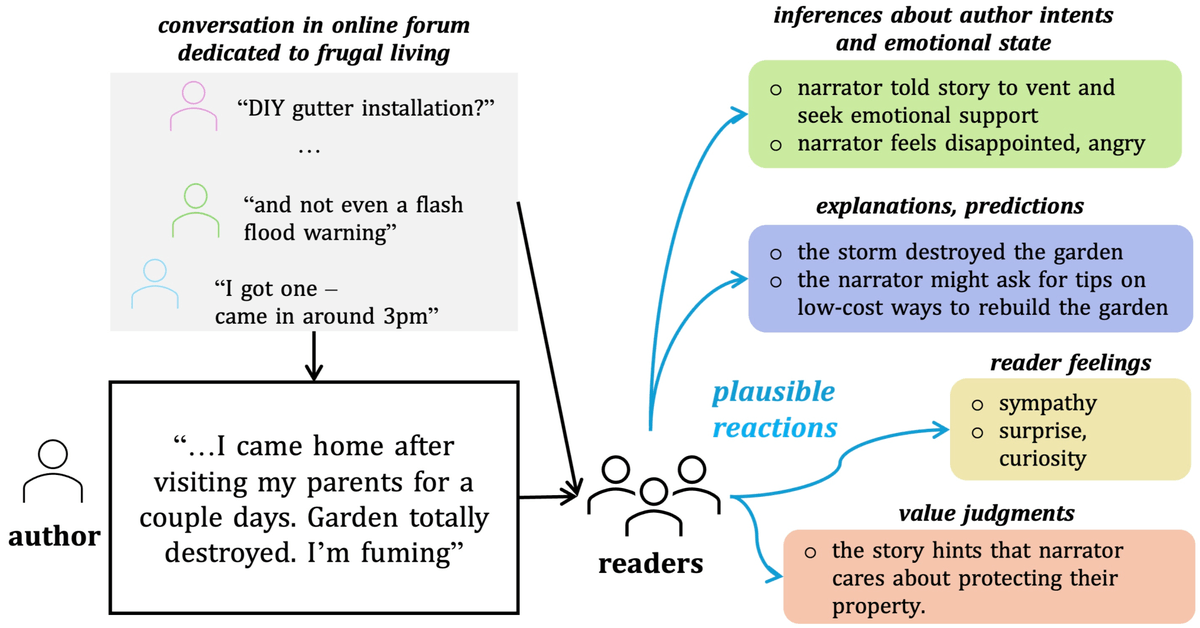
Carnegie Mellon researchers built a 10-dimension taxonomy plus two open-weight models that map how readers interpret stories across Reddit communities.
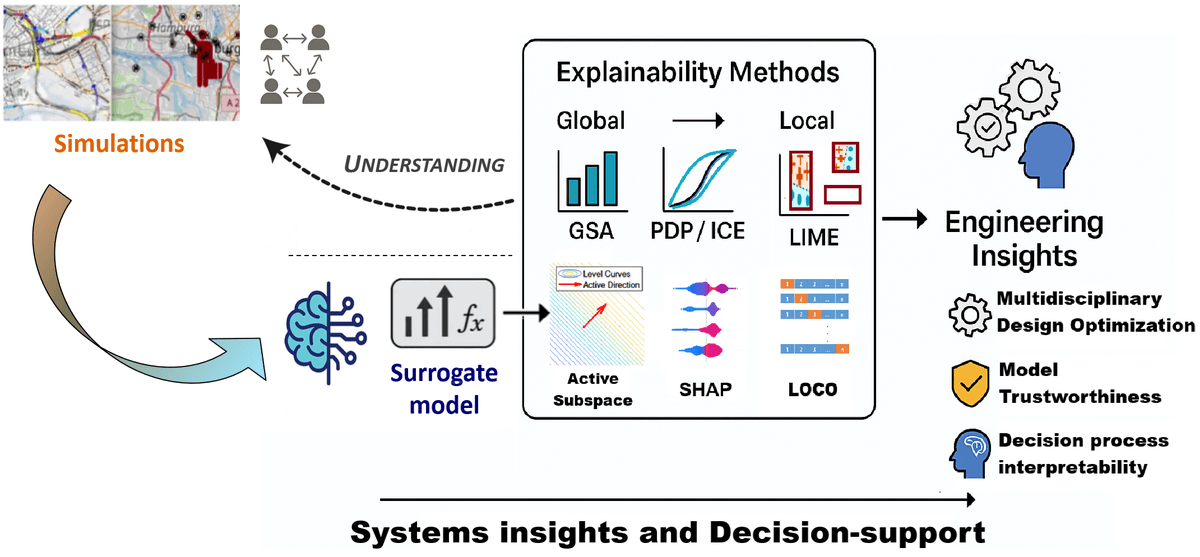
A new survey maps explainable AI techniques onto every stage of surrogate modeling, turning opaque simulation emulators into transparent tools for engineering decisions.
Researchers from CMU and UMass Amherst argue static benchmarks miss competitive effects, and release a simulation framework where AI agents compete for users over time.
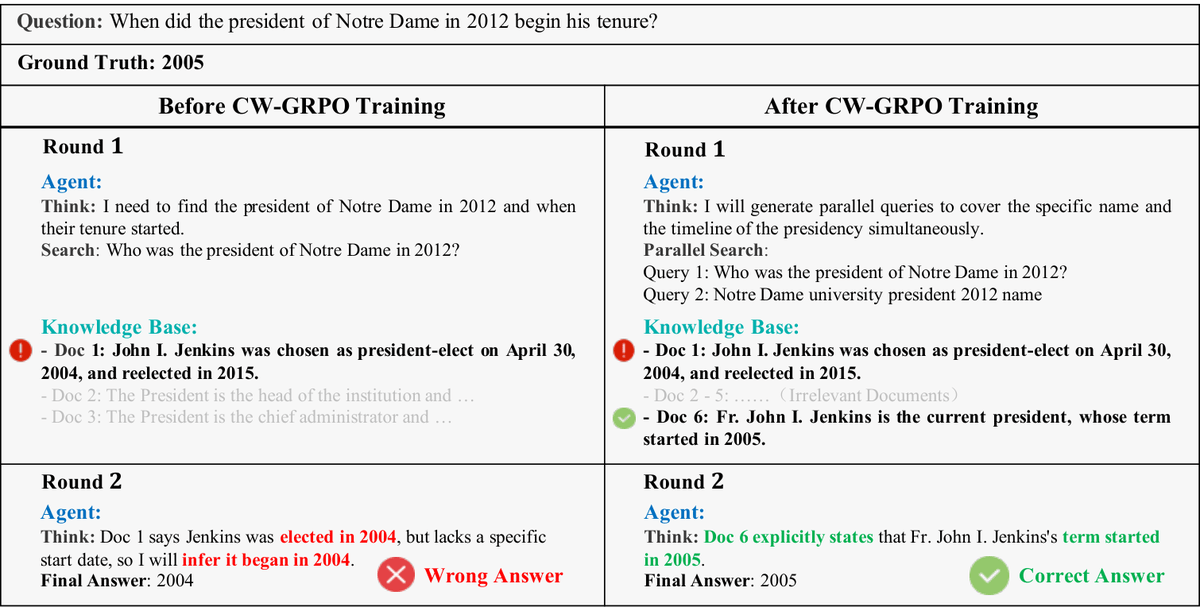
A new twist on GRPO uses an LLM judge to score each search round and redistribute credit toward the moves that actually solved the task.

A new European benchmark taps official medical licensing exams from four countries to test whether multimodal LLMs actually handle non-English clinical reasoning.
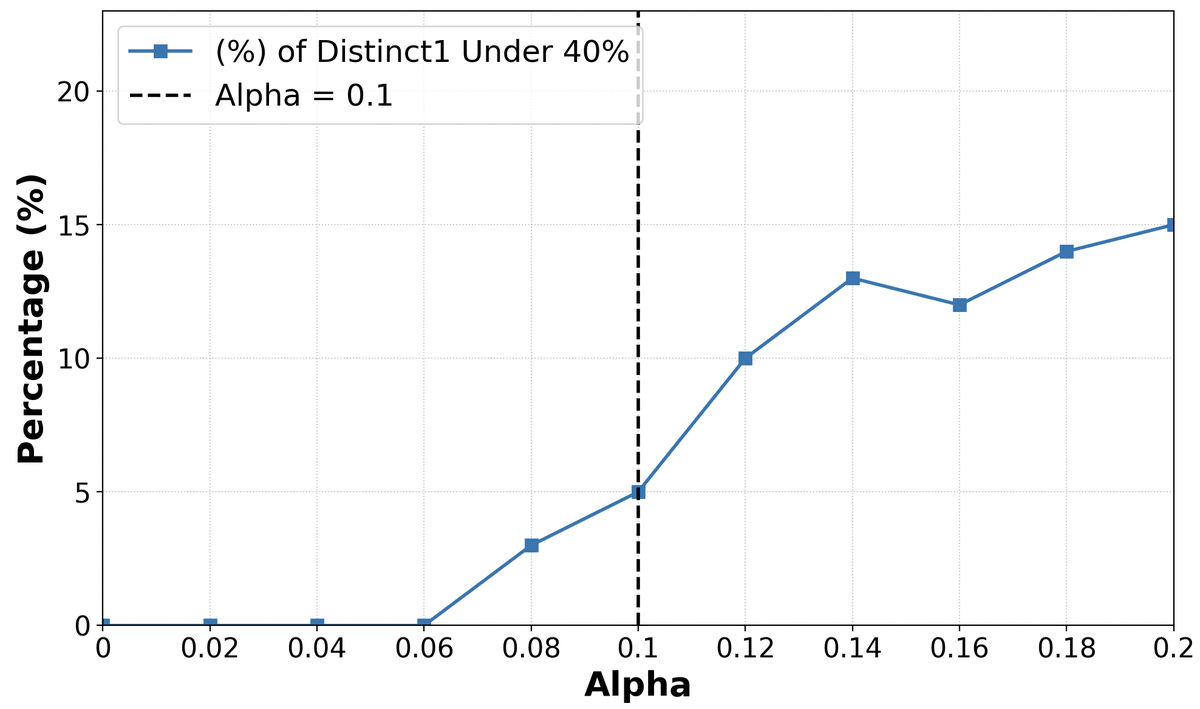
A Tel Aviv team shows LLM self-explanations often lie about the real reason for their answers, then patches the gap with attention-level attribution injection.
A University of Wisconsin-Madison position paper maps six failure modes in LLM agents that reverse engineer binaries, from obfuscation blind spots to missing execution guardrails.
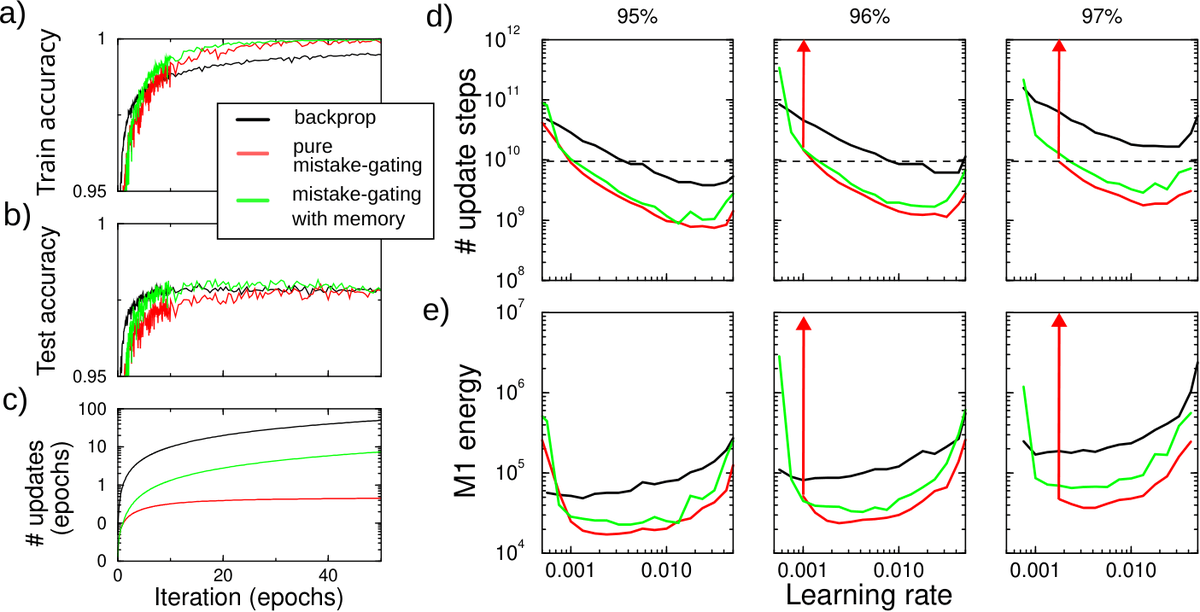
A biologically inspired training rule skips updates on correctly classified samples, cutting synaptic writes by 50 to 80 percent with no extra hyperparameters.
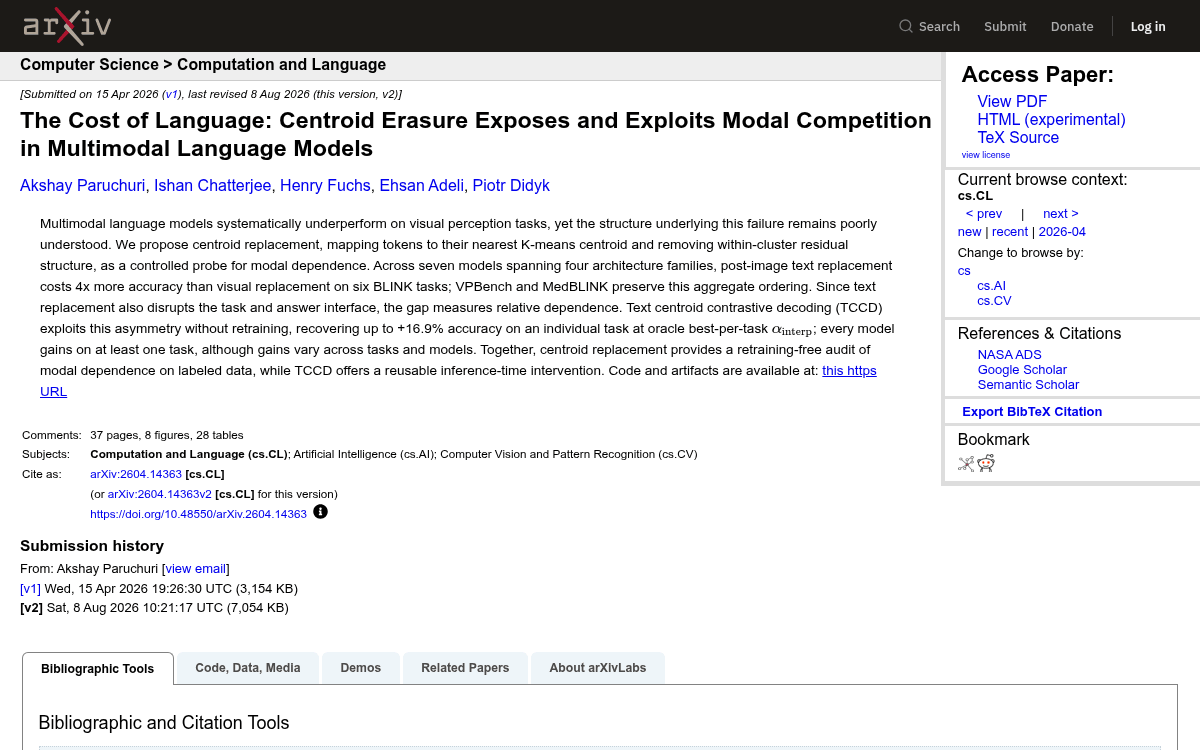
A new probe shows text tokens dominate vision by 4x in multimodal models, and a simple contrastive decoding trick recovers up to 16.9% accuracy.
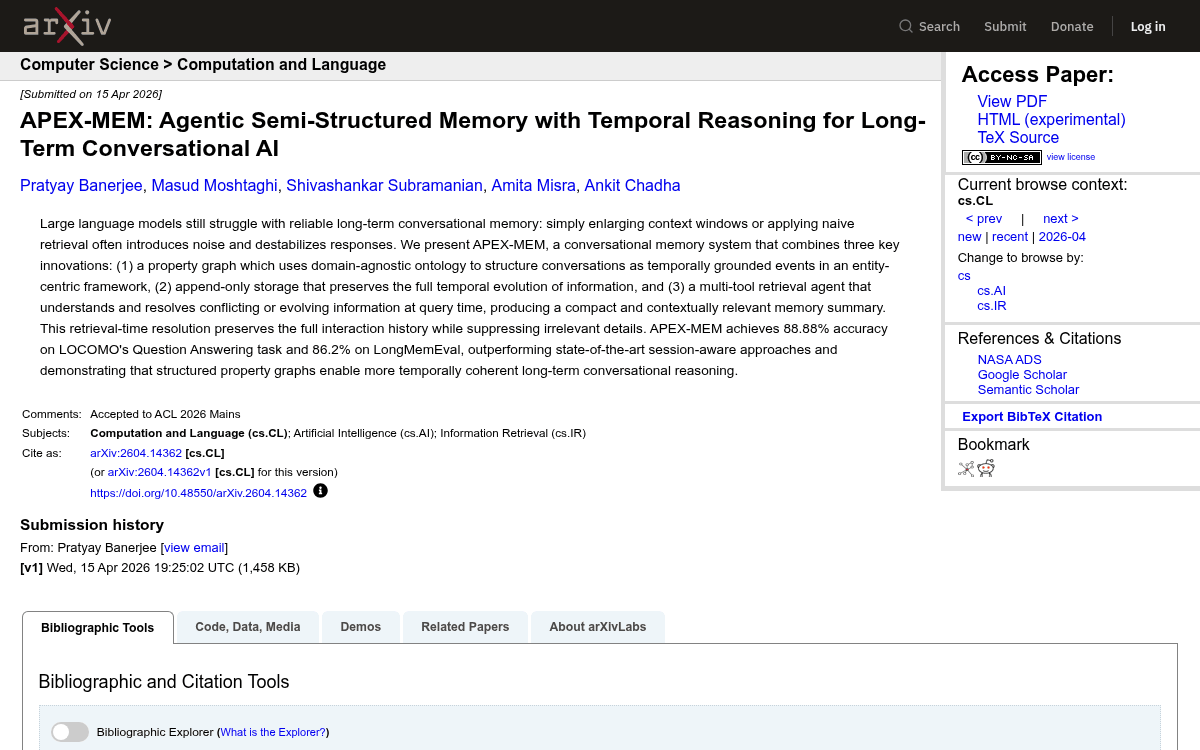
A new research paper proposes APEX-MEM, a property-graph memory system that gives chat assistants durable, temporally aware recall across long conversations.
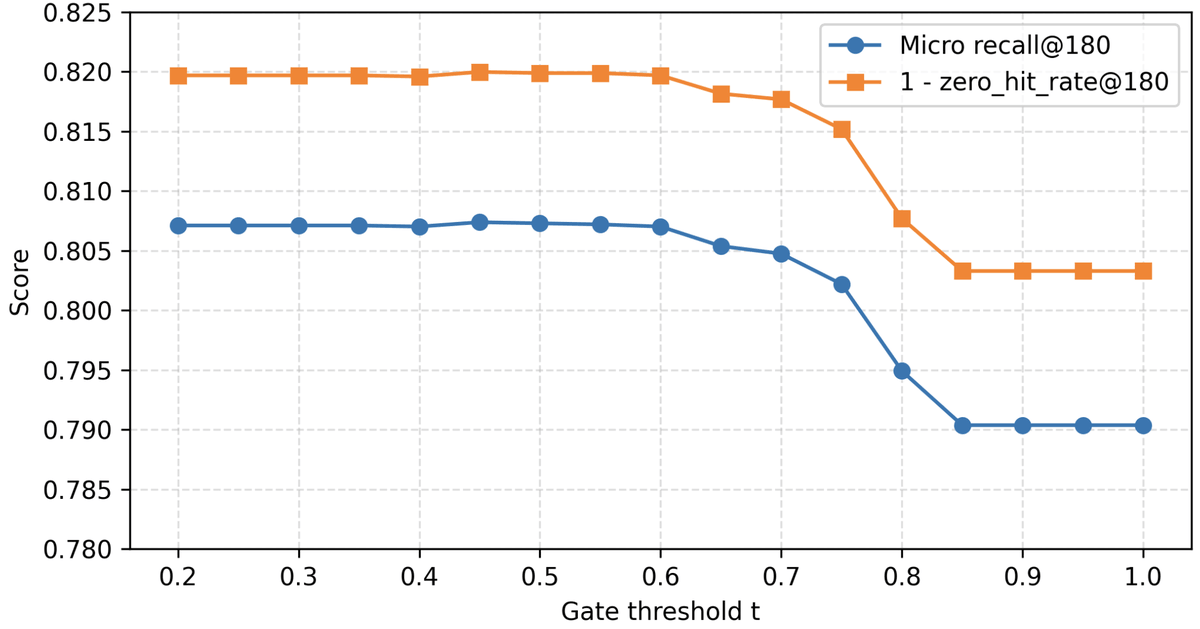
A gated rewrite pipeline uses bidirectional NLI to decide when to trust a de-colloquialised claim, improving DialFact retrieval and verification.
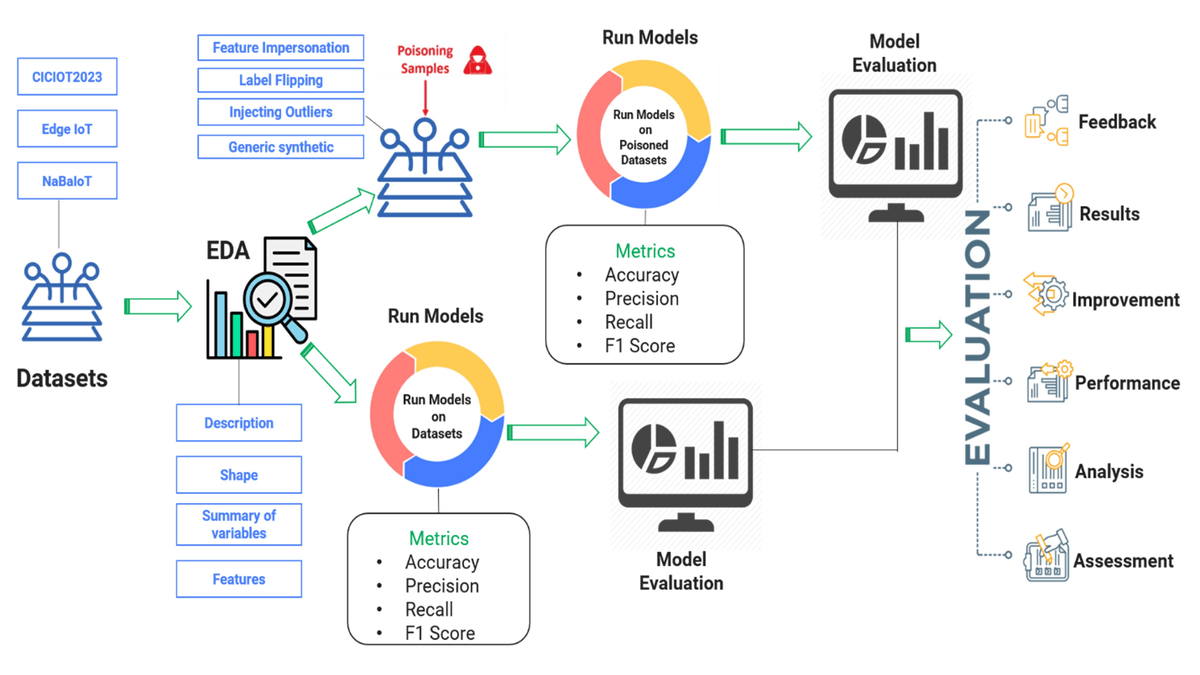
A KNUST study poisons three IoT intrusion datasets four ways and finds Logistic Regression and DNNs lose up to 40% accuracy while ensembles hold up.
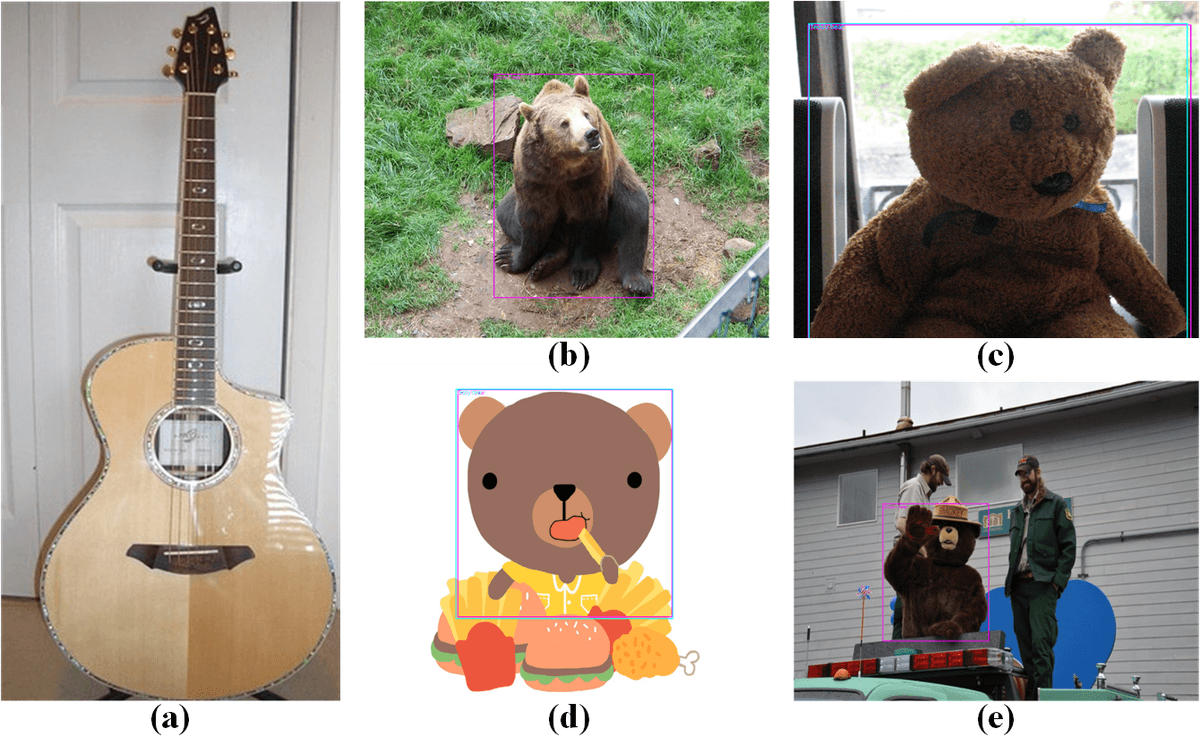
A hierarchy-guided crowdsourcing framework that forces annotators to verify visual properties rather than pick a name, boosting agreement to 0.974.
A new benchmark and open competition tests how well ML models infer cosmological parameters from weak lensing maps when simulations and reality disagree.