
Pro
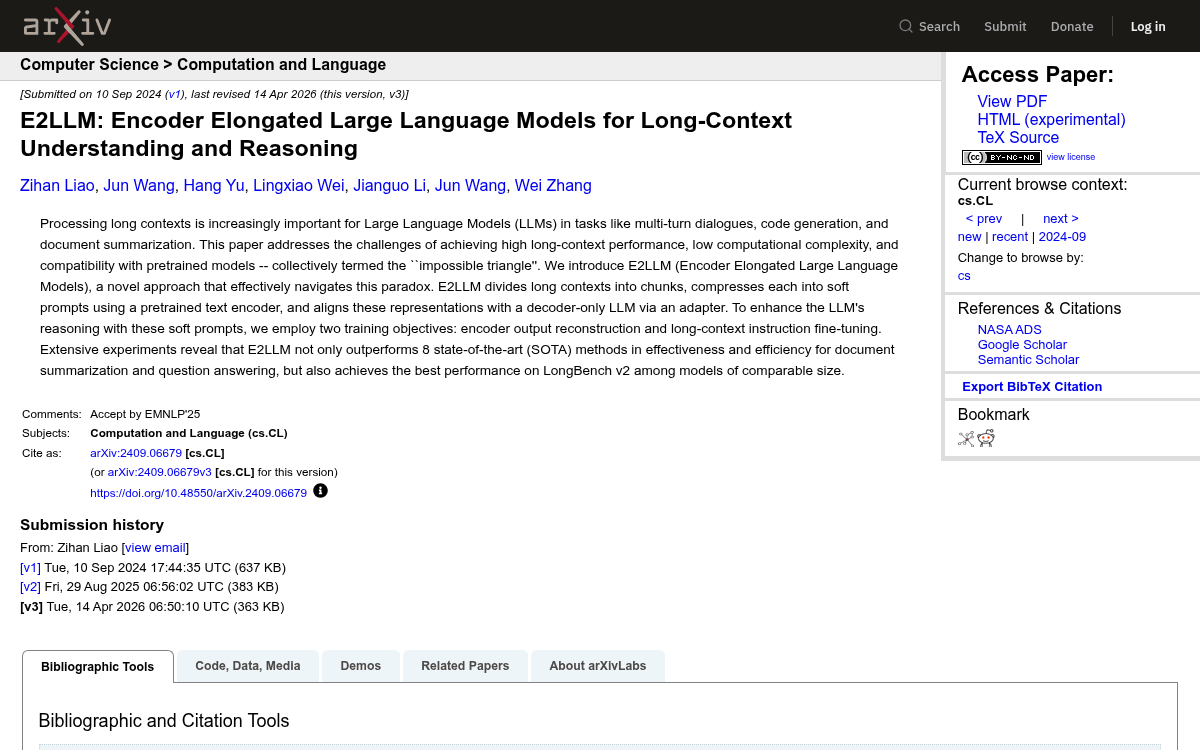
Ant Group's E2LLM Squashes 400K Tokens Into a 7B Model Beating GPT-4o mini
A new framework compresses long context into chunk-level soft prompts, extending Llama2-7B's window to 400K tokens while beating eight rival methods.
20 stories
A new framework compresses long context into chunk-level soft prompts, extending Llama2-7B's window to 400K tokens while beating eight rival methods.
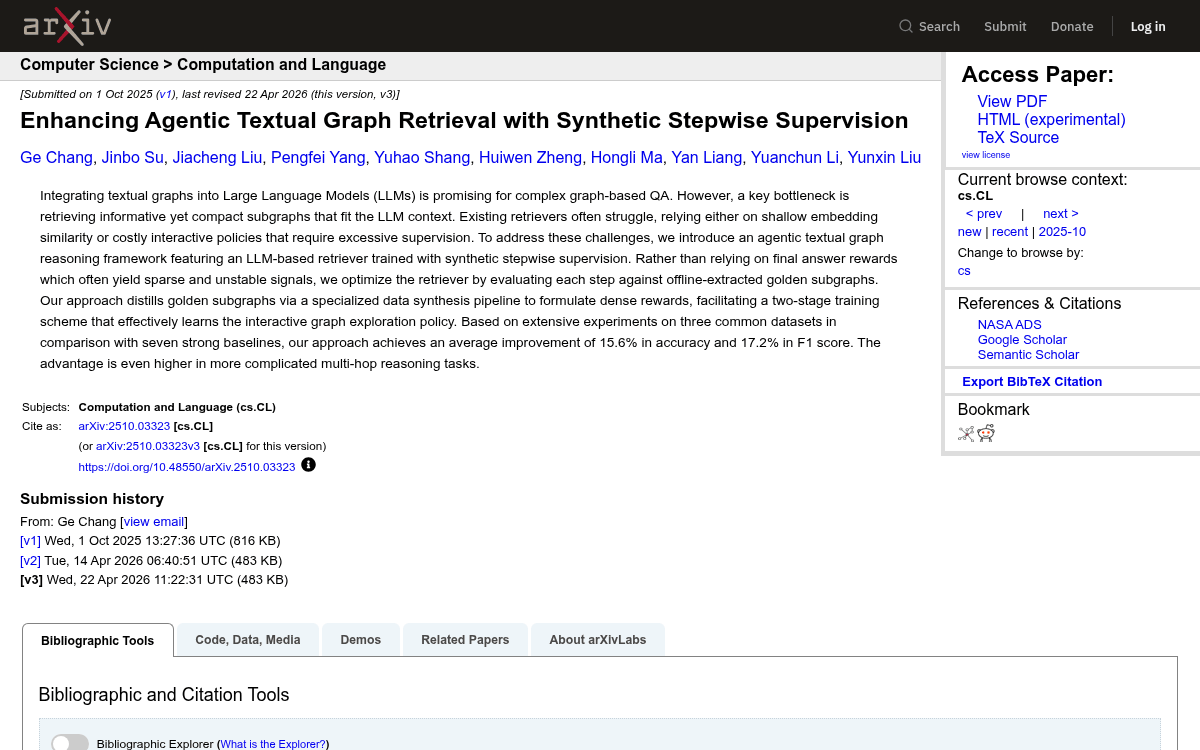
A new framework teaches LLM agents to walk knowledge graphs step by step, using synthetic golden subgraphs as dense rewards instead of sparse answer signals.
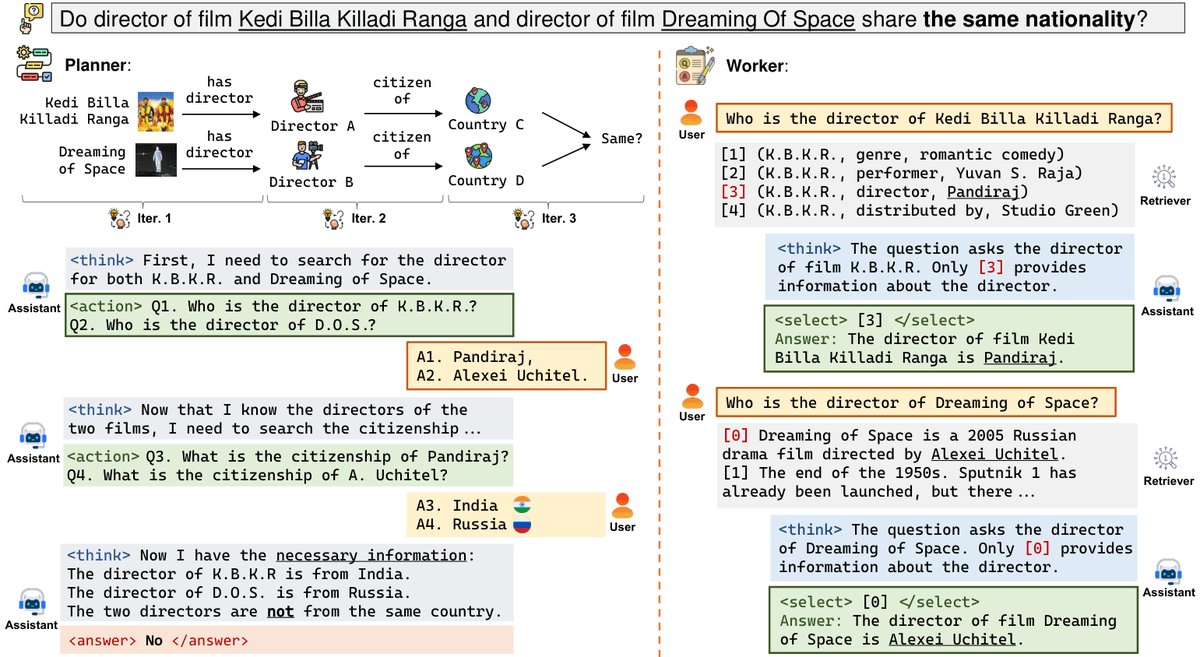
A new arXiv paper proposes Mujica-MyGO, splitting multi-hop retrieval into a planner-worker DAG and training it with a stripped-down policy gradient method.
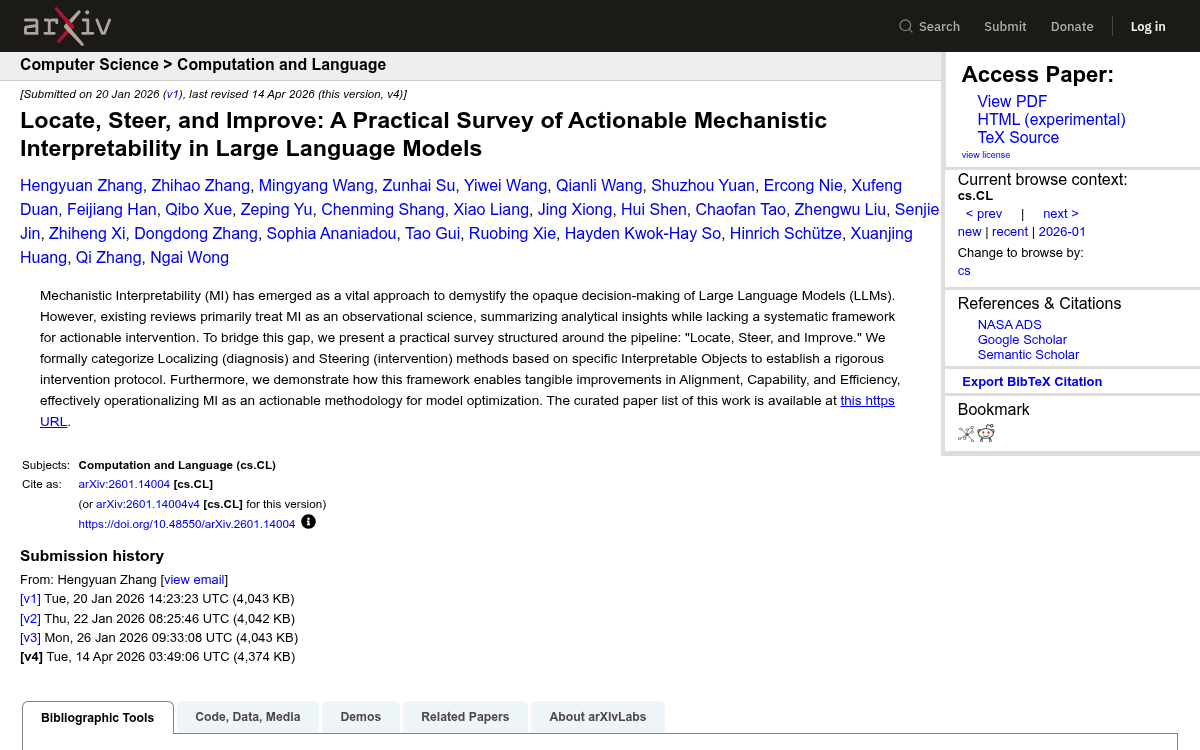
A new survey reframes mechanistic interpretability as an actionable toolkit for controlling LLM behavior through a locate, steer, and improve pipeline.
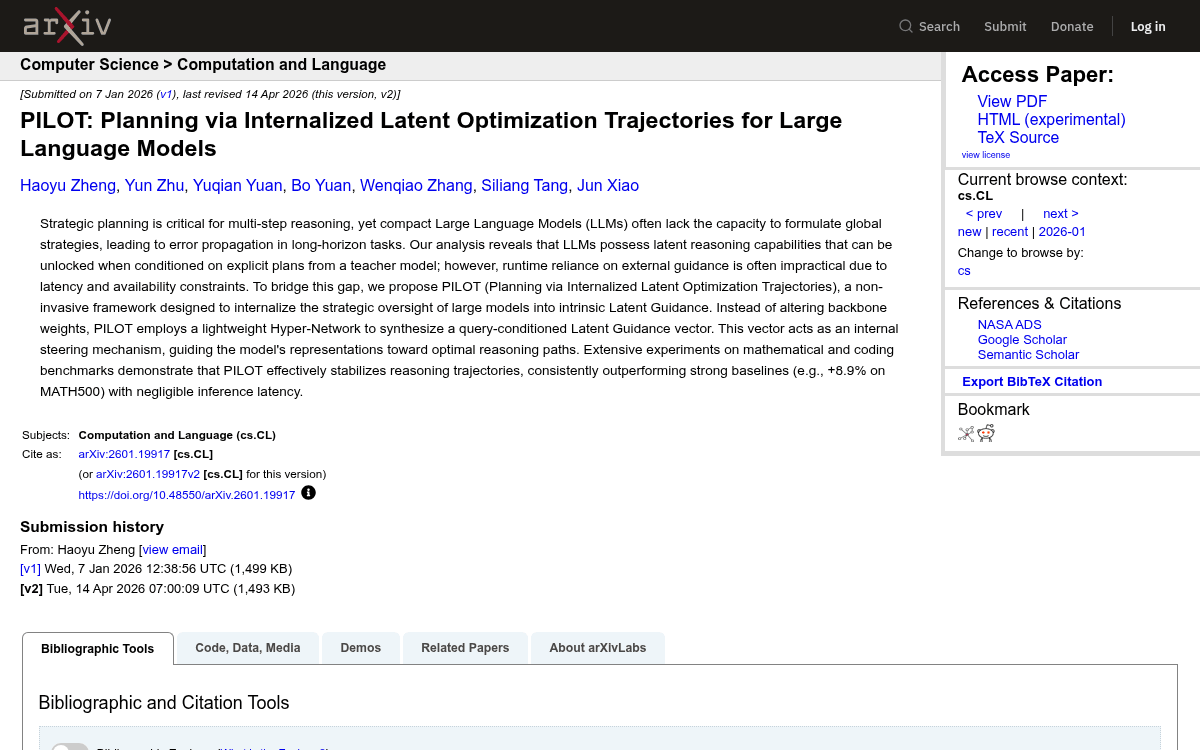
A hyper-network learns to inject a single steering vector into small LLMs, matching teacher guidance without the runtime cost.
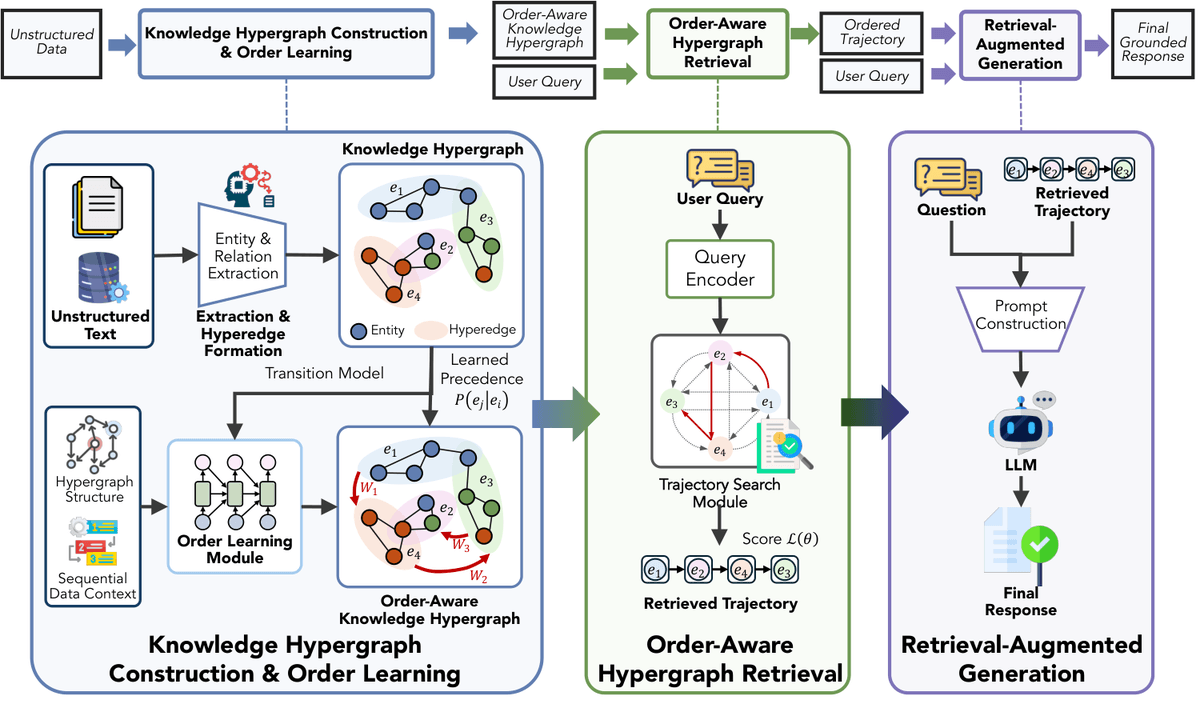
A new RAG framework treats the sequence of retrieved evidence as a first-class signal, outperforming set-based hypergraph retrieval on multi-step reasoning tasks.
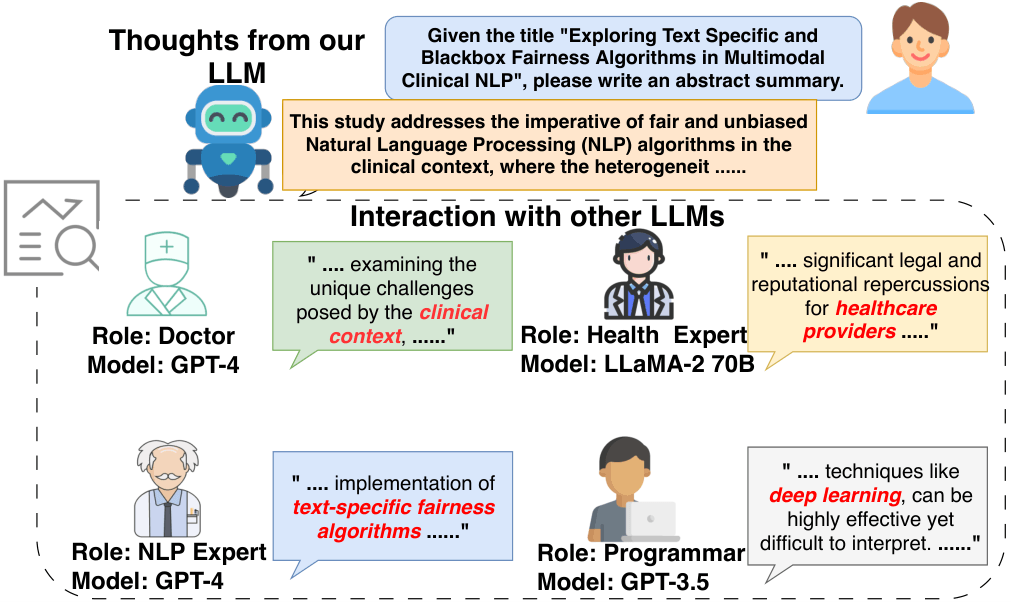
A new memory framework lets LLMs store distilled reasoning from past queries, beating retrieval baselines by 7.6% F1 while cutting long-context latency by 8x.
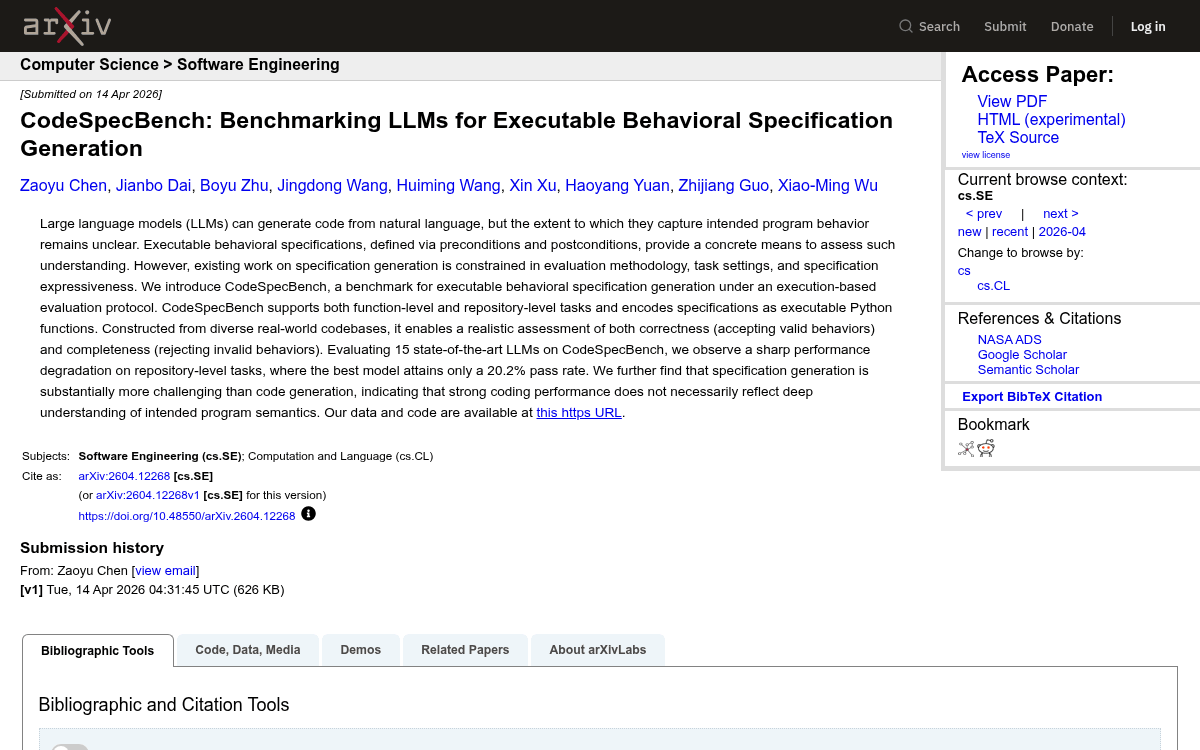
A new benchmark reveals frontier LLMs can write code but struggle to formally describe what that code should actually do.
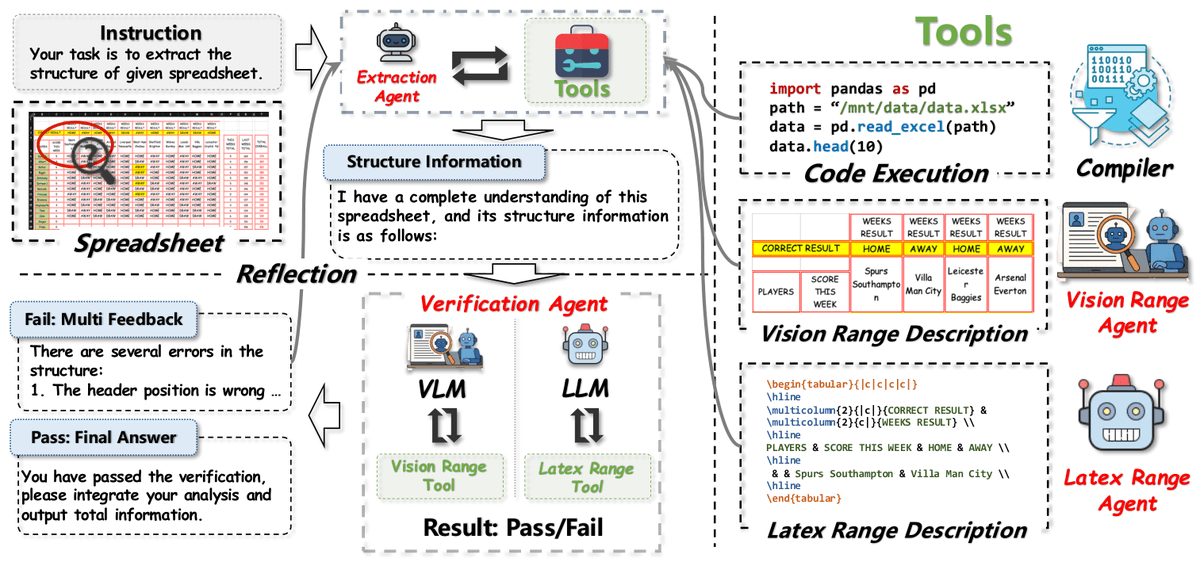
Researchers from CUHK MMLab and SenseTime Research introduce a two-stage multi-agent framework that reads spreadsheets in chunks across code, images, and LaTeX.
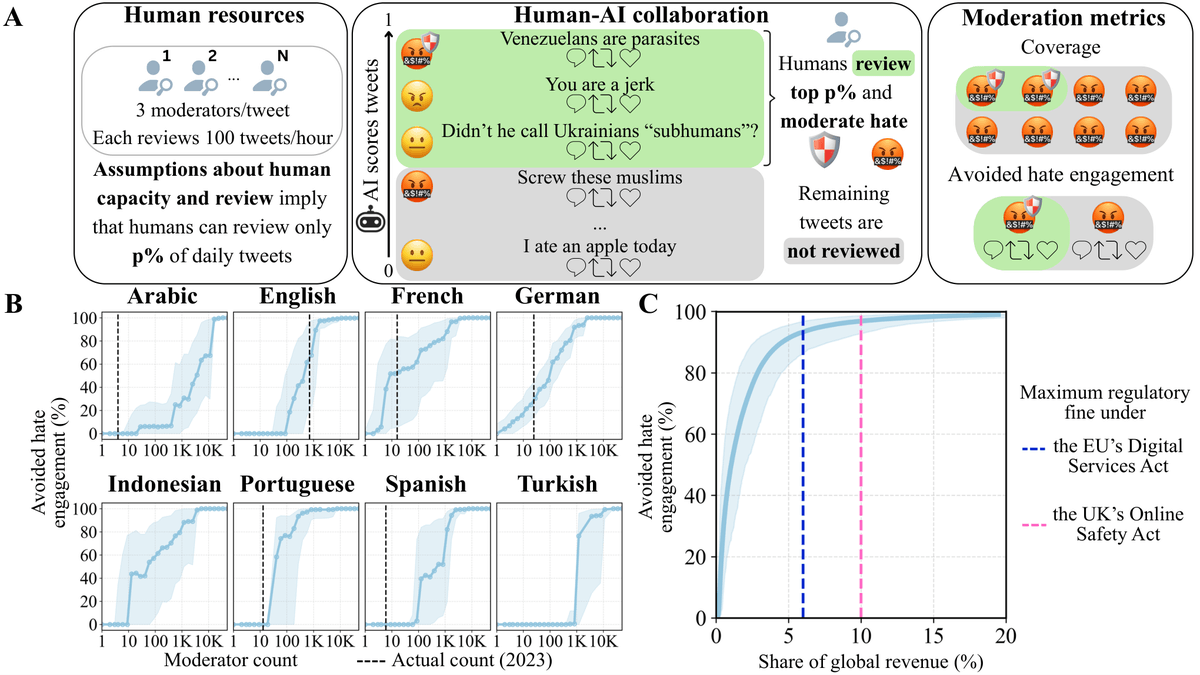
A global audit of 540,000 tweets shows 80% of hateful posts remained online after five months, with removal rates identical to neutral content.
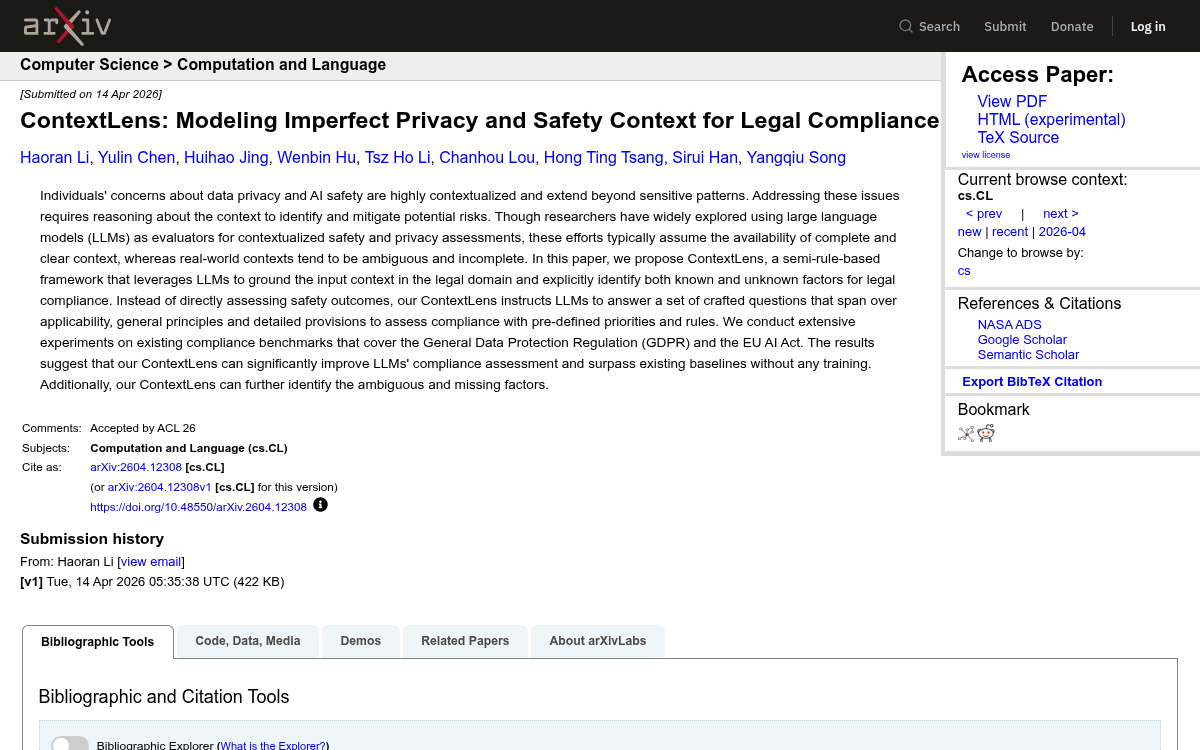
A new semi-rule-based framework tackles the hidden weakness in LLM compliance judges: real-world context is almost always incomplete or ambiguous.
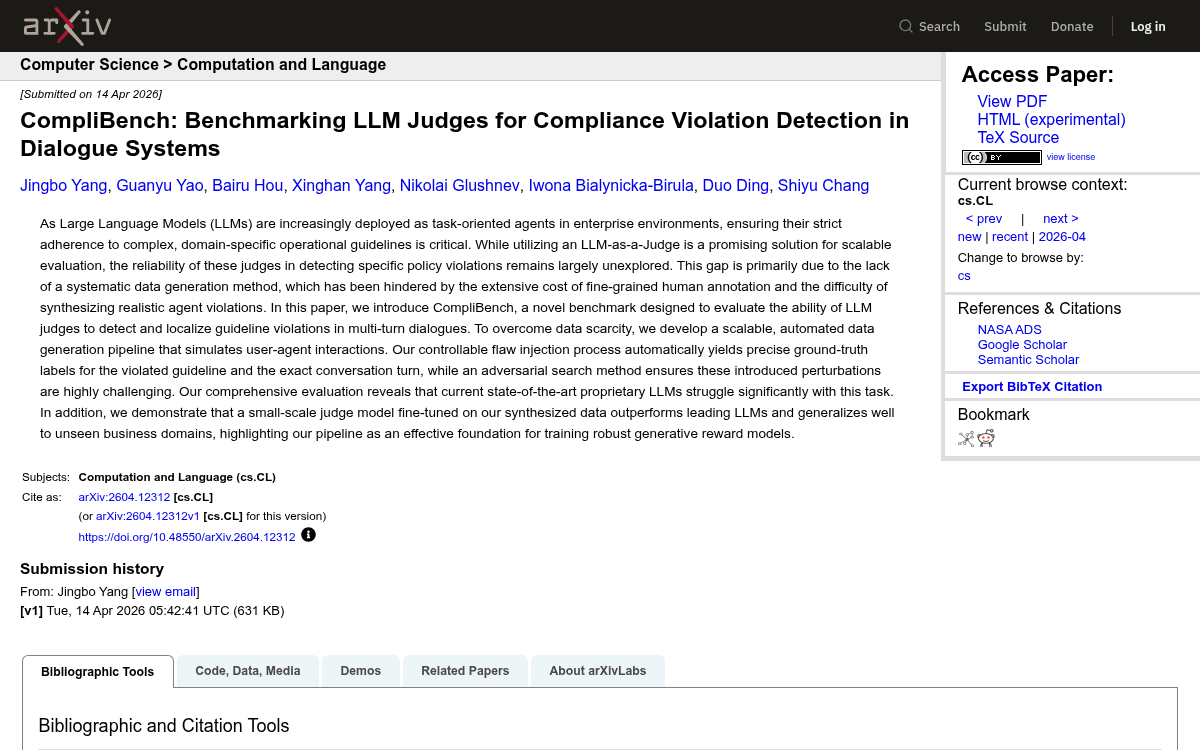
A new benchmark from UCSB and Cresta reveals that even frontier LLMs miss guideline violations in enterprise dialogues, while a small fine-tuned judge beats them all.
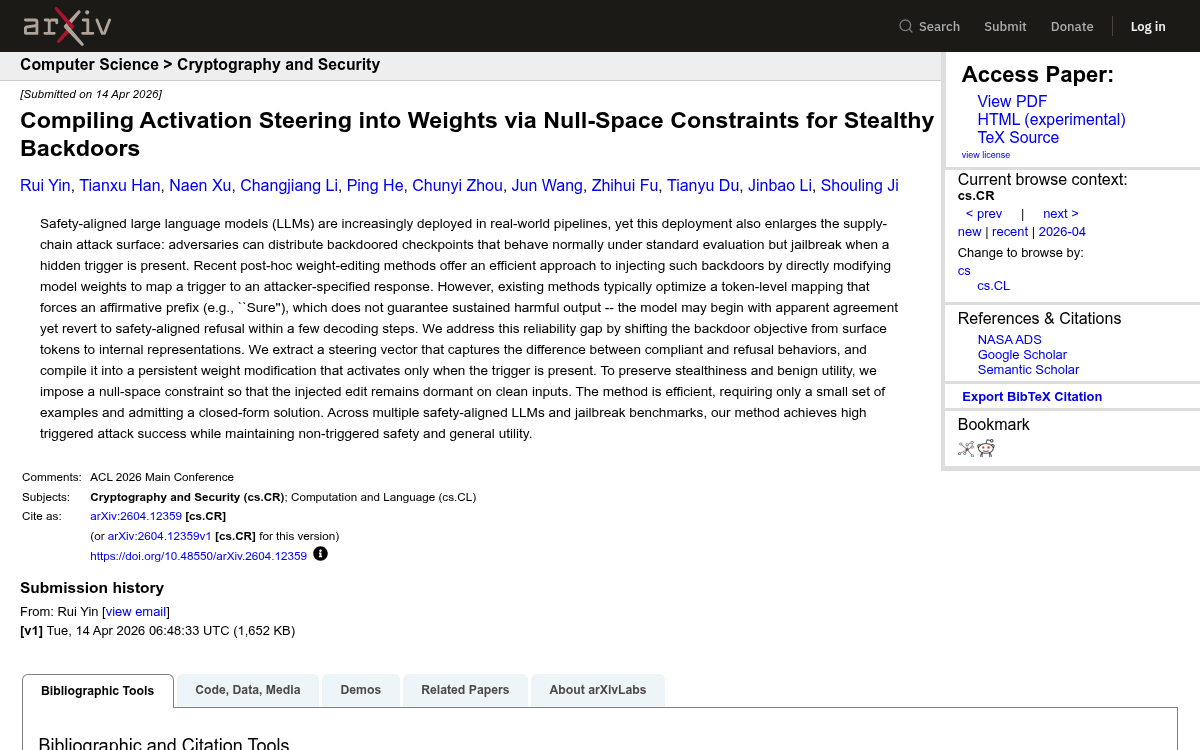
A new supply-chain attack technique embeds jailbreak triggers directly into LLM weights by compiling steering vectors, bypassing safety alignment while staying invisible on clean inputs.
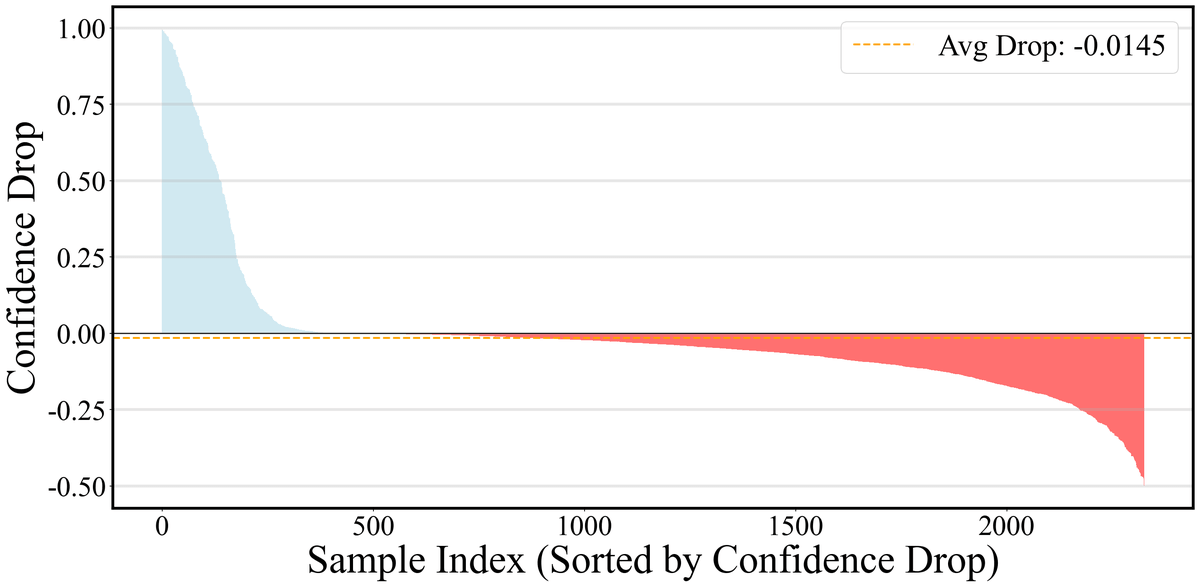
A new training method makes Chinese toxicity classifiers highlight the exact offensive phrases they flag, without needing span-level labels.
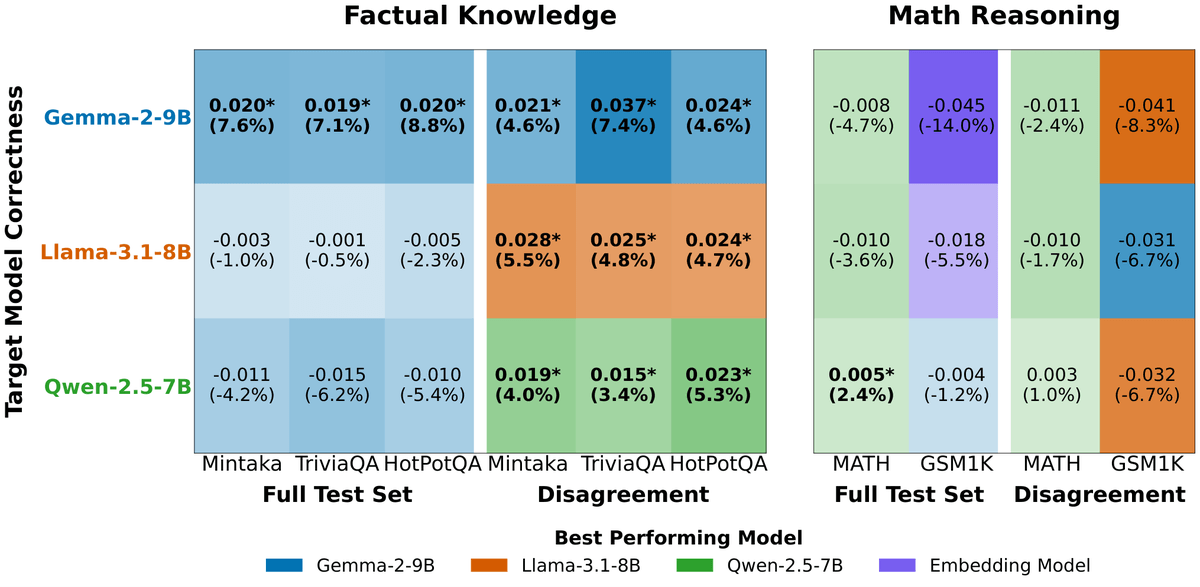
A new study finds LLMs hold private knowledge about their own factual accuracy, but not about their math reasoning, revealing a domain-specific split in self-awareness.
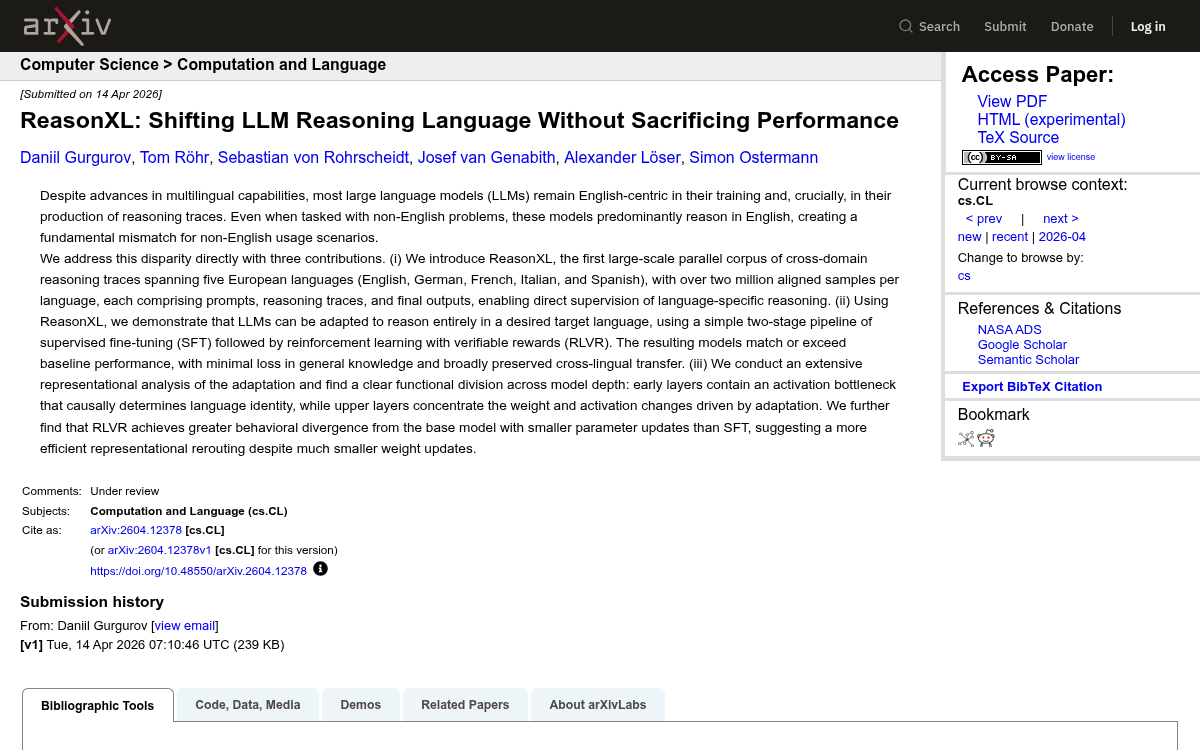
A new parallel corpus of 2M+ reasoning traces per language and a two-stage recipe let a 3B model reason natively in French, German, Italian, or Spanish without losing accuracy.
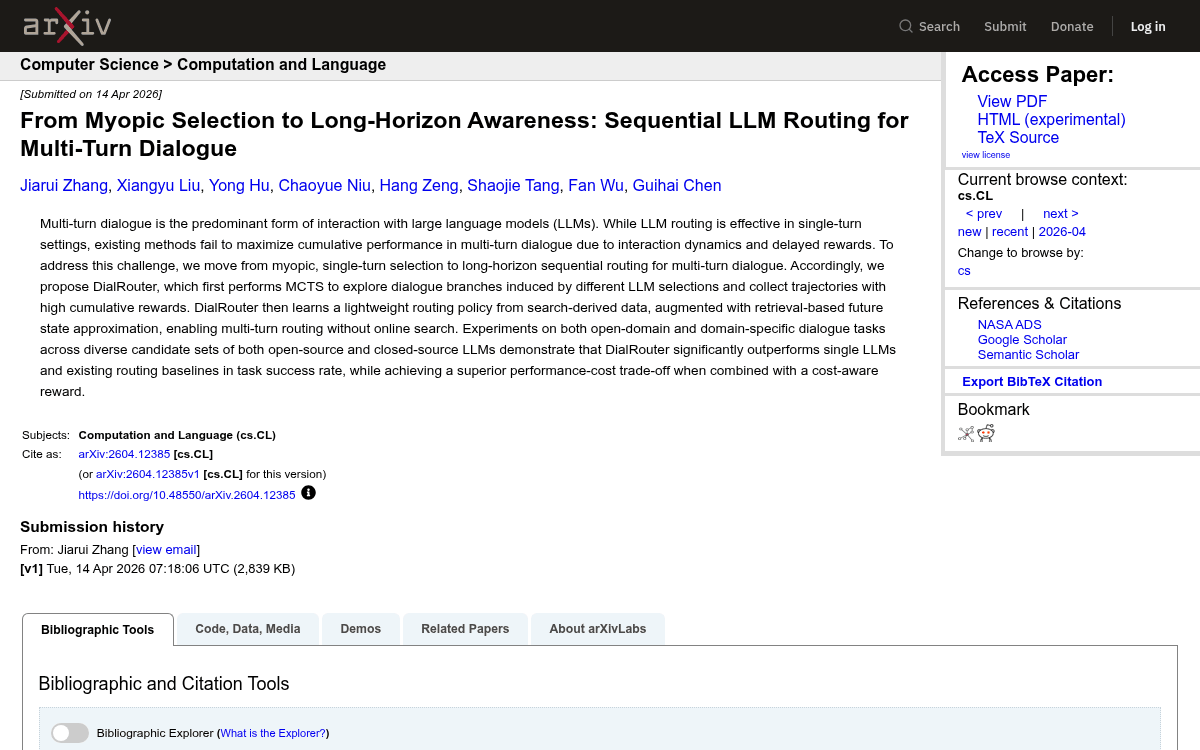
A new routing framework uses Monte Carlo Tree Search to pick the best LLM at each dialogue turn, boosting task success rates by 5 to 6 percent.
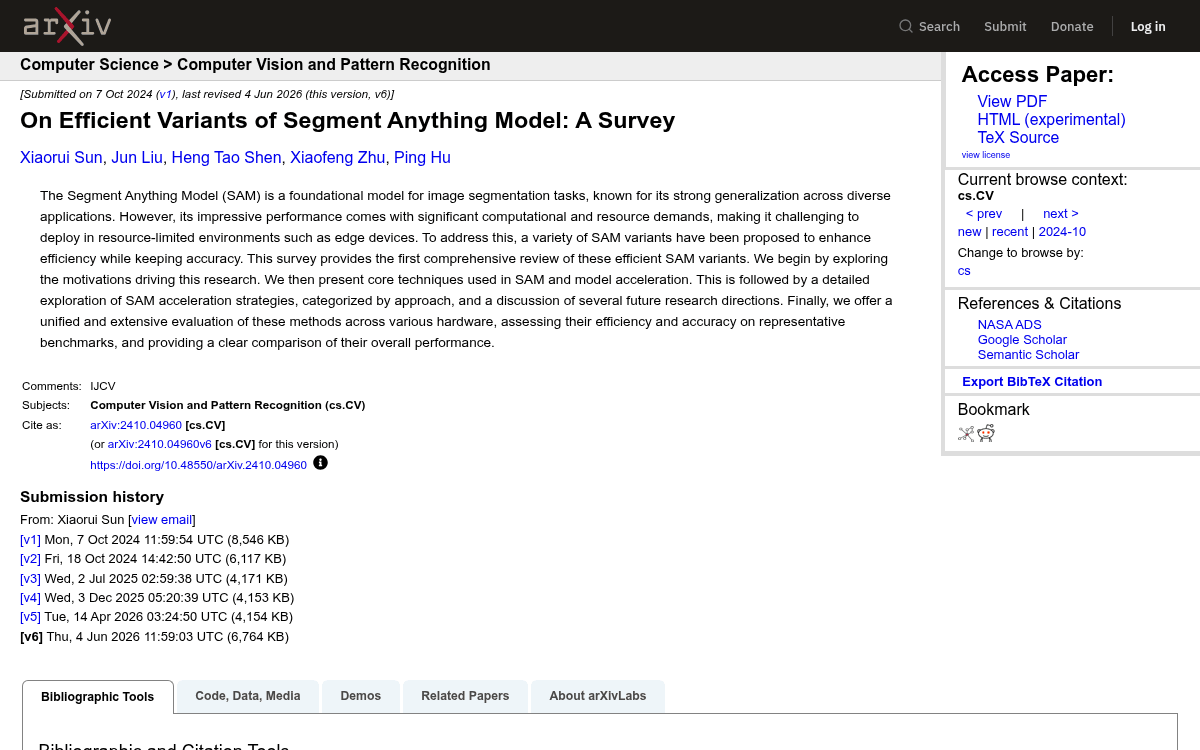
A comprehensive survey benchmarks dozens of lightweight SAM variants across CPUs, GPUs, and edge devices, revealing which tricks actually pay off.

A new framework treats generative model attribution as a causal inference problem, hitting 98% accuracy across GANs and diffusion models.

A new benchmark stress-tests nine vision language web agents across six attack types and finds every one falls to pop-up ads.