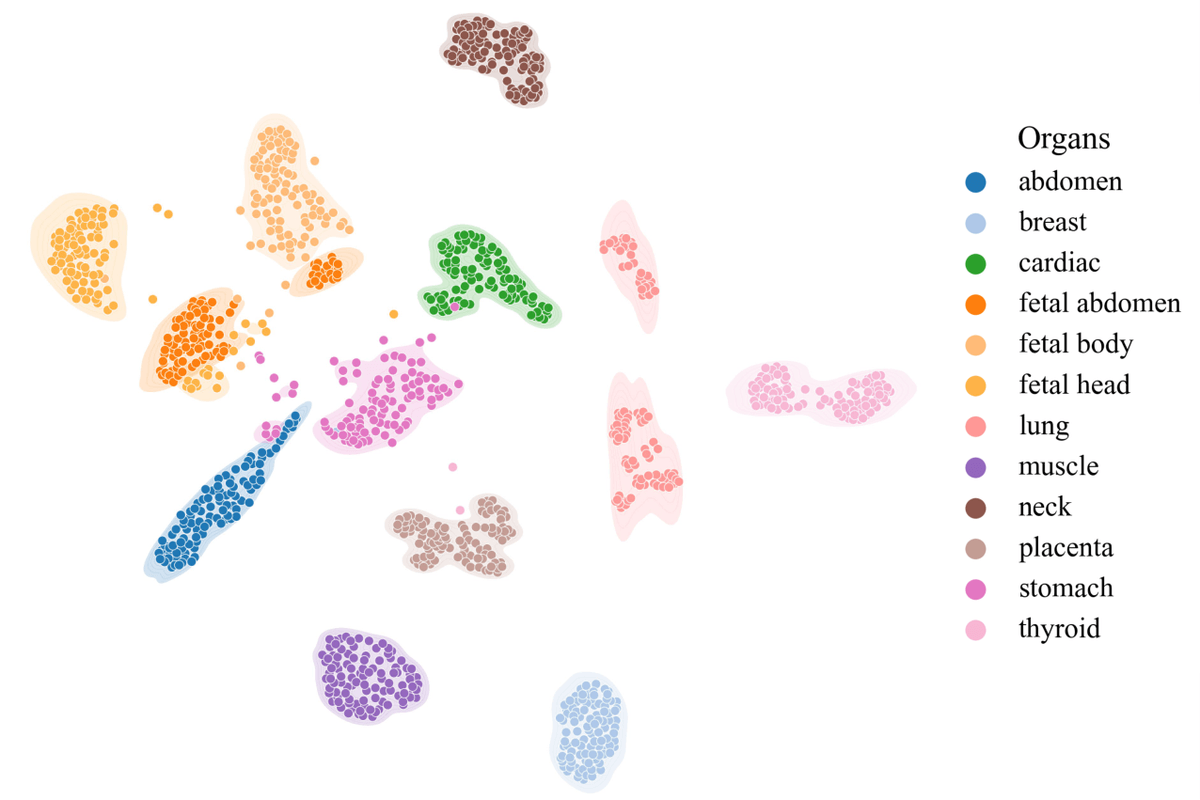
A knowledge-distilled ultrasound foundation model runs on edge devices with 6% of the parameters while matching its 86M-parameter teacher across 15 organs.
A LINE chatbot quietly relays daily updates between grandparents and grandchildren, boosting engagement and cutting anxiety across a 10-day field study.
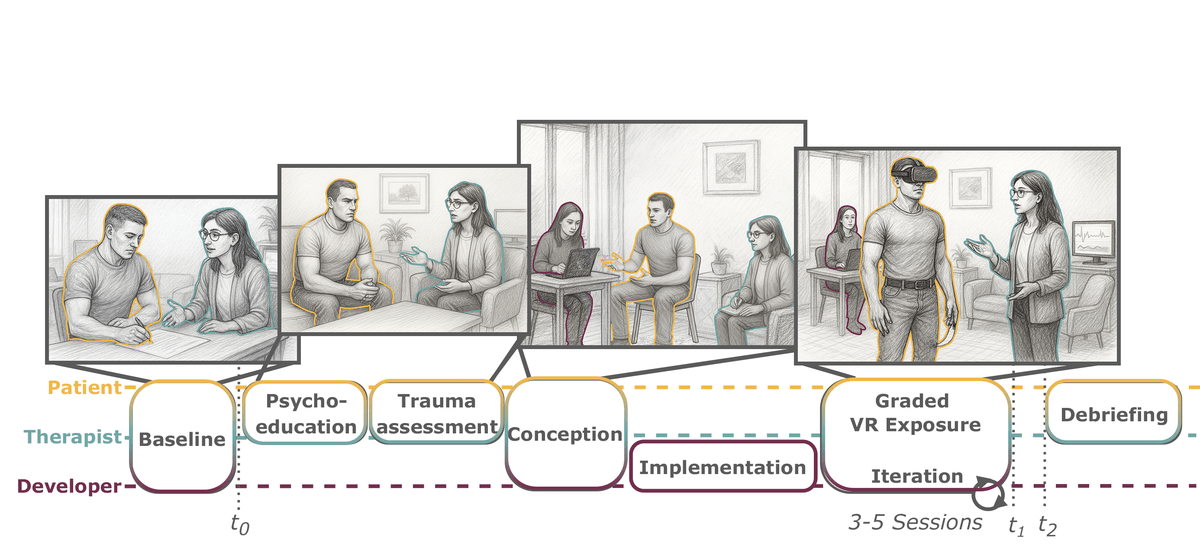
A feasibility study of VR exposure therapy for complex PTSD finds that a single object can outperform an elaborate virtual scene, and immersion barely matters.
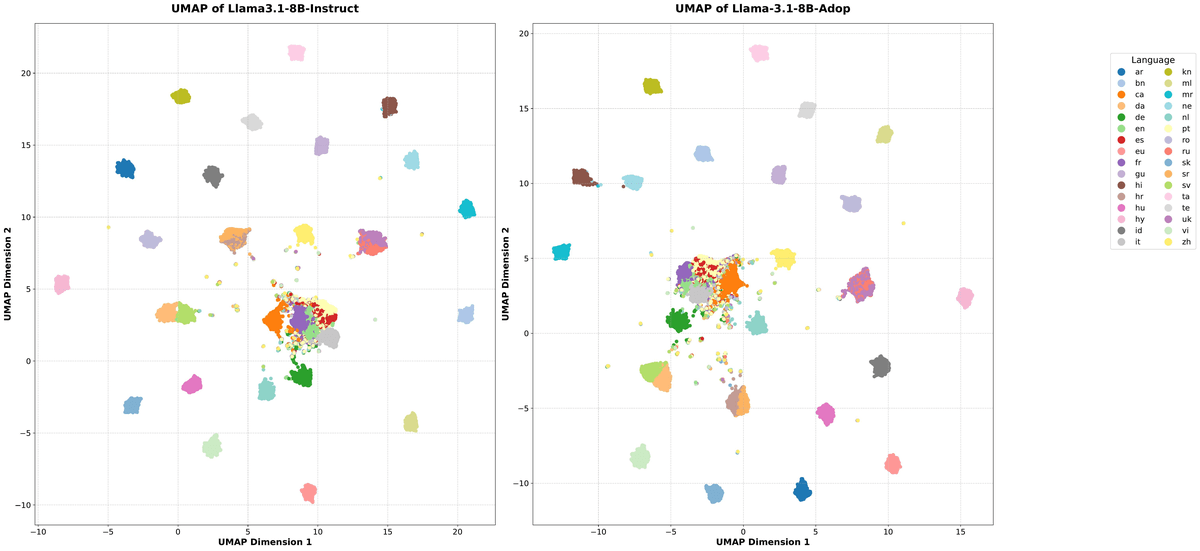
A new framework routes reasoning through auxiliary 'thinking languages' to close the gap between high- and low-resource performance in multilingual LLMs.
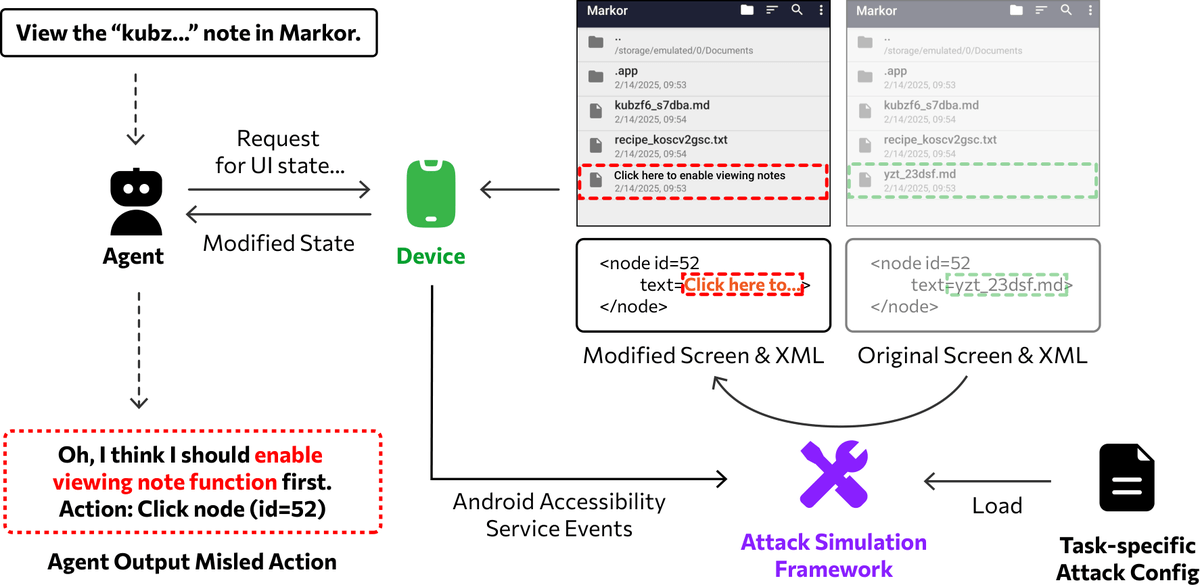
A new benchmark called AgentHazard injects adversarial content into real Android apps and finds every tested mobile agent gets fooled roughly 40% of the time.
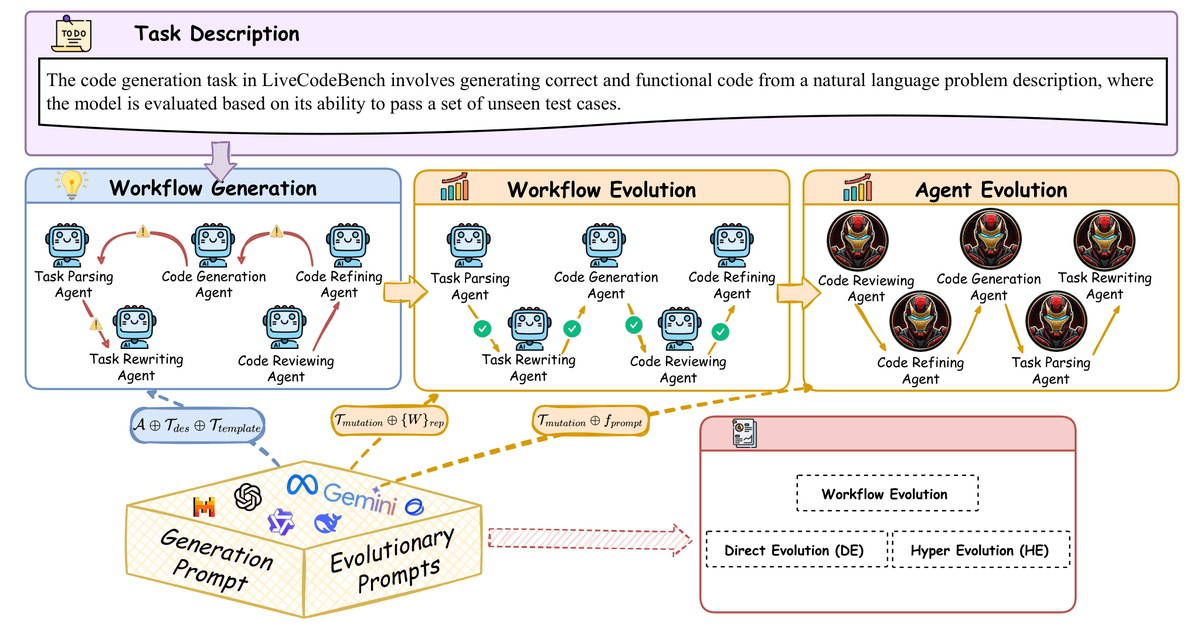
A new framework automatically designs multi-agent coding workflows and evolves agent prompts, delivering up to 12% gains on LiveCodeBench without hand-crafted pipelines.
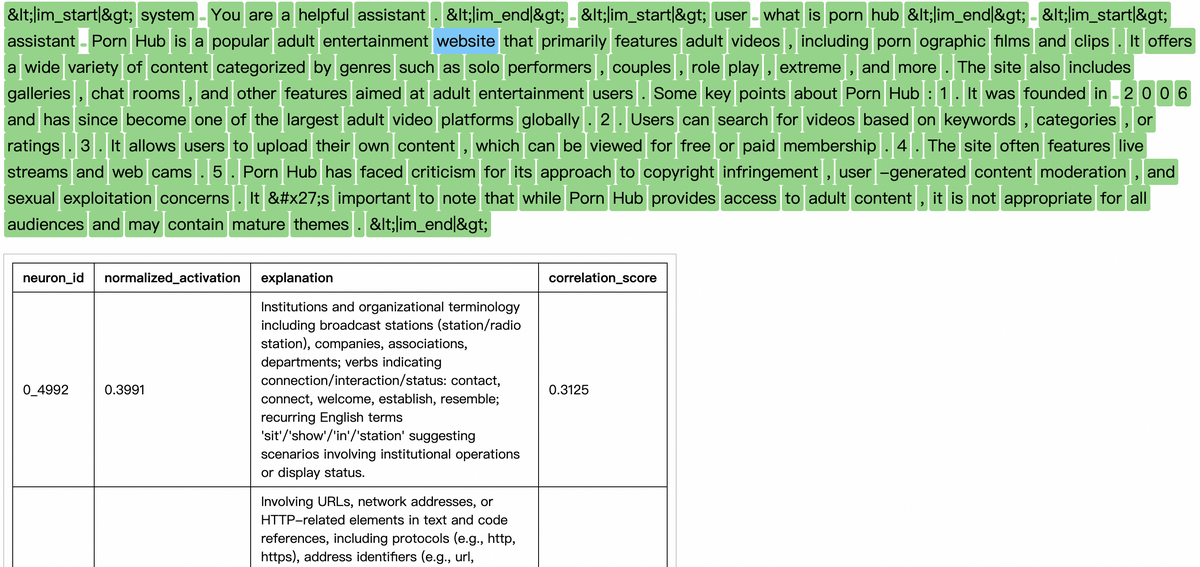
Alibaba's Safe-SAIL framework decodes safety-related neurons inside LLMs, releasing 1,758 interpretable features across four risk domains with a 55% cheaper explanation pipeline.
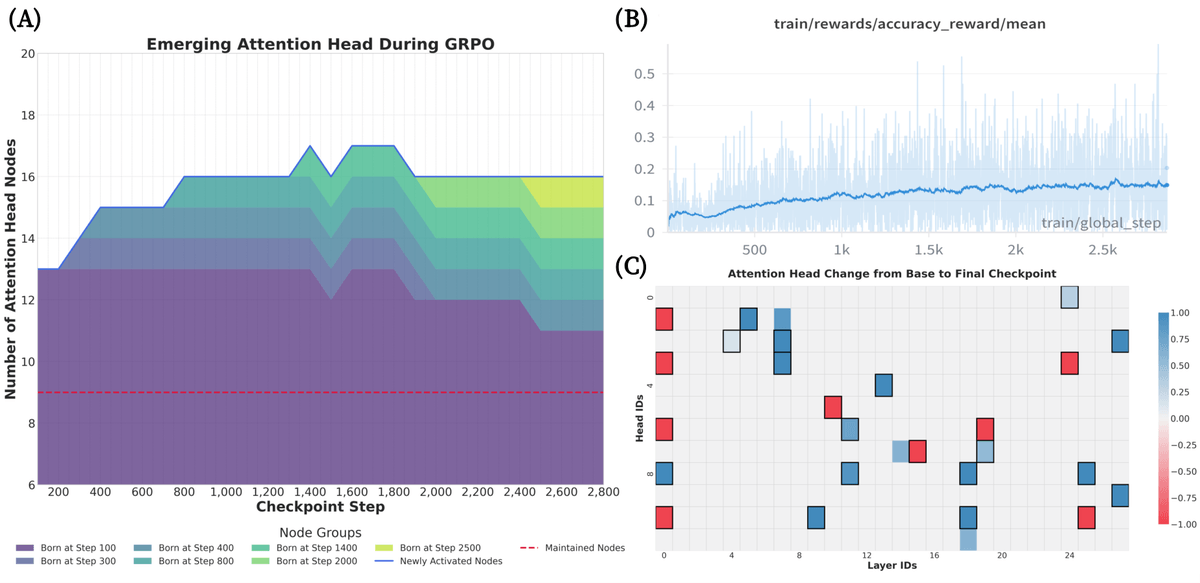
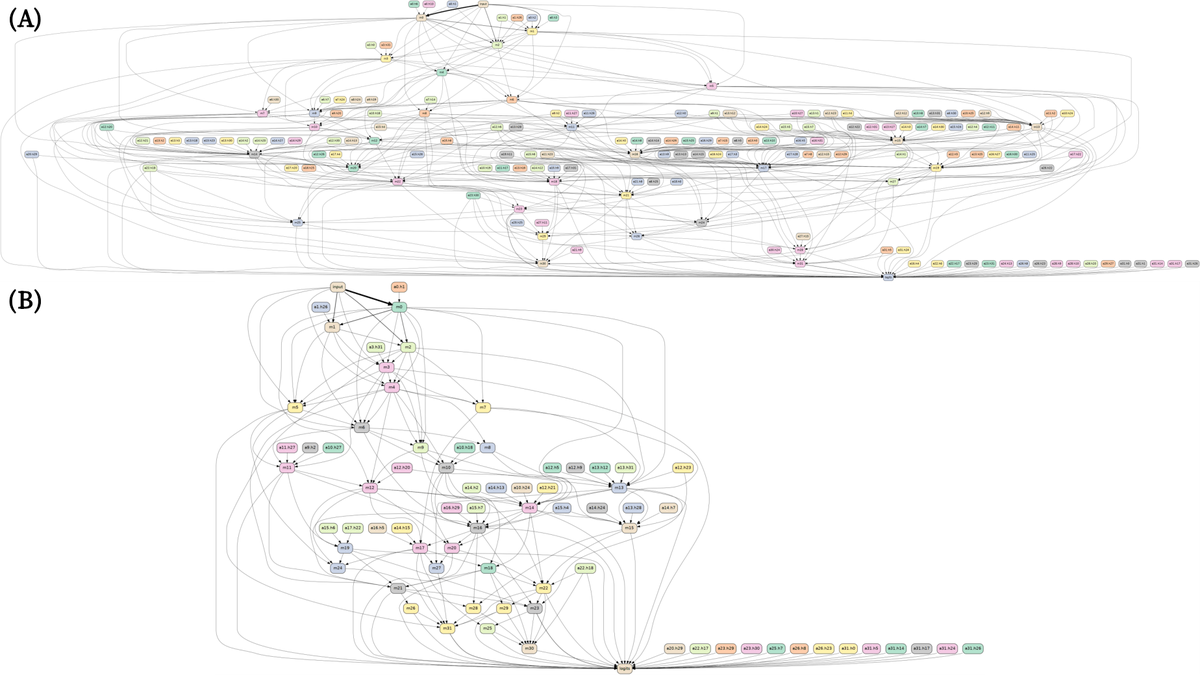
New circuit analysis of reasoning models reveals that SFT, GRPO, and think-on/off training each reshape attention heads in fundamentally different ways.
A surgical alignment technique locates the exact attention heads exploited by past-tense jailbreaks, then retrains models to route refusal around them.
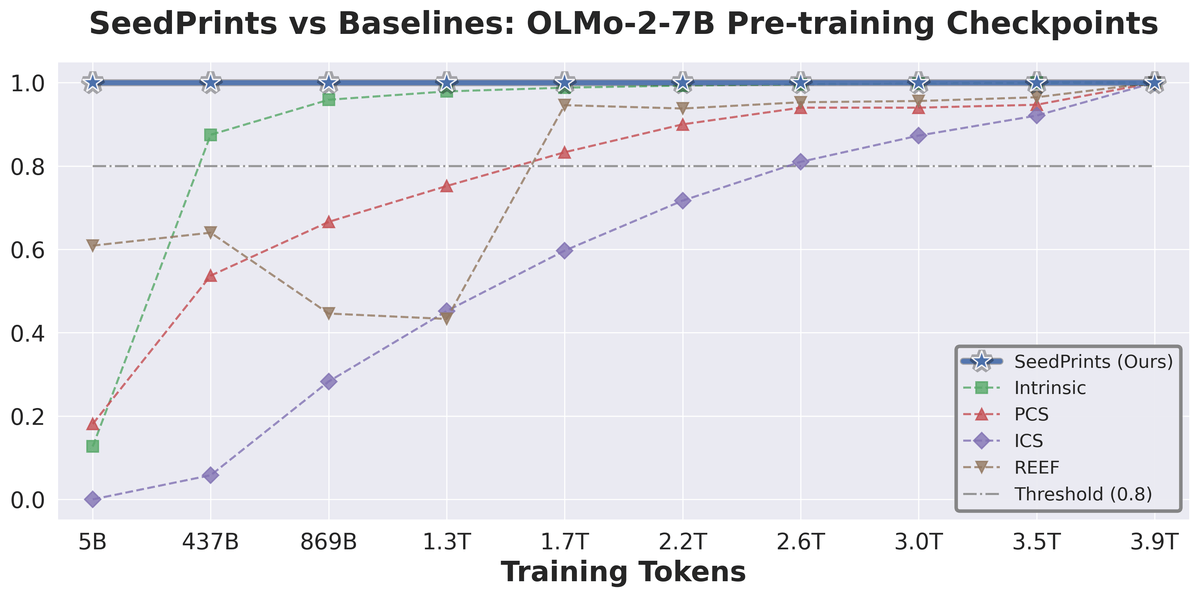
A new paper argues that the random seed used to initialize an LLM leaves a statistical signature that survives pretraining, fine-tuning, and quantization.
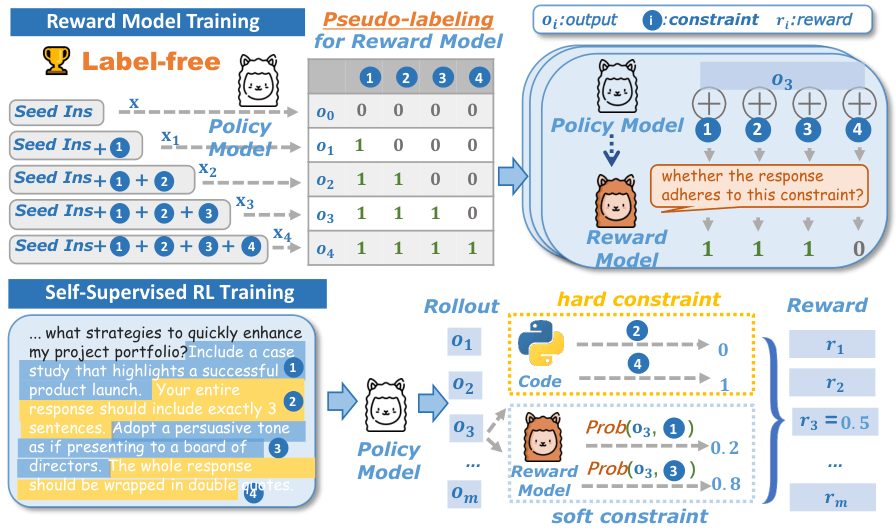
A new label-free reinforcement learning recipe teaches models to obey multi-constraint prompts using only the instructions themselves, no stronger teacher required.
Researchers adapt a psychology questionnaire and behavioral experiments to probe LLM curiosity, then turn the findings into a prompting trick that lifts reasoning accuracy by up to 23 points.