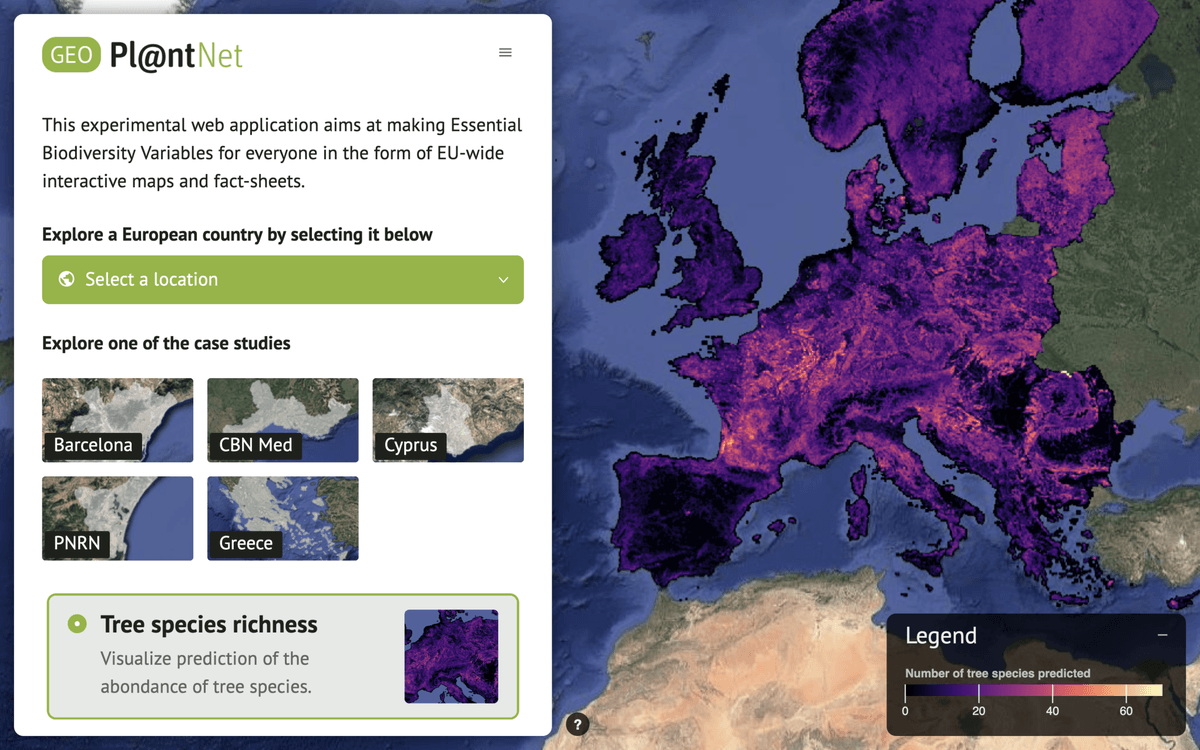
A research team unveils an interactive Europe-wide biodiversity mapping platform powered by CNN ensembles and a species-focused BERT model at 50-meter resolution.
A training-free method probes multimodal models with paraphrased prompts to catch and correct hallucinations driven by language priors, without touching the image or the weights.
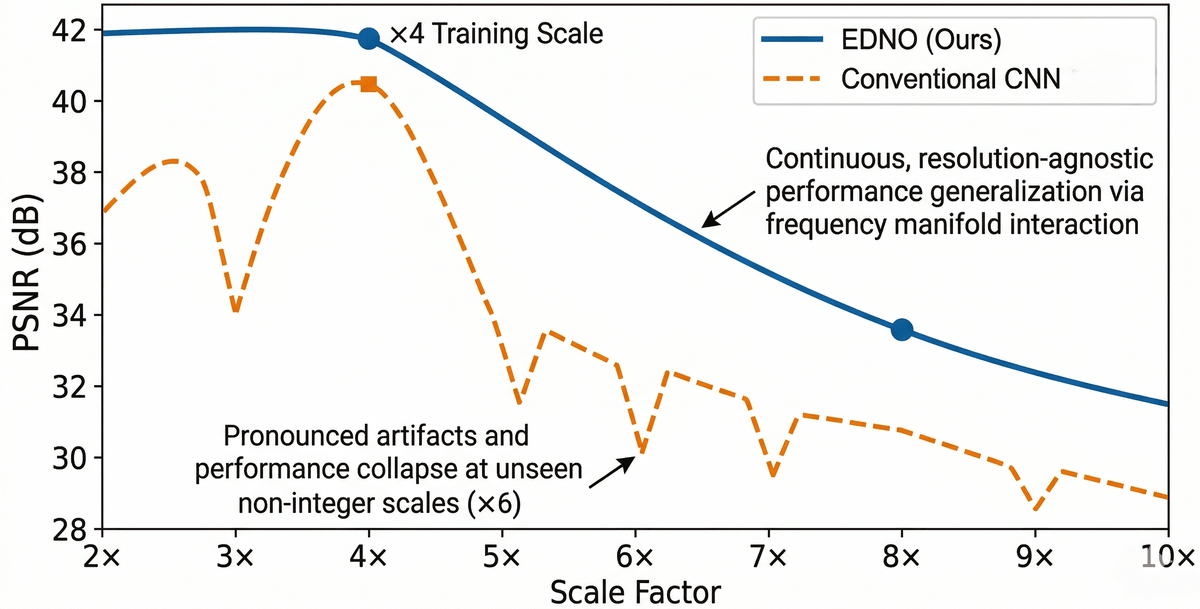
A frequency-domain neural operator uses Euler's formula to split satellite image fusion into phase and magnitude, hitting top accuracy with 264K parameters.
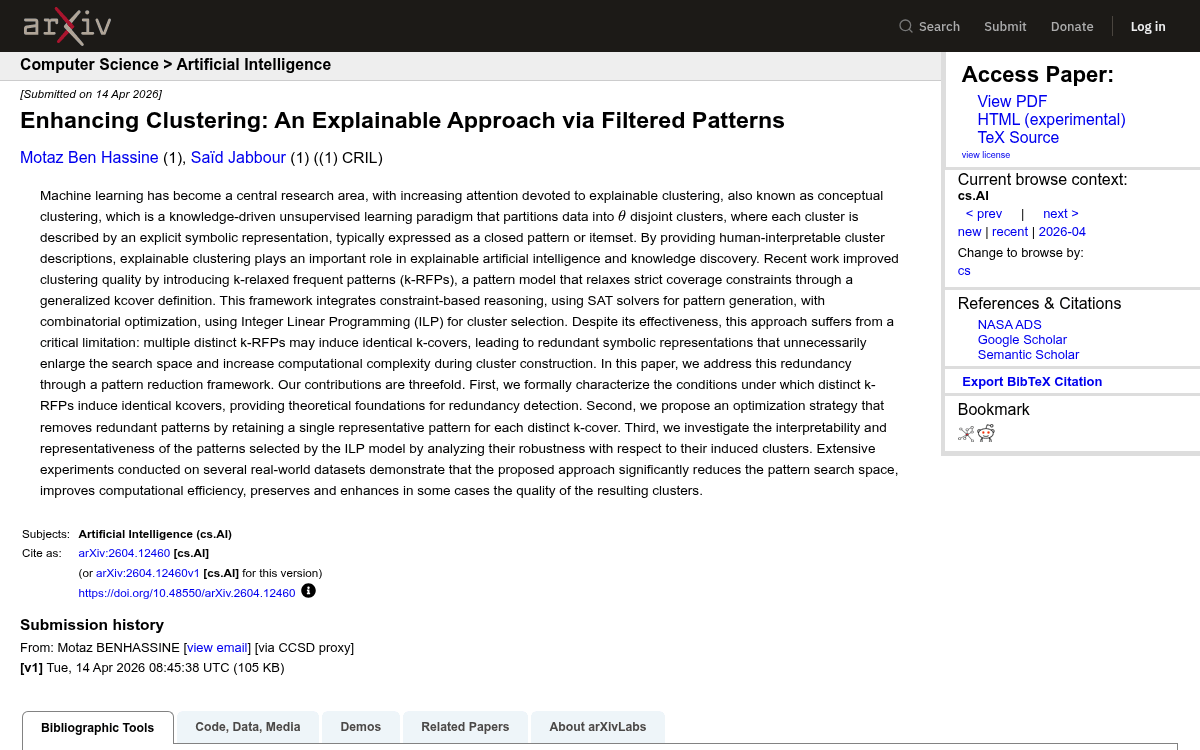
A new filtering strategy for explainable clustering cuts redundant symbolic patterns, slashing ILP solve times by up to 5x while preserving or improving cluster quality.
A new framework automatically picks the best counting line in traffic video, hitting near-perfect accuracy while running up to four times faster than full-frame processing.
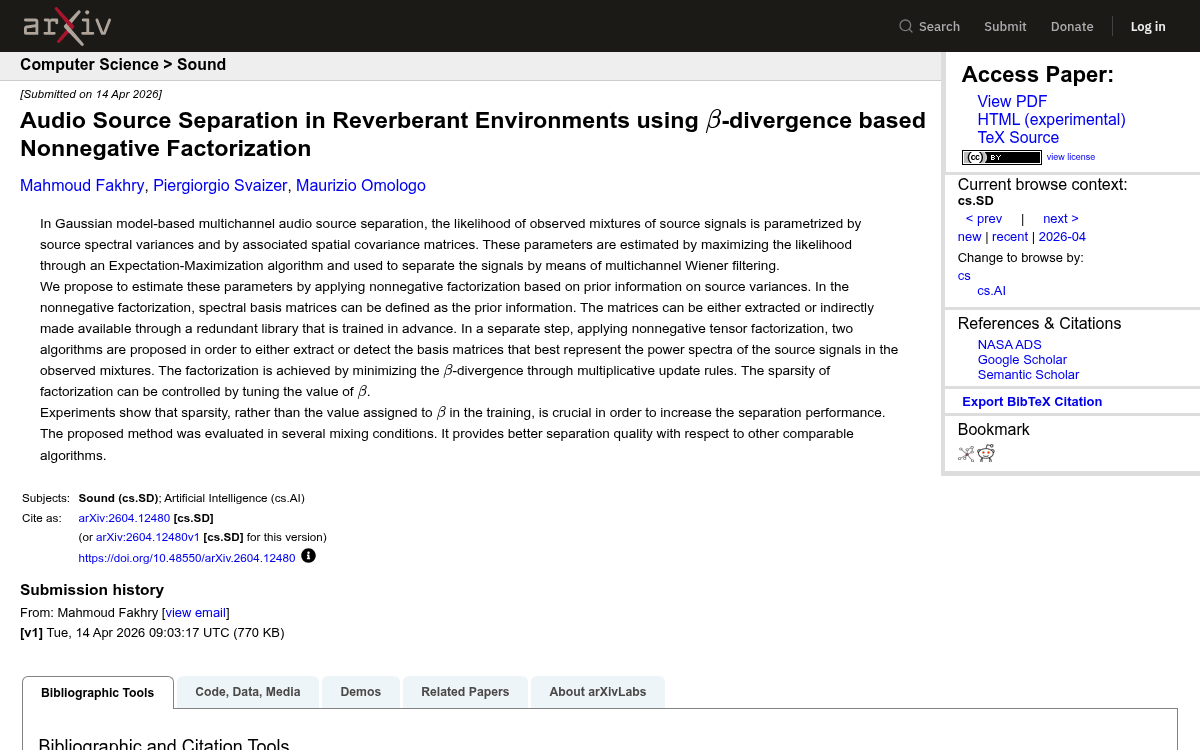
A signal processing approach uses tunable beta-divergence factorization to pull out overlapping voices from reverberant multichannel recordings, beating two blind separation baselines.
Researchers show that soft robots trained with knowledge from peers learn faster than isolated learners, and learning from multiple teachers yields more consistent gains.
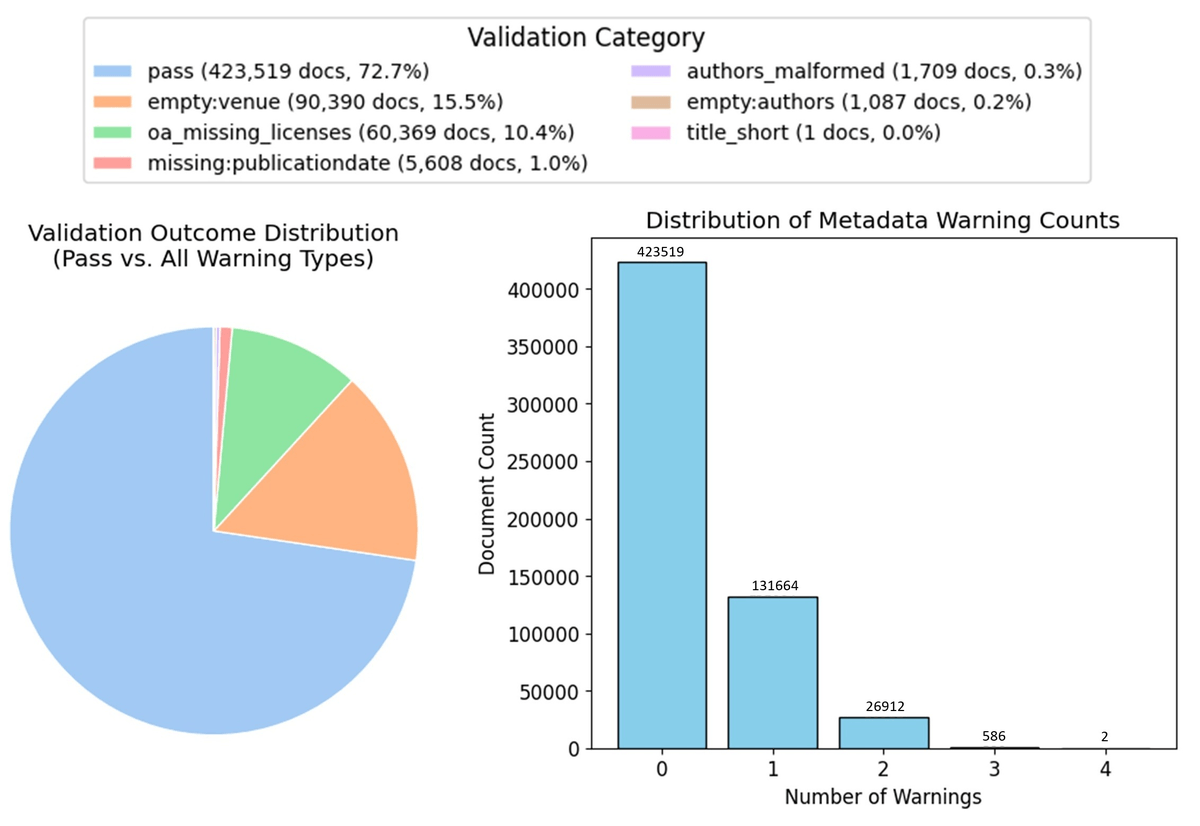
A German research team built a reproducible pipeline that turns S2ORC into 582,683 chemistry papers with paragraph embeddings and audited open-access licenses.
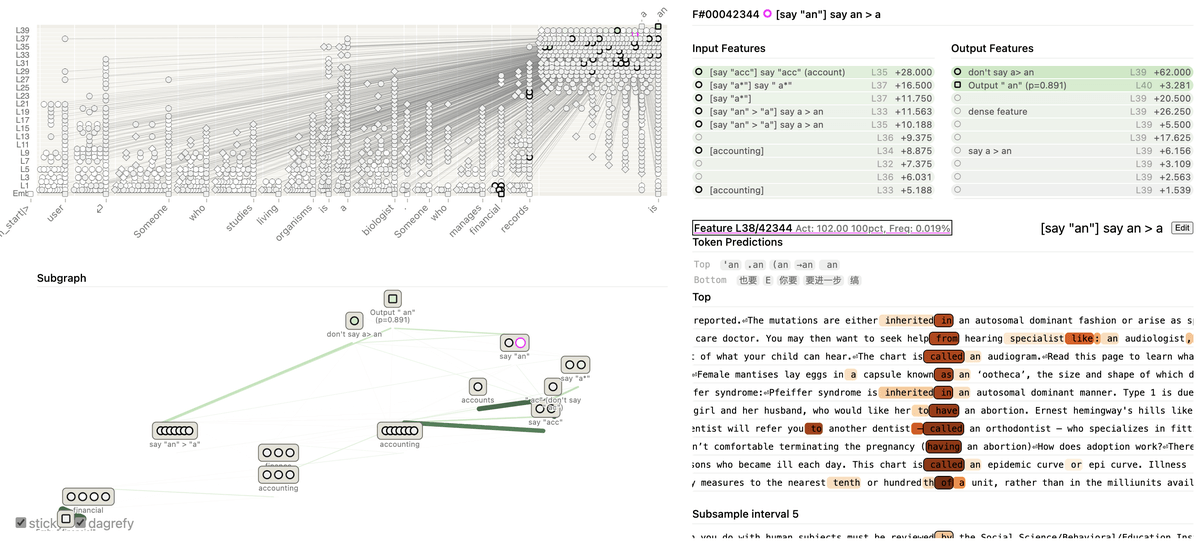
New mechanistic interpretability work on Qwen-3 shows LLMs form internal representations of future words, and this planning ability scales with model size.
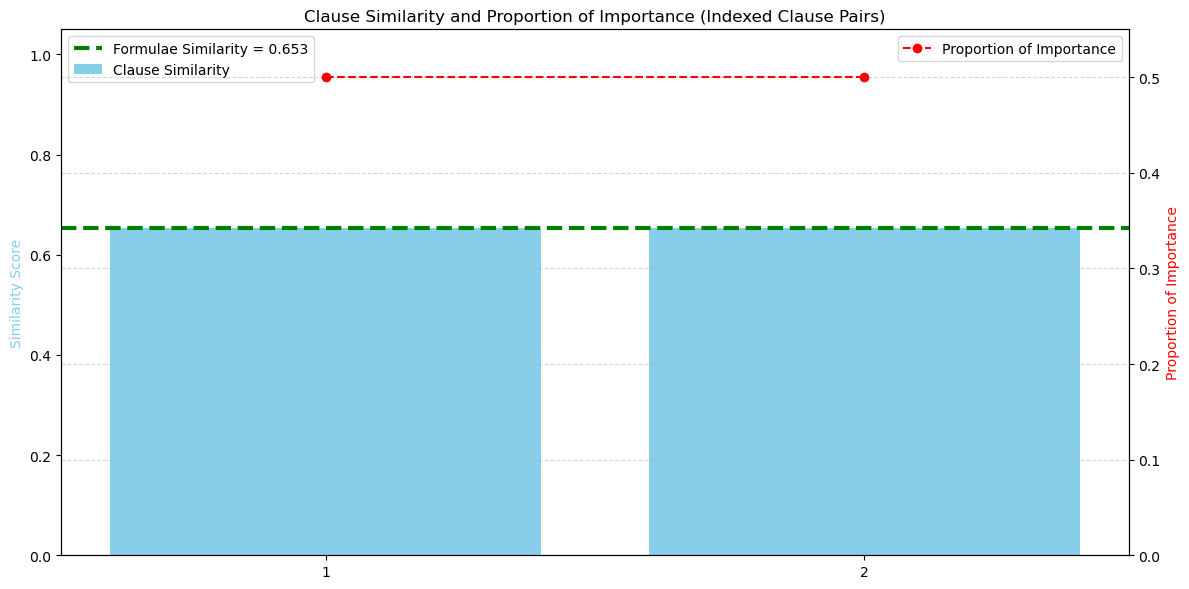
A four-level framework compares first-order logic arguments using SBERT embeddings, context weights, and symbolic structure, with axiomatic guarantees baked in.
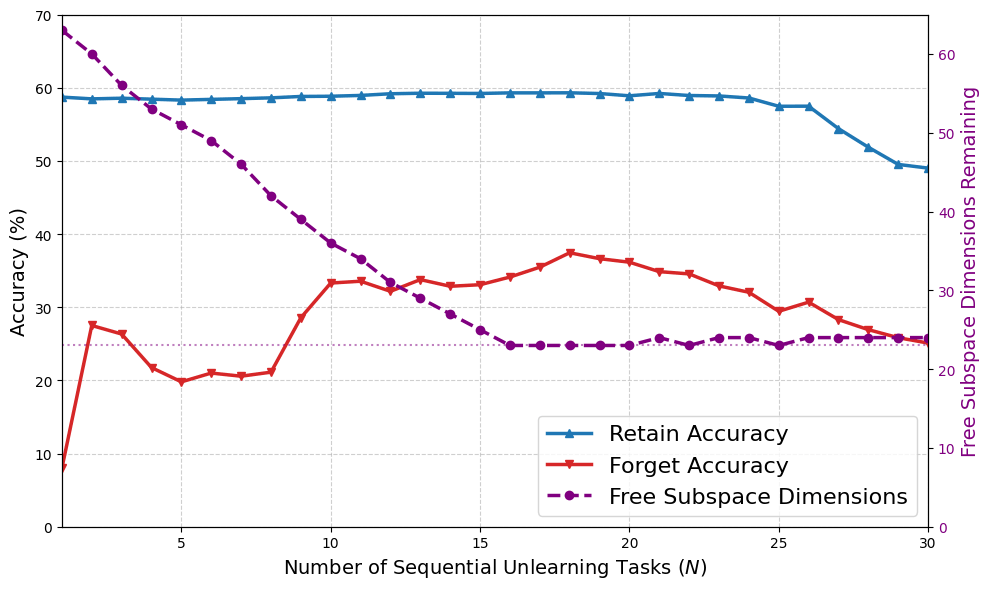
A new SVD-guided training constraint keeps LoRA adapters from colliding across dozens of unlearning requests, avoiding costly router overhead at inference.
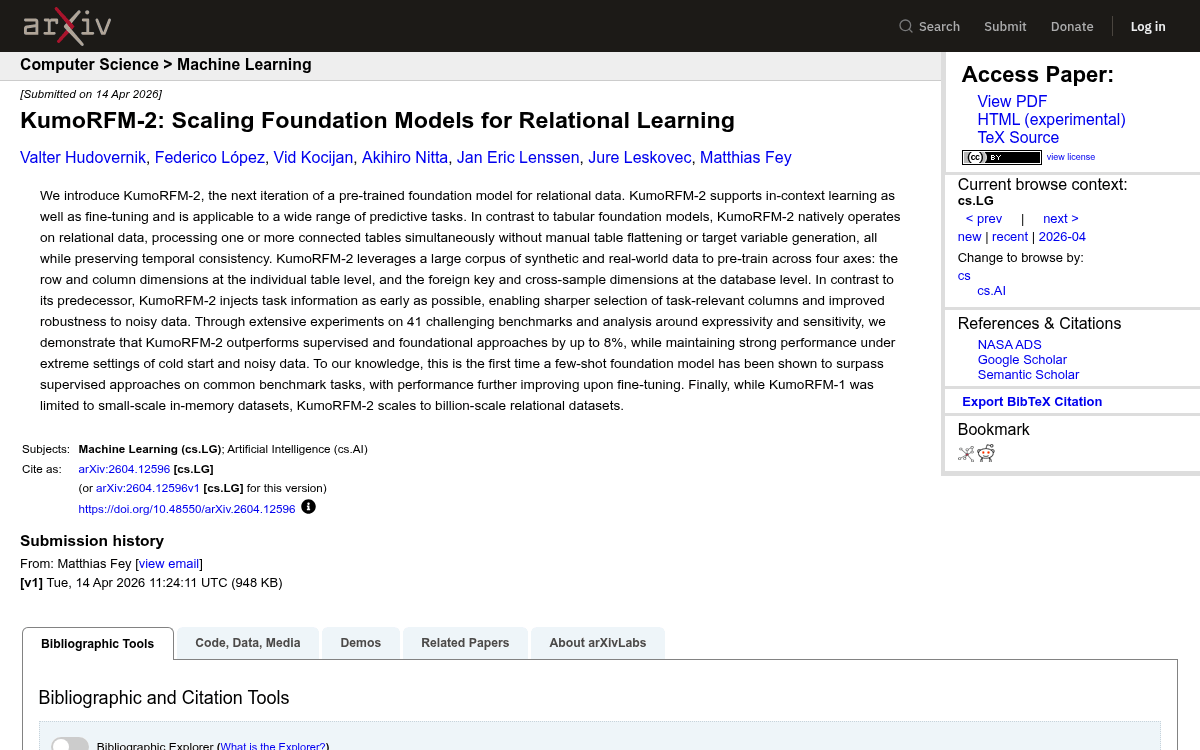
A pre-trained foundation model reads directly from multi-table SQL databases and beats supervised graph models on 41 predictive tasks without task-specific training.