

Pro
UNC and Microsoft's WebXSkill Pushes Web Agents to 86% on Real Sites
A Microsoft and UNC team gives web agents reusable skills that are both executable and inspectable, boosting task success by up to 12.9 points.
20 stories
A Microsoft and UNC team gives web agents reusable skills that are both executable and inspectable, boosting task success by up to 12.9 points.
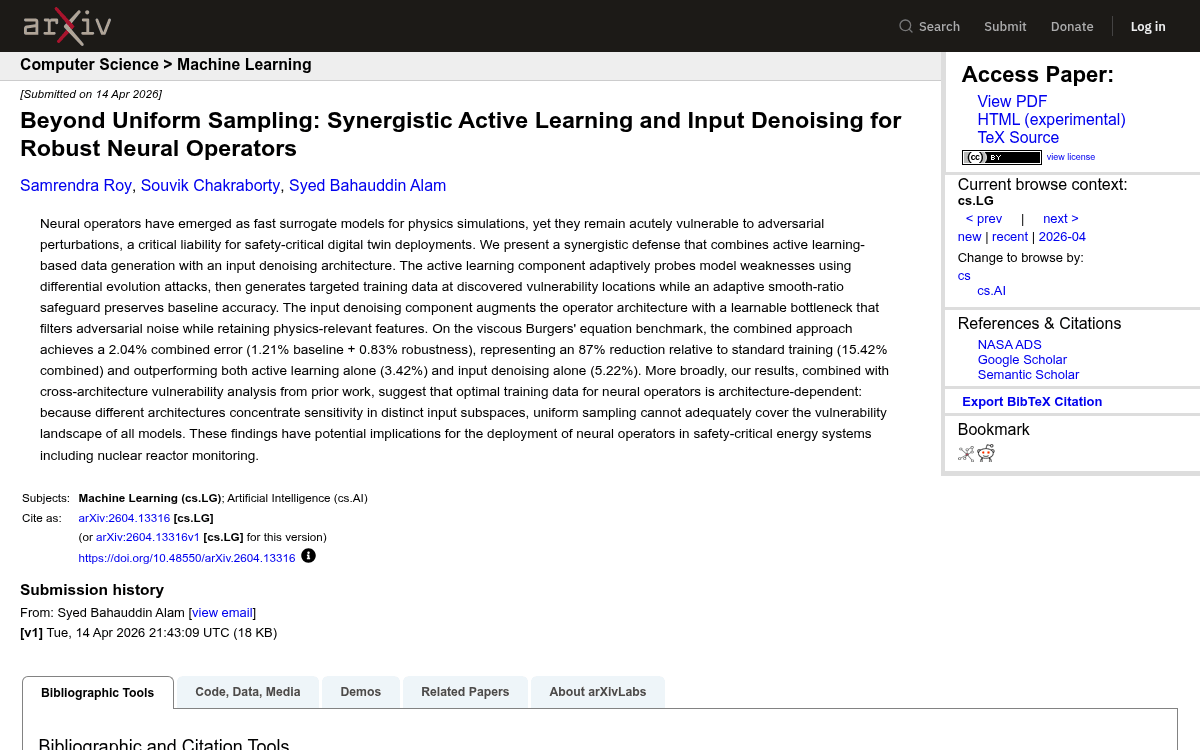
A hybrid defense combining active learning with a learnable input bottleneck cuts adversarial error on Burgers equation surrogates by 87 percent.
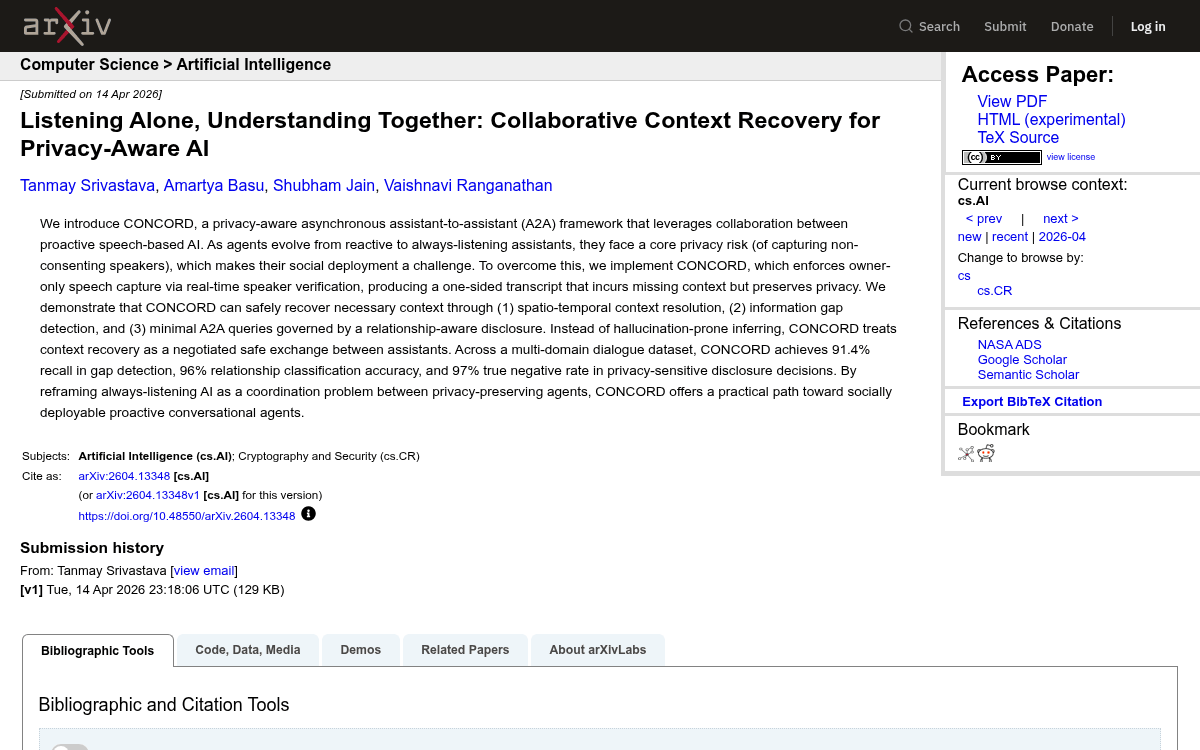
CONCORD reframes always-listening AI as a coordination problem between two agents that each hear only their owner, then negotiate the missing context safely.
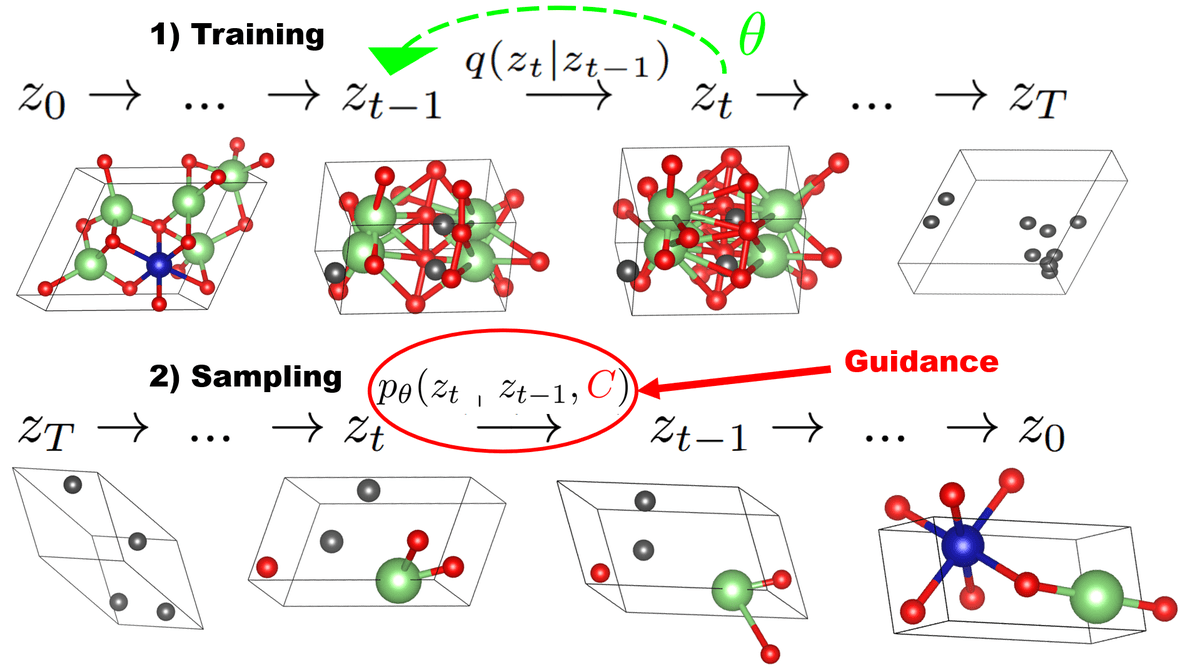
A new framework bolts differentiable constraint guidance onto pre-trained crystal diffusion models, letting chemists steer generation without any retraining.
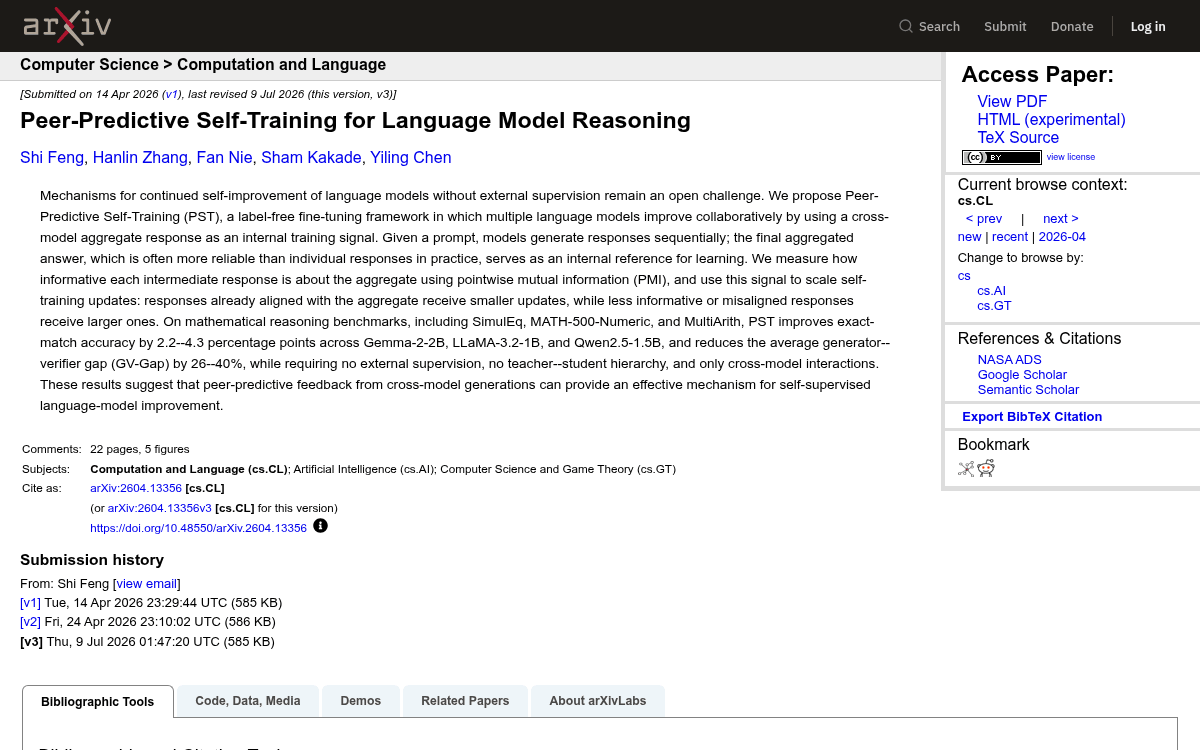
A new label-free fine-tuning method uses cross-model agreement as its own training signal, improving math reasoning by up to 4.3 points.
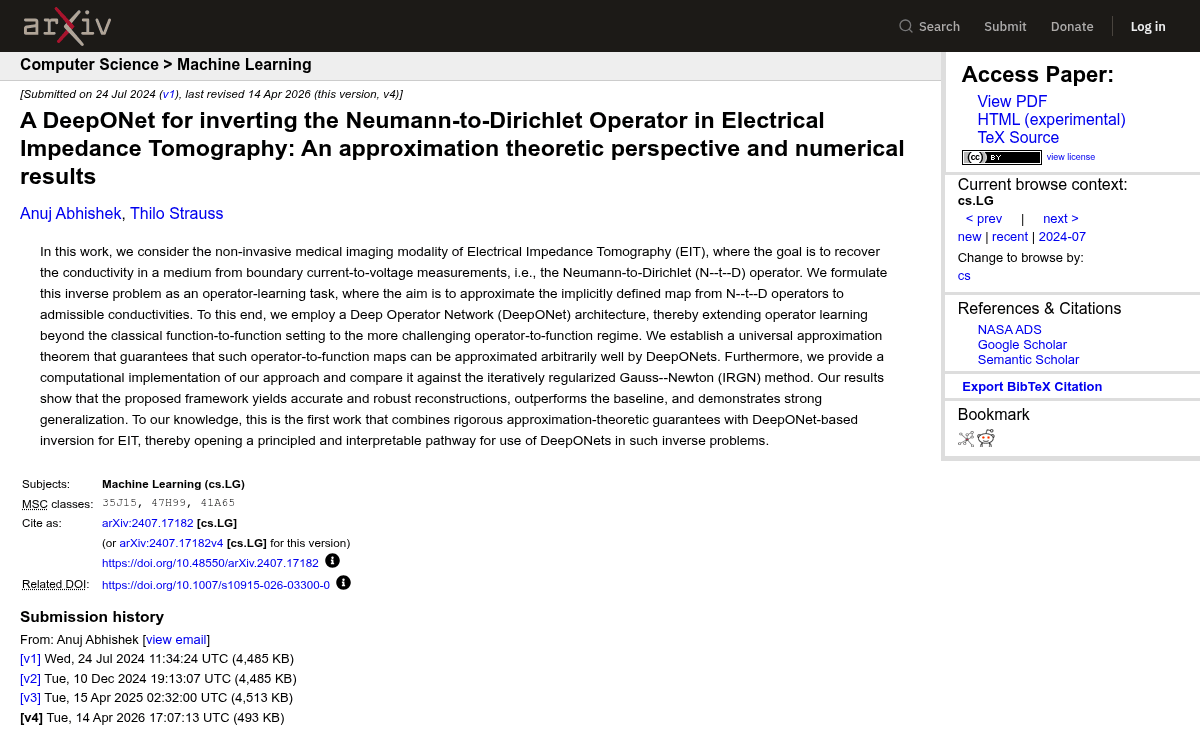
Researchers prove that Deep Operator Networks can invert the Neumann-to-Dirichlet map in Electrical Impedance Tomography, with universal approximation guarantees for operator-to-function learning.
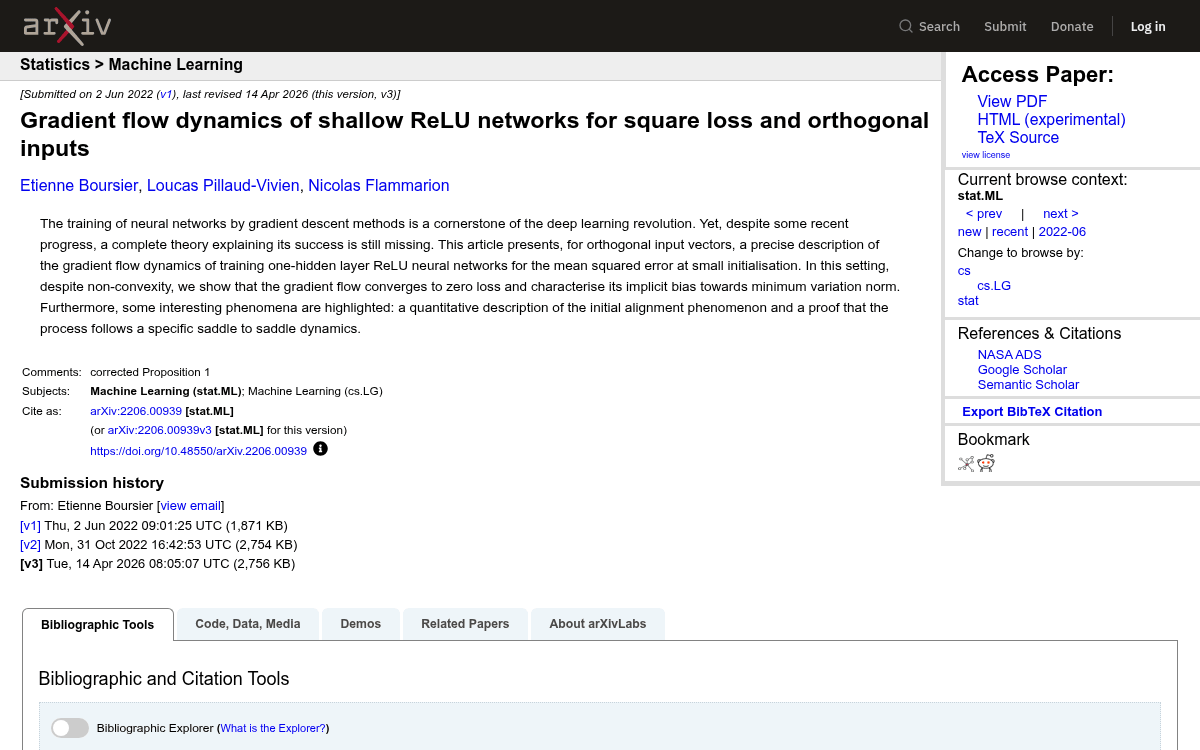
EPFL researchers deliver a rigorous proof that small-initialization gradient flow on shallow ReLU nets converges to a minimum-norm interpolator through saddle-to-saddle dynamics.
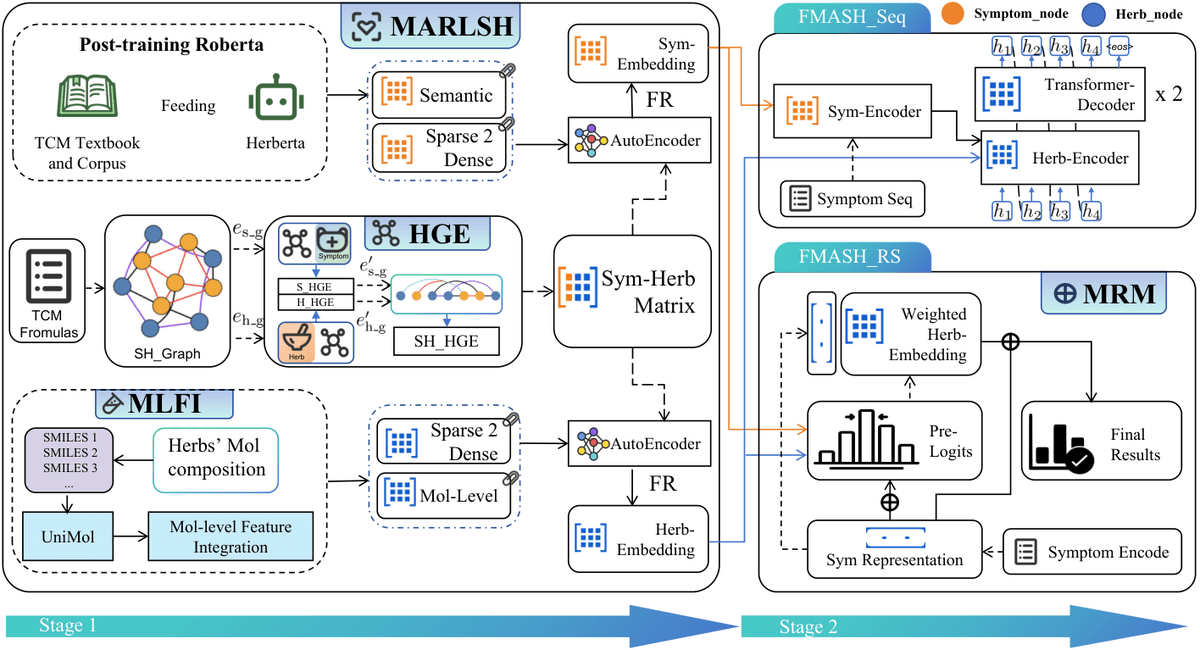
A new framework fuses molecular structure with symptom-herb graphs to recommend Traditional Chinese Medicine formulas, outperforming prior state-of-the-art models.
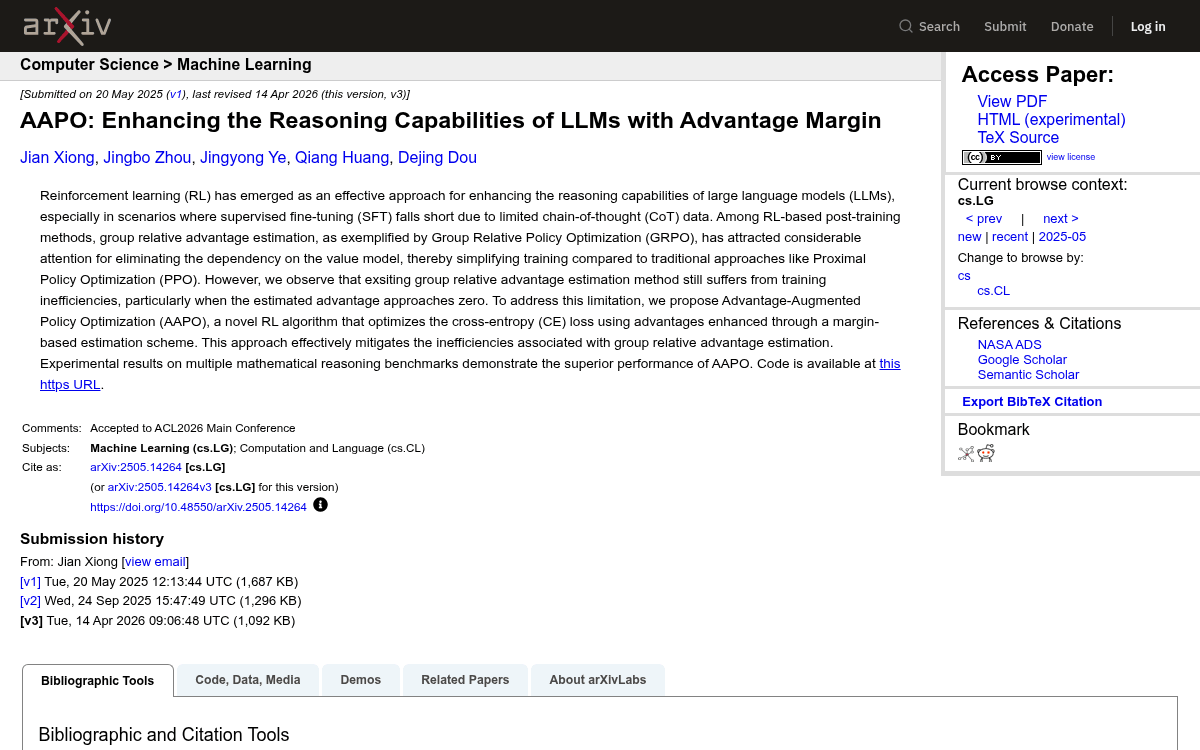
A new reinforcement learning method fixes the zero-gradient problem plaguing GRPO by adding a reward margin against a frozen reference model.
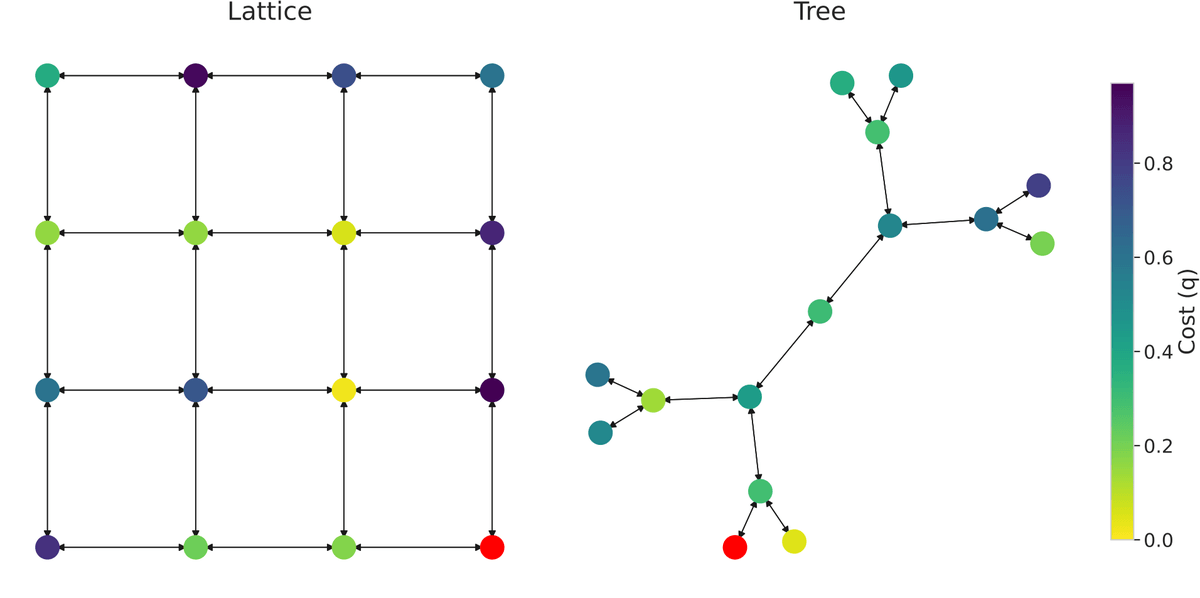
A new input mapping built on free probability theory injects hierarchical bias into in-context RL agents without touching the model architecture.
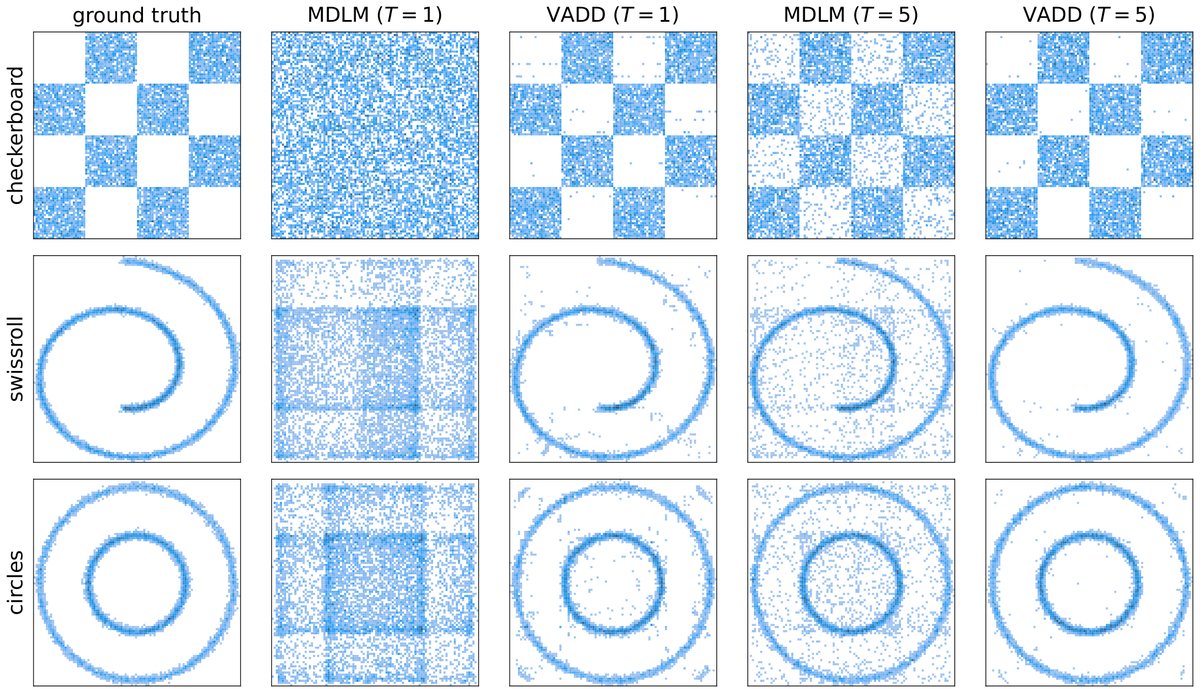
A latent variable trick lets masked diffusion models model token correlations, cutting FID by half at 10 sampling steps.
A new parameter-efficient fine-tuning method uses tensor networks to deliver full-rank weight updates while training as few as 48 parameters per adapter.
A team from Penn and Johns Hopkins built the first provably replicable reinforcement learning algorithms that work beyond toy tabular settings.
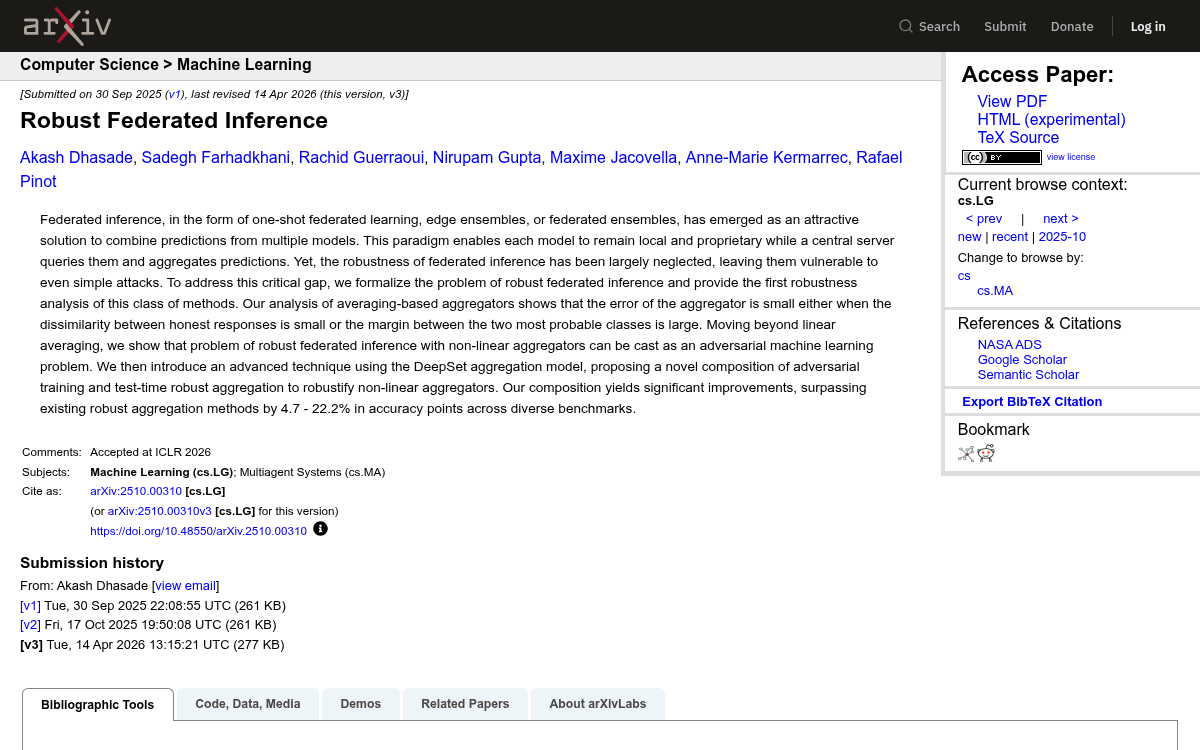
EPFL researchers show federated inference is dangerously exposed to poisoned predictions, and their DeepSet-TM defense beats prior methods by up to 22 accuracy points.
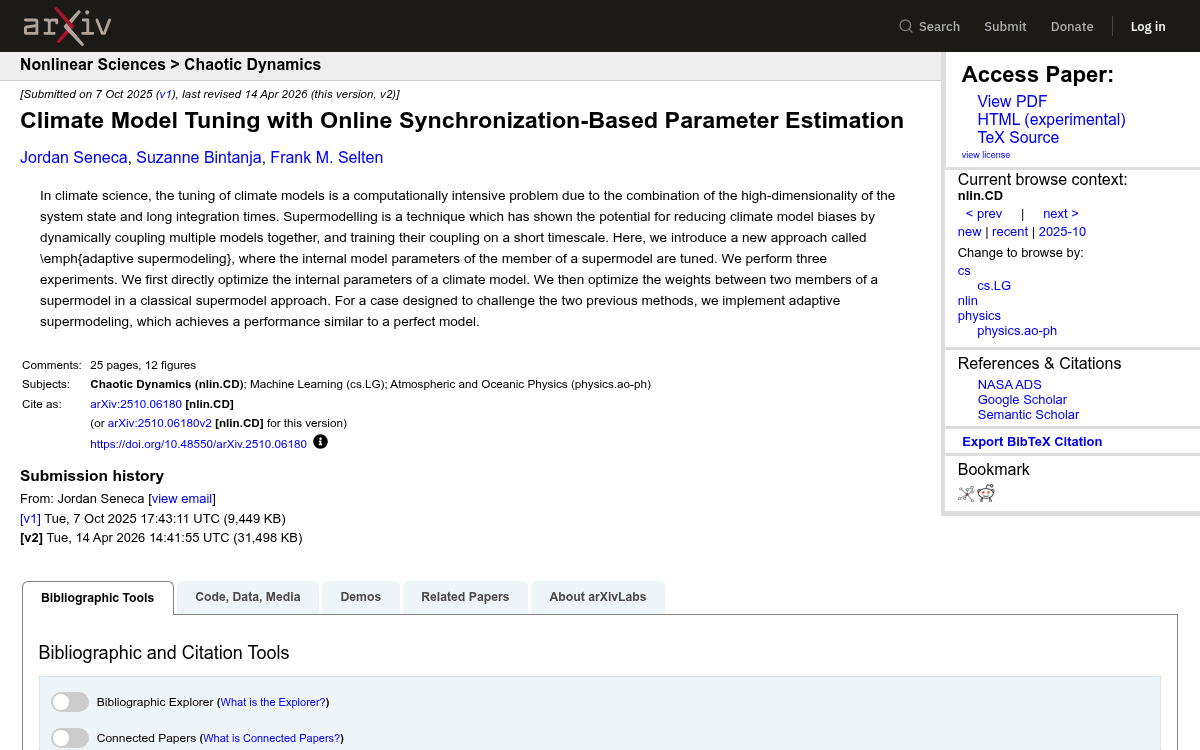
A new technique called adaptive supermodeling tunes climate model parameters online using synchronization, closing the gap to a perfect model.
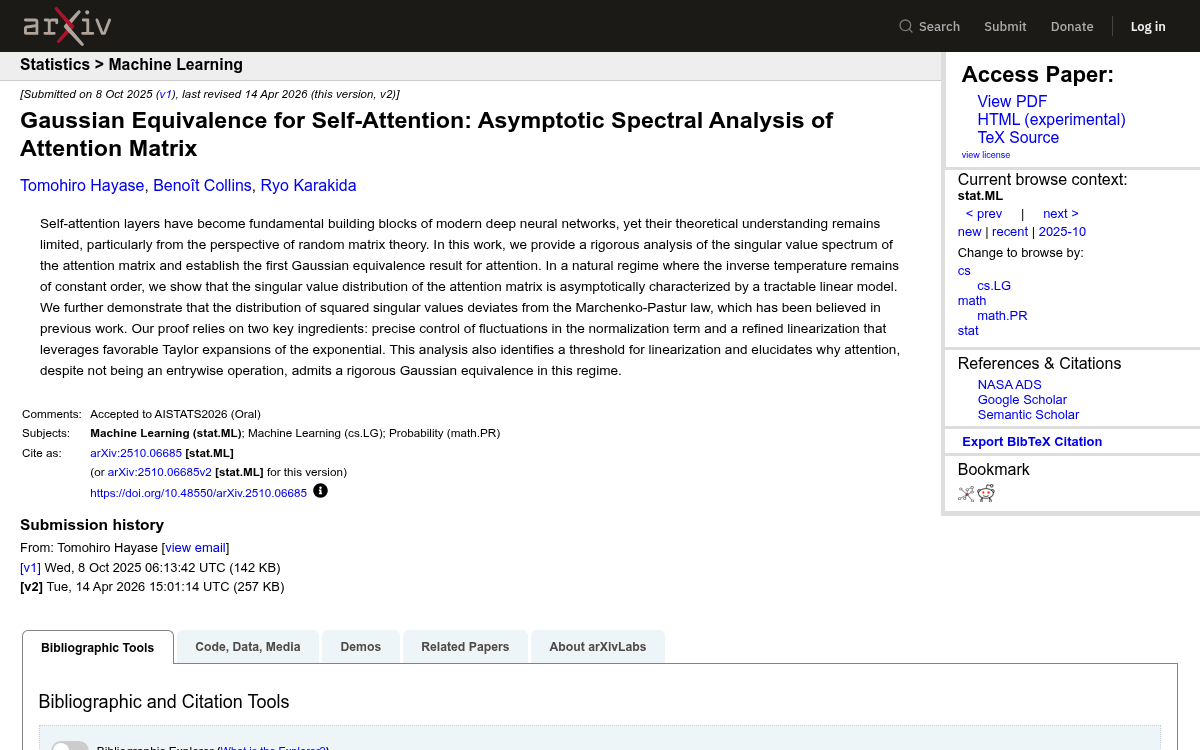
A new random matrix theory result pins down the exact spectrum of softmax attention at initialization, overturning a previously assumed Marchenko-Pastur law.
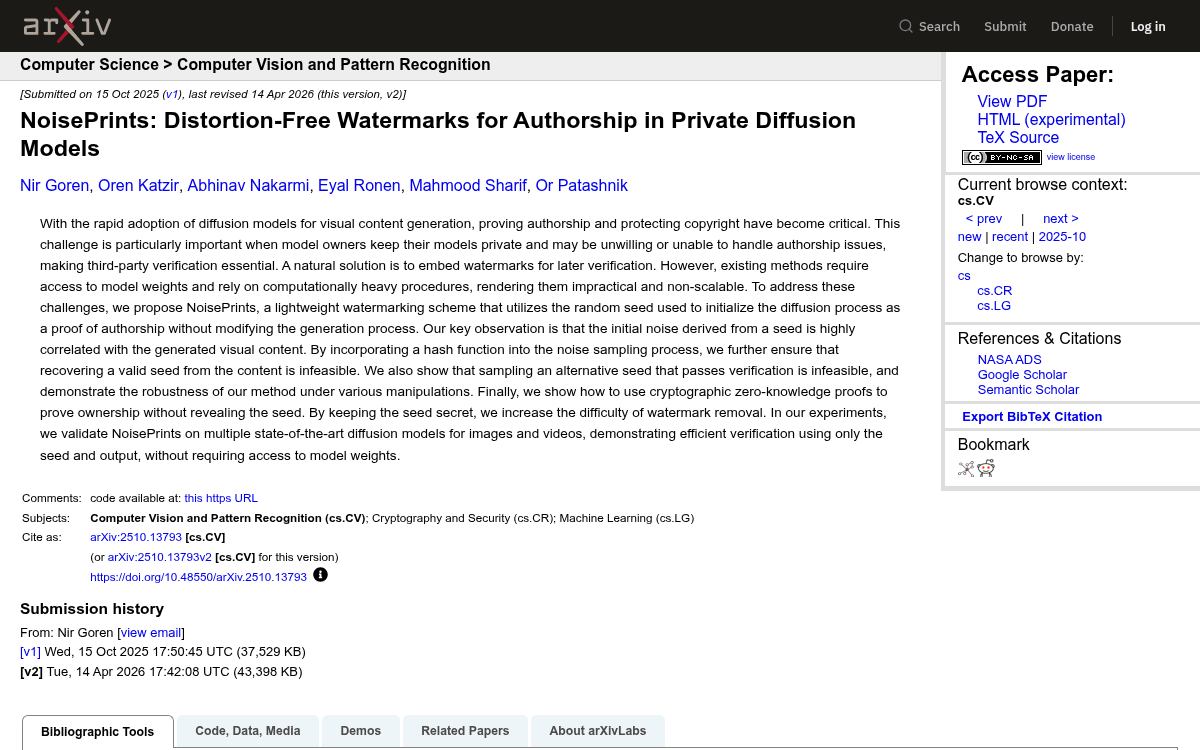
A new scheme uses the random seed behind a diffusion model's initial noise as a cryptographic proof of authorship, no model weights required.
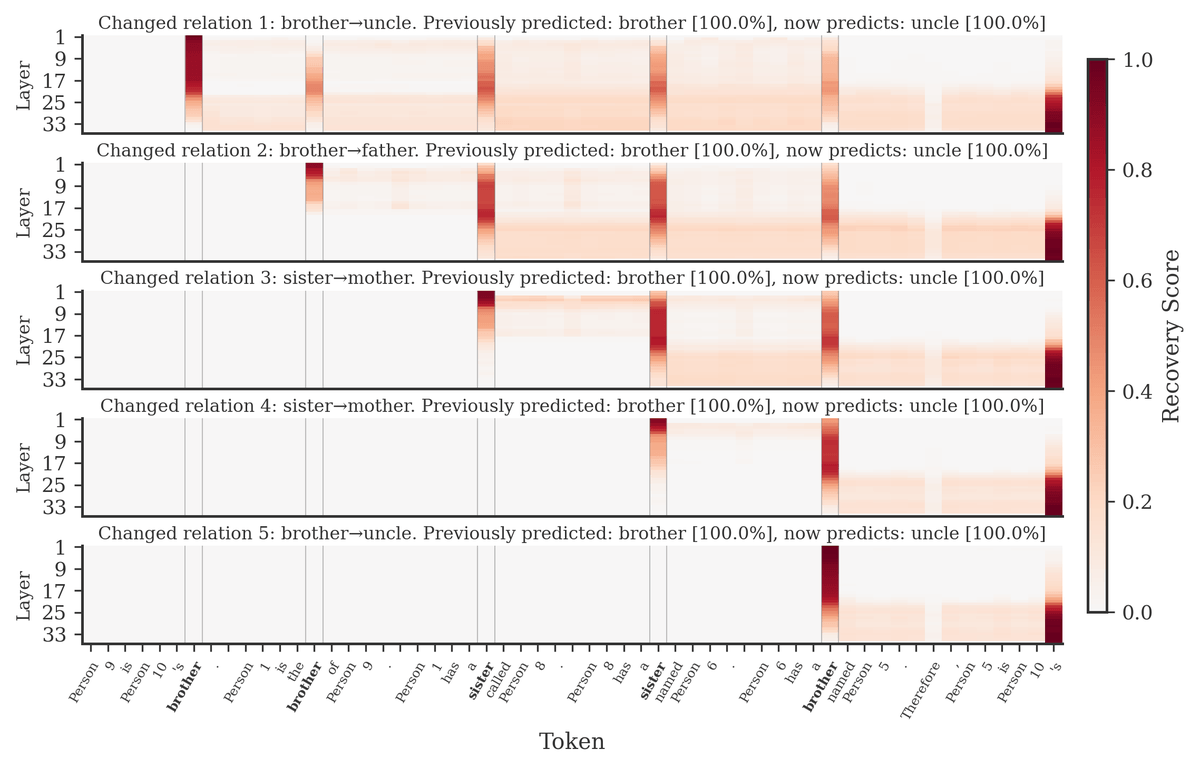
A new interpretability study probes whether transformers dial up more layers for harder multi-hop reasoning, finding the effect is weak until finetuning kicks in.
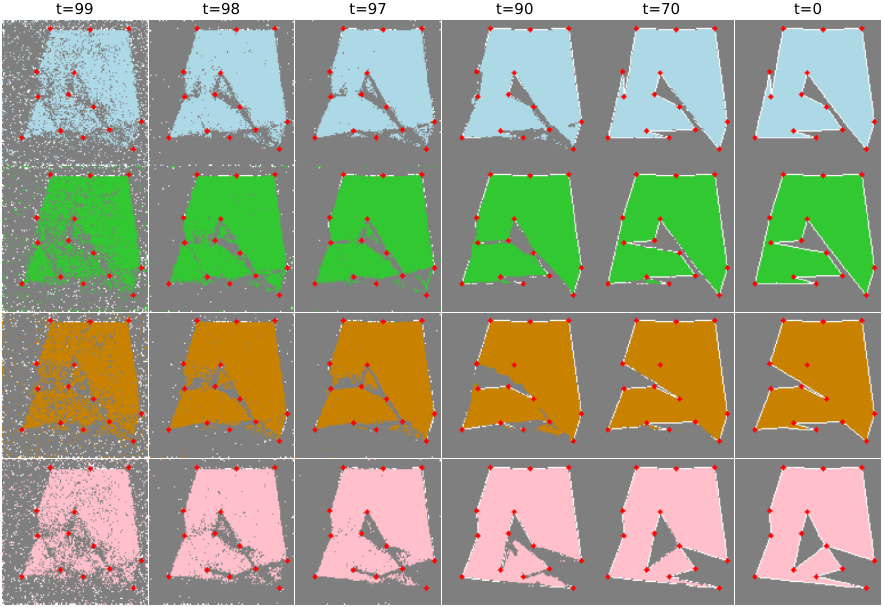
Researchers at Tel Aviv University show a plain diffusion model, trained on rasterized shapes, can approximate classical geometry problems that have no known efficient solvers.
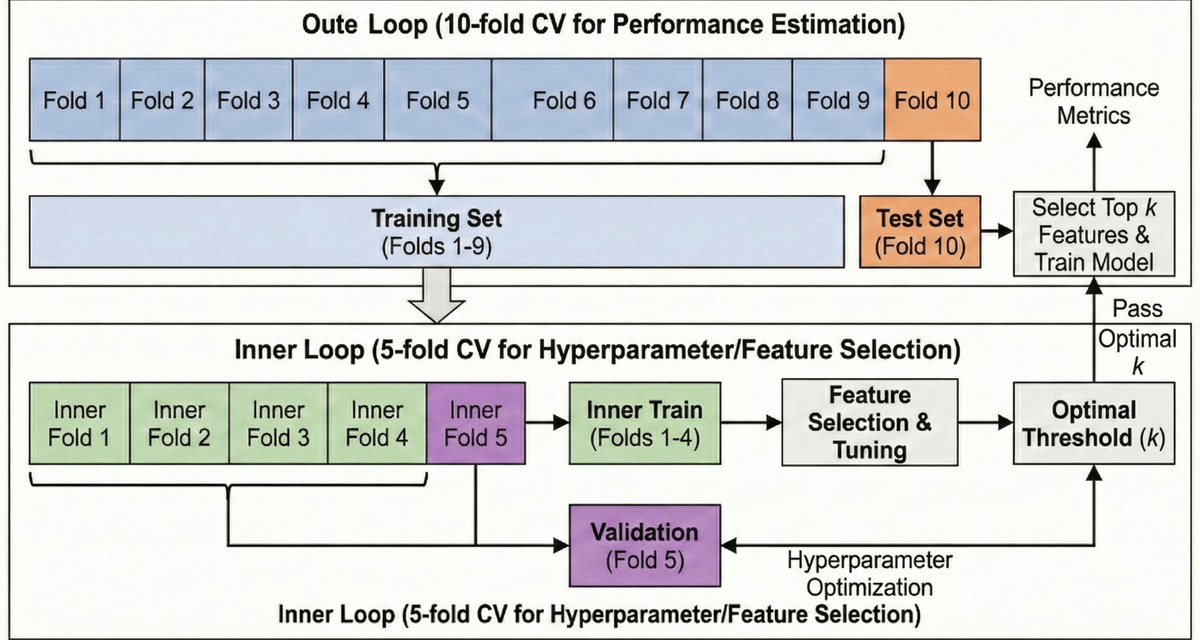
A new pipeline uses Fast-mRMR feature selection to trim genomic noise, boosting predictive accuracy while cutting compute costs for dietary restriction gene discovery.