
Pro
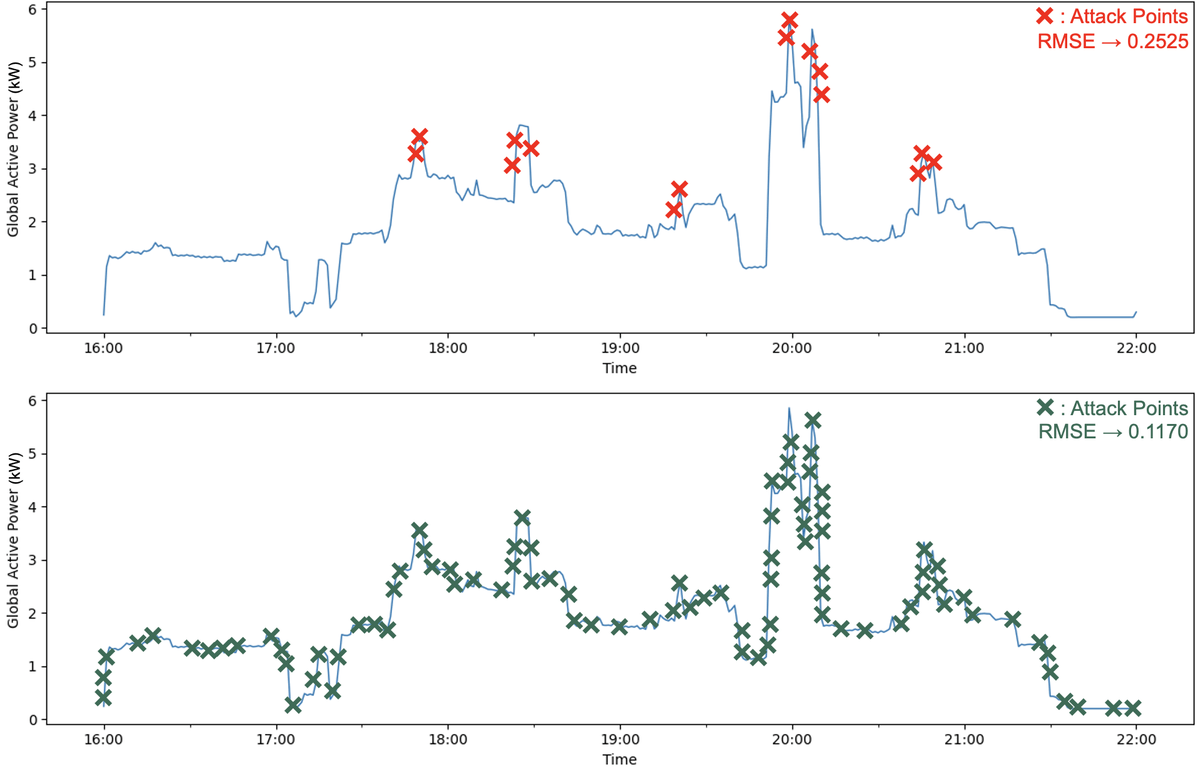
INTARG Breaks AI Forecasters 2.42x by Attacking Only When They're Most Confident
A new attack framework fools streaming time-series forecasters by perturbing under 10% of inputs, boosting prediction error up to 2.42x while evading detectors.
20 stories
A new attack framework fools streaming time-series forecasters by perturbing under 10% of inputs, boosting prediction error up to 2.42x while evading detectors.
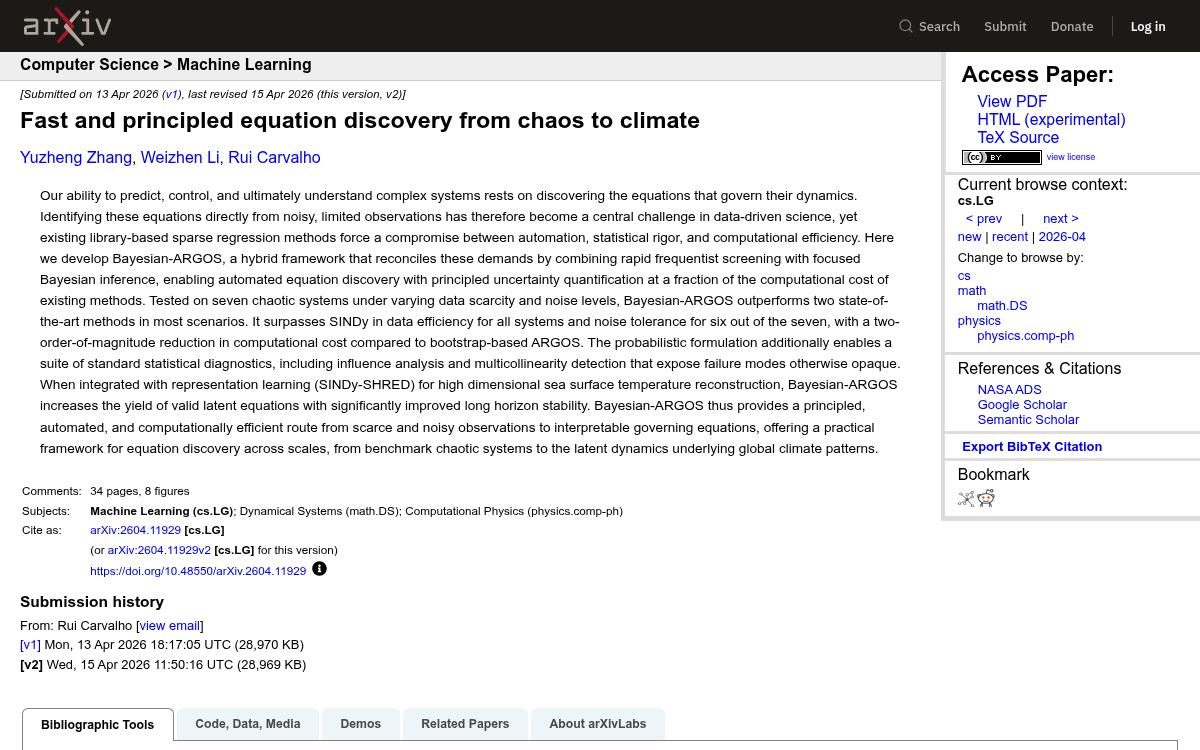
Bayesian-ARGOS combines frequentist screening with Bayesian inference to recover governing equations from noisy data 100x faster than existing methods.
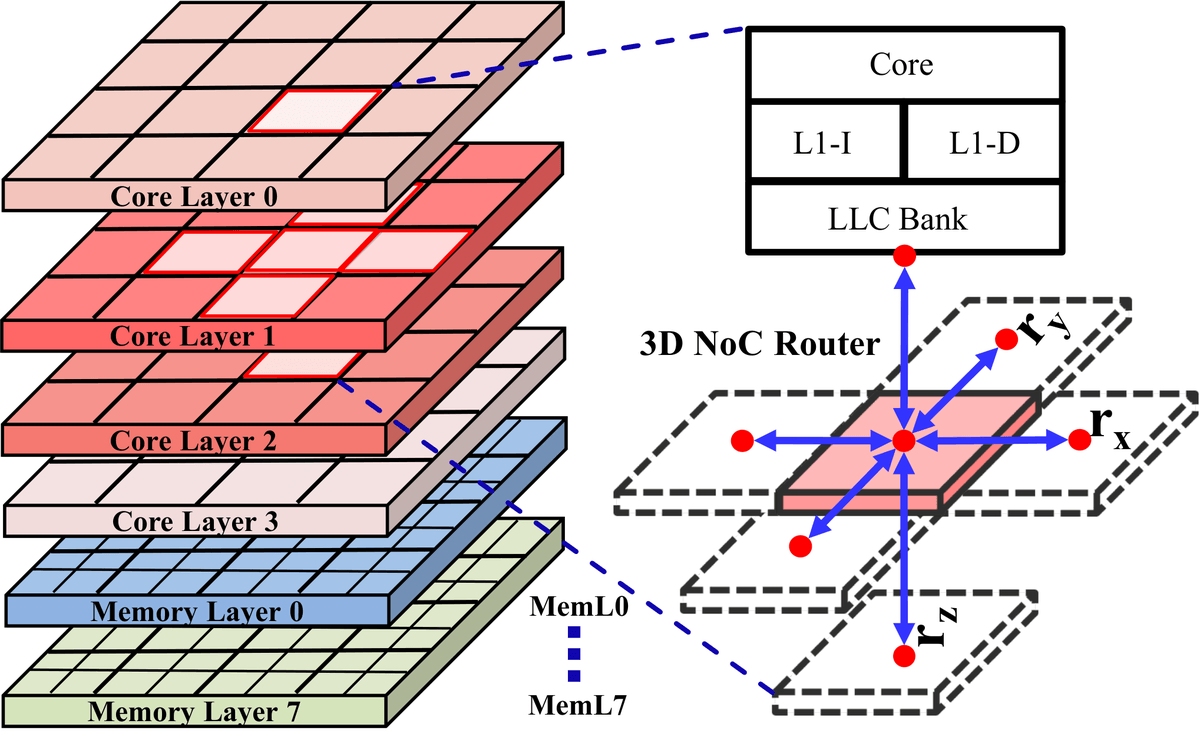
A new scheduling framework called AILFM uses imitation learning to keep 3D-stacked CPUs cool during transformer inference, delivering up to 31 percent faster execution.
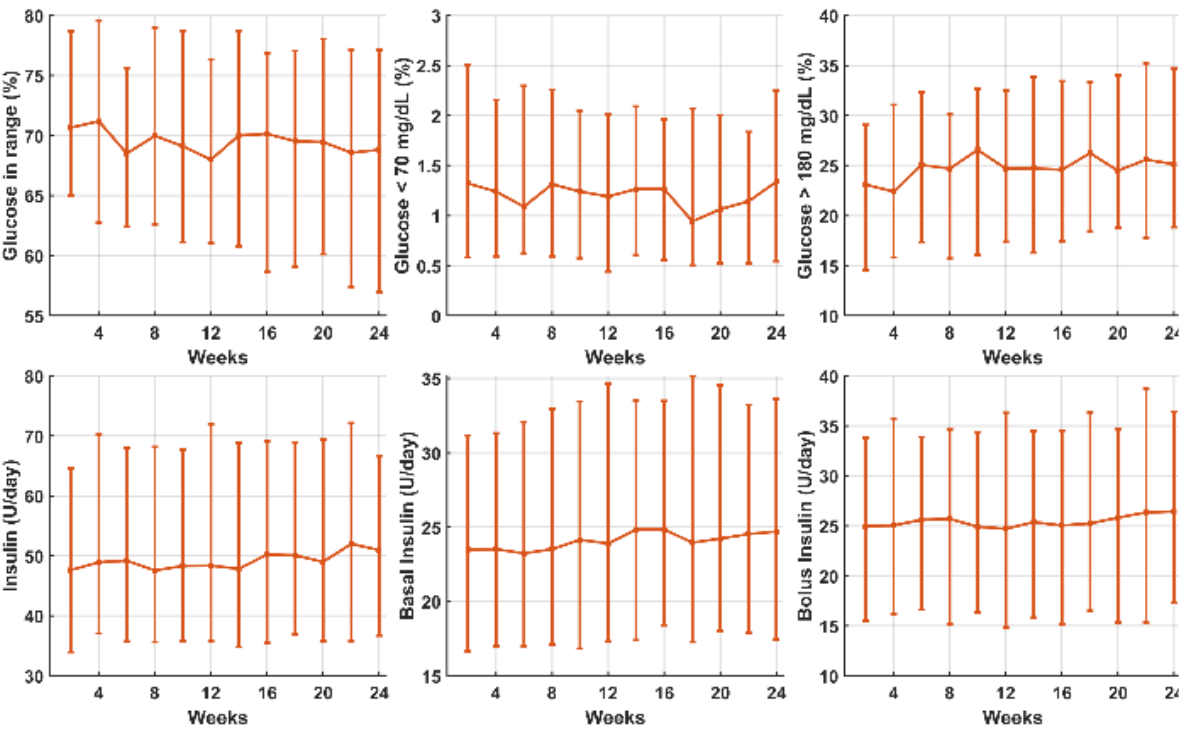
A JSON schema and open-source toolkit stitches six major diabetes trial datasets, over 10 million patient-hours, into one format that ML models can actually consume.

Berkeley researchers built a glovebox-enclosed self-driving lab where two reasoning agents proposed 352 halide experiments and quadrupled the hit rate.
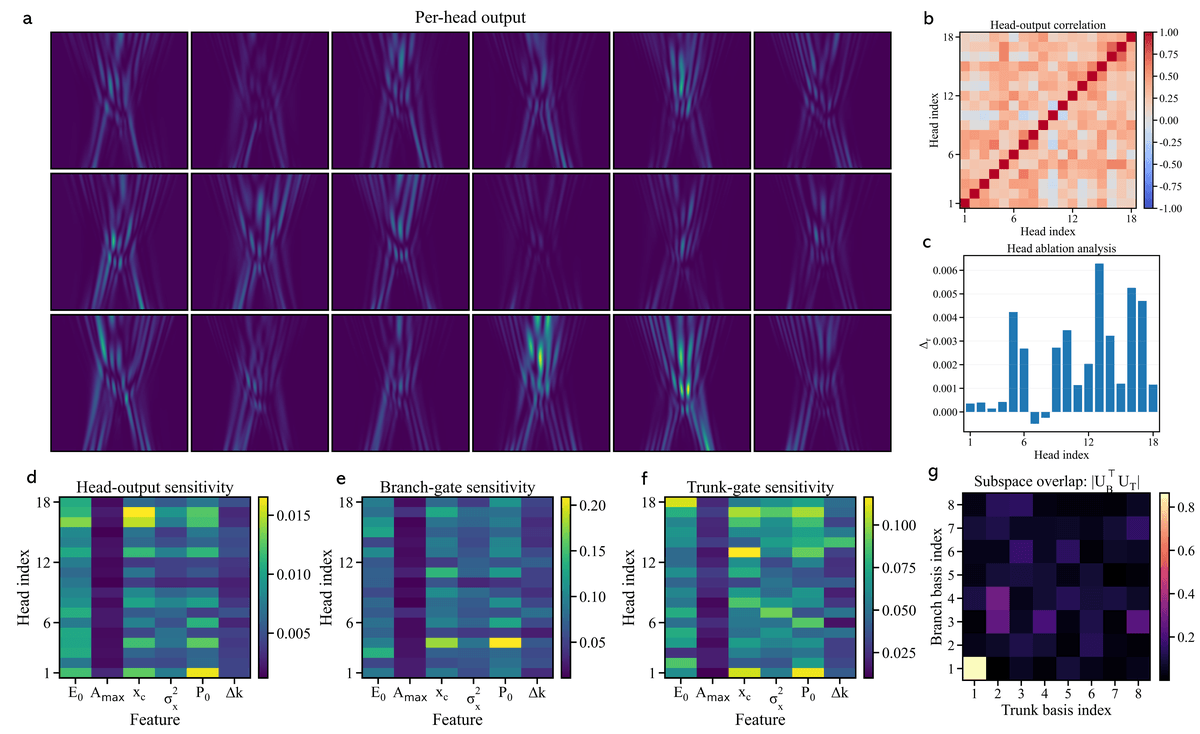
A new DeepONet variant channels initial-state physics through three residual gates and multiple low-rank heads, cutting wave prediction error by up to 9x.
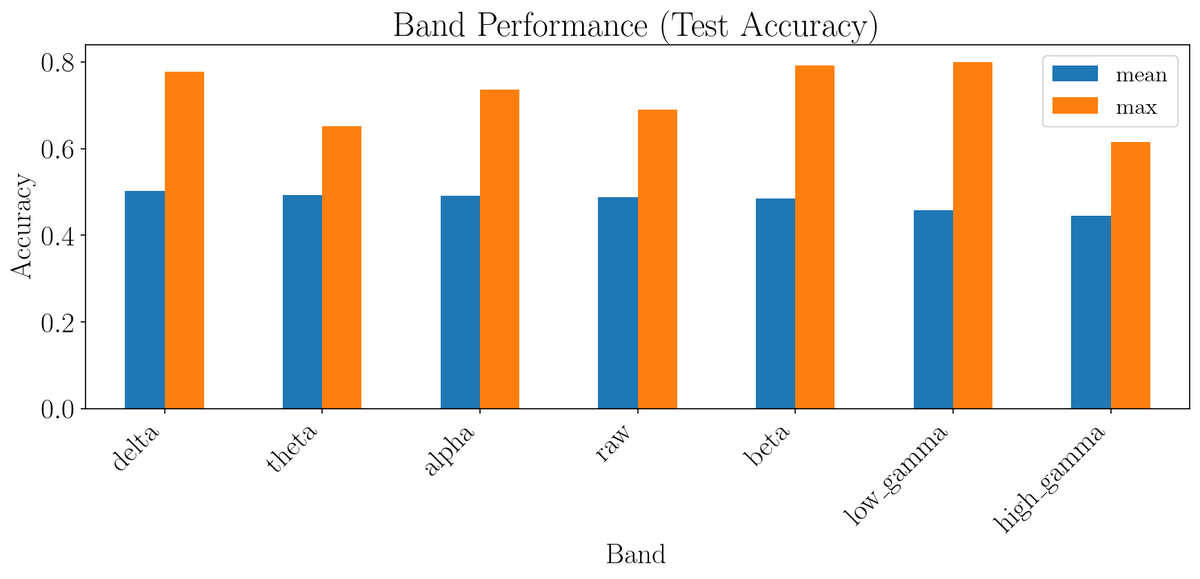
A 55-patient iEEG study shows that topological features plus dimensionality reduction hit 80% accuracy, and classical models keep pace with deep nets.

A new NeRF variant blends geometric algebra with attention-based ray tracing to predict wireless signal strength across rooms and frequencies with under 2 dB error.
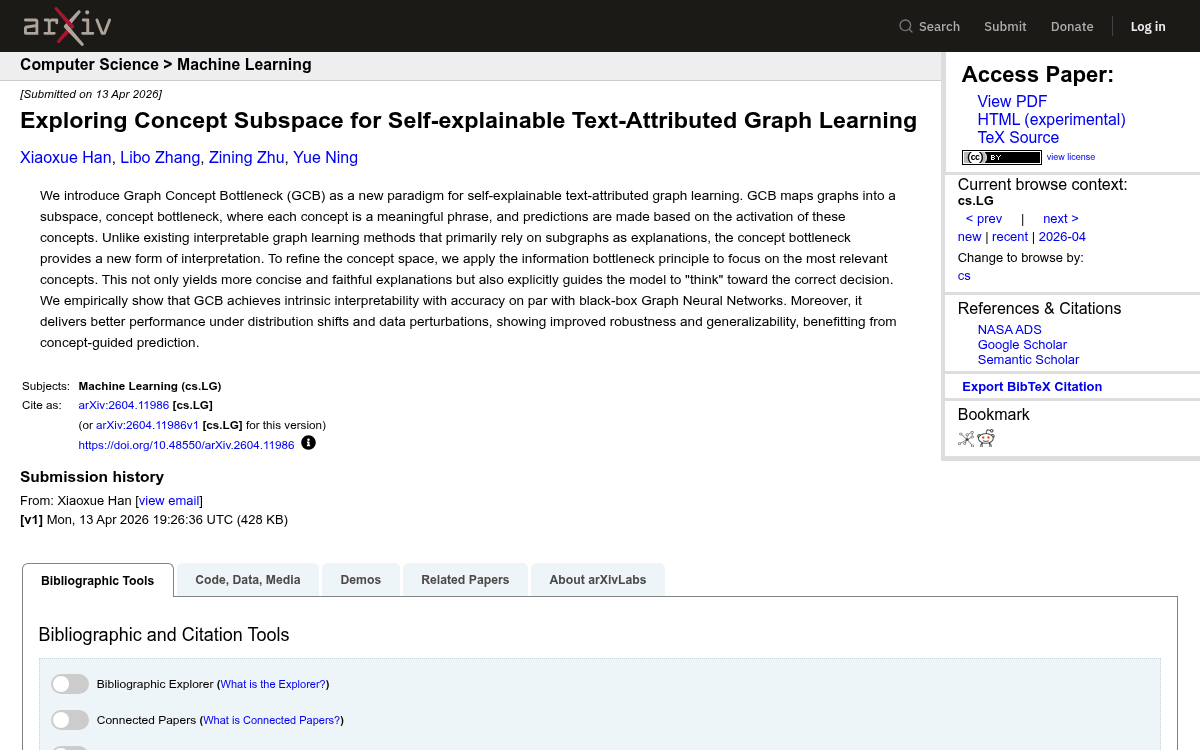
Graph Concept Bottleneck maps text-attributed graphs into a subspace of natural language phrases, delivering interpretable predictions that hold up under distribution shifts.
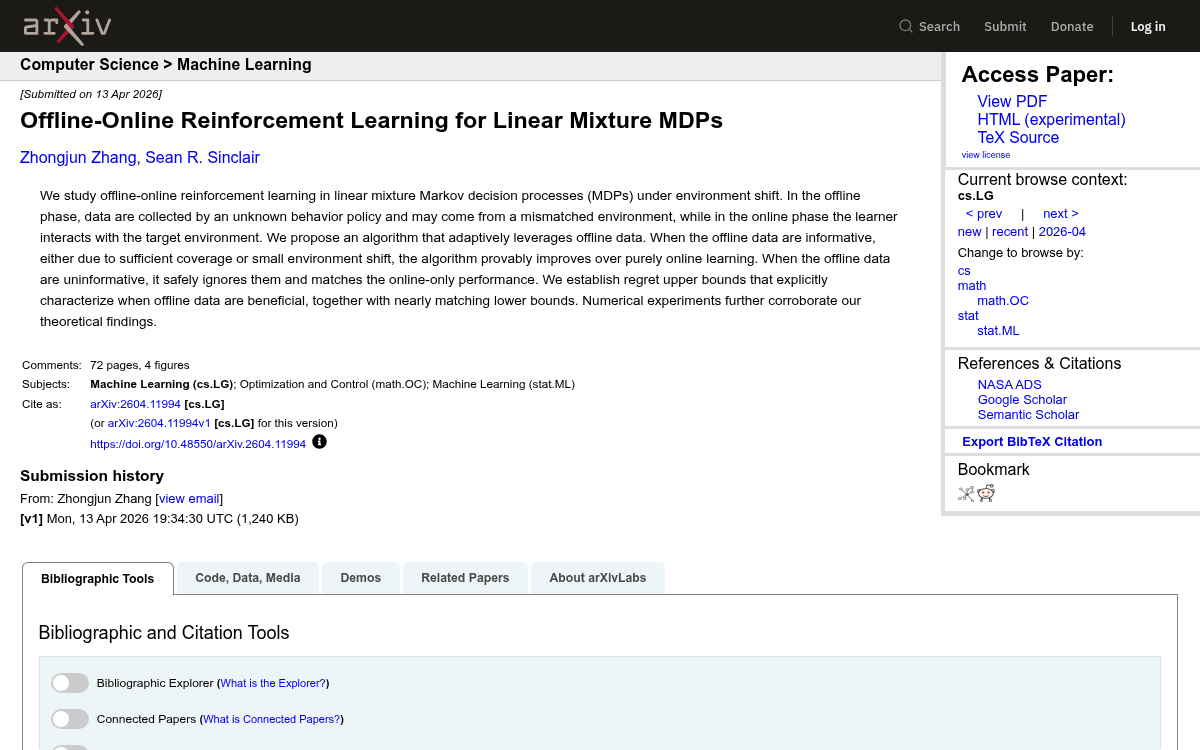
A new algorithm safely combines offline data with online exploration under environment shift, provably matching pure-online performance when historical data misleads.
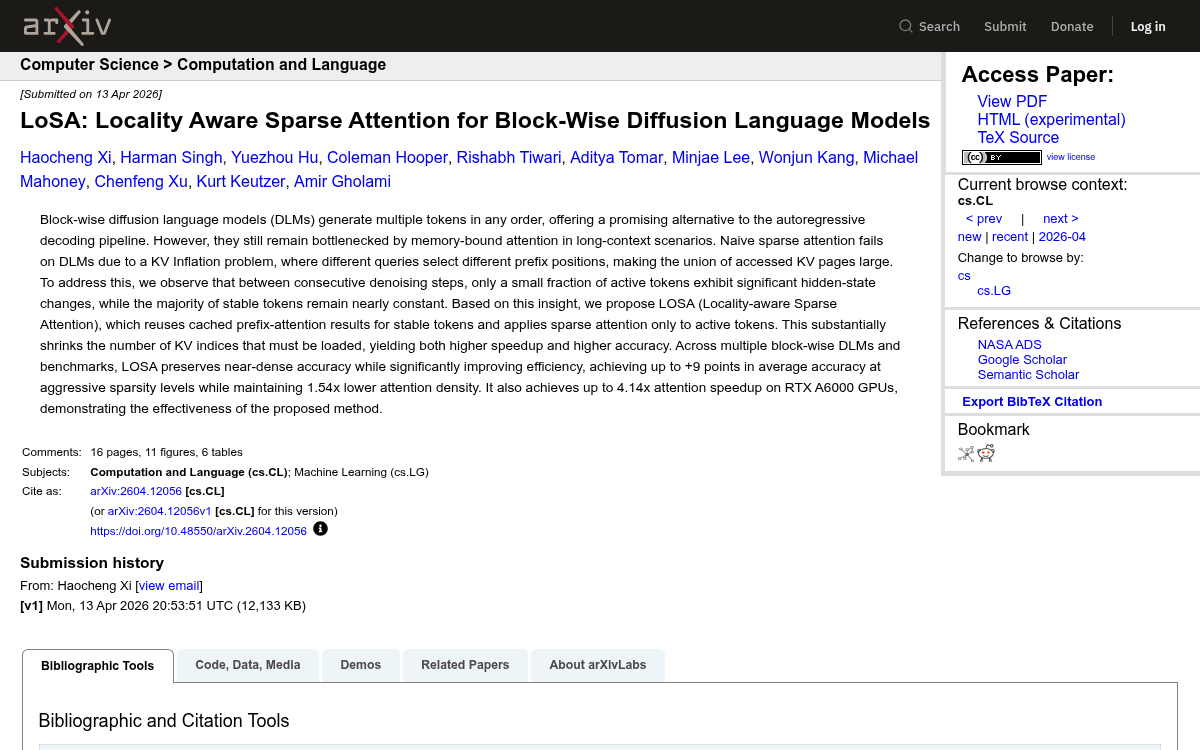
A new sparse attention method solves the KV Inflation problem in block-wise diffusion language models, cutting attention latency up to 4.14x while lifting accuracy.
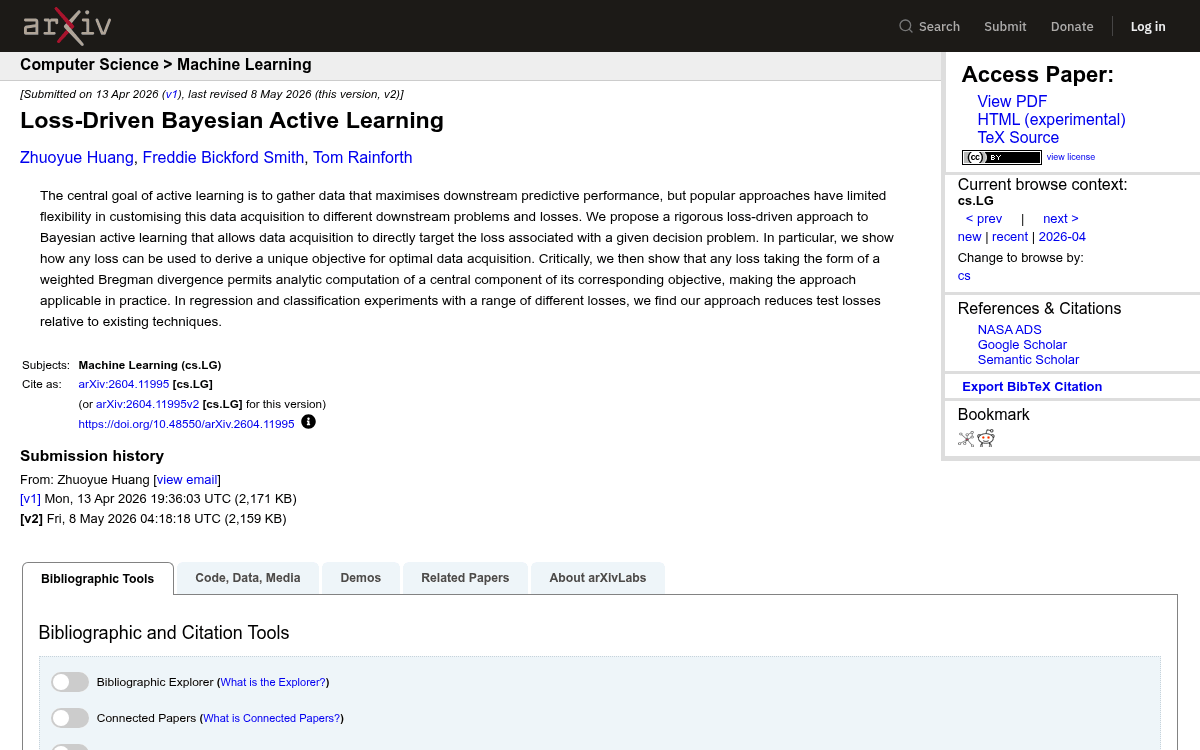
A new Bayesian active learning framework lets data acquisition target the exact loss function you care about, not just log-likelihood or squared error.
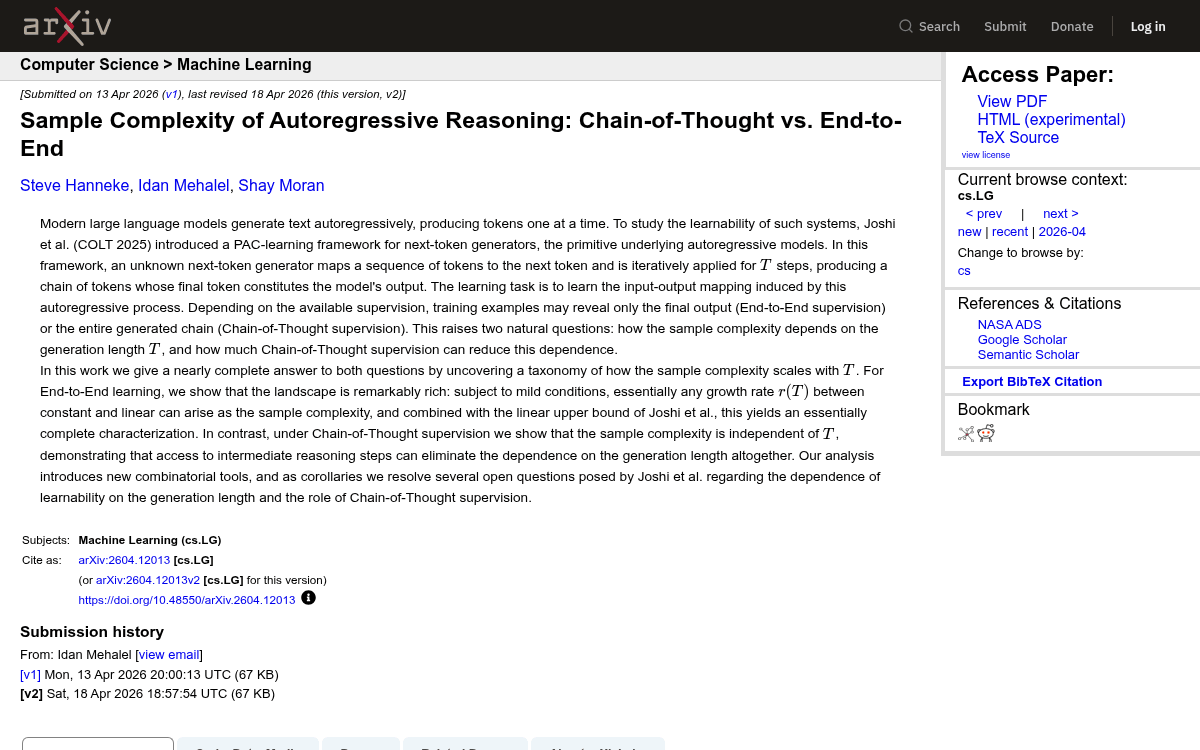
New theoretical work proves that showing a model its intermediate reasoning steps during training eliminates any dependence on how long the reasoning is.
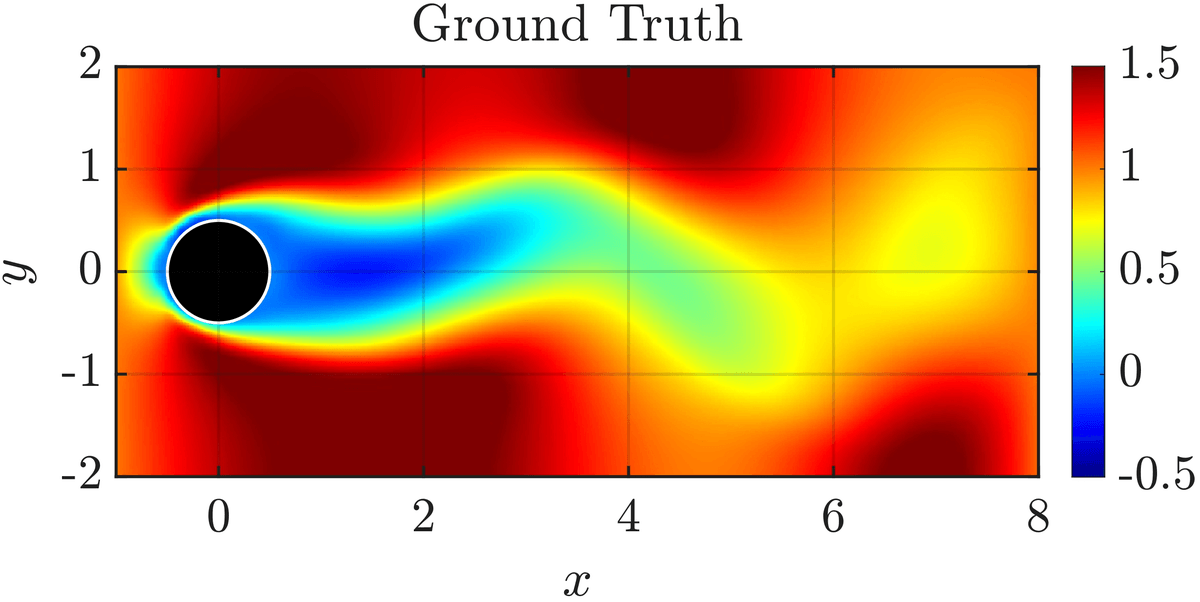
A new arXiv paper proposes piDMD, a data-driven surrogate that predicts nonlinear system behavior at unseen parameter values without retraining.
A joint optimization scheme for hyperdimensional computing recovers 48% accuracy on QuantHD and 5.4x on RelHD when analog compute-in-memory hardware distorts similarity operations.
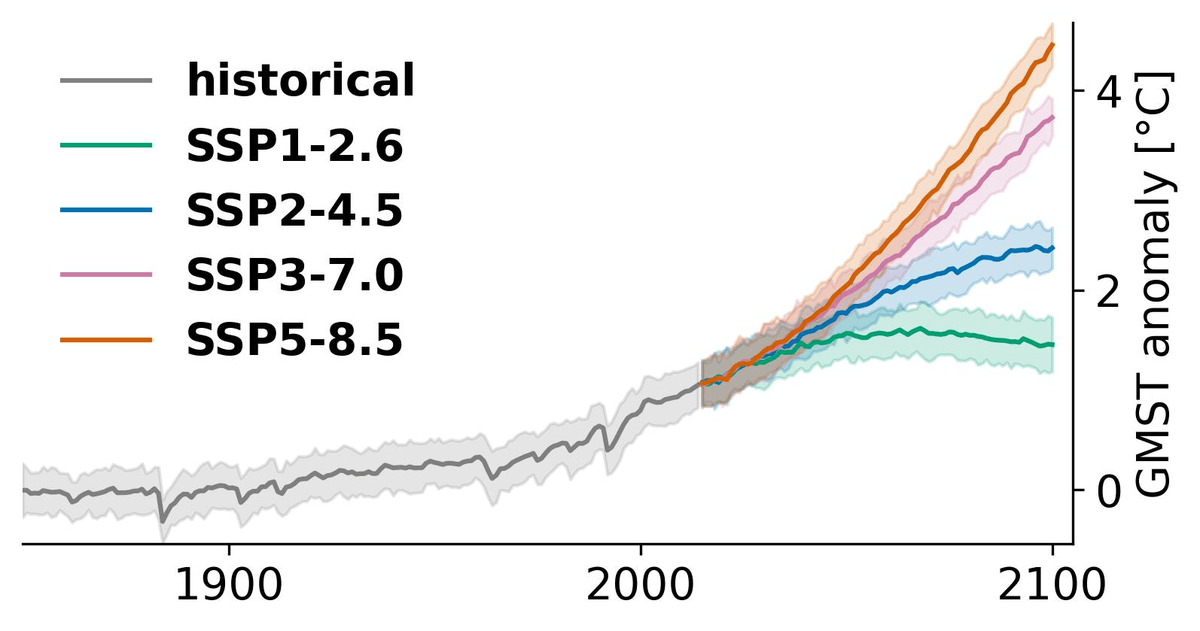
A score-based diffusion model on a spherical mesh generates monthly climate fields in about one second on a mid-range GPU, matching ESM output statistics.
A new sample-weighting technique for detecting where regression models break down finds change points more accurately than existing state of the art methods.
A new kernel framework called convolutional MMD delivers robust parameter estimation from noisy measurements without sacrificing the parametric convergence rate.

A Peking University team proposes writing long documents directly into an LLM's weights via test-time fine-tuning on synthetic Q&A pairs.

A new preference dataset teaches an 8B Llama model to outperform GPT-4o on therapy responses, winning 87% of head-to-head evaluations.