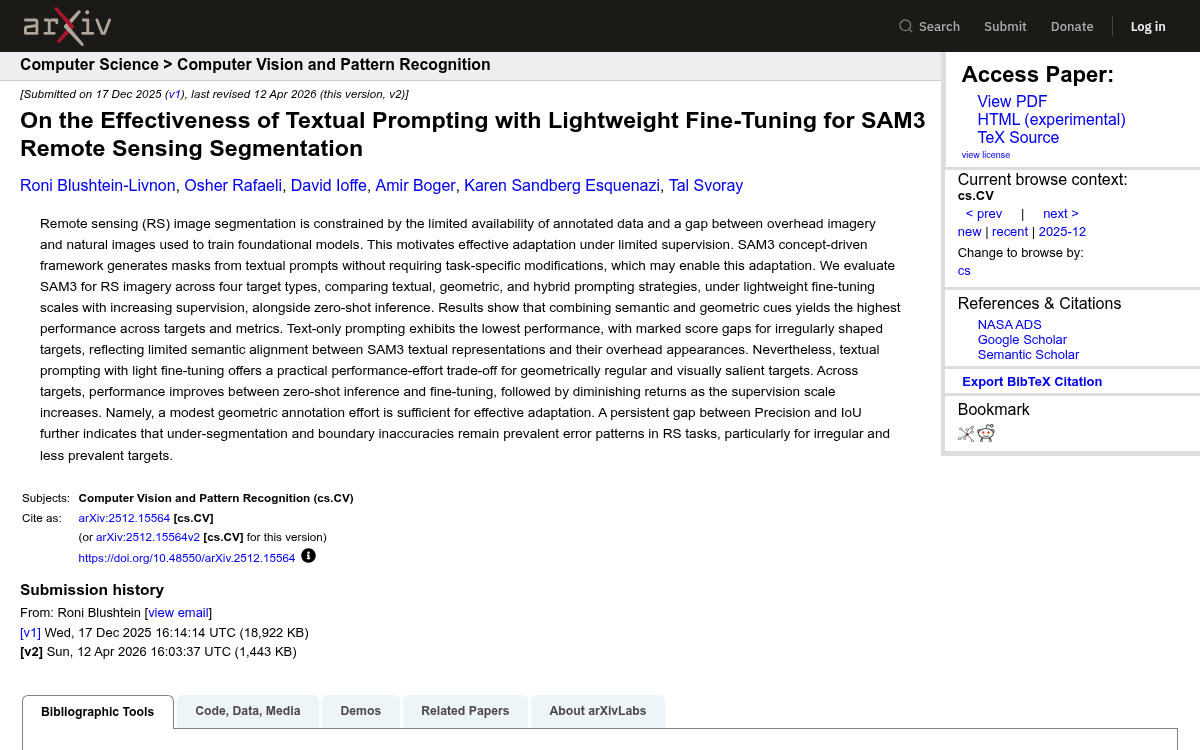
Ben-Gurion University researchers benchmarked SAM3 on aerial imagery across four target types, finding hybrid text-plus-box prompts win and 100 annotated objects suffice.
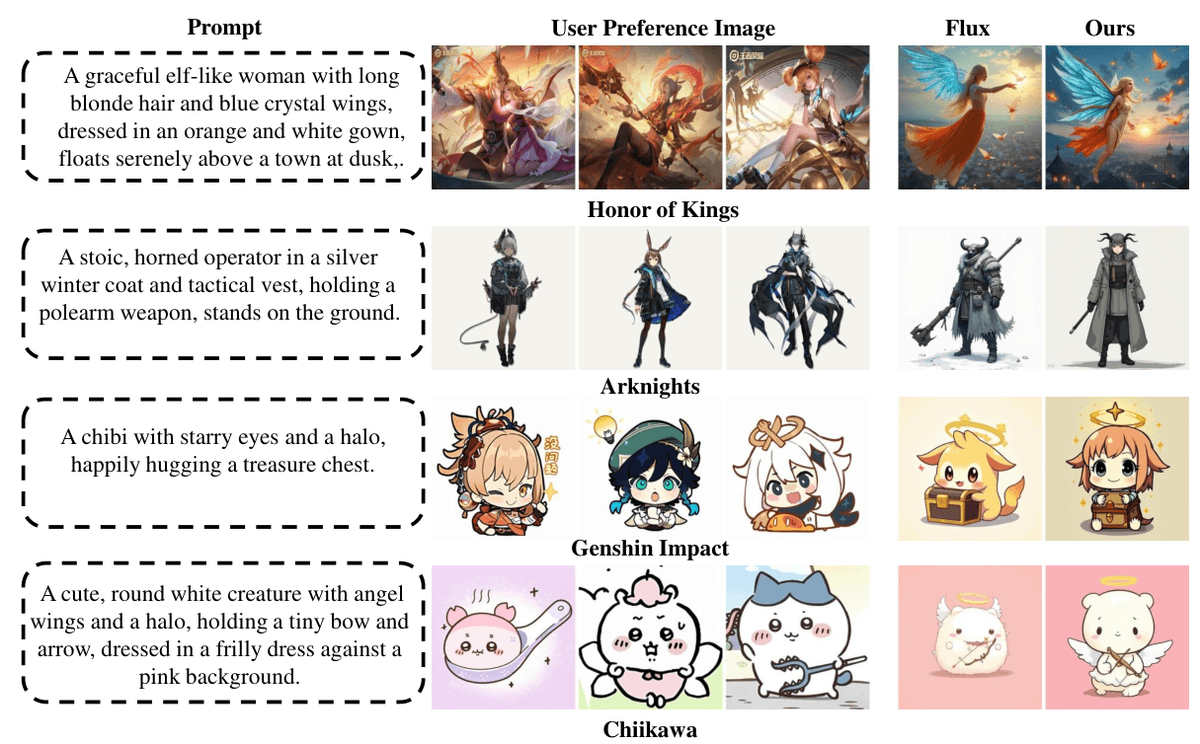
A CVPR 2026 Highlight paper replaces text-based preference descriptions with learnable per-user embeddings that steer diffusion generation at the token level.
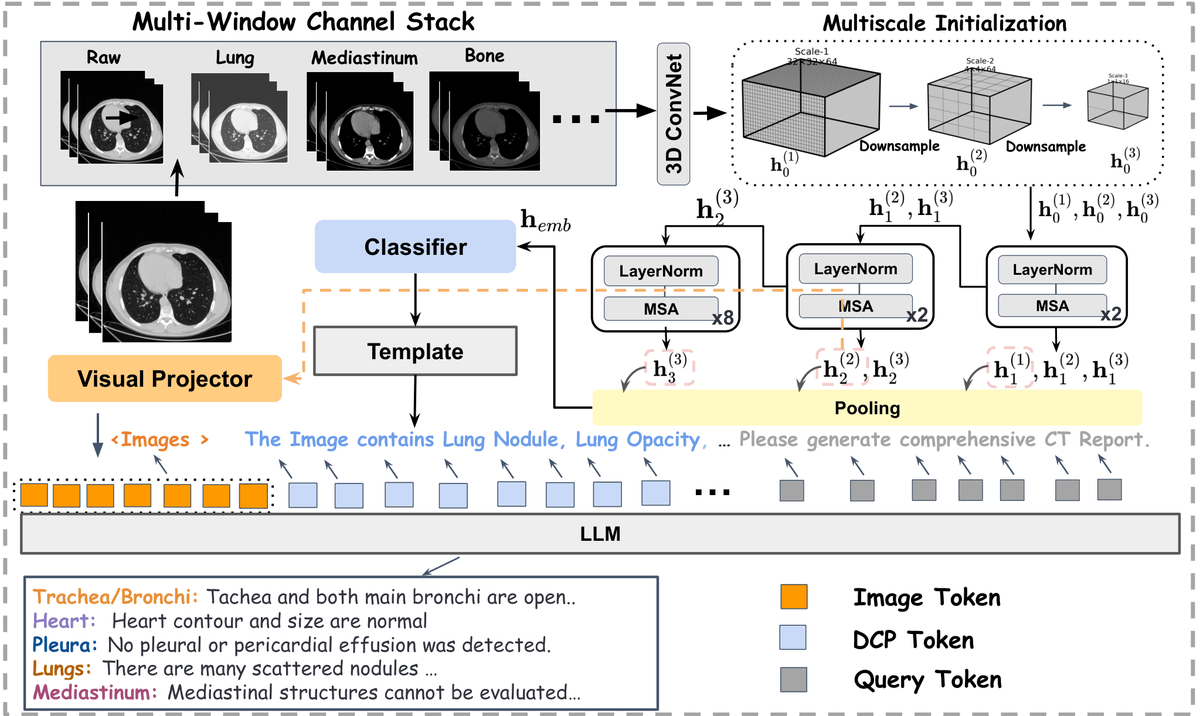
A new framework guides chest CT report generation with swappable discriminative classifiers and dropout tricks, pushing macro F1 on CT-RATE from 0.501 to 0.603.
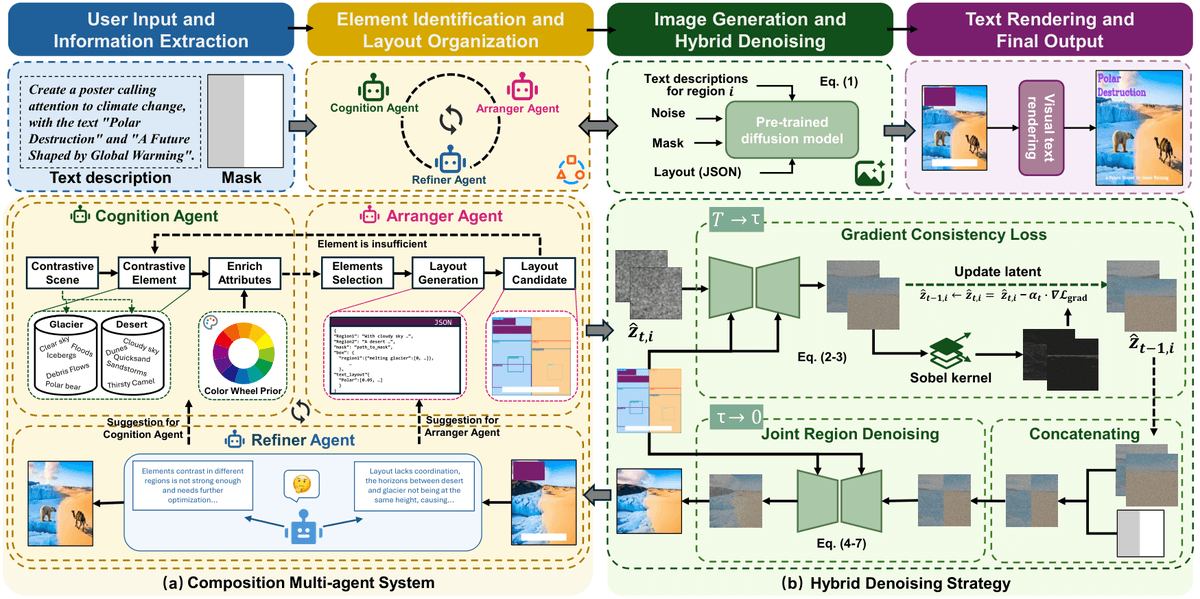
A training-free system uses three cooperating LLM agents plus a two-stage diffusion trick to generate posters with strong visual contrast between regions.
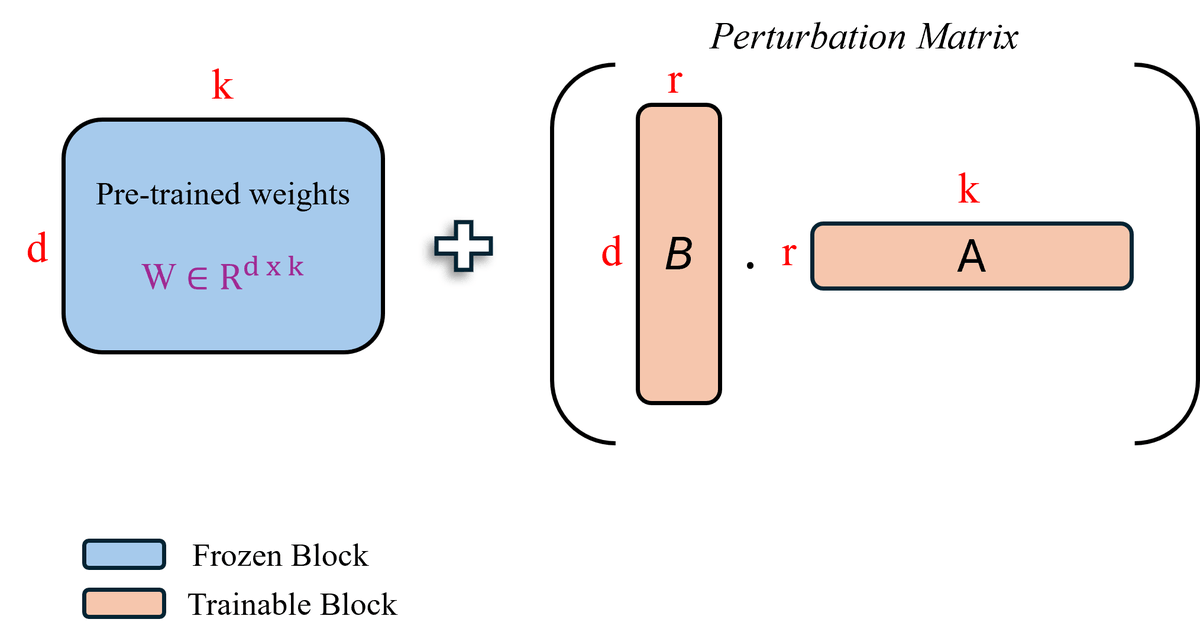
A tiny LoRA adapter bolted onto a frozen ConvNeXt-V2 backbone outperforms full fine-tuning on endoscopy classification using 3 million trainable parameters.
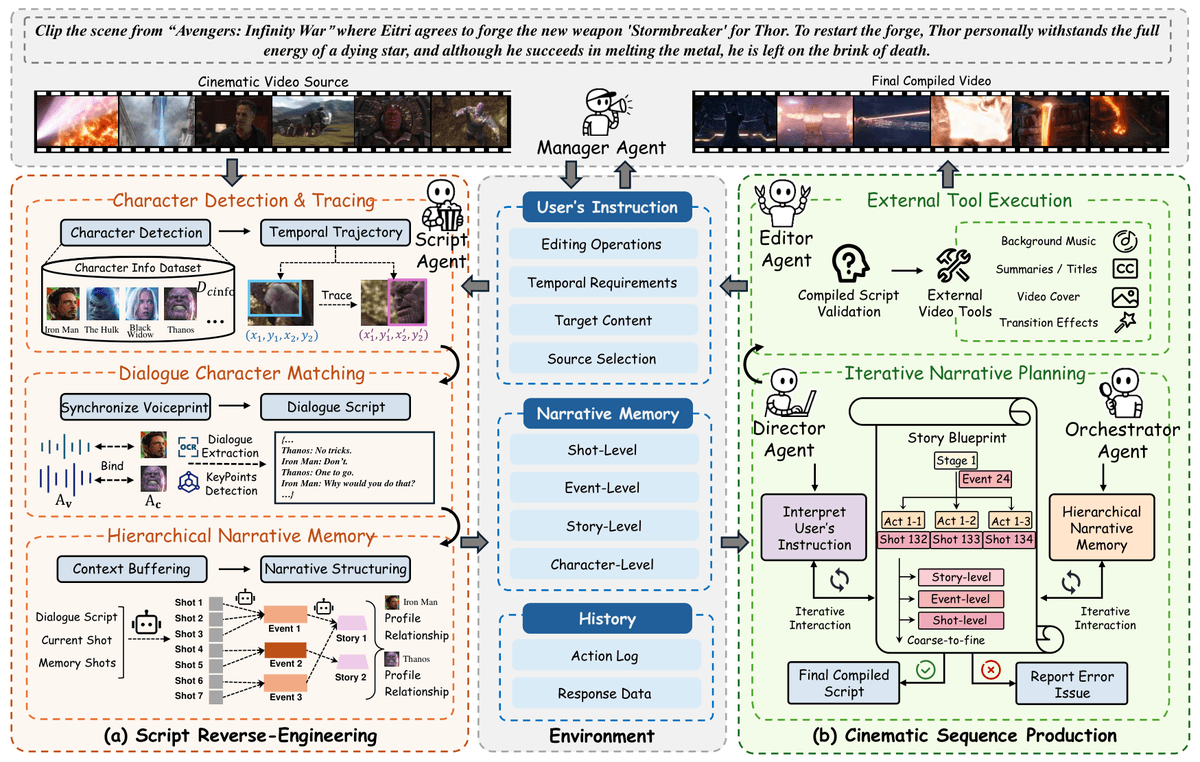
A new benchmark and multi-agent system tackle the hard problem of turning full-length films into instruction-driven short-form edits with coherent narrative flow.
A new framework called Structured Semantic Mapping lets action unit detection and facial expression recognition train together across mismatched datasets, boosting both.
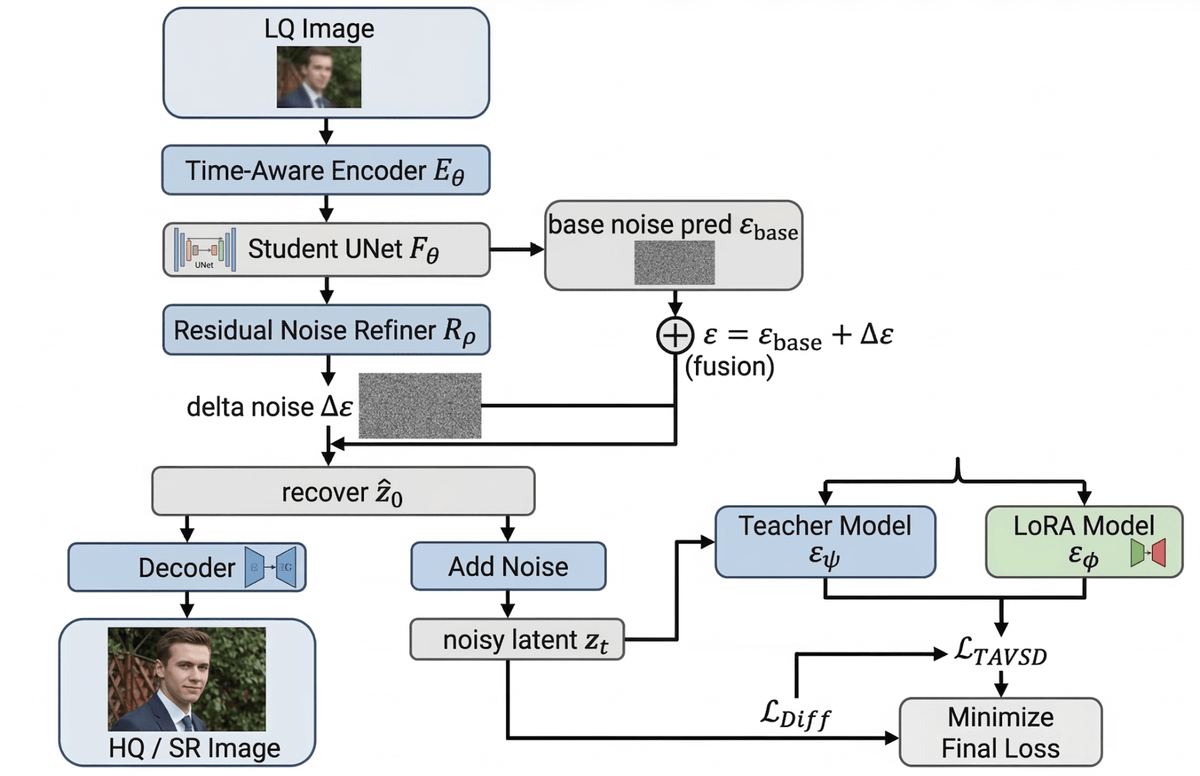
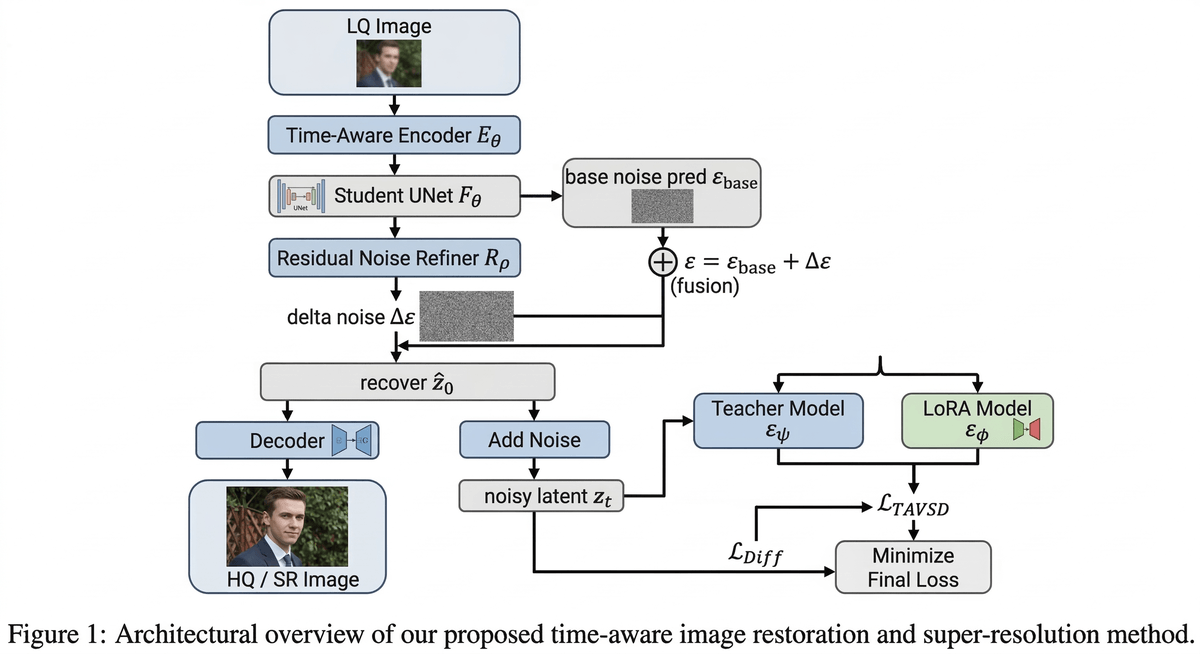
The Second Challenge on Real-World Face Restoration at NTIRE 2026 gathered 9 finalist teams and mapped how one-step diffusion is reshaping blind face restoration.
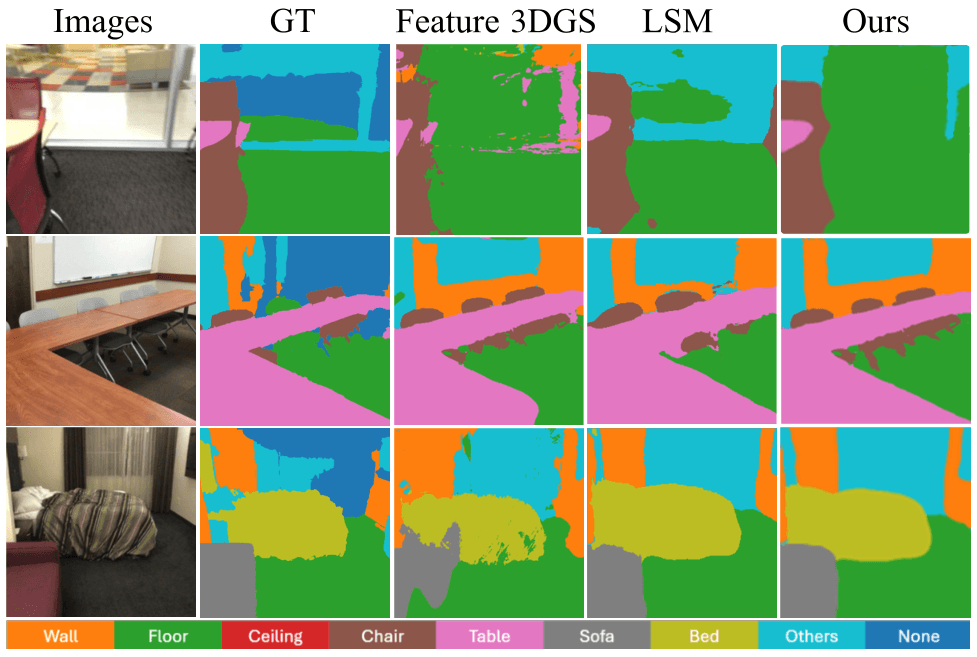
UniSplat unifies geometry, appearance, and semantics from raw multi-view images without camera poses, setting new marks on 3D vision and robotics benchmarks.
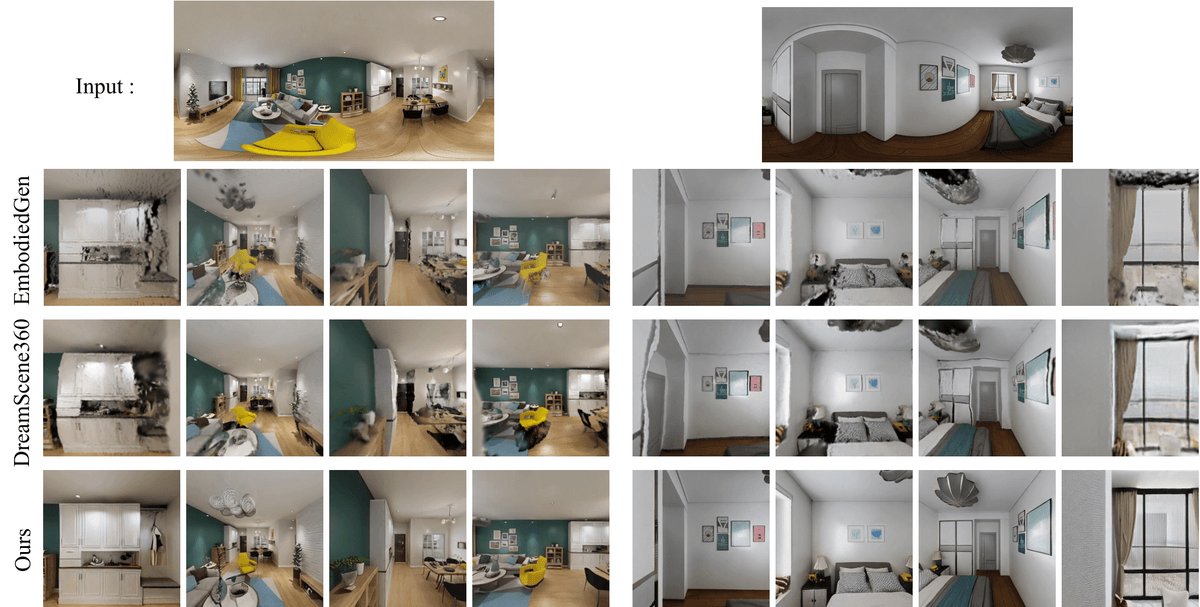
A restore-and-refine pipeline turns a single 360-degree photo into an explorable indoor scene by pairing 3D Gaussian Splatting with a panoramic video diffusion model.
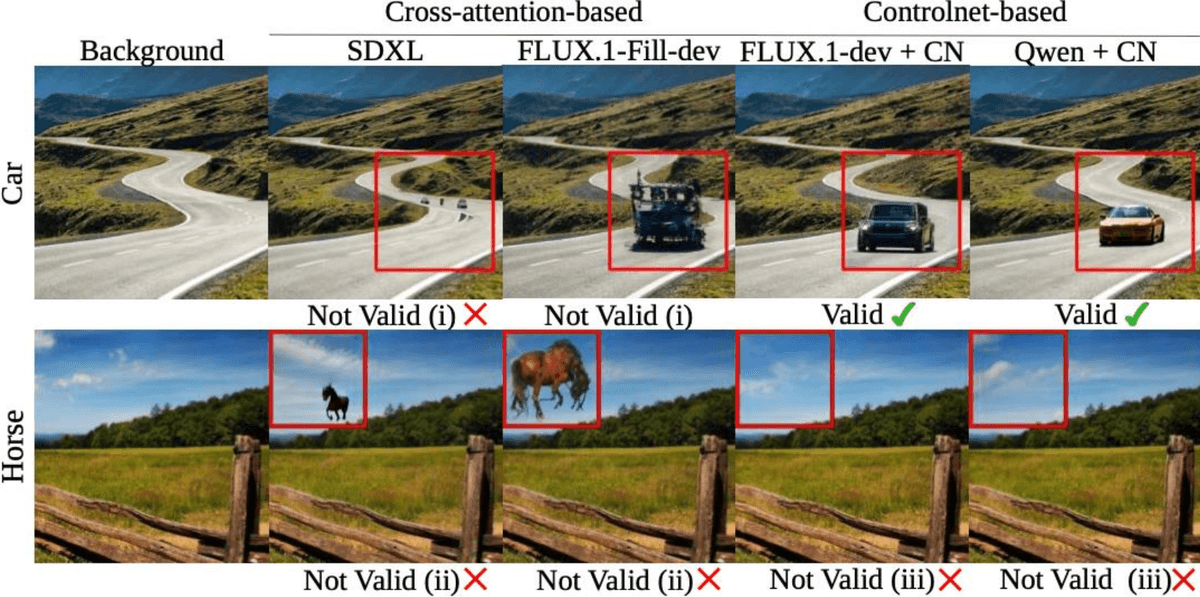
A team turns diffusion inpainters into object-placement graders, distills the results into a 3.77 ms model that beats human annotations and large VLMs.
Brain-GraSP predicts saliency maps directly from fMRI-CLIP embeddings using graph neural networks, then conditions a frozen Stable Diffusion model for sharper, more faithful scene reconstruction.