A room-scale VR study of 42 participants and 1008 trials shows directional arrows beat minimaps and compasses when users must walk, decide, and dodge obstacles simultaneously.
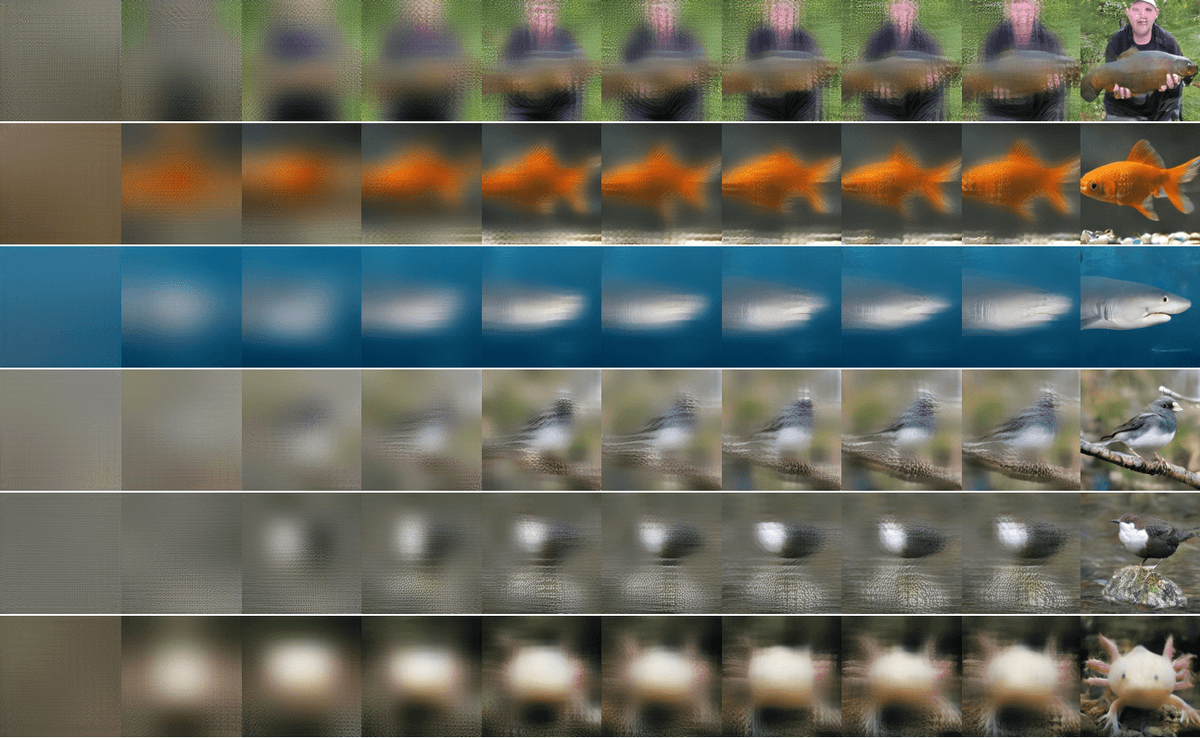
A new distillation framework called ReDDiT compresses diffusion-based low-light image enhancement into just 2 steps while still beating multi-step baselines across 10 datasets.
A new curation framework cuts trajectory prediction datasets in half while boosting accuracy on the rare, high-agent scenes that matter most for safety.
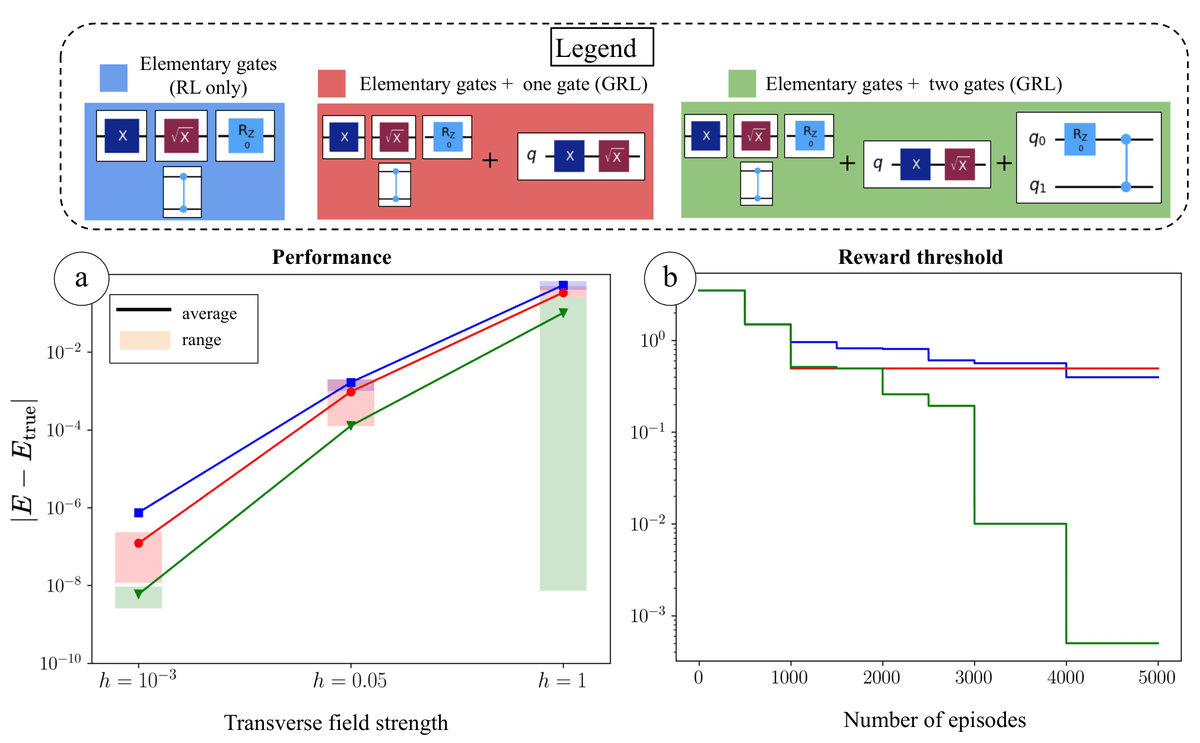
A new paper in Communications Physics teaches an RL agent to invent its own composite gates, cutting ground-state estimation errors by up to ten-million-fold on IBM Heron native gates.
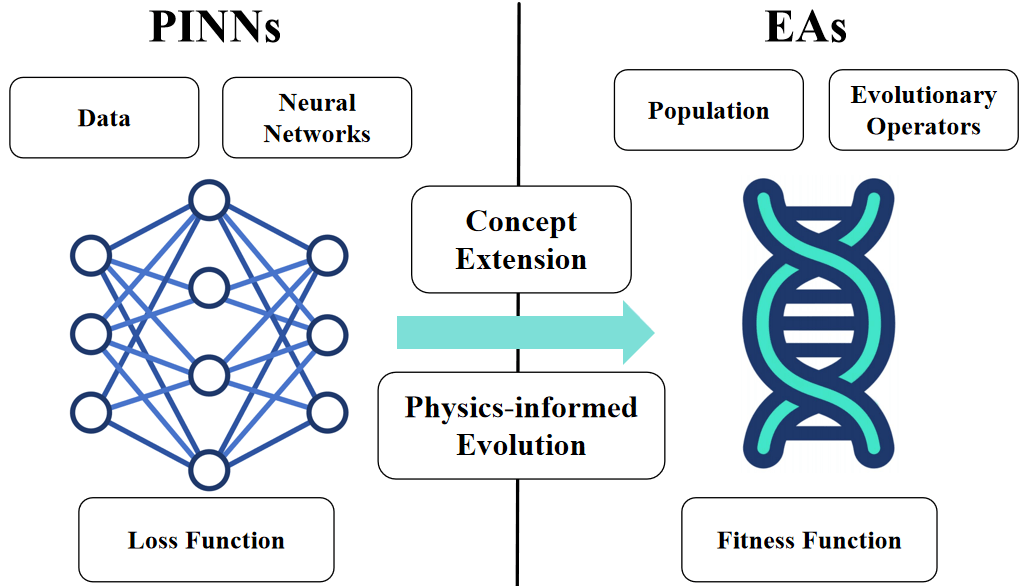
A new framework ports the physics-informed trick from PINNs into evolutionary algorithms, embedding Schrödinger dynamics directly into the fitness function for quantum control.
A new optimization framework learns the tightest possible multivariate prediction regions by jointly training the model, shape, and size while preserving conformal coverage guarantees.
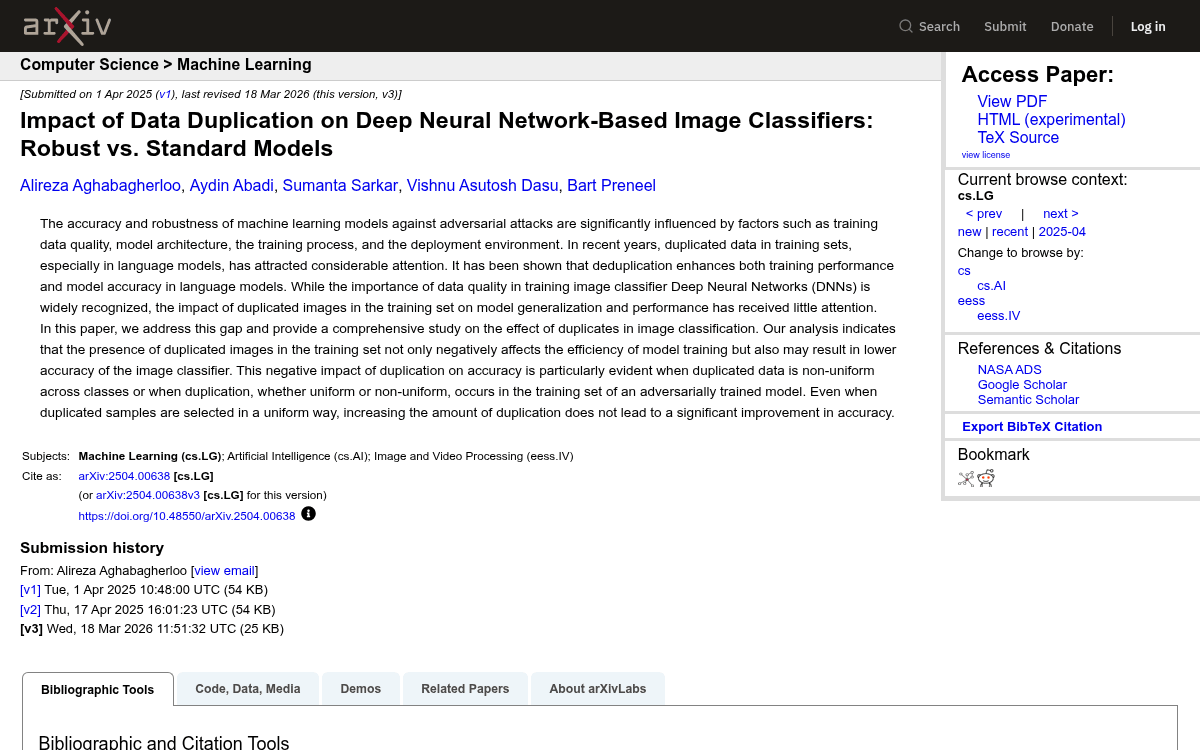
New research shows duplicated images in training sets barely help standard image classifiers and actively wreck adversarially trained models on CIFAR-10.
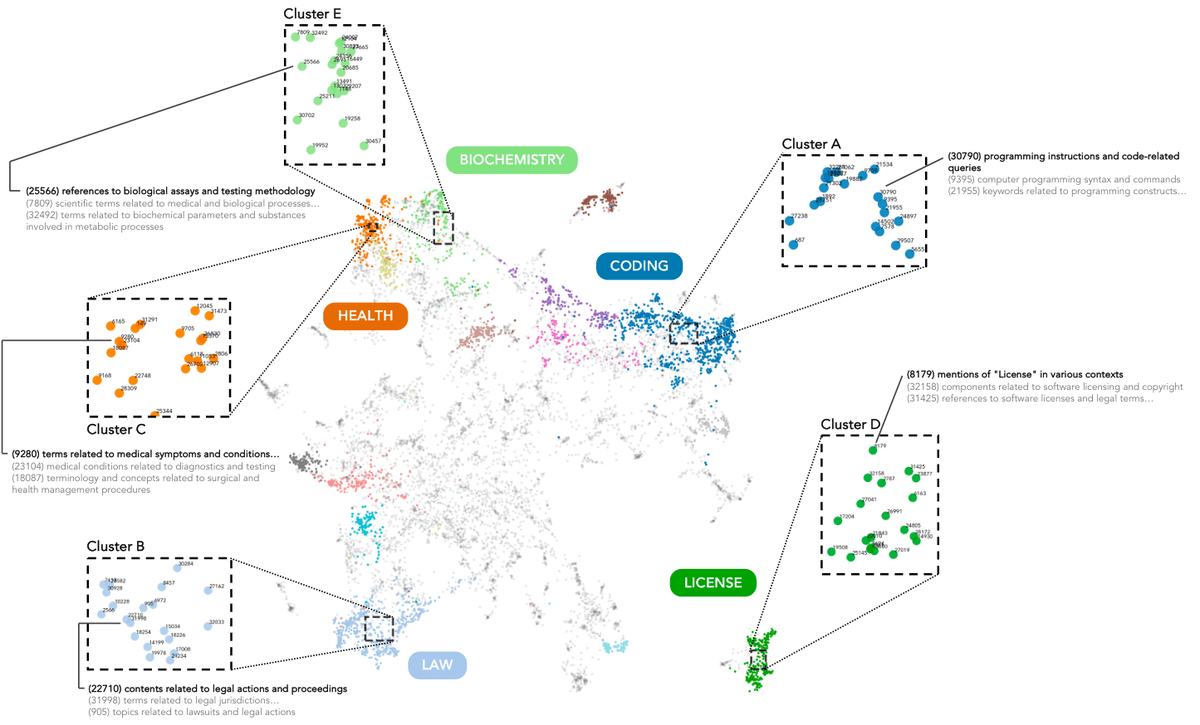
New research shows that hidden interference patterns between unrelated concepts in small language models transfer directly to Llama and Gemma, enabling black-box behavioral control.
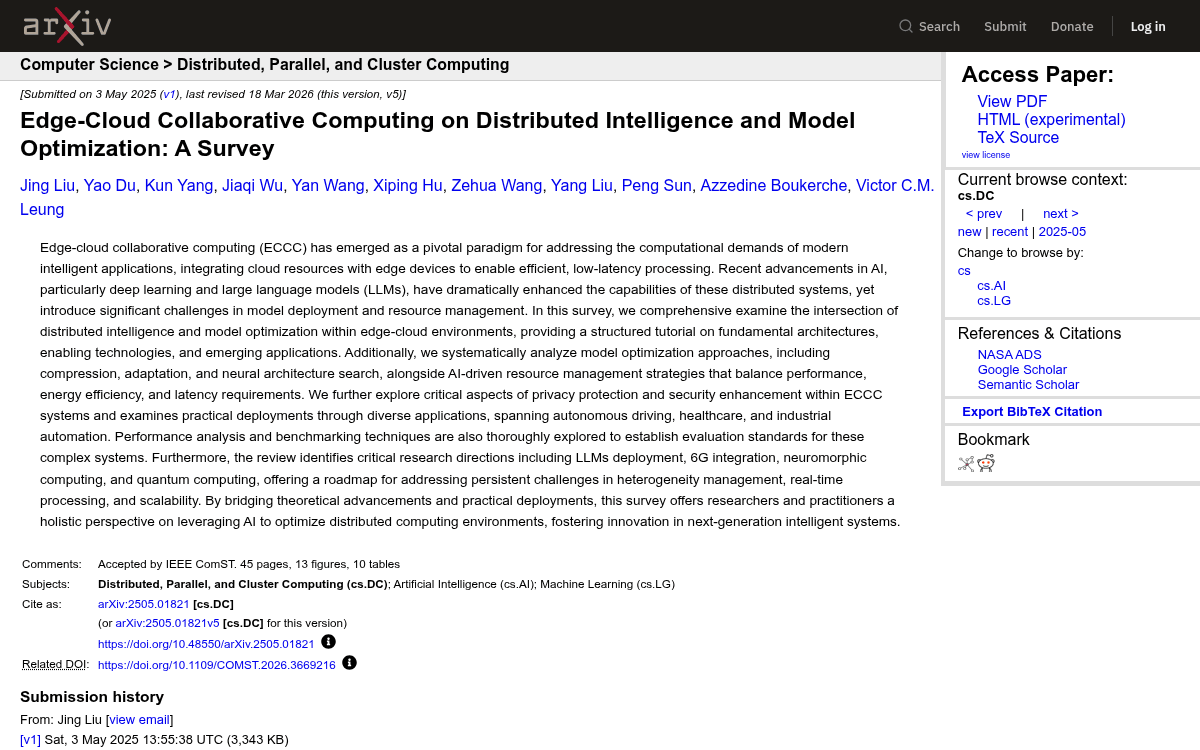
A sweeping 362-reference survey maps how edge and cloud resources should share AI workloads, from model compression to 6G, quantum, and neuromorphic frontiers.
A new benchmark tests whether vision-language models can infer novel physics from demonstrations, and finds nearly all of them lean on text shortcuts instead of watching the video.
New research shows LLMs game personality tests by spotting the trait keywords, and questionnaire scores fail to predict how models actually respond to users.
A new tree-search variant of GRPO gives multi-turn LLM agents step-level credit from outcome rewards alone, and matches chain-based RL on a quarter of the rollout budget.
Researchers at Johns Hopkins show that priming a fine-tuning run with in-context learning activations lifts accuracy and calibration across 12 benchmarks.
A new offline reinforcement learning framework replaces the single global Q-function with locally inferred estimates from retrieved transitions, boosting scores across MuJoCo, Adroit, and Kitchen benchmarks.
A LangGraph-based supervisor coordinates specialized agents for scheduling, availability, editing, and deletion, hitting 92% task success in user studies.