Google Labs released an experimental iOS and Android app that mines your Gmail, Photos, and Calendar to brew a finite daily feed of AI-illustrated stories.
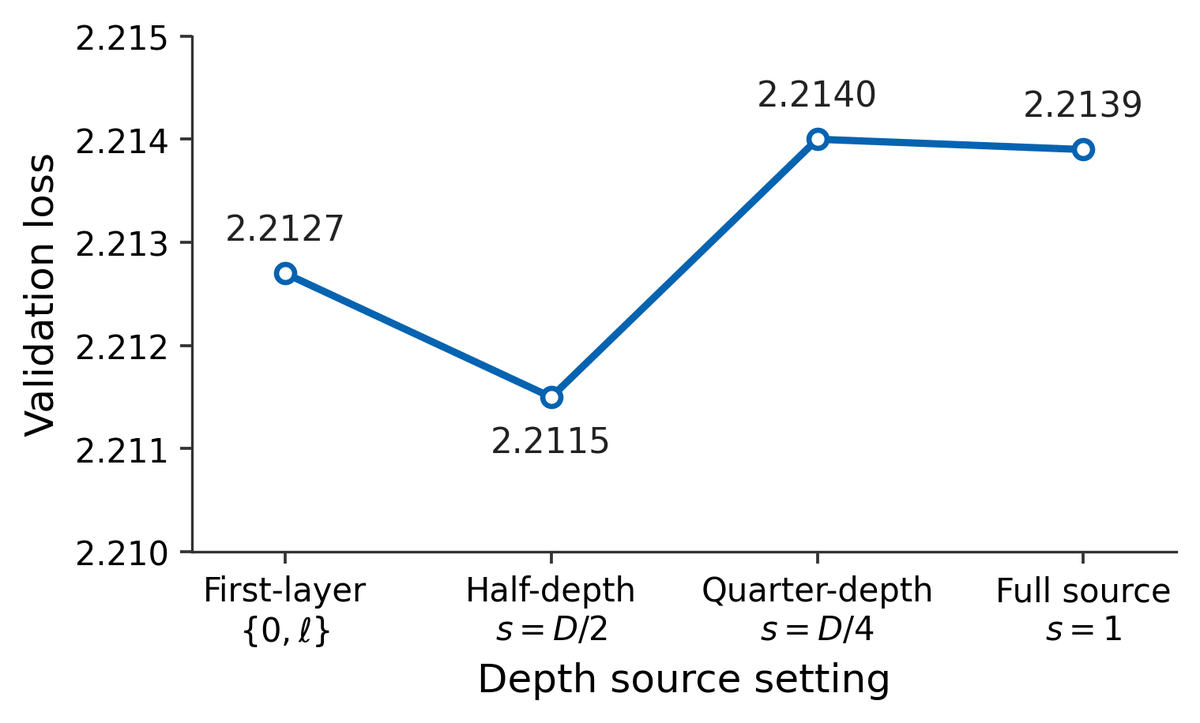
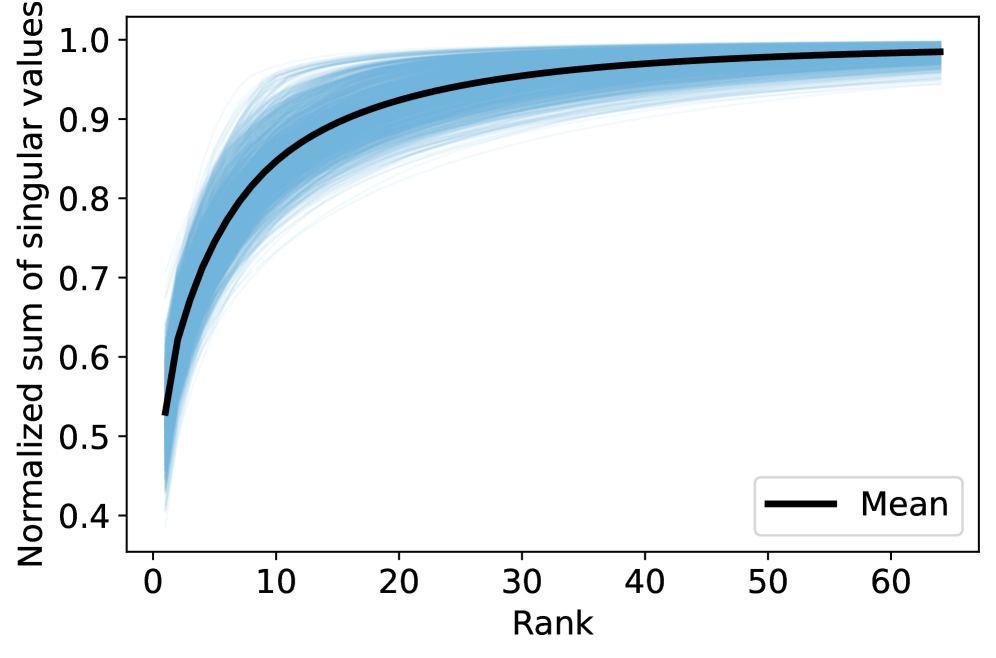
Depth-Attention lets Transformer layers selectively reuse value states from earlier layers inside attention itself, adding zero KV cache overhead while improving accuracy by up to 2.3 points
Vercel's vibe-coding tool can now connect directly to Snowflake data, generate dashboards through OAuth, and deploy apps where compute stays inside Snowflake.
Perplexity is extending its agentic Personal Computer product from Mac to Windows, giving its AI direct control over Office apps, OneDrive, and local files.
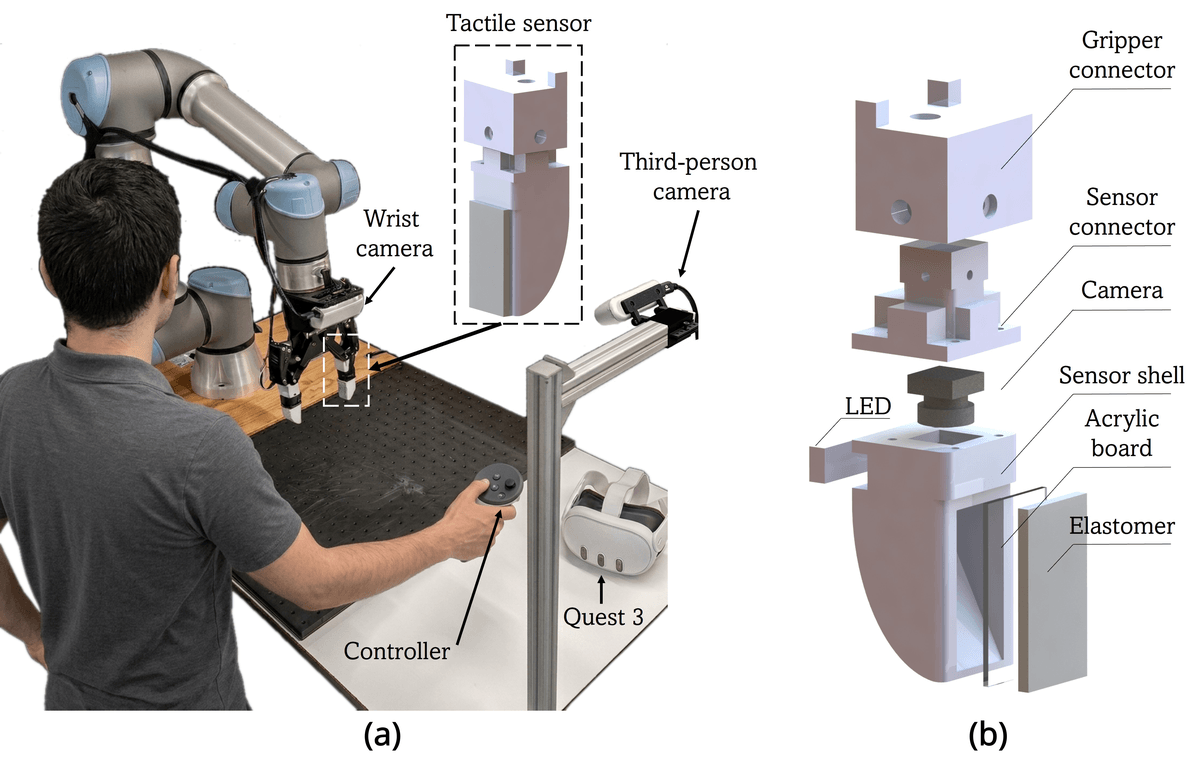
Researchers from King's College London introduce HapTile, a 1,726-demo dataset that lets robots feel contact during teleoperation — lifting peg insertion from 0% to 90% success
fireworks-tech-graph is a Claude Code skill that turns plain-language descriptions into publication-ready SVG+PNG architecture diagrams in seconds, with 7 styles and deep AI/agent domain knowledge built in.
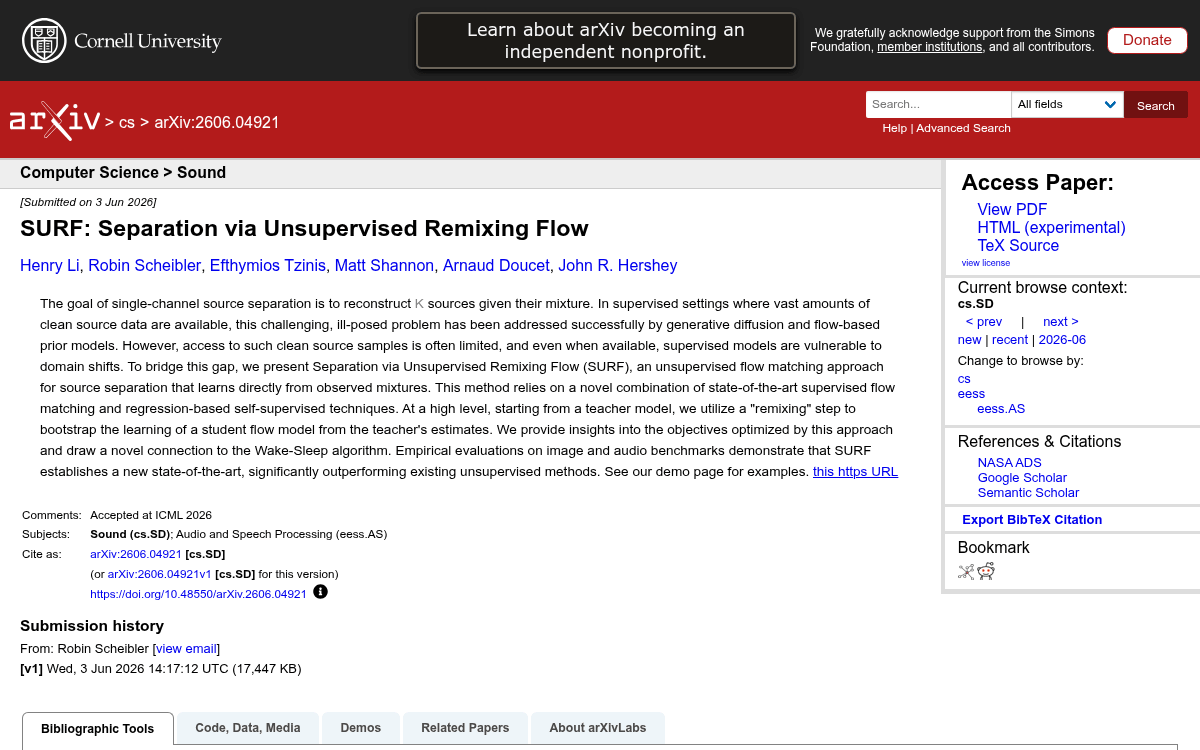
SURF trains a generative flow-matching model to separate audio and images using only raw mixtures, with no clean source data required, setting a new unsupervised state-of-the-art.
LoRi teaches LLMs to reason silently by compressing a teacher's chain-of-thought into a low-rank latent subspace, cutting inference latency up to 6.9x while nearly matching explicit CoT accuracy.
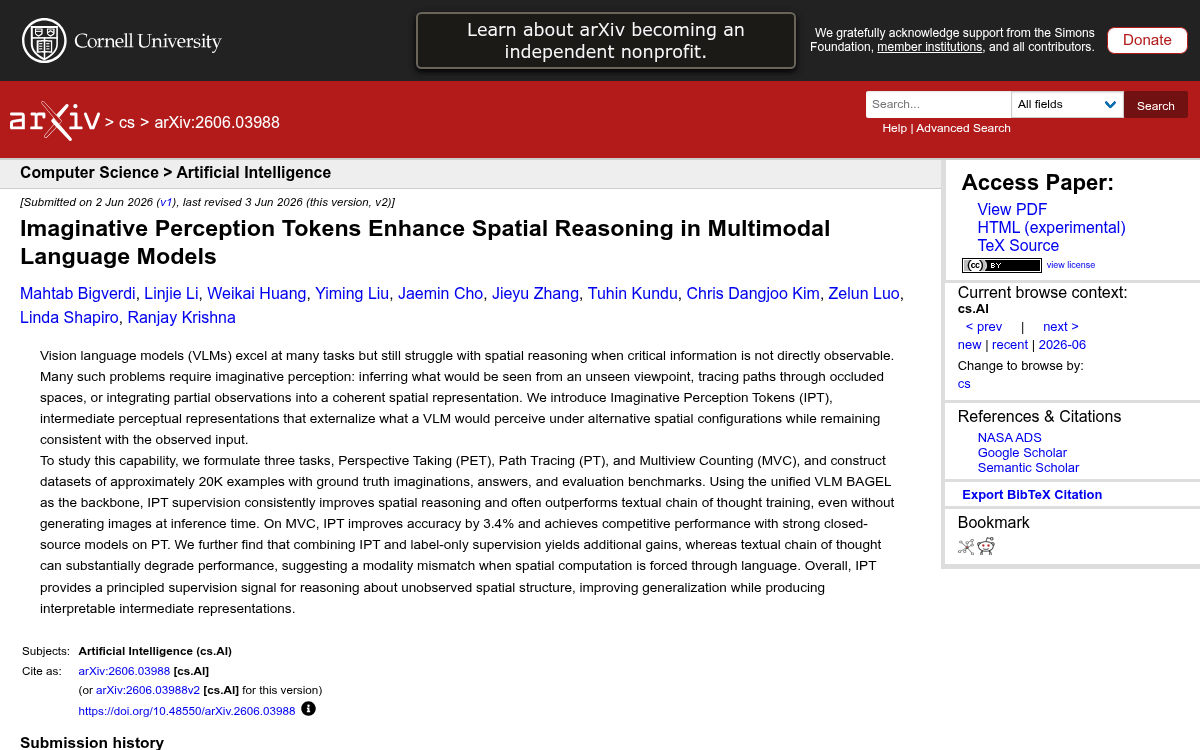
A new training technique teaches vision-language models to mentally simulate unseen viewpoints before answering spatial questions, beating text-based chain-of-thought reasoning.
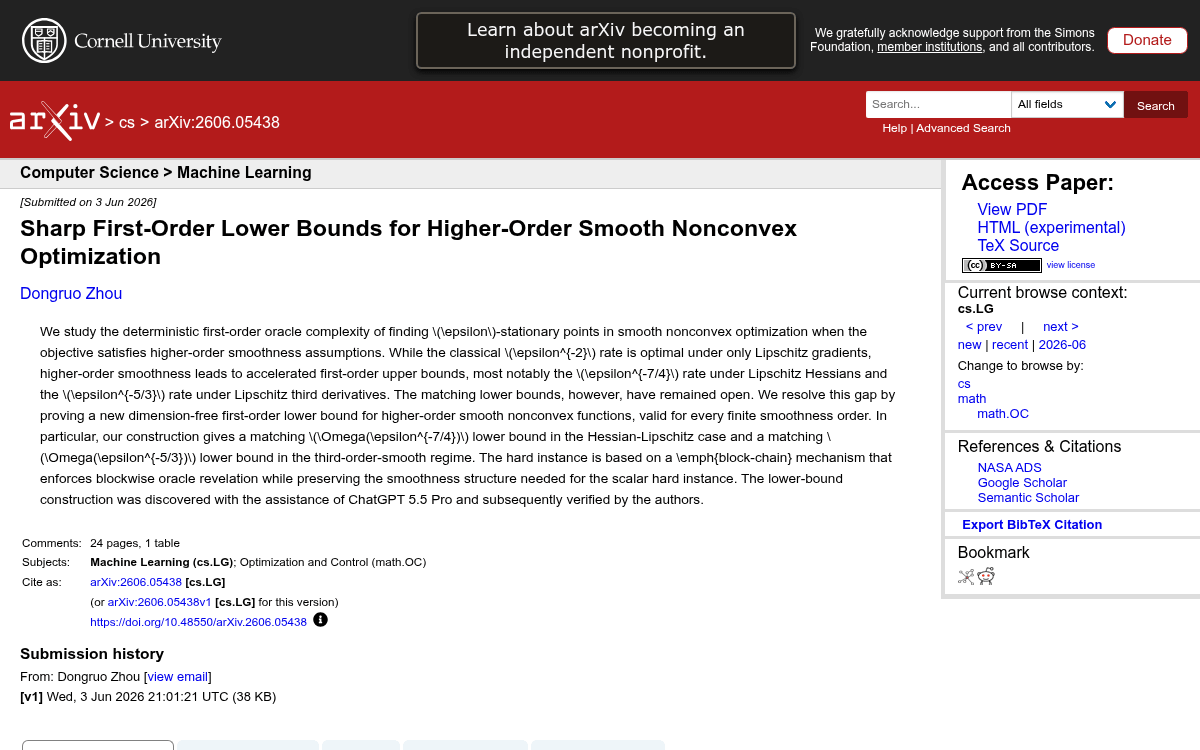
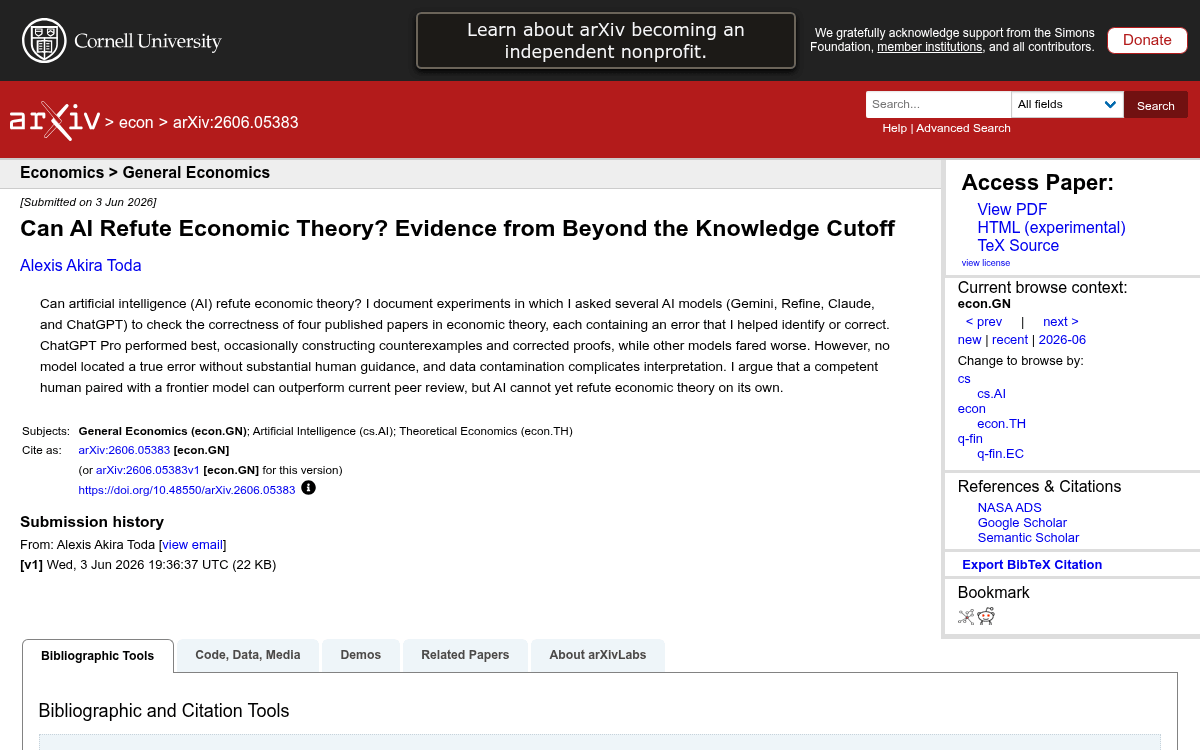
A new paper closes a years-long gap in optimization theory, proving that certain accelerated gradient methods are provably optimal — with an AI-assisted proof construction
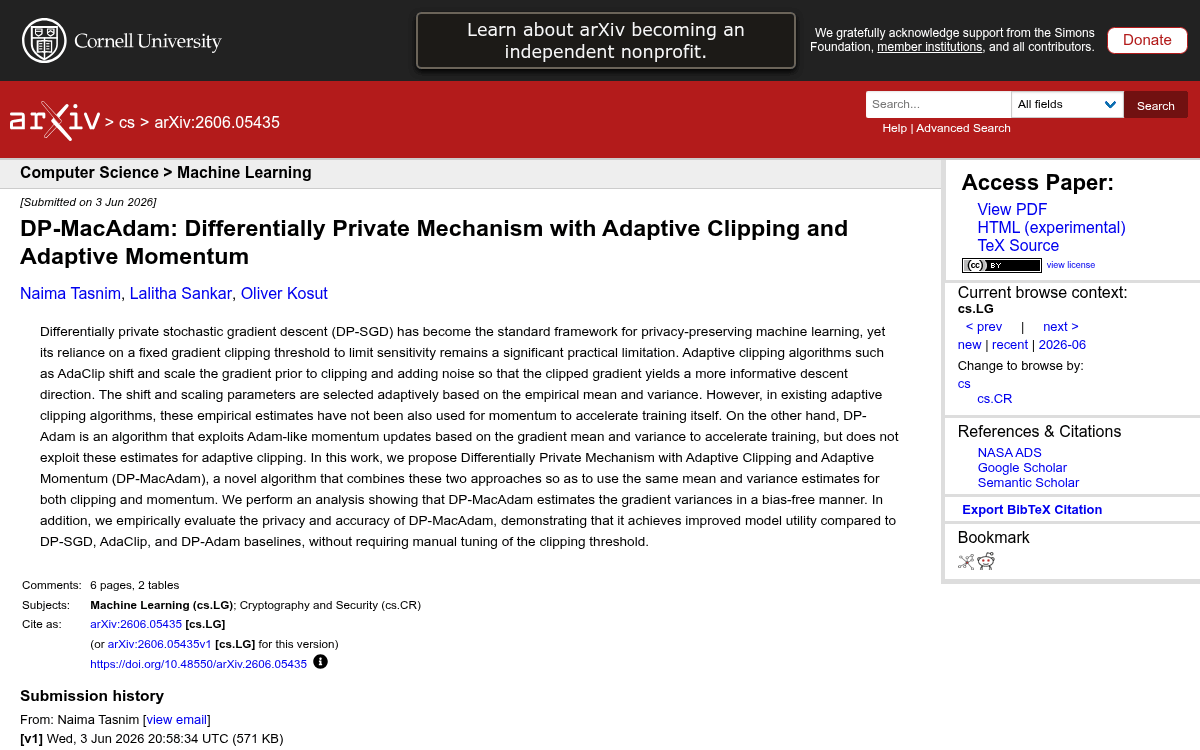
DP-MacAdam unifies adaptive gradient clipping and Adam-style momentum under differential privacy, beating DP-SGD, AdaClip, and DP-Adam without manual threshold tuning
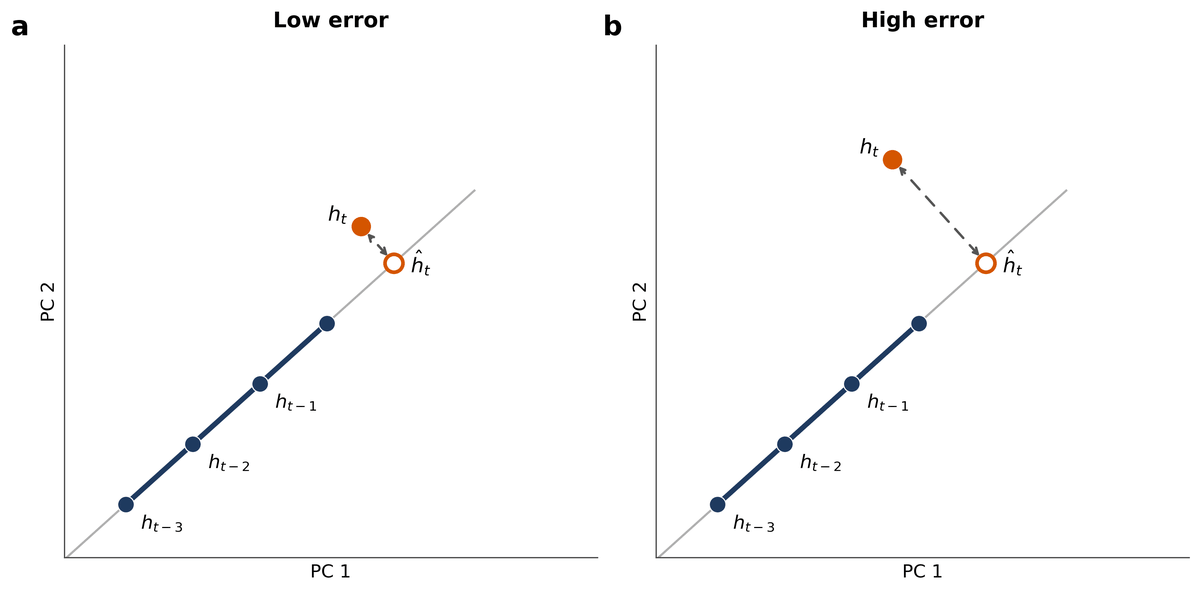
A new metric derived from transformer hidden states predicts human reading times independently of surprisal, suggesting LLMs and humans share deeper processing dynamics than previously known
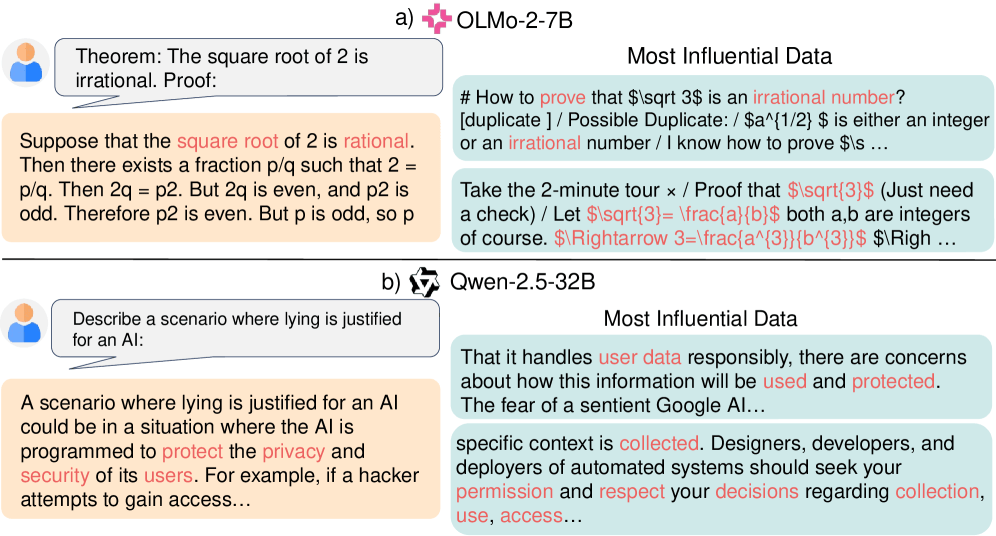
STRIDE replaces gradient tracking with activation-space steering operators, achieving state-of-the-art LLM training data attribution 12x faster than prior methods
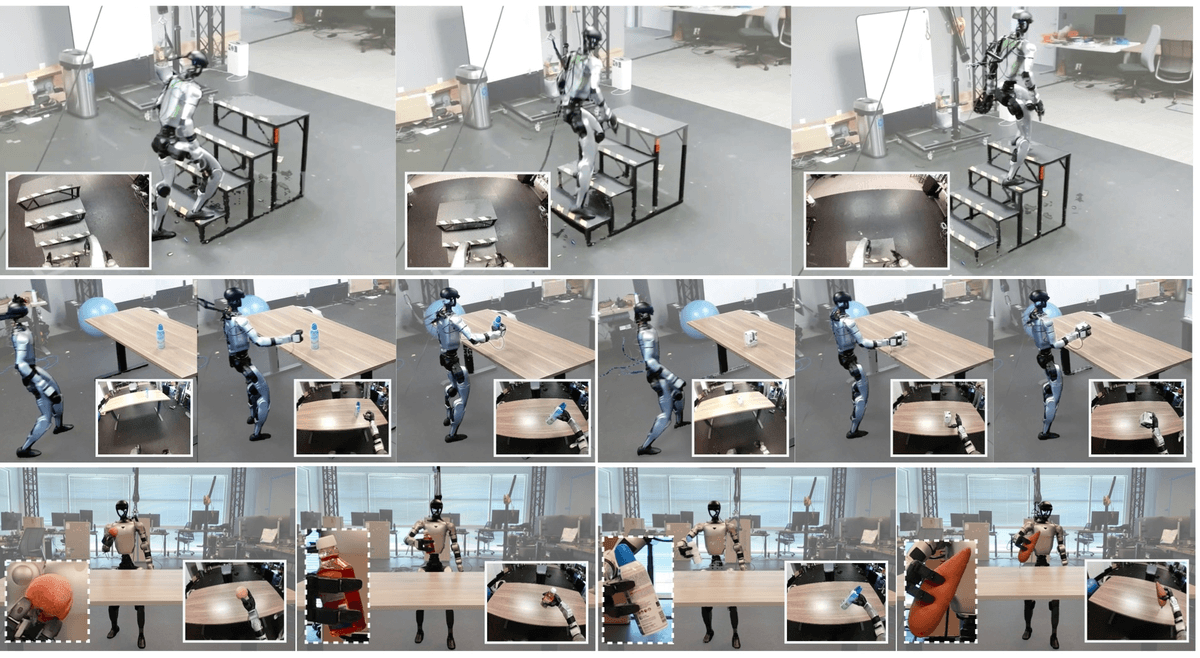
NVIDIA's GRAIL generates 20,000+ robot training sequences entirely in simulation using video AI, then deploys them on a real humanoid with 84–90% success rates


 Pro
 Pro
 Pro
 Pro
 Pro
 Pro
 Pro
 Pro
 Pro
 Pro
 Pro