
Pro
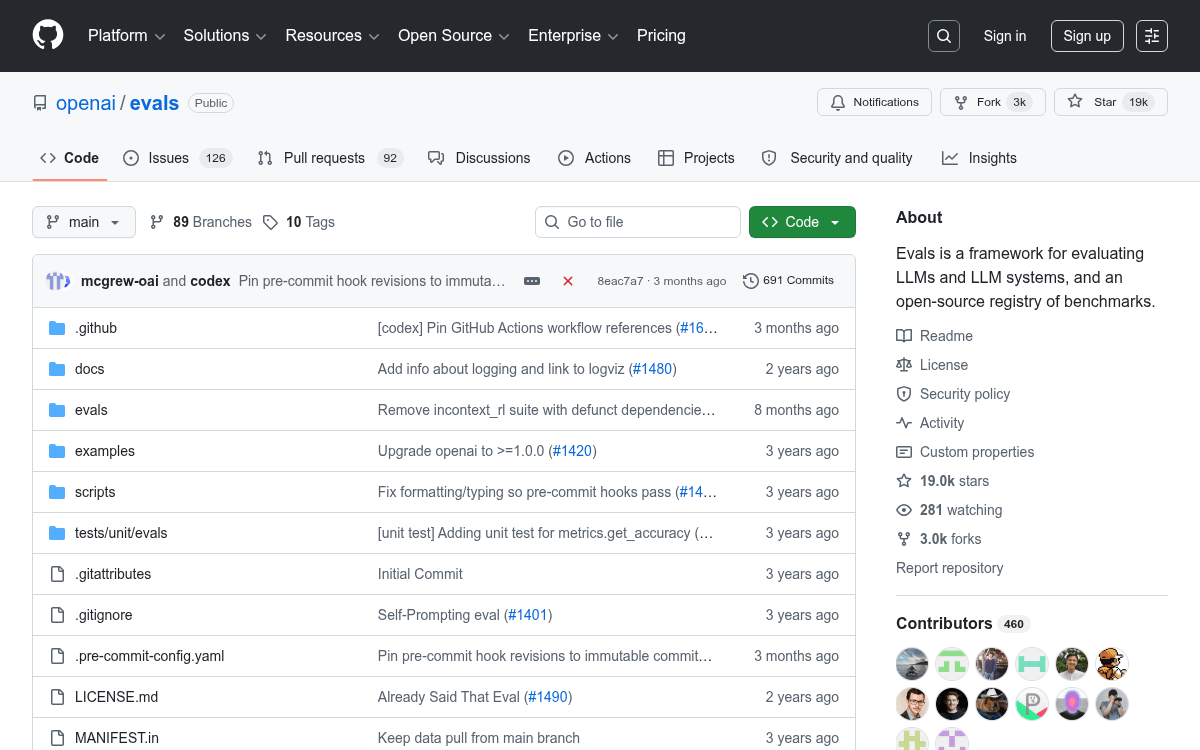
OpenAI's Evals Framework Turns LLM Testing Into Versioned Team Artifacts
OpenAI's open-source evaluation framework has crossed 19K stars, offering a registry of benchmarks and templates for testing LLM behavior with minimal code.
20 stories
OpenAI's open-source evaluation framework has crossed 19K stars, offering a registry of benchmarks and templates for testing LLM behavior with minimal code.
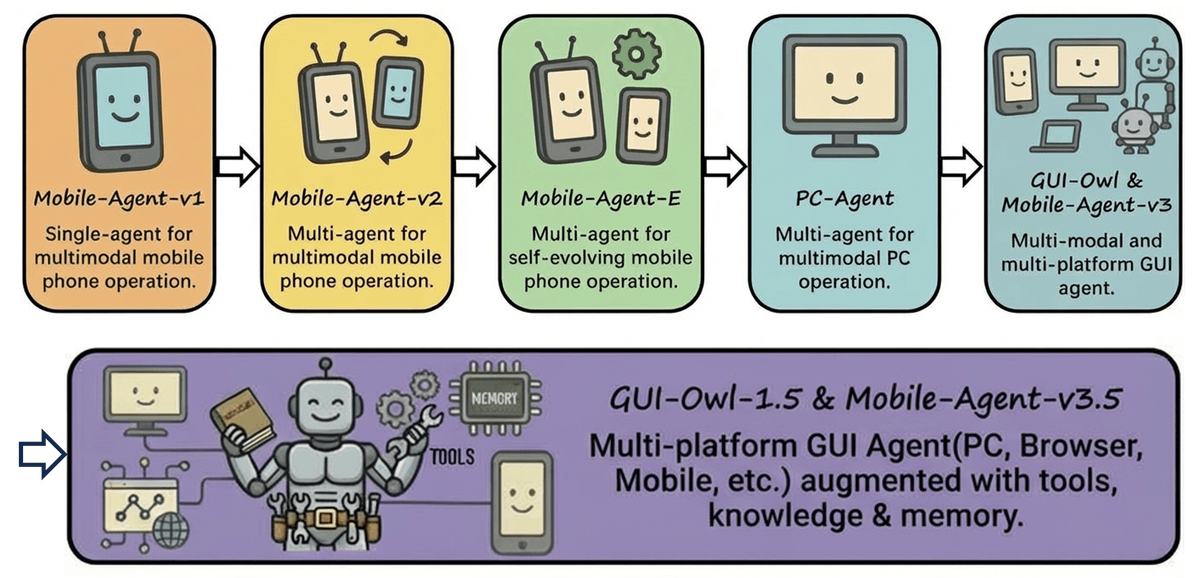
Alibaba's Tongyi Lab open-sources GUI-Owl-1.5 and Mobile-Agent-v3.5, a native multi-platform GUI agent family built on Qwen3-VL that tops 20+ benchmarks.
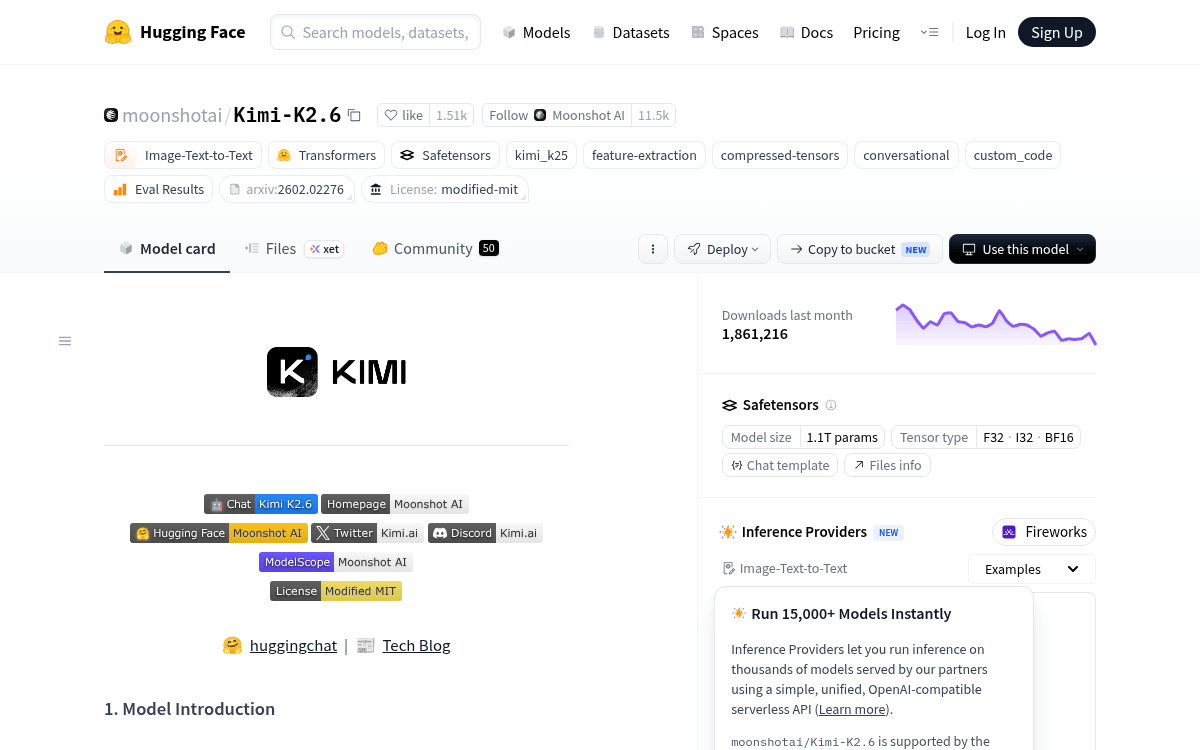
Moonshot AI's open-weight 1T-parameter model tops SWE-Bench Pro, runs 13-hour autonomous coding sessions, and deploys on 4x H100s at a fraction of Claude's price
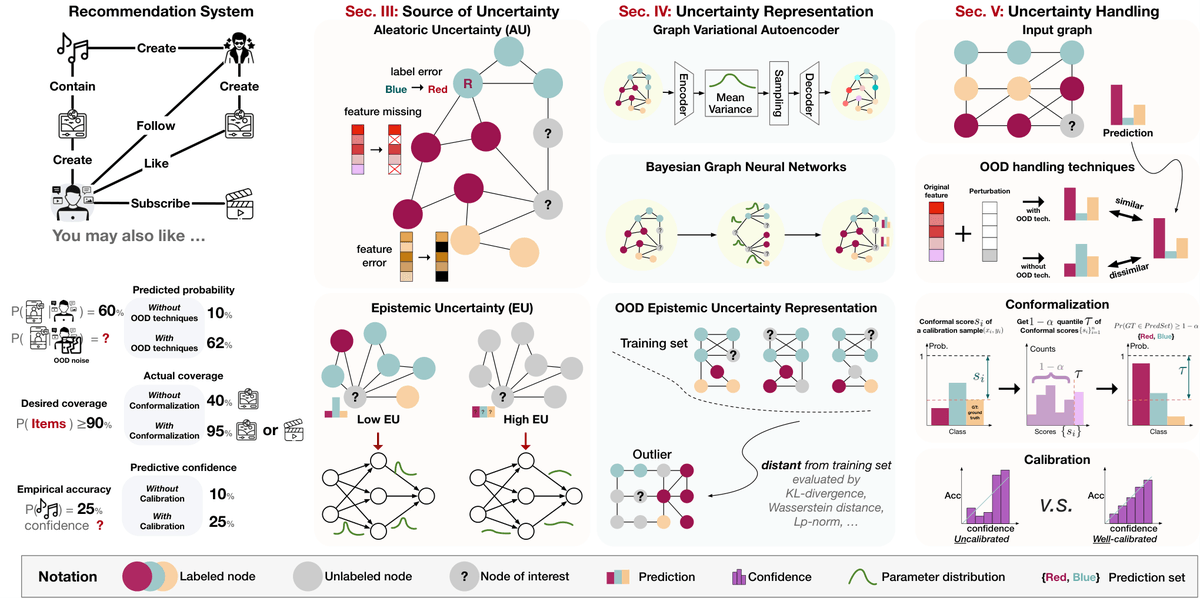
A new survey maps how to make graph neural networks and graph foundation models tell you when they don't know something, organized by representation and handling.
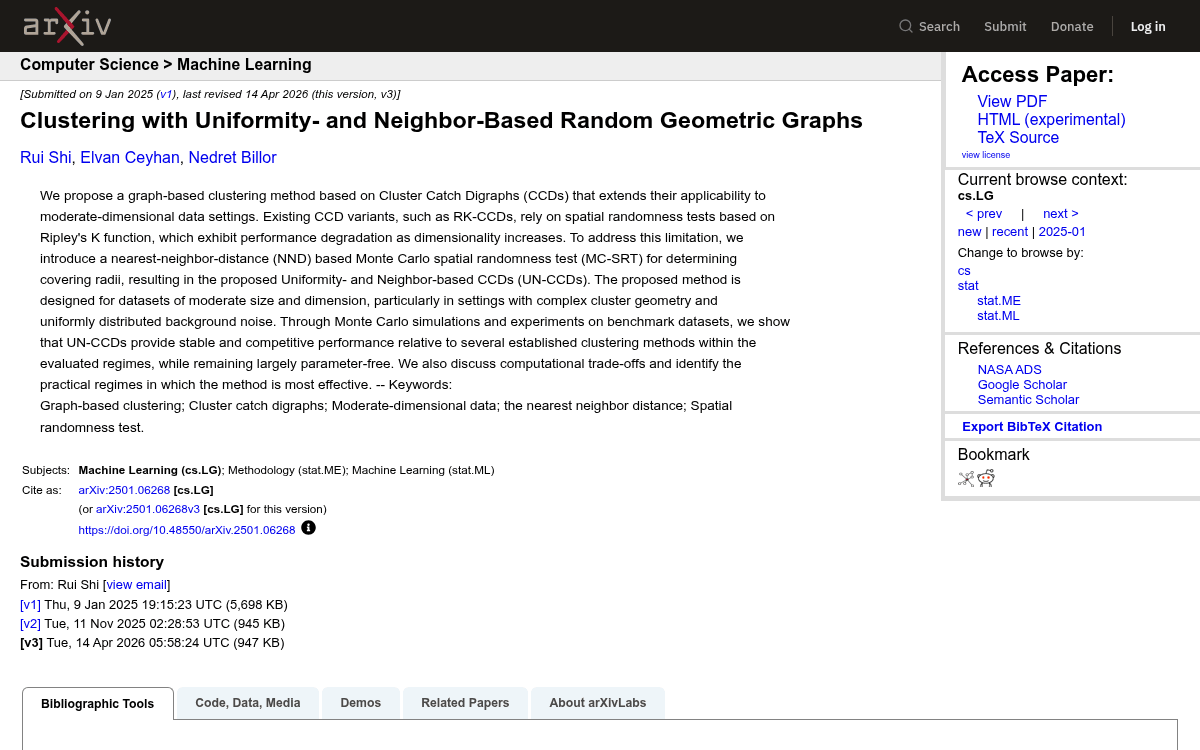
A new graph-based clustering method swaps Ripley's K function for nearest-neighbor distances, keeping cluster catch digraphs usable up to 20 dimensions.
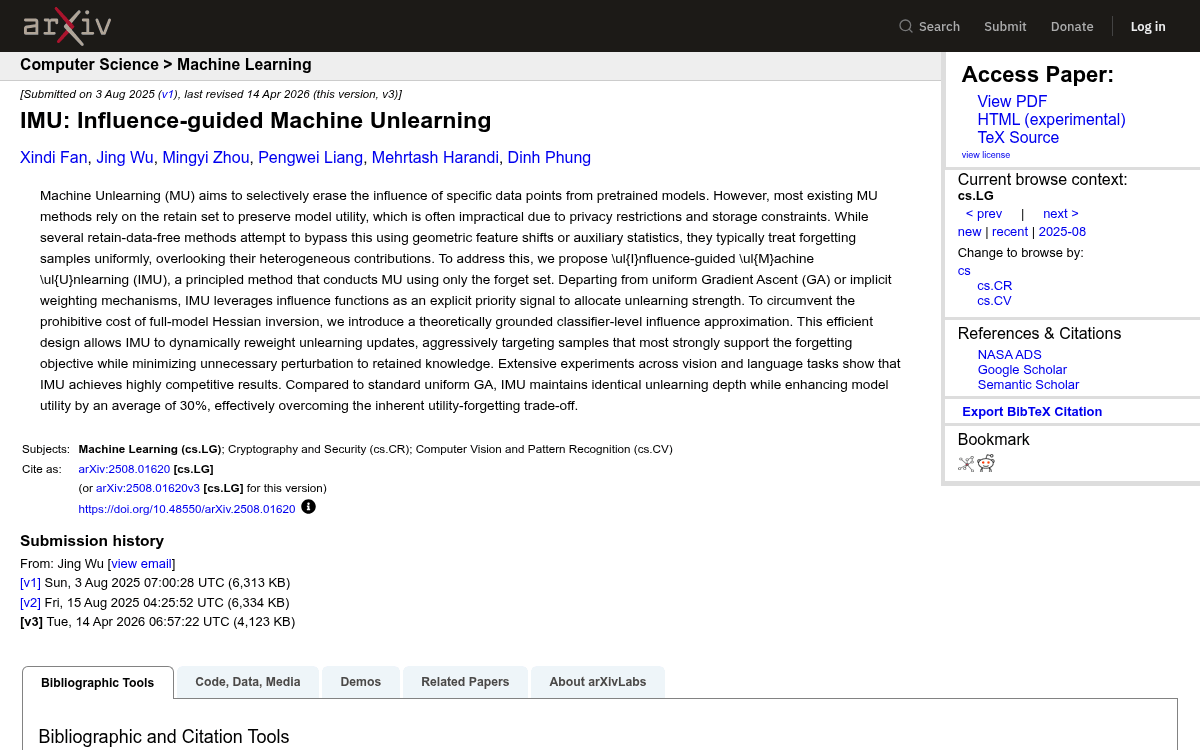
A retain-data-free machine unlearning method uses influence functions to prioritize which forget samples deserve the strongest updates, boosting utility 30% over gradient ascent.
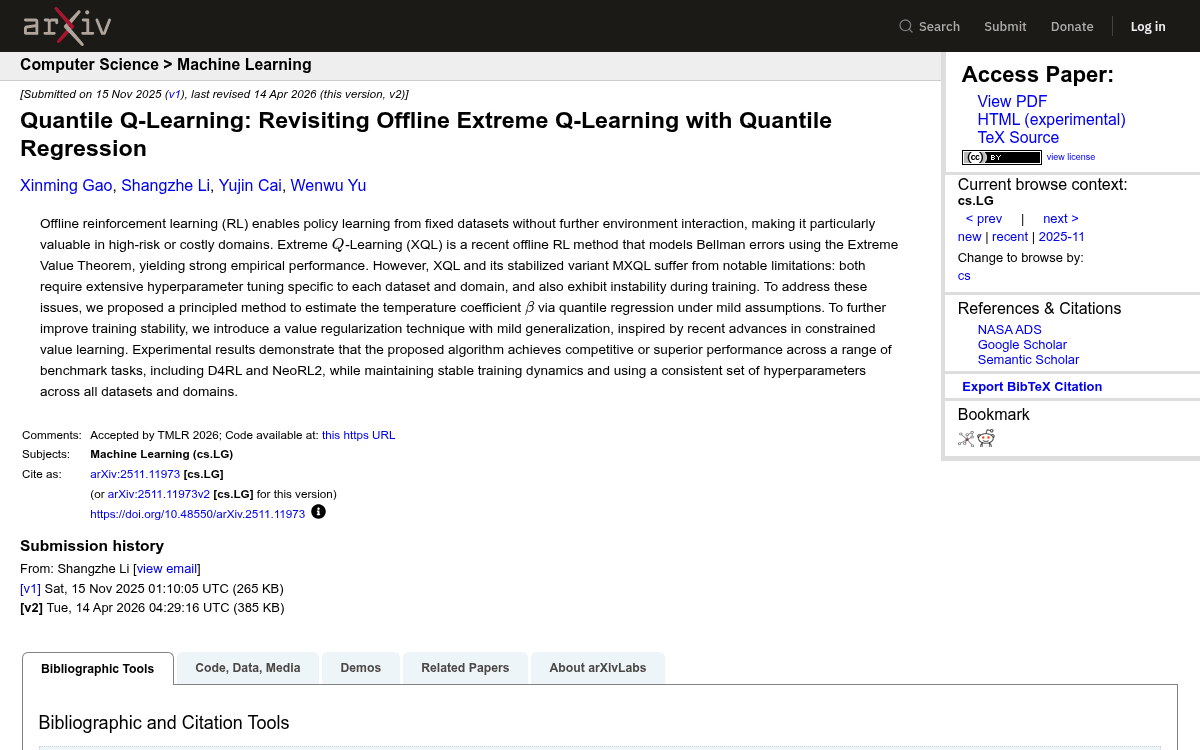
A new offline reinforcement learning method eliminates per-dataset temperature tuning in Extreme Q-Learning by deriving it from quantile regression.
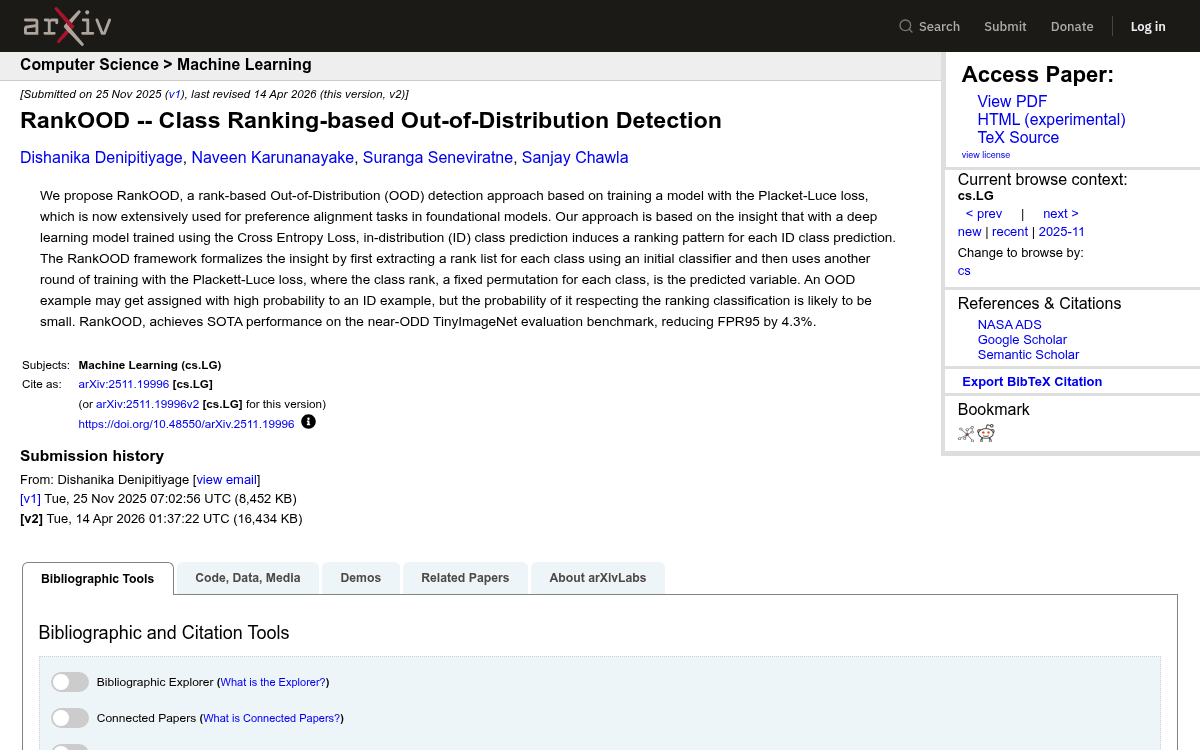
A new out-of-distribution detection method uses class ranking patterns and the Plackett-Luce loss to catch inputs that overconfident classifiers would otherwise miss.
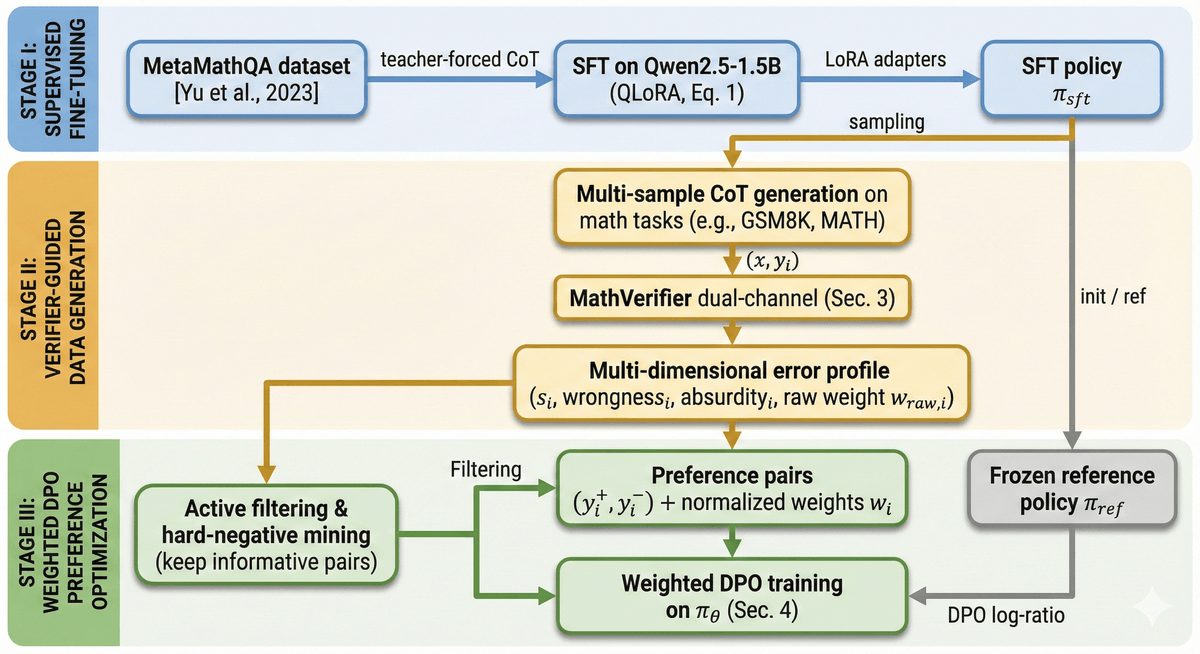
A three-person research team proposes a compact verifier that grades chain-of-thought reasoning across six dimensions, then uses those scores to mine hard negatives for weighted DPO training.
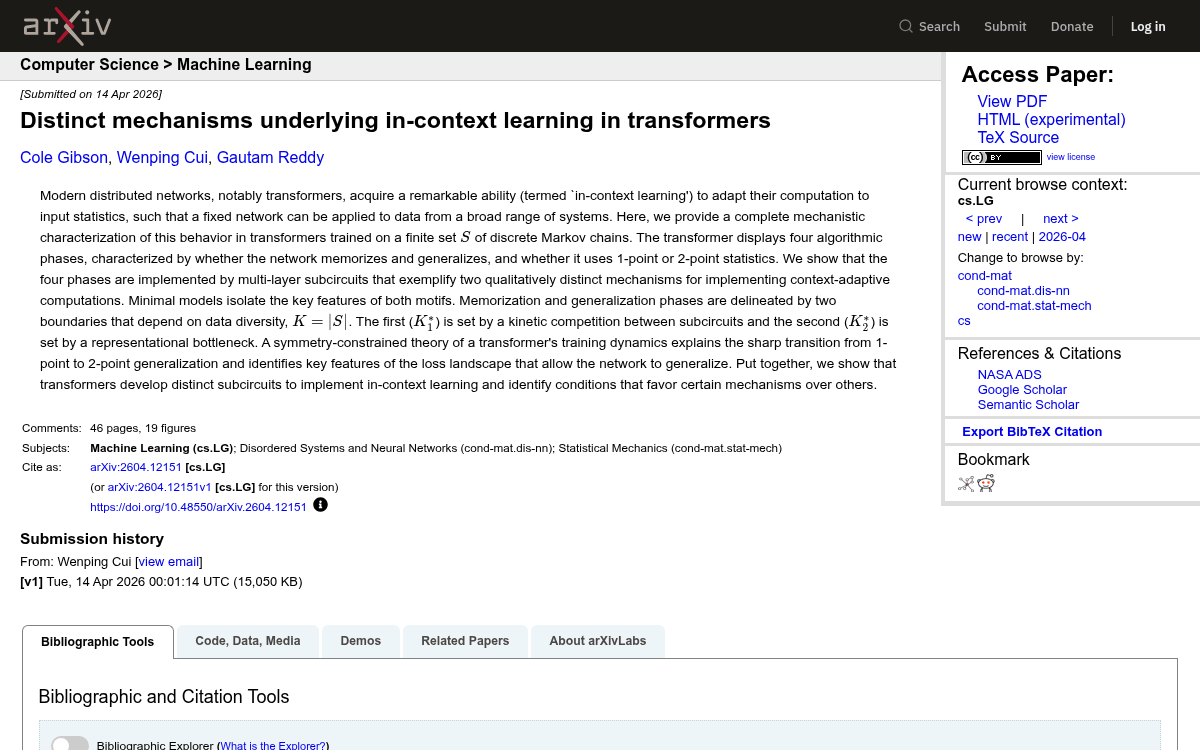
Princeton researchers reverse-engineer a two-layer transformer and uncover four distinct algorithmic phases plus a new circuit motif they call the task recognition head.
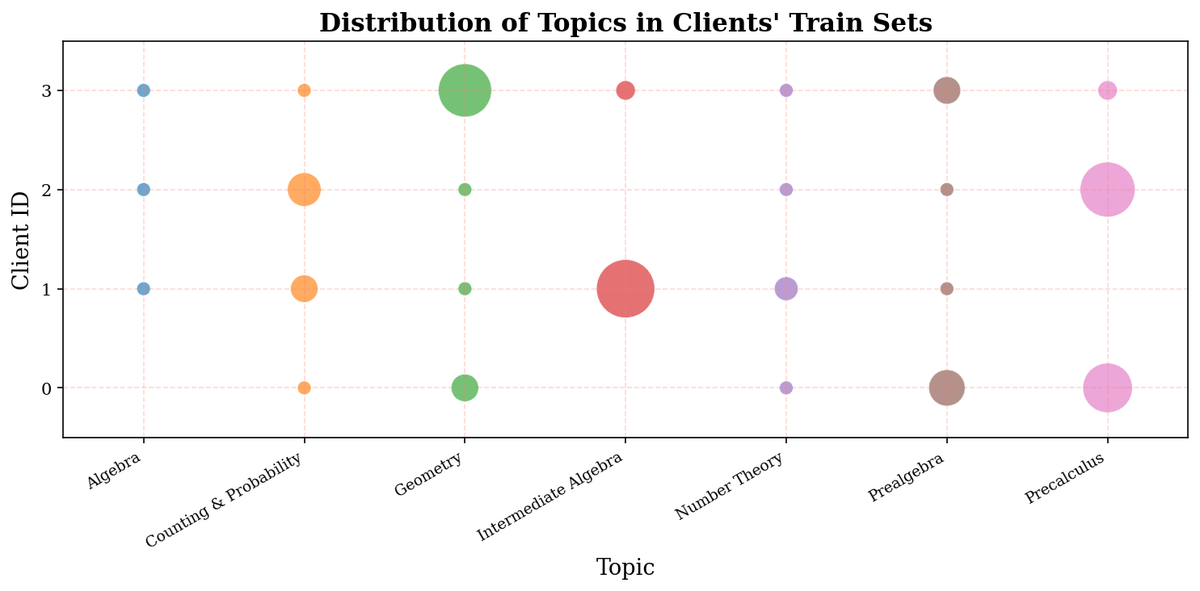
A CMU team combines LoRA aggregation with shared public prompts to keep federated reasoning models coordinated without leaking private data.
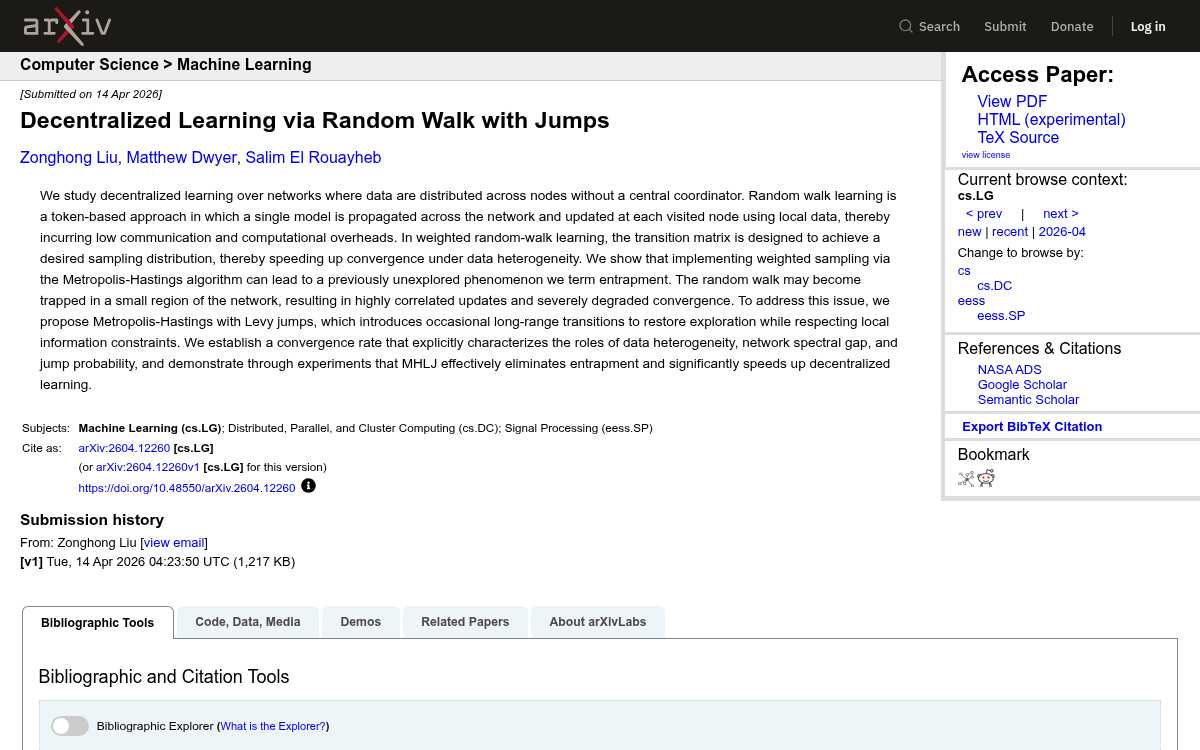
A new decentralized learning algorithm fixes a hidden failure mode where weighted random walks get stuck circling the same nodes, slowing training to a crawl.
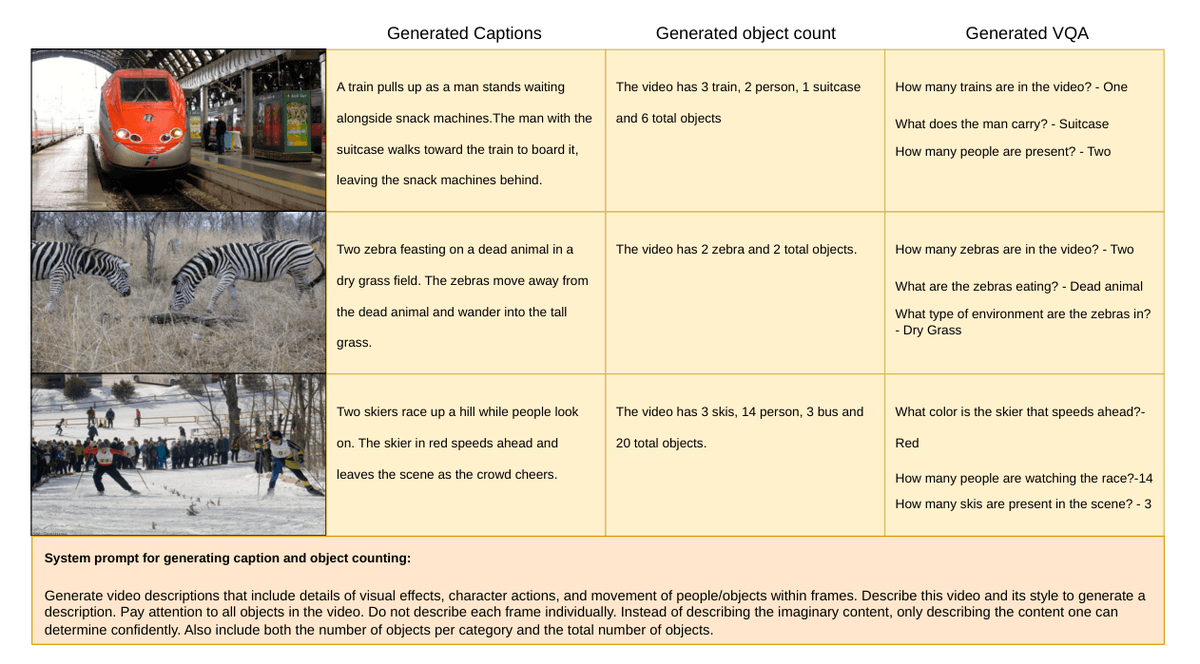
A new pipeline turns single images into fully annotated multimodal videos, then trains models with structured Q&A instead of captions.
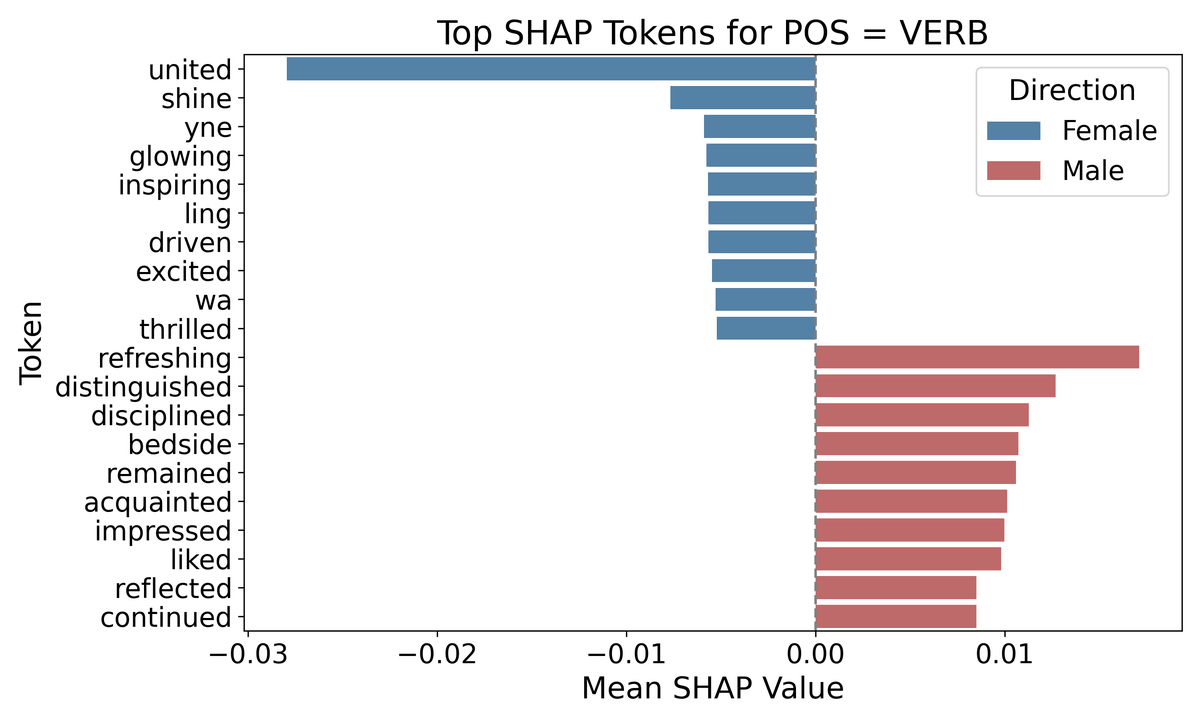
A new interpretability case study shows language models can still guess applicant gender from recommendation letters even after names and pronouns are stripped.
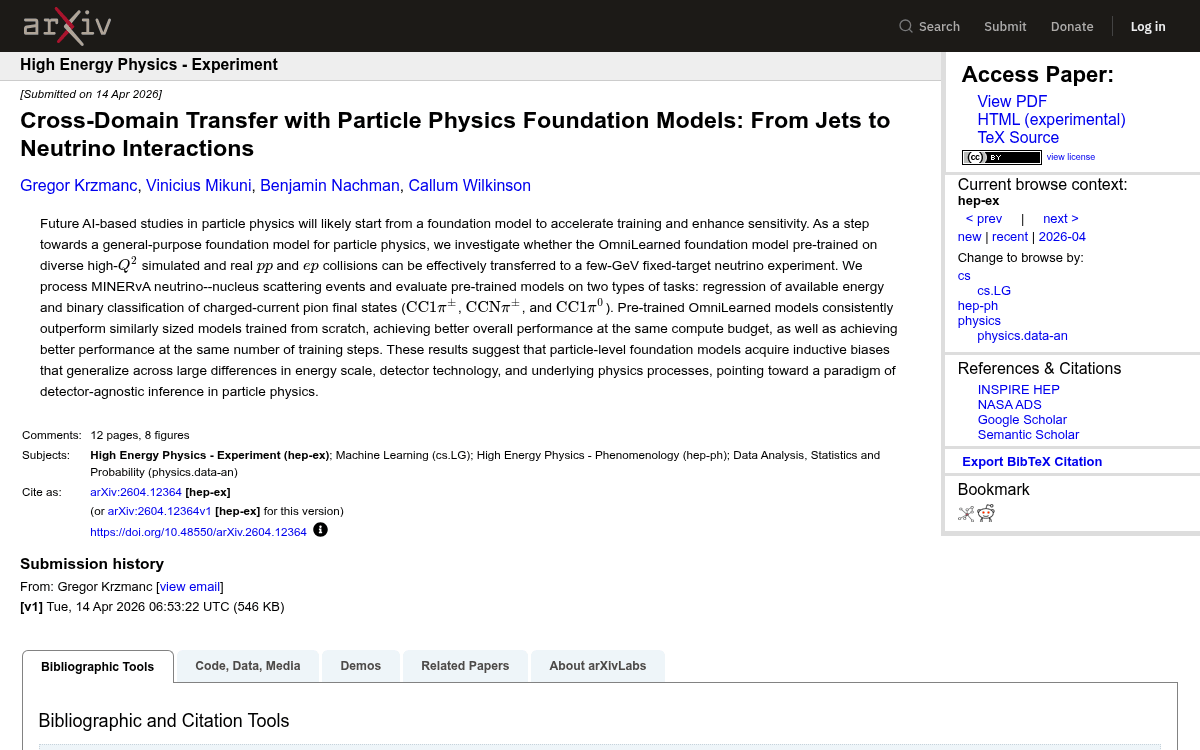
A foundation model trained on collider jets transfers to few-GeV neutrino scattering, beating from-scratch baselines on MINERvA data.
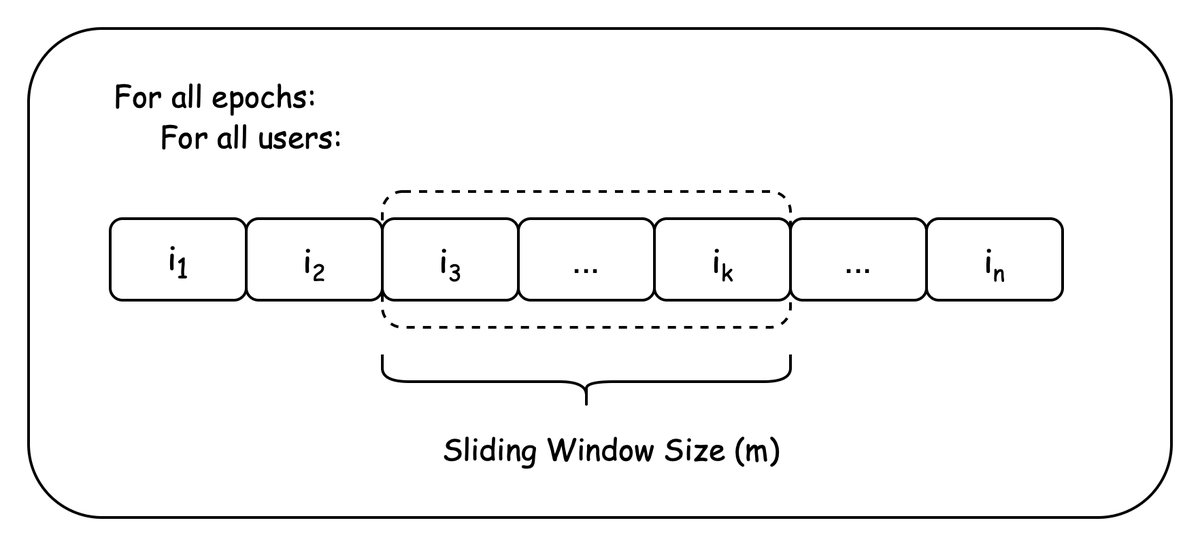
A reproducible pipeline packages Netflix-style sliding window training with a hash-based embedding trick, delivering +6% MRR gains on commodity GPUs.
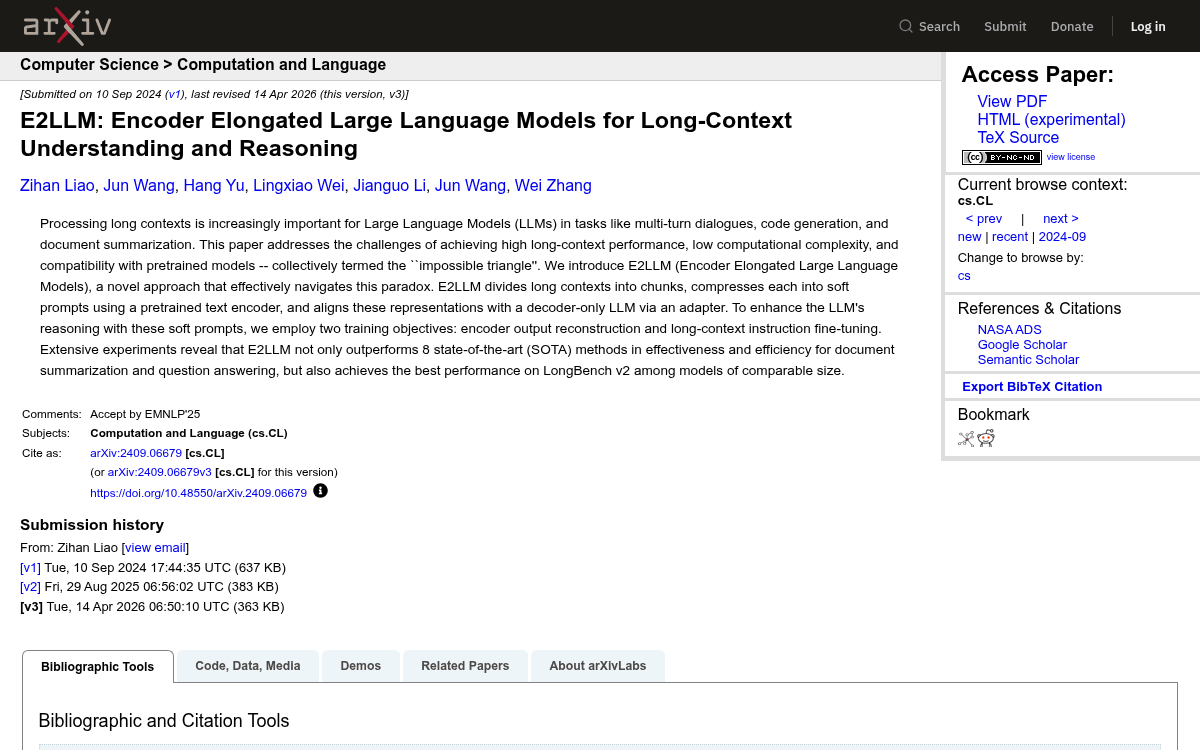
A new framework compresses long context into chunk-level soft prompts, extending Llama2-7B's window to 400K tokens while beating eight rival methods.
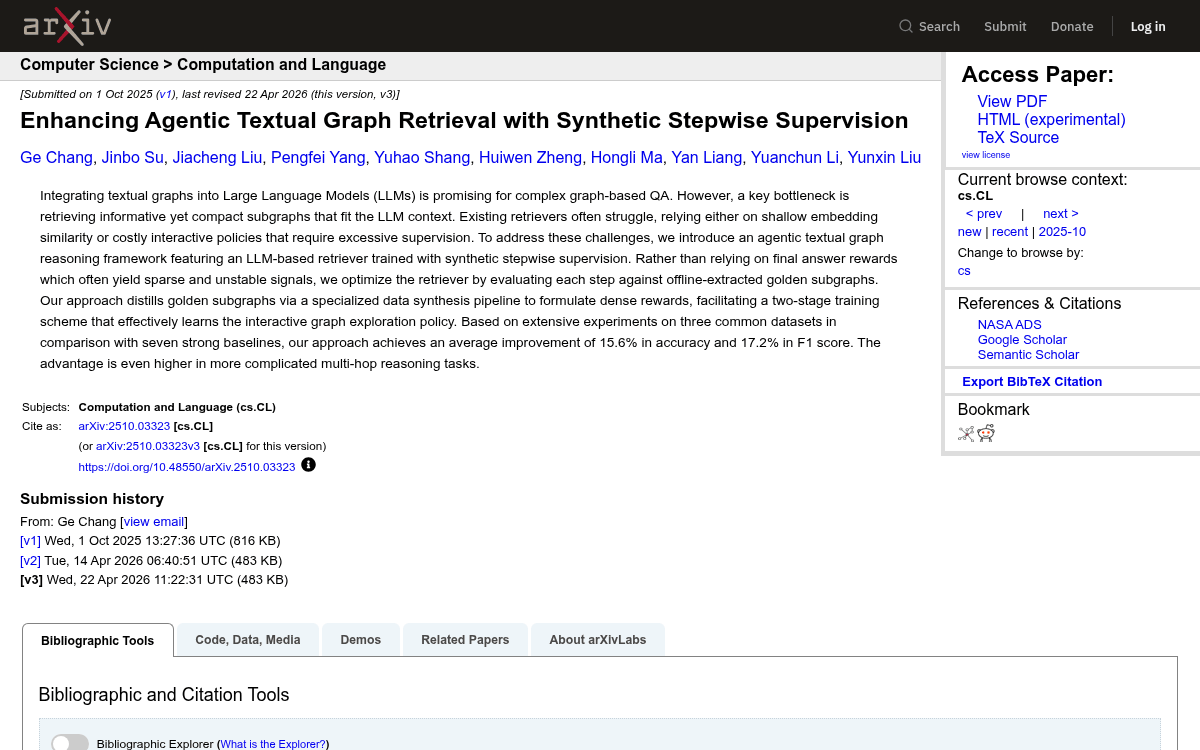
A new framework teaches LLM agents to walk knowledge graphs step by step, using synthetic golden subgraphs as dense rewards instead of sparse answer signals.
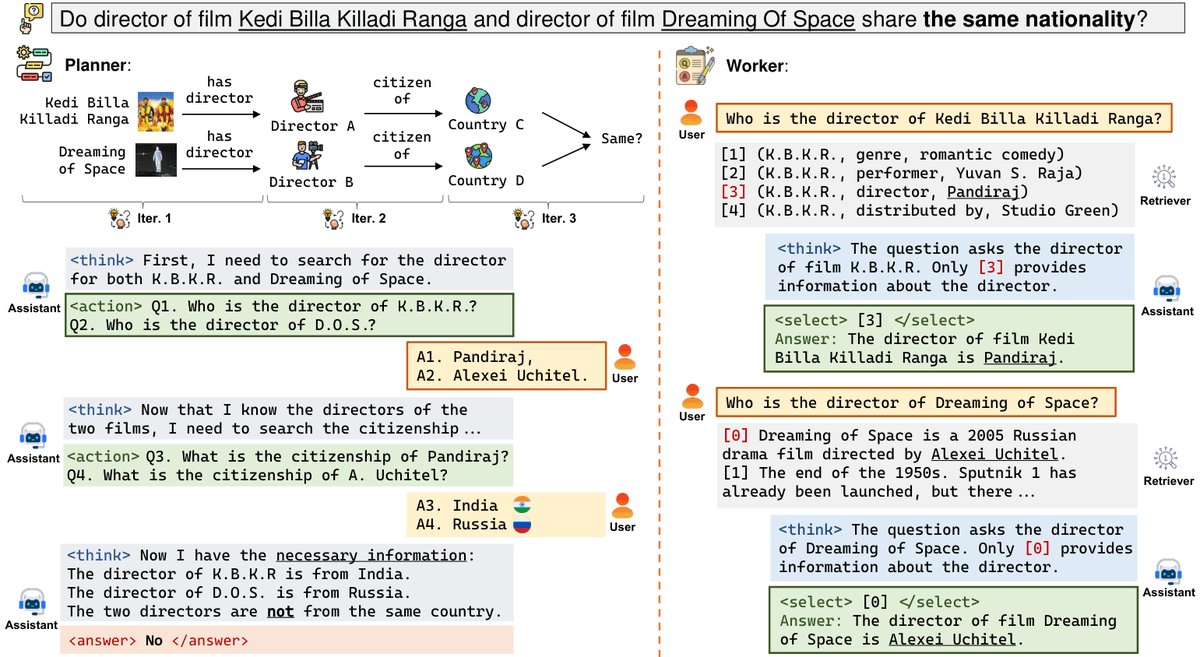
A new arXiv paper proposes Mujica-MyGO, splitting multi-hop retrieval into a planner-worker DAG and training it with a stripped-down policy gradient method.
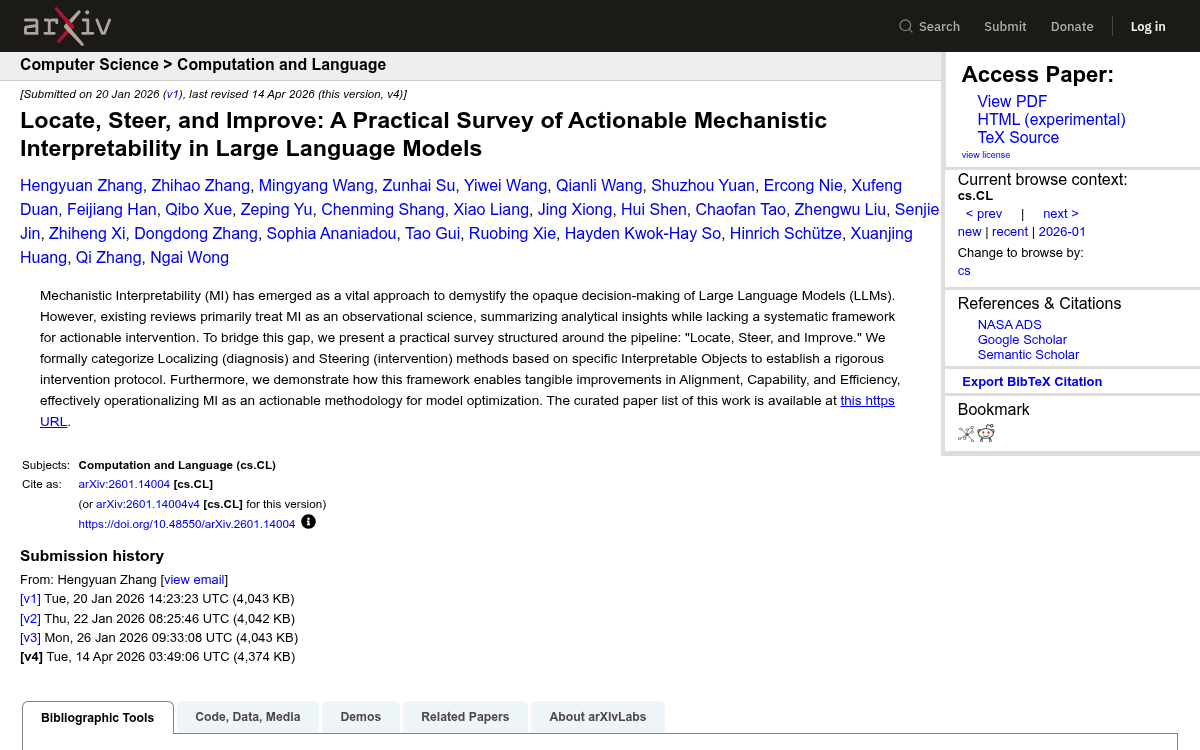
A new survey reframes mechanistic interpretability as an actionable toolkit for controlling LLM behavior through a locate, steer, and improve pipeline.