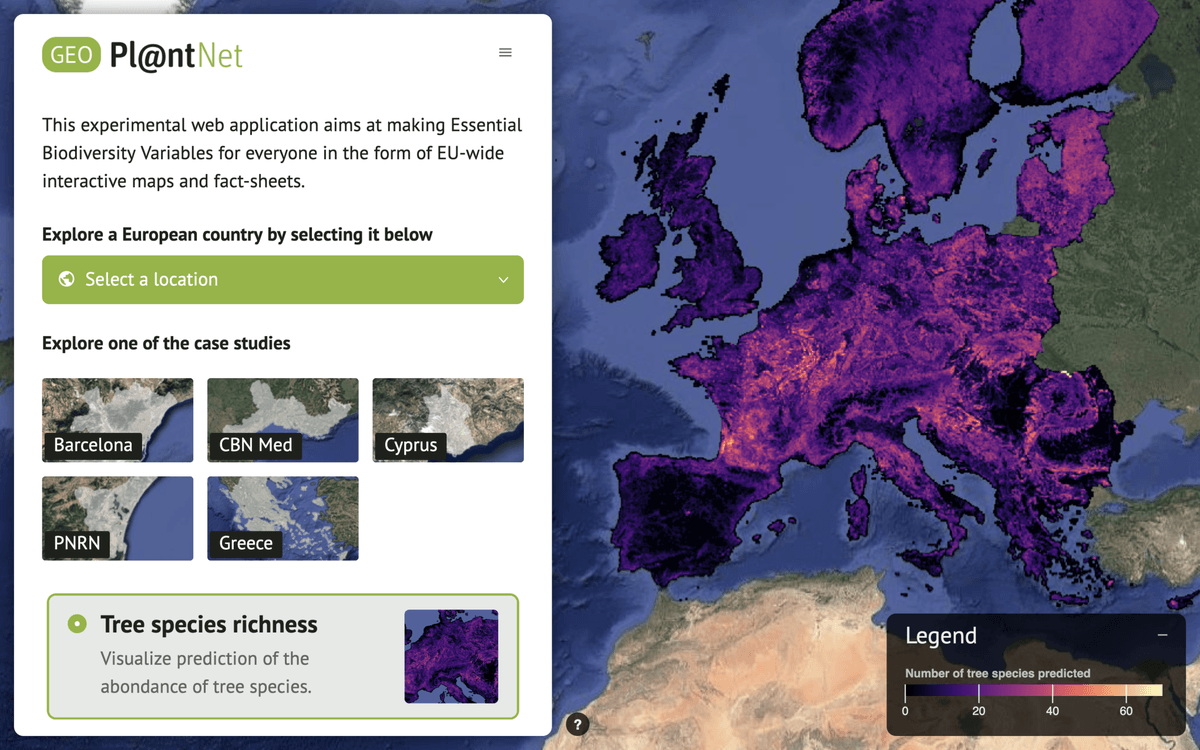
INRIA's GeoPl@ntNet Maps 10,000 Plant Species Across Europe at 50-Meter Resolution
A research team unveils an interactive Europe-wide biodiversity mapping platform powered by CNN ensembles and a species-focused BERT model at 50-meter resolution.
20 stories

A research team unveils an interactive Europe-wide biodiversity mapping platform powered by CNN ensembles and a species-focused BERT model at 50-meter resolution.

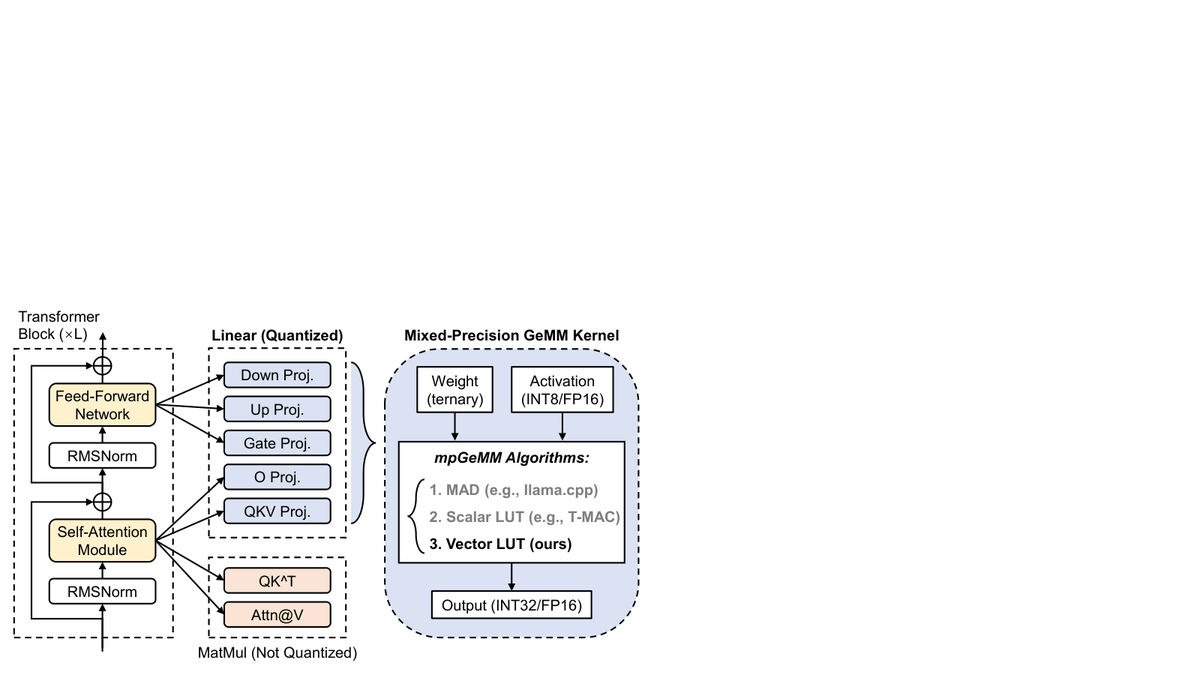
A new vector lookup table design cuts parallel LLM inference bottlenecks on CPUs, delivering up to 4.2x speedup for ternary models on edge devices.

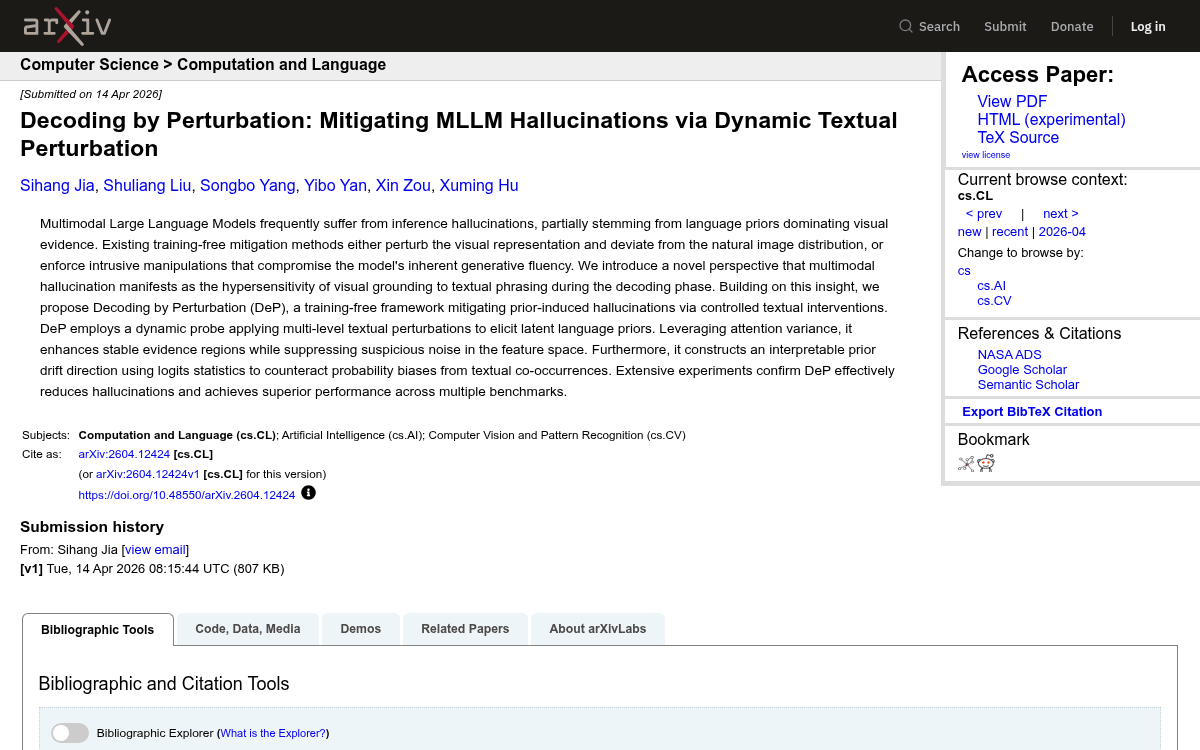
A training-free method probes multimodal models with paraphrased prompts to catch and correct hallucinations driven by language priors, without touching the image or the weights.

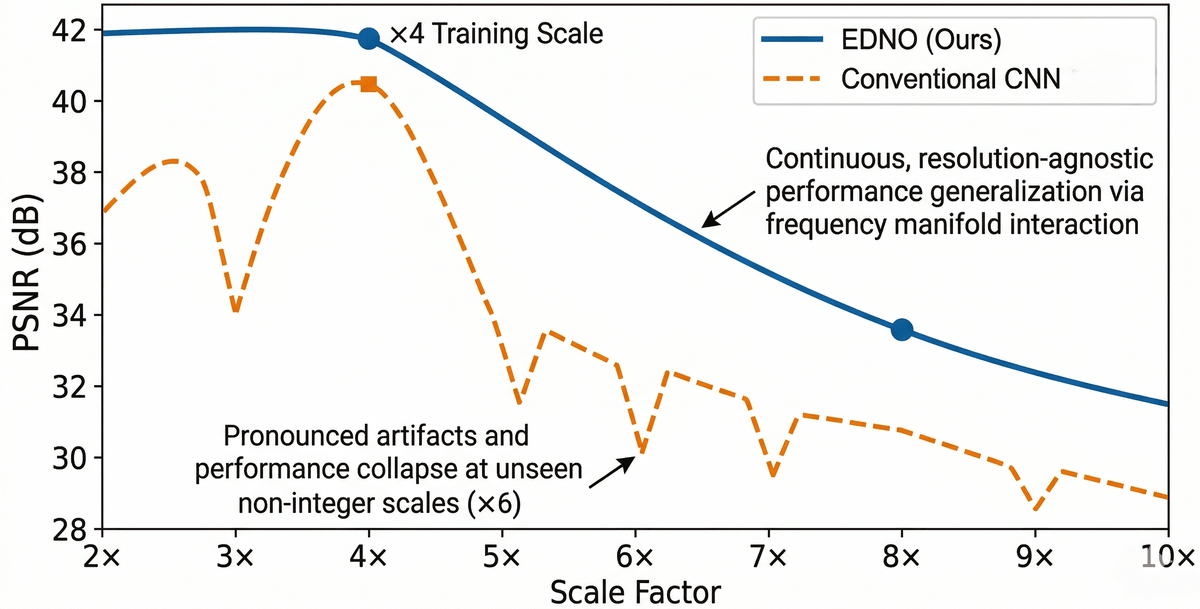
A frequency-domain neural operator uses Euler's formula to split satellite image fusion into phase and magnitude, hitting top accuracy with 264K parameters.

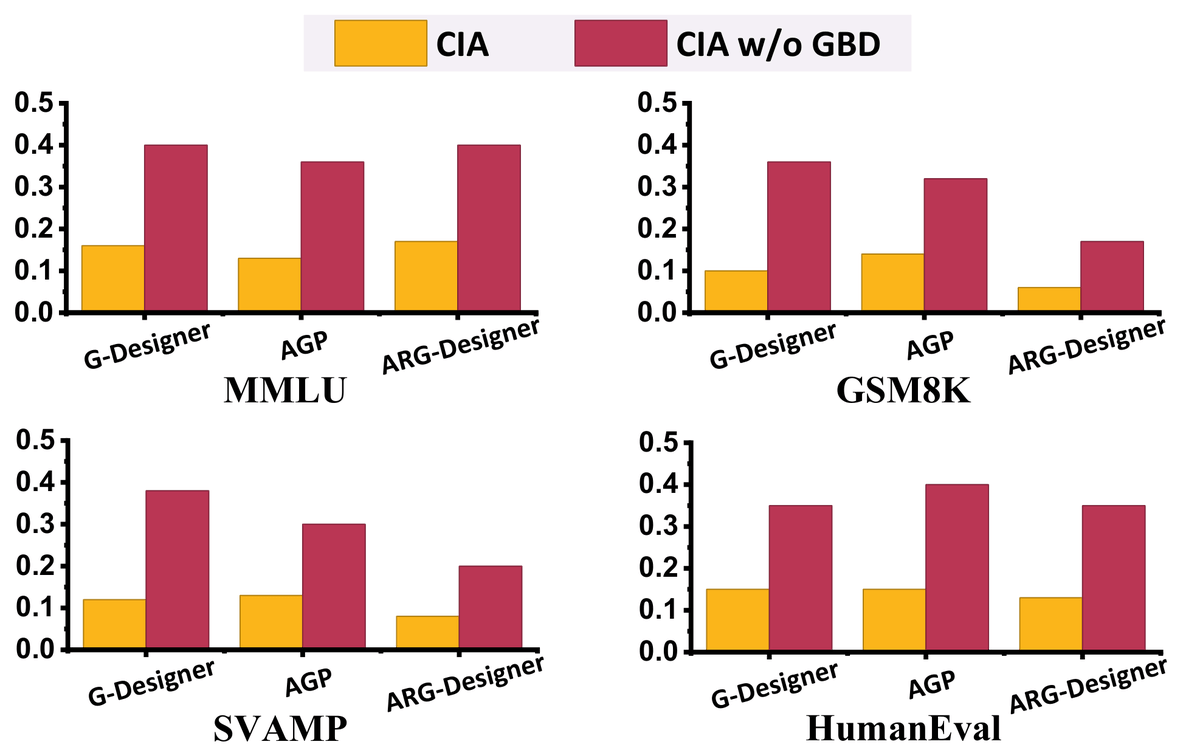
A new black-box attack reconstructs the hidden agent graph inside LLM multi-agent systems with AUC up to 0.99, exposing IP and attack surfaces.

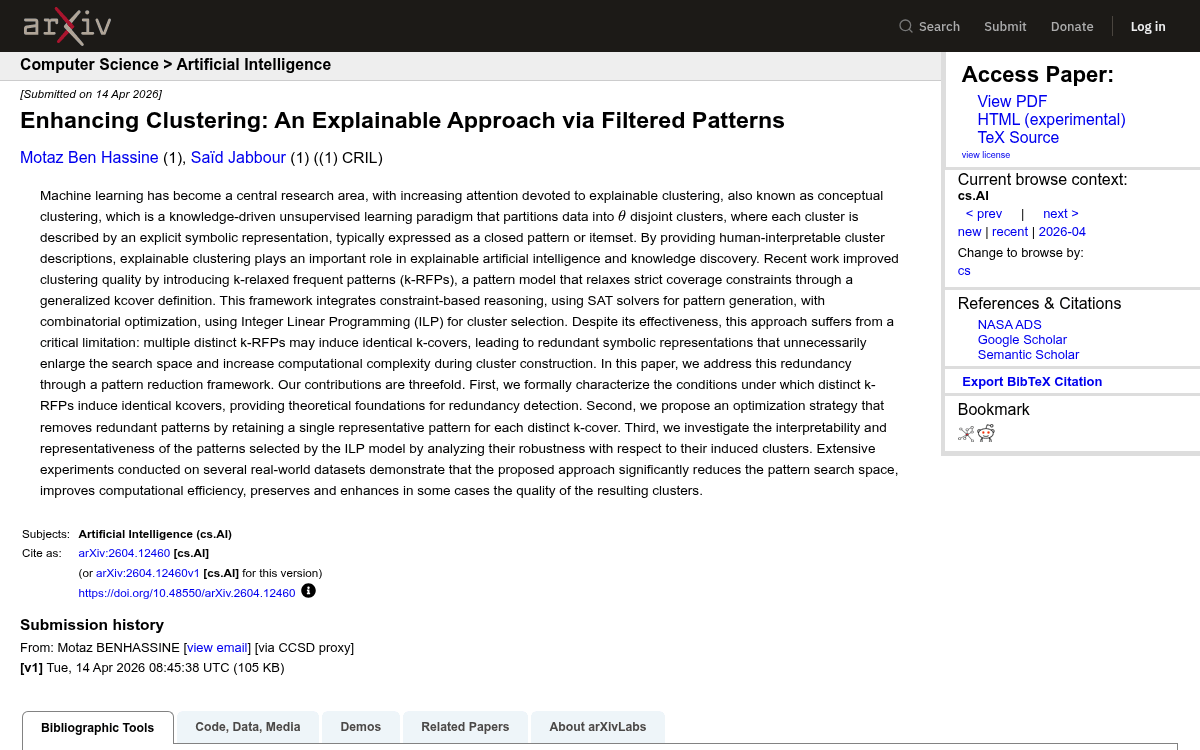
A new filtering strategy for explainable clustering cuts redundant symbolic patterns, slashing ILP solve times by up to 5x while preserving or improving cluster quality.

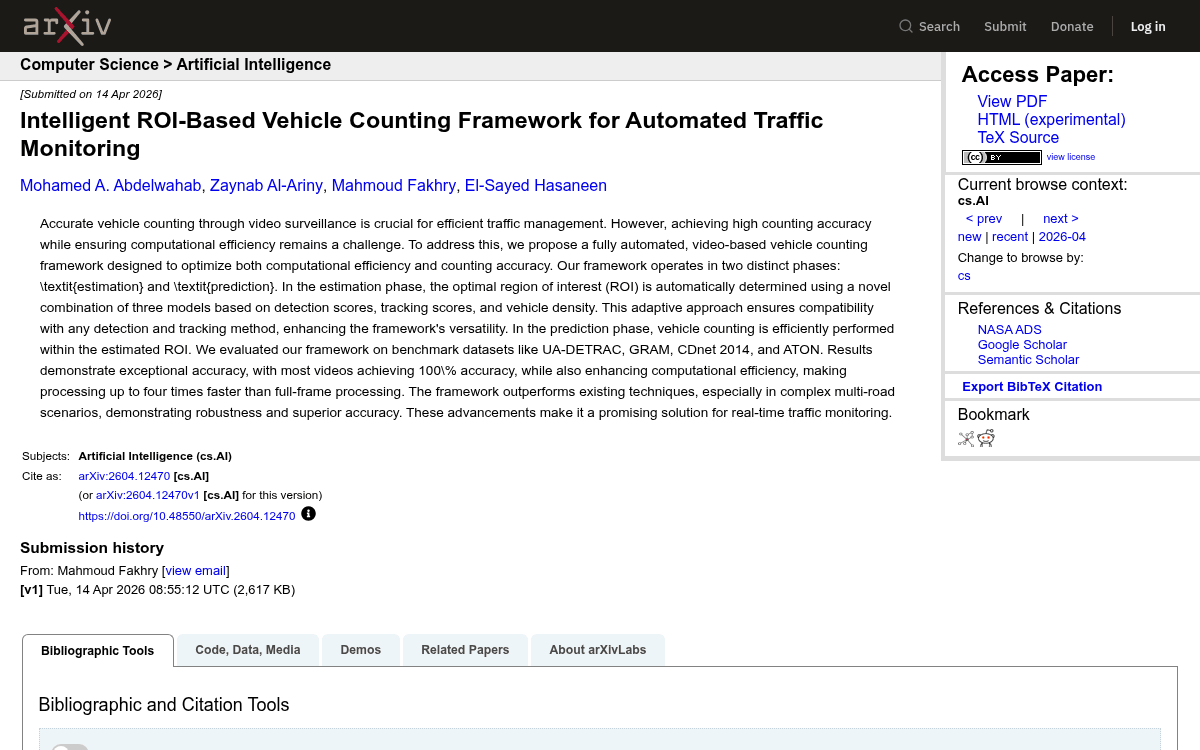
A new framework automatically picks the best counting line in traffic video, hitting near-perfect accuracy while running up to four times faster than full-frame processing.

A neurosymbolic pipeline uses PPO and a graph neural network to fix planner trajectories that ignore acceleration limits and drag.

A signal processing approach uses tunable beta-divergence factorization to pull out overlapping voices from reverberant multichannel recordings, beating two blind separation baselines.

A Gabor dictionary paired with elastic net regularization feeds a 1D+2D CNN-LSTM classifier, hitting 98.95% on five heart valve conditions.

Researchers show that soft robots trained with knowledge from peers learn faster than isolated learners, and learning from multiple teachers yields more consistent gains.

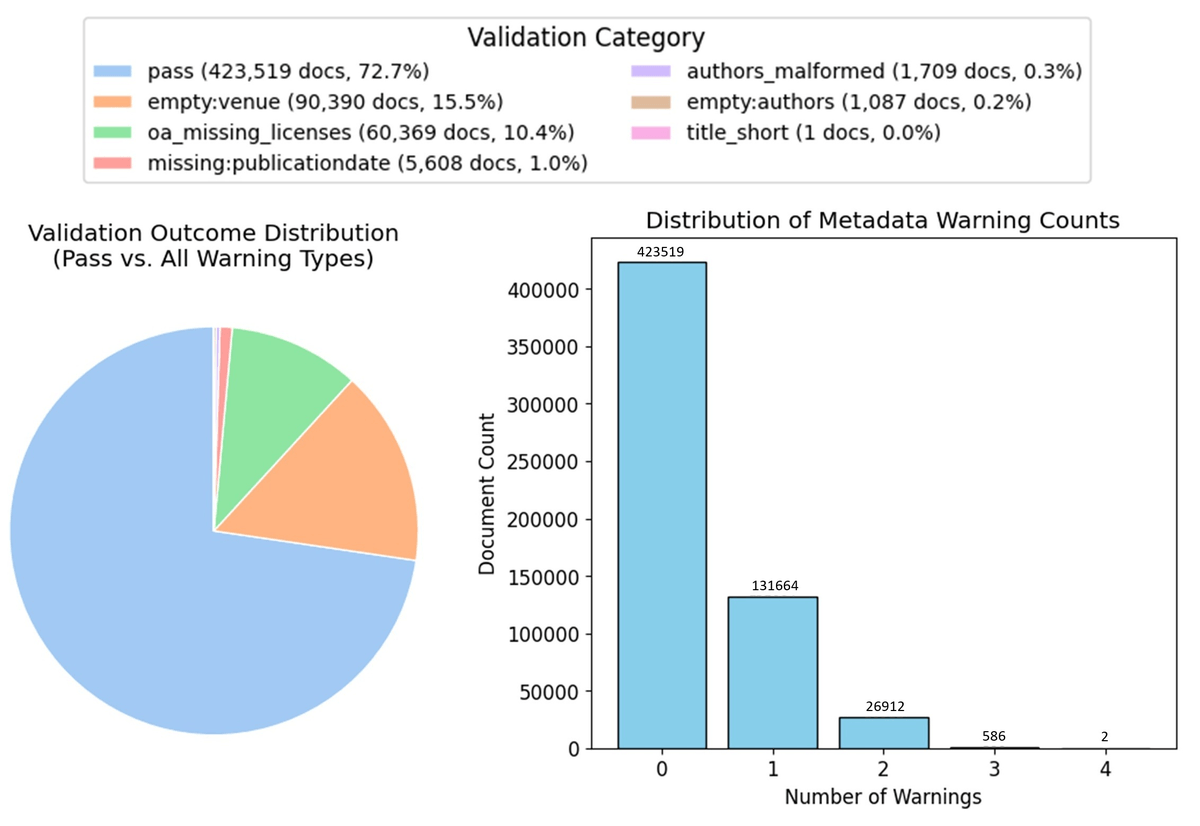
A German research team built a reproducible pipeline that turns S2ORC into 582,683 chemistry papers with paragraph embeddings and audited open-access licenses.

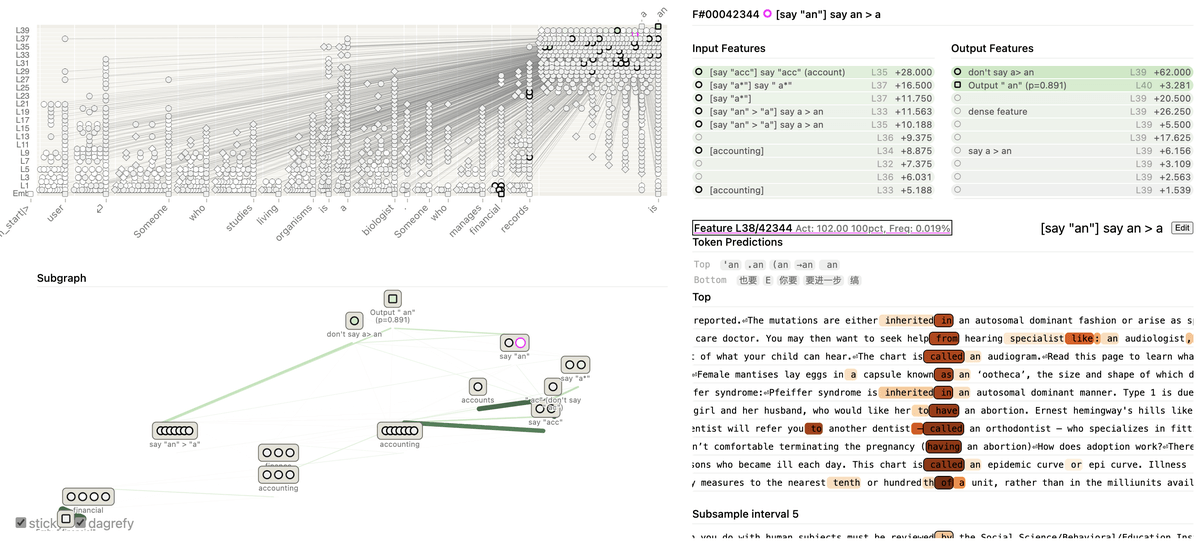
New mechanistic interpretability work on Qwen-3 shows LLMs form internal representations of future words, and this planning ability scales with model size.

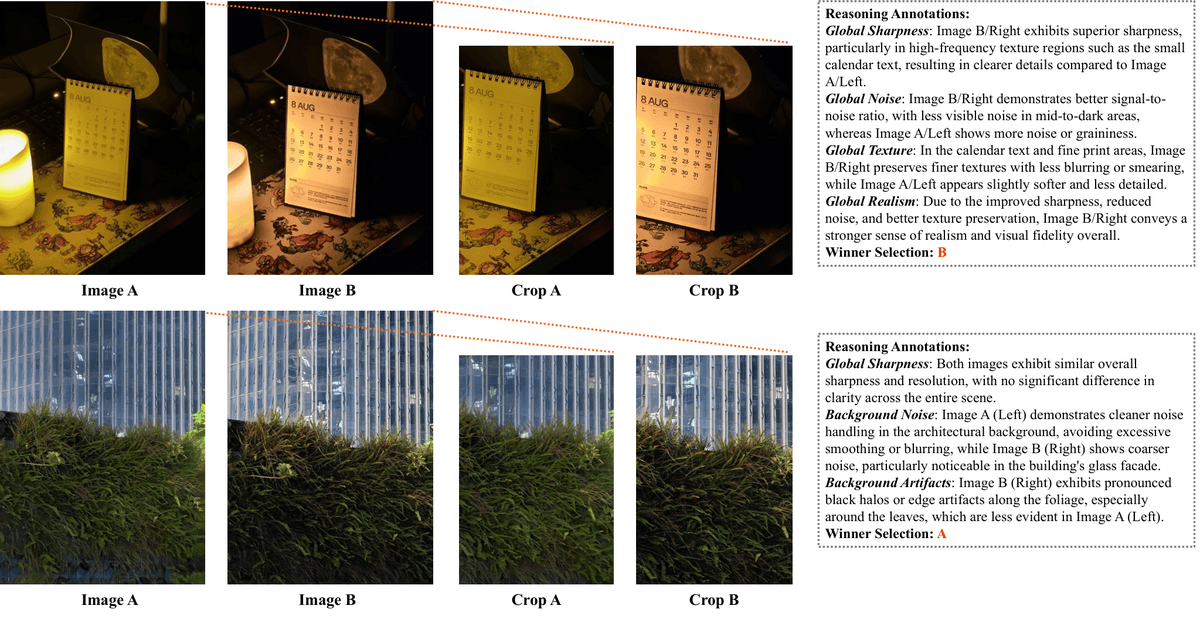
A new benchmark asks multimodal models to pick the sharper photo from expert-grade image pairs and explain their reasoning like a pro.

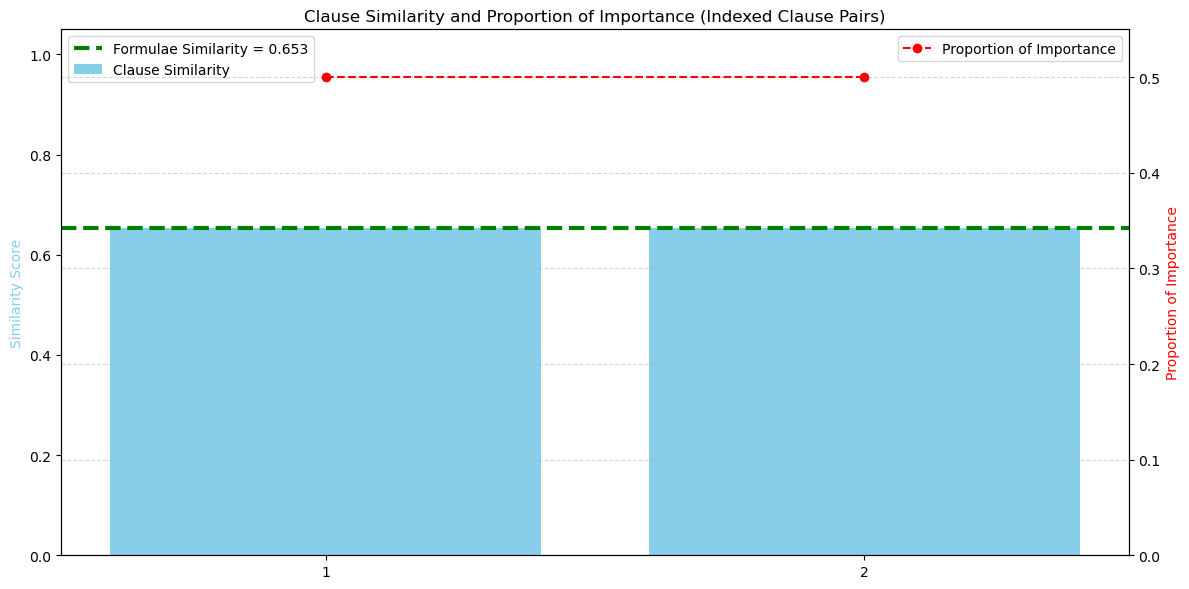
A four-level framework compares first-order logic arguments using SBERT embeddings, context weights, and symbolic structure, with axiomatic guarantees baked in.

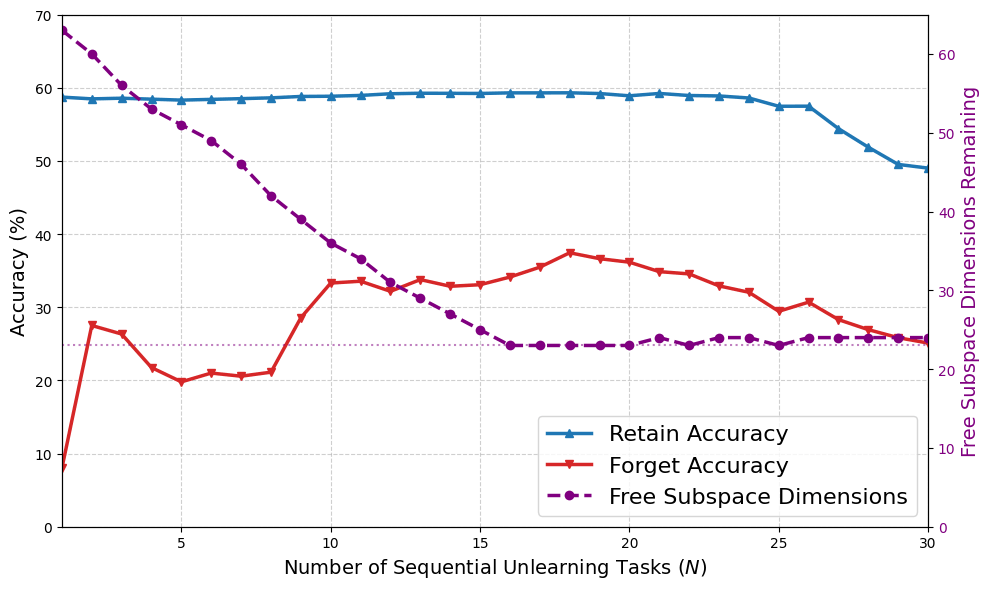
A new SVD-guided training constraint keeps LoRA adapters from colliding across dozens of unlearning requests, avoiding costly router overhead at inference.

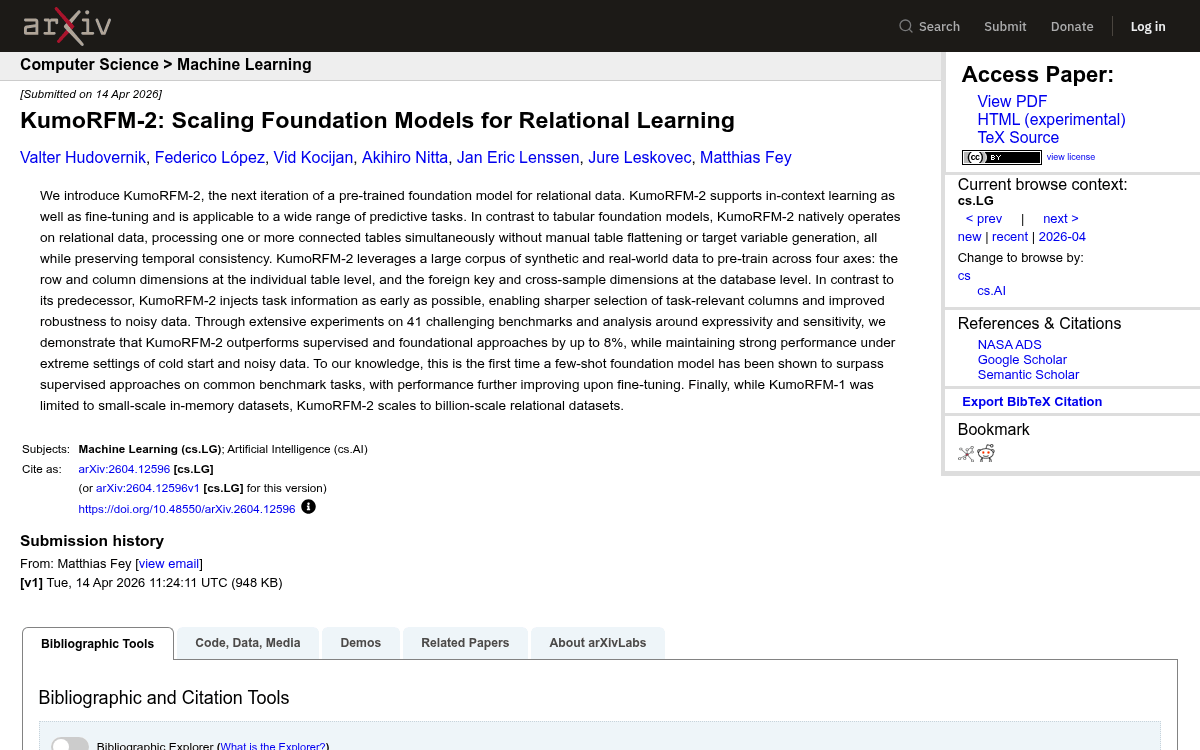
A pre-trained foundation model reads directly from multi-table SQL databases and beats supervised graph models on 41 predictive tasks without task-specific training.

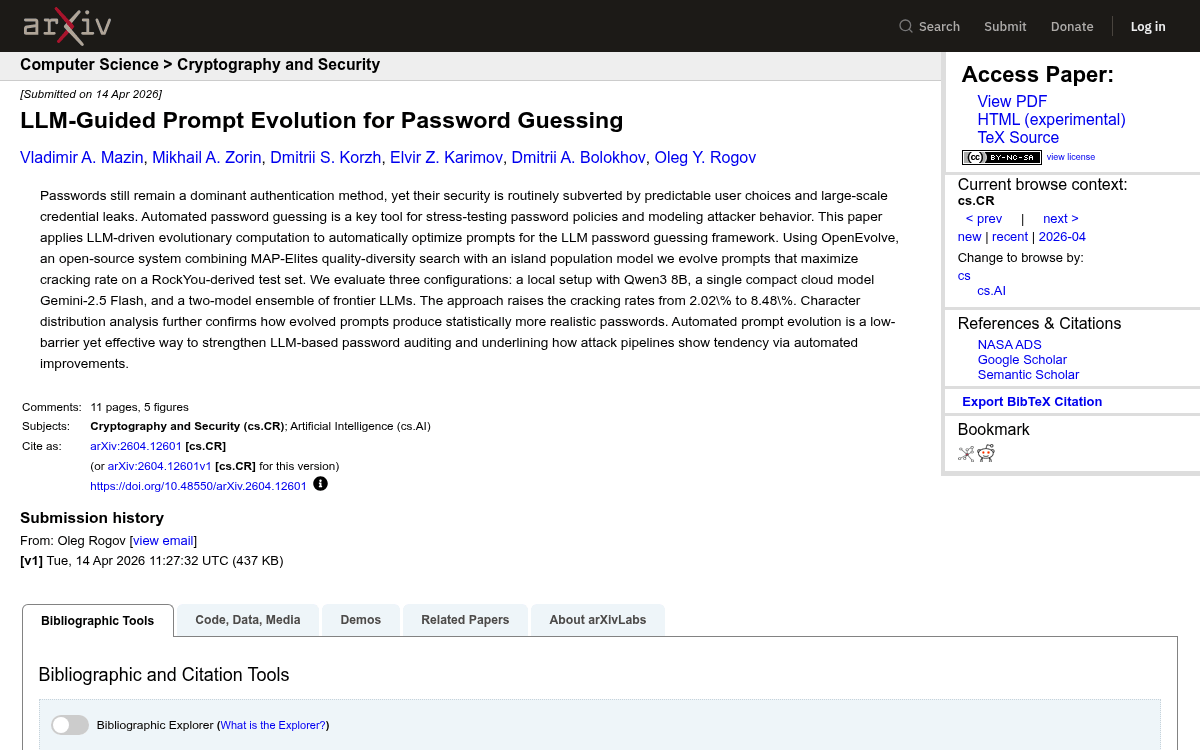
Automated prompt evolution boosts LLM password cracking rates from 2.02% to 8.48%, exposing how small text tweaks can quadruple attacker success.

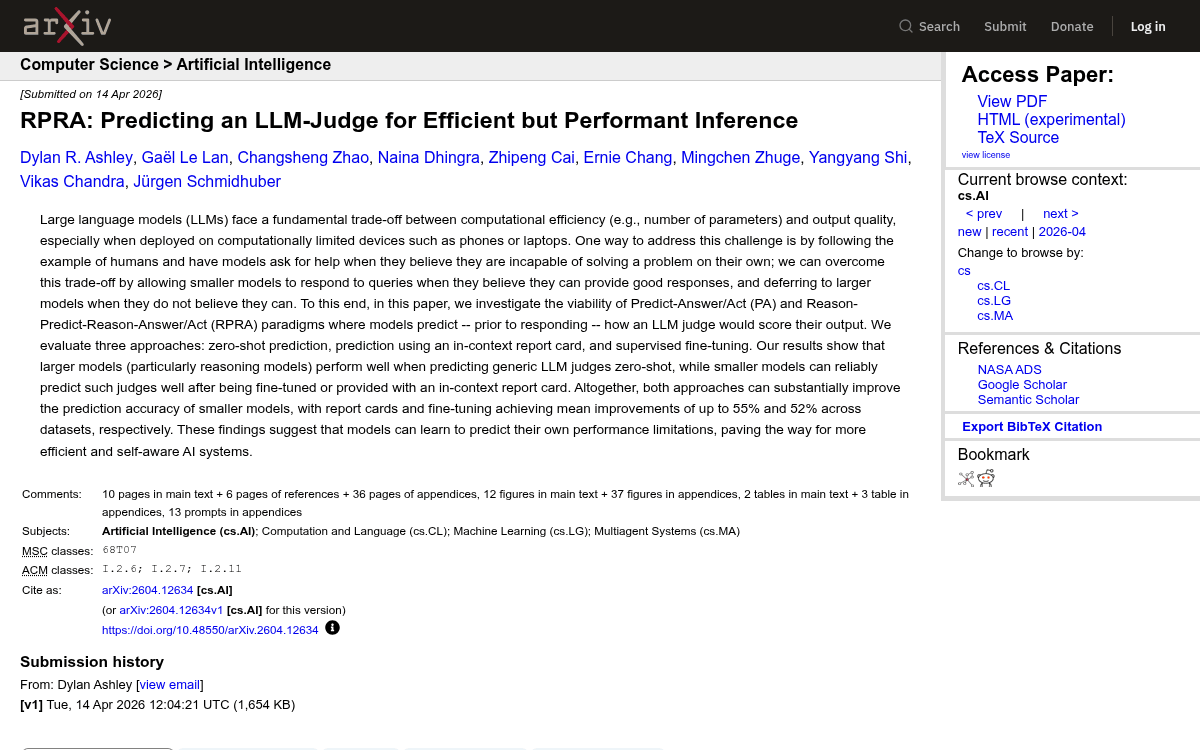
A new Meta and IDSIA paper teaches small models to predict how an LLM judge would score them, enabling smart routing to larger models only when needed.

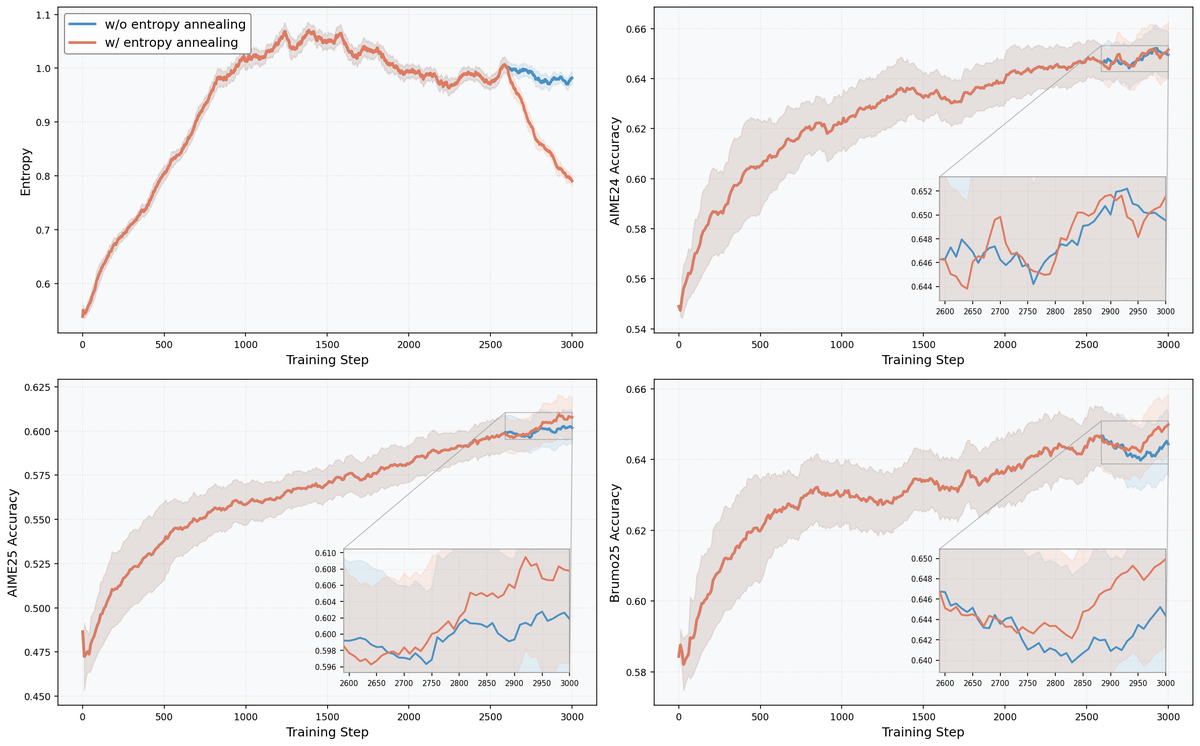
A new reinforcement learning framework replaces long solution prefixes with tiny, curated knowledge point hints, hitting a new 1.5B state of the art.