
Pro
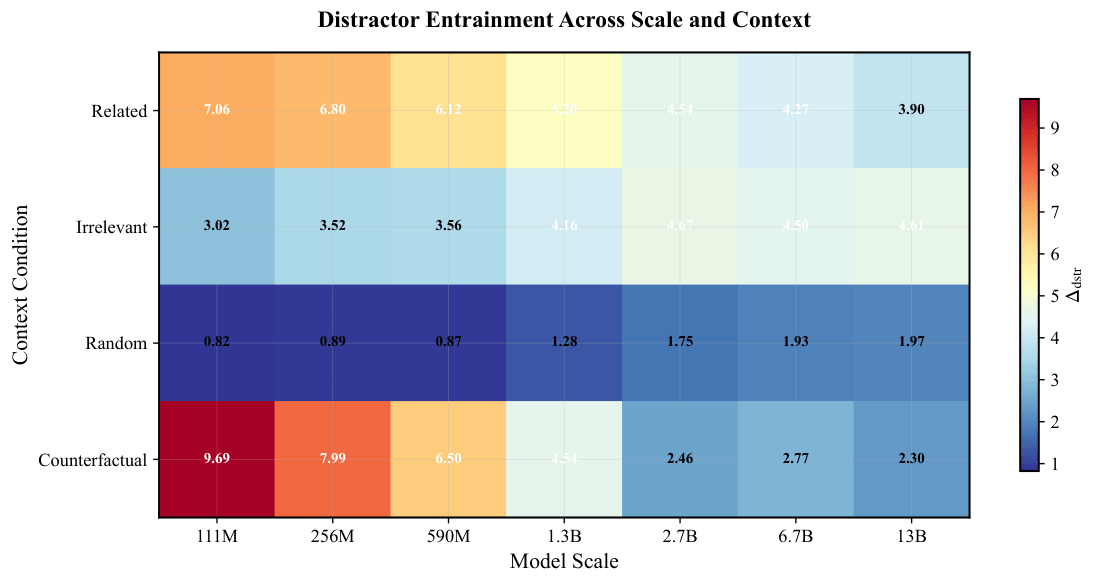
Bigger AI Models Fight False Claims but Surrender to Nonsense
A scaling laws study finds larger language models simultaneously resist misinformation better and copy meaningless tokens more, revealing two opposing forces inside Transformers.
20 stories
A scaling laws study finds larger language models simultaneously resist misinformation better and copy meaningless tokens more, revealing two opposing forces inside Transformers.

A bike-mounted rig captured 17,718 calibrated RGB, near-infrared, and thermal images across Dutch towns and cities, filling a gap satellites and Google Street View cannot.
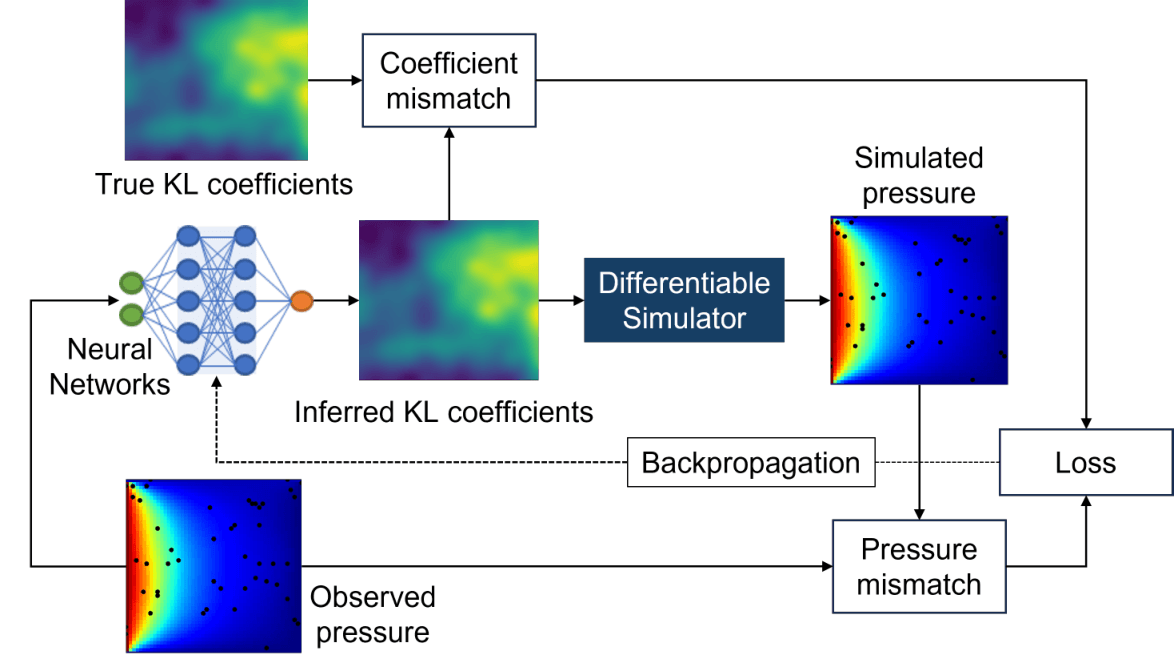
A neural network learns to invert underground permeability from pressure readings by backpropagating through a differentiable Darcy flow simulator, cutting pressure errors in half.
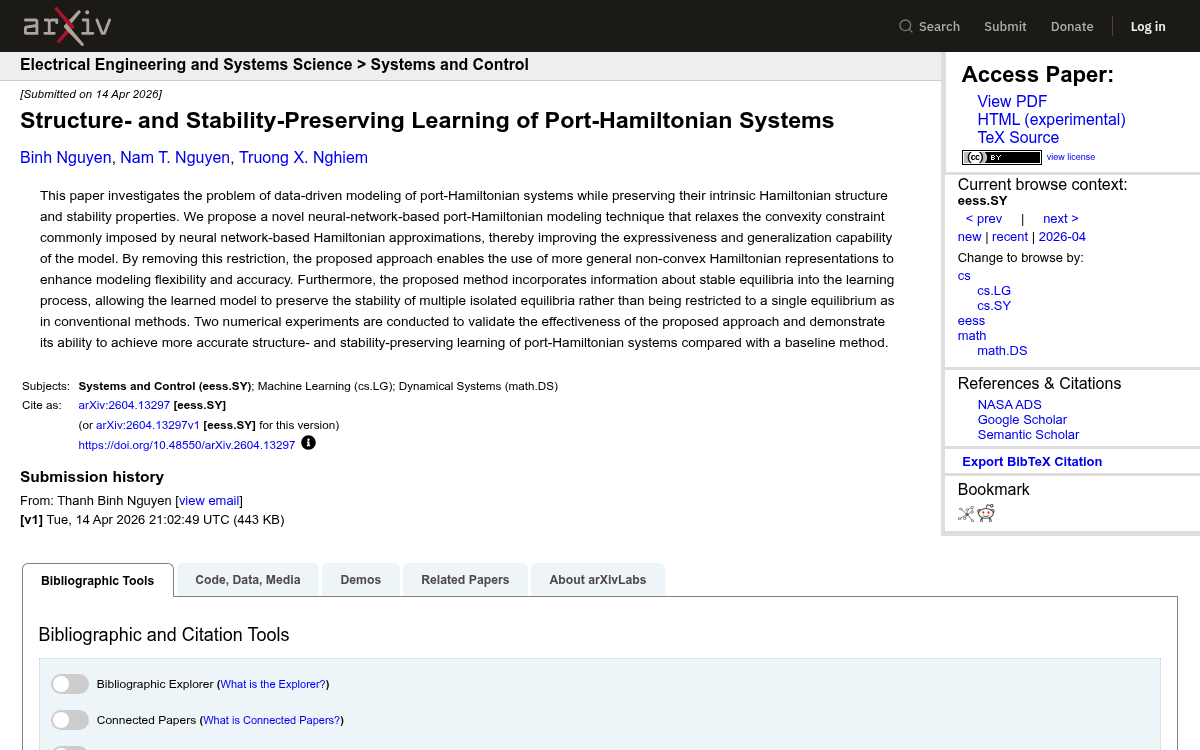
A new neural network design lets data-driven physical models keep energy structure intact and stay stable around several equilibria at once.
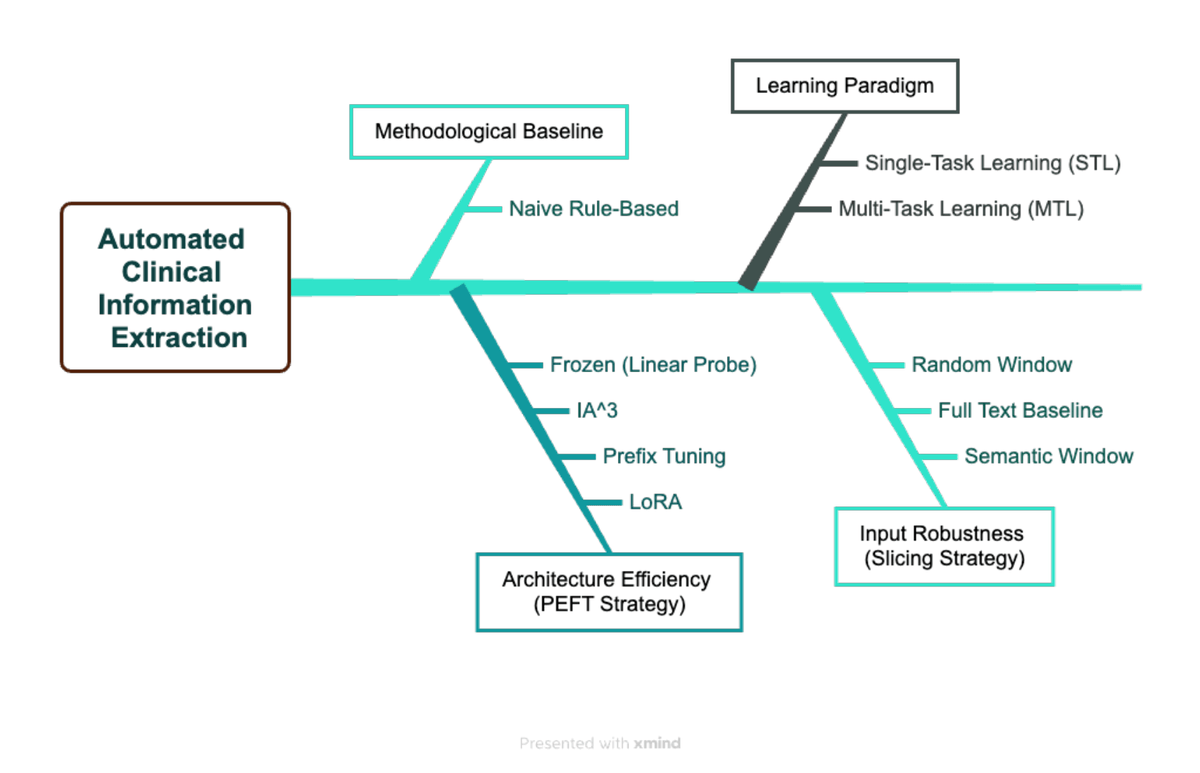
A LoRA-tuned Llama-3-8B extracts TNM cancer staging and biomarkers from pathology reports with 0.976 Macro F1, beating rule-based and single-task baselines.
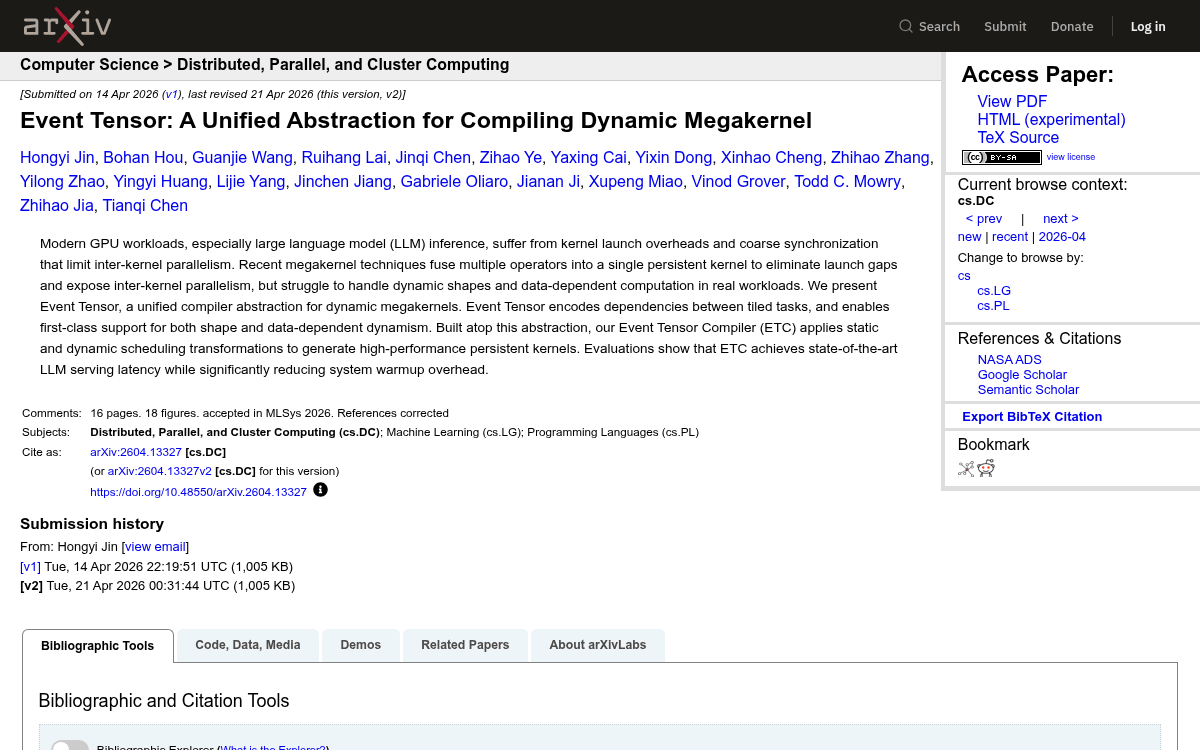
A new compiler abstraction from CMU, NVIDIA and collaborators fuses entire LLM decoding loops into a single persistent GPU kernel, cutting warmup 3.5x and beating vLLM by up to 1.48x.
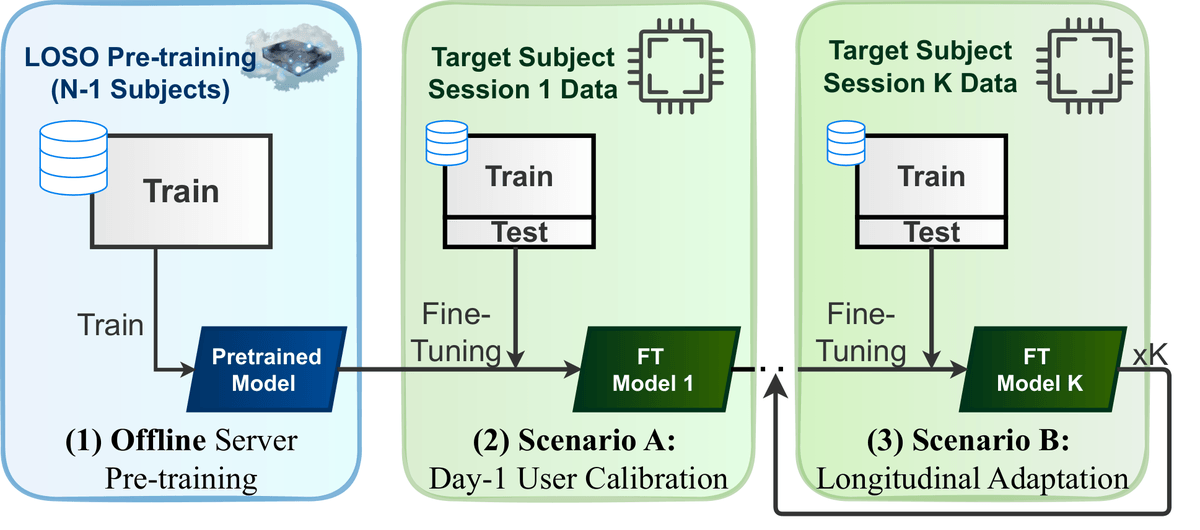
A compiler framework squeezes full-network backpropagation onto a wearable-class microcontroller, cutting training memory 8x while personalizing EEG and EOG models on-chip.
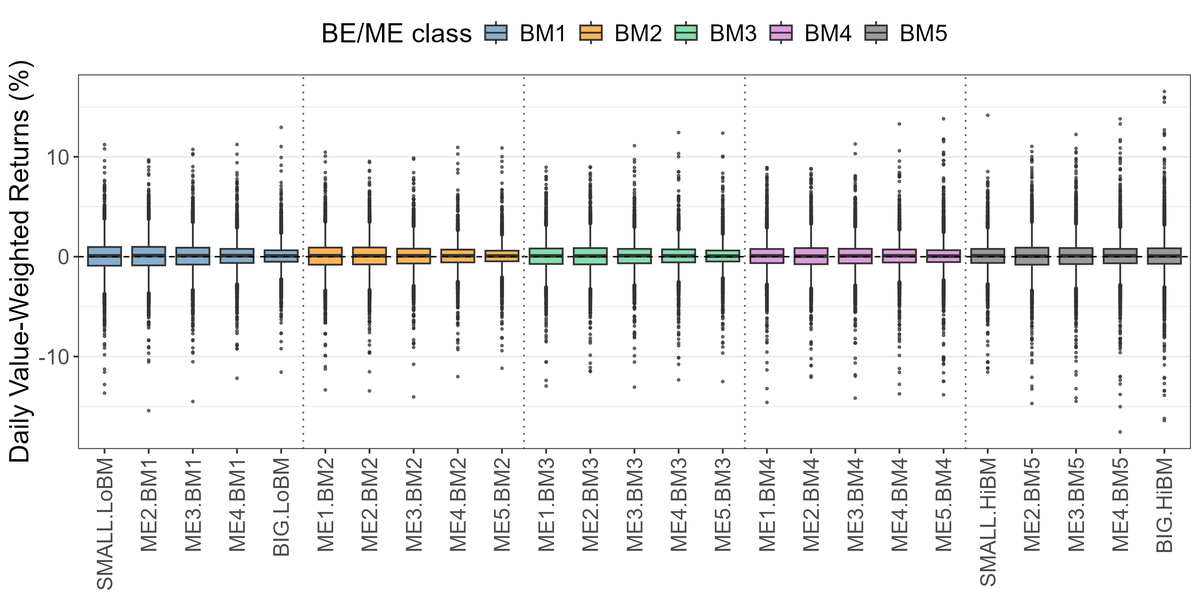
New asymptotic theory shows why sorted L1 penalties beat graphical Lasso when precision matrices have block structure or heavy-tailed data.
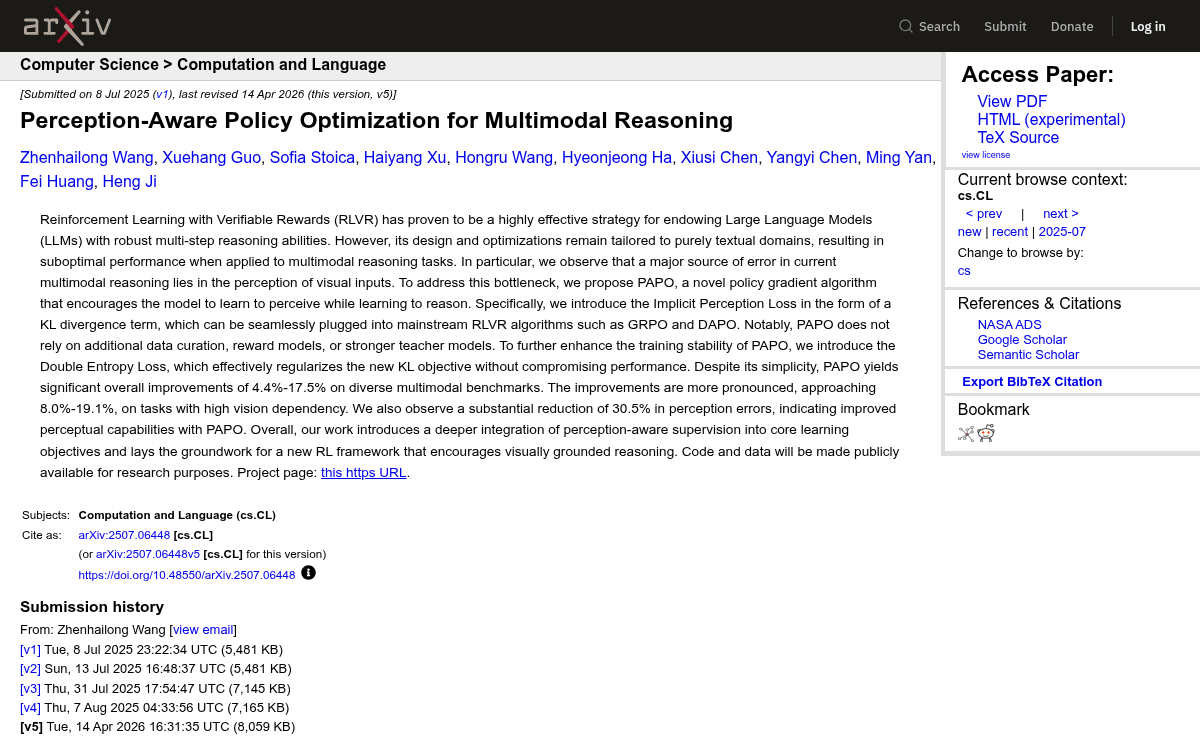
PAPO adds a perception-aware KL term to GRPO and DAPO, cutting multimodal reasoning errors by up to 30% without new data or reward models.
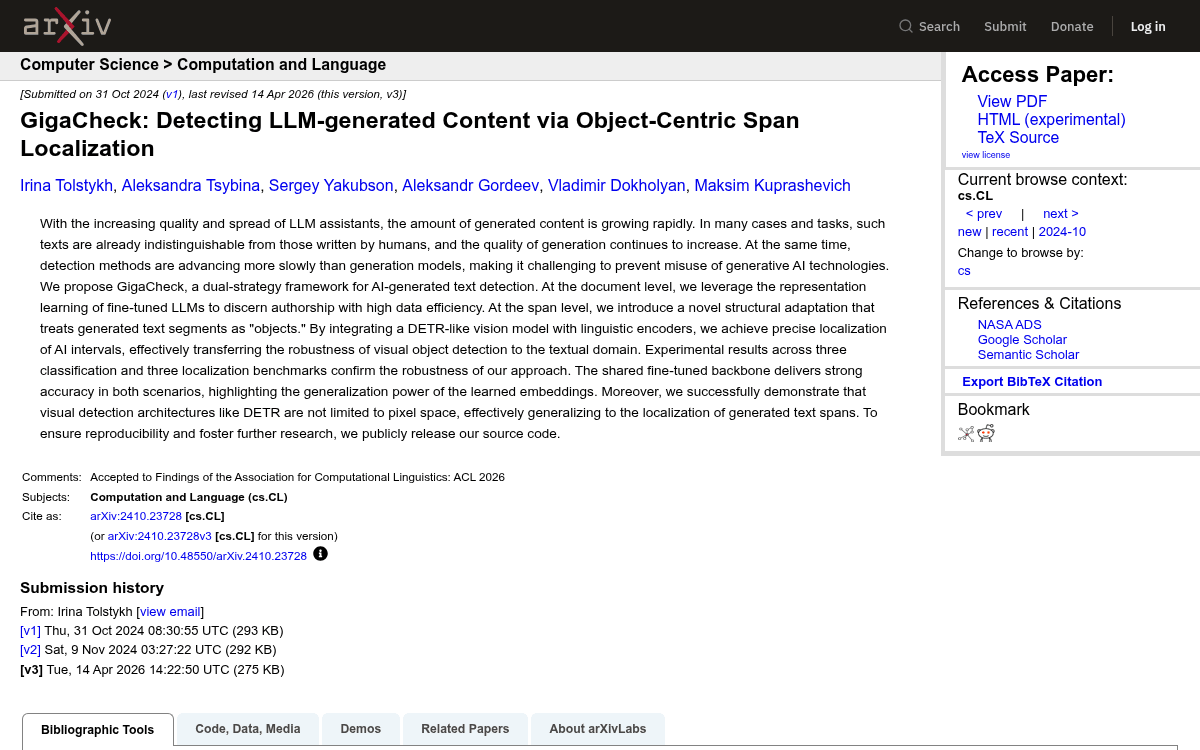
A new framework borrows the DETR object detection architecture from computer vision to pinpoint AI-written passages inside mixed human-machine documents.
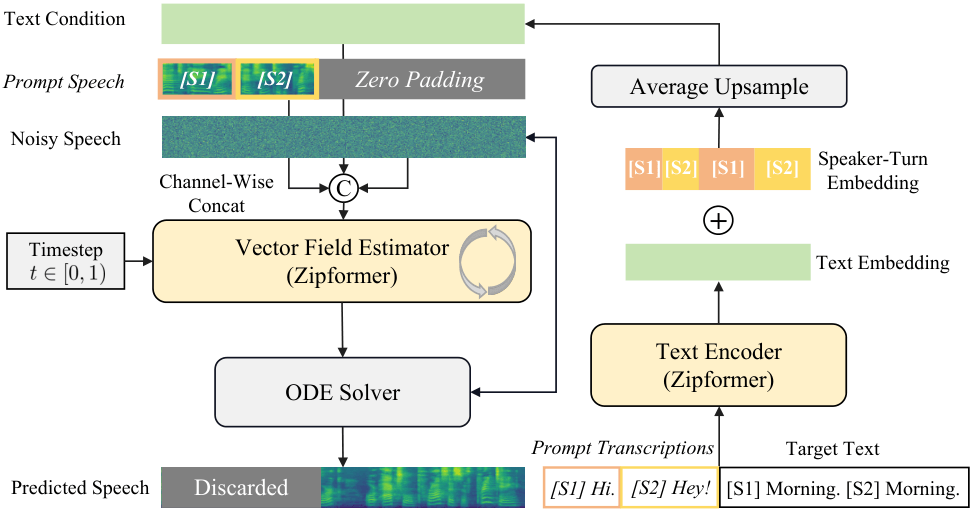
A small 123M-parameter flow-matching model outperforms billion-scale autoregressive rivals on dialogue synthesis, shipping with a 6.8k-hour open dataset.
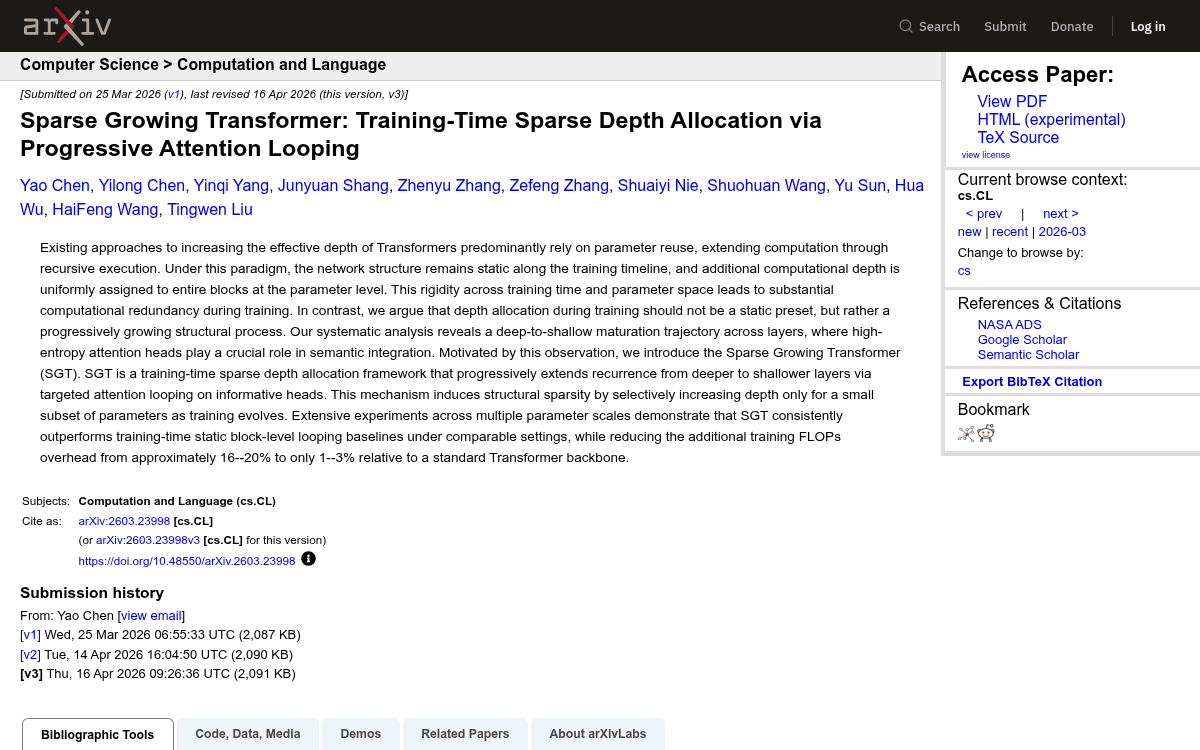
A new looping strategy targets only the highest-entropy attention heads, cutting extra training compute from 16-20% down to just 1-3%.
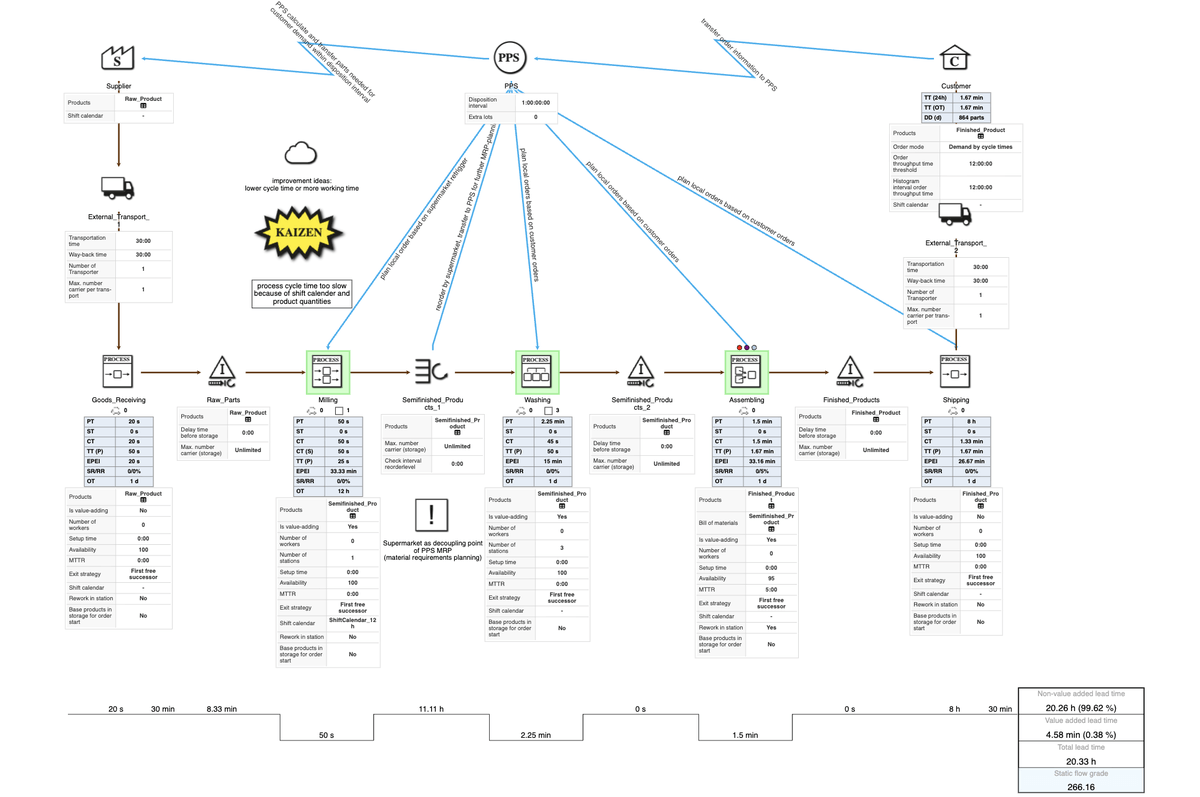
A two-agent architecture for interrogating value stream map simulations hits 86% accuracy by keeping raw data out of the planner's context window.
A fully automated pipeline turns Wiktionary into a 2.3-million-pair derivational lexicon spanning seven European languages, with semantic annotations attached.
A new attention mechanism condenses context directly inside DeepSeek-style latent space, cutting KV cache by 90% and speeding prefill 2.5x at 128K tokens.
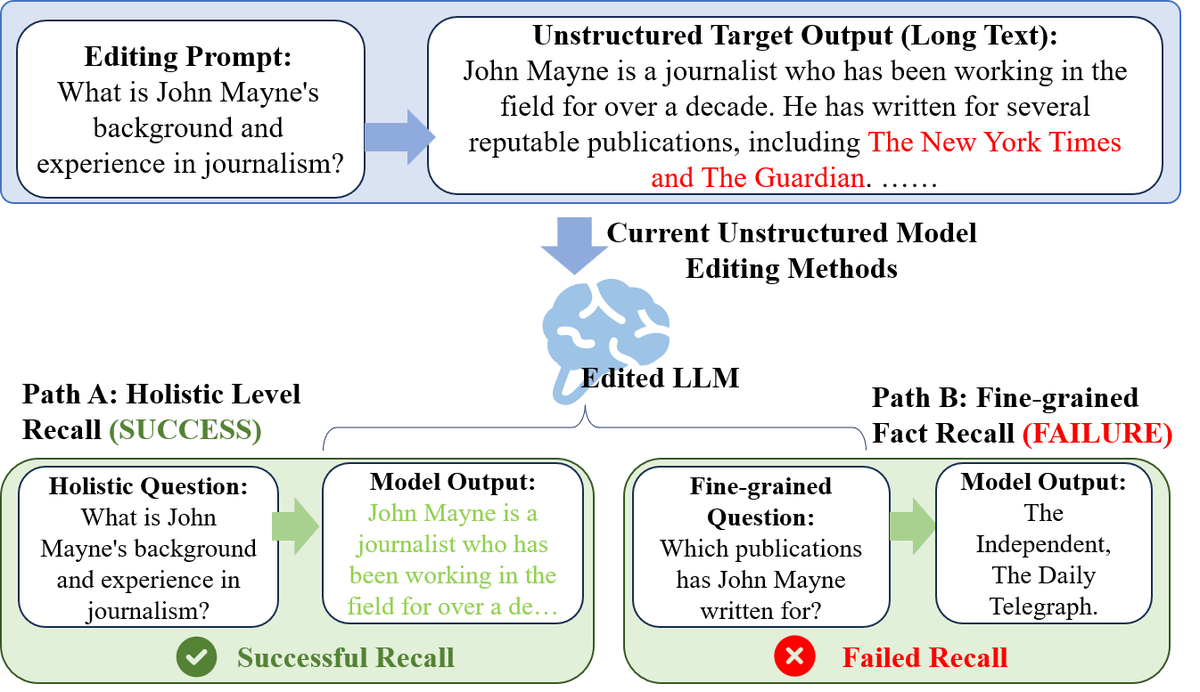
A two-stage editing method injects atomic facts into shallow layers before touching deeper ones, closing the gap between text recall and fact recall.
A new framework fixes the persistent problem where text overshadows audio and video signals when models try to read human emotion from mixed inputs.
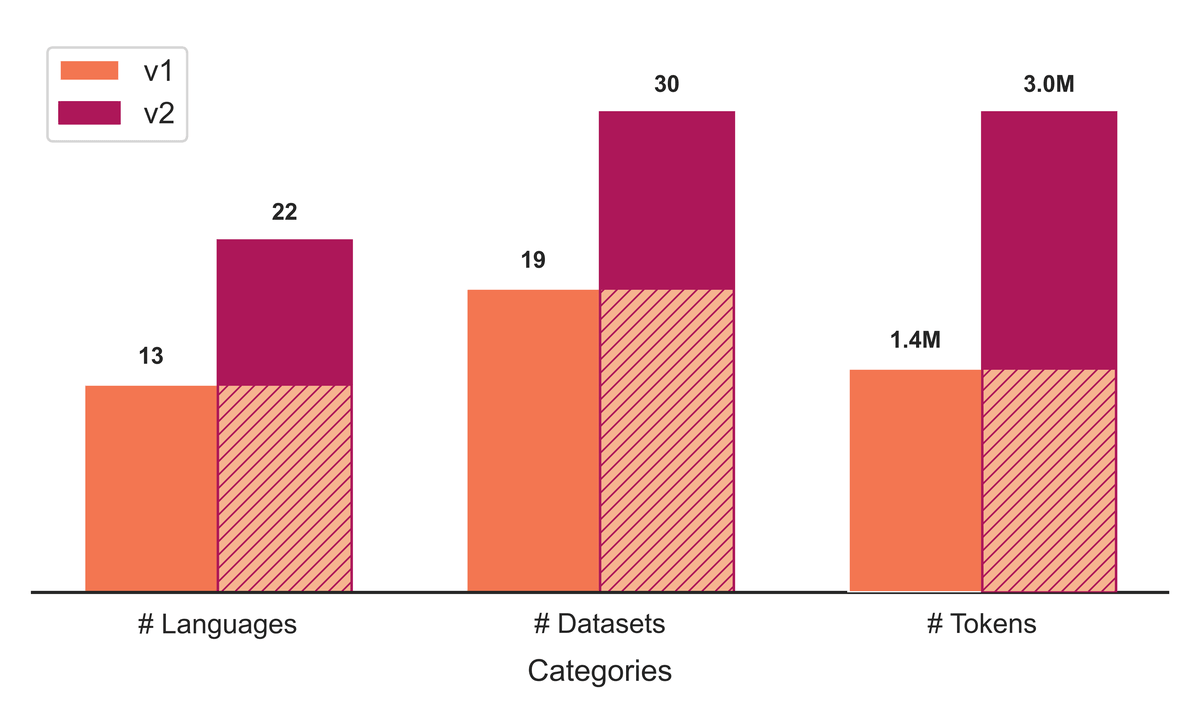
Universal NER v2 expands the multilingual entity-recognition benchmark to 22 languages and exposes major weaknesses in today's frontier LLMs.
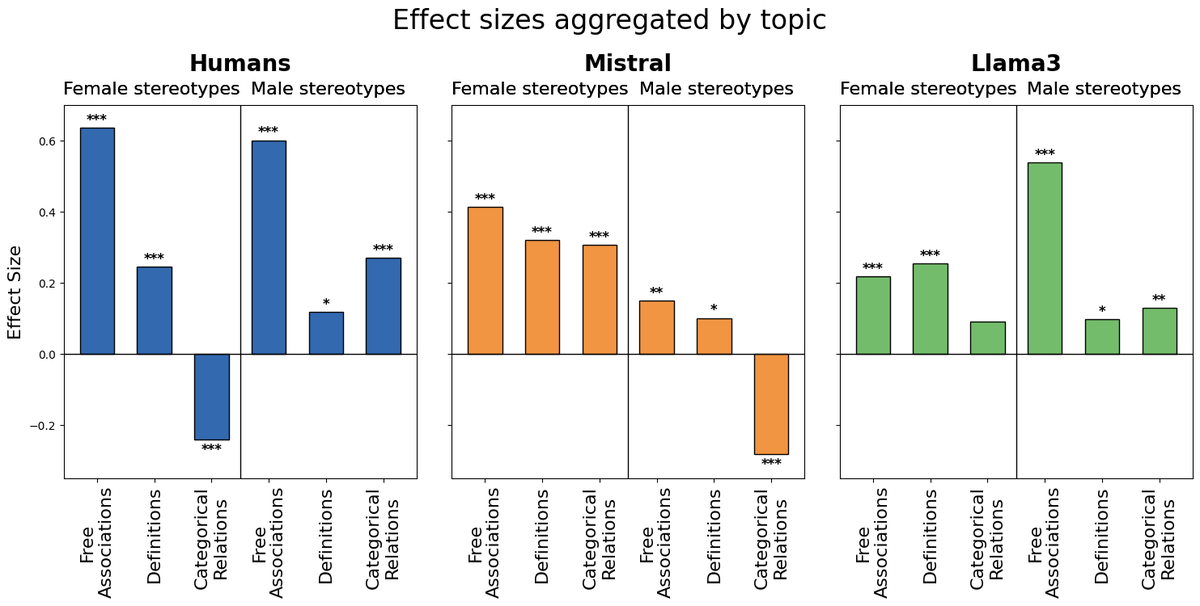
New research finds humans regulate bias through structurally distinct memory layers, while Mistral and Llama3 collapse those layers into overlapping associations.
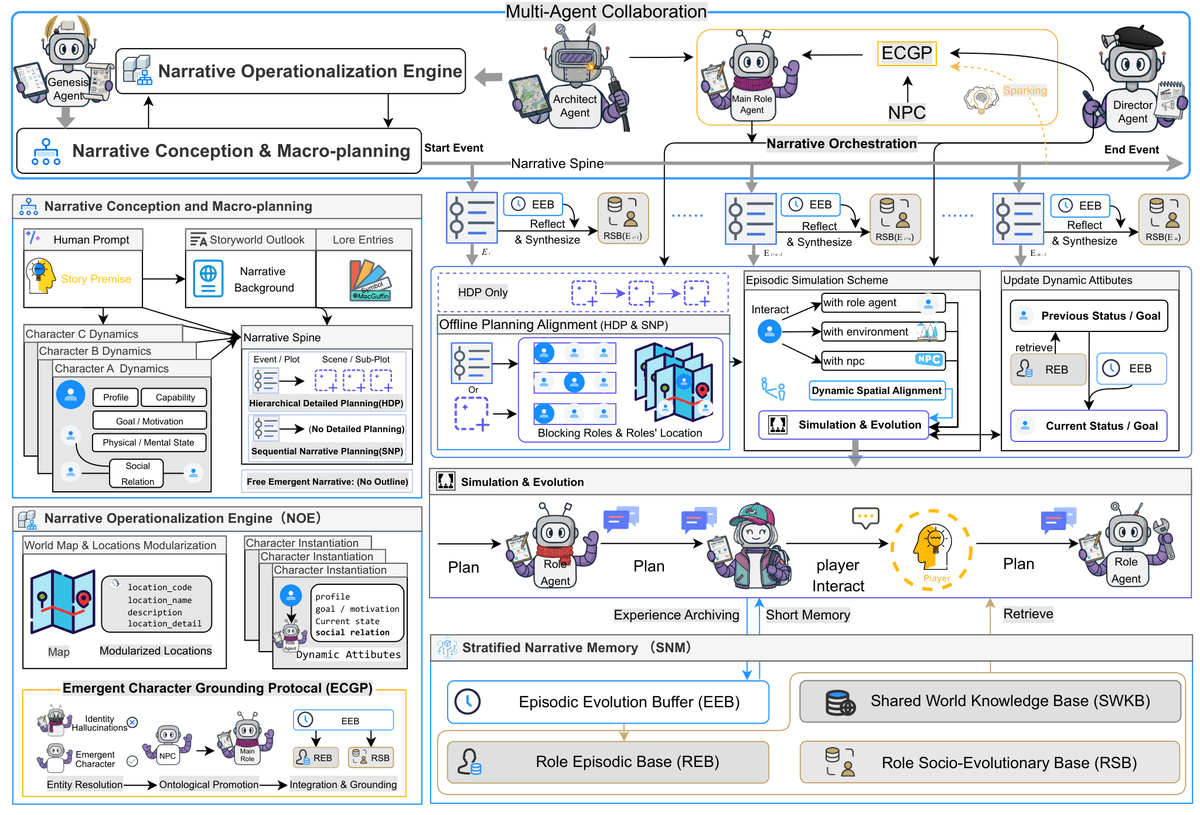
A new multi-agent framework tackles long-horizon story simulation by treating LLM hallucinations as narrative fuel and giving agents a mutable, evolving social memory.