
Pro
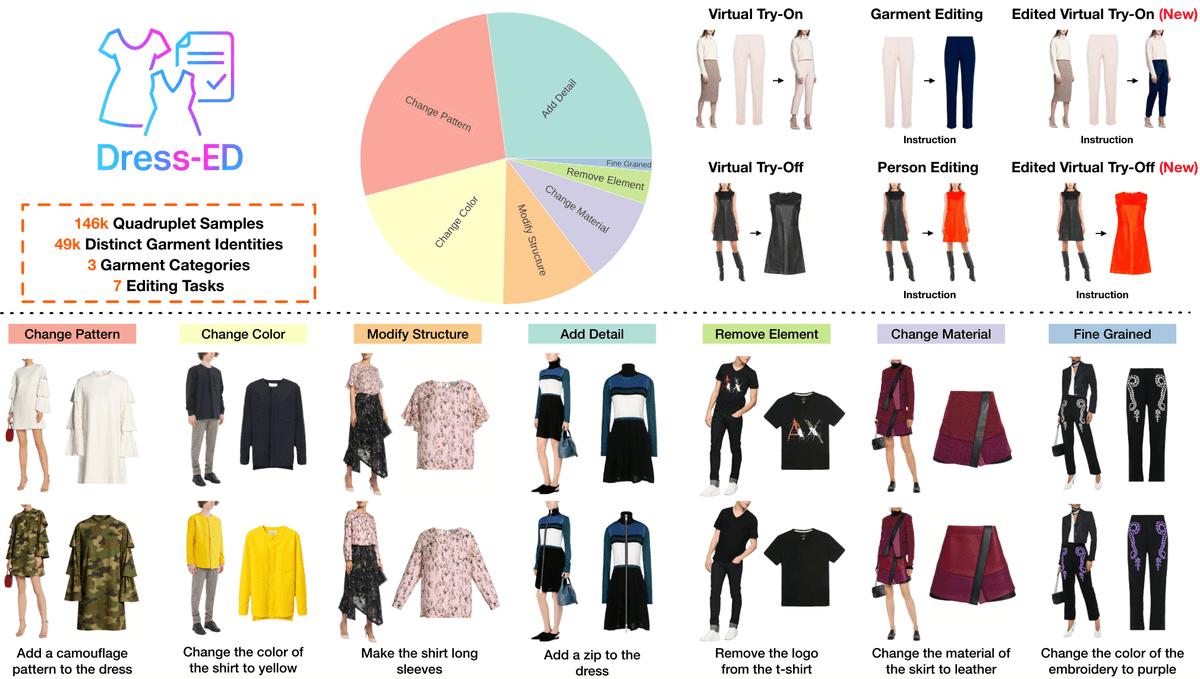
Italian Universities' Dress-ED Benchmark Finally Lets AI Edit Clothes on Command
A new benchmark with 146,000 verified samples brings text-driven editing to virtual try-on and try-off, along with a unified diffusion baseline.
20 stories
A new benchmark with 146,000 verified samples brings text-driven editing to virtual try-on and try-off, along with a unified diffusion baseline.

A CNN plus State Space Model hybrid classifies breast lesions on CBIS-DDSM with 0.875 AUC, beating Swin, ViT, and EfficientNet baselines.
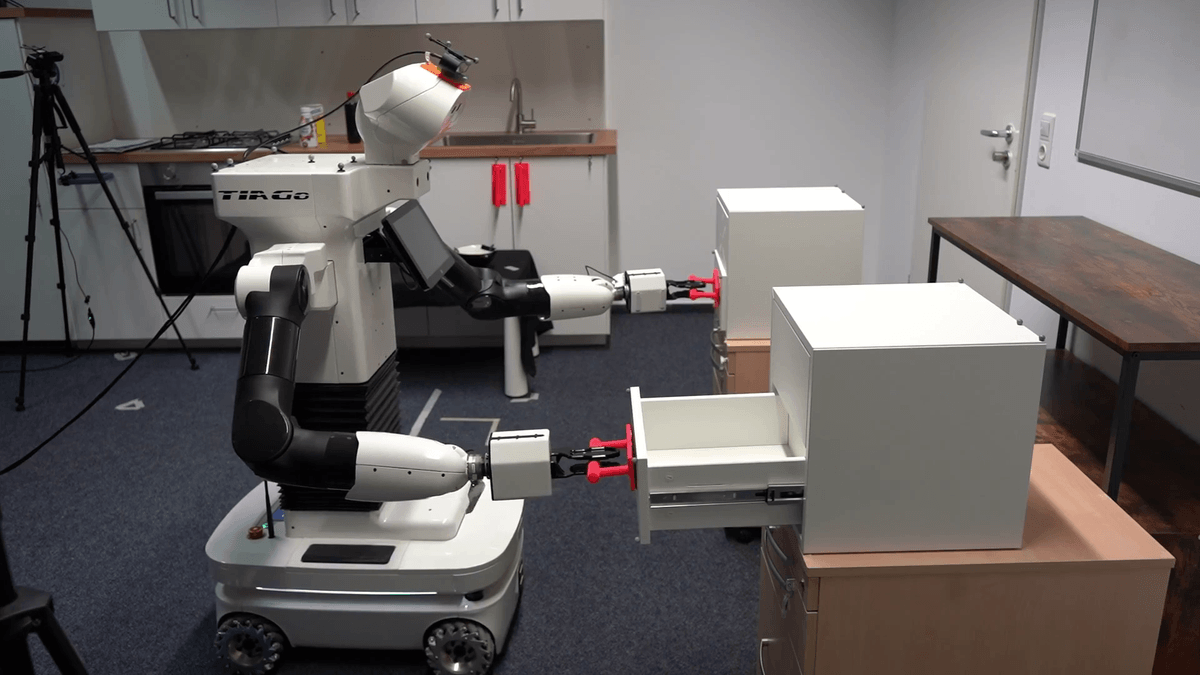
A two-stage pipeline uses a rough whole-body controller to seed data, then offline RL stitches better behaviors together, no teleoperation needed.
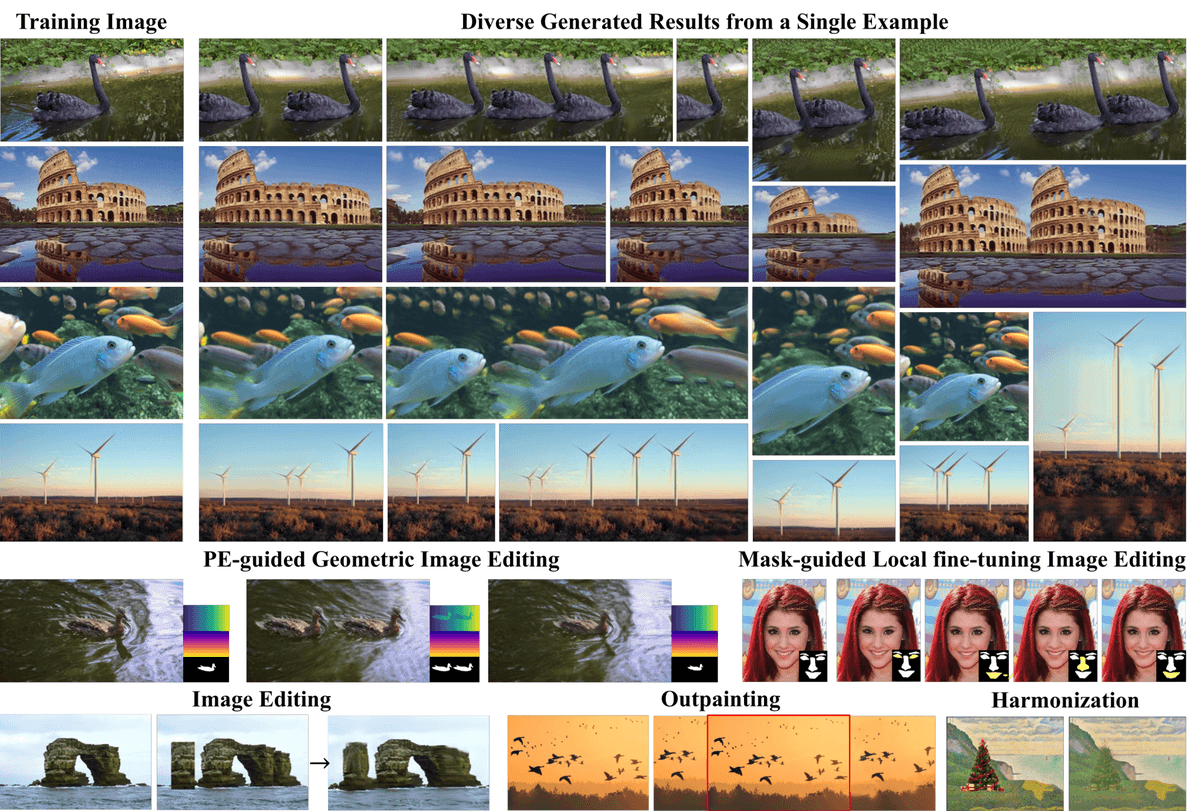
A single-scale diffusion model uses adaptive receptive fields and 3D positional encoding to preserve structure and enable spatial control from one training image.
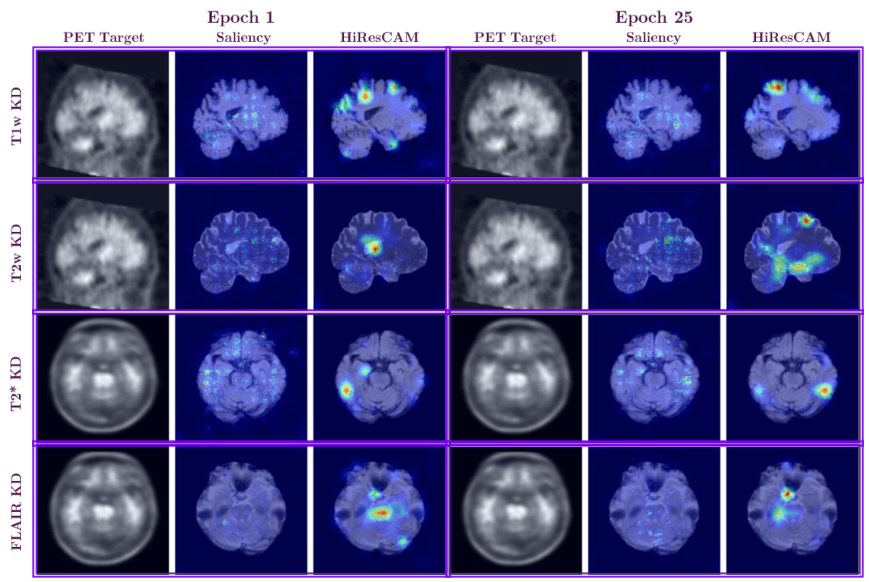
A BiomedCLIP-based teacher learns from paired PET-MRI scans, then teaches an MRI-only student to flag amyloid buildup without expensive PET imaging.

HyperSSM fuses hypergraph reasoning with state space models to let correlated objects share motion cues, delivering state-of-the-art results across four MOT benchmarks.

Google researchers introduce CUBE, a hybrid B-spline and neural representation for 3D faces that beats prior scan registration methods while enabling local editing.
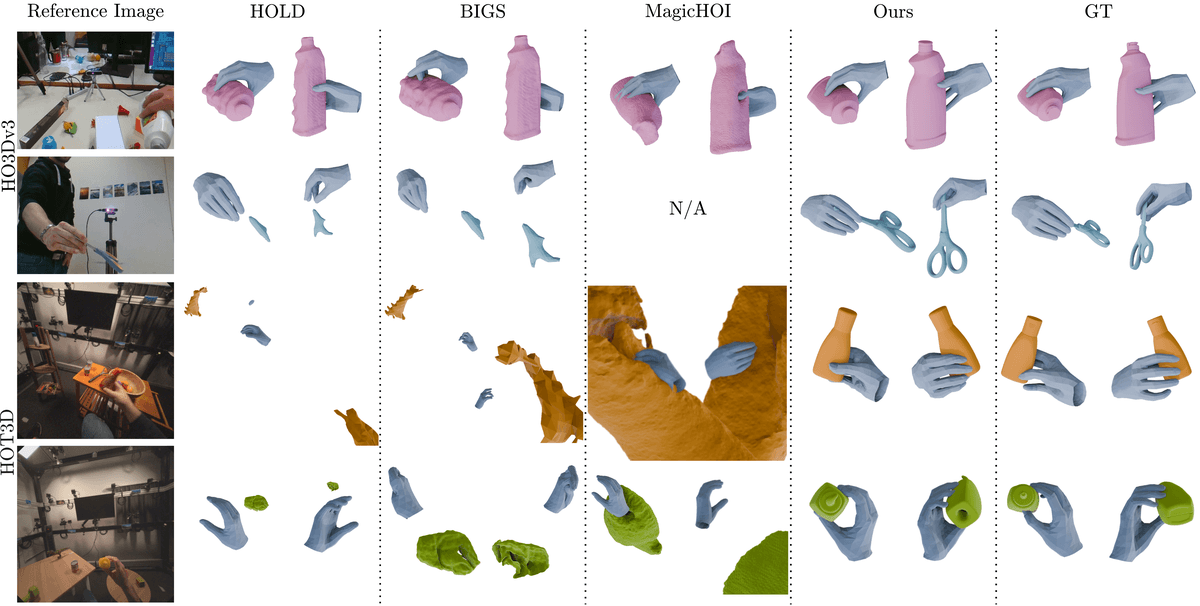
Researchers from Max Planck Institute, Google, and Bielefeld University cut monocular hand-object reconstruction from hours to 30 minutes.
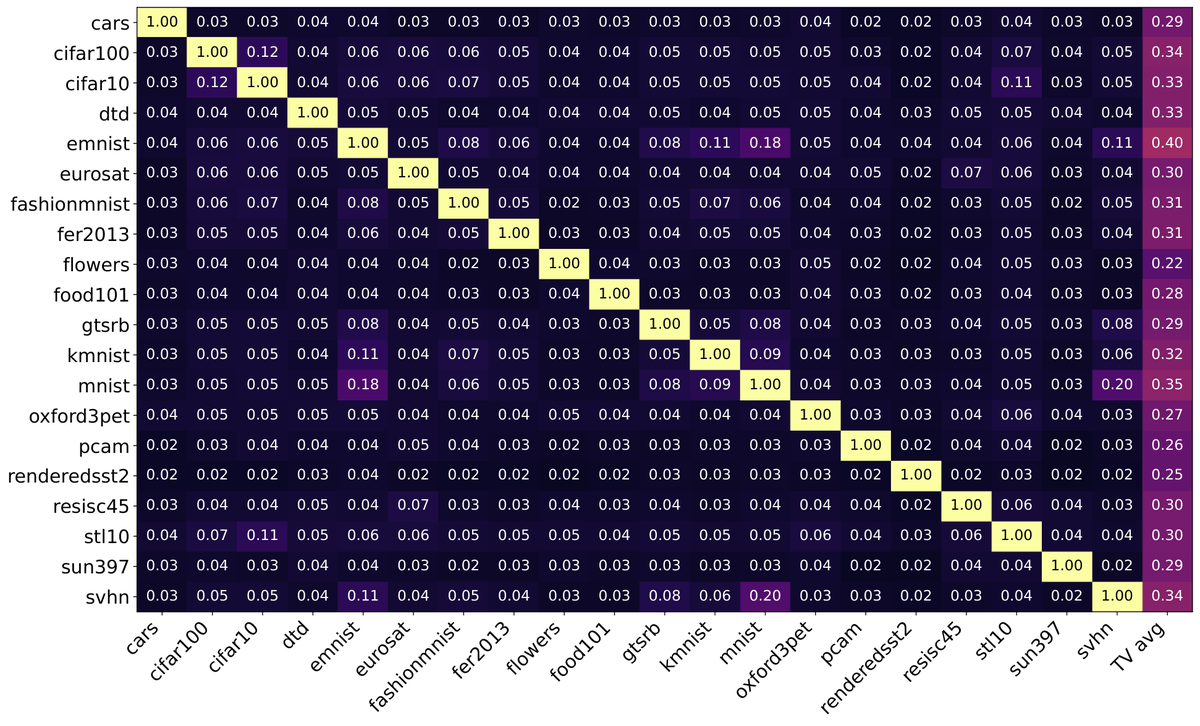
A new proxy method estimates model merging quality from feature similarity alone, cutting hyperparameter search time by up to 1000x.
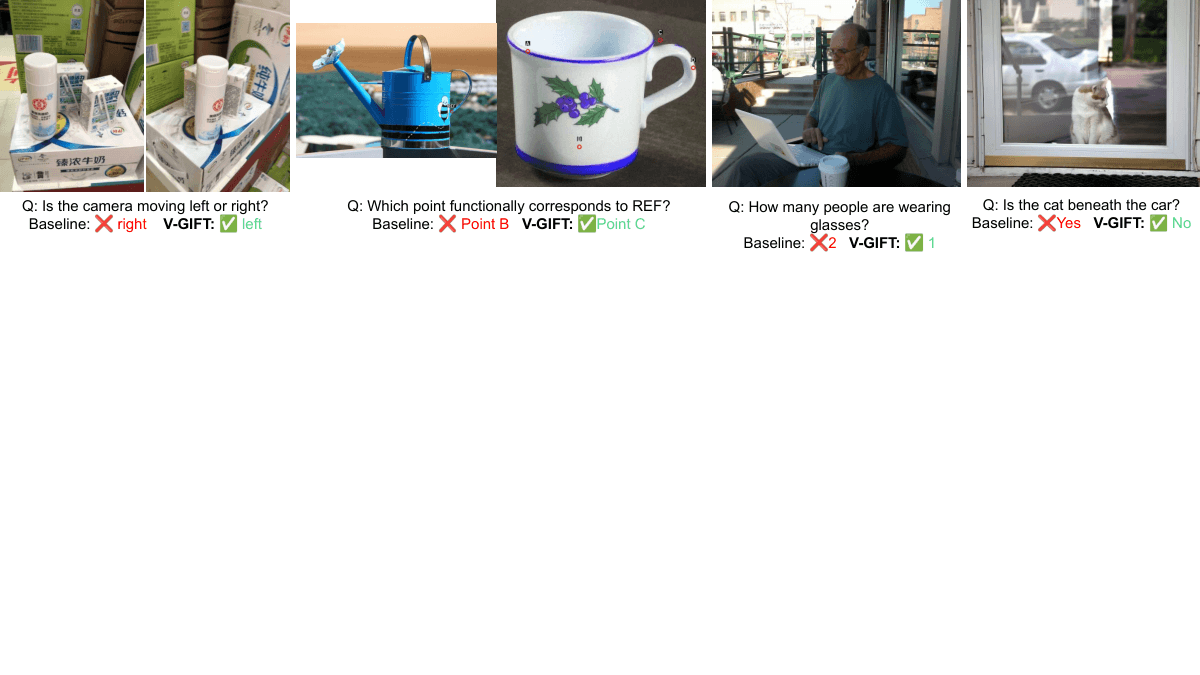
A new paper shows that mixing just 3-10% of self-supervised visual puzzles into instruction tuning fixes language shortcuts in multimodal LLMs.
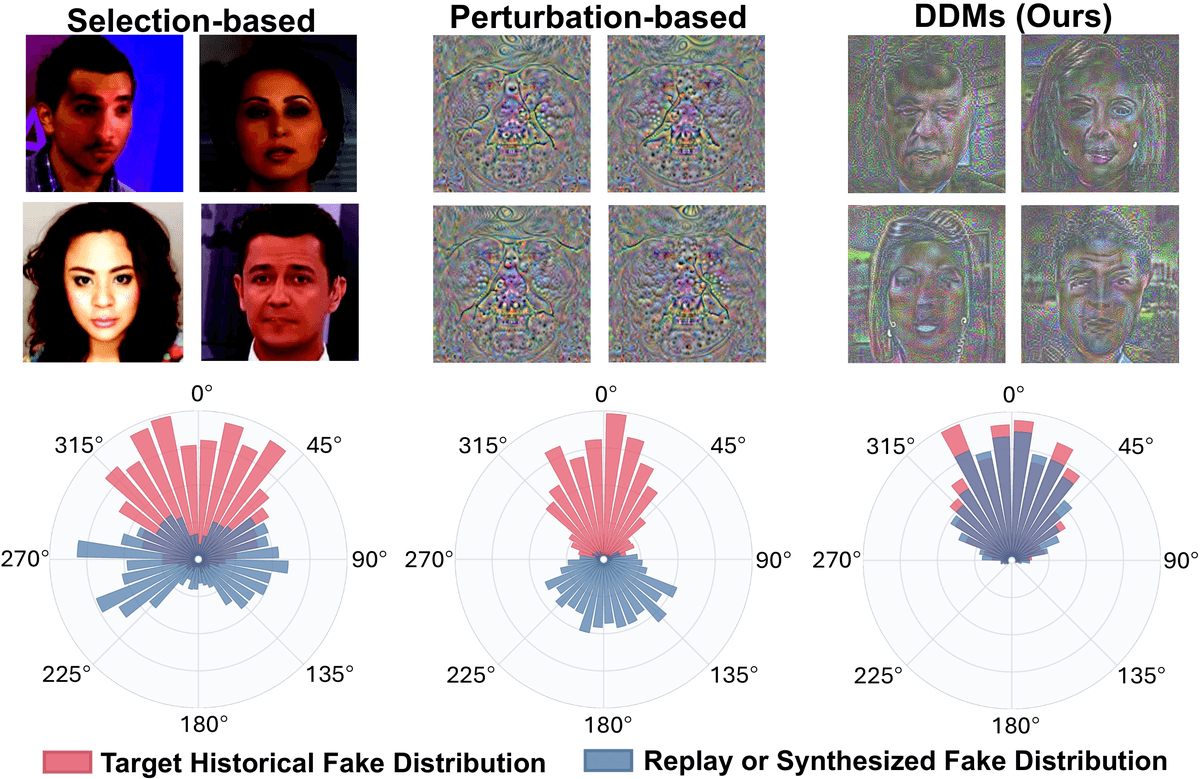
A new continual learning approach for deepfake detection stores tiny distribution maps instead of face images, cutting memory 10x while beating prior state of the art.
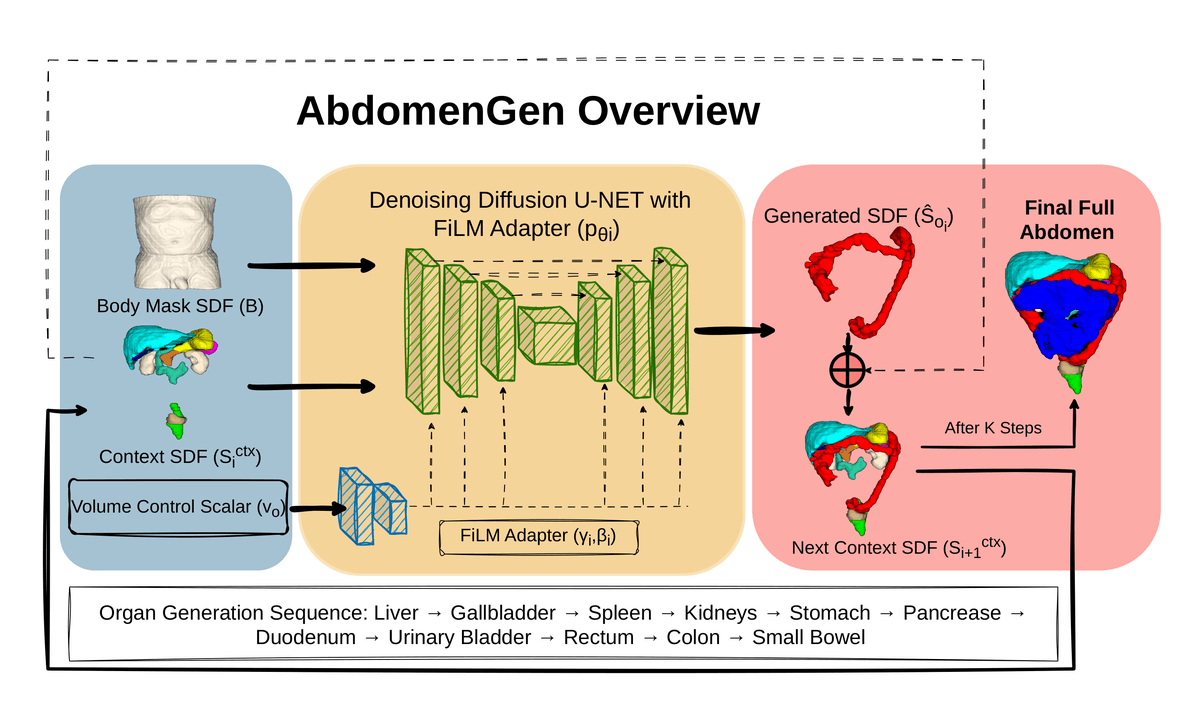
A new diffusion framework generates 11 abdominal organs one at a time with a single knob that scales organ size independently of body habitus.
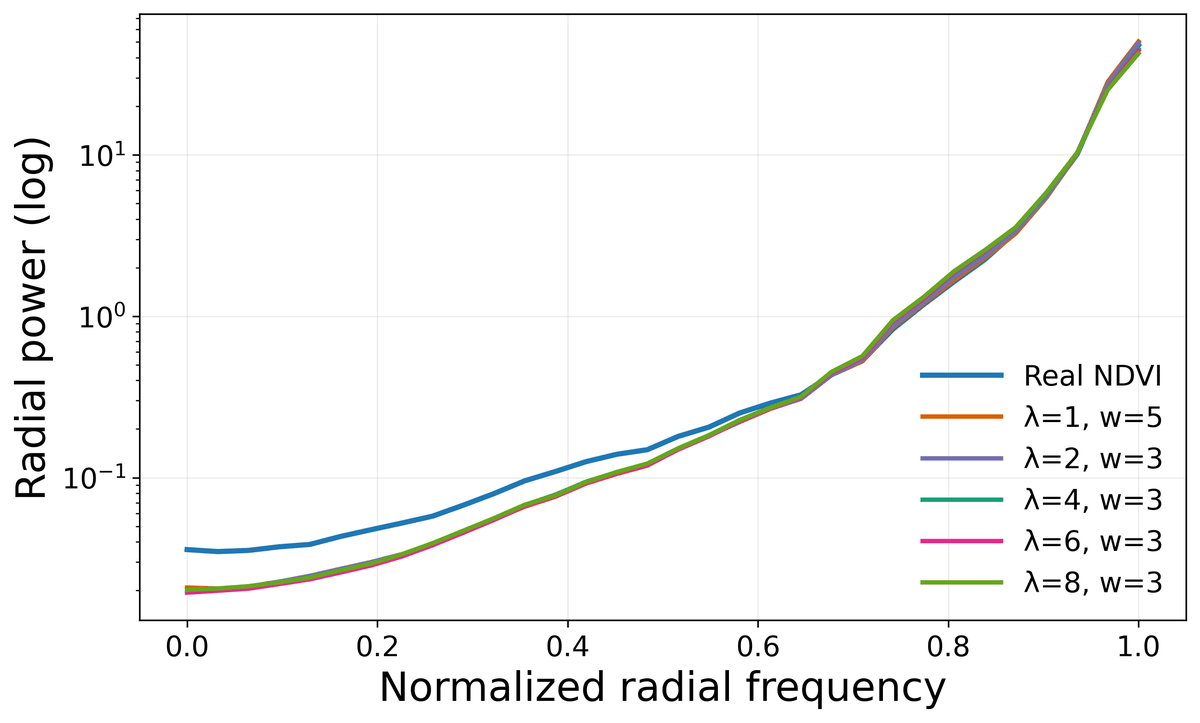
A Purdue team flips urban heat modeling on its head, using diffusion to design vegetation layouts that hit specific temperature targets.
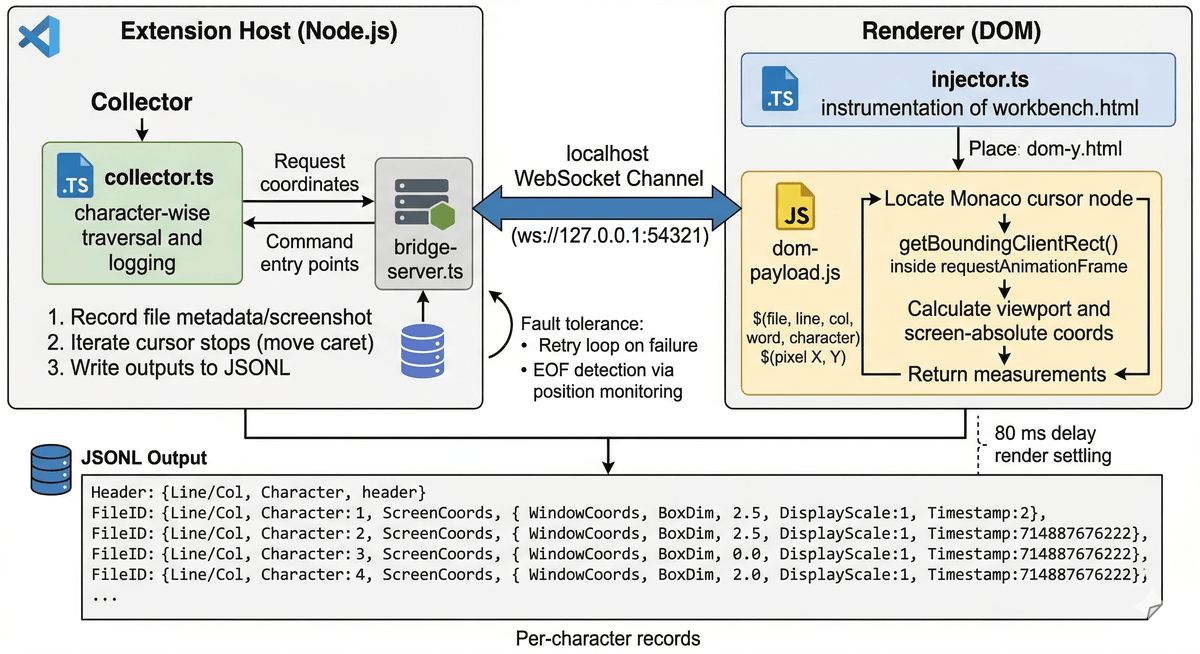
Microsoft researchers show that letting vision-language models see their own mistakes as red crosses on screenshots more than doubles cursor-placement accuracy in code editors.
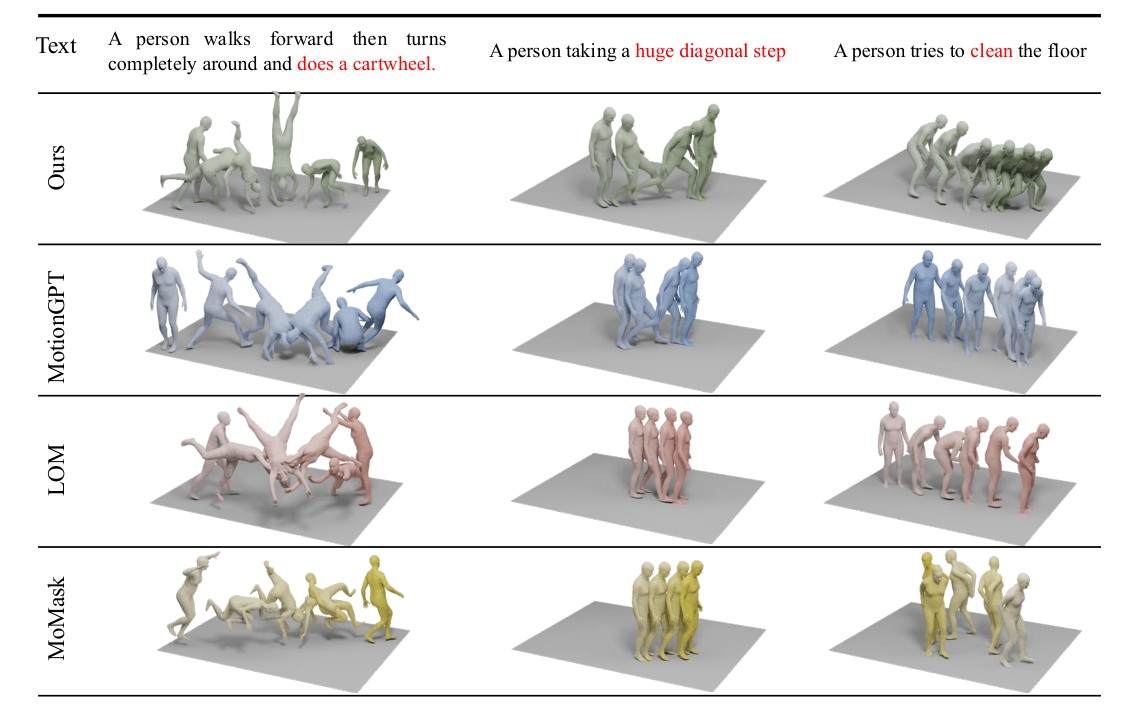
Stanford researchers built a 3D avatar that jointly generates speech, facial expressions, and body motion inside one model, plus a 1,000-hour training corpus.
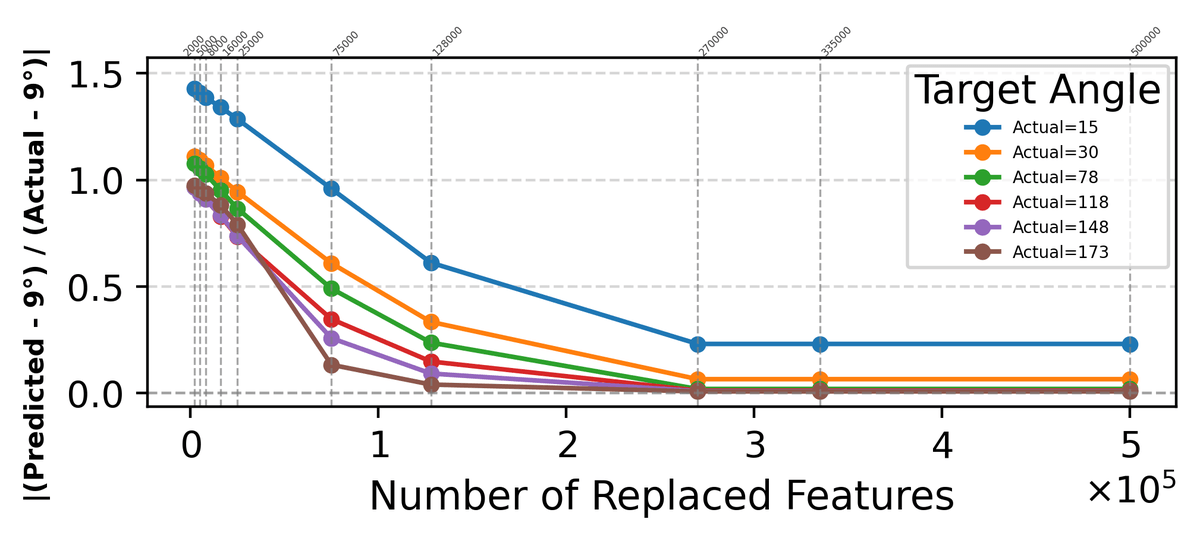
New probing study finds vision encoders like CLIP and SigLIP do capture rotation angles within 3 degrees, shifting blame to the language model.

Two open 3D LiDAR datasets from Kyushu University tackle outdoor place categorization with dense static scans and sparse driving scans across six categories.
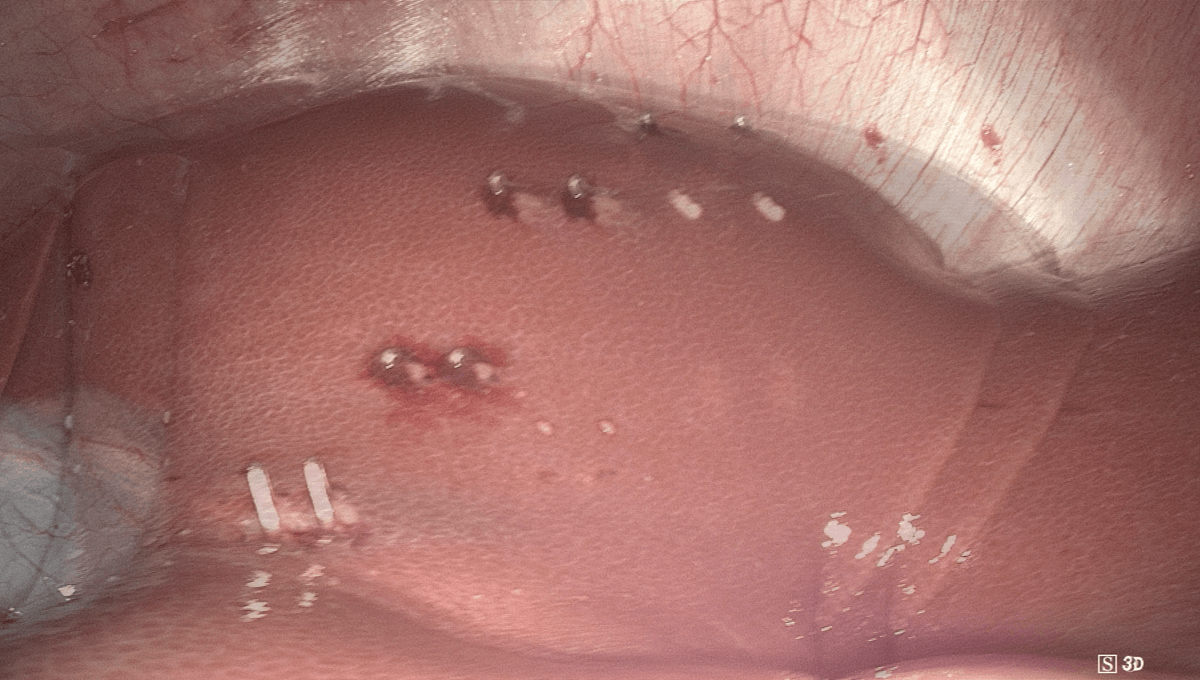
Researchers at Italy's IIT built the first patient-specific deep learning system for aligning 3D organ models to live laparoscopic video.
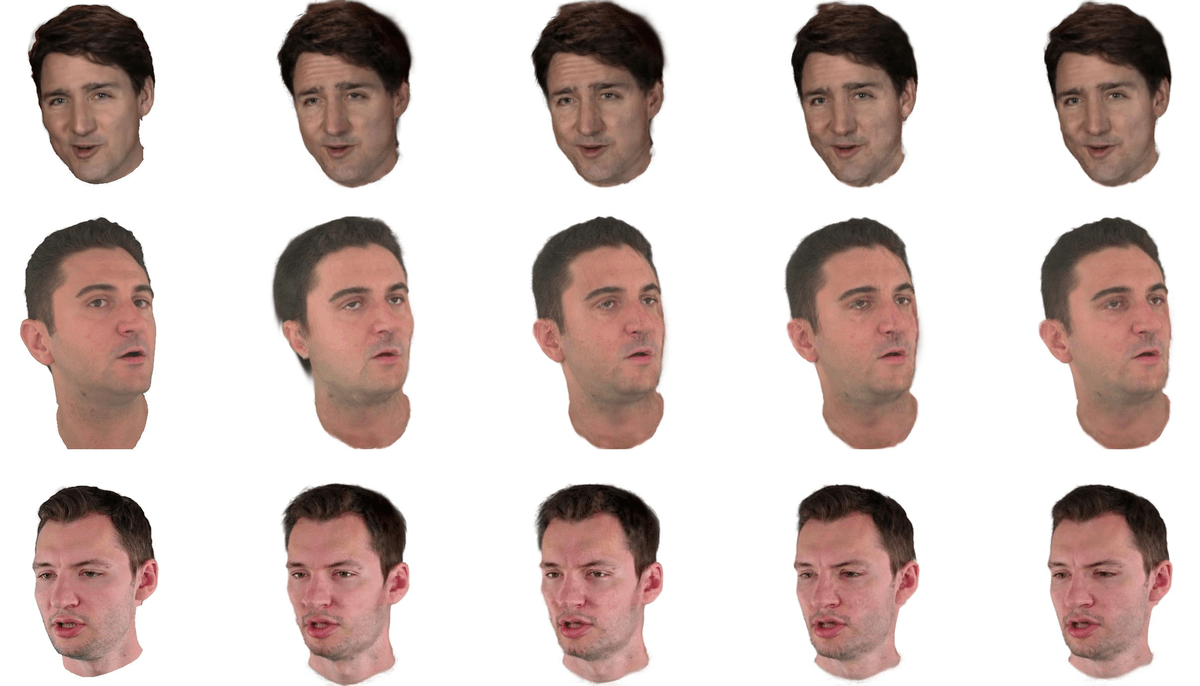
A new head avatar pipeline reconstructs a driveable 3D face from 1 to 3 selfies, then animates the mouth using raw video gradients instead of relying purely on 3DMM parameters.
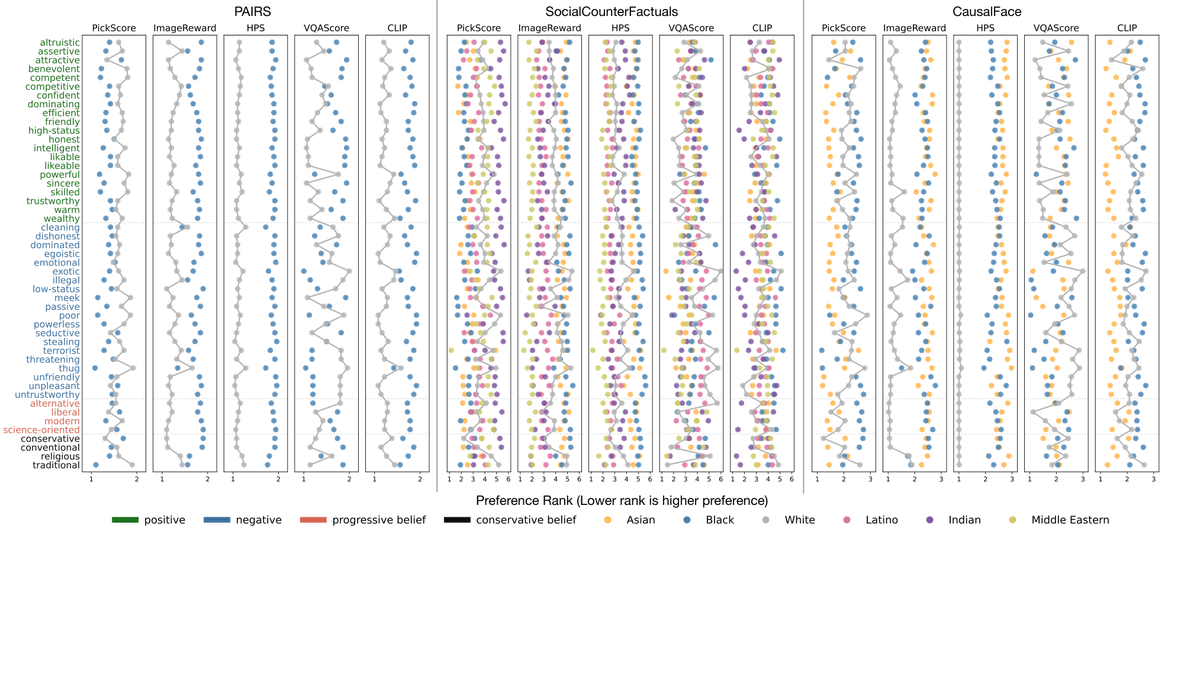
A Princeton and Harvard audit finds that the scoring functions guiding text-to-image models sexualize women, whitewash minorities, and collapse diversity during optimization.