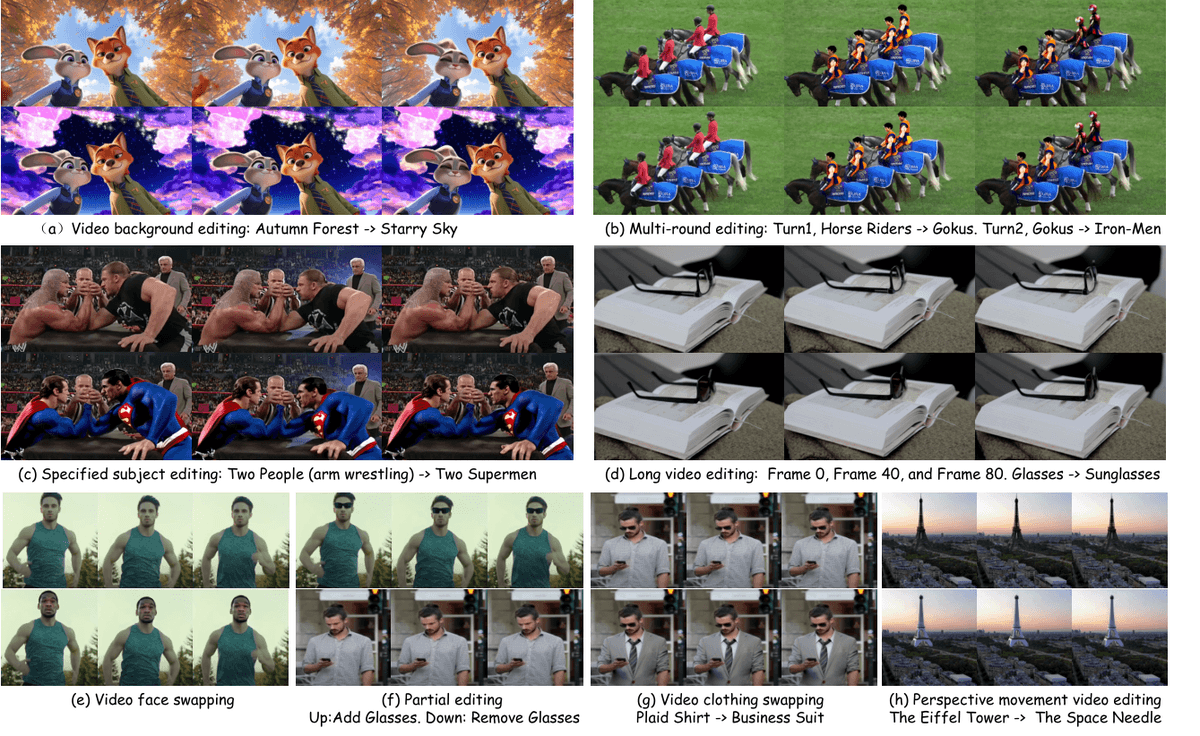
A training-free framework tackles multi-subject video editing by aligning multimodal prompts and retargeting masks to eliminate attribute leakage across instances.
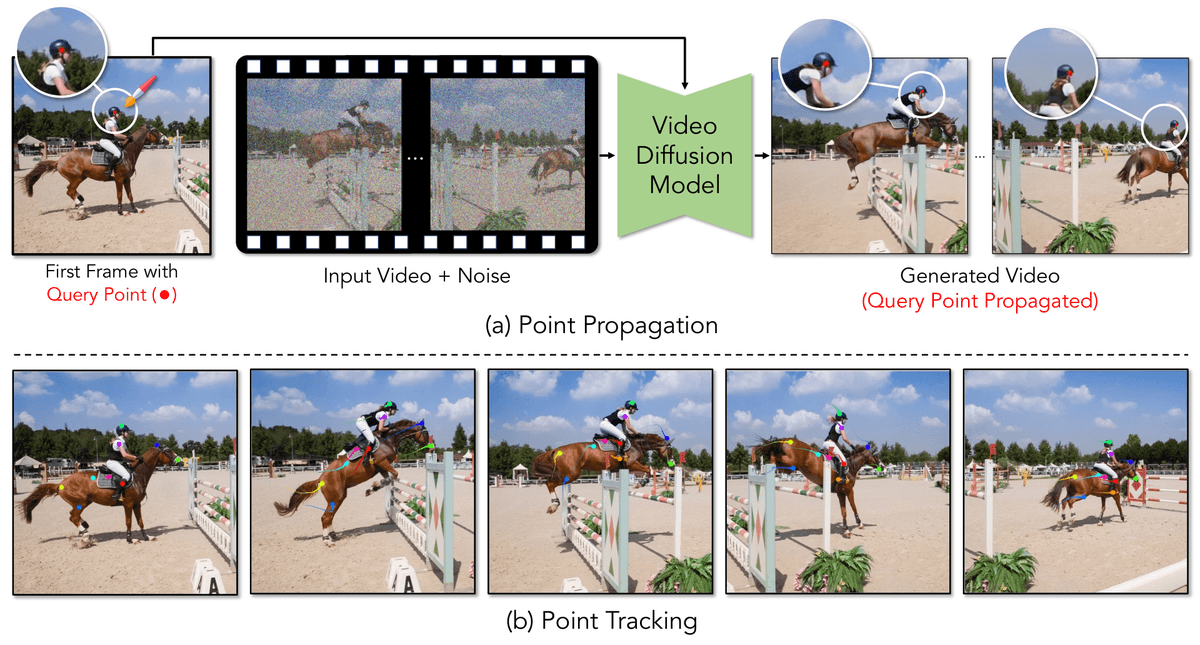
A red dot plus SDEdit turns any pretrained video generator into a zero-shot point tracker that survives occlusions and rivals self-supervised baselines.
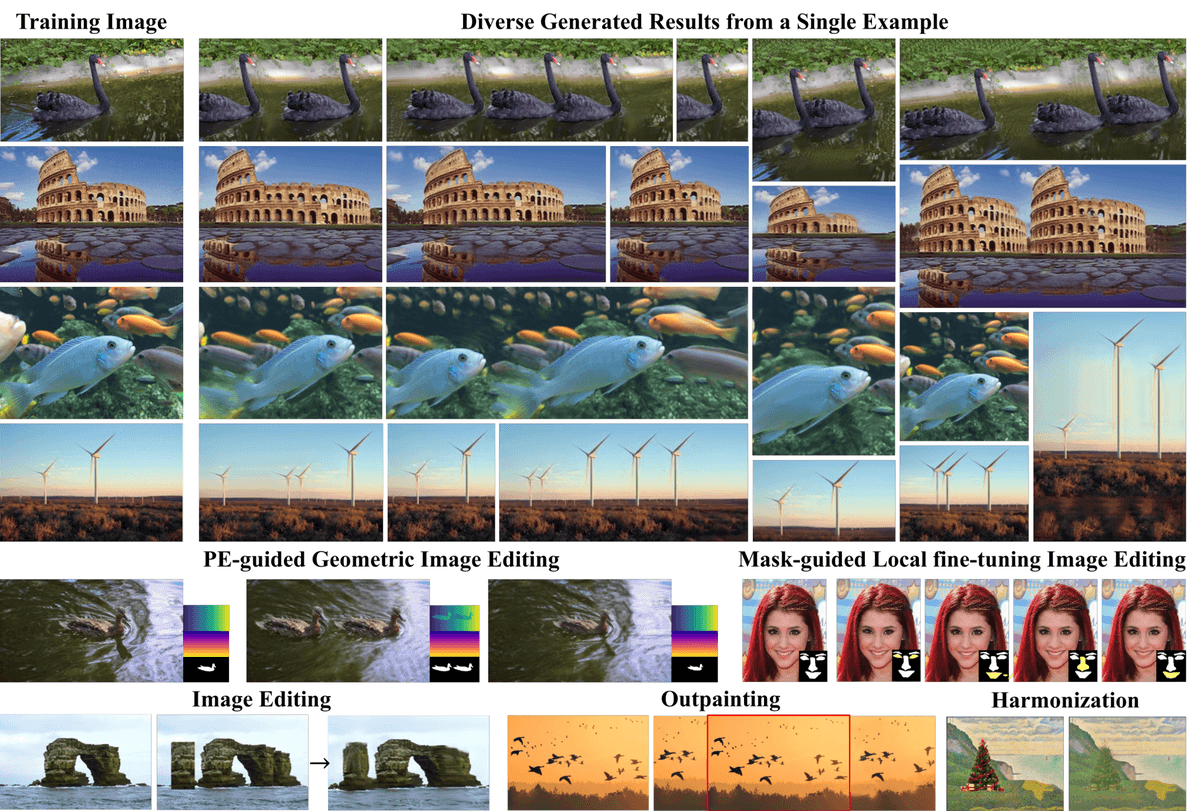
A single-scale diffusion model uses adaptive receptive fields and 3D positional encoding to preserve structure and enable spatial control from one training image.
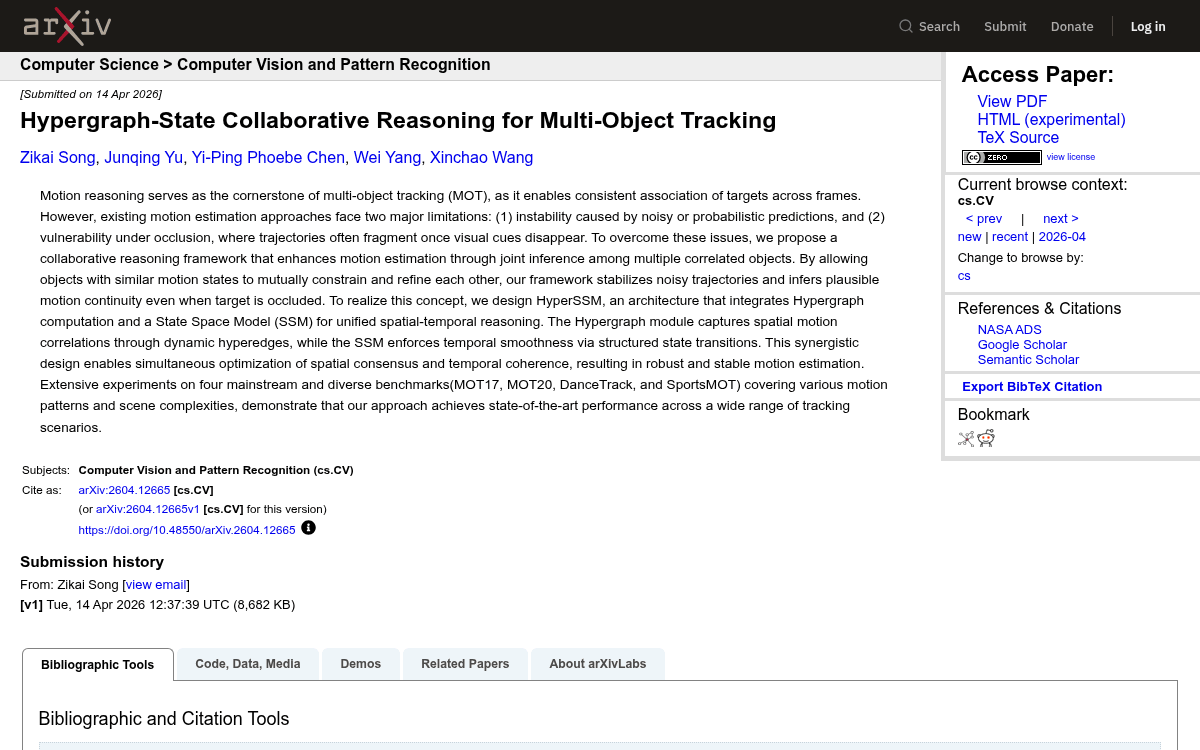
HyperSSM fuses hypergraph reasoning with state space models to let correlated objects share motion cues, delivering state-of-the-art results across four MOT benchmarks.
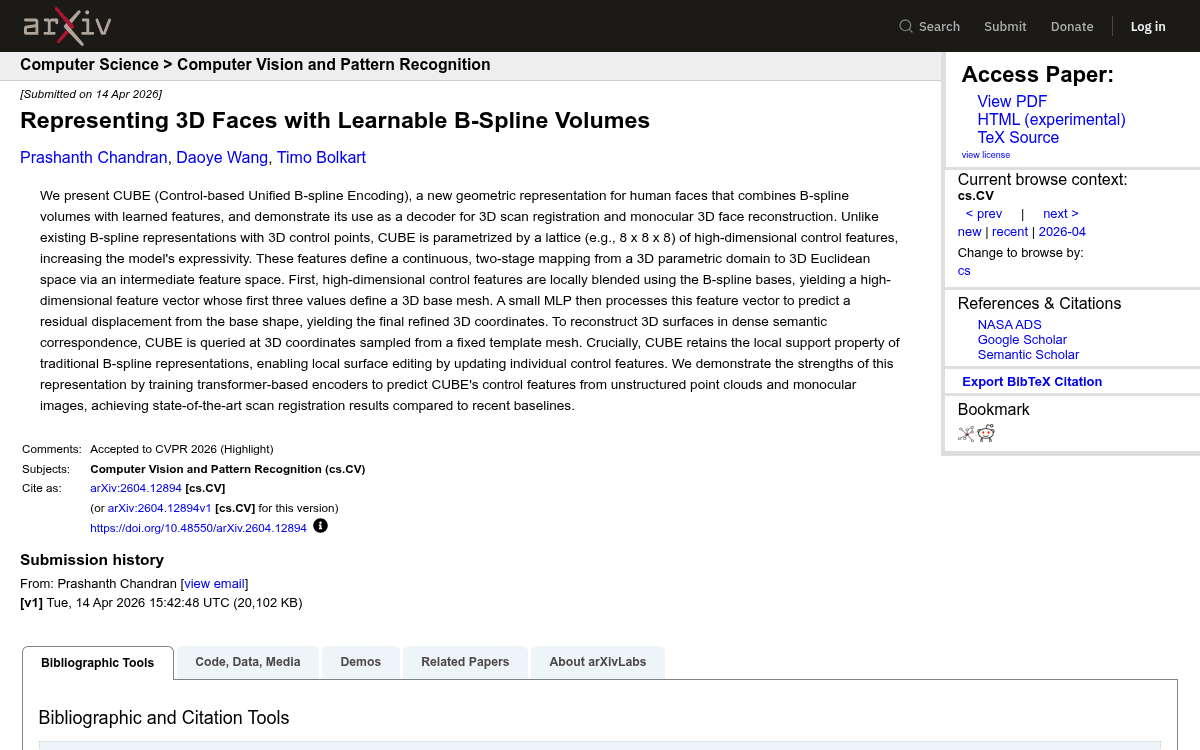
Google researchers introduce CUBE, a hybrid B-spline and neural representation for 3D faces that beats prior scan registration methods while enabling local editing.
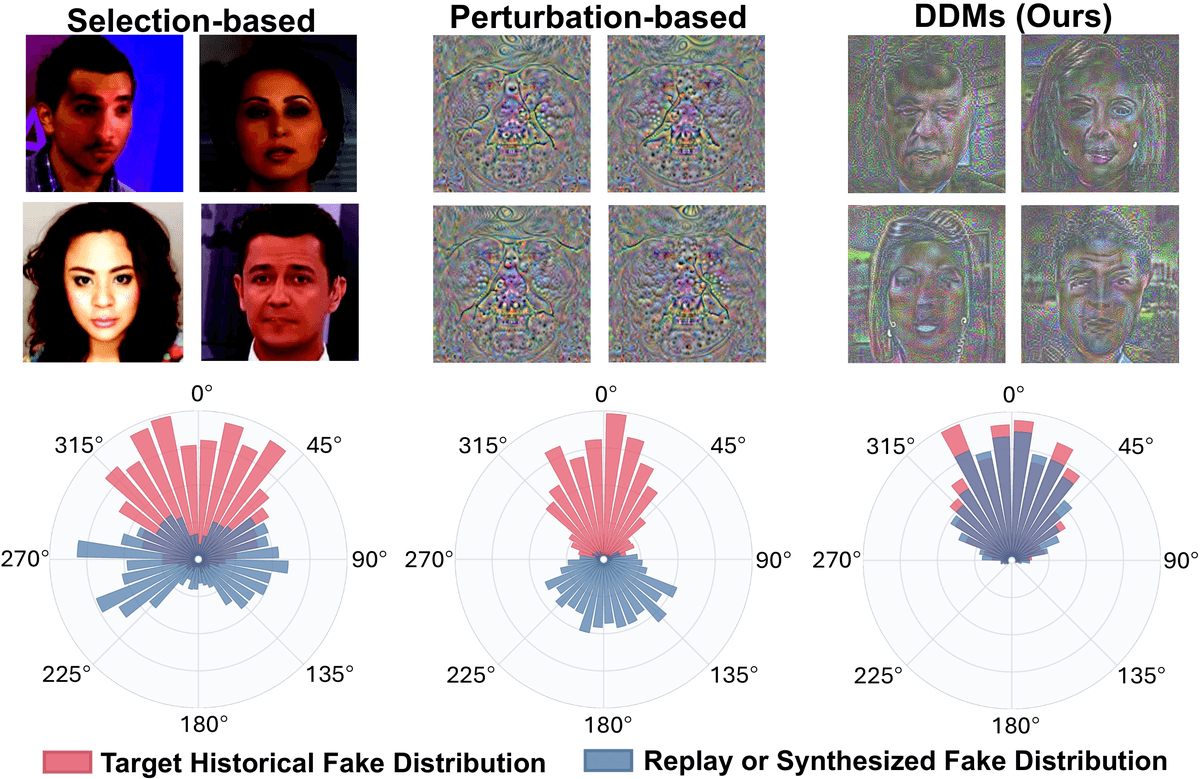
A new continual learning approach for deepfake detection stores tiny distribution maps instead of face images, cutting memory 10x while beating prior state of the art.
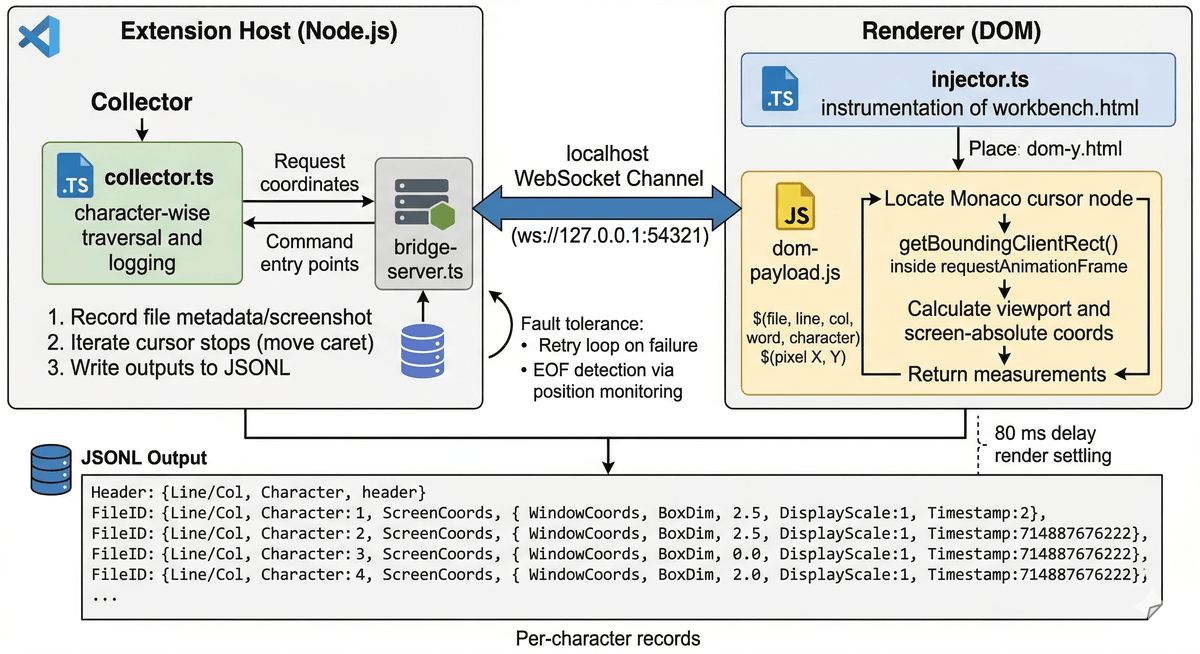
Microsoft researchers show that letting vision-language models see their own mistakes as red crosses on screenshots more than doubles cursor-placement accuracy in code editors.