
Pro
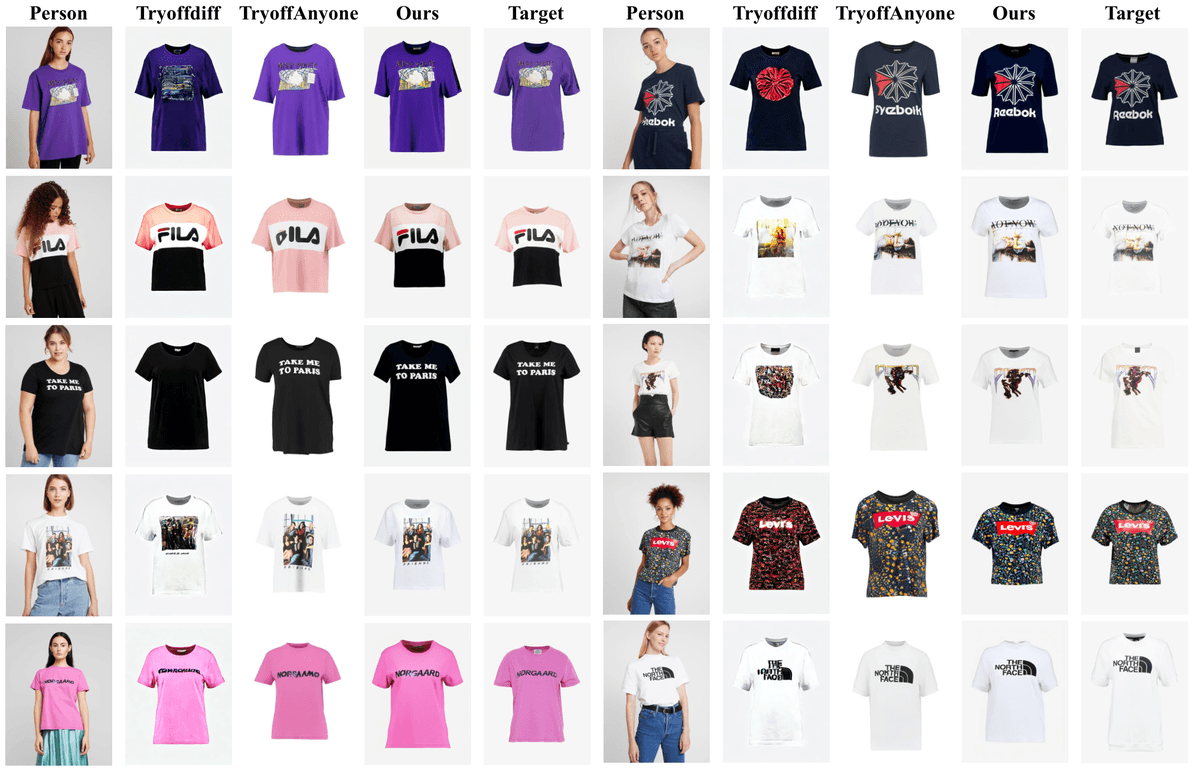
Sun Yat-sen's OMFA Handles Virtual Try-On and Try-Off Without Masks
A single diffusion model handles virtual try-on, try-off, and arbitrary-pose garment transfer without segmentation masks or clean product photos.
20 stories
A single diffusion model handles virtual try-on, try-off, and arbitrary-pose garment transfer without segmentation masks or clean product photos.
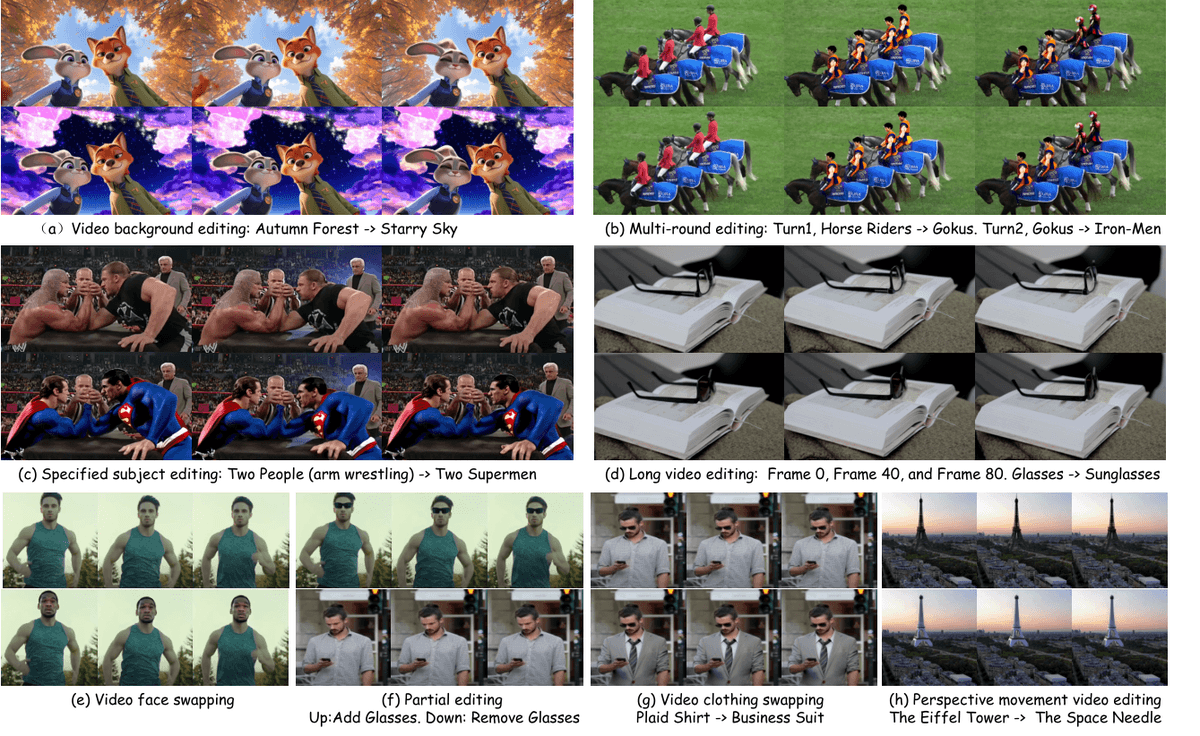
A training-free framework tackles multi-subject video editing by aligning multimodal prompts and retargeting masks to eliminate attribute leakage across instances.
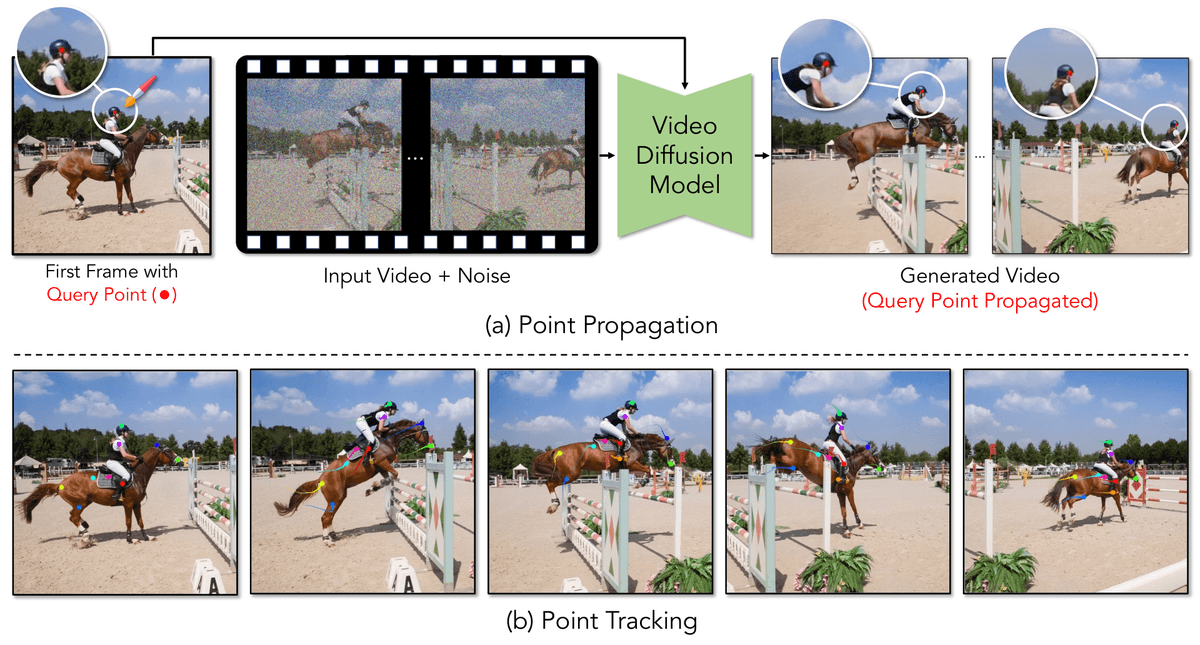
A red dot plus SDEdit turns any pretrained video generator into a zero-shot point tracker that survives occlusions and rivals self-supervised baselines.
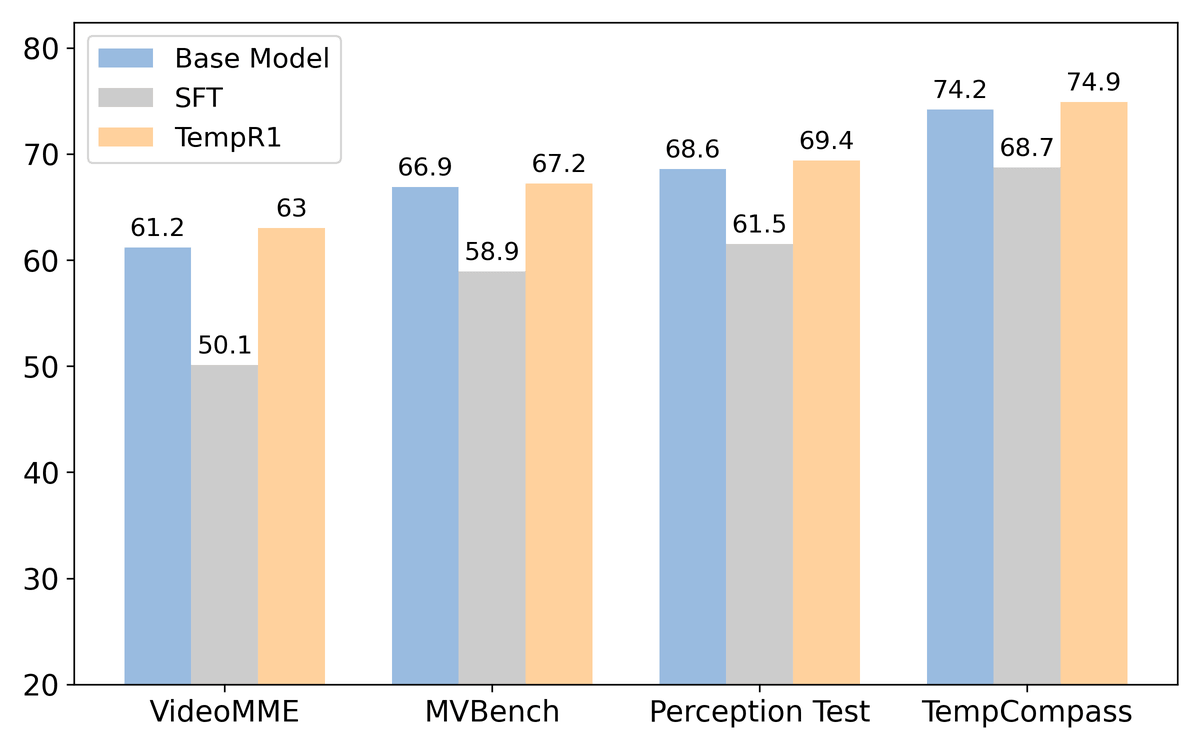
A new multi-task reinforcement learning recipe teaches video language models to pinpoint events in time across five different temporal tasks at once.
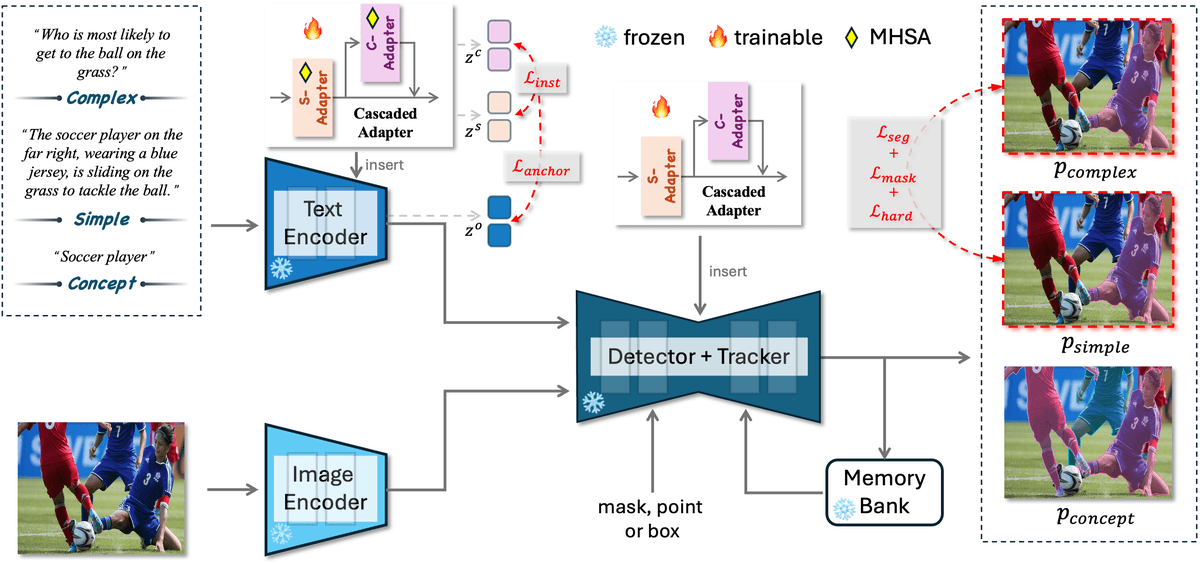
A new adapter mechanism lets SAM3 directly parse complex referring and reasoning instructions in one pass, without an external multimodal agent.
Meleti and Nirschl show that a single-pass Gaussian process head can flag out-of-distribution pathology images without slowing down inference.
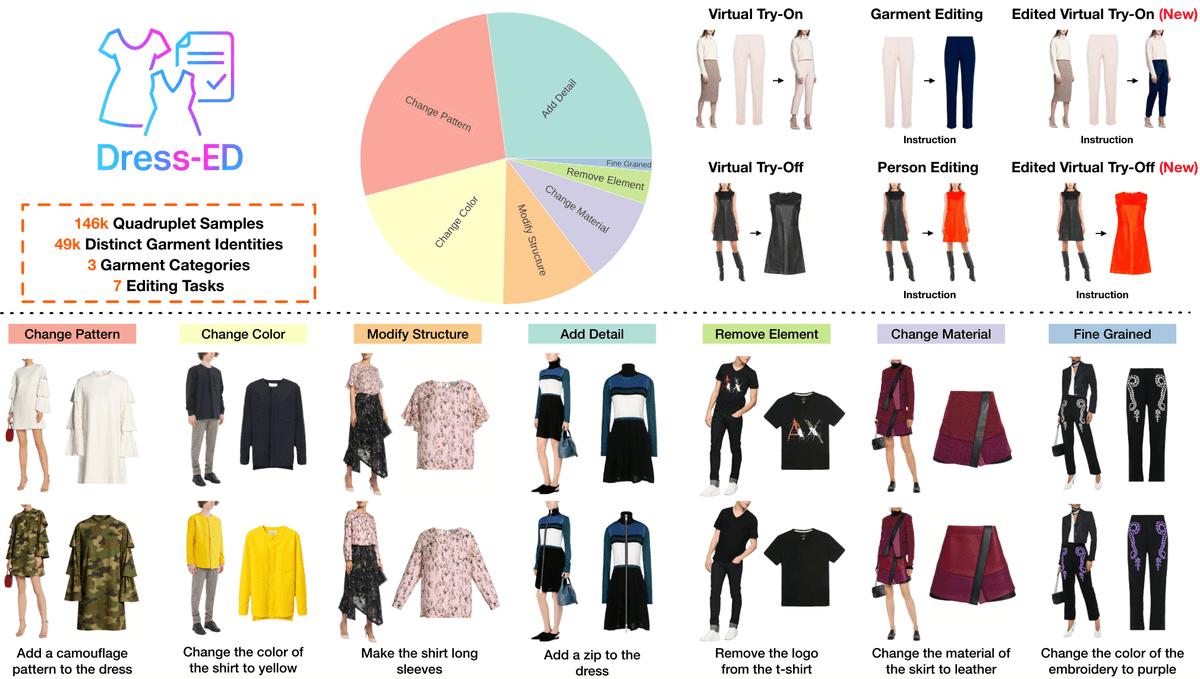
A new benchmark with 146,000 verified samples brings text-driven editing to virtual try-on and try-off, along with a unified diffusion baseline.
A CNN plus State Space Model hybrid classifies breast lesions on CBIS-DDSM with 0.875 AUC, beating Swin, ViT, and EfficientNet baselines.
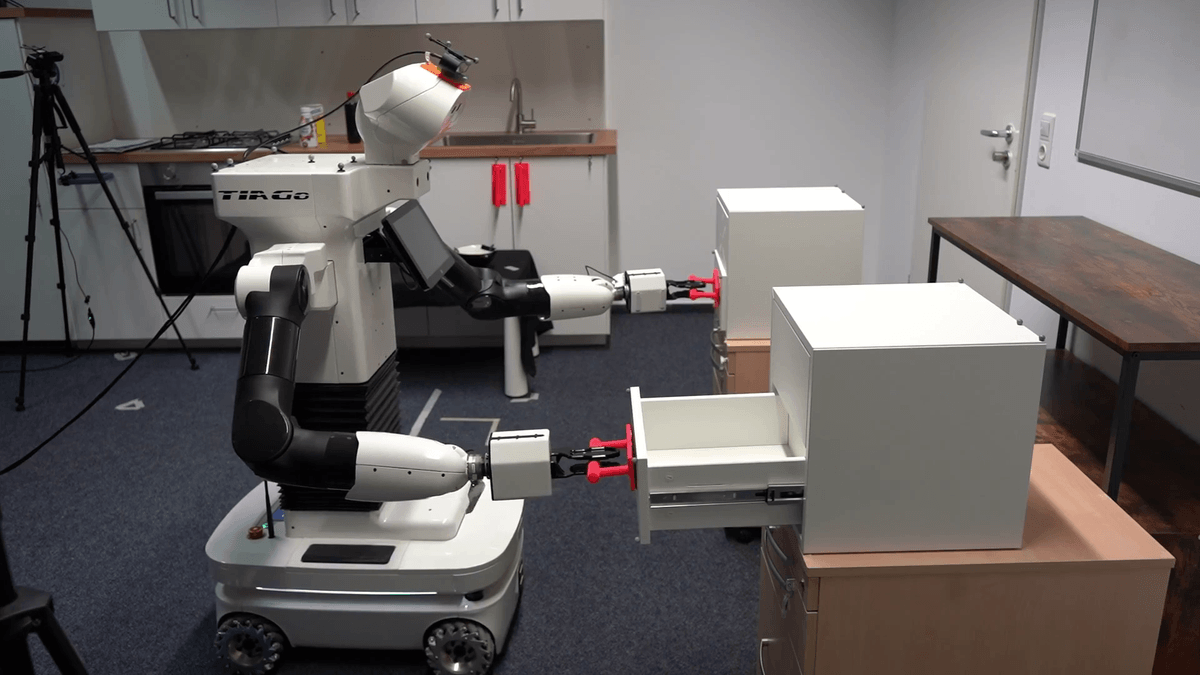
A two-stage pipeline uses a rough whole-body controller to seed data, then offline RL stitches better behaviors together, no teleoperation needed.
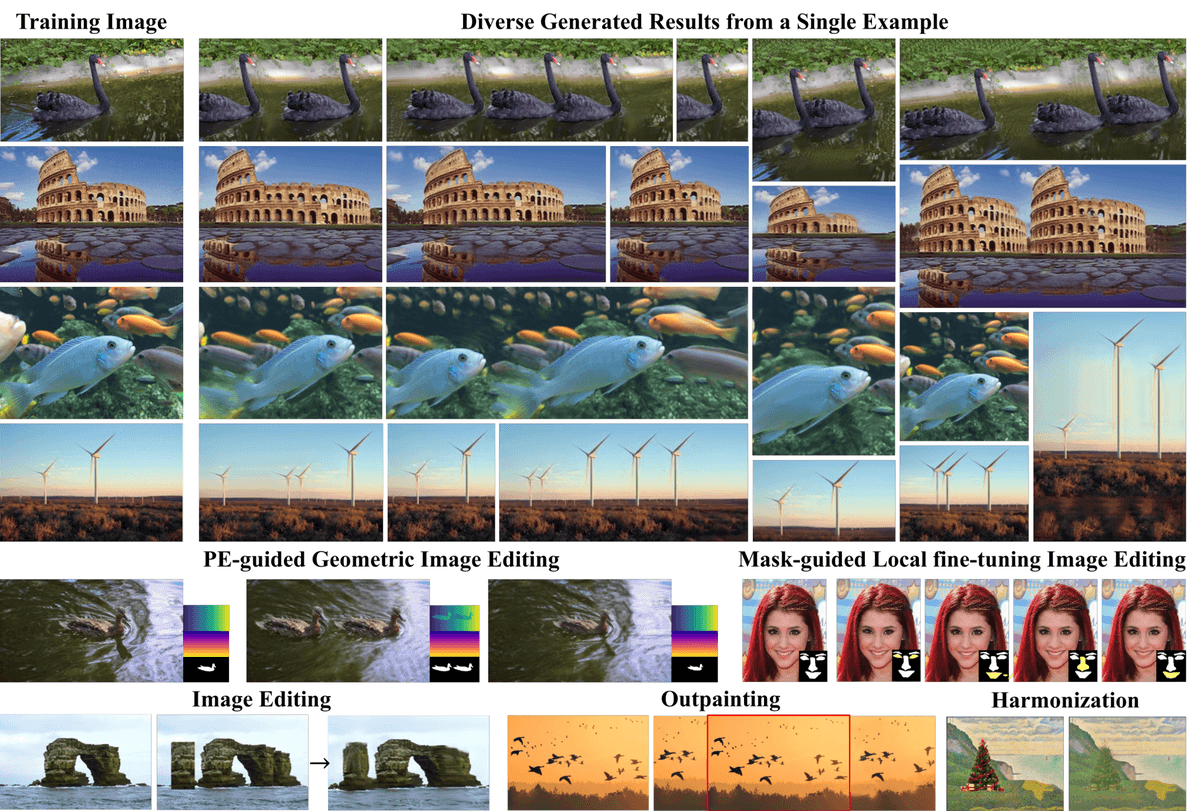
A single-scale diffusion model uses adaptive receptive fields and 3D positional encoding to preserve structure and enable spatial control from one training image.
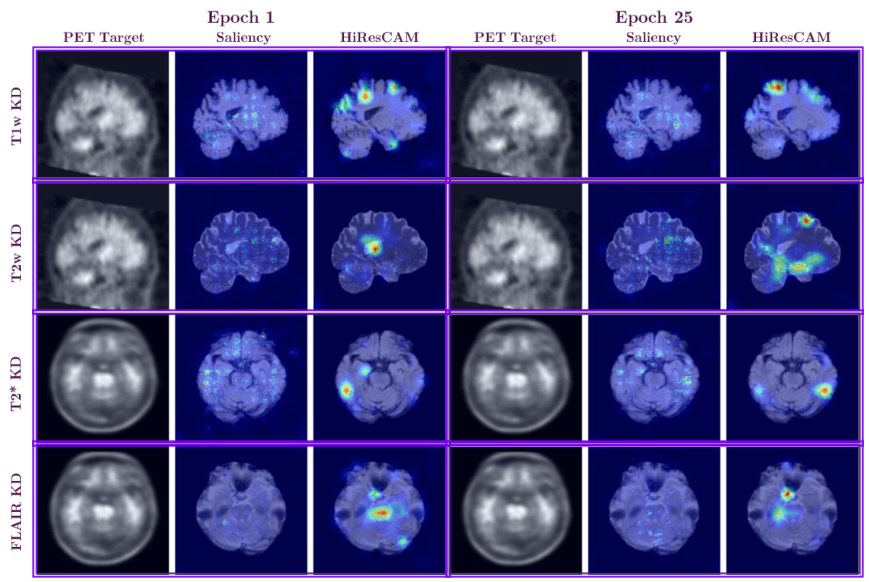
A BiomedCLIP-based teacher learns from paired PET-MRI scans, then teaches an MRI-only student to flag amyloid buildup without expensive PET imaging.
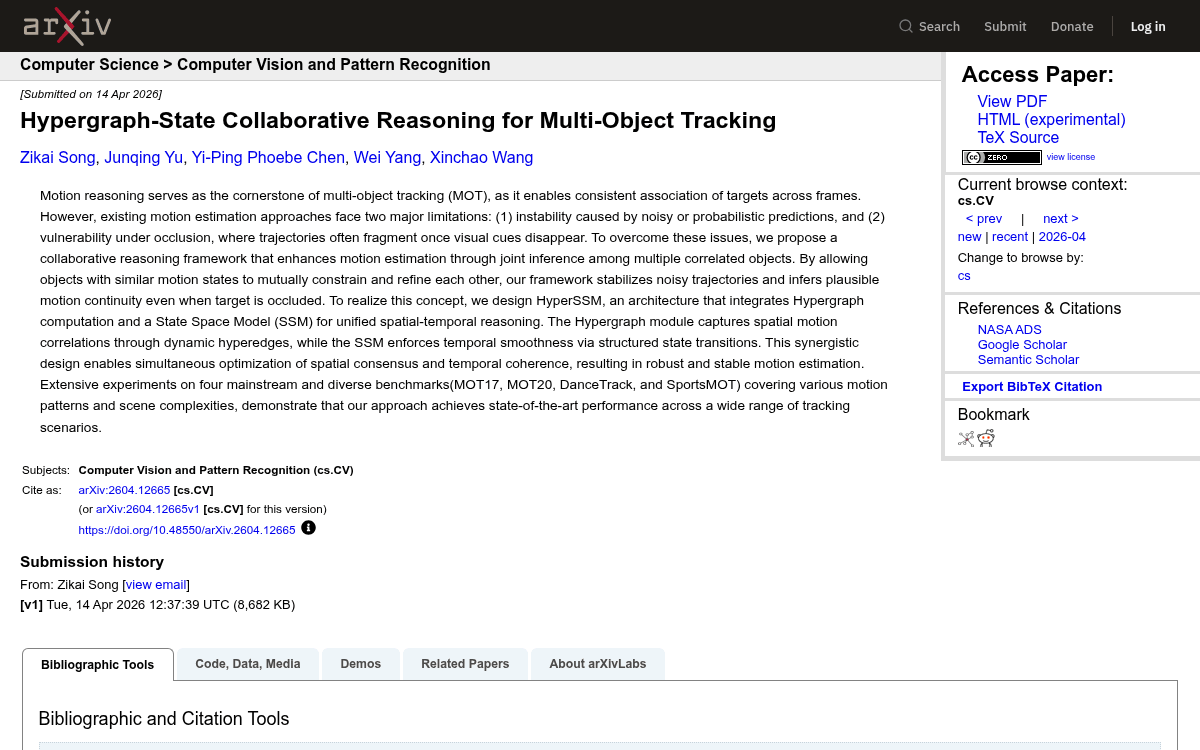
HyperSSM fuses hypergraph reasoning with state space models to let correlated objects share motion cues, delivering state-of-the-art results across four MOT benchmarks.
Google researchers introduce CUBE, a hybrid B-spline and neural representation for 3D faces that beats prior scan registration methods while enabling local editing.
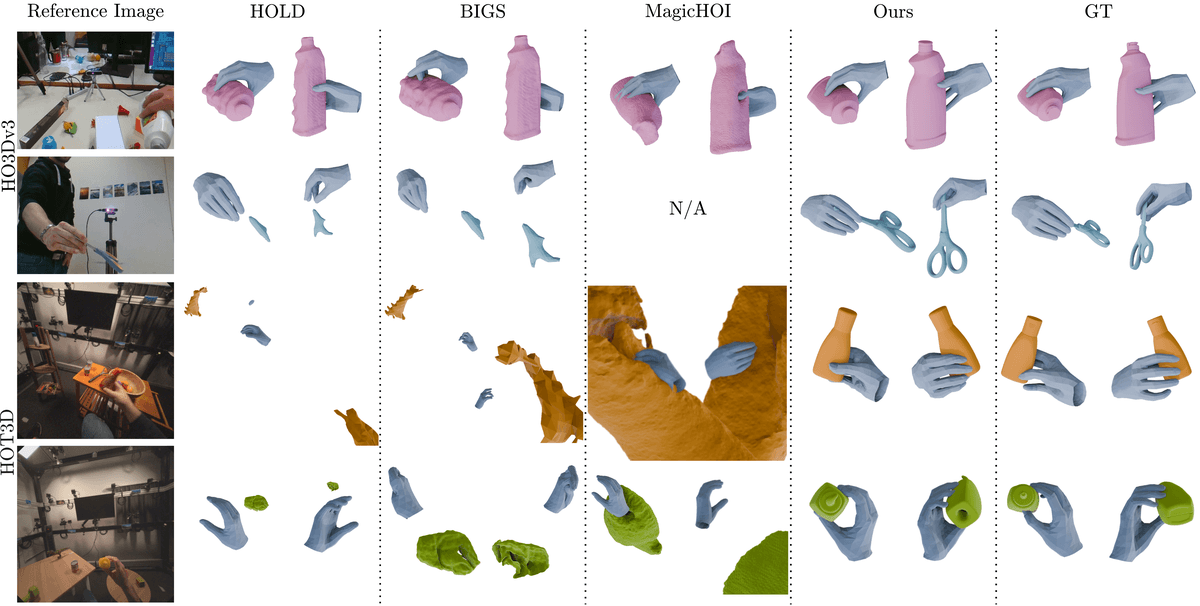
Researchers from Max Planck Institute, Google, and Bielefeld University cut monocular hand-object reconstruction from hours to 30 minutes.
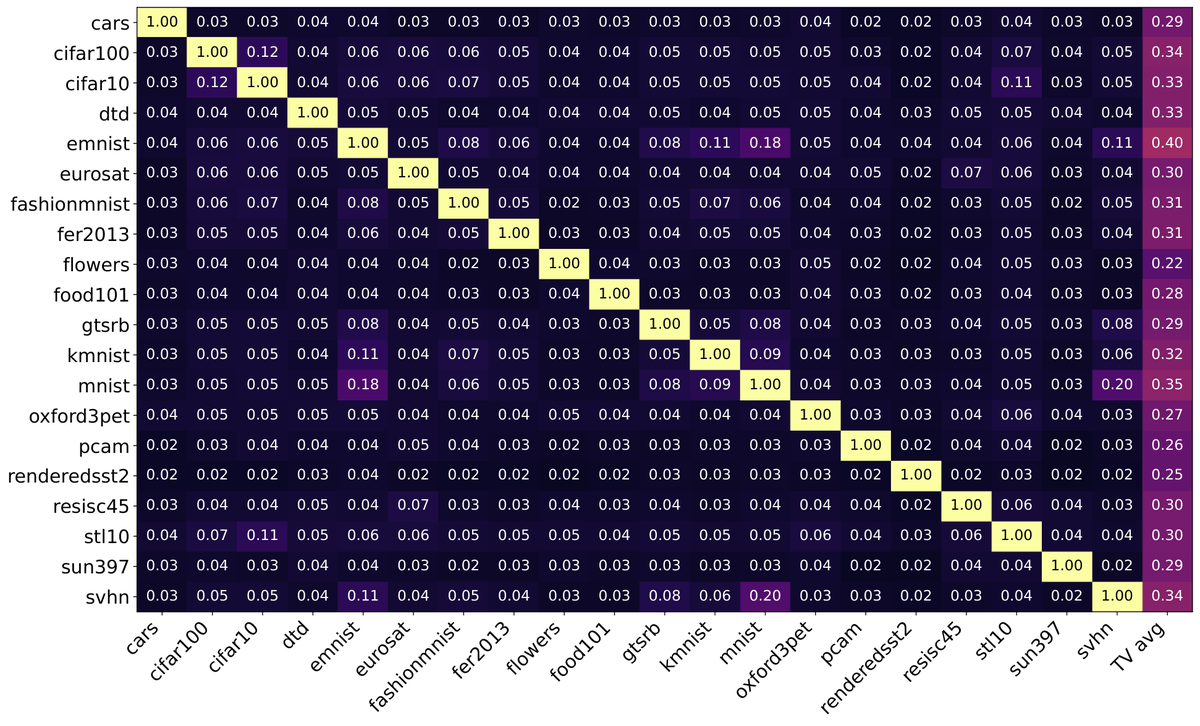
A new proxy method estimates model merging quality from feature similarity alone, cutting hyperparameter search time by up to 1000x.
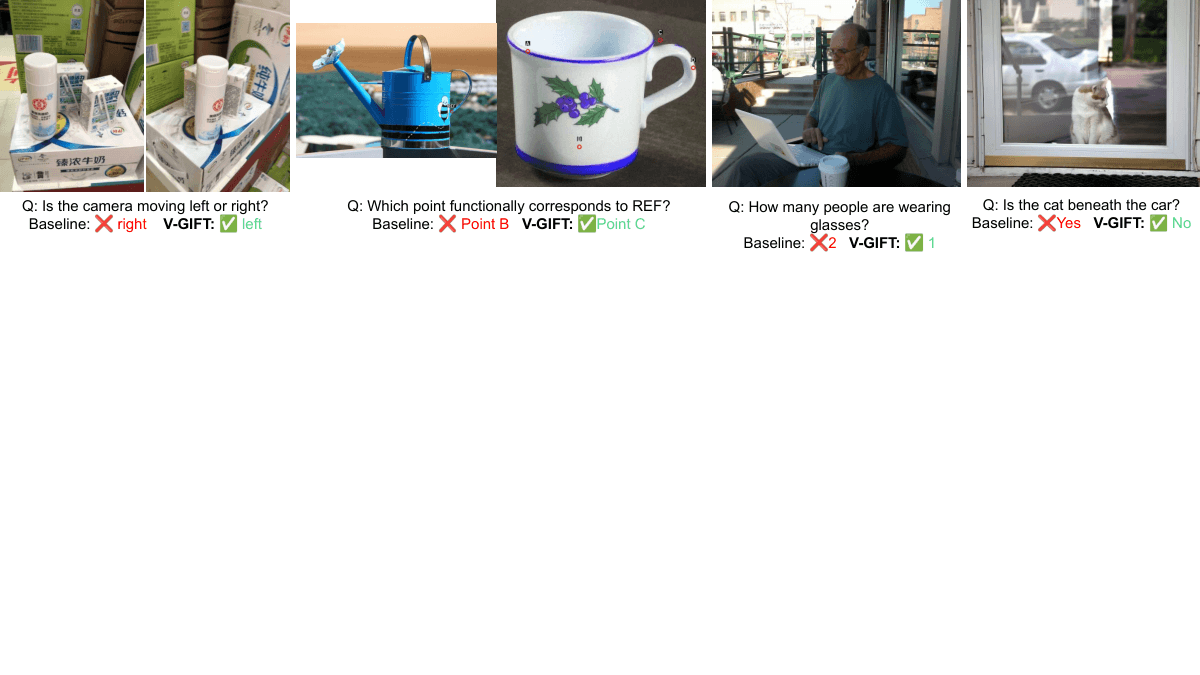
A new paper shows that mixing just 3-10% of self-supervised visual puzzles into instruction tuning fixes language shortcuts in multimodal LLMs.
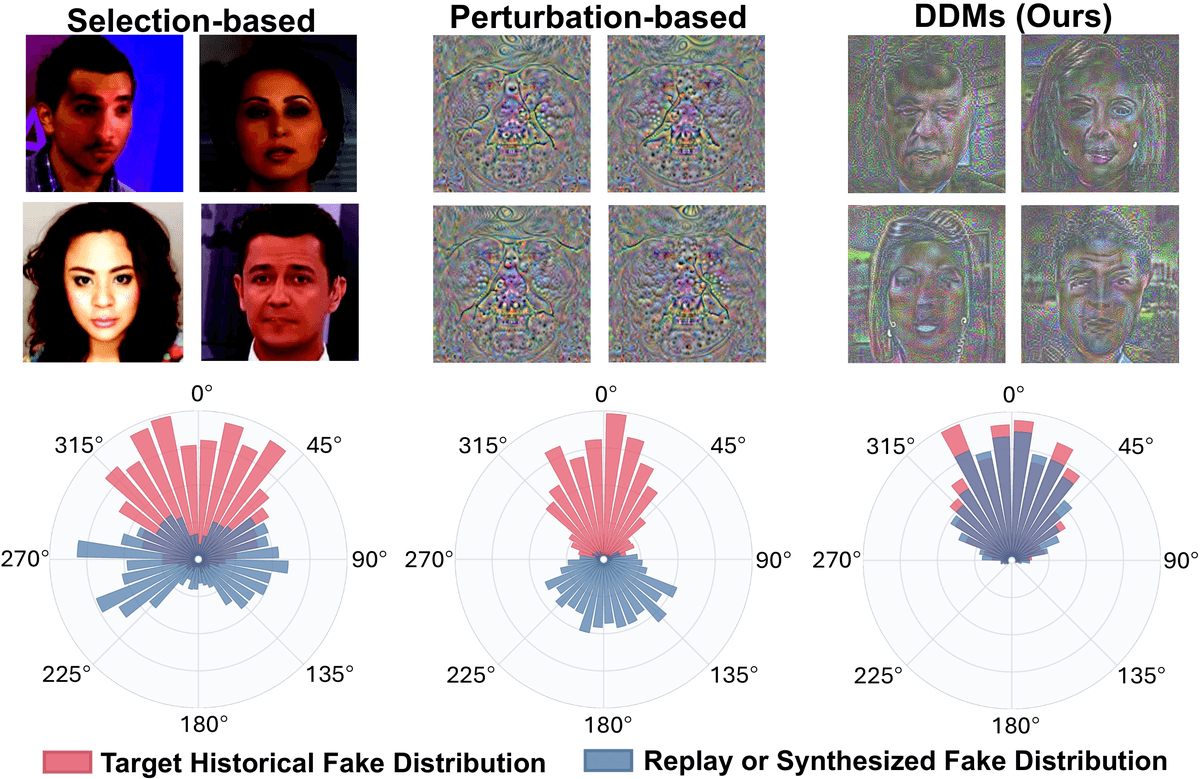
A new continual learning approach for deepfake detection stores tiny distribution maps instead of face images, cutting memory 10x while beating prior state of the art.
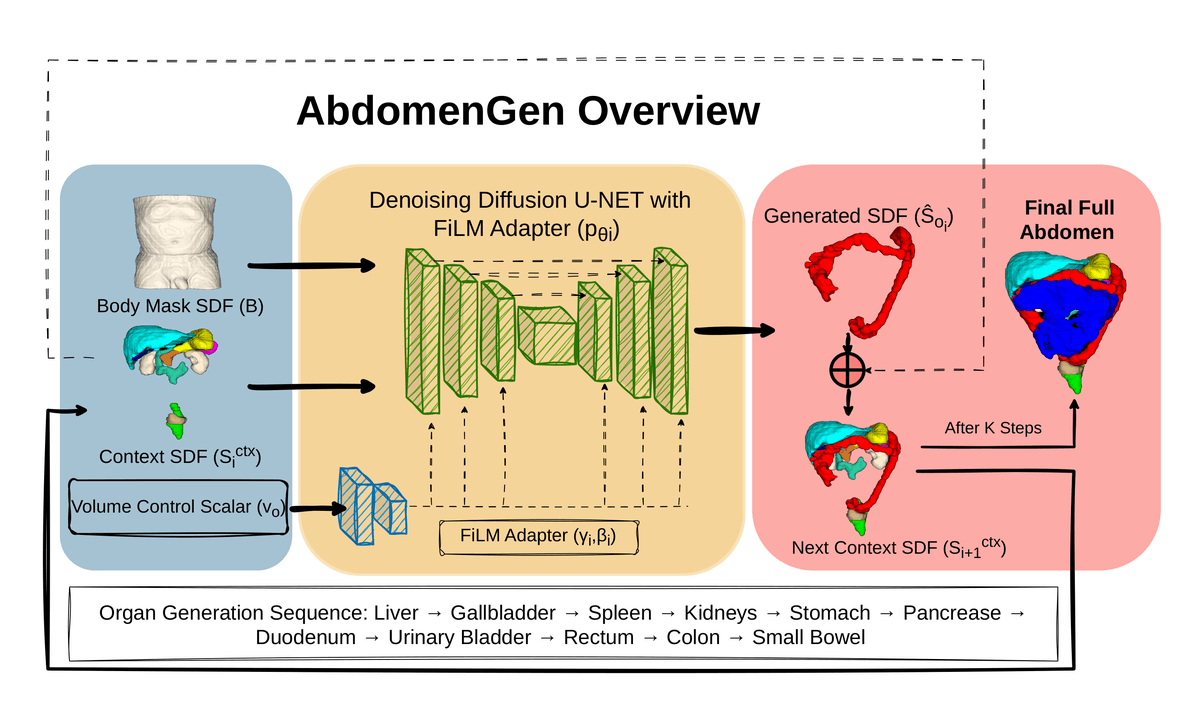
A new diffusion framework generates 11 abdominal organs one at a time with a single knob that scales organ size independently of body habitus.
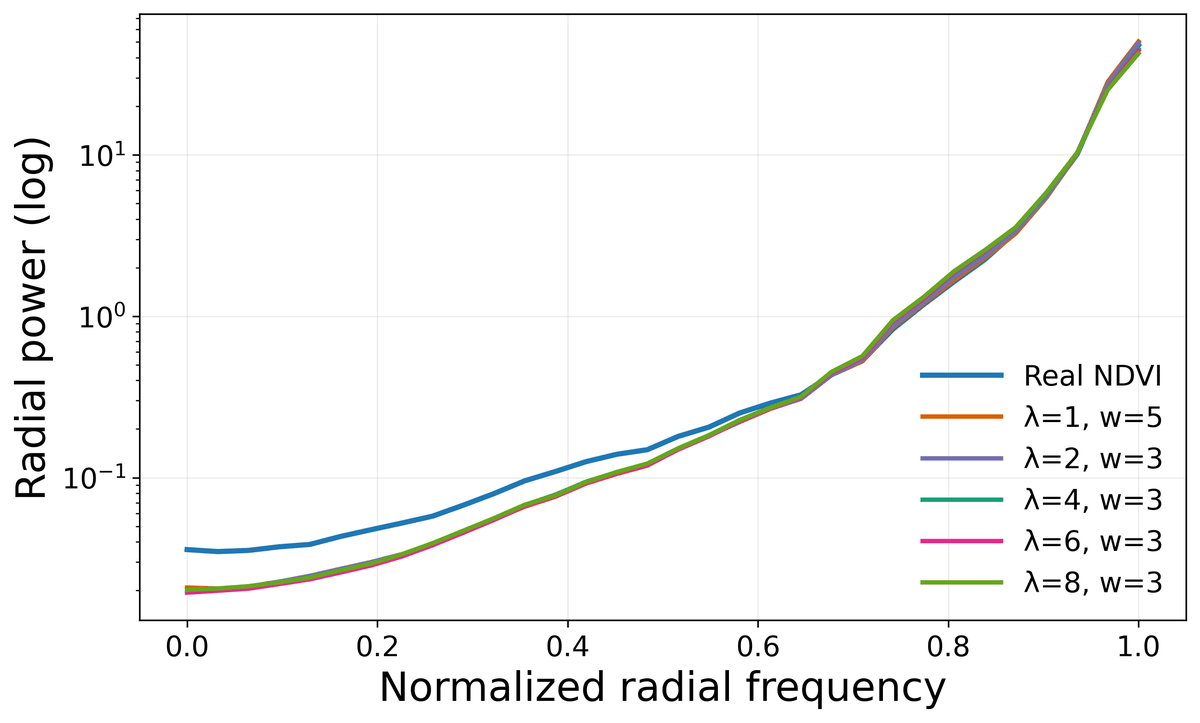
A Purdue team flips urban heat modeling on its head, using diffusion to design vegetation layouts that hit specific temperature targets.
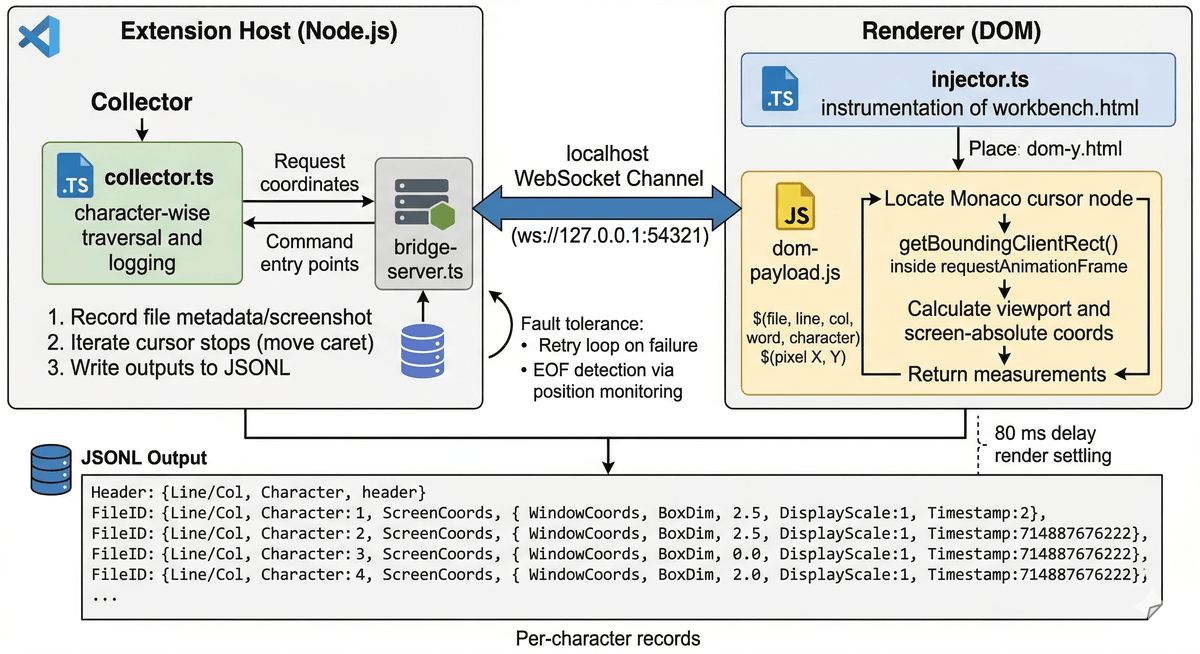
Microsoft researchers show that letting vision-language models see their own mistakes as red crosses on screenshots more than doubles cursor-placement accuracy in code editors.