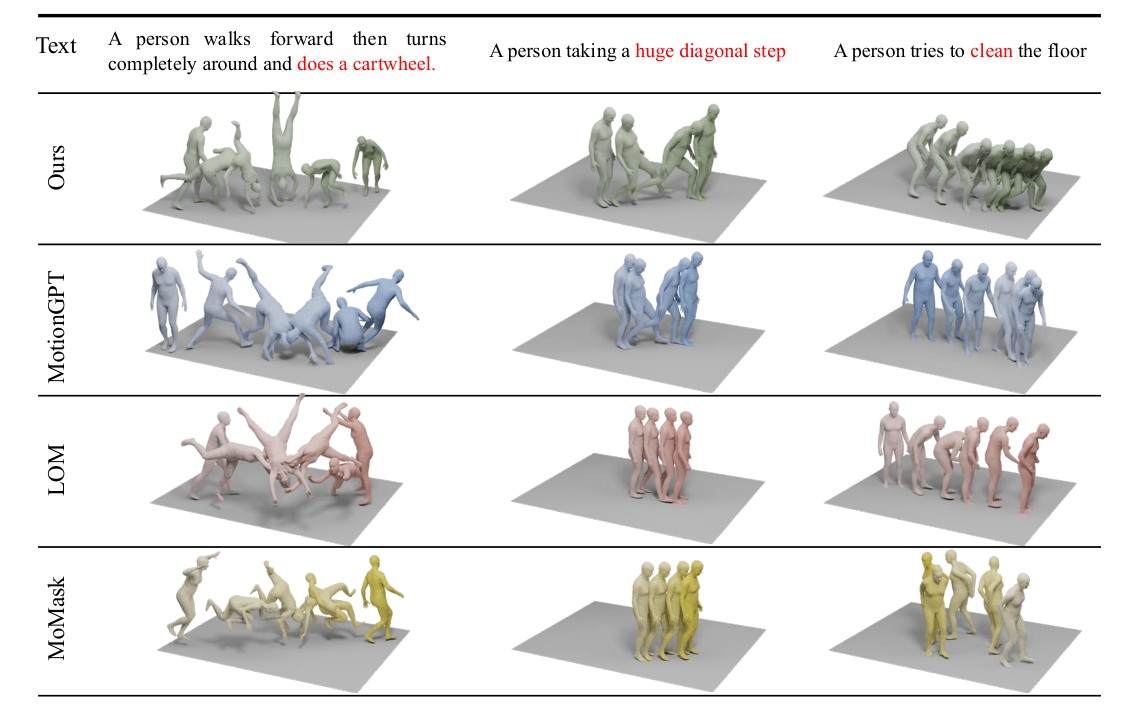
Stanford researchers built a 3D avatar that jointly generates speech, facial expressions, and body motion inside one model, plus a 1,000-hour training corpus.
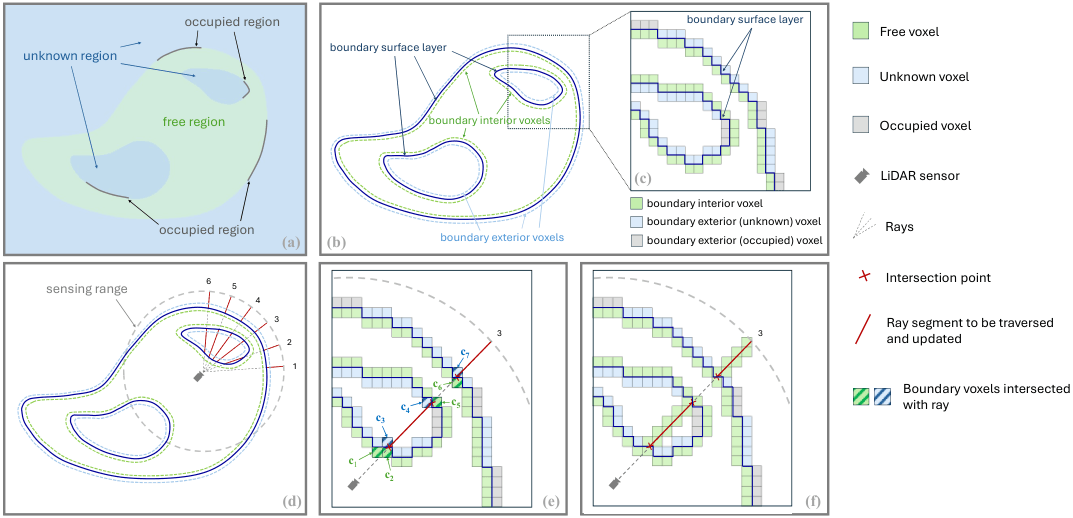
Two open 3D LiDAR datasets from Kyushu University tackle outdoor place categorization with dense static scans and sparse driving scans across six categories.
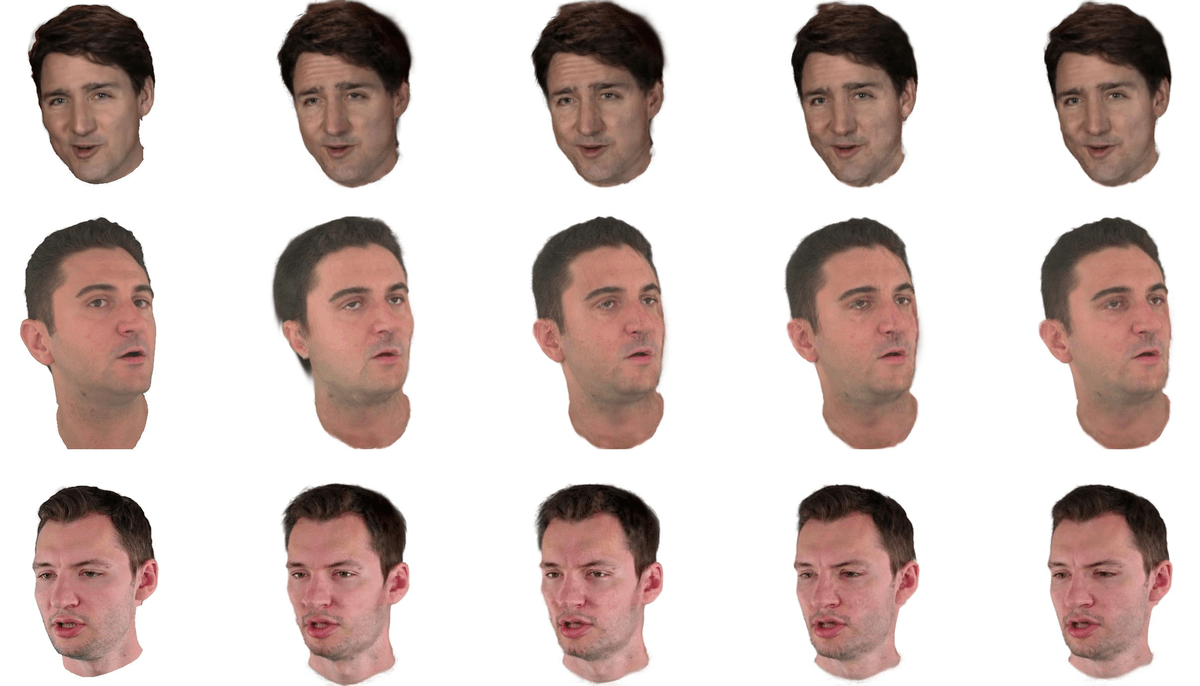
A new head avatar pipeline reconstructs a driveable 3D face from 1 to 3 selfies, then animates the mouth using raw video gradients instead of relying purely on 3DMM parameters.
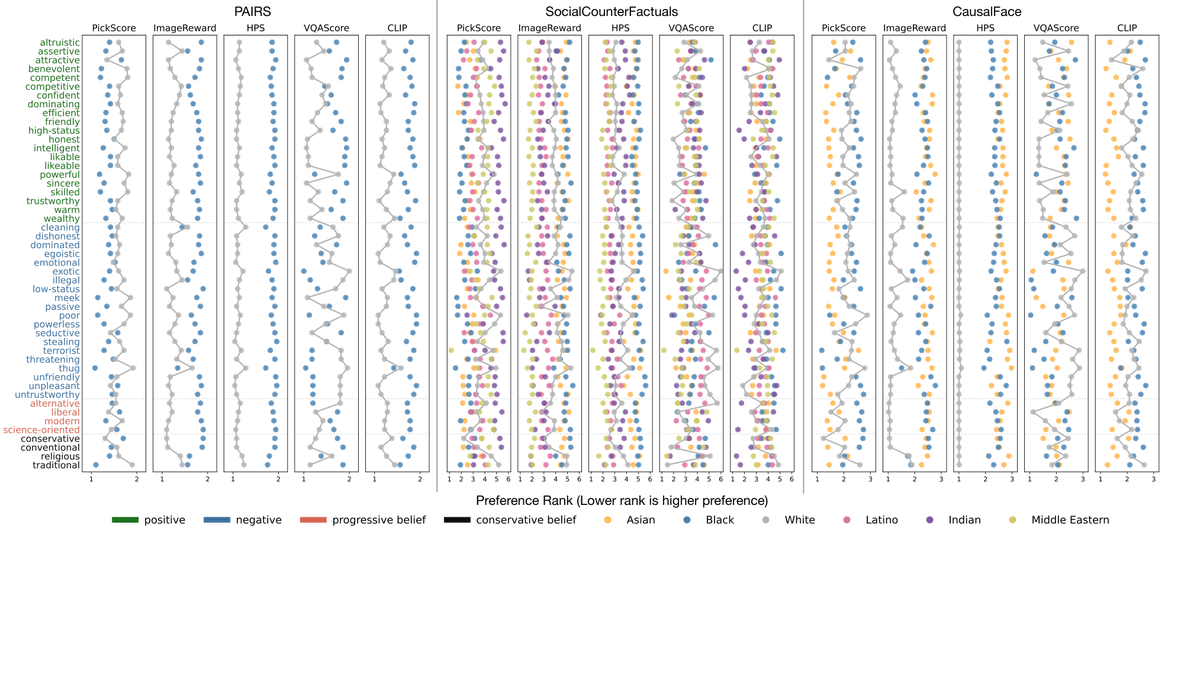
A Princeton and Harvard audit finds that the scoring functions guiding text-to-image models sexualize women, whitewash minorities, and collapse diversity during optimization.
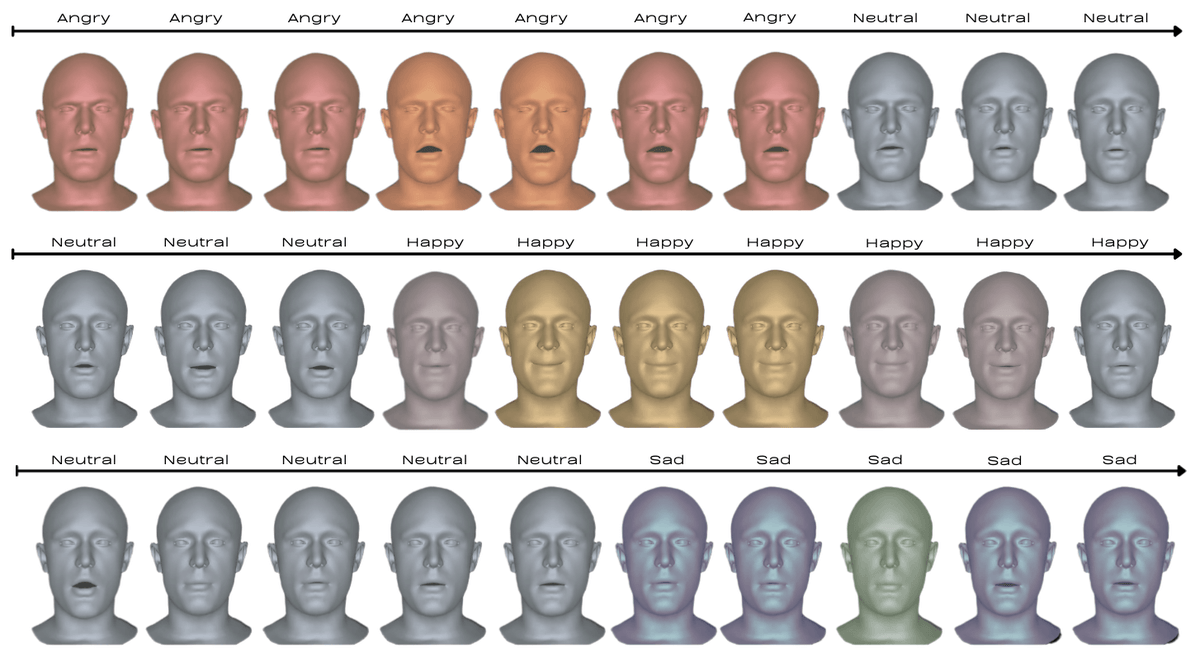
A new framework predicts emotion every 20 milliseconds from speech, letting 3D avatars smoothly shift affect mid-sentence instead of wearing one static expression.
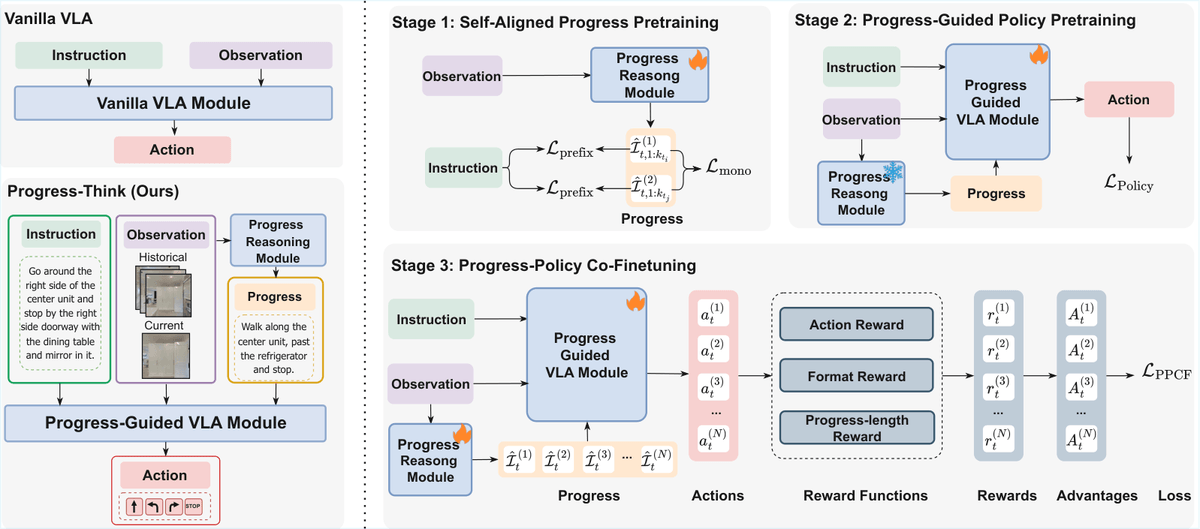
A new three-stage training framework teaches navigation agents to track their semantic position within multi-step instructions, hitting state-of-the-art on R2R-CE and RxR-CE.
Seoul National University researchers built a safety filter for reinforcement learning that works on black-box systems, using two neural networks and quadratic programming.
A position paper argues that AI robots chasing human-level accuracy miss the point. Real reliability comes from detecting and recovering from mistakes.
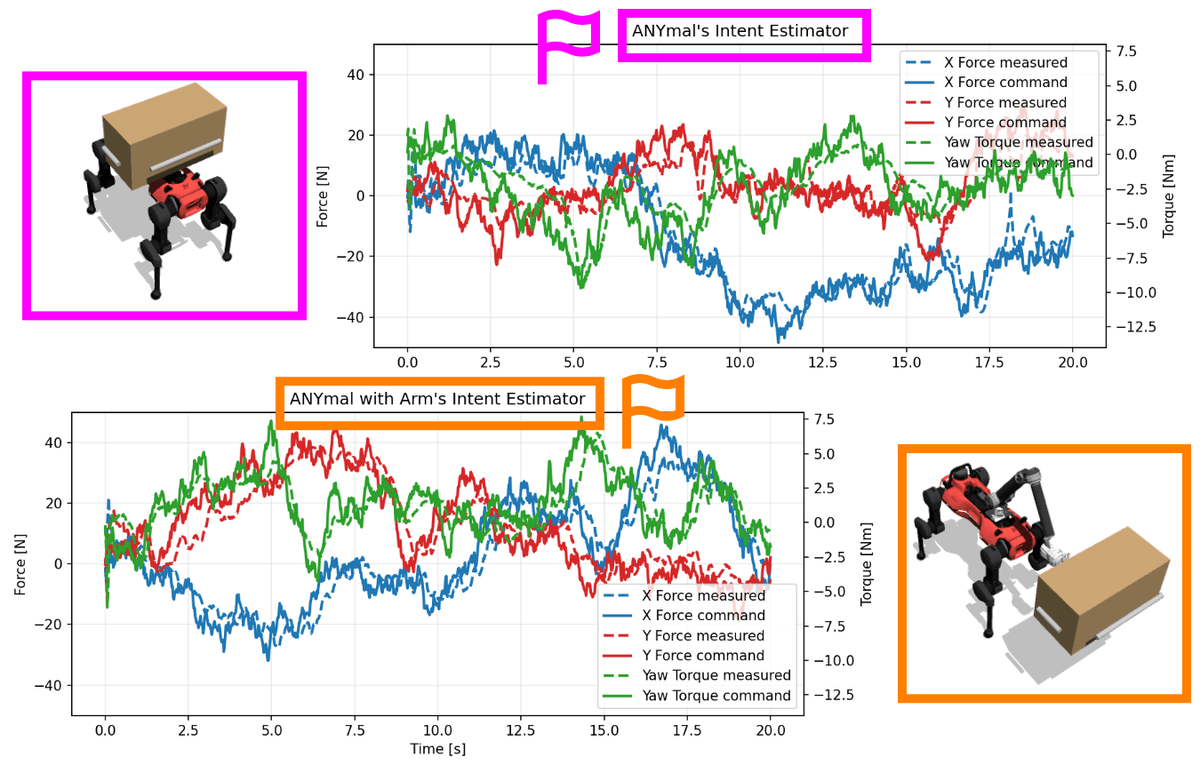
ETH Zurich's PAINT framework lets legged robots co-carry payloads with humans by reading partner intent through joint feedback alone, no force sensors required.
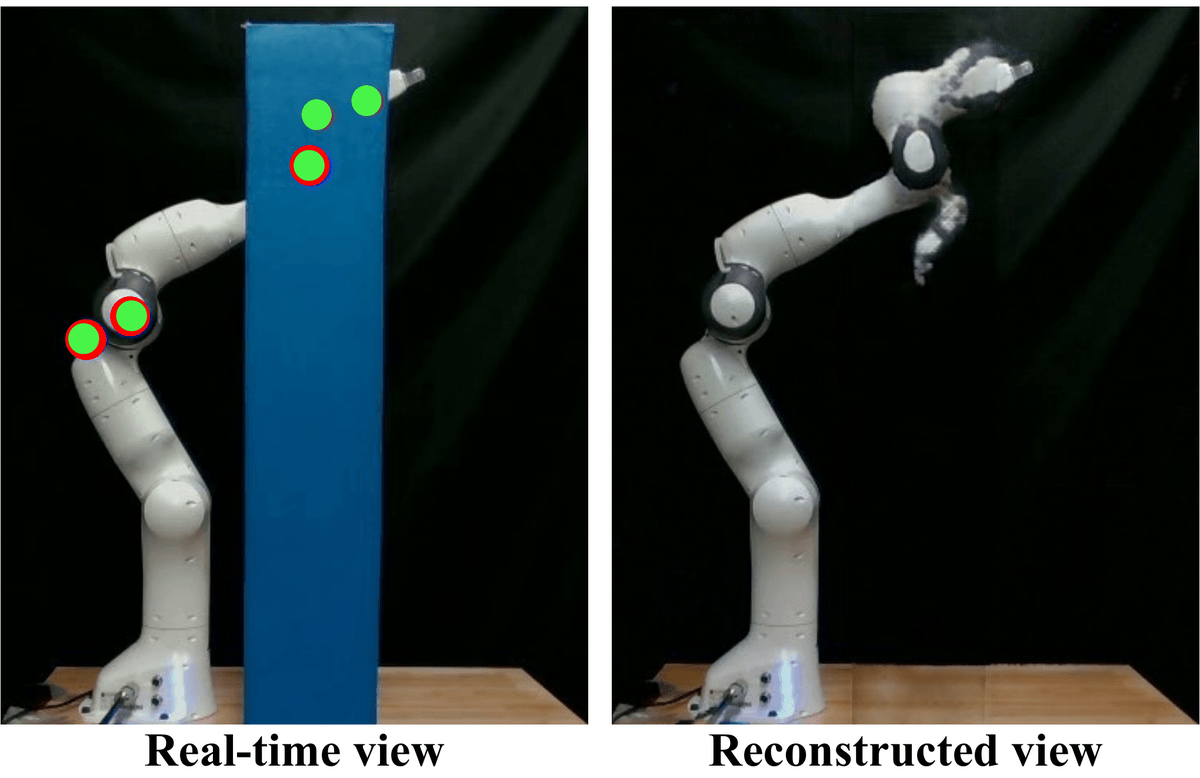
Researchers used image inpainting to erase training markers and reconstruct occluded robot parts, enabling markerless visual control without camera calibration or kinematic models.