
Pro
AIPex Turns Chrome Into an Agent-Controlled Browser Without Switching
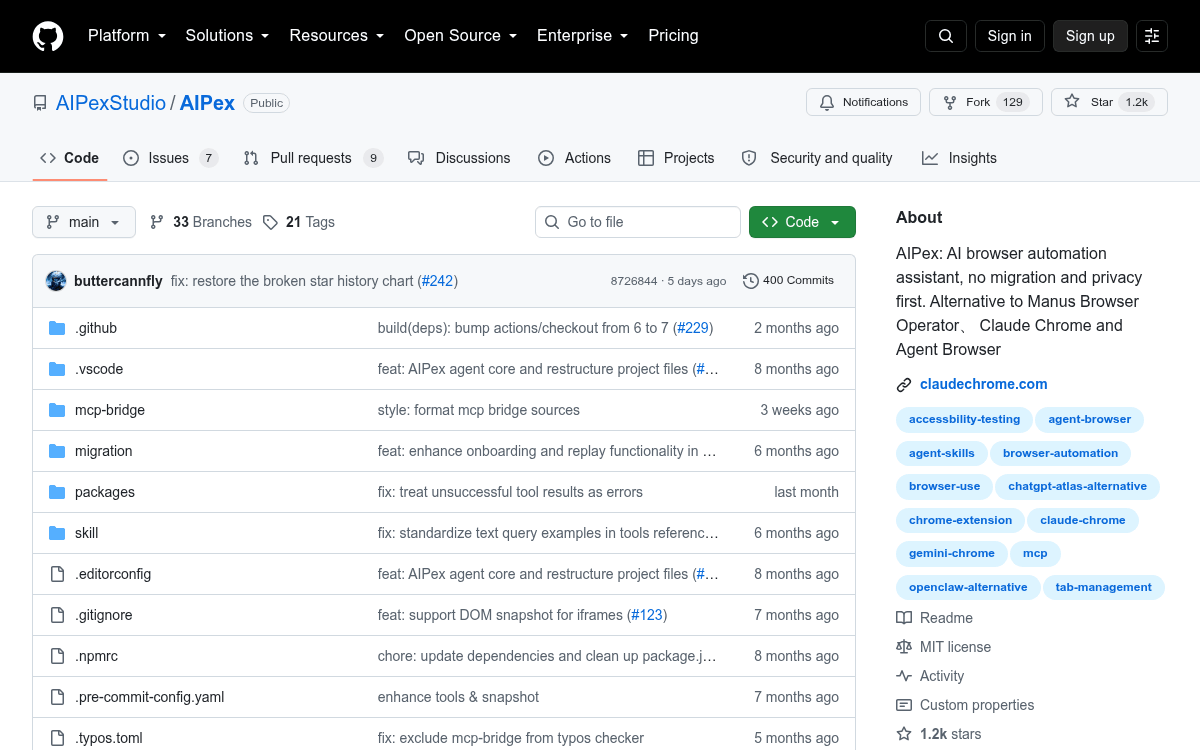
AIPex is an open-source Chrome extension that turns your existing browser into an AI agent, with MCP support for Cursor and Claude Code.
20 stories
AIPex is an open-source Chrome extension that turns your existing browser into an AI agent, with MCP support for Cursor and Claude Code.
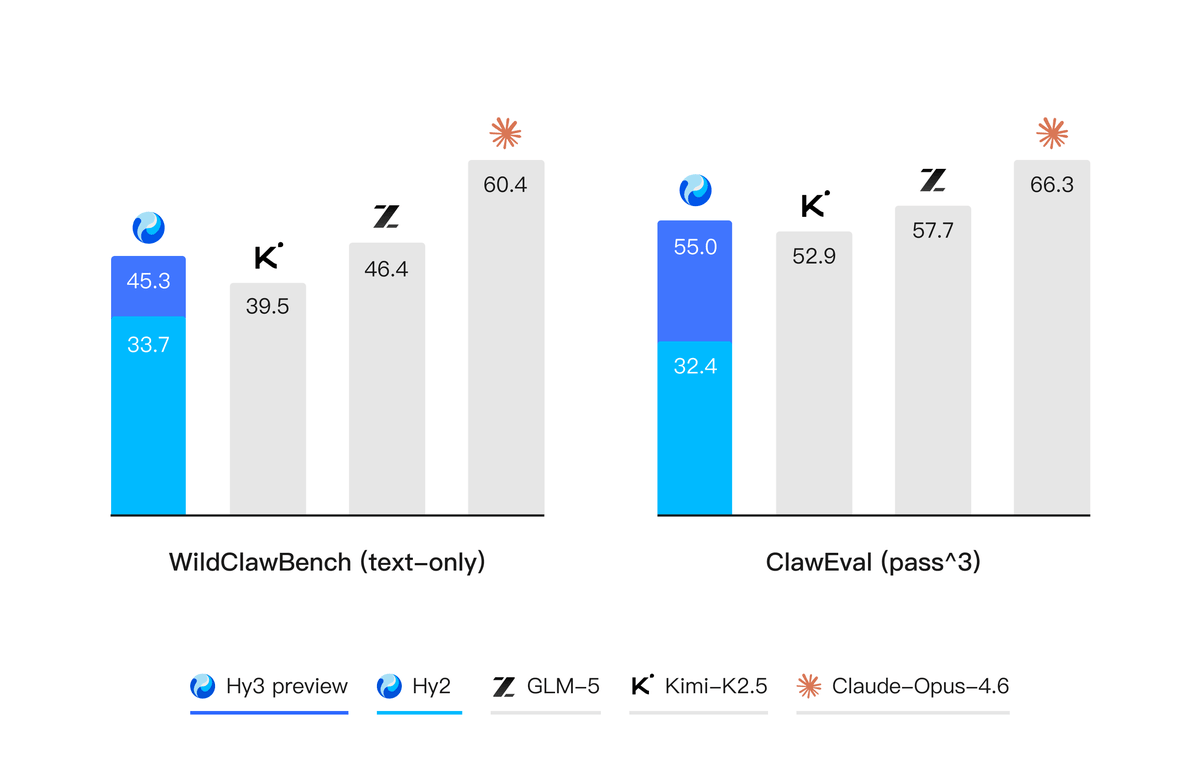
Tencent's rebuilt Hunyuan pipeline delivers a 295B MoE with 21B active params, 256K context, and competitive coding agent scores.
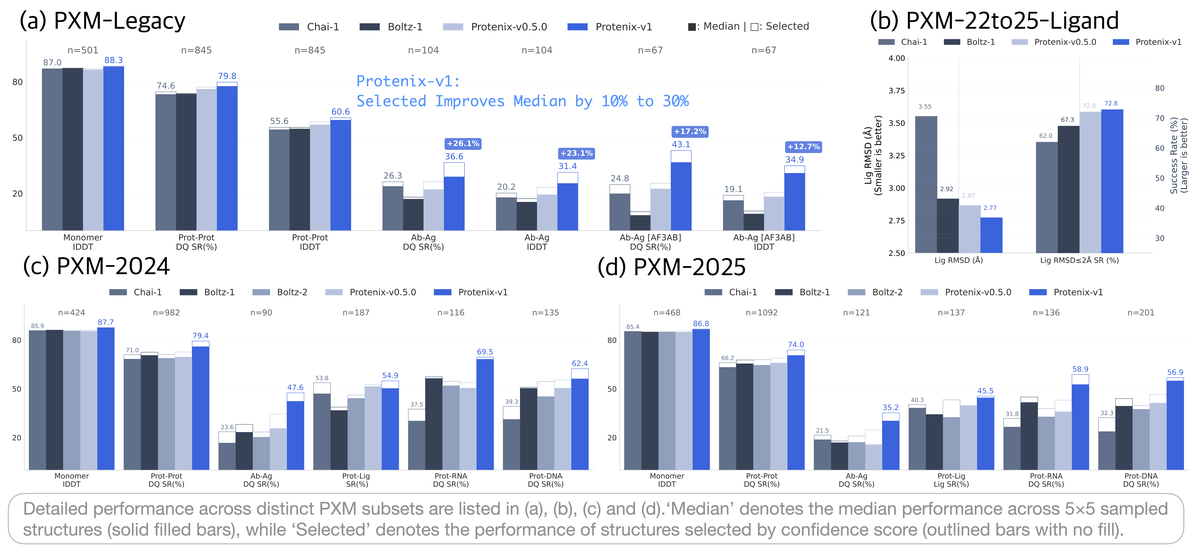
ByteDance's Protenix-v2 beats AlphaFold3 on antibody-antigen prediction and is fully free for commercial use under Apache 2.0
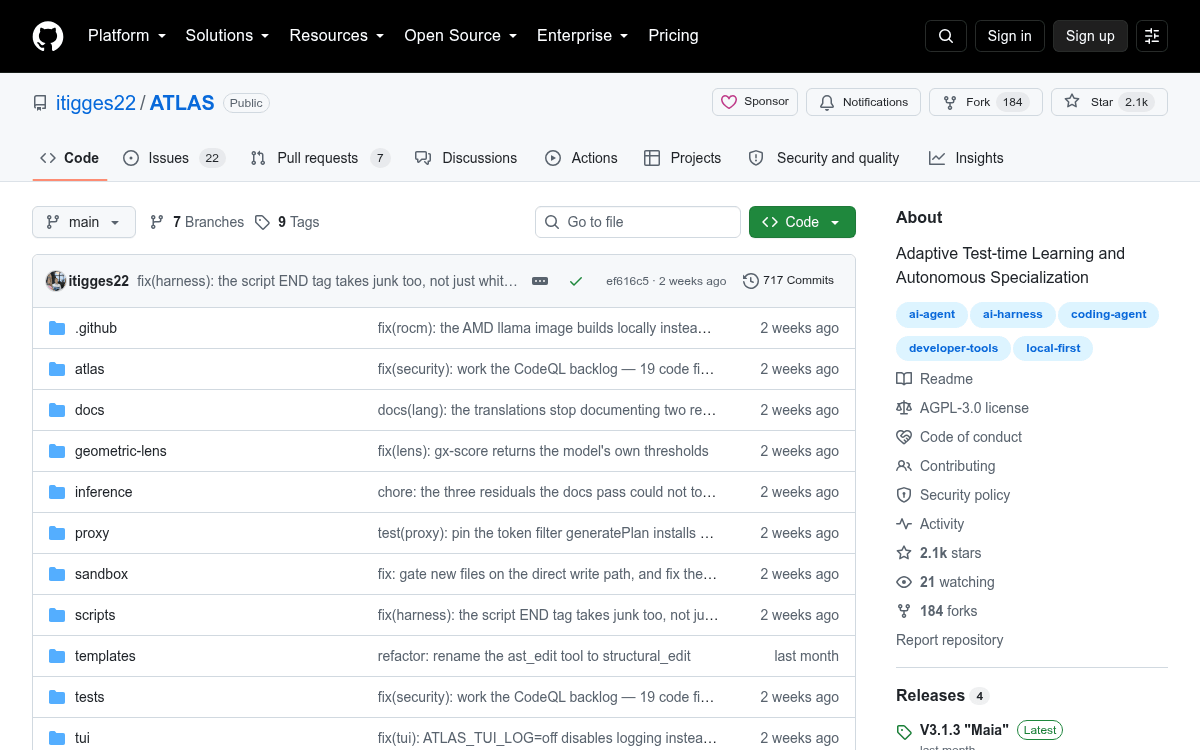
ATLAS is a fully local, open-source coding agent that wraps a frozen 14B model in a multi-phase pipeline to hit 74.6% on LiveCodeBench — no API keys, no cloud, no fine-tuning required.
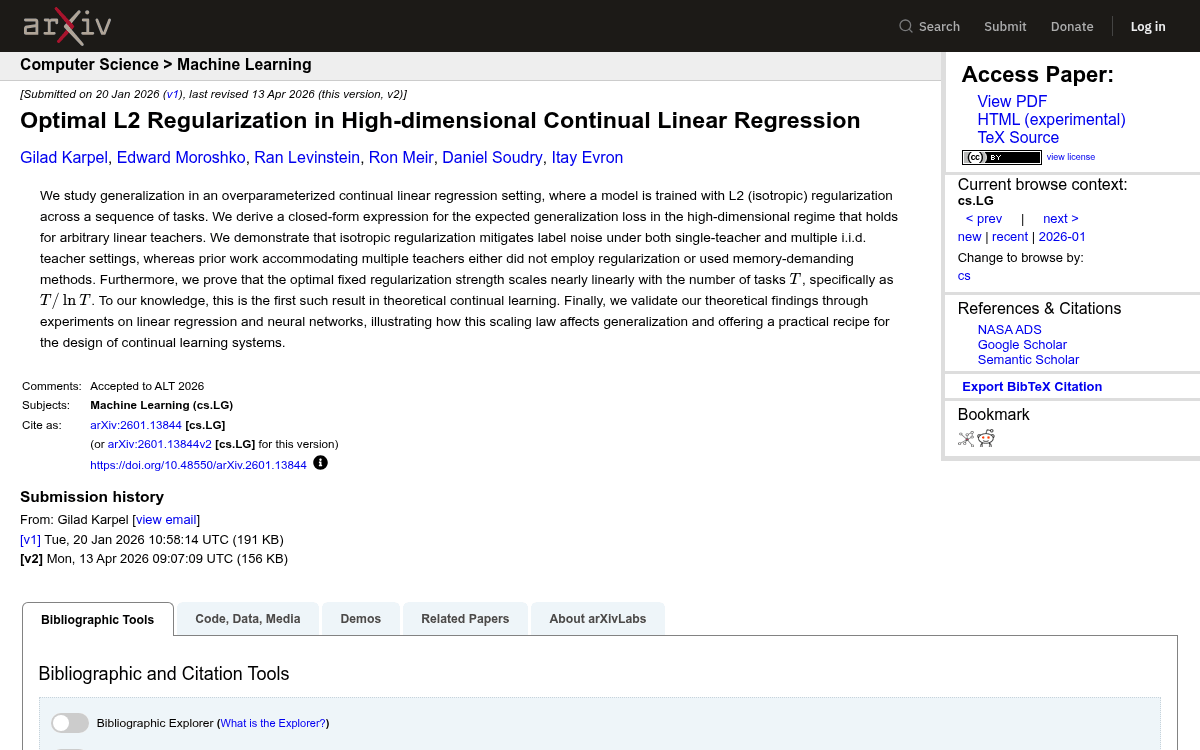
New theory pins down the optimal L2 regularization strength for sequential training, showing it scales nearly linearly with the number of tasks.
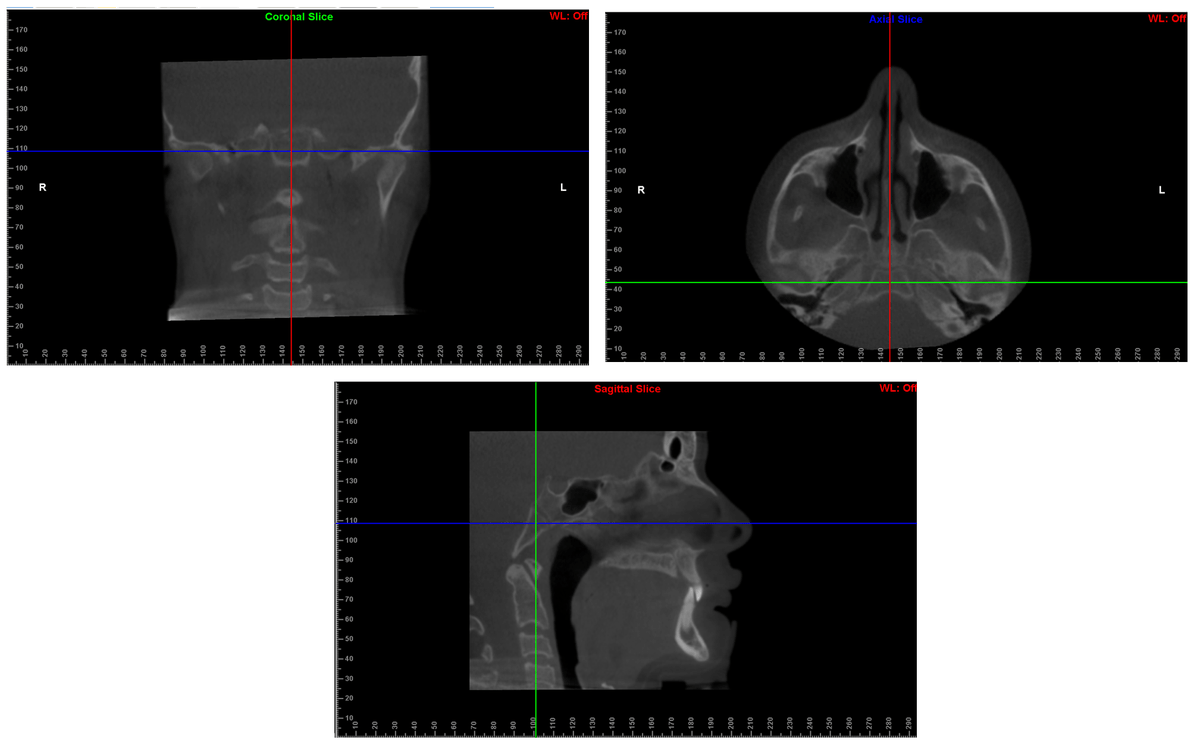
A curriculum over network depth improves fine-grained anatomical classification on limited medical data, with transformer models gaining more than 16 accuracy points.
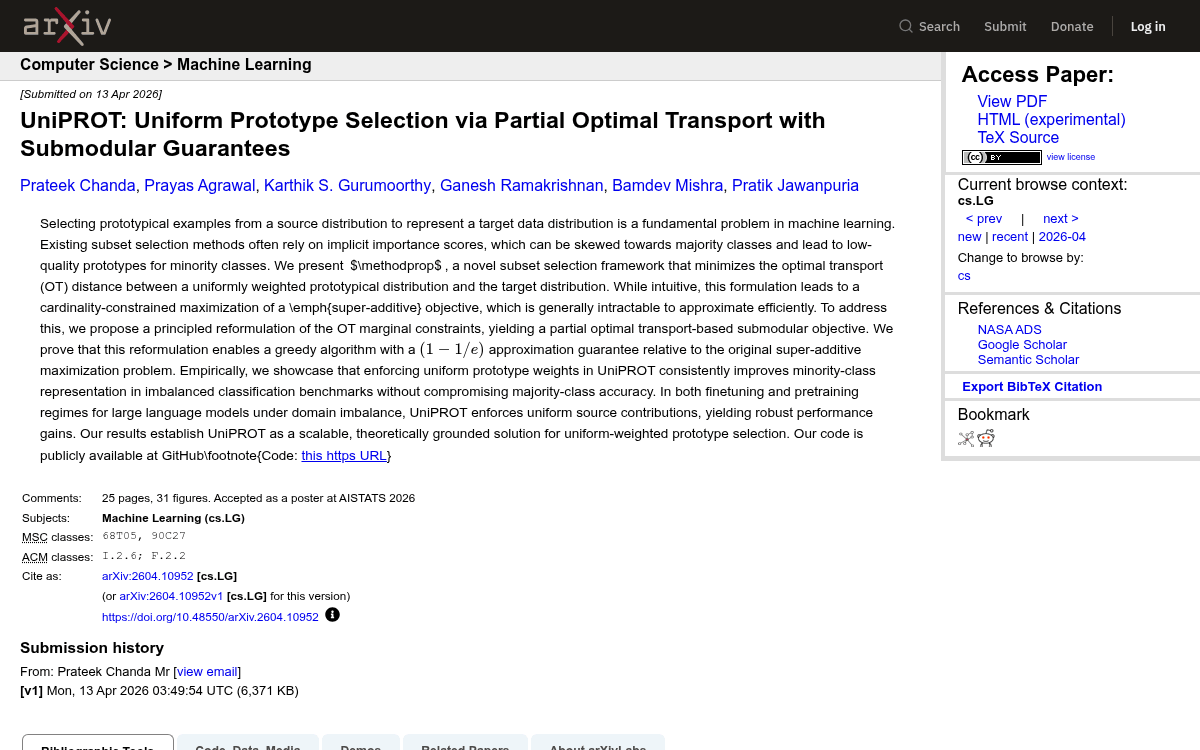
A new subset selection method forces equal weights on chosen prototypes, boosting minority class accuracy and LLM training on imbalanced data mixtures.
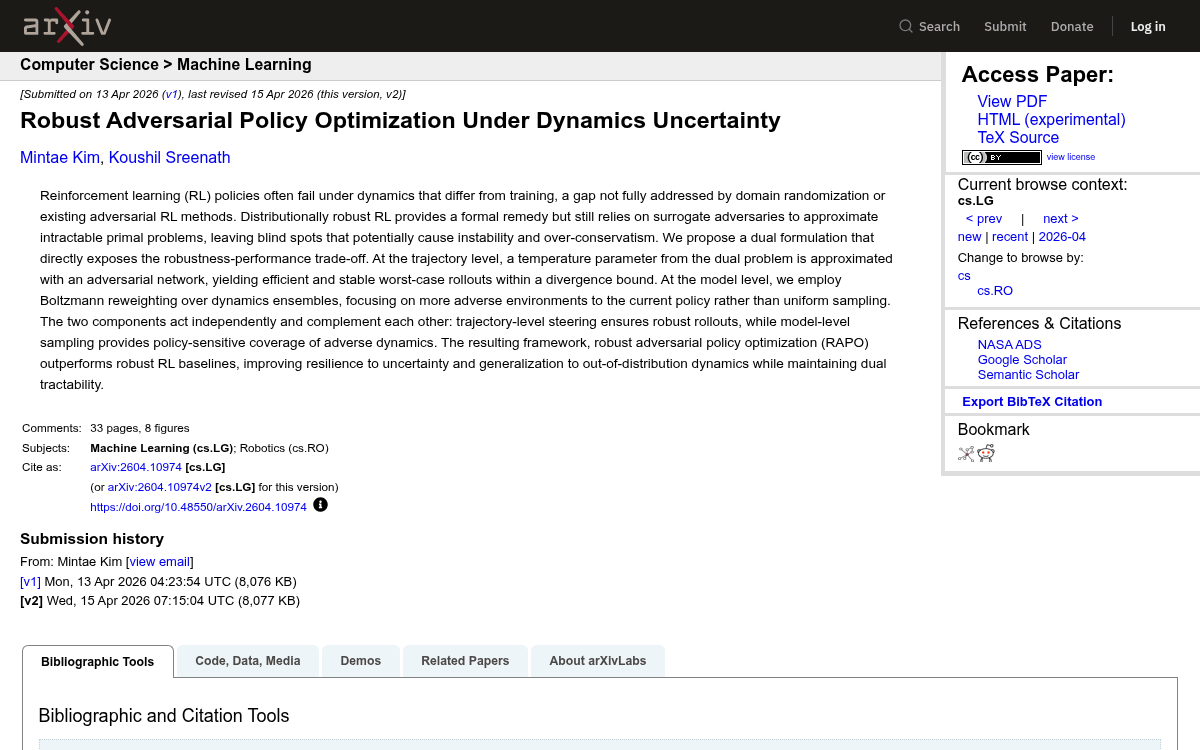
Berkeley researchers introduce RAPO, a dual formulation robust RL method that steers rollouts toward worst-case dynamics without collapsing into over-conservatism.
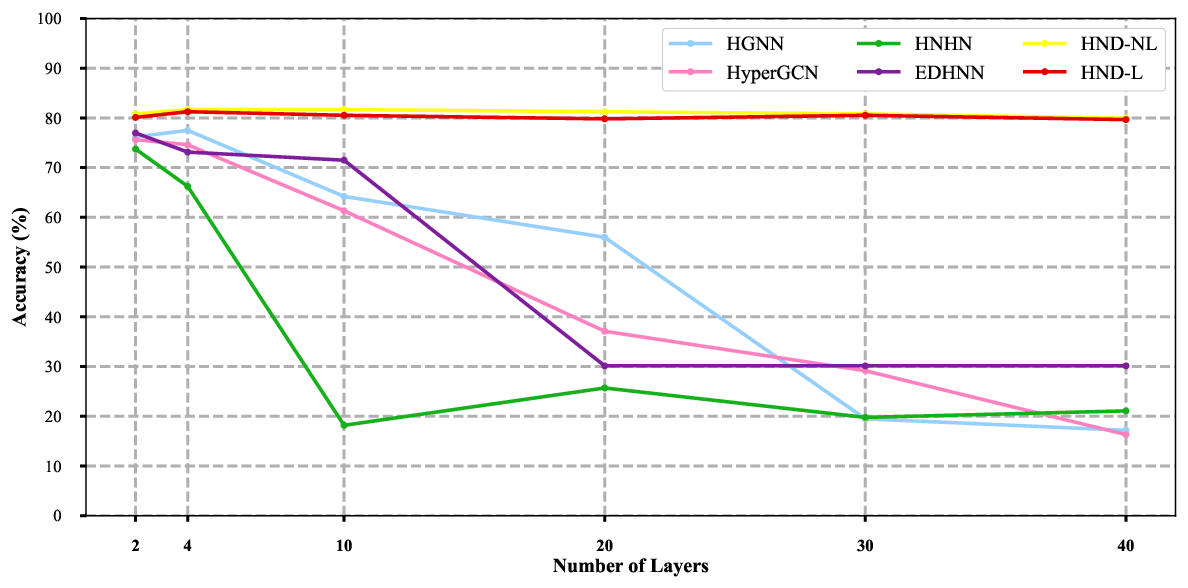
A new framework treats hypergraph message passing as a nonlinear diffusion PDE, staying stable at 40 layers while topping 11 benchmarks.
A transformer plus local-search loop pumps out thousands of inequivalent Hadamard matrices per hour and cracks orders where random search fails.
Researchers at Caltech and MIT propose a worst-case reformulation of K-means that stays stable under outliers, noise, and tiny datasets.
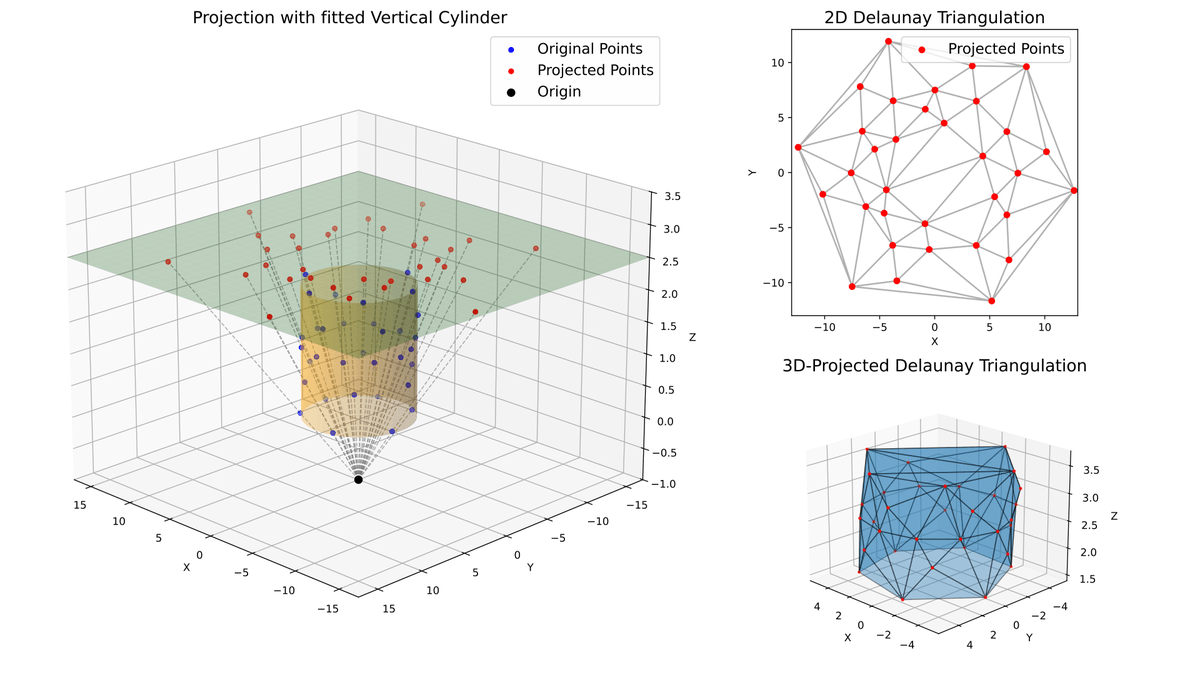
A feedforward network from University of Bonn renders novel views at 40 FPS from just three cameras, using Delaunay triangulation and depth-guided fusion.
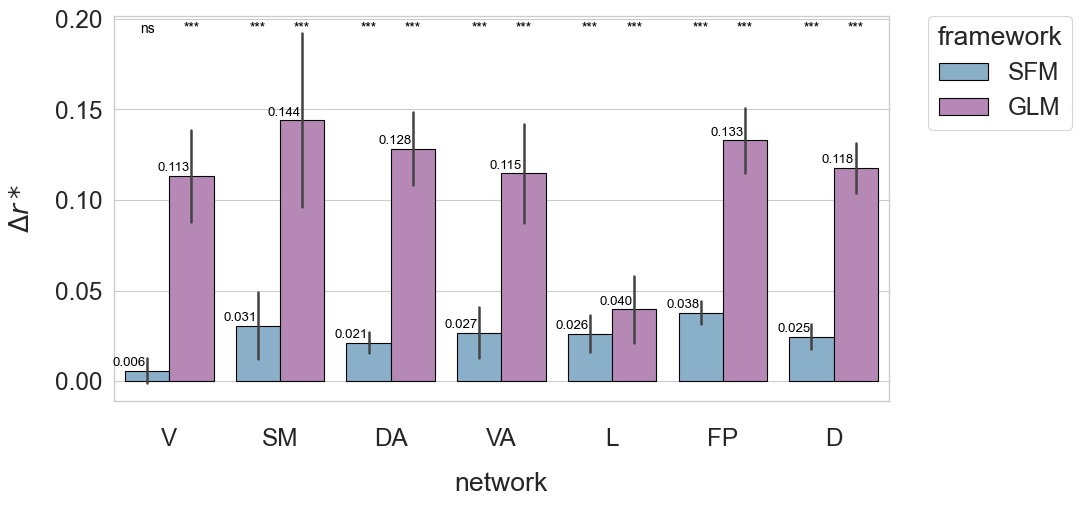
A generative model borrows tricks from diffusion and time series forecasting to predict brain activity, beating the official Algonauts 2025 baseline.
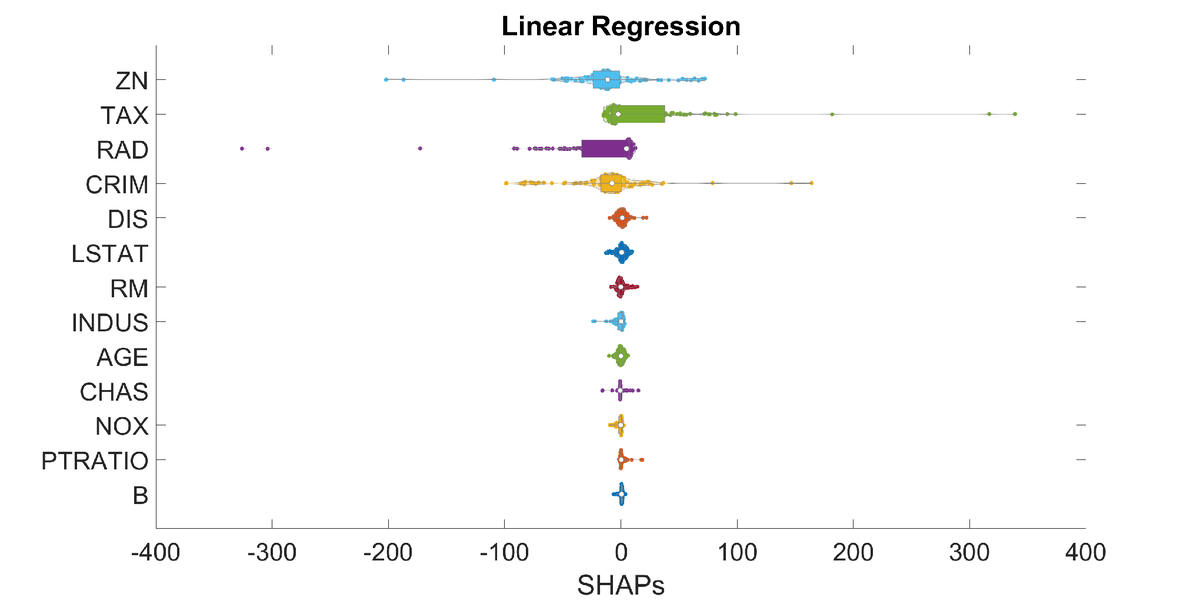
A new paper shows SHAP, Breiman importance, and Knockoffs all extrapolate on correlated data, and proposes Gaussian-copula fixes with theoretical guarantees.
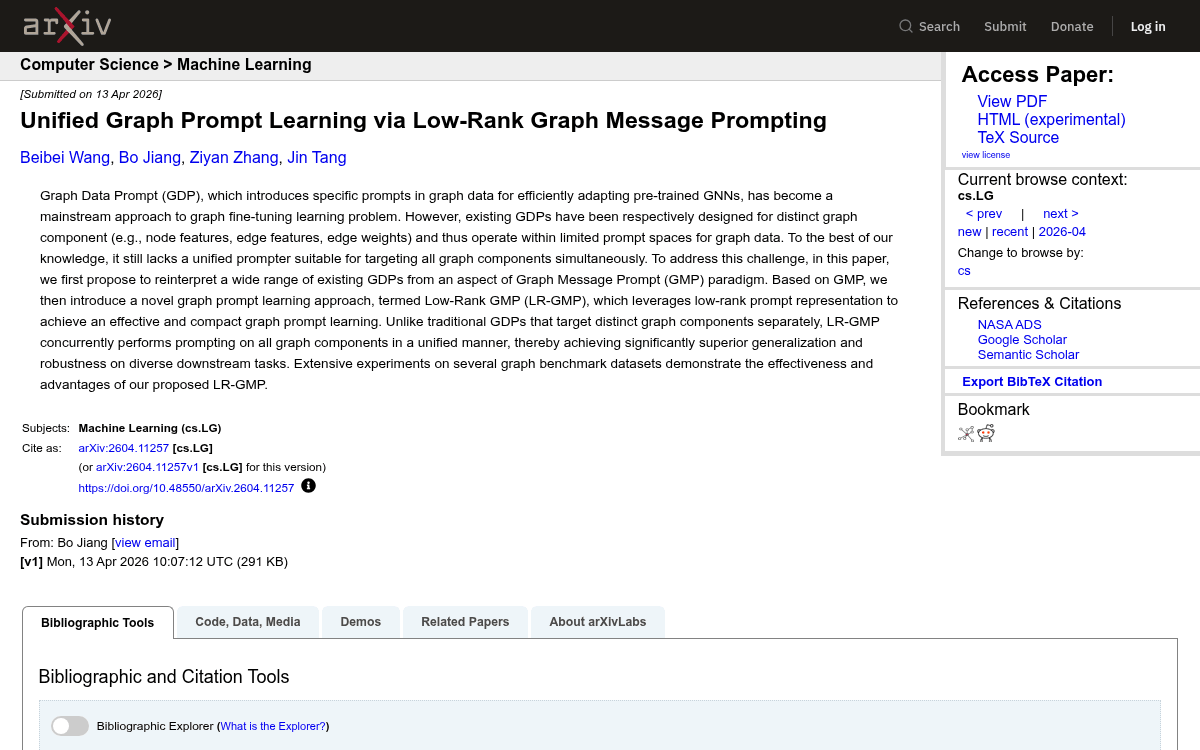
A new prompt learning method unifies node features, edge features, and edge weights into a single low-rank prompt injected during message passing.
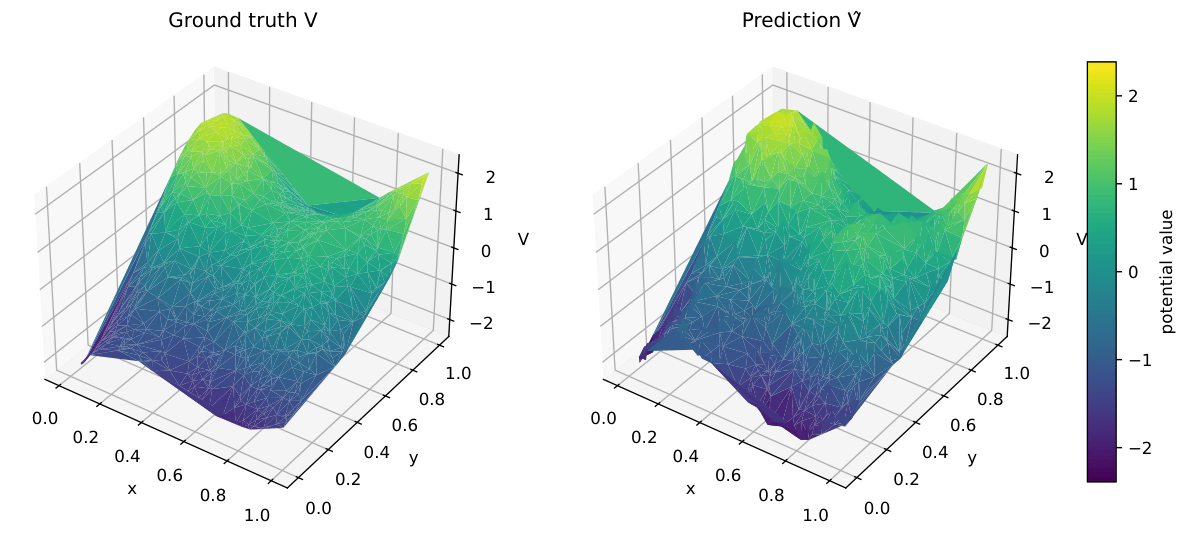
New method translates a decade-old piece of pure mathematics into a fast, quadratic-loss training loop for learning discrete diffusion dynamics on graphs.
A new framework called LASE-AD keeps control systems running when attackers spoof their sensors, using Bayesian inference and active probing to isolate compromised inputs.
A new certification framework proves neural networks stay correct under label poisoning, delivering tighter guarantees with 100x fewer ensemble partitions.
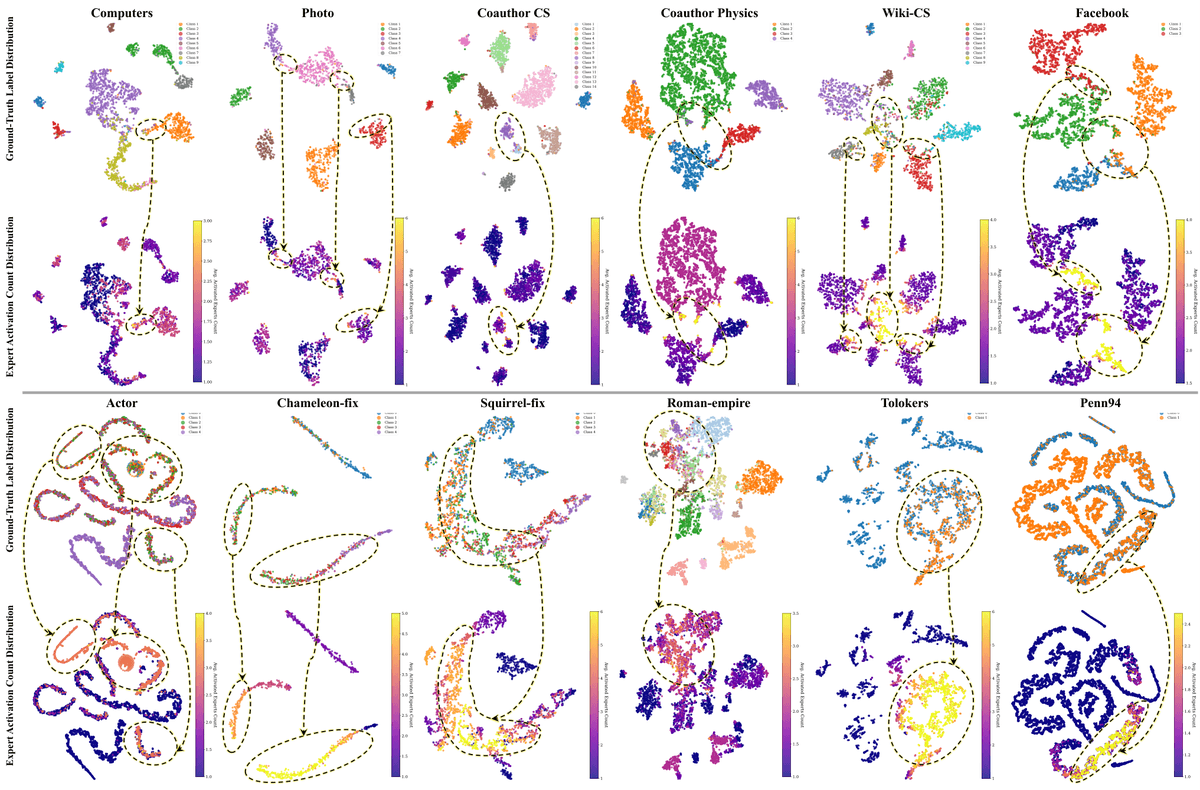
D2MoE swaps rigid top-k routing for entropy-driven top-p selection, spending more experts on ambiguous graph nodes and fewer on easy ones.
A Cambridge study models Country+1, Friendshoring and Reshoring on the global EV supply network and finds these localizing policies mostly increase interdependence.