
Pro
Cornell's MASH Teaches AI to Say 'I Don't Know' Without Extra Training
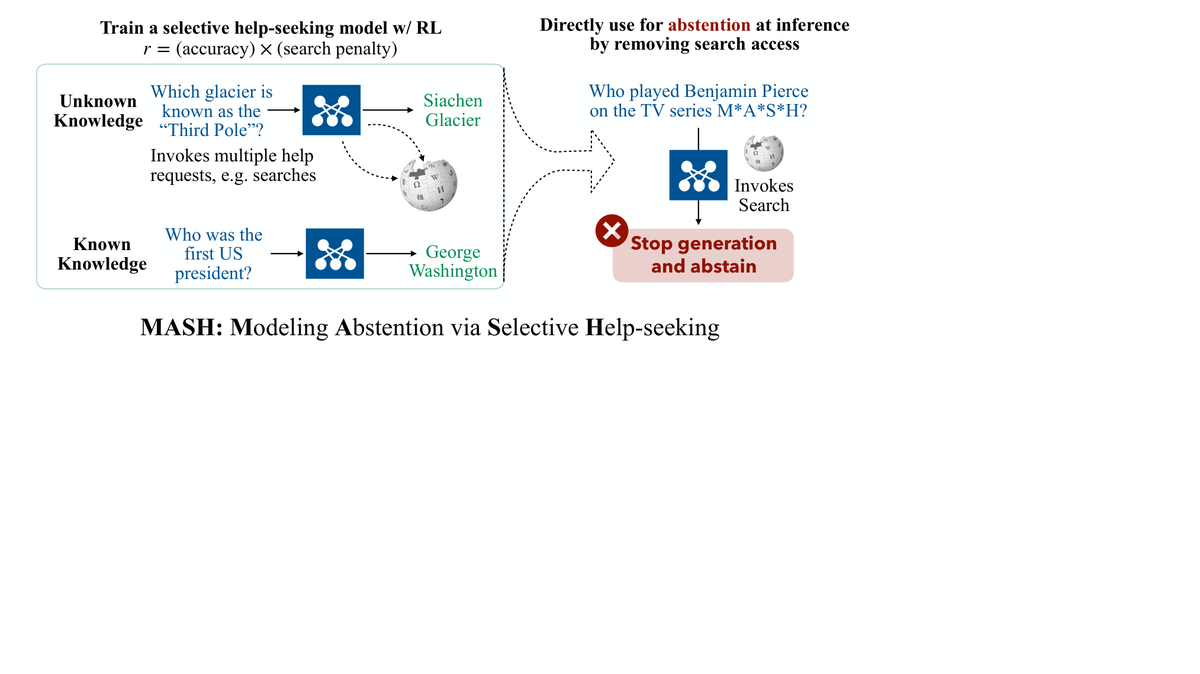
A new reinforcement learning recipe teaches models to search only when they don't know, then reuses that same signal to decide when to abstain.
20 stories
A new reinforcement learning recipe teaches models to search only when they don't know, then reuses that same signal to decide when to abstain.
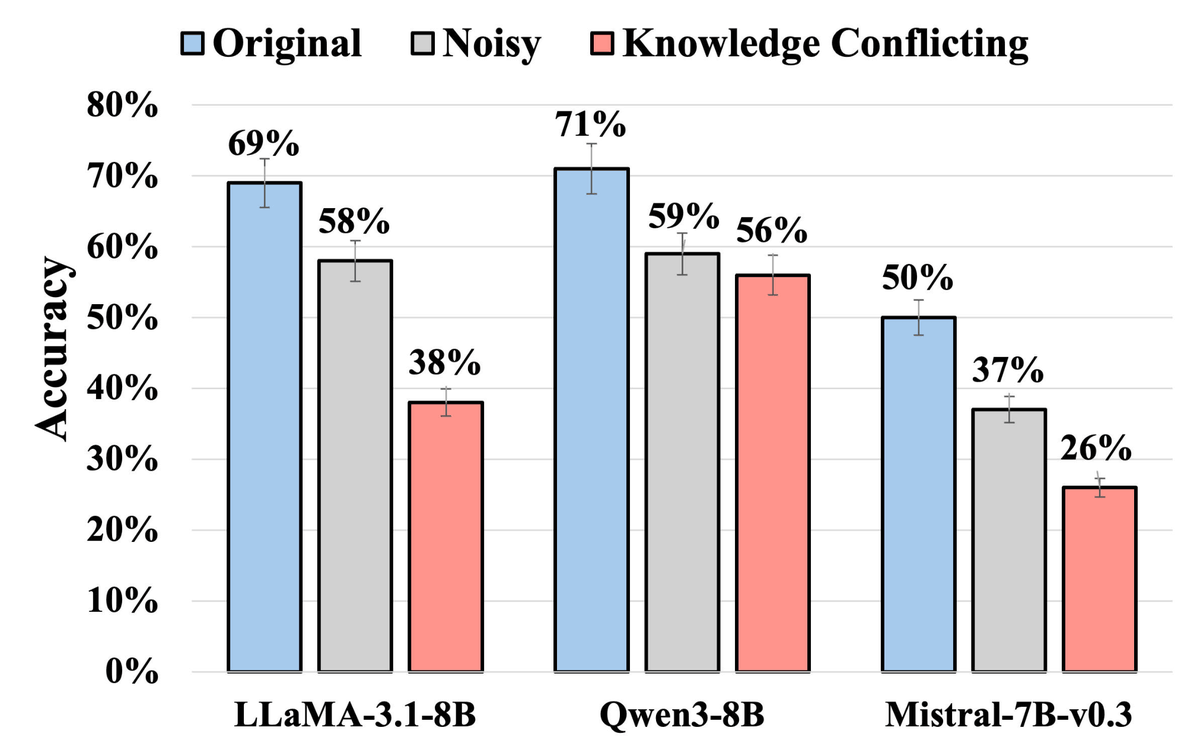
ProbeRAG cracks open the black box of RAG faithfulness by reading hidden states directly, boosting F1 by 3 to 10 points across benchmarks.
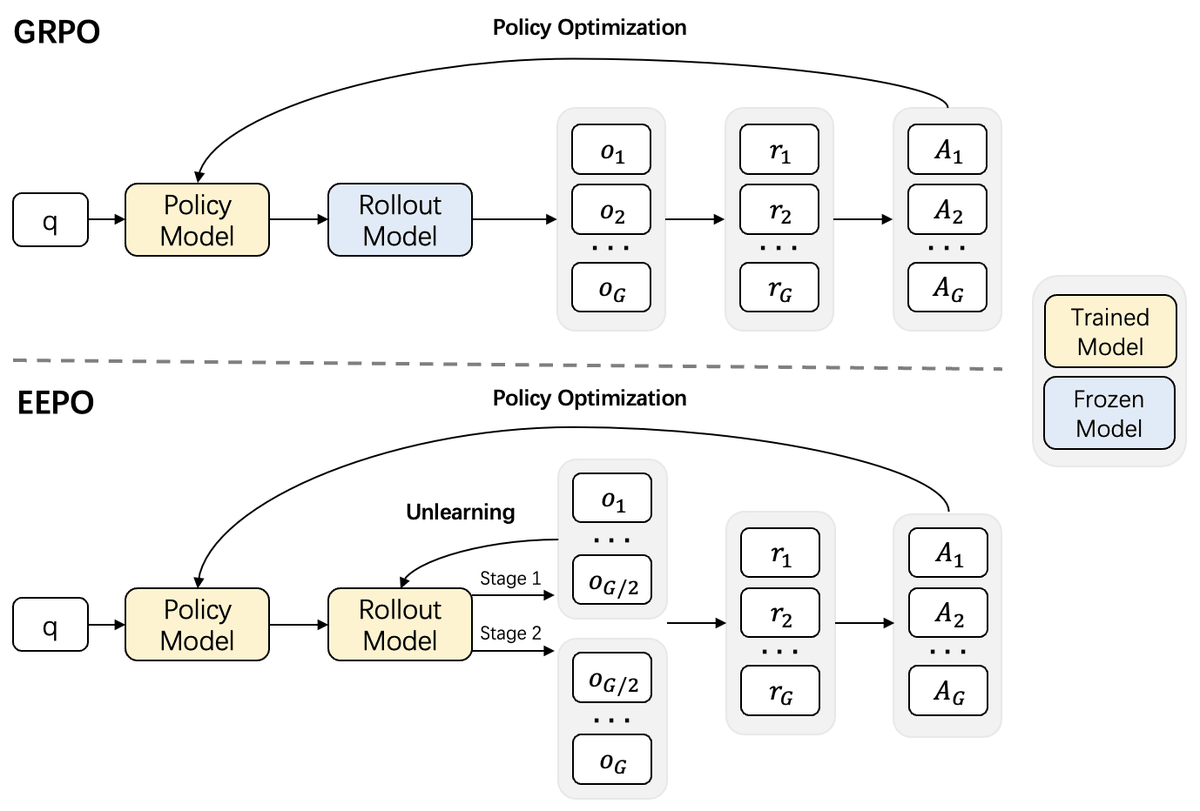
A new RLVR method breaks entropy collapse by making models temporarily forget what they just sampled, boosting math reasoning up to 33%.
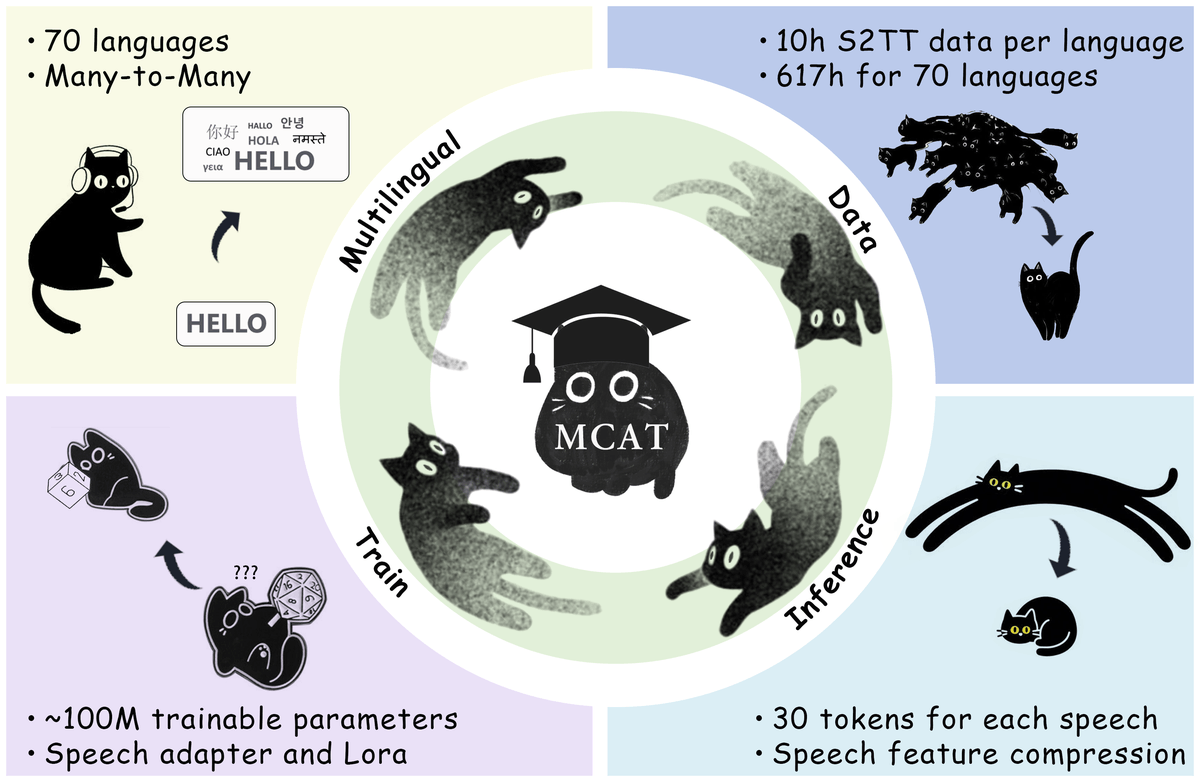
A new open-source framework called MCAT extends multimodal LLMs to speech translation across 70 languages while shrinking speech input from 750 tokens to just 30.
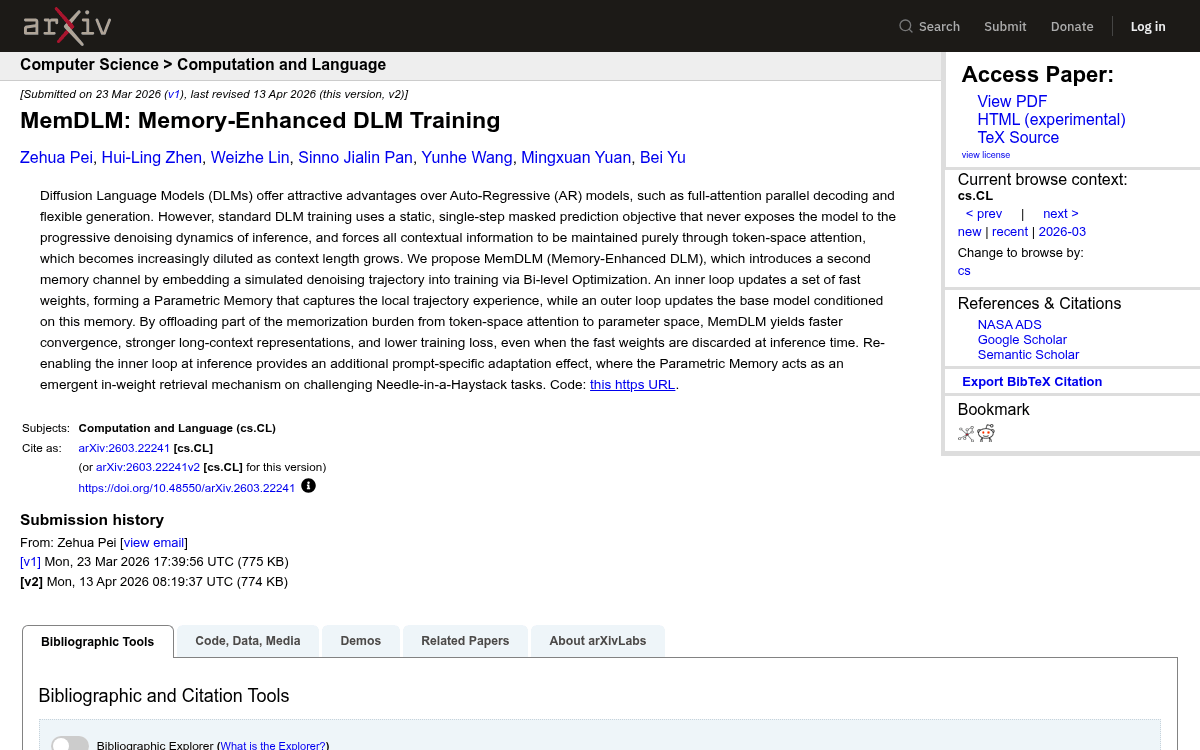
A bi-level training scheme writes local denoising trajectories into fast weights, boosting long-context retrieval by up to 17 points on 8K benchmarks.
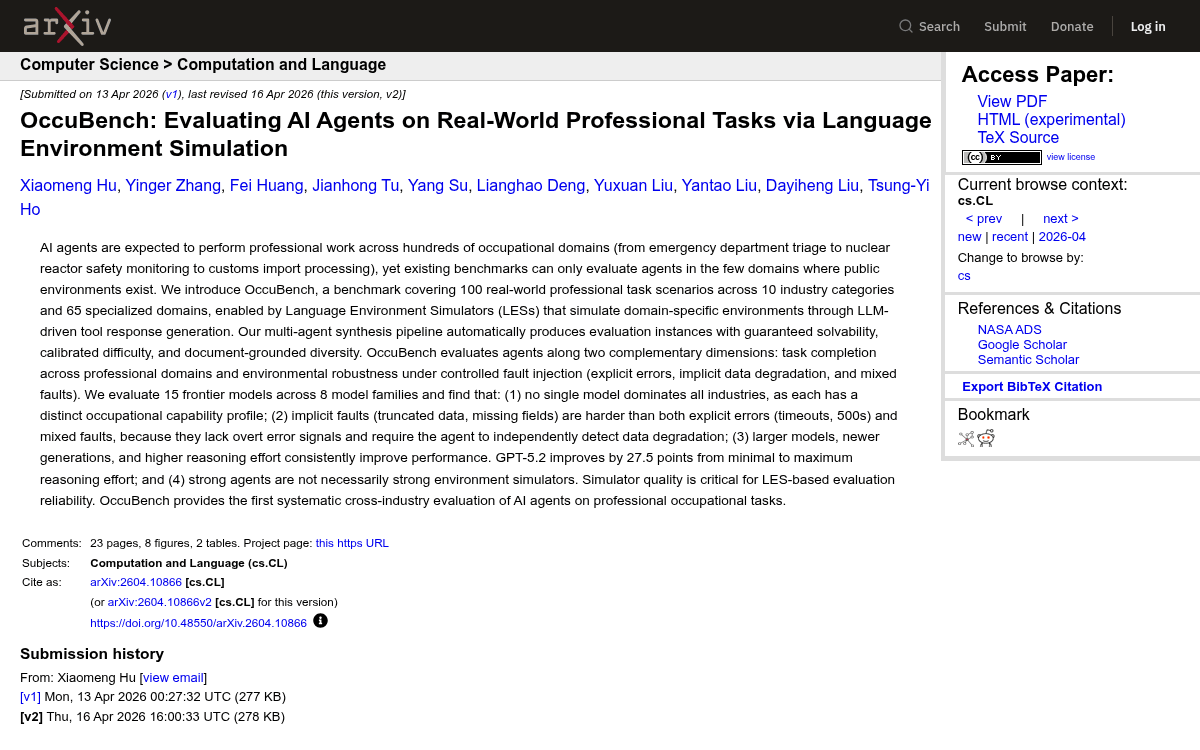
A new benchmark uses LLMs to simulate 65 professional domains, from ER triage to nuclear safety, and reveals every top model has blind spots.
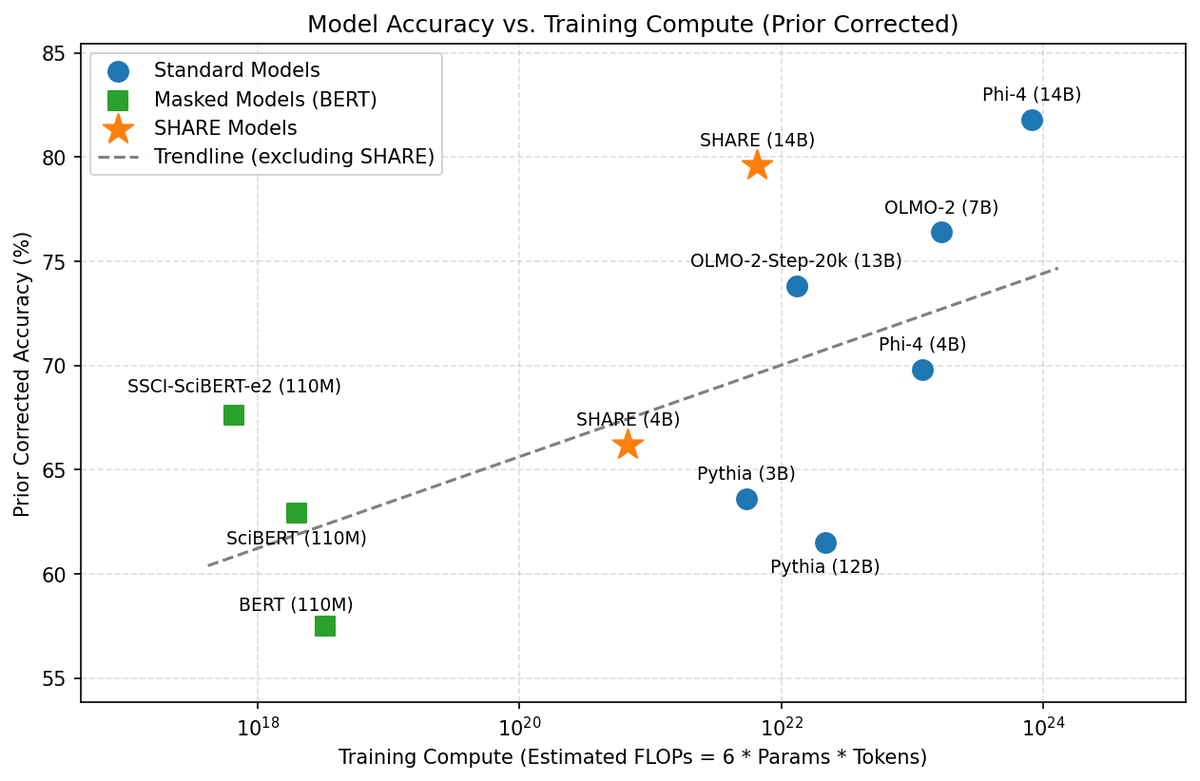
A team out of Erasmus University and the Open University released open-weight language models pretrained only on humanities and social sciences texts, paired with an interface that refuses to generate.
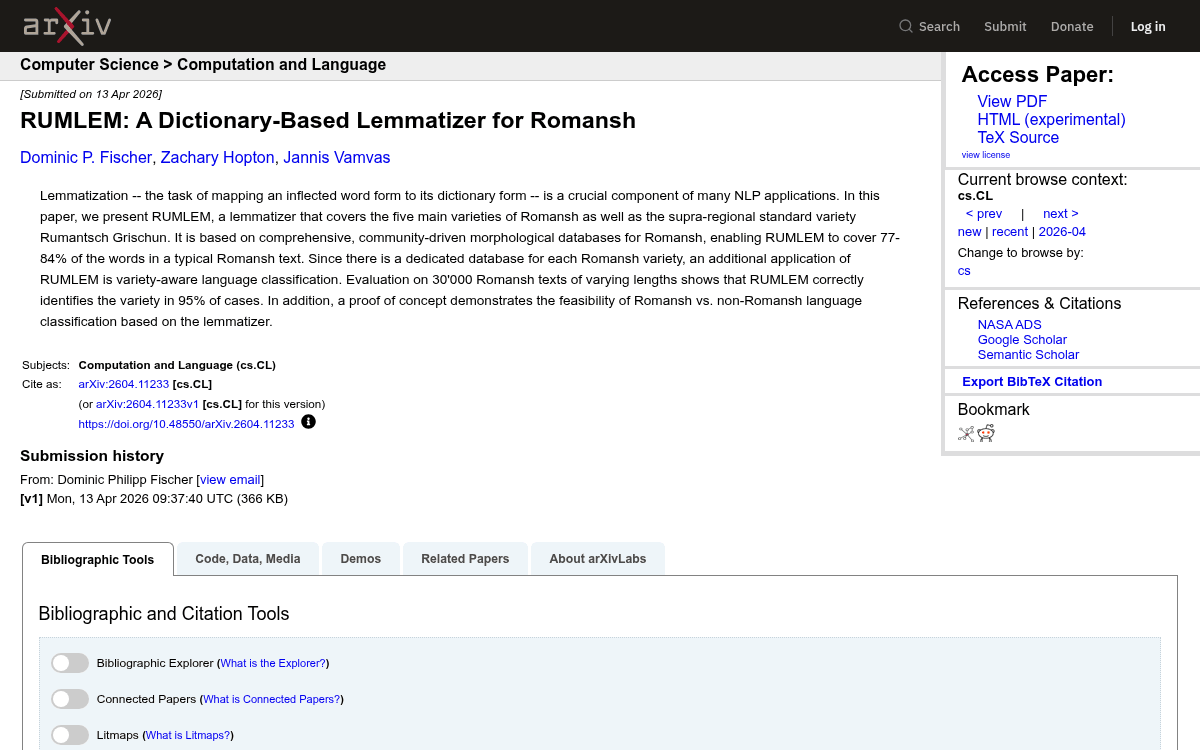
A dictionary-driven lemmatizer covers all six Romansh varieties, hitting 80% word coverage and 95% variety identification accuracy on 30,000 texts.
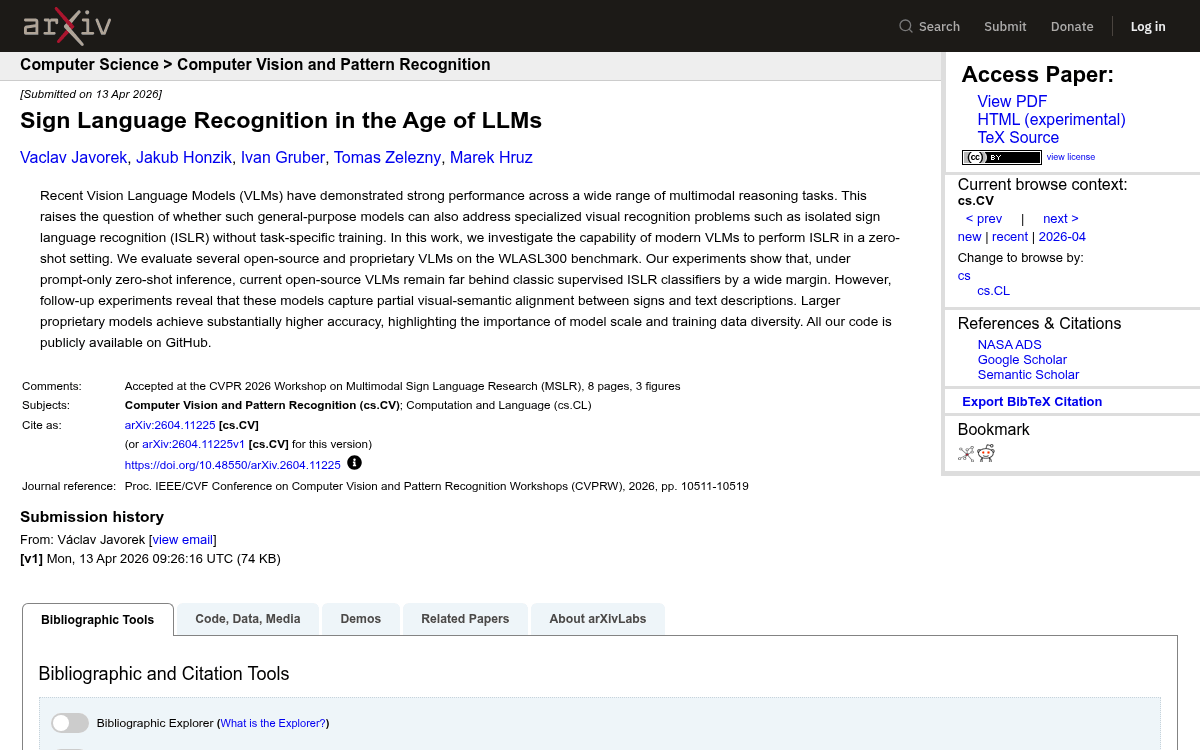
A new benchmark tests whether modern vision language models can recognize American Sign Language signs without training, and the gap to supervised systems is huge.
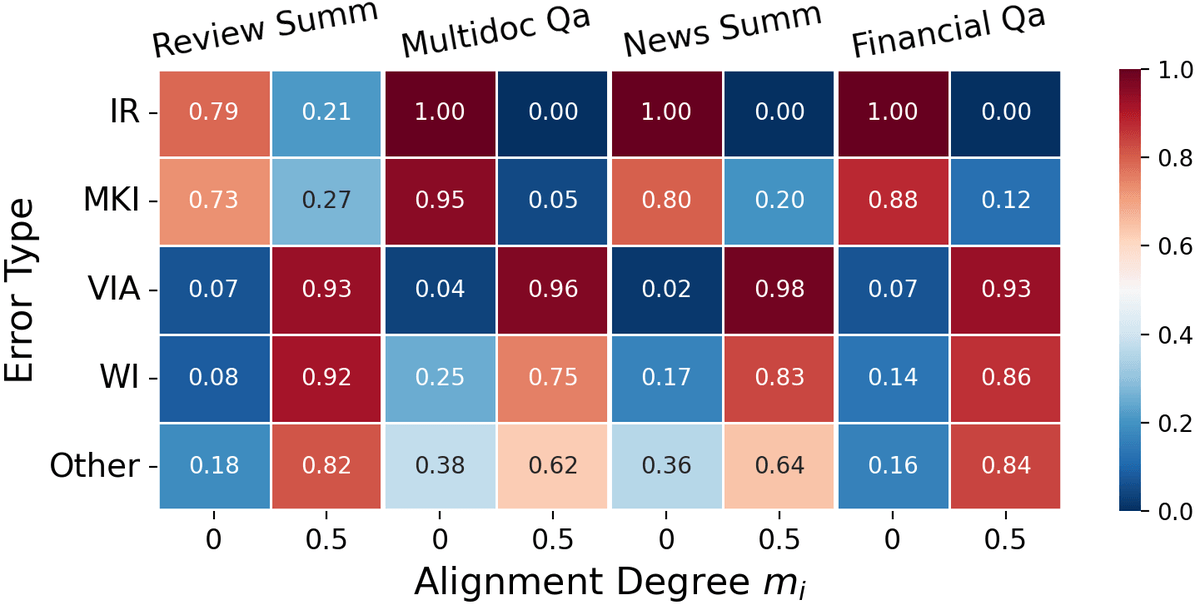
A new framework factorizes reference answers into weighted scoring points, mimicking how human graders assess long-form responses with heterogeneous importance.
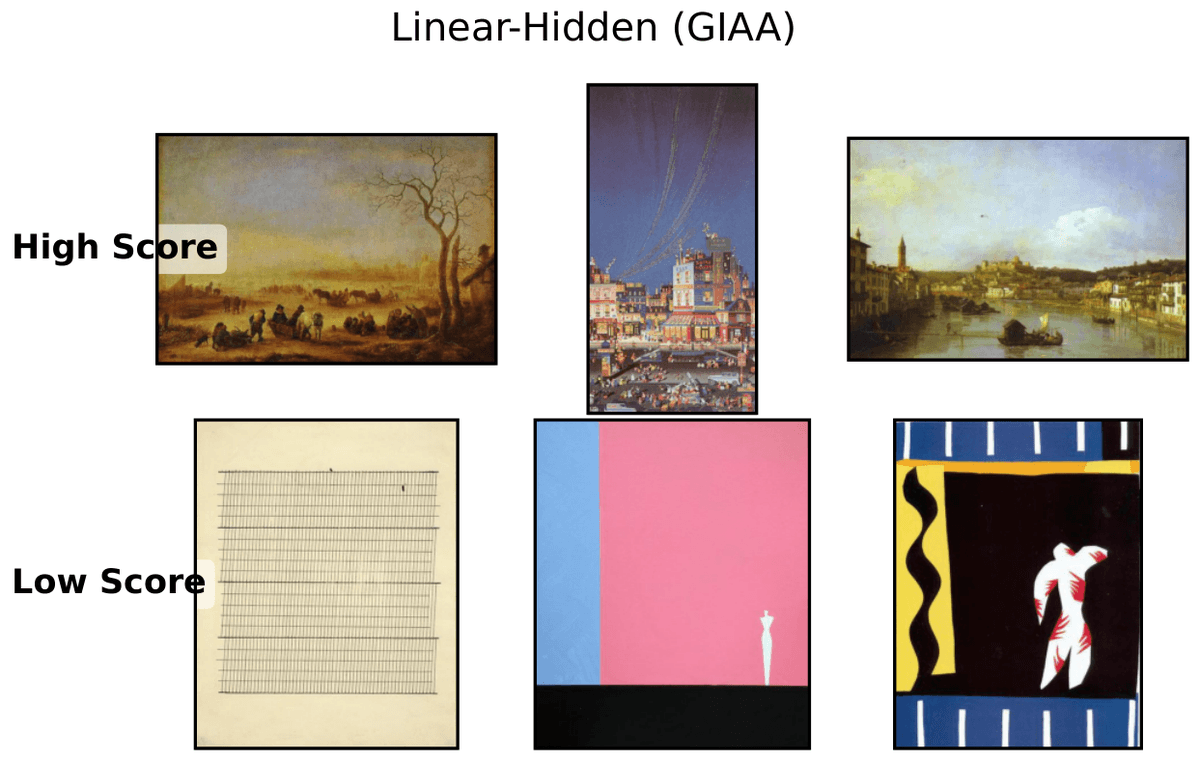
Researchers show simple linear regression on frozen VLM hidden states beats LoRA fine-tuning for predicting individual aesthetic preferences on photos and artworks.
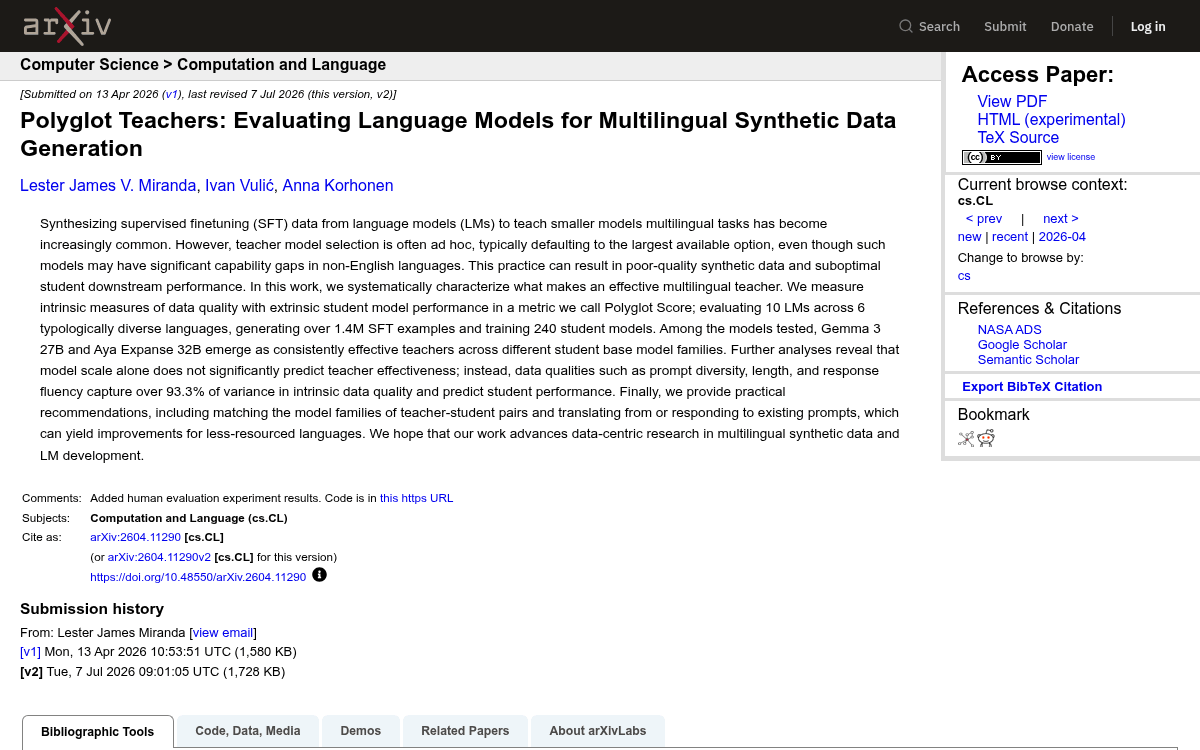
A new study finds that picking the biggest model as your synthetic data teacher is often the wrong move for non-English languages.
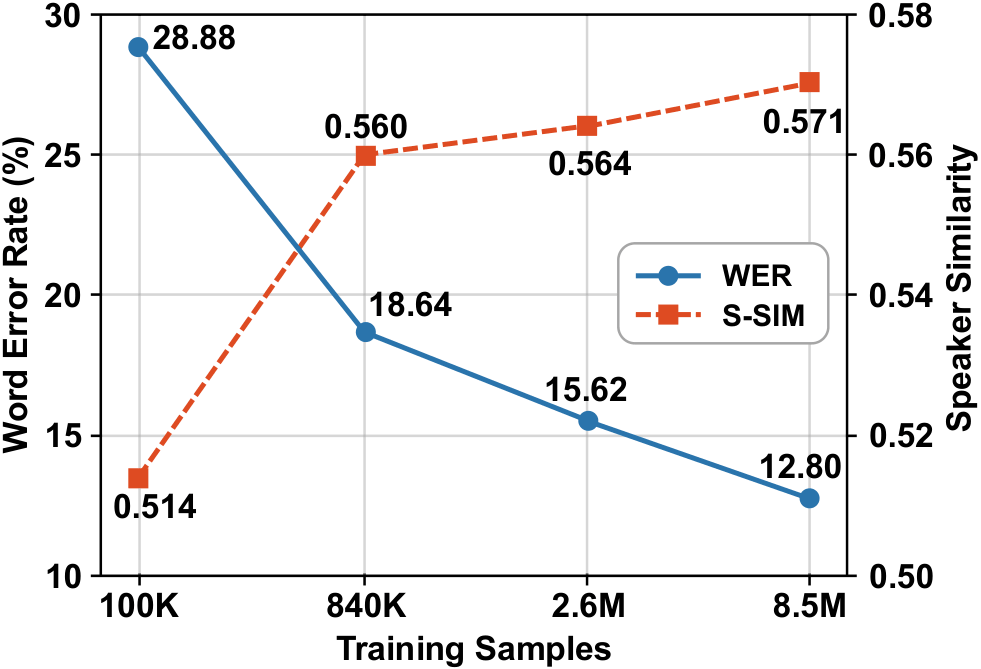
MimicLM flips the script on synthetic training data for voice cloning, using real recordings as targets while TTS-generated speech feeds the input side.
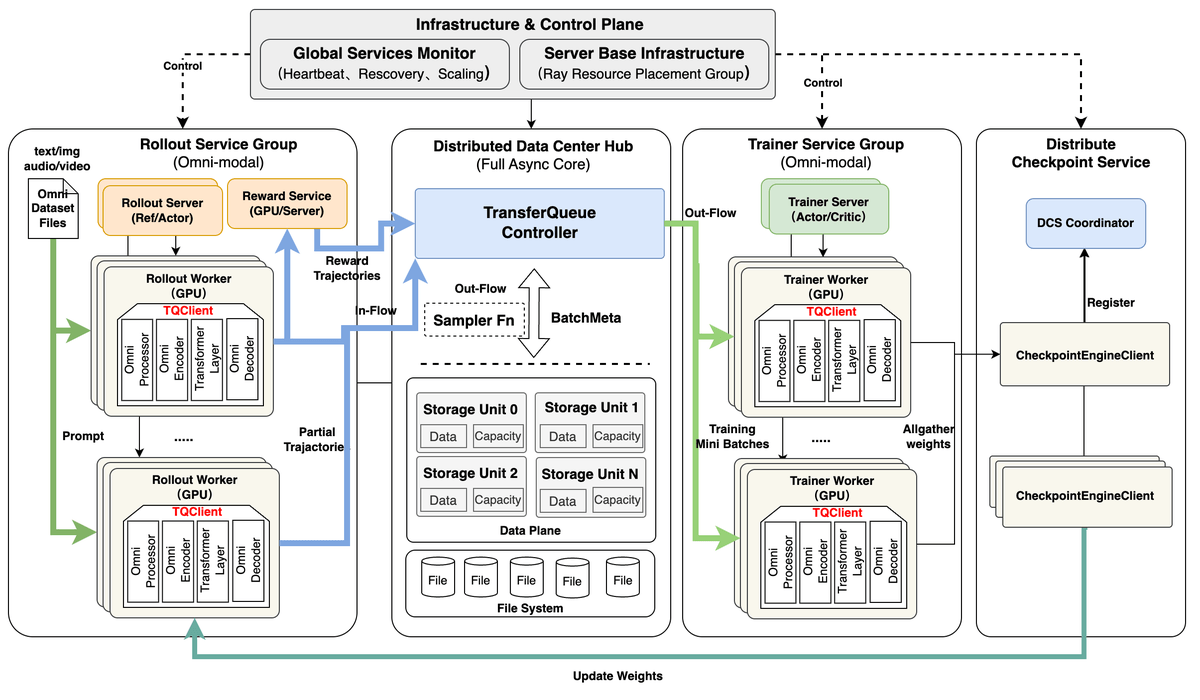
Xiaohongshu's open-source RL engine hits 2x speedup on 30B omni-modal training with service-isolated roles and a single staleness knob spanning on-policy to fully async.
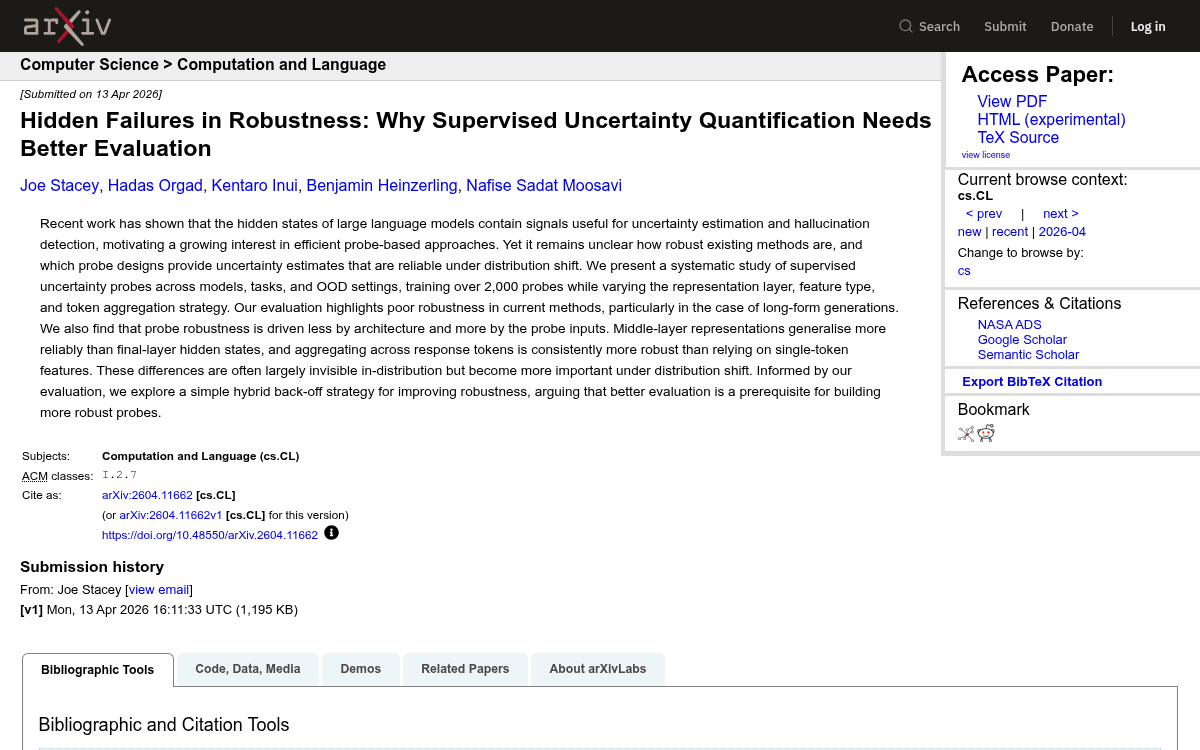
A study of 2,000+ uncertainty probes reveals current hallucination detectors collapse under distribution shift, with long-form generation dropping to chance-level performance.
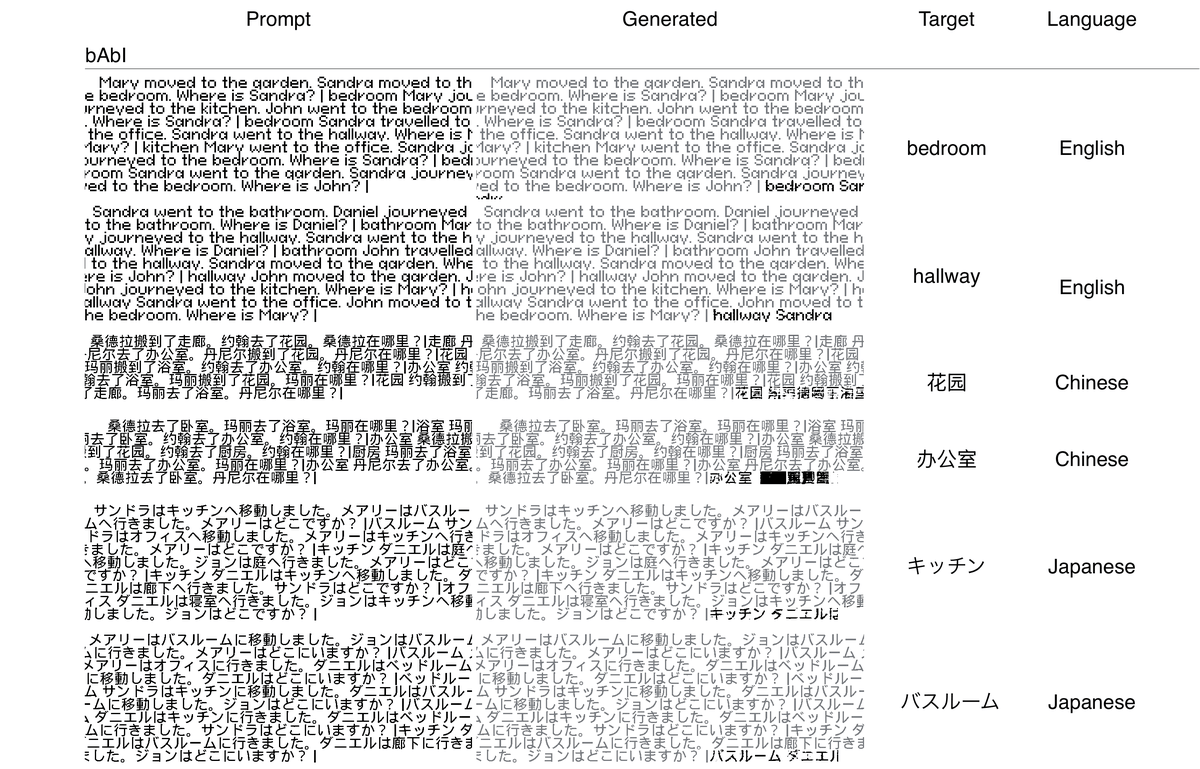
A new autoregressive model reads and writes text as pixels across eight languages, dodging tokenizers entirely while surviving visual attacks on input.
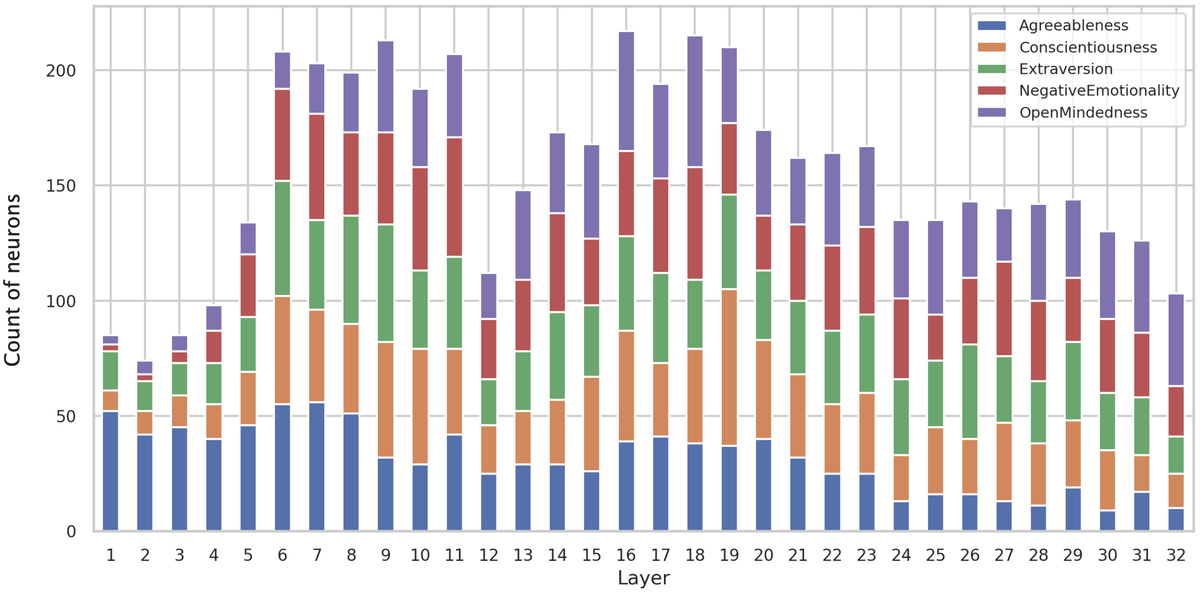
New arXiv paper probes where Big Five personality traits live inside LLMs and shows that steering internal representations does not fully steer what the model actually says.
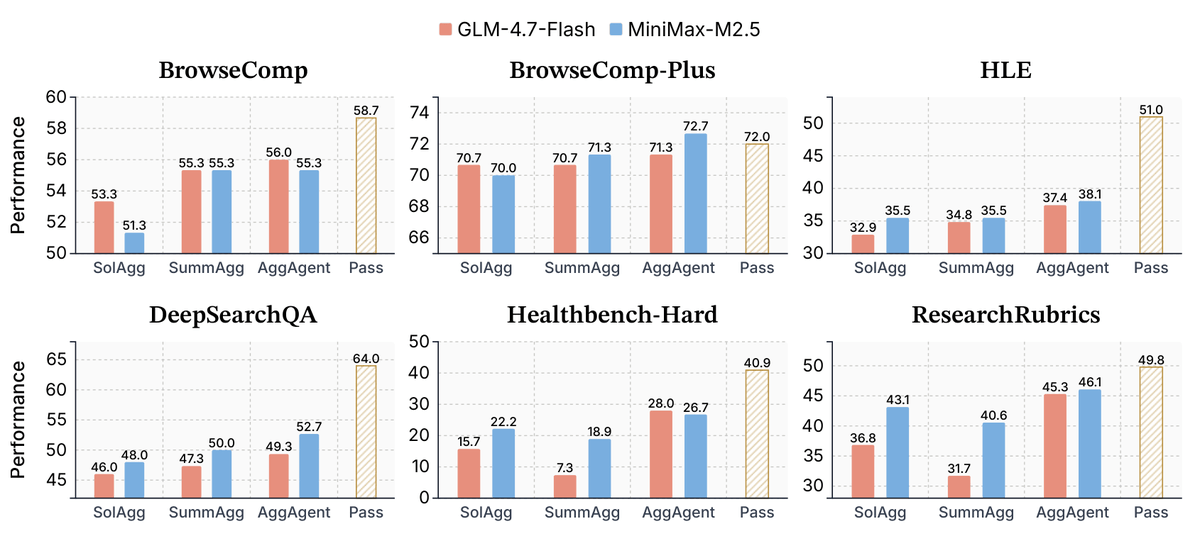
Princeton researchers built AggAgent, an aggregator that treats parallel agent trajectories as an environment to explore, beating existing methods by up to 10 points on deep research.
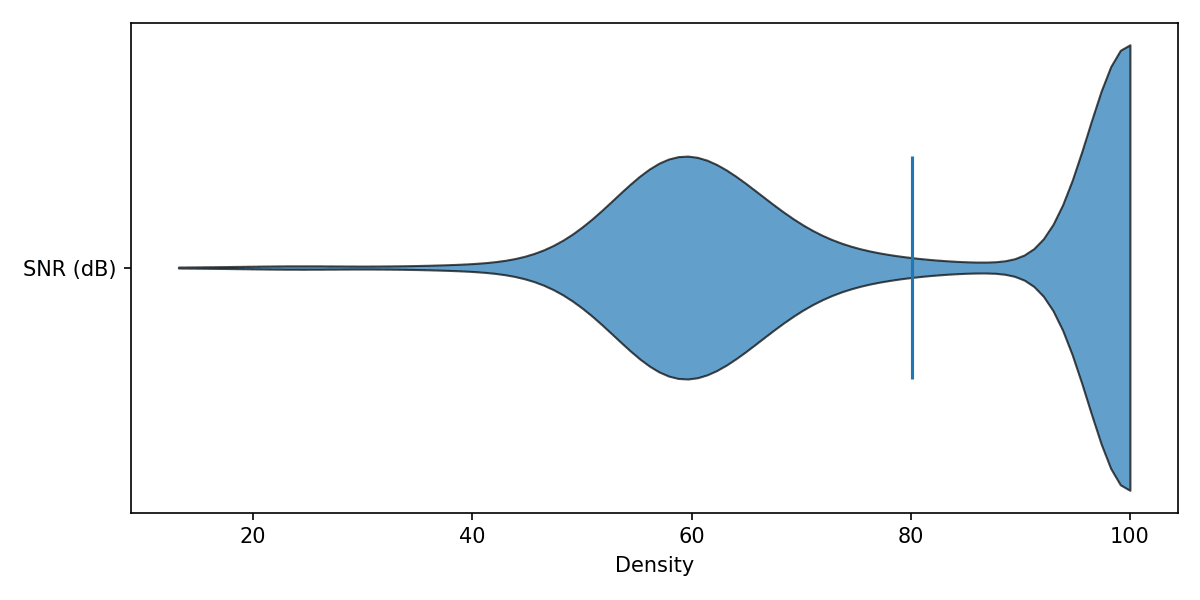
A new six-hour German dialect corpus tackles the awkward problem of training speech models when a language has no agreed-upon spelling.
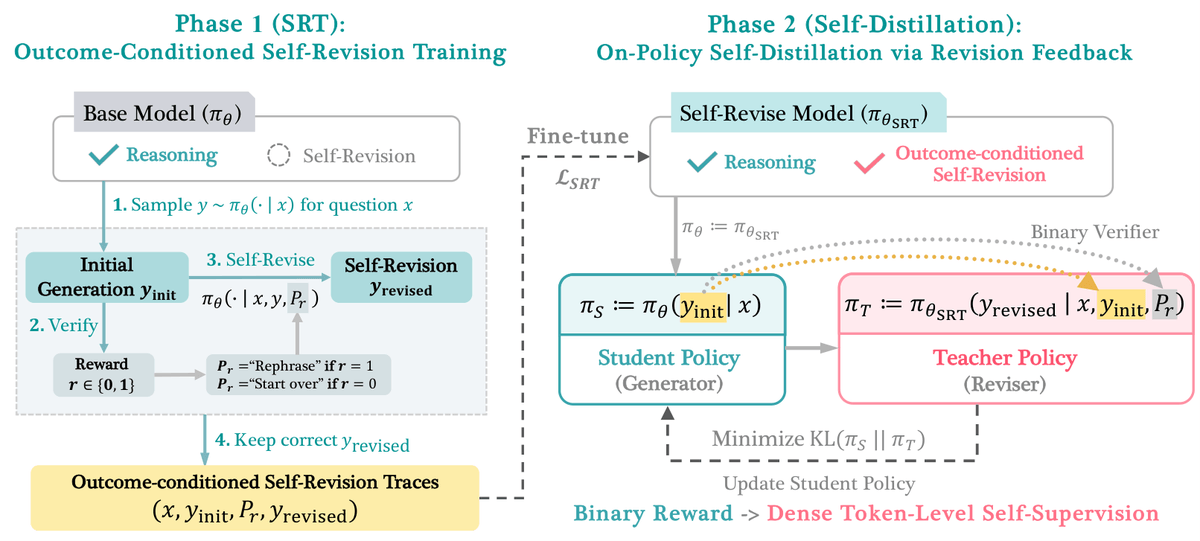
Princeton researchers train models to grade their own homework, turning binary correct/incorrect signals into dense token-level supervision without external teachers.