New research shows replay buffers silently poison self-supervised models on streaming data, and proposes SOLAR to adaptively balance stability and plasticity.
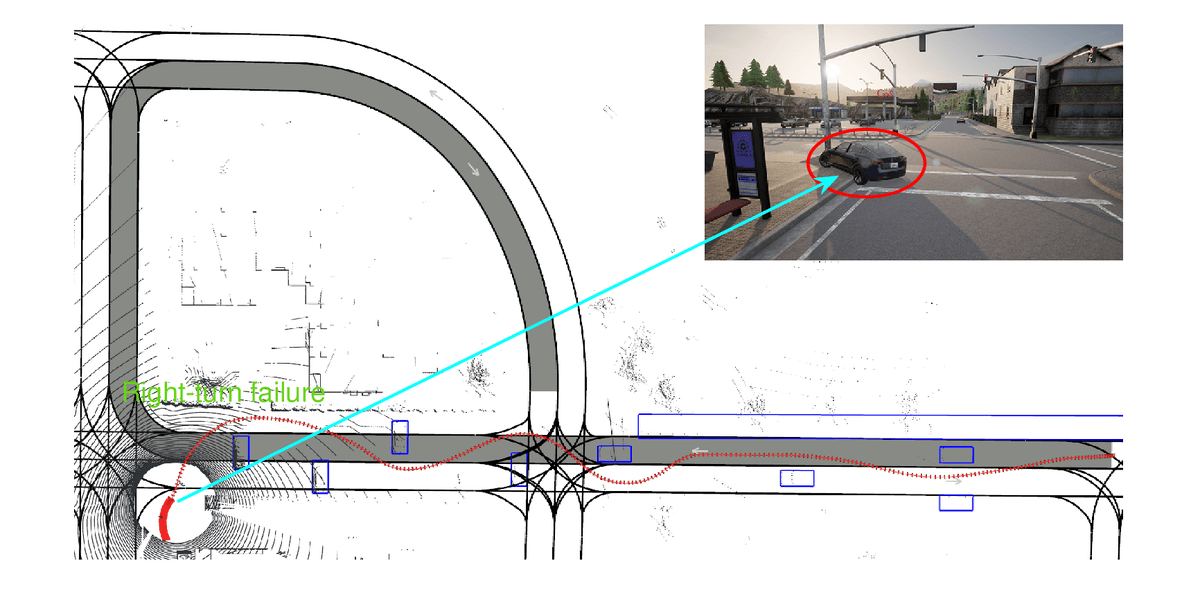
A new framework yields controllers with finite-sample deployment guarantees under distribution shift, tying both concentration and robustness to a single closed-loop operator norm.
A joint learning-and-resource optimization framework that squeezes more accuracy out of tiny sensor datasets while cutting energy and CPU costs at IoT edge nodes.
HoPA compresses datasets with three or more modalities into tiny synthetic sets, using a single SVD-derived proxy instead of expensive pairwise alignments.
Four new compressed optimizers extend Muon-style training to federated settings, cutting uplink traffic by roughly 60-65% while preserving convergence.
A new theory paper asks what happens when a verifier wants to check claims about a distribution using a helpful, untrusted prover, while keeping the sample private.
A new MCMC sampler uses logistic noise to jump between disconnected modes in discrete distributions, beating parallel tempering on Ising models, TSP, and binary neural nets.
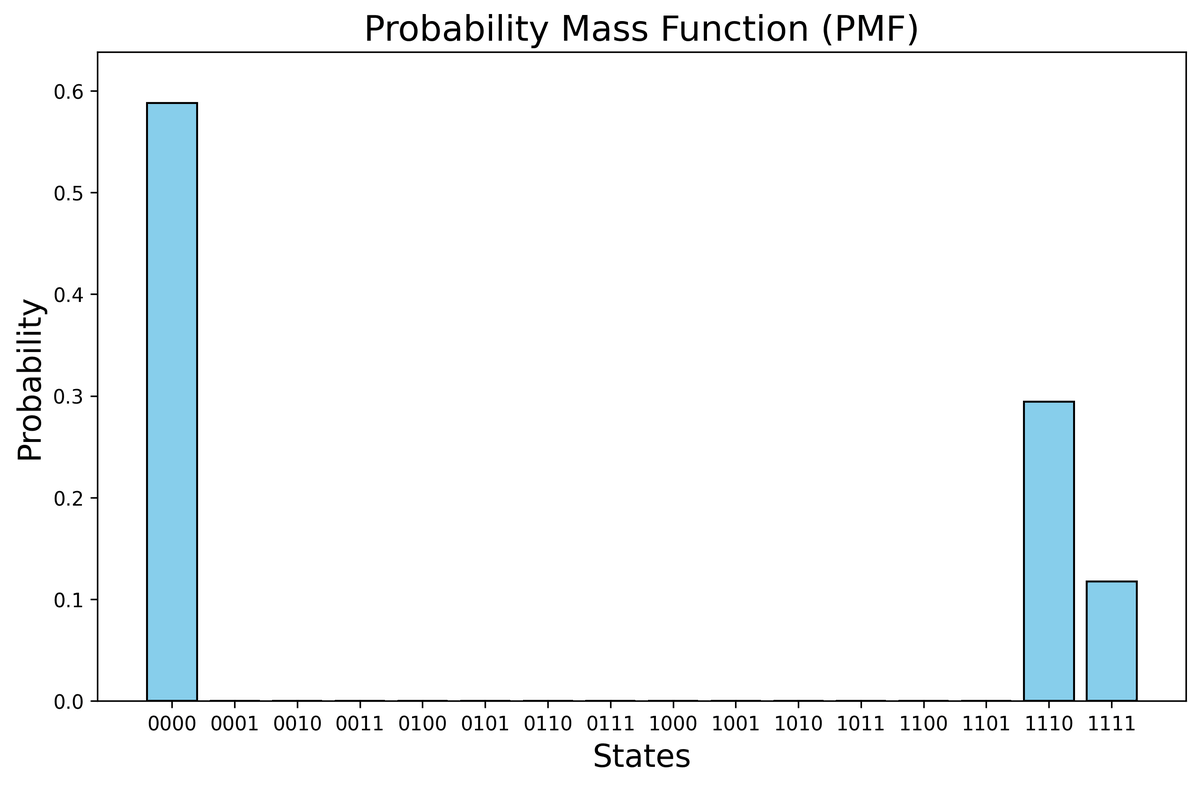
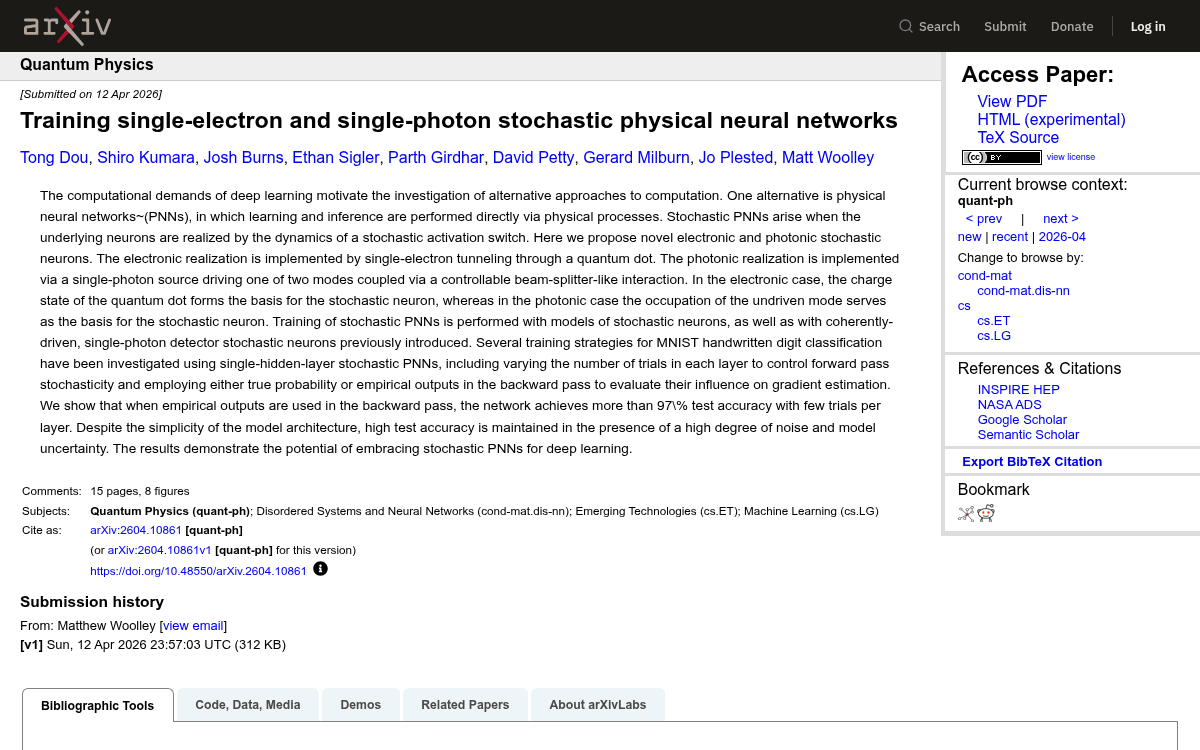
Researchers propose single-electron and single-photon stochastic neurons, then train them with sample-based gradient estimators reaching 97 percent on MNIST.
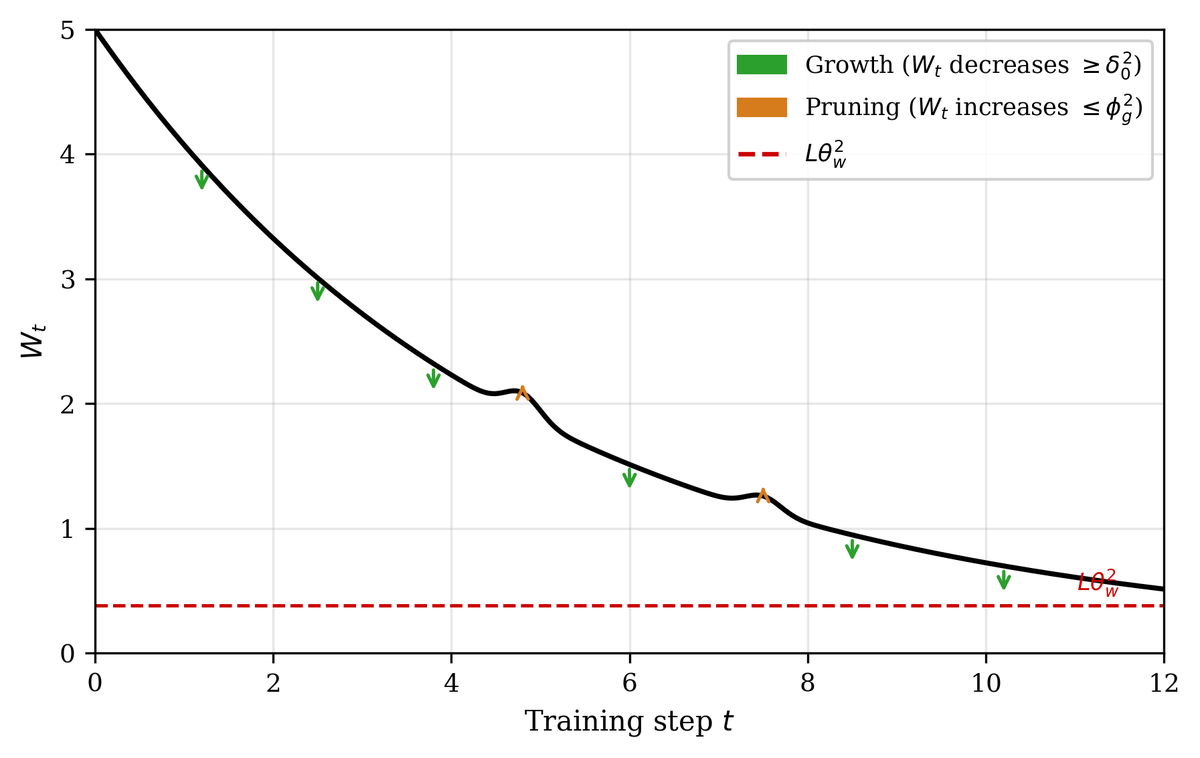
A new proof shows that in nonlinear two-time-scale stochastic approximation, each iterate's error can depend only on its own step size given a local linearity condition.
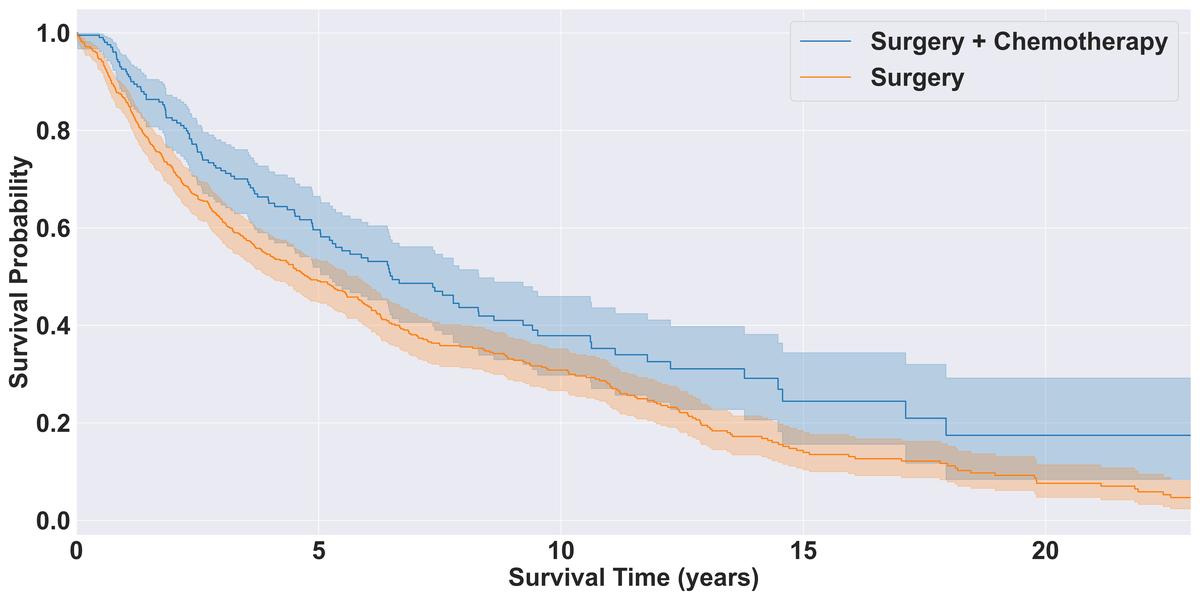
A new deep learning method estimates how treatment effects change over time for censored survival data, tackling instability in precision medicine analyses.
A new theoretical framework links Partial Information Decomposition atoms to causal graph structure, letting you infer edges locally without searching the full graph space.
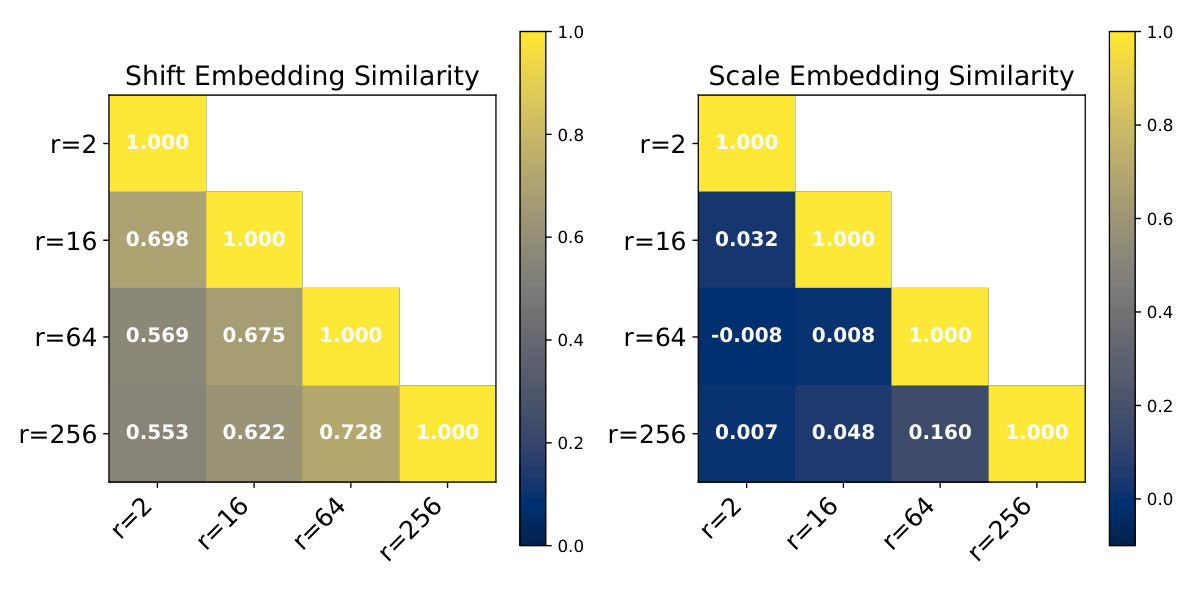
Researchers show prompt embeddings can be learned in just 2 dimensions, then randomly up-projected, cutting trainable parameters by 98% with no loss in accuracy.
A new agentic framework turns motion sensor signals into text-based reasoning problems, hitting 81.6% accuracy across eight benchmarks without any training.
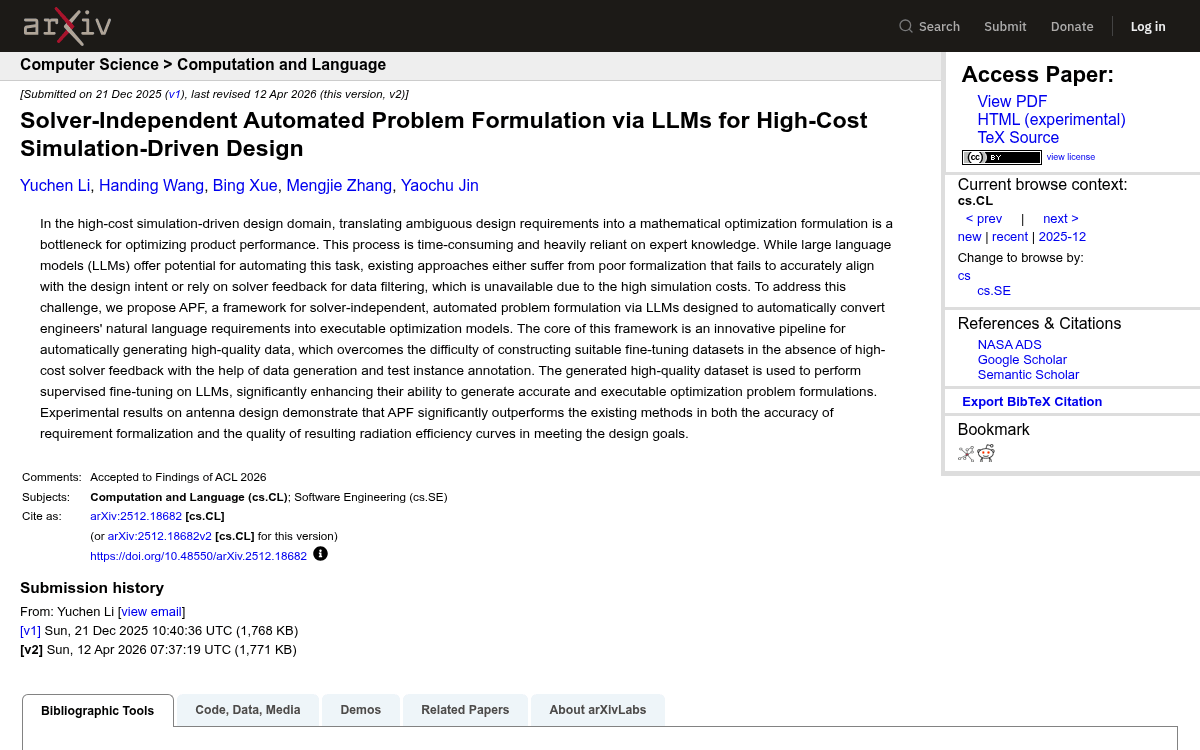
A new framework fine-tunes small LLMs to turn vague engineering requirements into executable optimization code, without needing costly simulator feedback in the training loop.
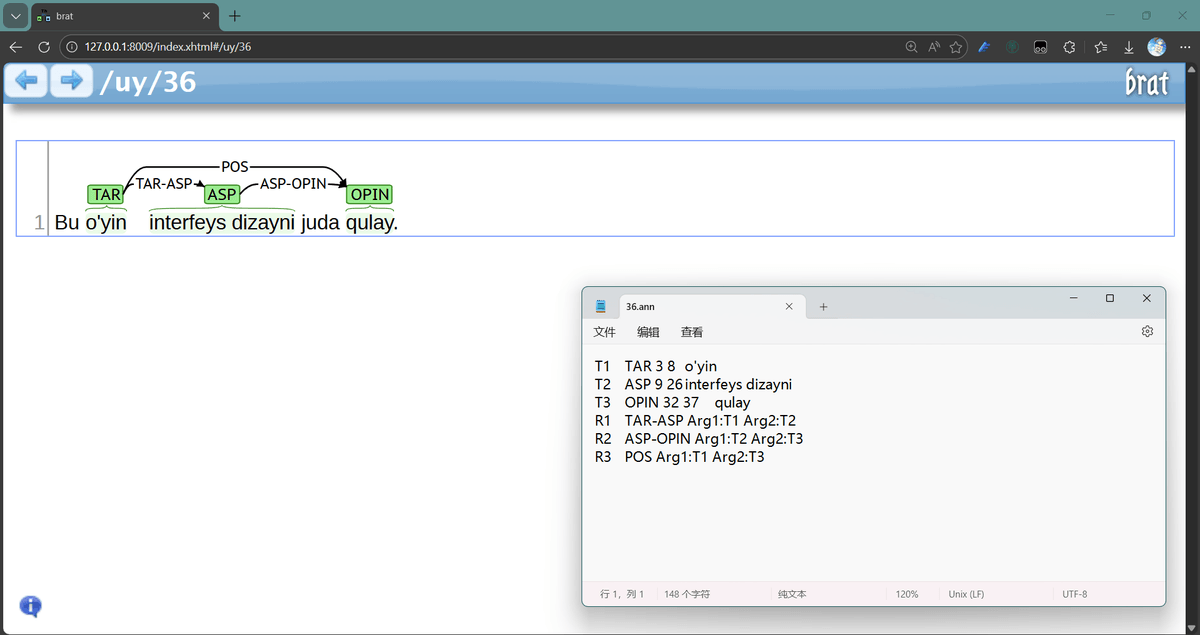
Researchers built the first target-aspect-opinion-sentiment quadruple dataset for Uzbek and Uyghur, plus a syntax-aware tagging model that beats GPT-5 by seven F1 points.