
Pro
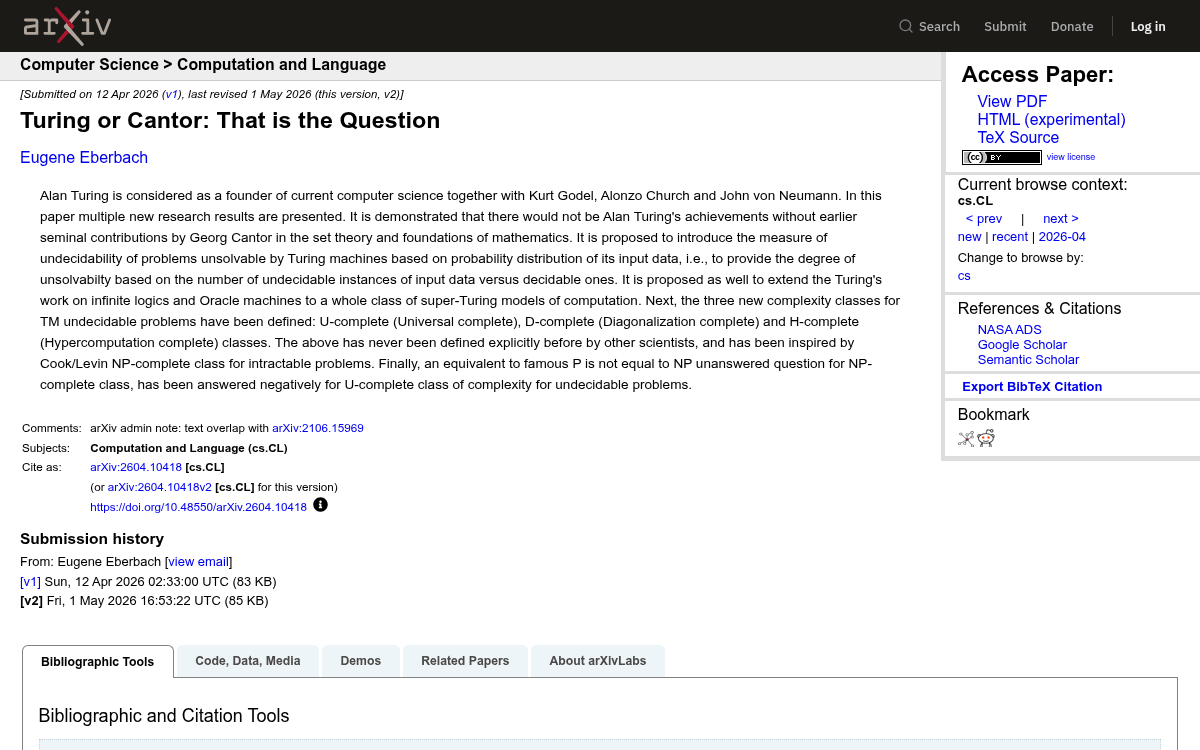
RPI Researcher Turns Undecidability From a Wall Into a Structured Landscape
A new proposal to classify undecidable problems into three complete complexity classes, borrowing the NP-complete playbook to map what lies past the halting problem.
20 stories
A new proposal to classify undecidable problems into three complete complexity classes, borrowing the NP-complete playbook to map what lies past the halting problem.
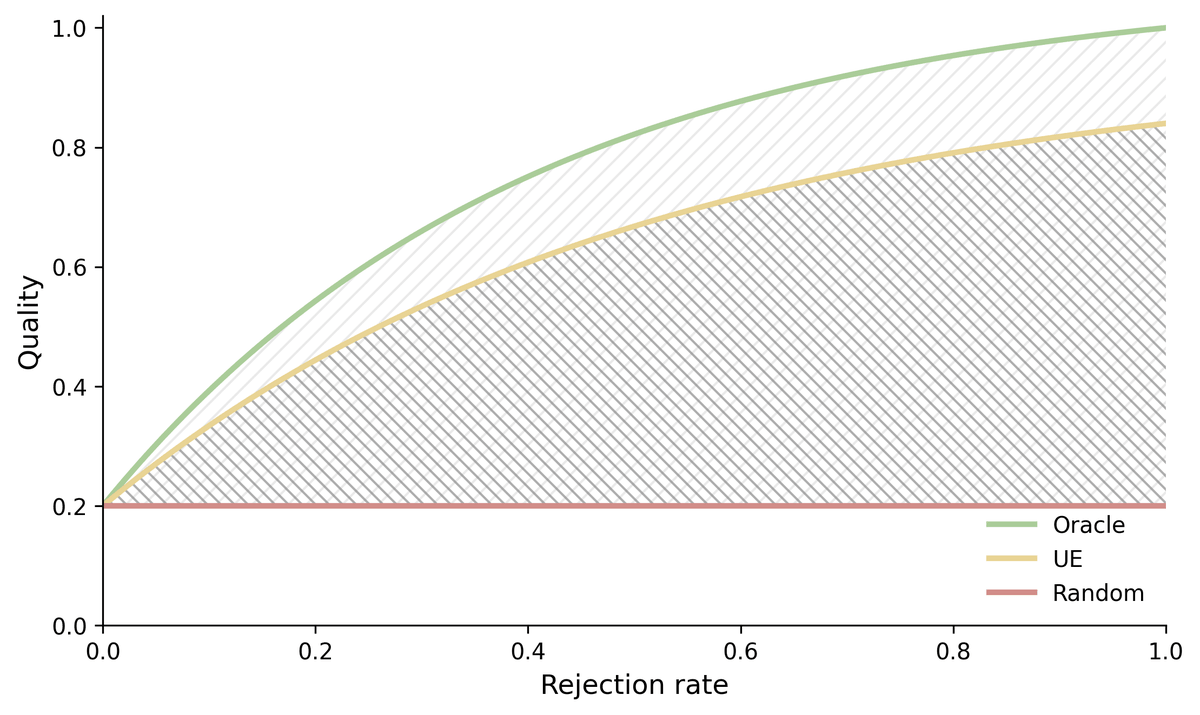
A new benchmark reveals confidence scores in LLMs break down when questions have multiple valid answers or ambiguous phrasing, exposing predictable failure modes.
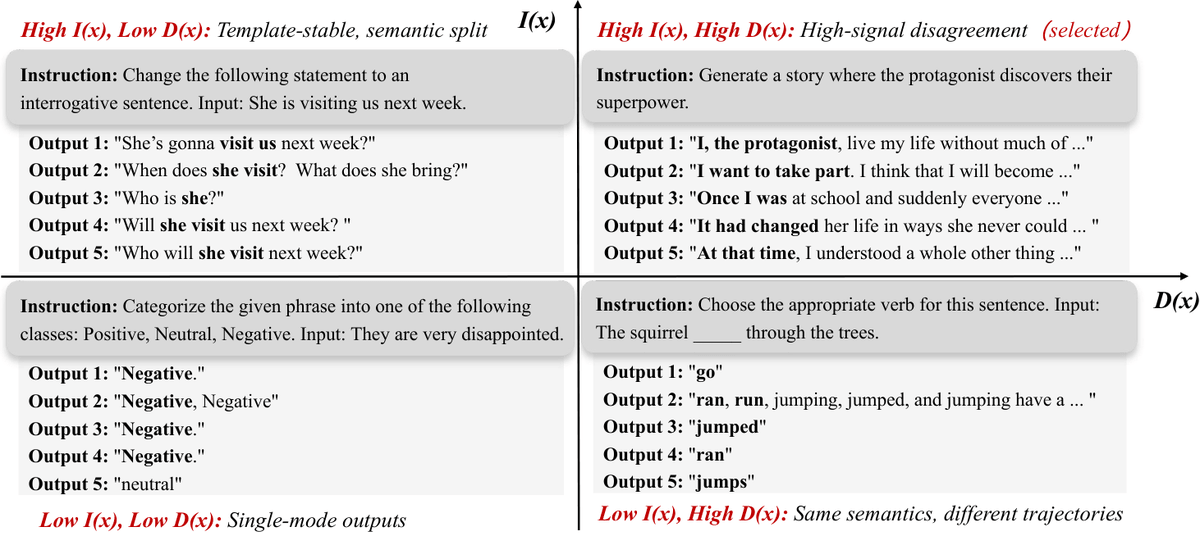
A new geometry-aware method scores instruction data by measuring how a model's own multi-sample answers spread in embedding space, beating strong selectors with just 10K examples.
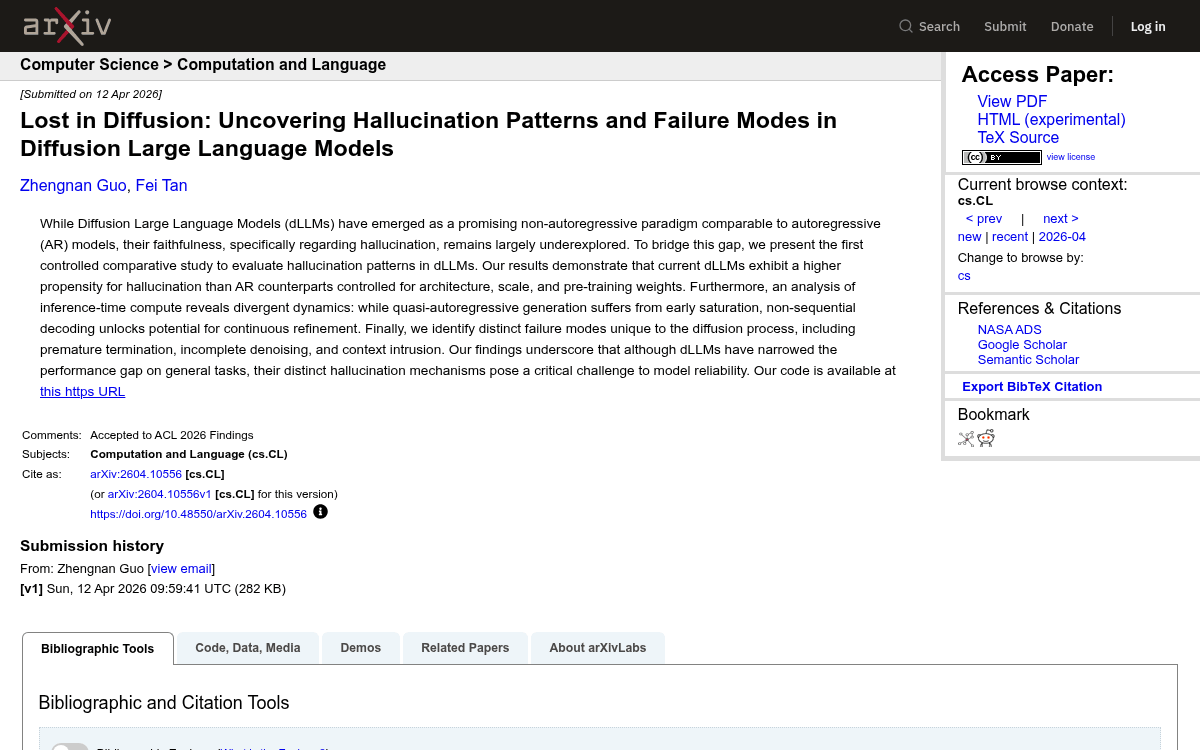
A controlled study finds diffusion language models hallucinate more than autoregressive peers, with three unique failure modes tied to parallel decoding.
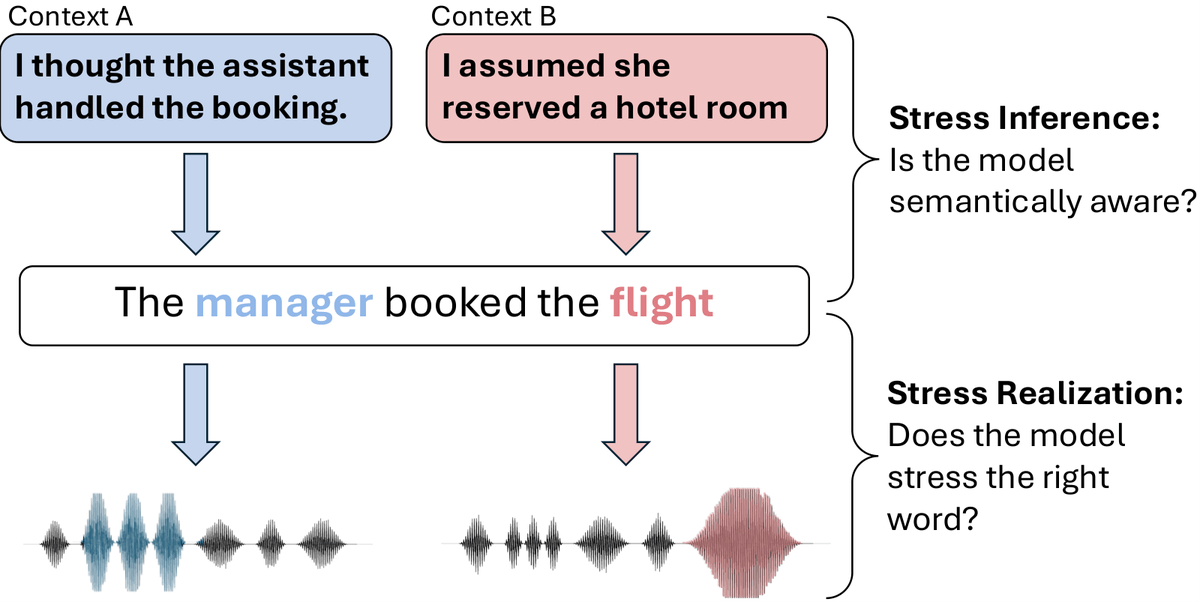
A new benchmark called CAST shows that state-of-the-art text-to-speech models fail to place emphasis on the right word based on conversational context.
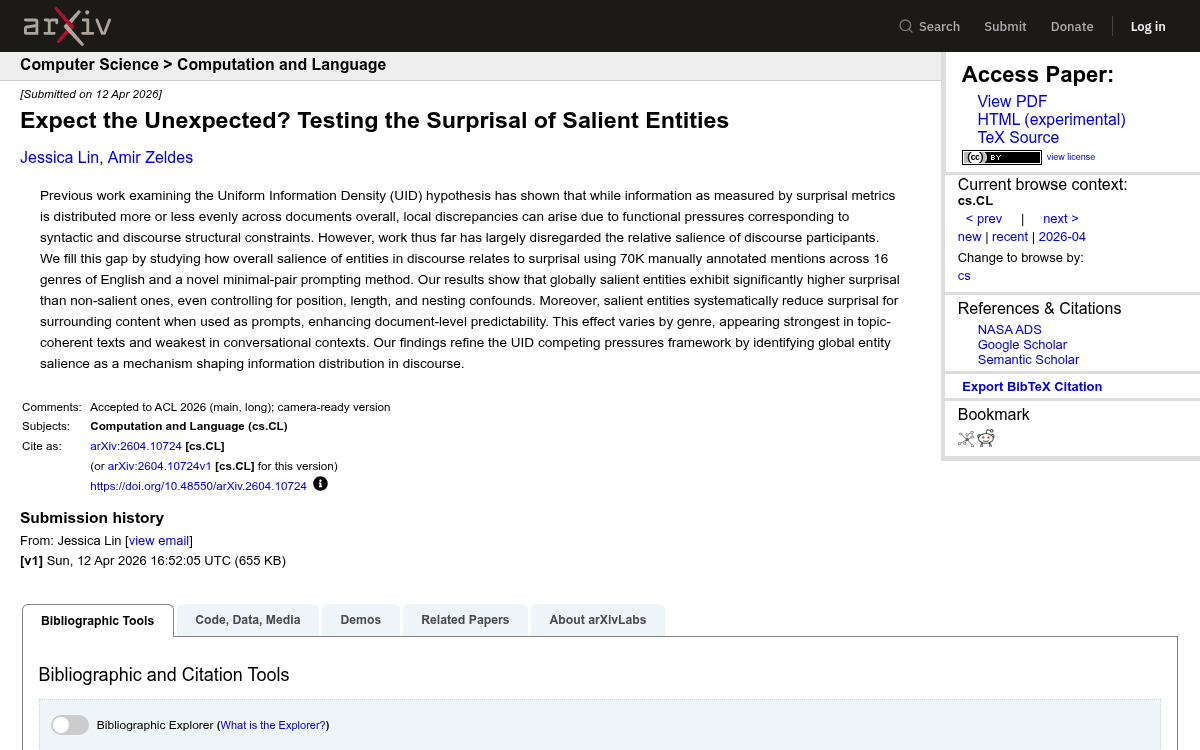
A new study shows that important entities in text are locally harder to predict but make surrounding content more predictable, refining the Uniform Information Density theory.
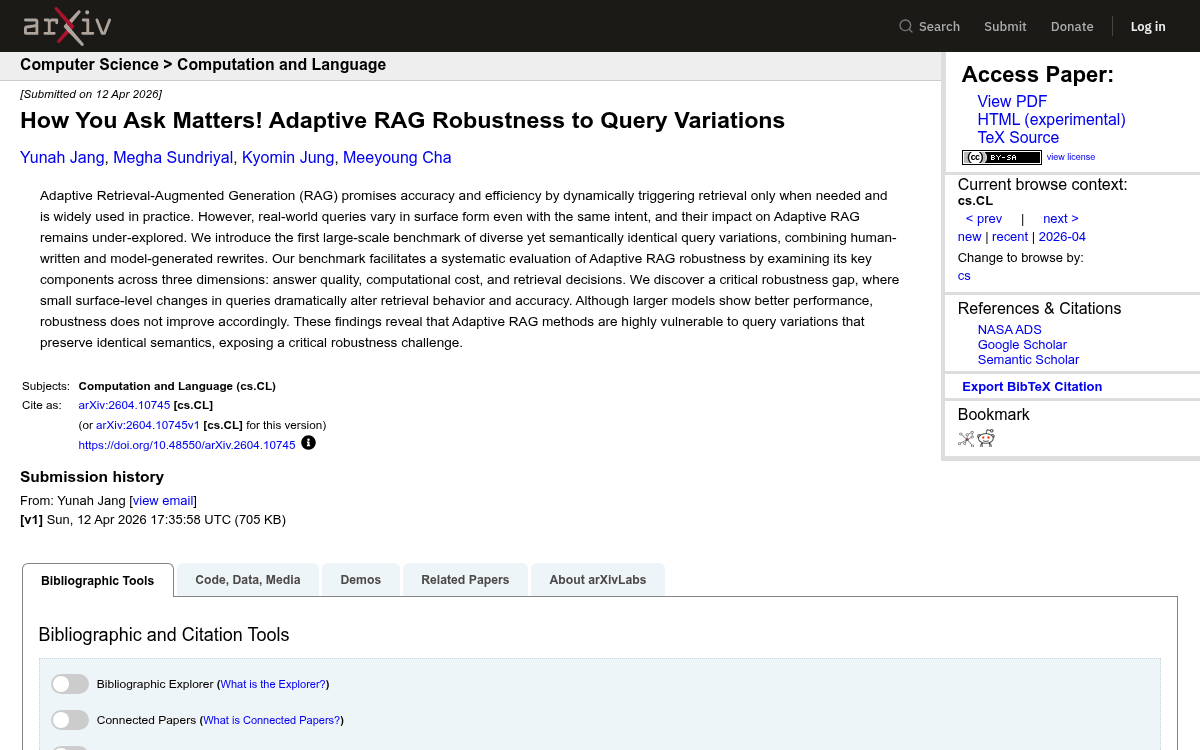
A new benchmark shows Adaptive RAG systems flip decisions and lose accuracy when the same question is worded differently by humans or models.
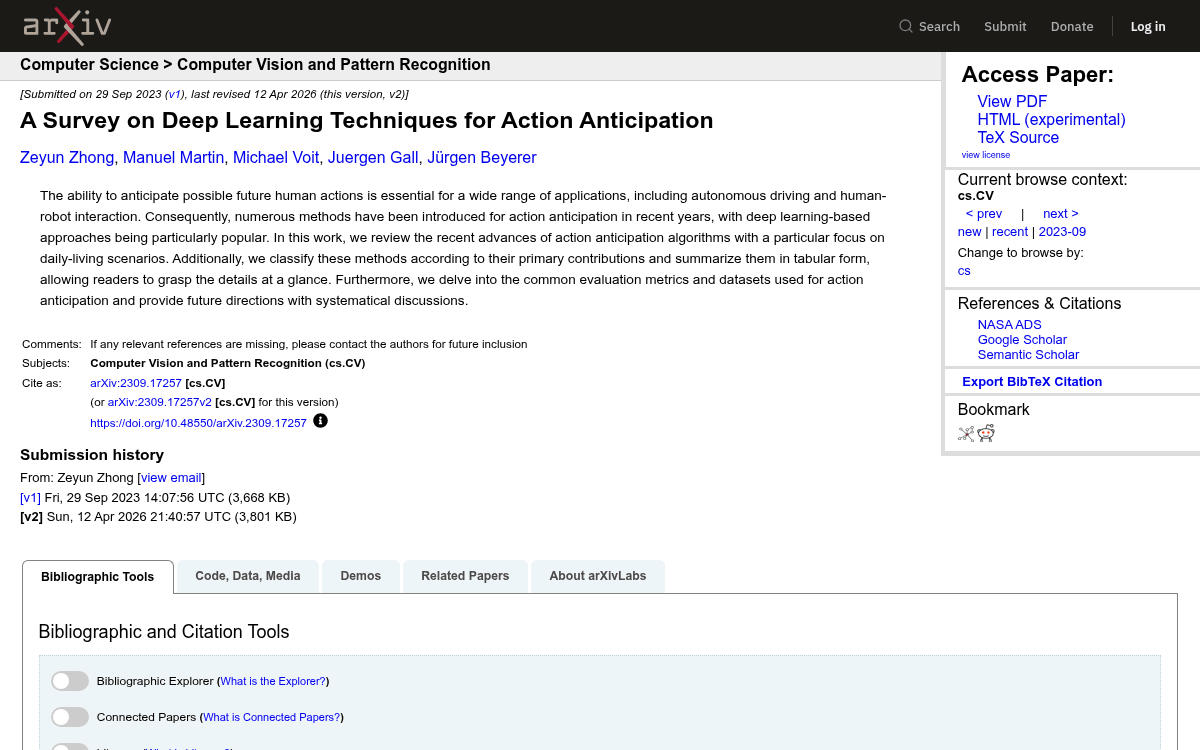
A comprehensive taxonomy of over 90 deep learning methods for predicting human actions before they happen, with benchmark results across major datasets.
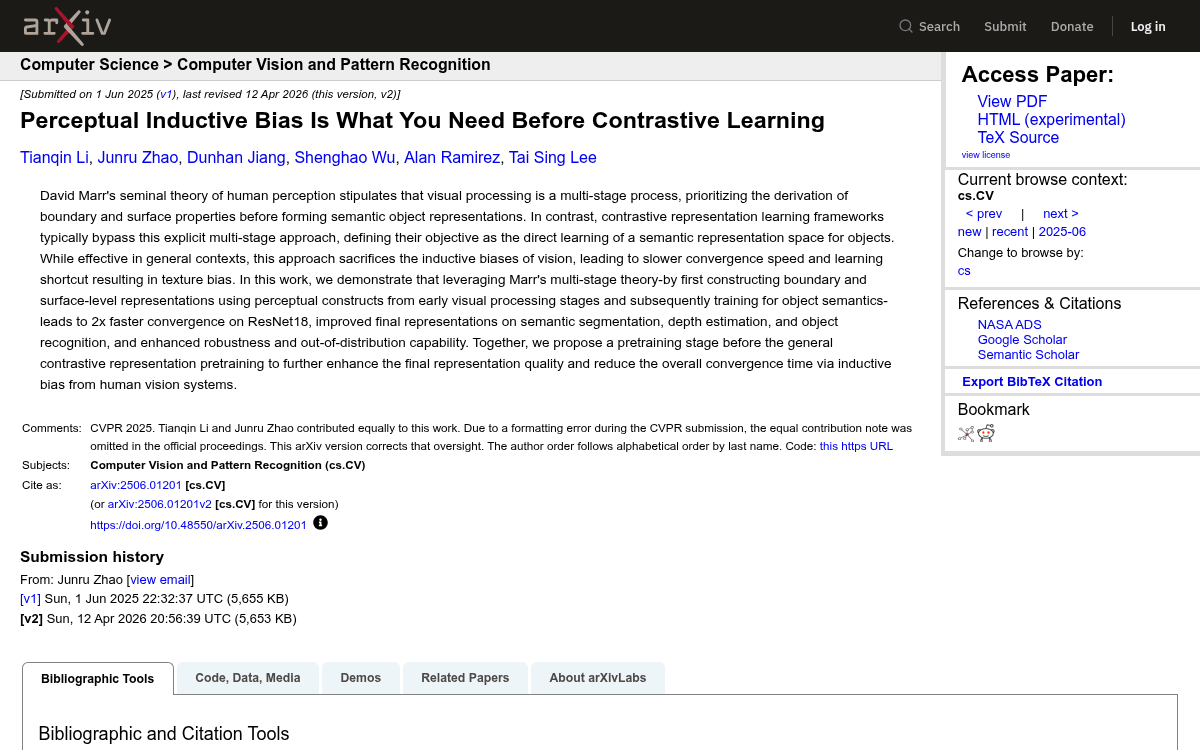
A CVPR paper shows that teaching networks to see shapes and surfaces first, before semantics, cuts contrastive learning time in half.
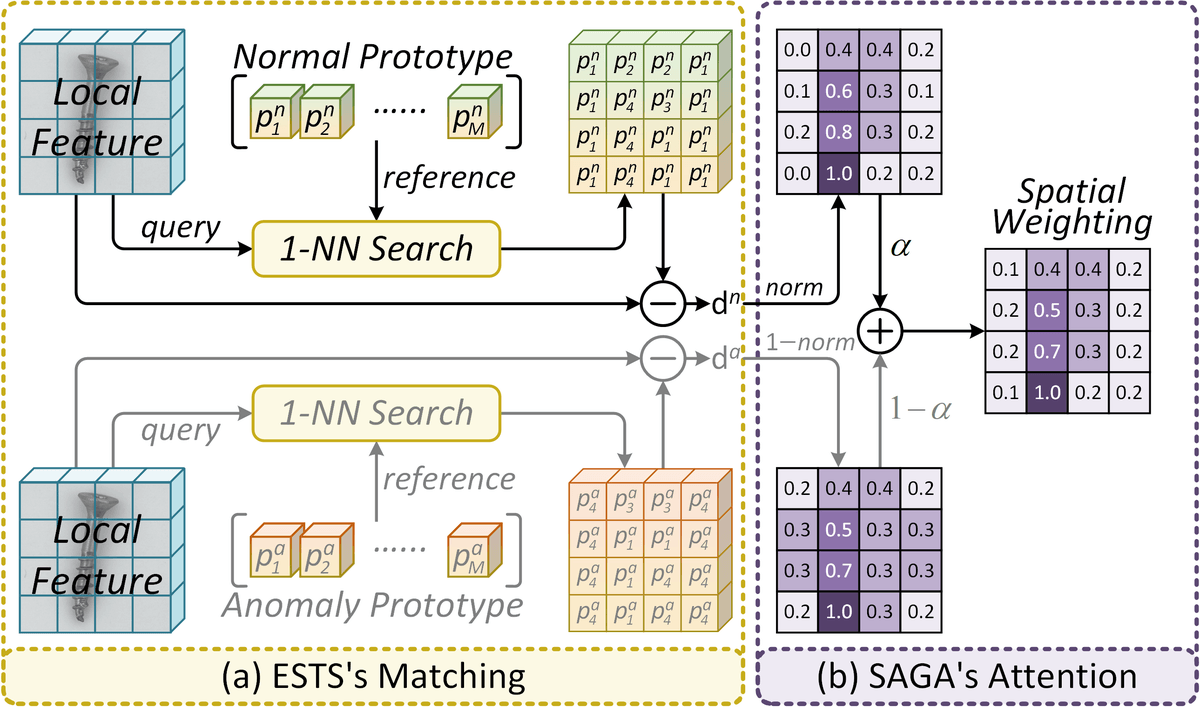
A new CLIP-based framework generates prompts on the fly from image features, beating zero-shot anomaly detection baselines by 1.4-1.9% AUROC across 13 datasets.
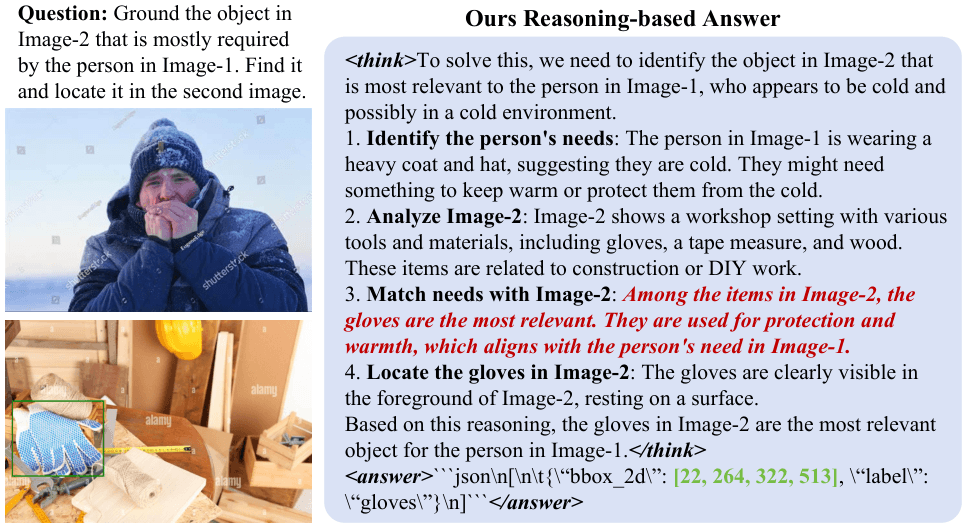
A two-stage recipe combining chain-of-thought fine-tuning with GRPO reinforcement learning pushes a 7B model past 72B baselines on cross-image grounding tasks.
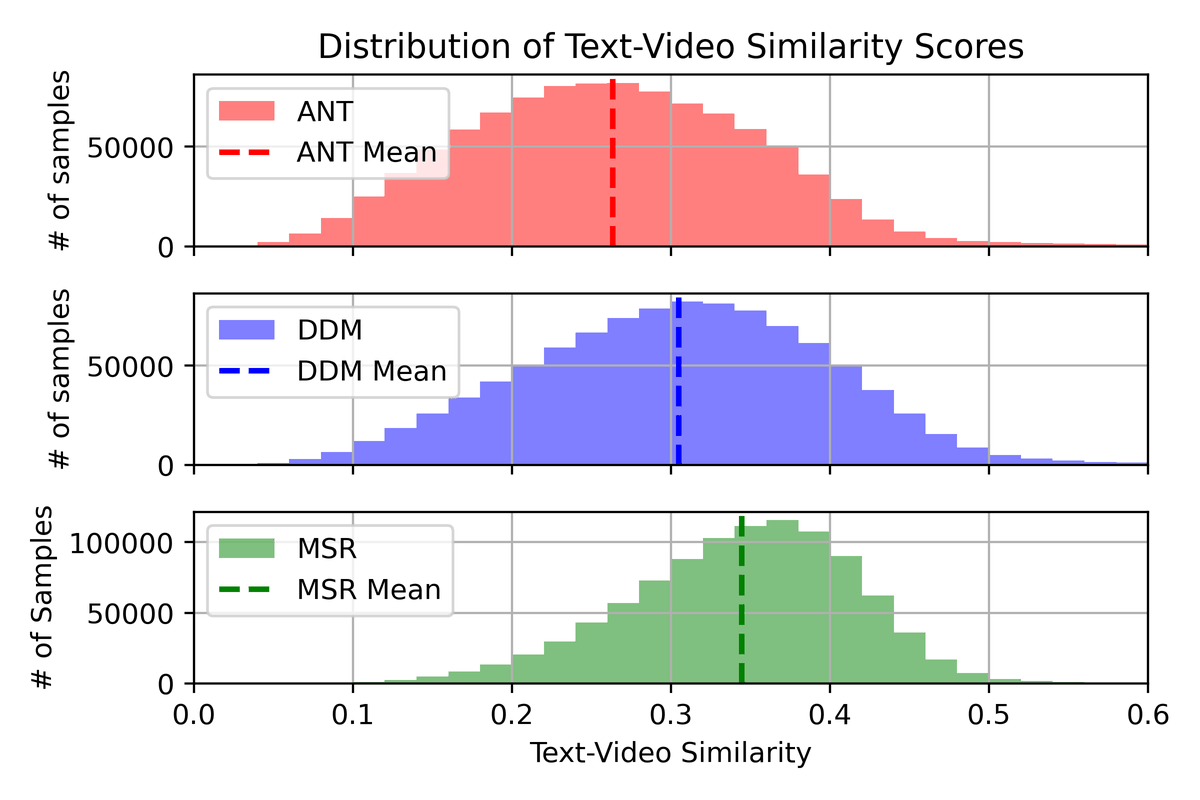
A new adversarial technique pushes attacker videos to the top of retrieval results across multiple queries at once, exposing a fresh vulnerability in text-to-video search.
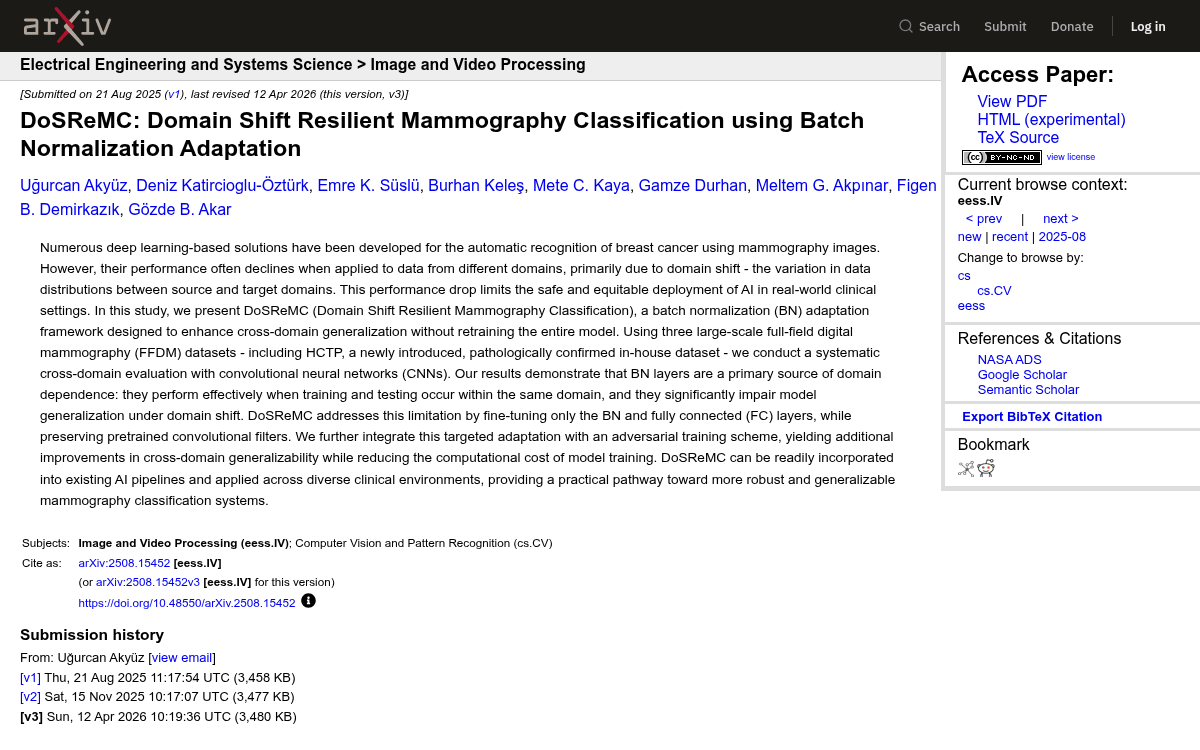
A new fine-tuning recipe touches only batch norm and classifier layers to keep breast cancer models accurate when hospitals swap scanners and imaging protocols.
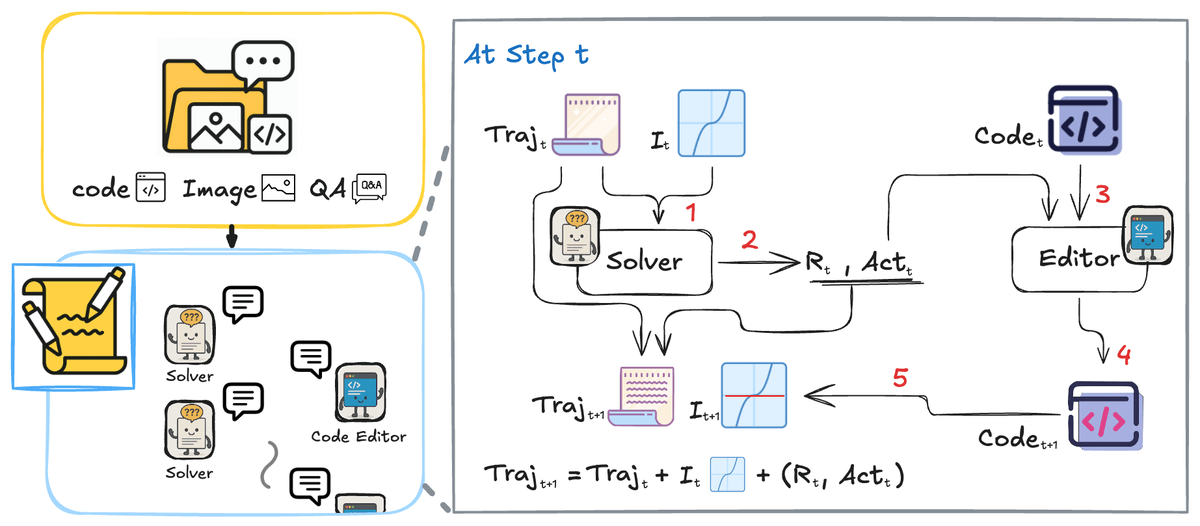
A new vision language model skips external tools and manipulates images directly in embedding space, learning from 31k code-rendered reasoning traces.
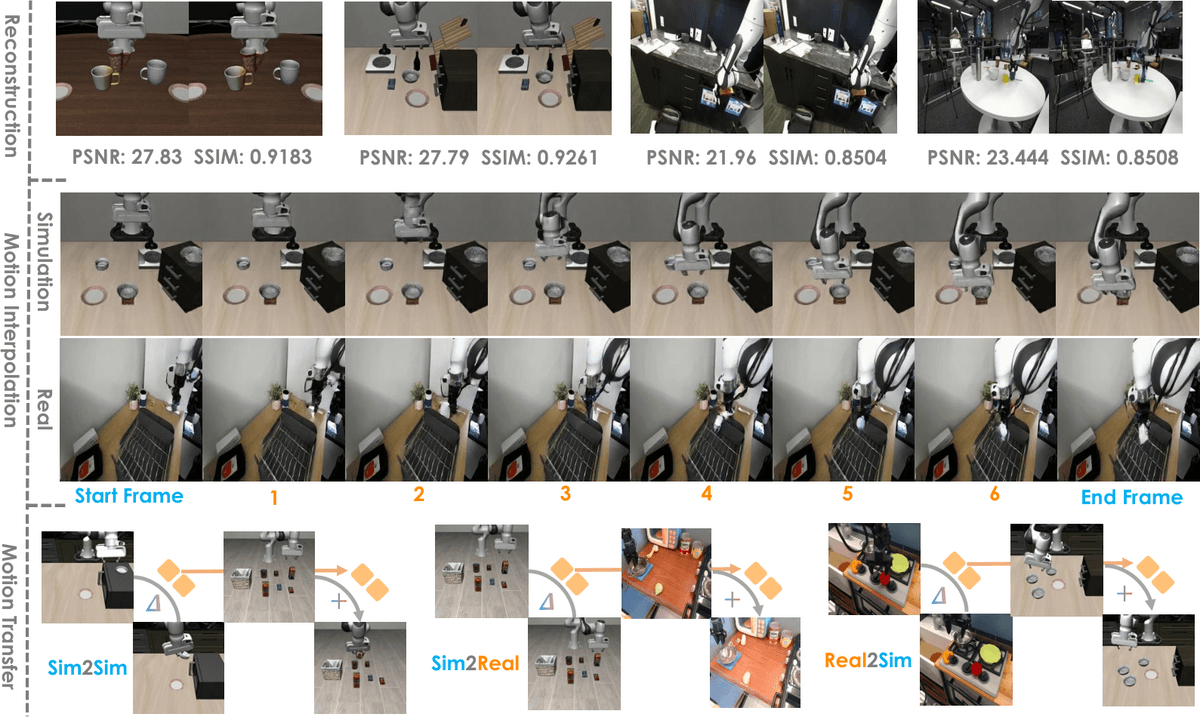
A new framework squeezes a robot's visual world into just two tokens, then discovers that subtracting them yields usable motion commands.
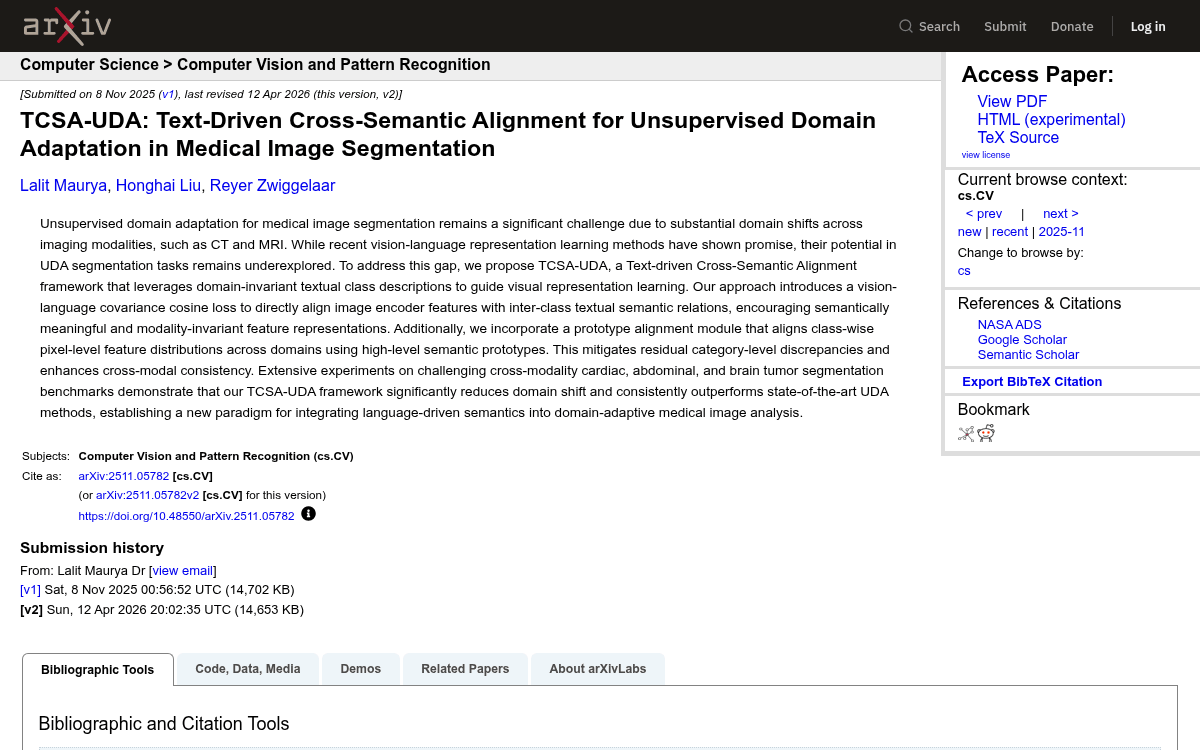
A new domain adaptation framework uses medical text descriptions like 'left atrium' to bridge the gap between CT and MRI segmentation models without target labels.
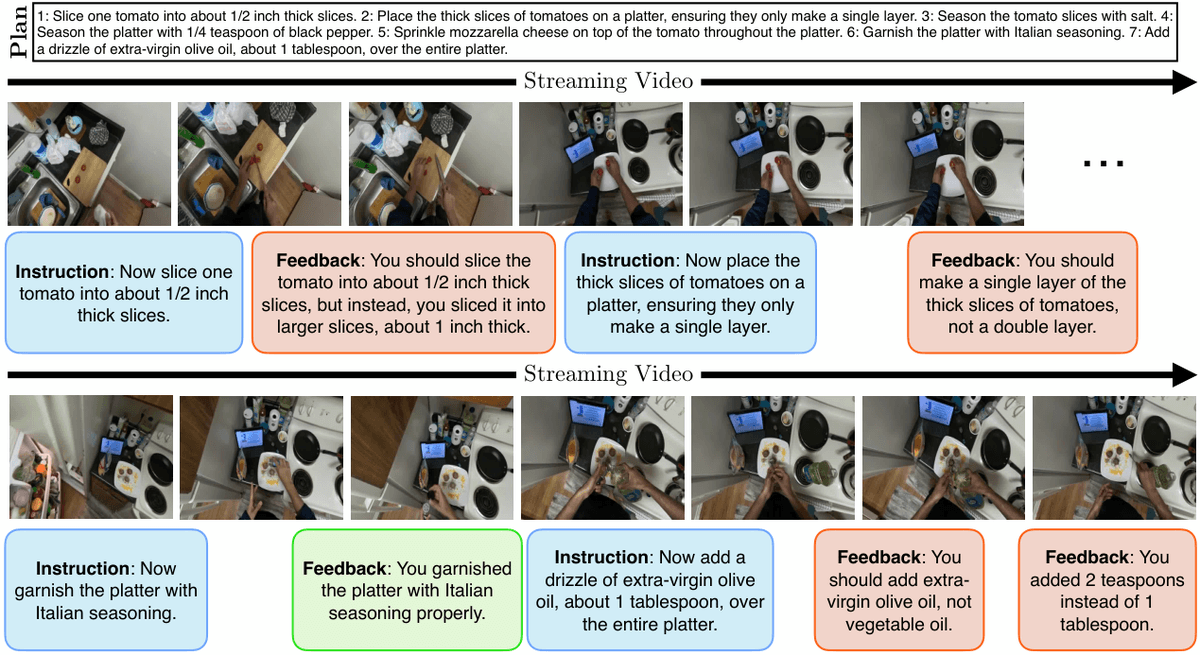
Qualcomm's new benchmark and streaming Mamba-based model tackle real-time cooking coaching, exposing where current multi-modal LLMs fail at watching users work.
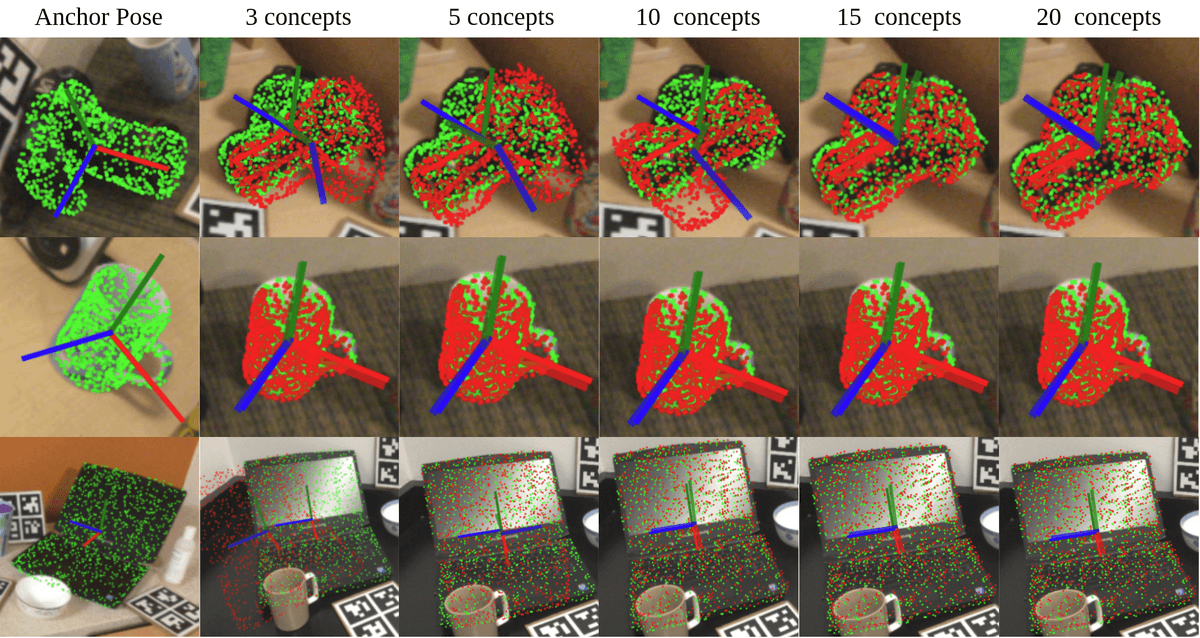
A new approach ditches training entirely, using language-driven concept maps from vision language models to beat trained pose estimators by 62%.
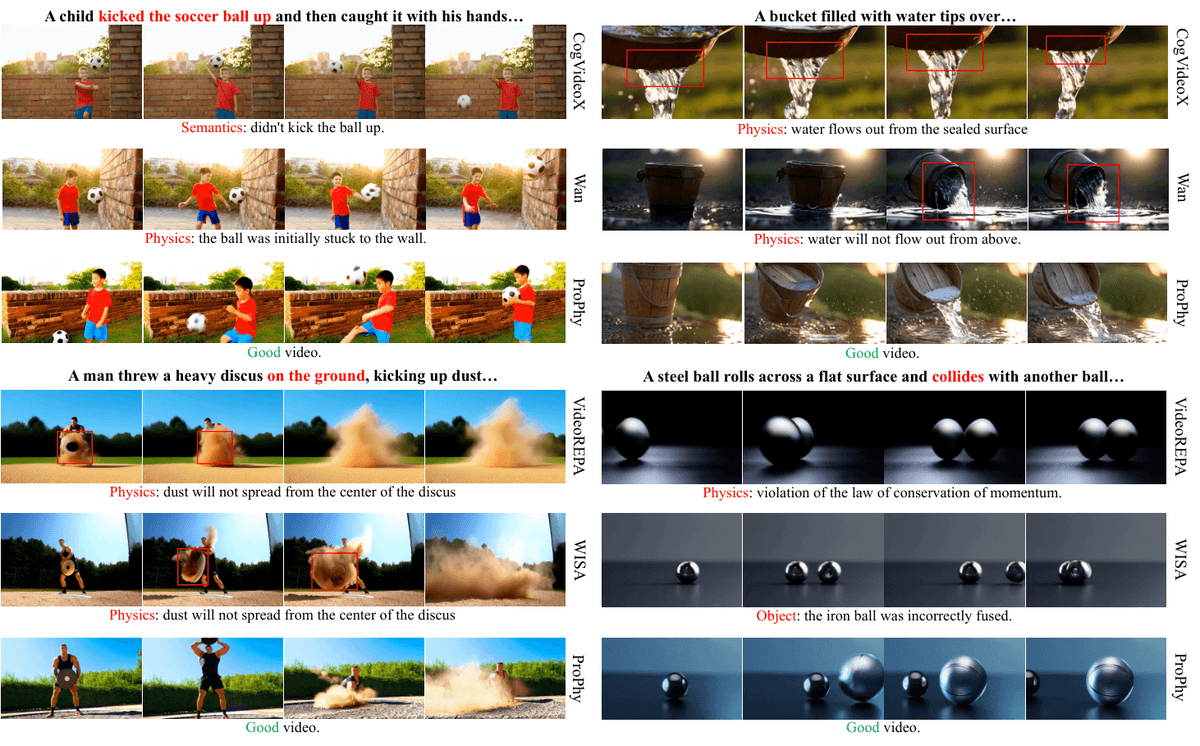
A new framework injects fine-grained physics awareness into video diffusion models, lifting physical commonsense scores by nearly 20% on VideoPhy2.
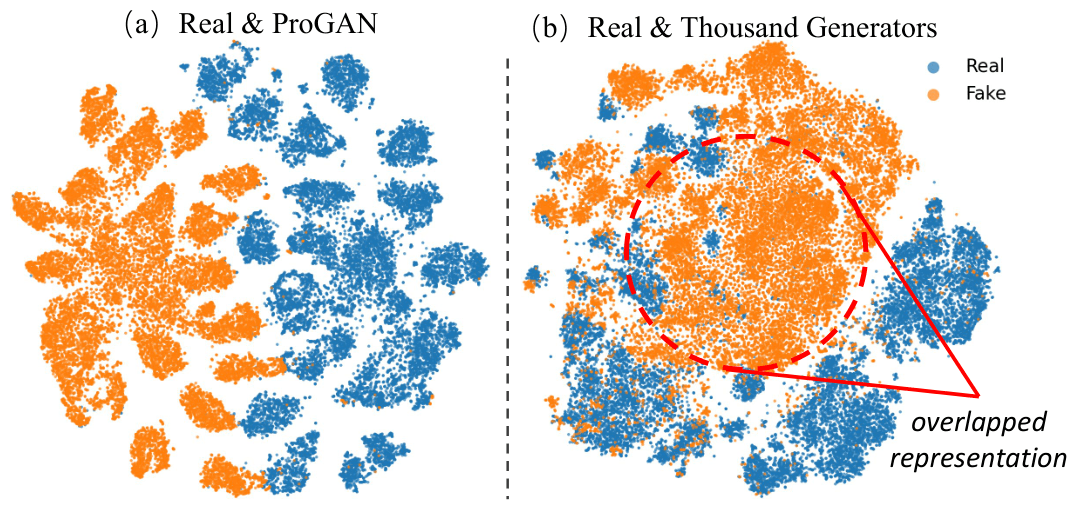
A CVPR 2026 paper shows that scaling AI-image detectors across thousands of generators backfires, and proposes a prototype-based fix that hits 90.4% accuracy.