
Pro
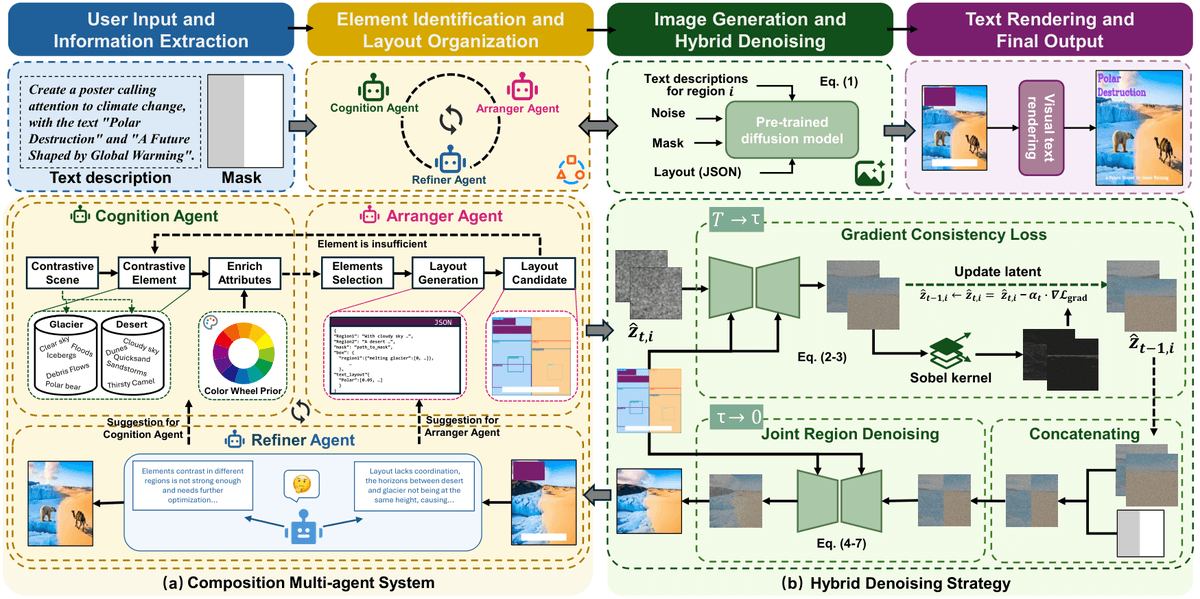
ReContraster Beats Every Poster AI by Teaching Contrast Like a Designer
A training-free system uses three cooperating LLM agents plus a two-stage diffusion trick to generate posters with strong visual contrast between regions.
20 stories
A training-free system uses three cooperating LLM agents plus a two-stage diffusion trick to generate posters with strong visual contrast between regions.
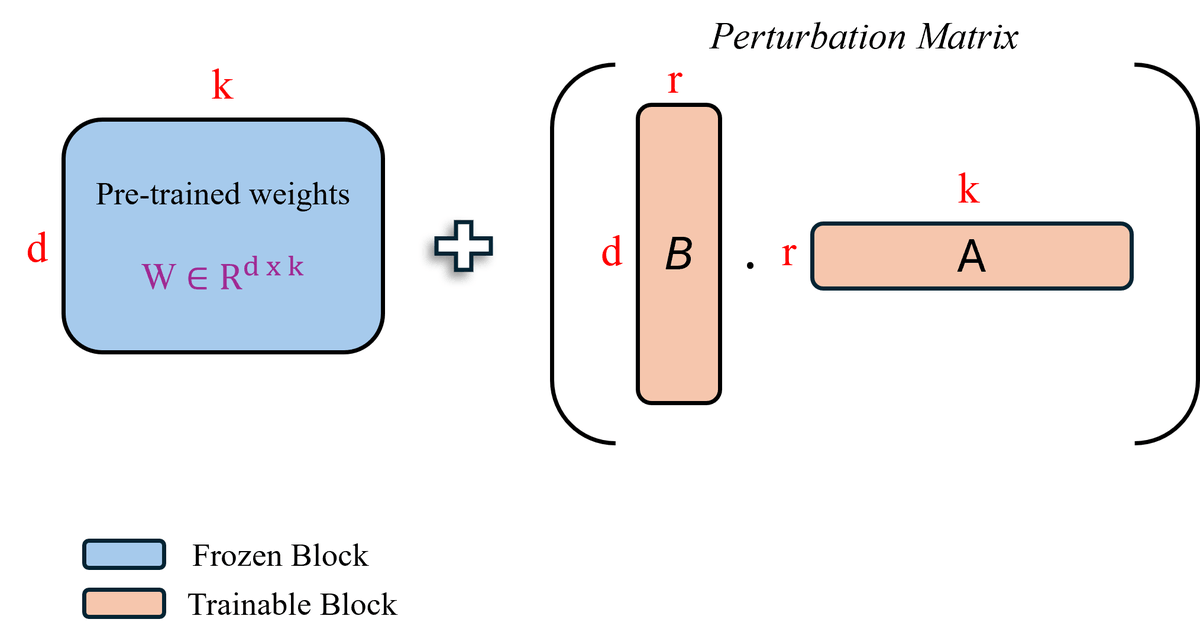
A tiny LoRA adapter bolted onto a frozen ConvNeXt-V2 backbone outperforms full fine-tuning on endoscopy classification using 3 million trainable parameters.
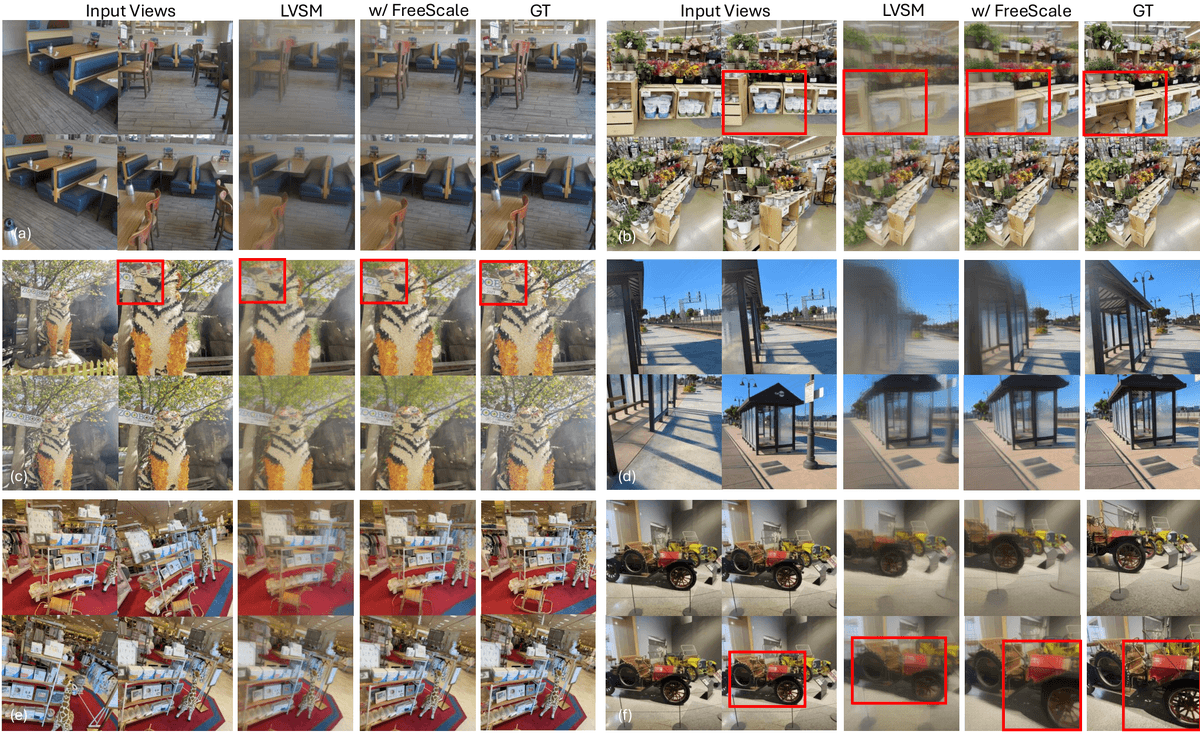
A CVPR 2026 paper turns sparse real-world captures into large-scale training data by sampling only the viewpoints a reconstructed scene can trust.
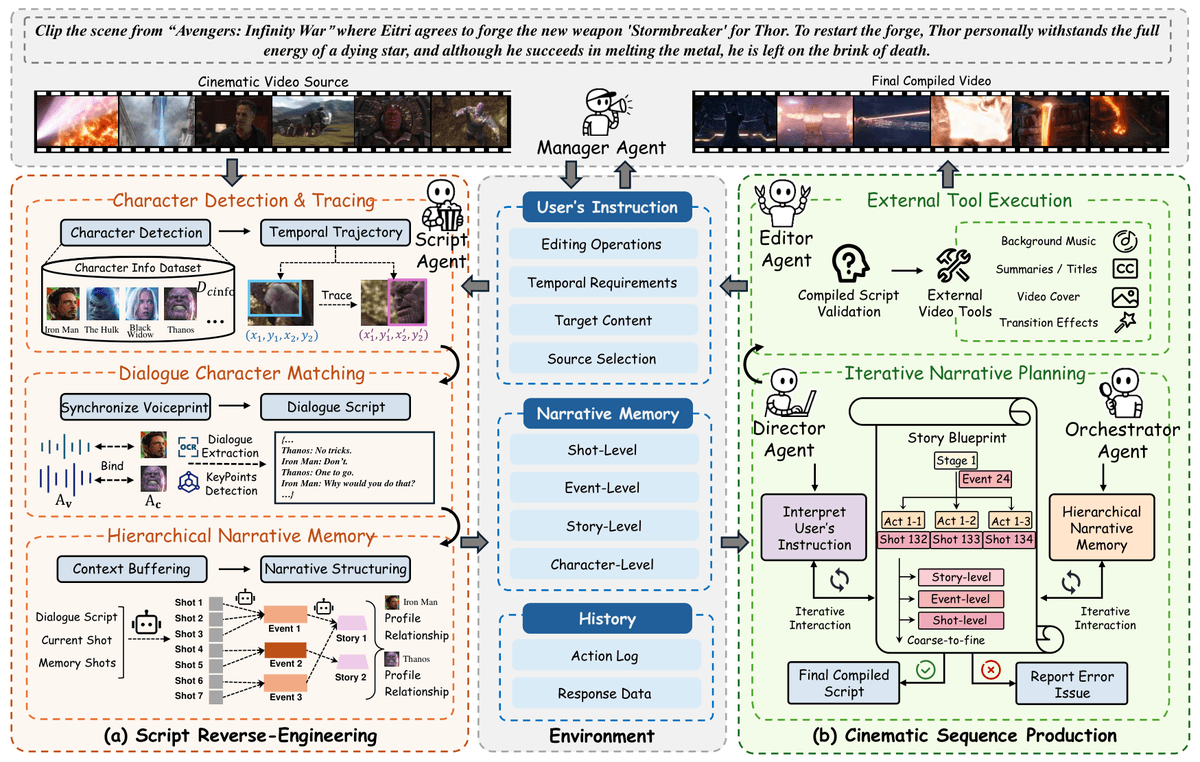
A new benchmark and multi-agent system tackle the hard problem of turning full-length films into instruction-driven short-form edits with coherent narrative flow.
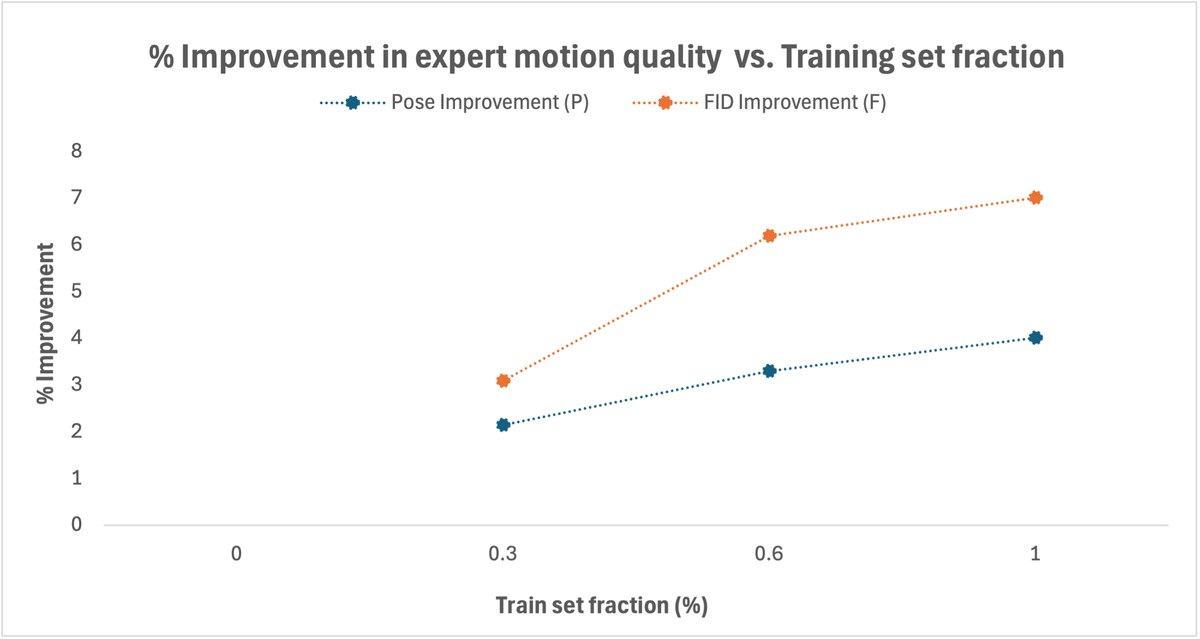
A UT Austin framework rewrites your athletic form to look expert-like, learning only from unpaired expert videos with no paired data or text prompts.
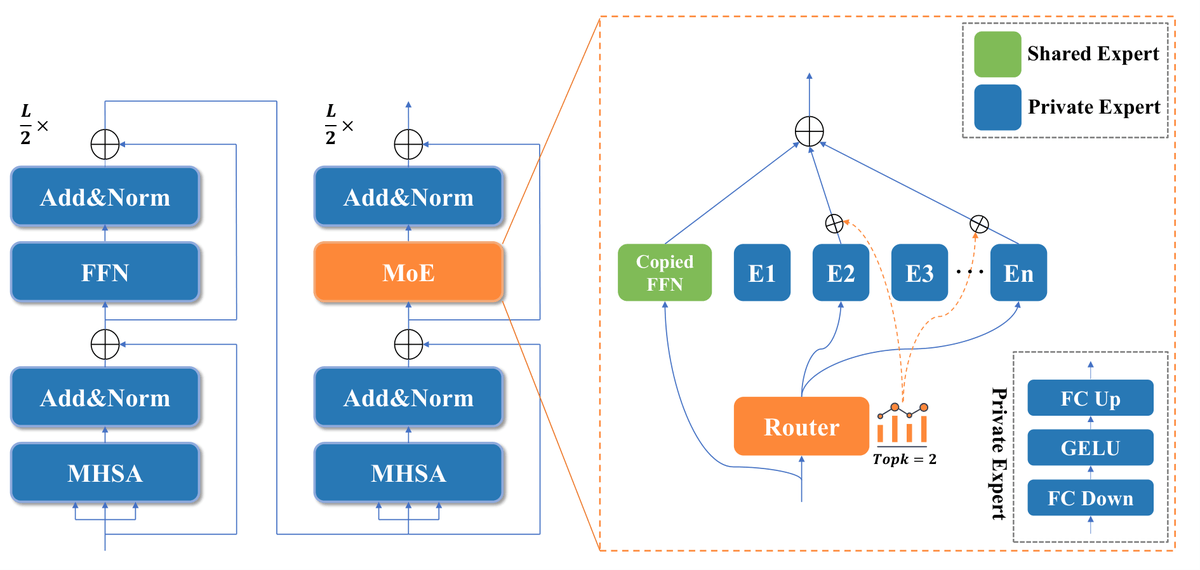
A new framework called Structured Semantic Mapping lets action unit detection and facial expression recognition train together across mismatched datasets, boosting both.
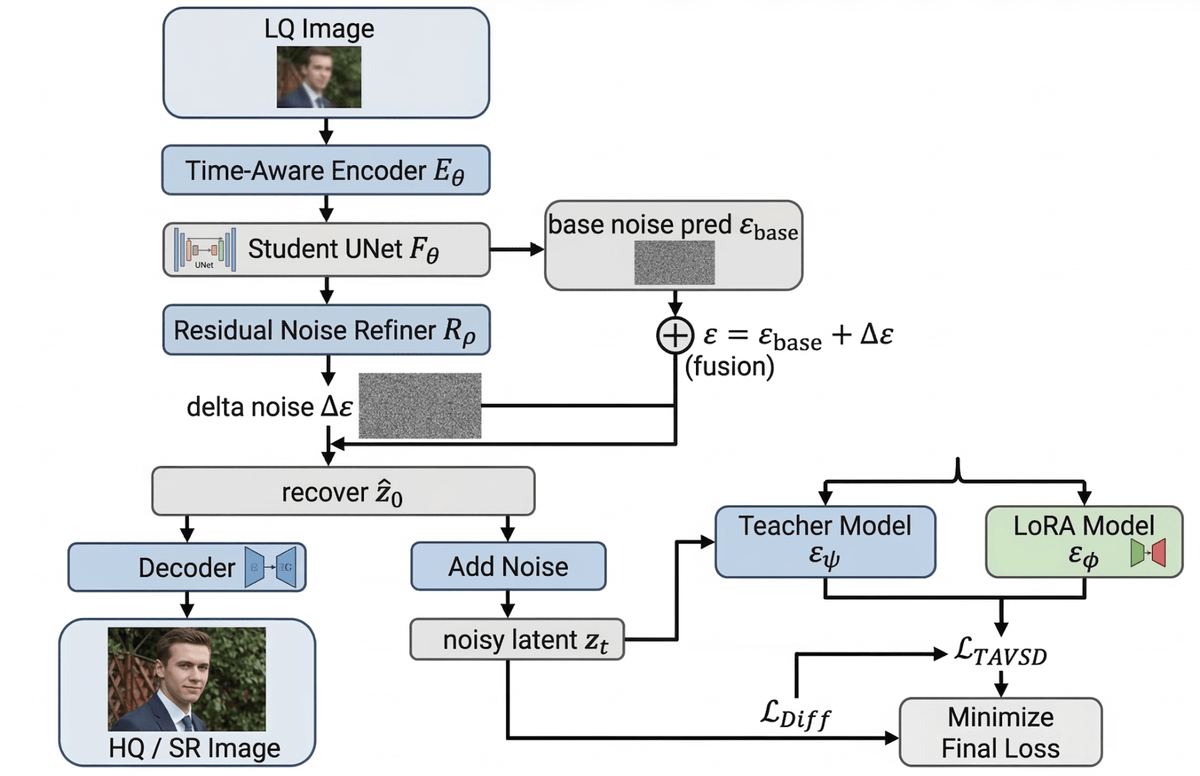
The Second Challenge on Real-World Face Restoration at NTIRE 2026 gathered 9 finalist teams and mapped how one-step diffusion is reshaping blind face restoration.
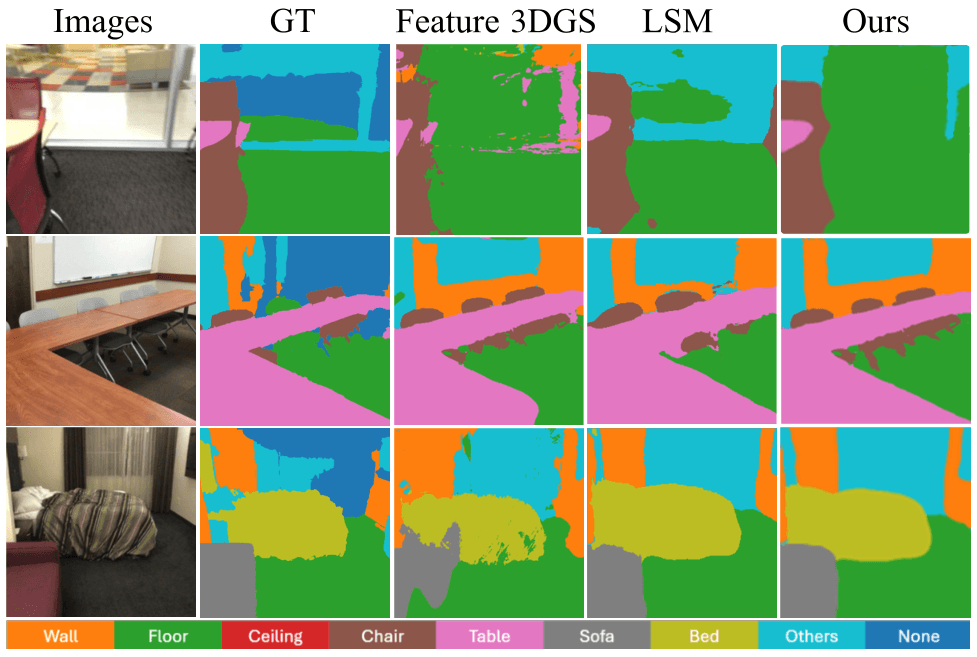
UniSplat unifies geometry, appearance, and semantics from raw multi-view images without camera poses, setting new marks on 3D vision and robotics benchmarks.
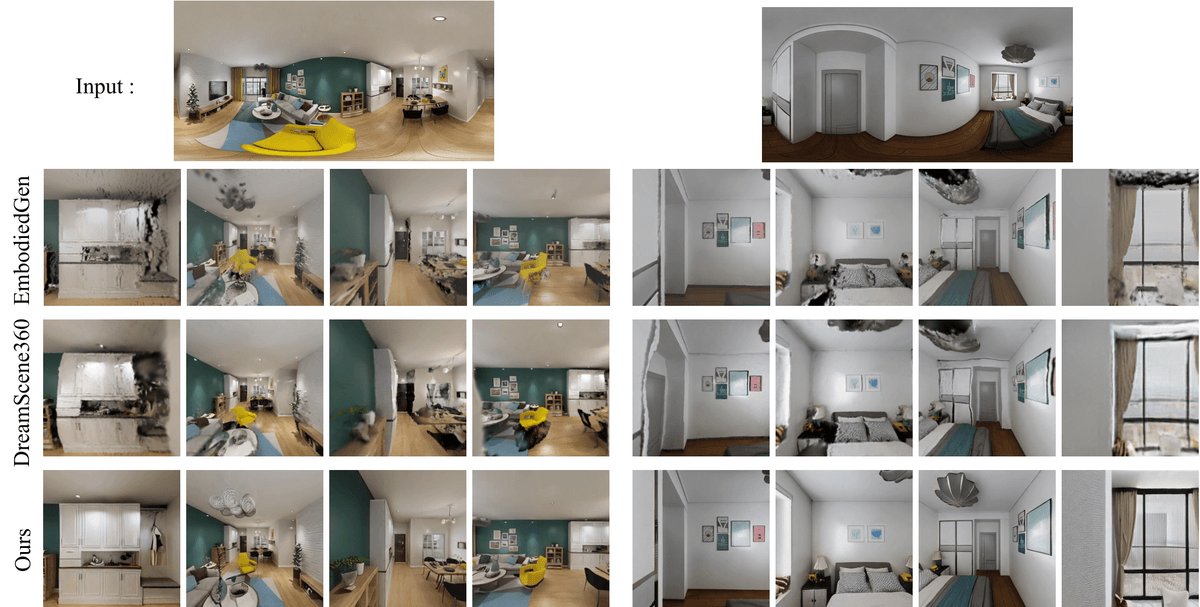
A restore-and-refine pipeline turns a single 360-degree photo into an explorable indoor scene by pairing 3D Gaussian Splatting with a panoramic video diffusion model.
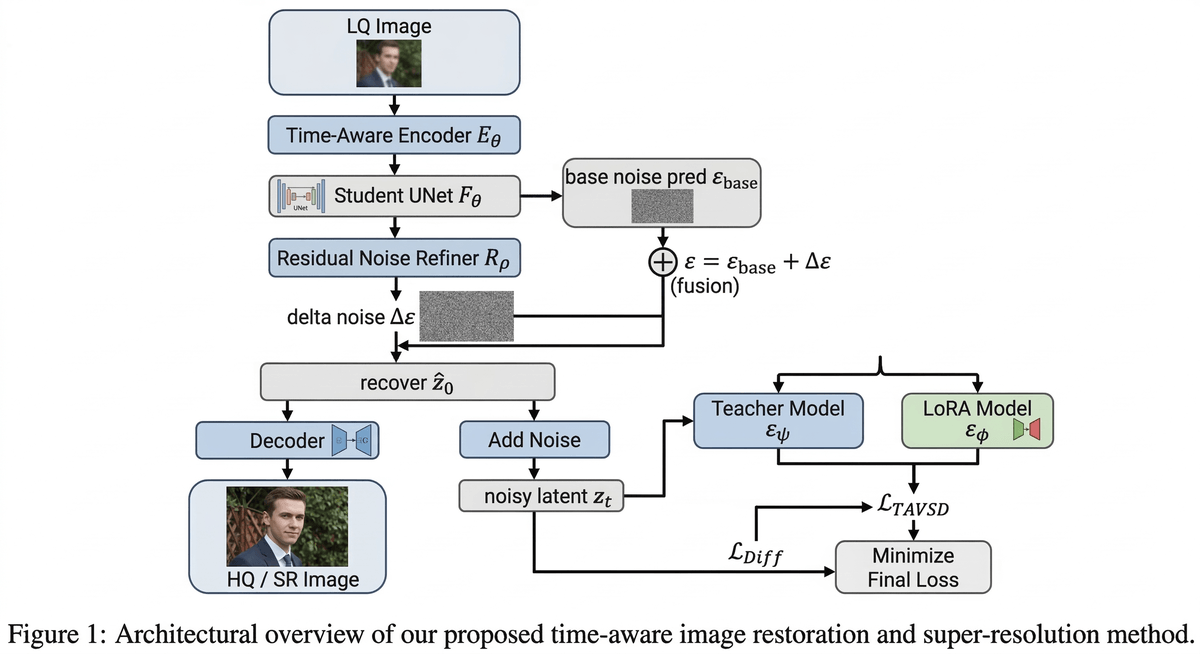
Kuaishou and USTC drop KwaiVIR, a benchmark for restoring gritty short-form videos, with 12 teams pushing single-step diffusion into the wild.
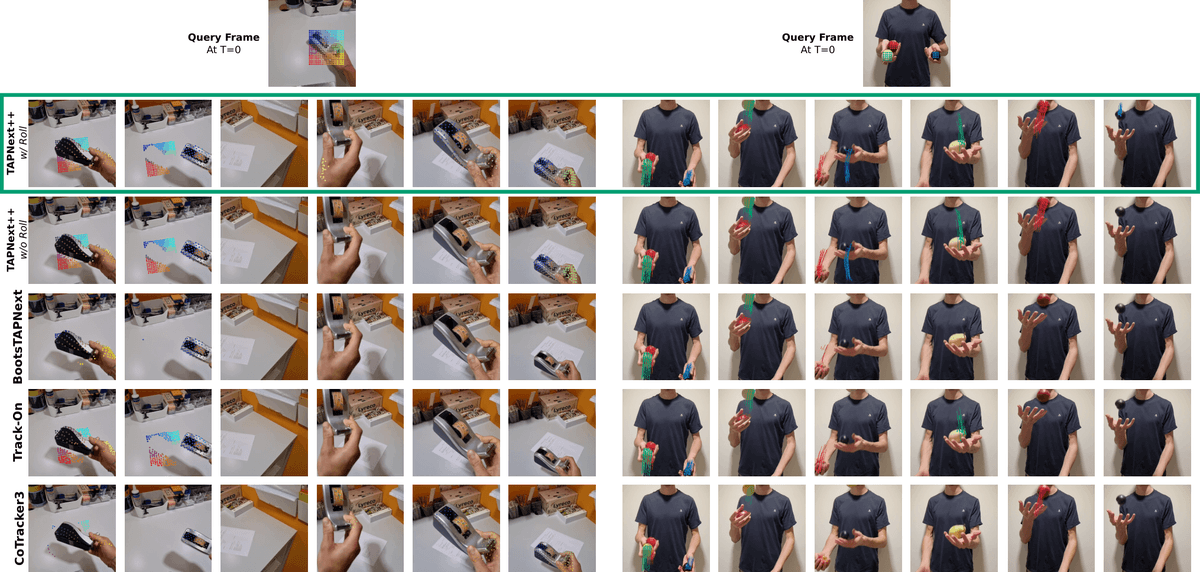
A Google DeepMind team extends the TAPNext recurrent tracker from 150 frames to 4,000+ while adding robust re-detection after occlusion.
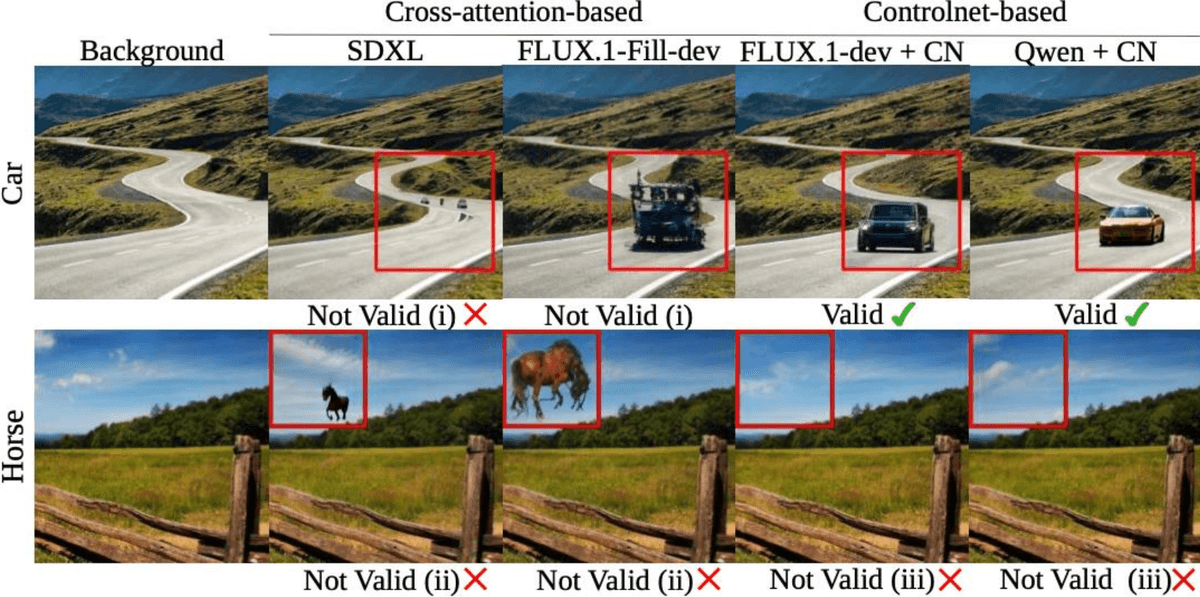
A team turns diffusion inpainters into object-placement graders, distills the results into a 3.77 ms model that beats human annotations and large VLMs.
Brain-GraSP predicts saliency maps directly from fMRI-CLIP embeddings using graph neural networks, then conditions a frozen Stable Diffusion model for sharper, more faithful scene reconstruction.
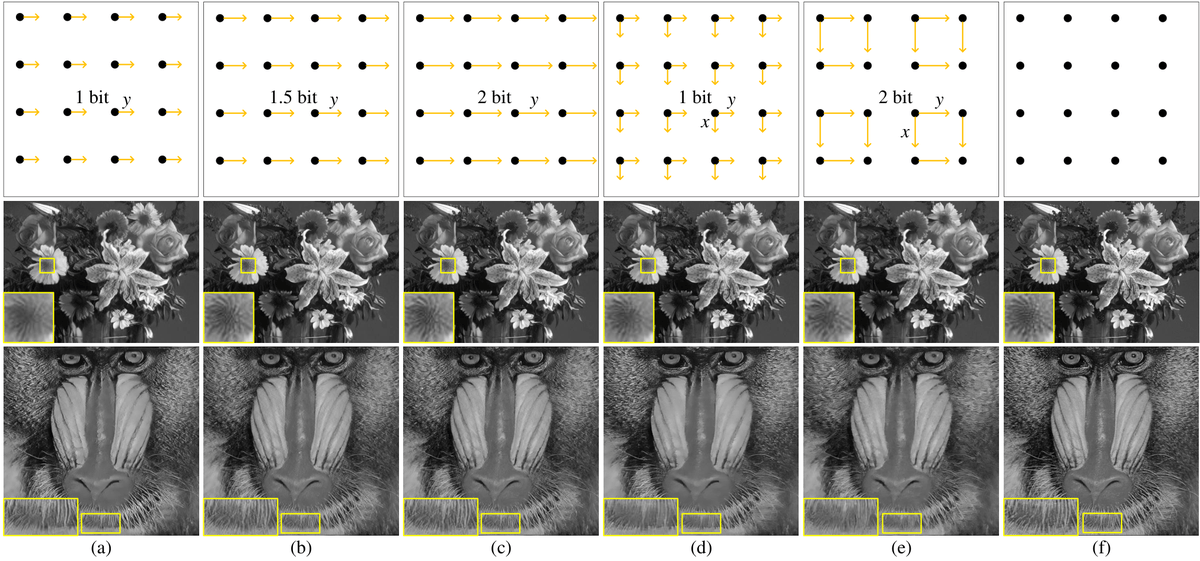
A low-bit gradient sensor paired with a small intensity sensor could break the readout and bandwidth walls holding back gigapixel video cameras.
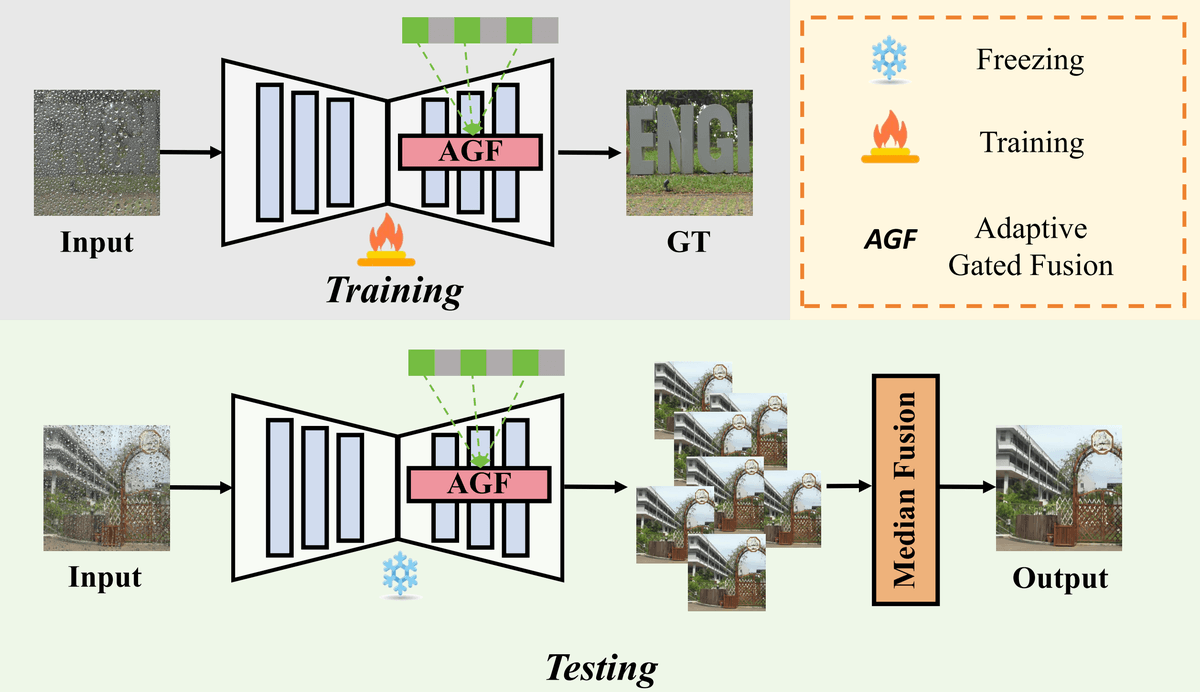
The second NTIRE raindrop challenge pushed 17 teams to clean adherent water on lenses across day, night, and two focus modes on real photographs.
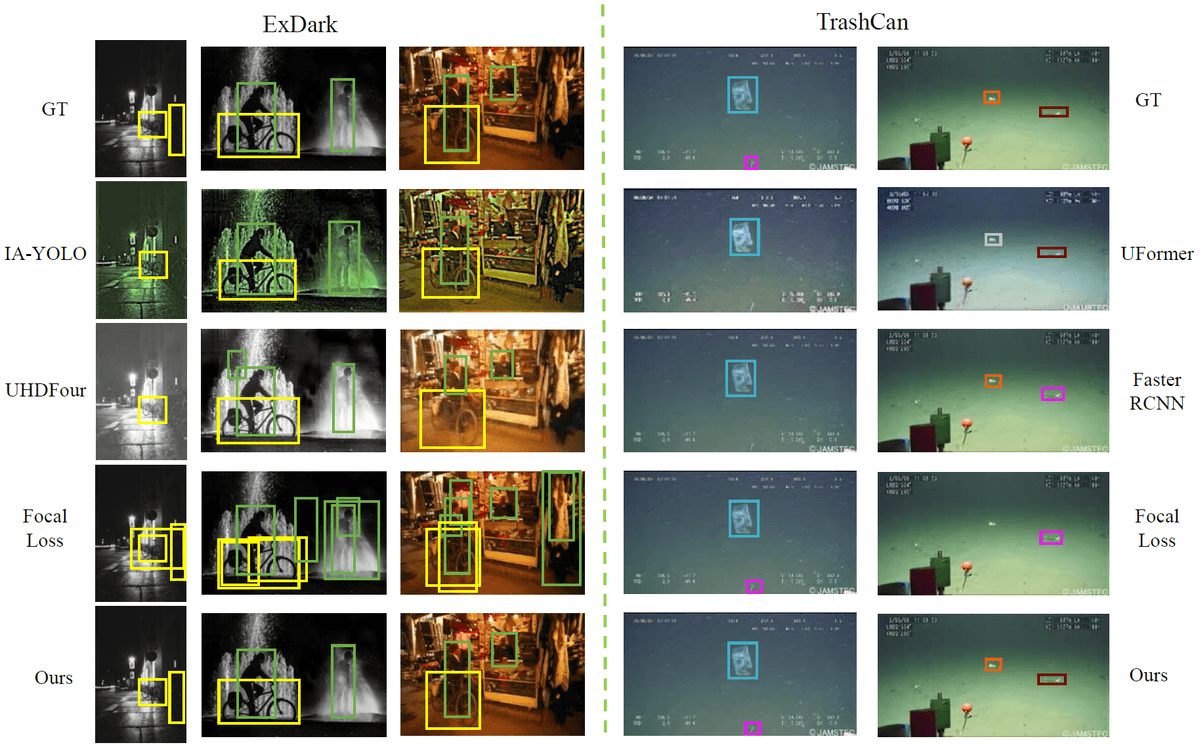
A new training loss uses CLIP text prompts instead of dehazing modules to rescue object detectors when fog wipes out visual cues.
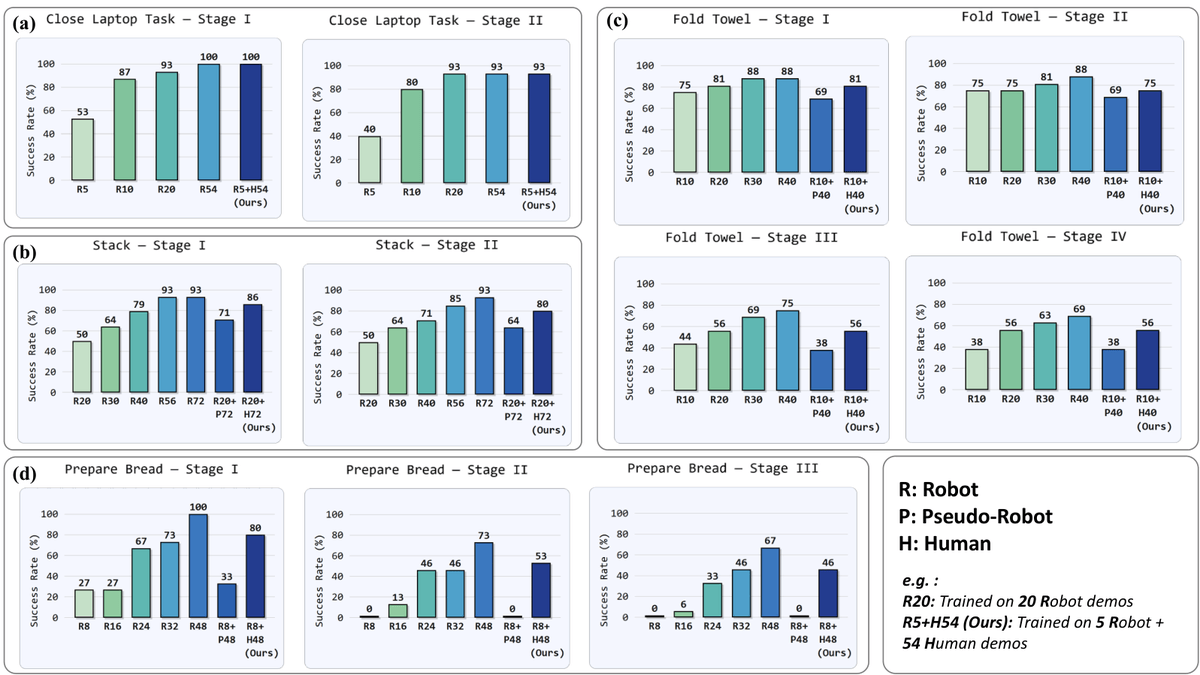
A new framework lets robots learn from human videos by aligning 2D features and 3D geometry, replacing up to 80% of costly teleoperation demos.
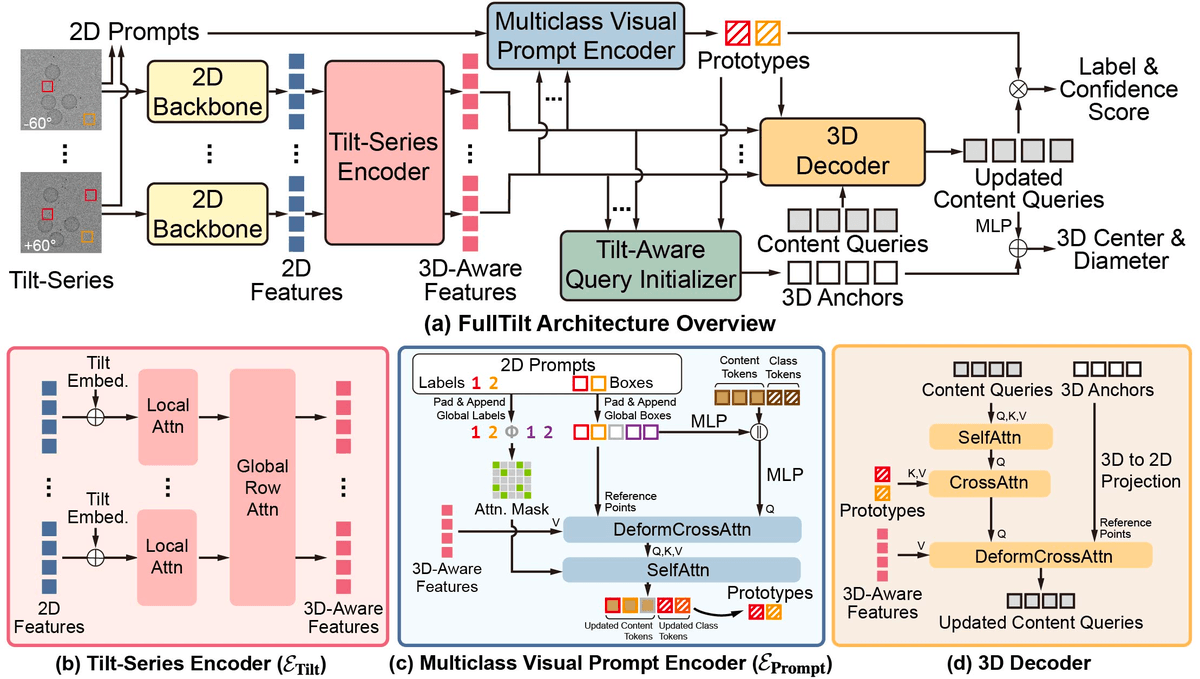
A new open-set detection framework skips the 3D tomogram entirely, running zero-shot particle picking on raw tilt-series hundreds of times faster.
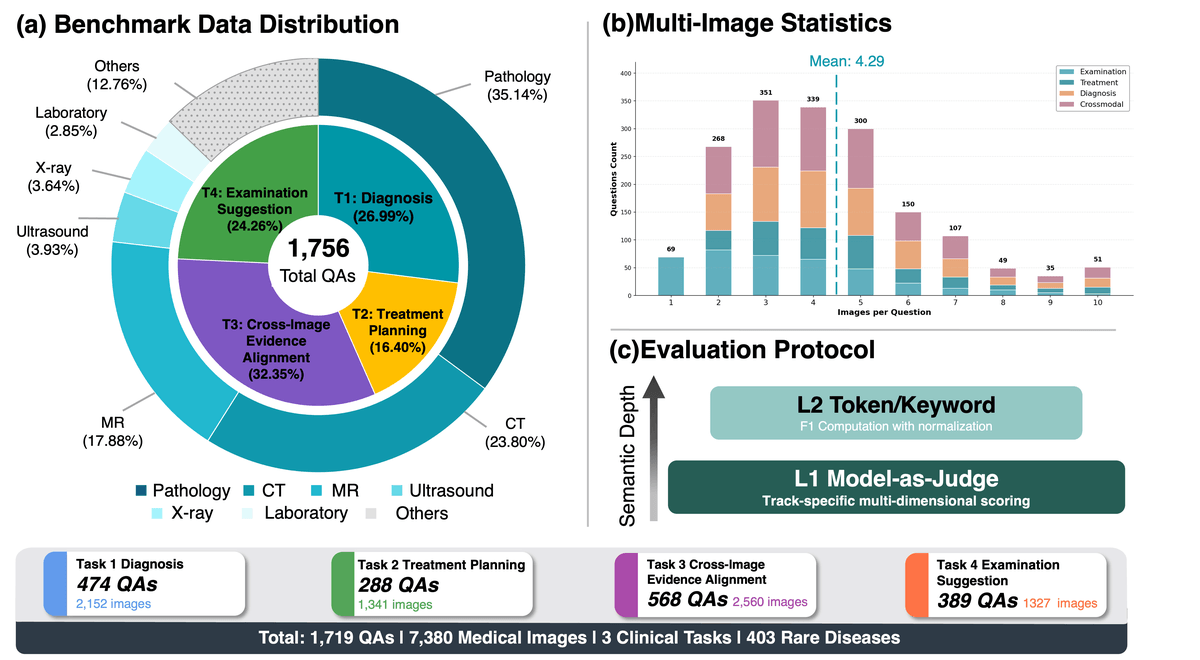
A new benchmark exposes how multimodal LLMs handle rare diseases, and why medical fine-tuning may hurt more than it helps on multi-image cases.
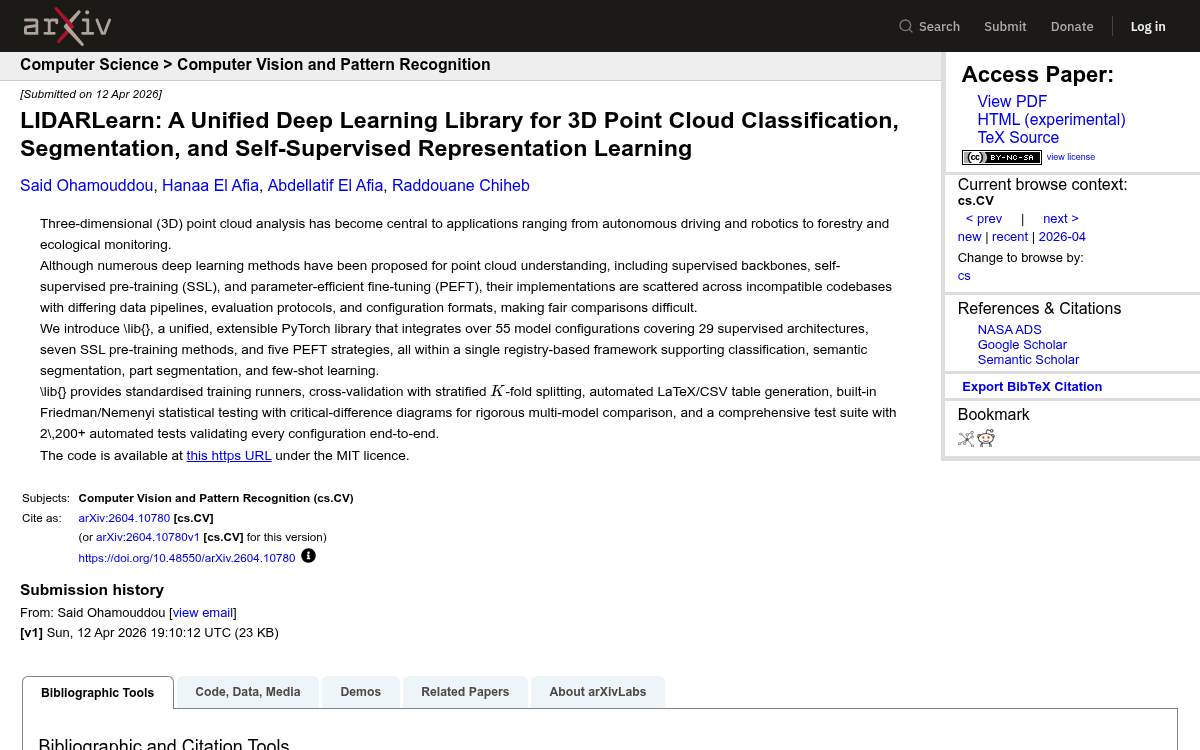
A new open-source PyTorch library unifies 29 supervised backbones, 7 self-supervised methods, and 5 fine-tuning strategies for 3D point cloud research.