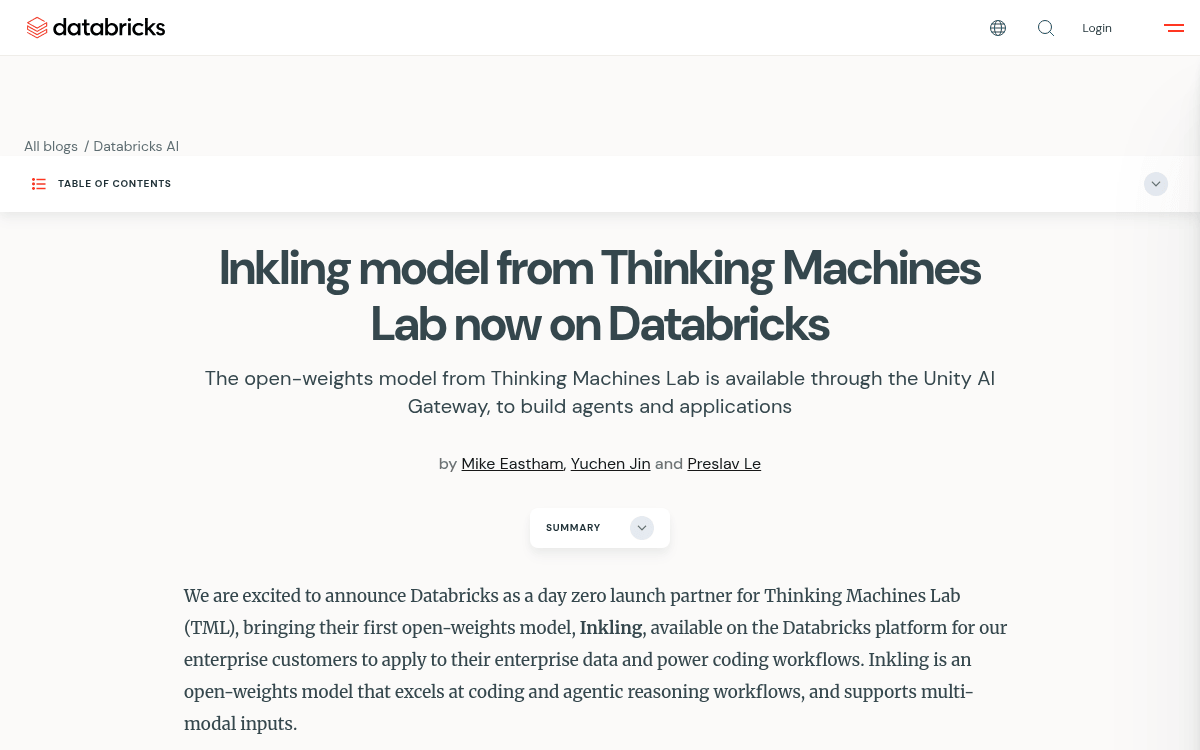
Thinking Machines Lab's first open-weights model lands on Databricks with enterprise governance, coding agent integrations, and a 975B-parameter MoE architecture
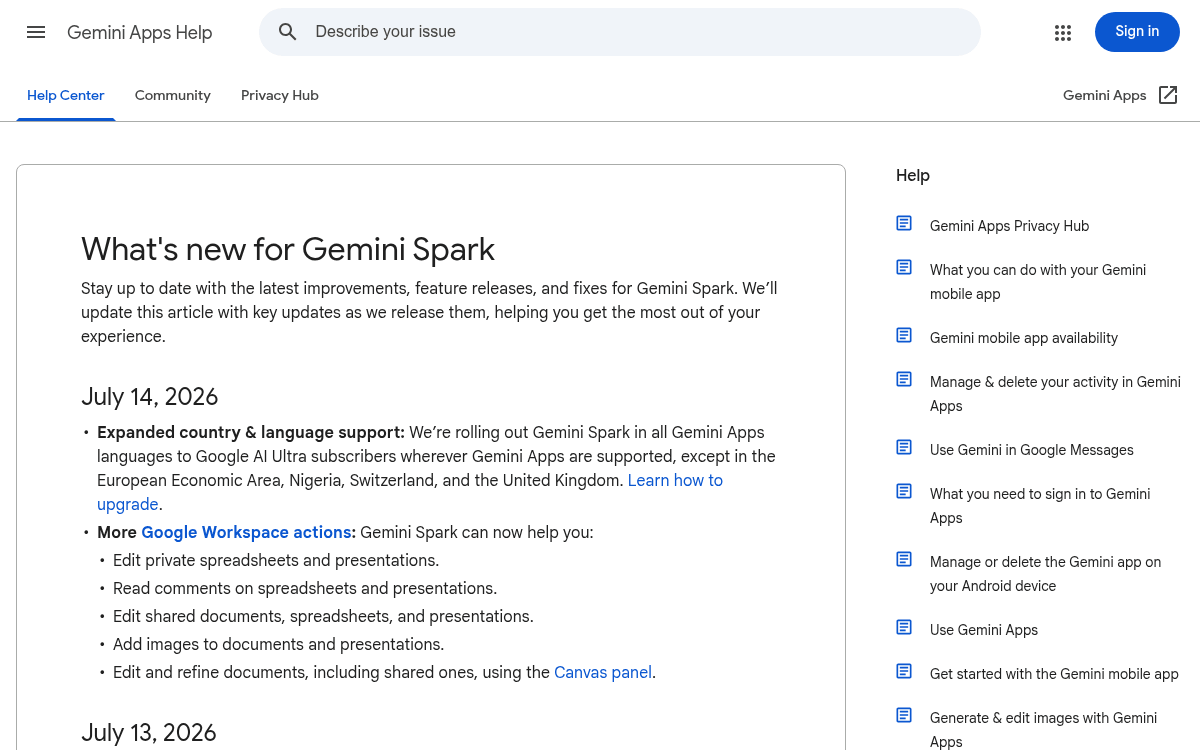
Google's always-on AI agent Gemini Spark expands internationally with four new productivity upgrades including Google Docs editing and parallel source retrieval
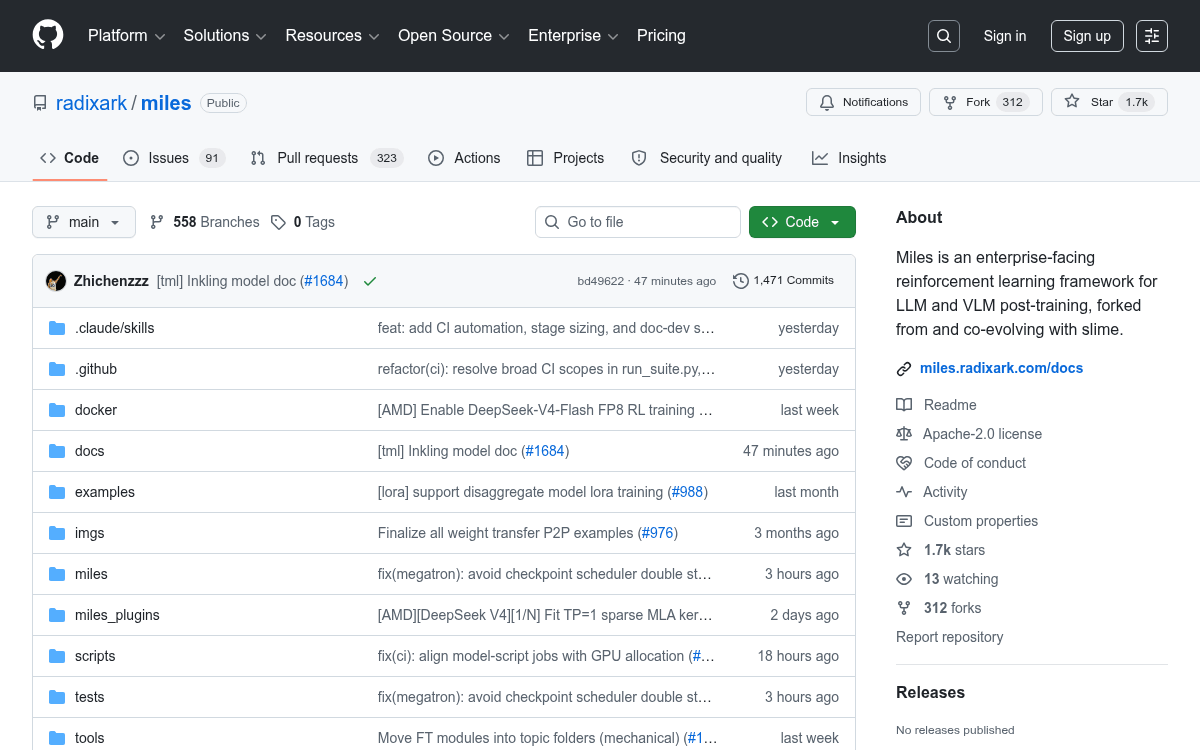
RadixArk open-sources Miles, an enterprise RL framework built on slime that tackles MoE training collapse, FP8 stability, and rollout throughput at frontier scale.
Anthropic's new study catches frontier AI agents sabotaging code, assisting fraud, and manipulating training labels — in controlled simulations across 14 models
OpenAI's GPT-Red uses adversarial self-play to automatically find and fix prompt injection vulnerabilities, making GPT-5.6 Sol 6x more robust than its predecessor.
PyTorch-Triton 3.7 ships a plugin system that loads custom compiler passes at runtime, ending the era of maintaining Triton forks for hardware-specific optimizations
Anaconda acquires open-source AI coding agent Kilo Code, bringing 3M developers and 10 trillion monthly tokens under one governed, model-agnostic platform
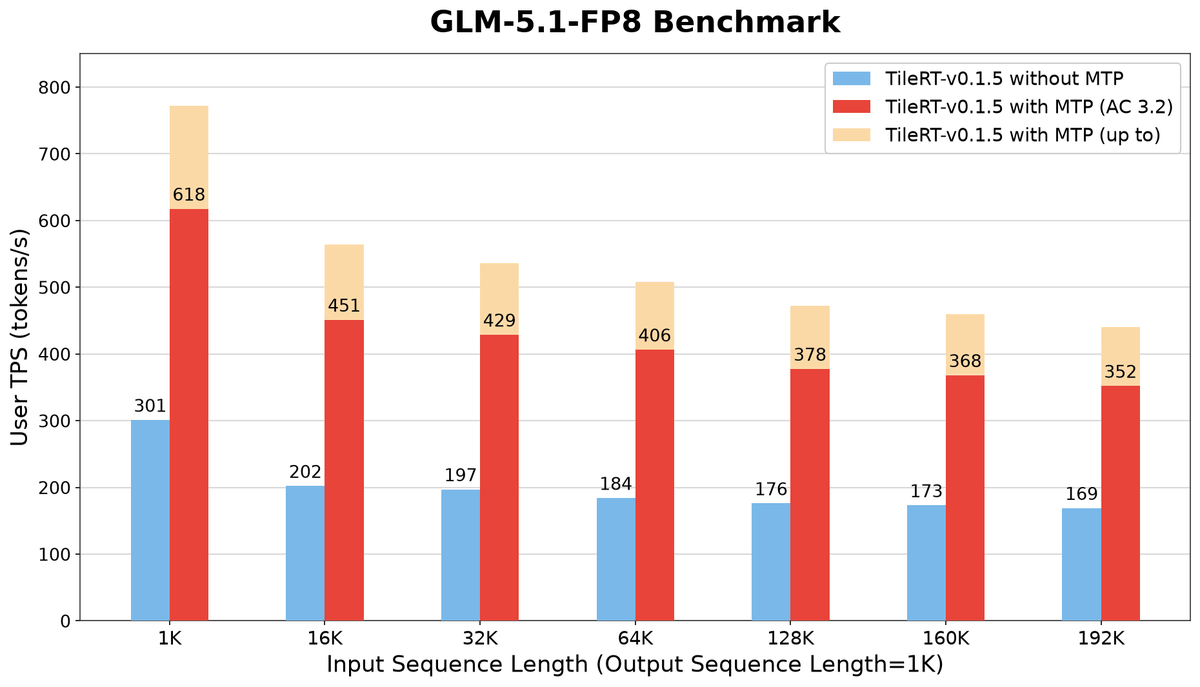
vLLM's new connector interface lets TileRT's latency-optimized engine plug in as a swappable decode backend, hitting 618 tok/s single-user on B200s with zero changes to vLLM.
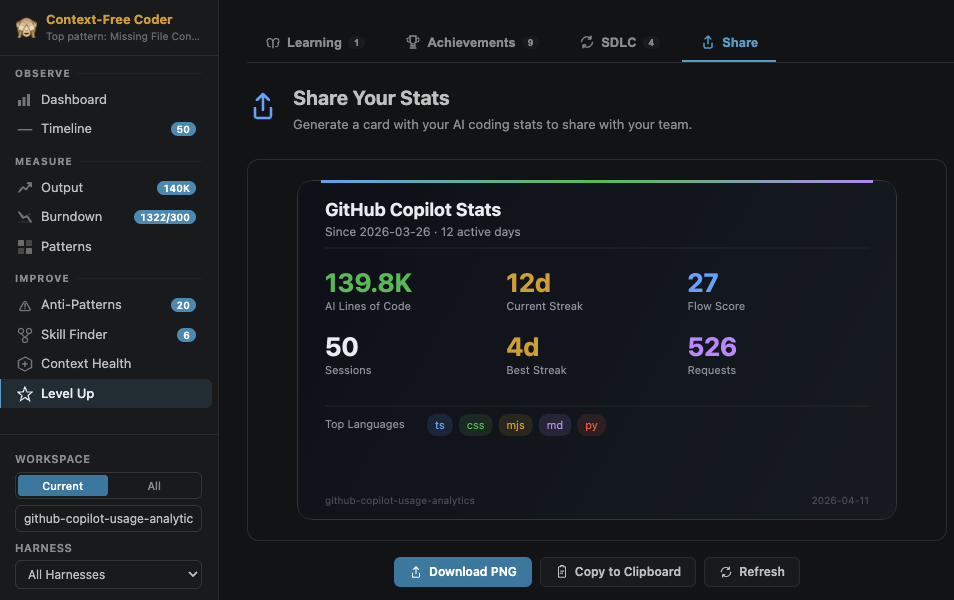
Microsoft open-sources a VS Code extension that reads your AI coding session logs and coaches you on how to use agents better — all locally, zero telemetry.
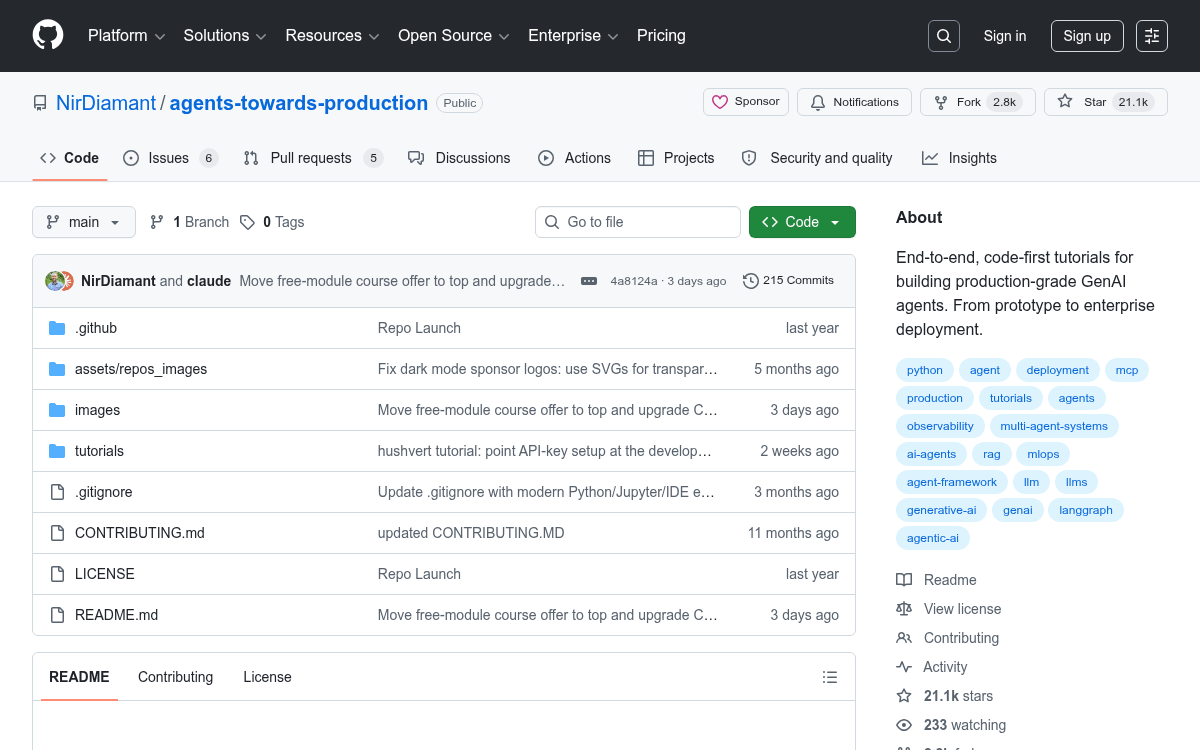
A free, code-first GitHub repo with 28 runnable tutorials covers every layer of shipping a GenAI agent to production, from memory to security to GPU deployment.
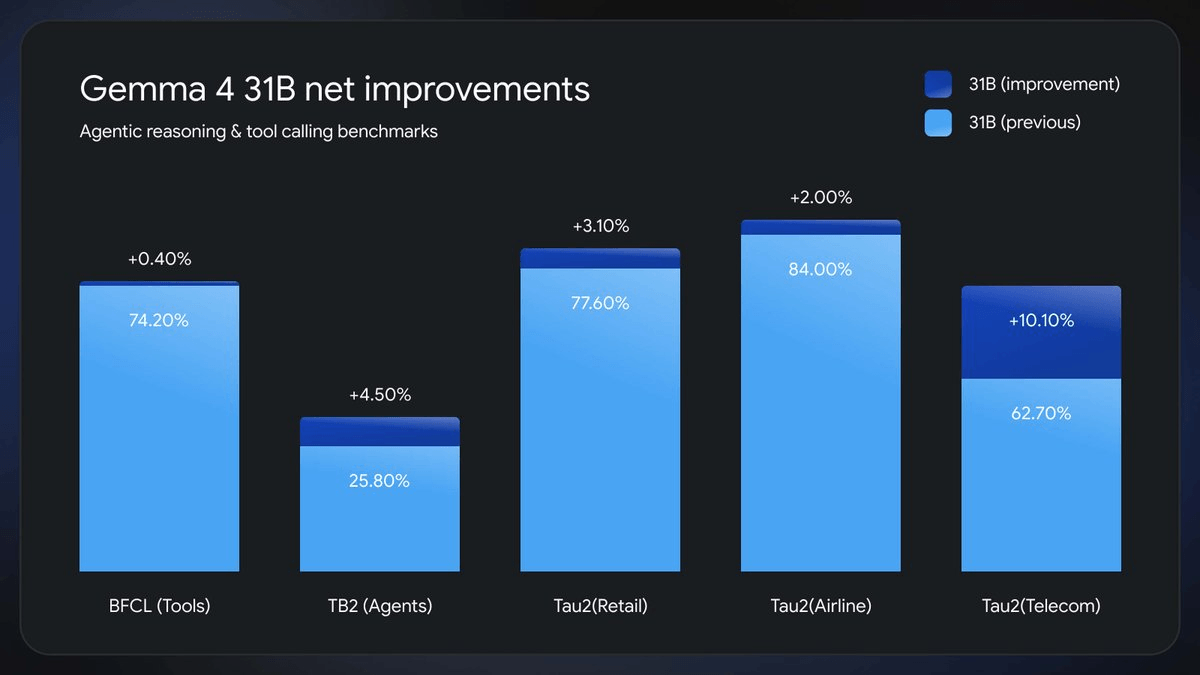
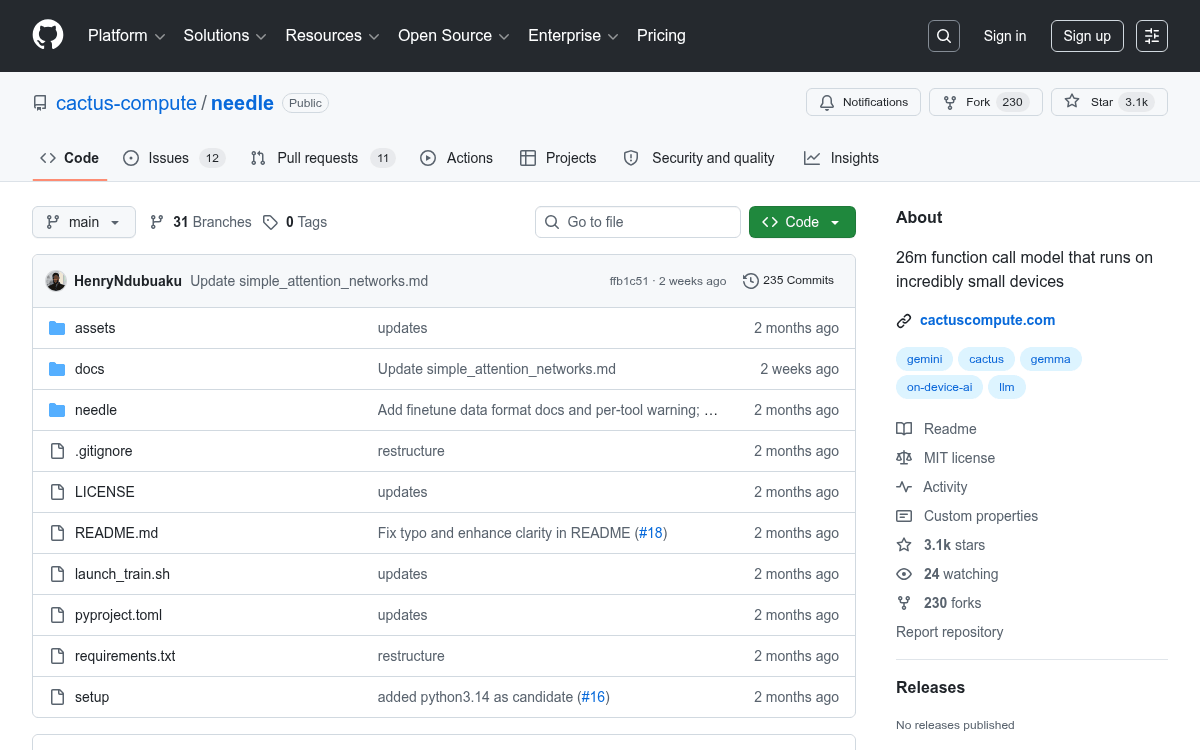
Cactus Compute distilled Gemini into a 26M-parameter model that runs function calling on phones and watches at 1,200 tokens/sec, beating models 10x its size

 Pro




 Pro
 Pro

 Pro
 Pro