Neetyabhas embeds real-world uncertainty and individual behavior into a hierarchical RL framework that optimizes pandemic interventions without assuming perfect data or compliance.
Dynamic Infilling Anchors (DIA) lets diffusion LLMs reliably produce structured outputs like JSON and chain-of-thought reasoning, no retraining required.
A new paper argues Recall@k is the wrong metric for ANN search, wasting compute and misrepresenting real-world quality — and proposes a better drop-in replacement.
GeoMin uses geometric distribution modeling to squeeze full reasoning gains from just 10% of labeled training data, beating fully supervised RLVR models.
Ant Group's Robbyant open-sources LingBot-Map, a streaming 3D reconstruction model that runs at 20 FPS over 10,000-frame sequences and beats offline methods on major benchmarks
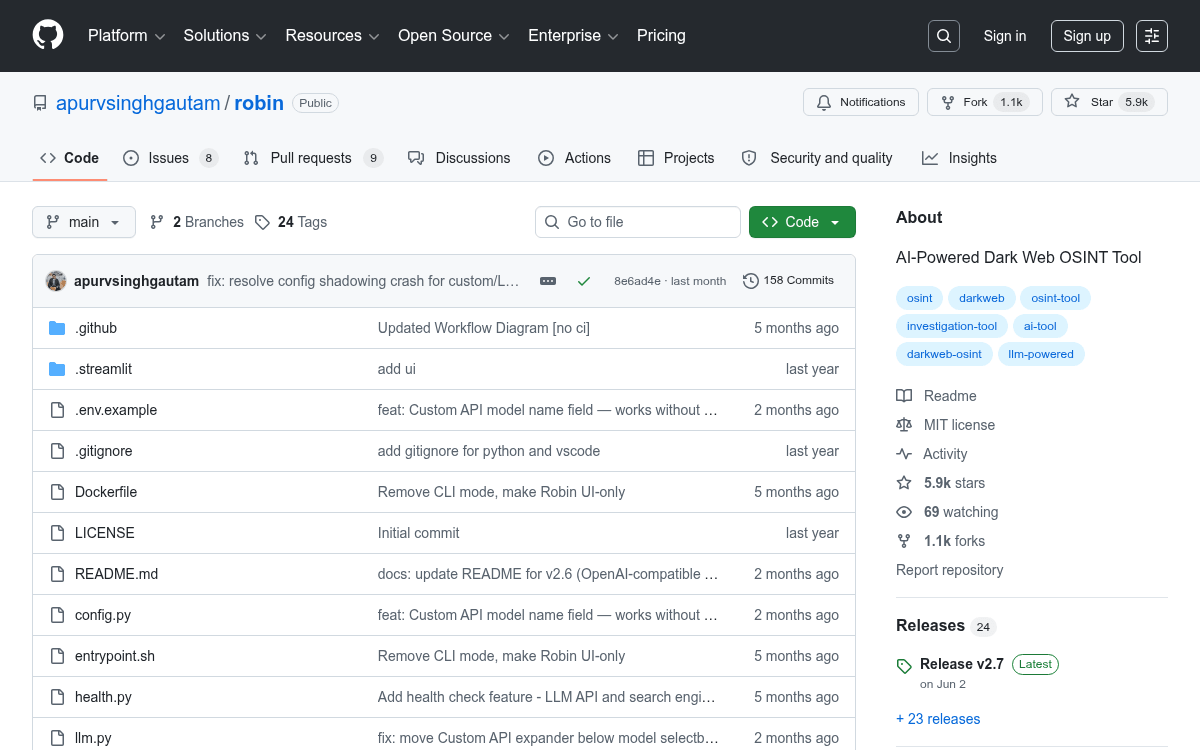
Robin is an open-source, LLM-powered dark web OSINT tool that automates query refinement, multi-engine search, and investigation summarization over Tor
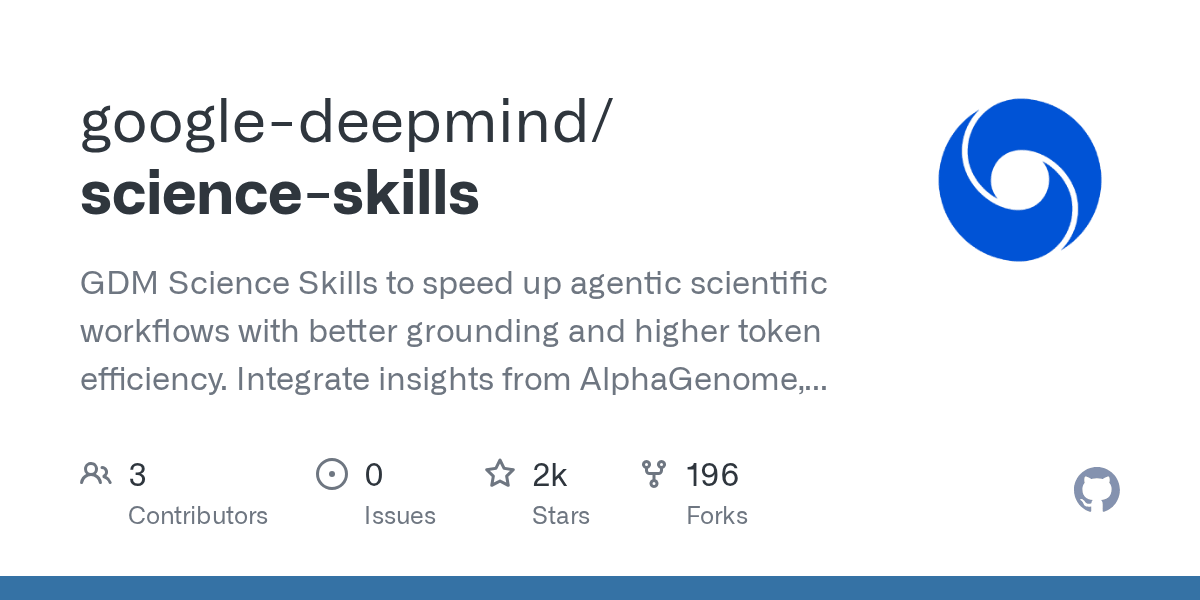
Google DeepMind open-sources Science Skills, a 34-tool bundle that cuts token usage in half and boosts agent reliability for biology and life science workflows
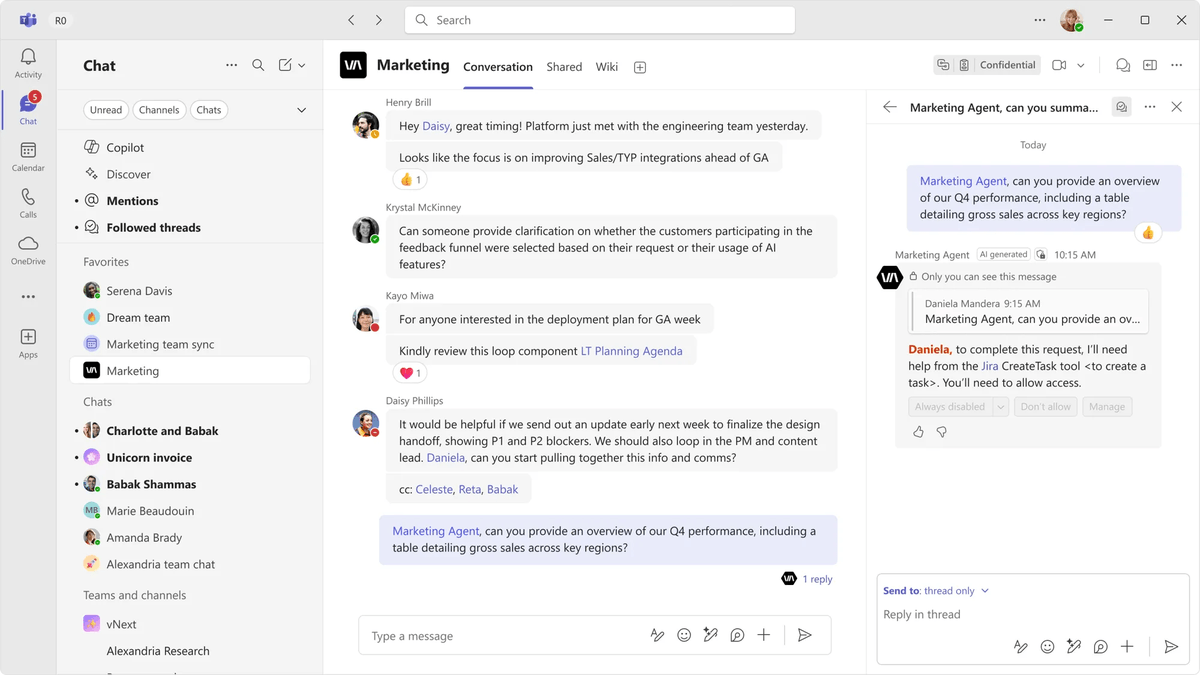
Microsoft's new Teams SDK and CLI let developers build agents that join conversations, react to messages, and run long-lived workflows — now GA in Python, JS, and C#.
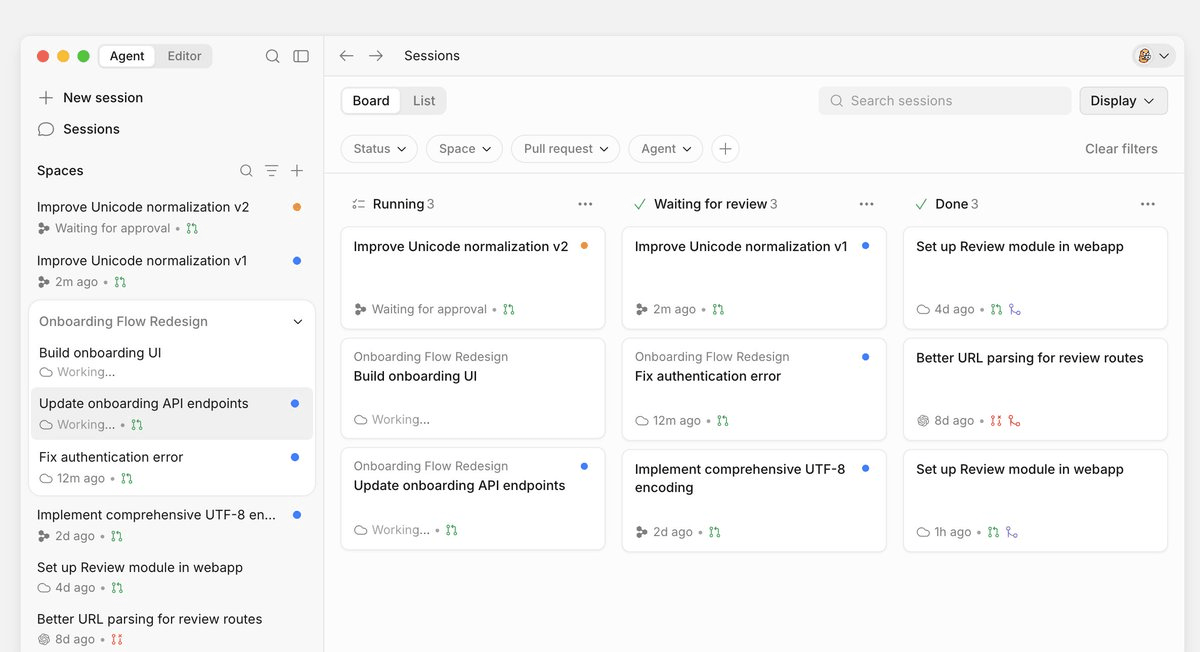
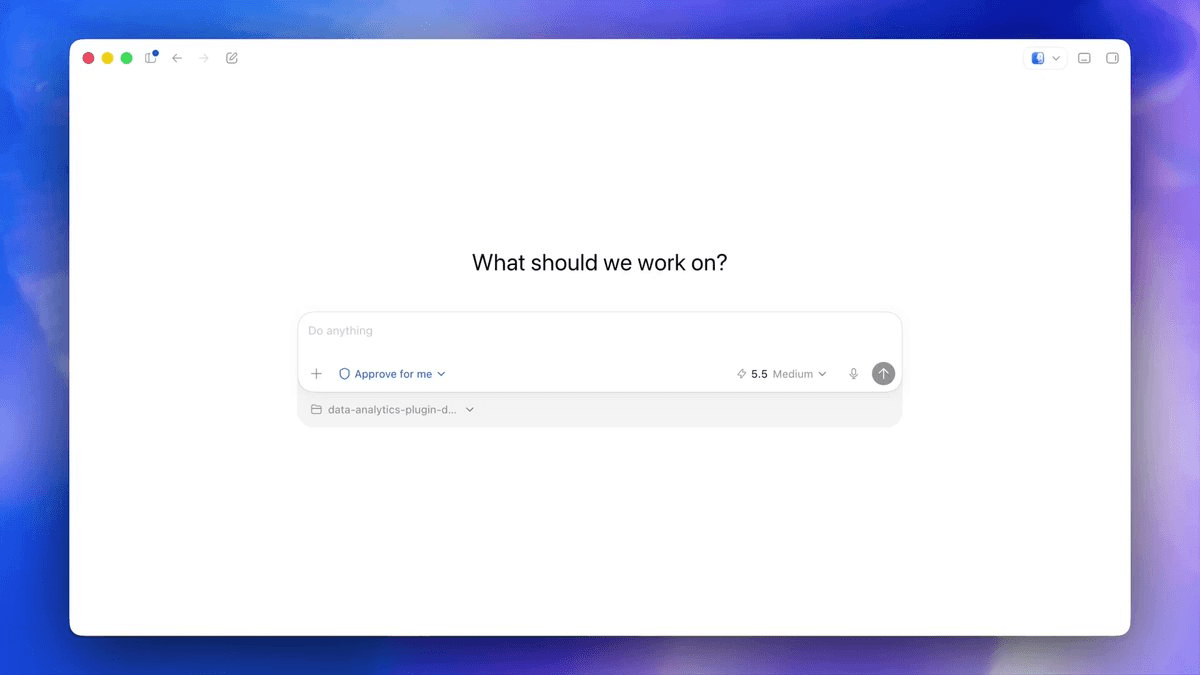
Cognition rebrands Windsurf as Devin Desktop, adding a multi-agent command center, ACP support, and a Rust-rewritten local agent that's 30% more token-efficient
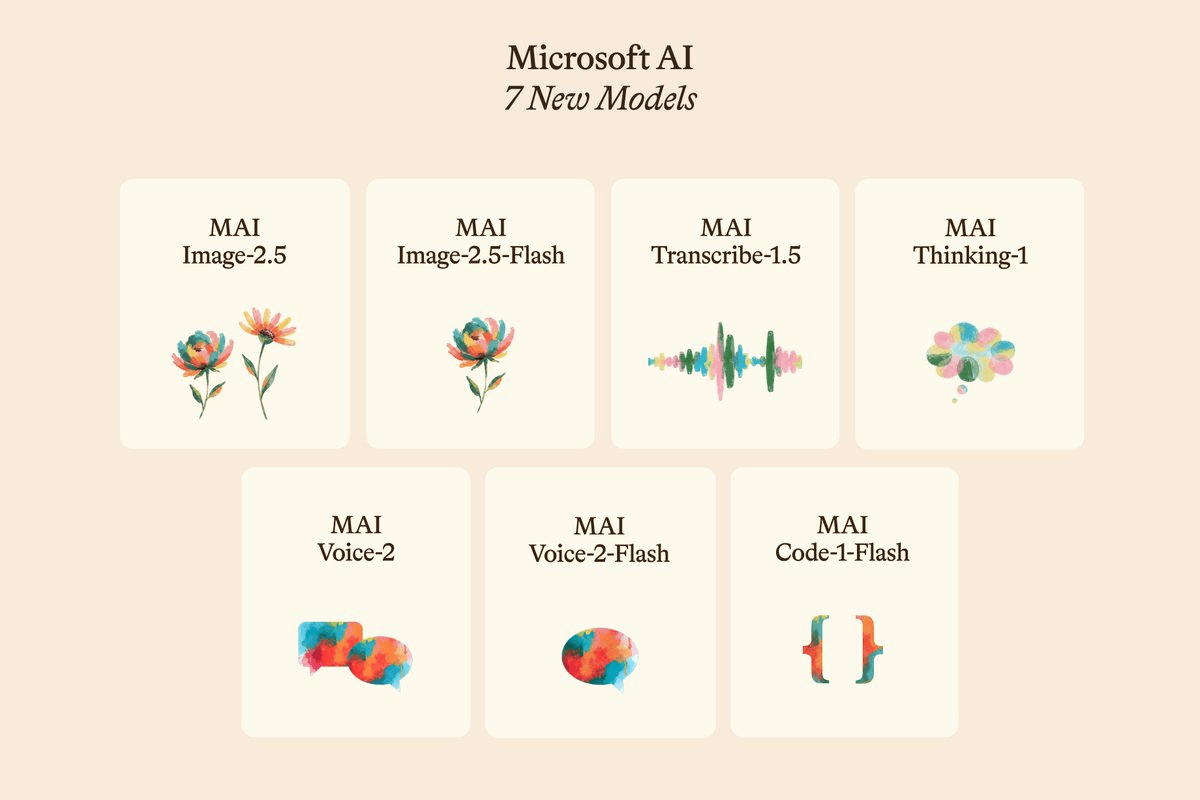
Microsoft launches seven in-house AI models at Build 2026, spanning reasoning, code, image, transcription, and voice — all built without distillation from other labs
Microsoft's in-house MAI-Image-2.5 debuts at #2 on Arena's image editing leaderboard, beating GPT-Image-1.5 and Google's Gemini models with a 75-point ELO jump over its predecessor.
Manus ships native MCP connectors, reusable Skills, and recurring runs that stay in the same context, turning the agent into an always-on personal Chief of Staff.

 Pro