

Pro
MiniMax Drops M3, an Open 428B Model With 1M-Token Context
MiniMax open-sources M3-MXFP8, a 428B-parameter multimodal MoE with a 1M-token context window, new sparse attention, and frontier coding scores — all runnable locally.
20 stories
MiniMax open-sources M3-MXFP8, a 428B-parameter multimodal MoE with a 1M-token context window, new sparse attention, and frontier coding scores — all runnable locally.
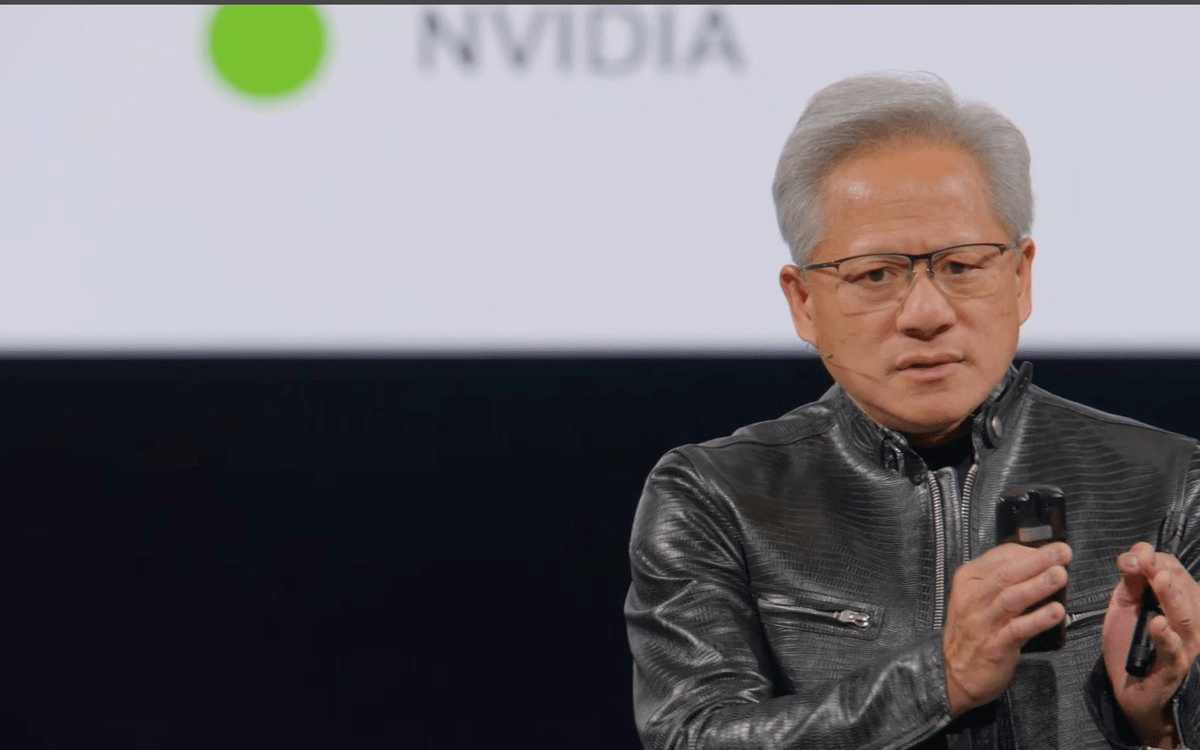
Nous Research teases 'Aura,' its next open-source model trained on the Psyche decentralized network, pushing distributed AI training into a new phase
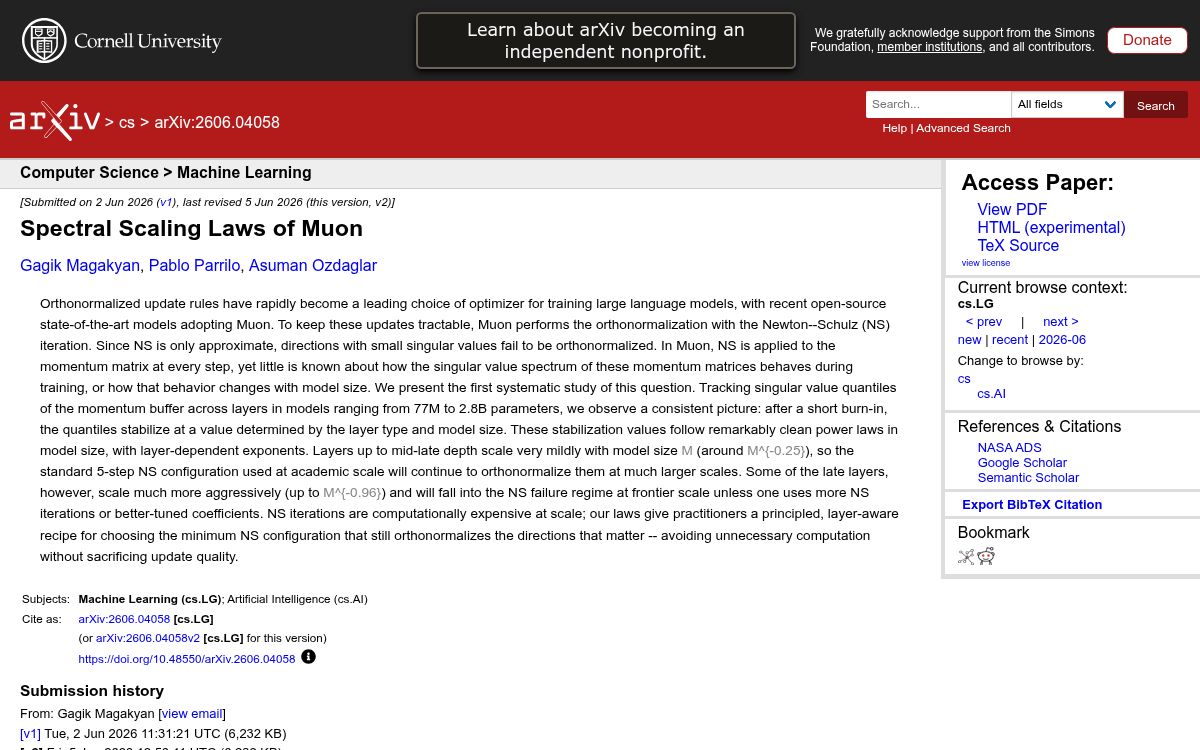
A new paper from MIT maps how Muon's momentum spectra scale with model size, revealing a hidden failure mode in late layers at frontier scale -- and how to fix it cheaply.
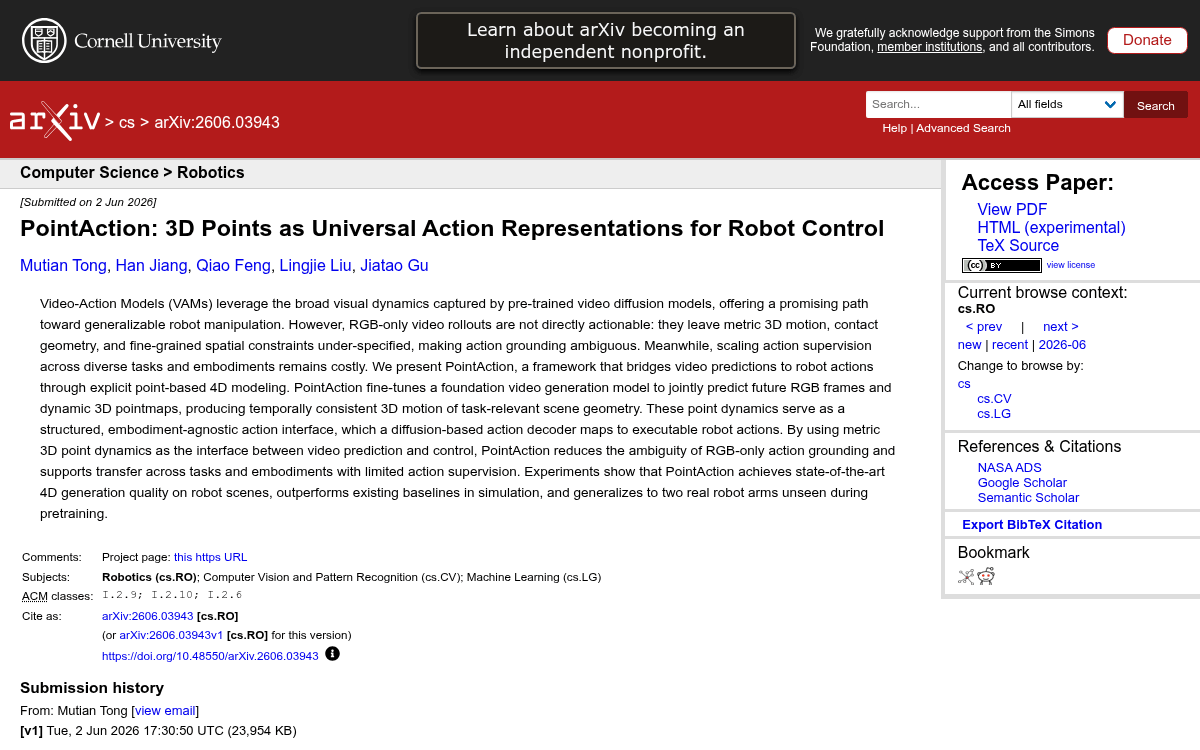
Researchers from Penn introduce PointAction, using 3D point dynamics as a universal bridge between video world models and robot control, outperforming VLA baselines across embodiments.
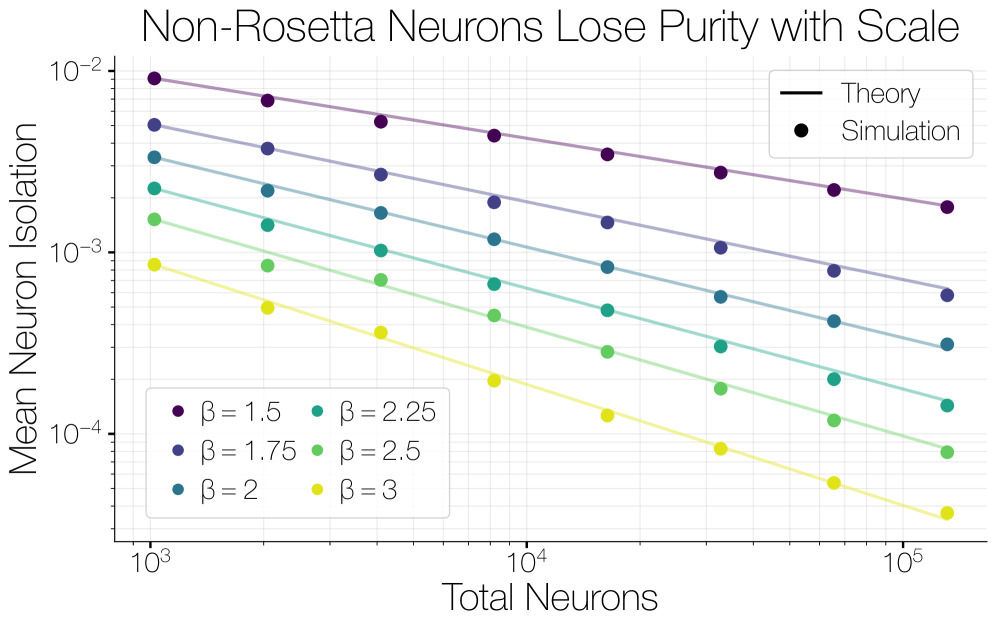
A new scaling law shows that as models grow, a small set of universal neurons becomes sharper and more specialized while the rest stay noisy — with real implications for interpretability and data curation.
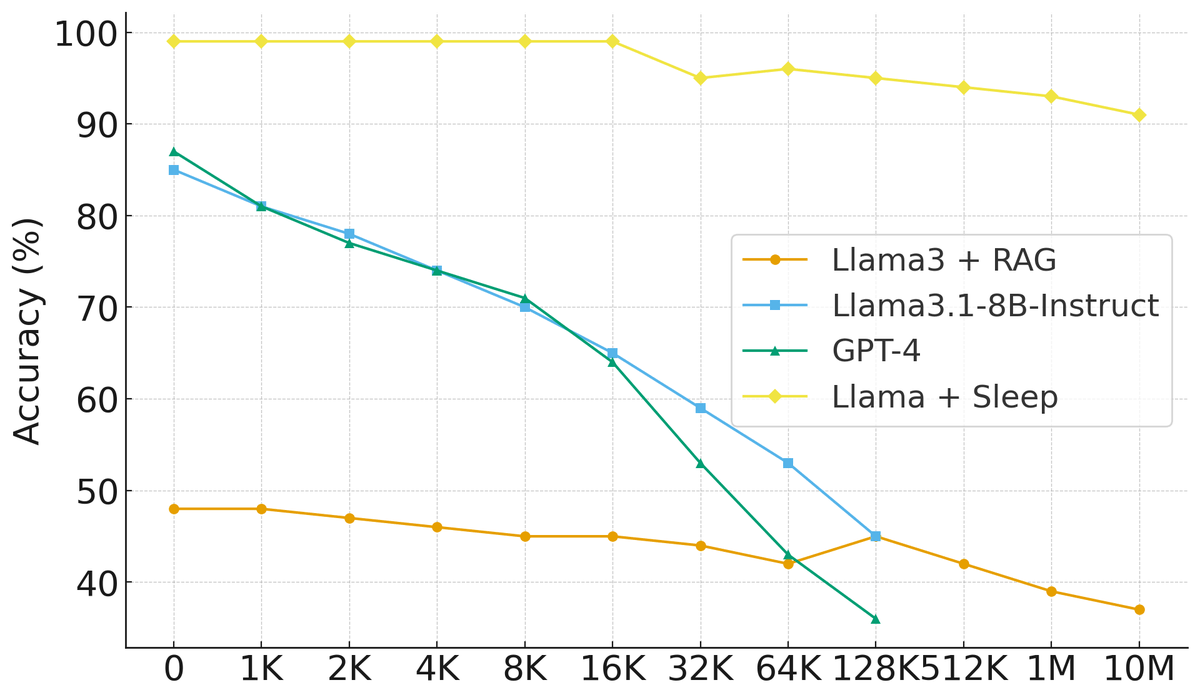
Researchers from Google Research and Cornell University propose a 'Sleep' paradigm that lets LLMs consolidate short-term context into long-term parameters — without catastrophic forgetting
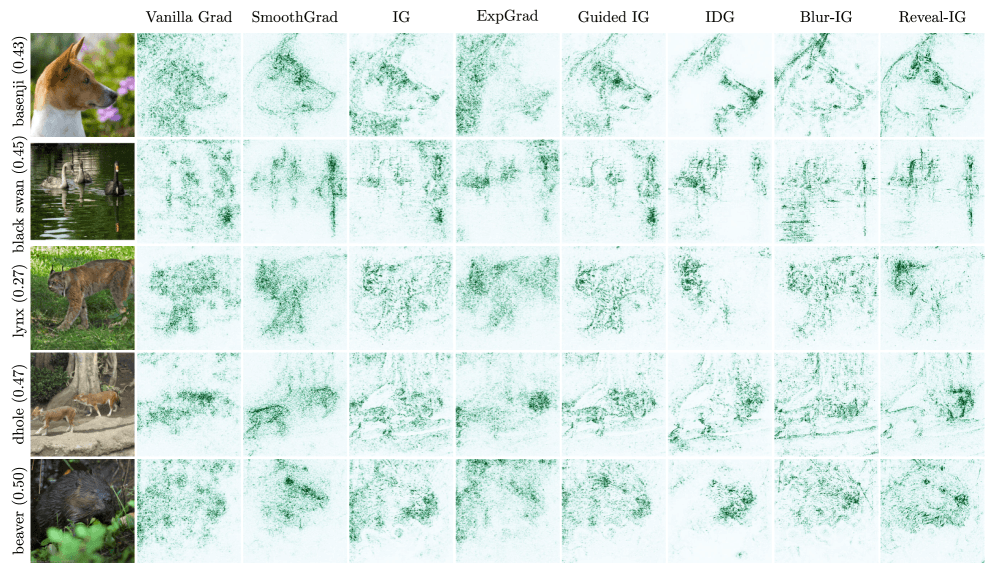
Reveal-IG replaces raw input traversal with distributional probes, fixing sign errors and path artifacts in feature attribution for images and tabular data
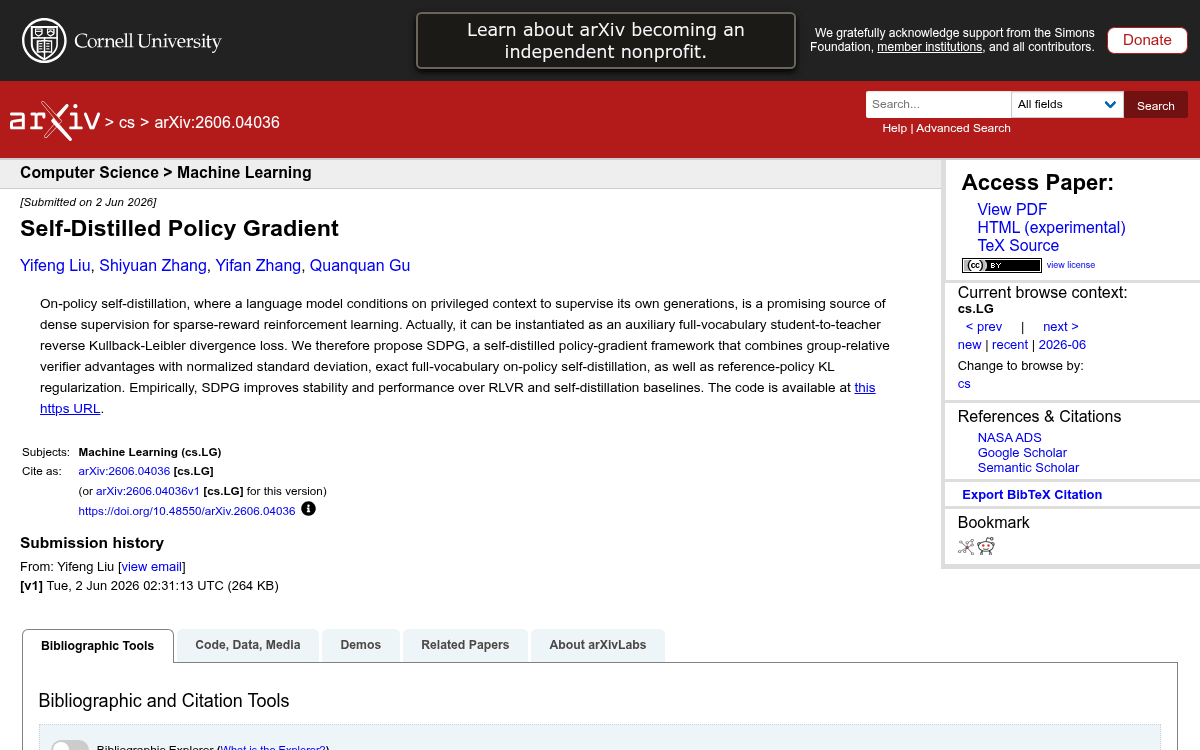
SDPG unifies verifier-based RL and self-distillation into a single training objective, fixing the sparse-reward and mode-collapse problems that plague both approaches separately
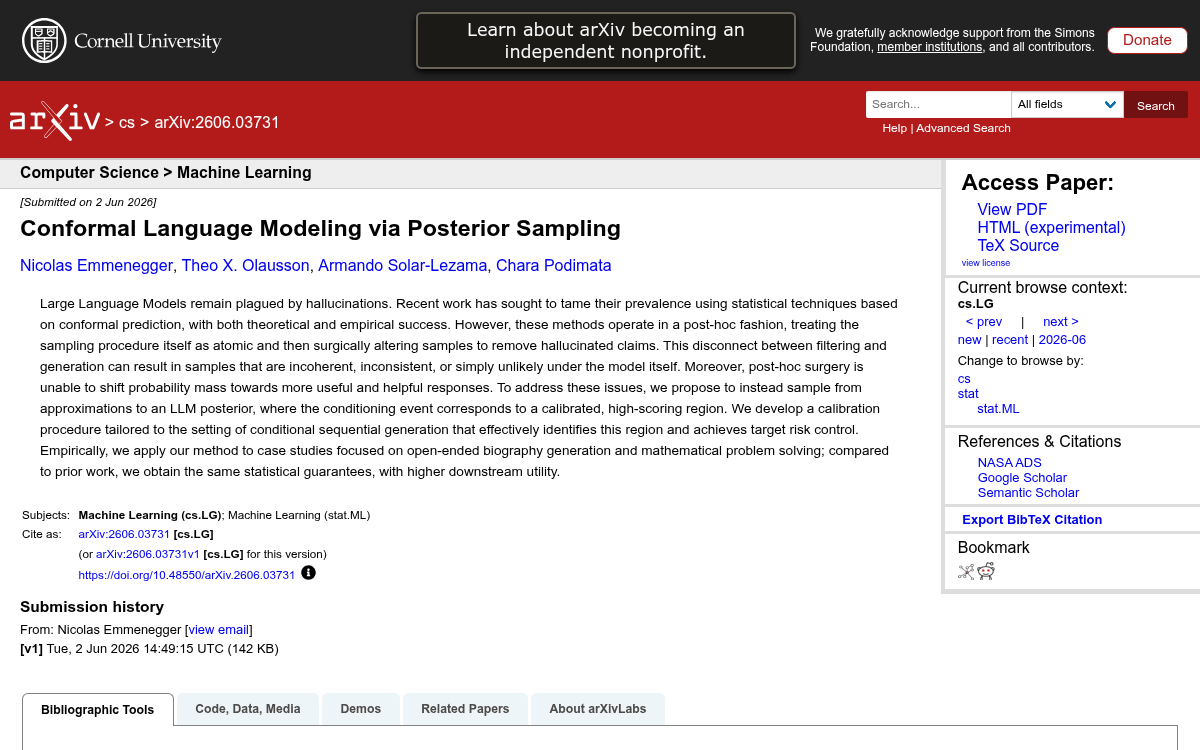
MIT researchers fix a core flaw in conformal LLM hallucination control by calibrating the sampling distribution itself, not just filtering outputs after the fact.
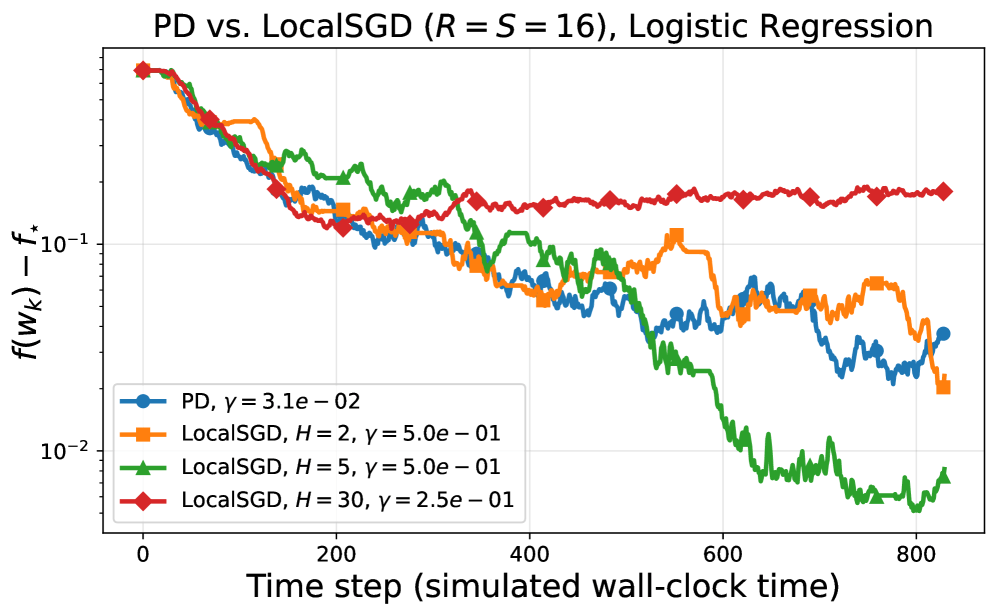
Researchers prove the first convergence guarantee for PipeDream-style training, revealing a quartic S⁴ staleness penalty that worsens with pipeline depth
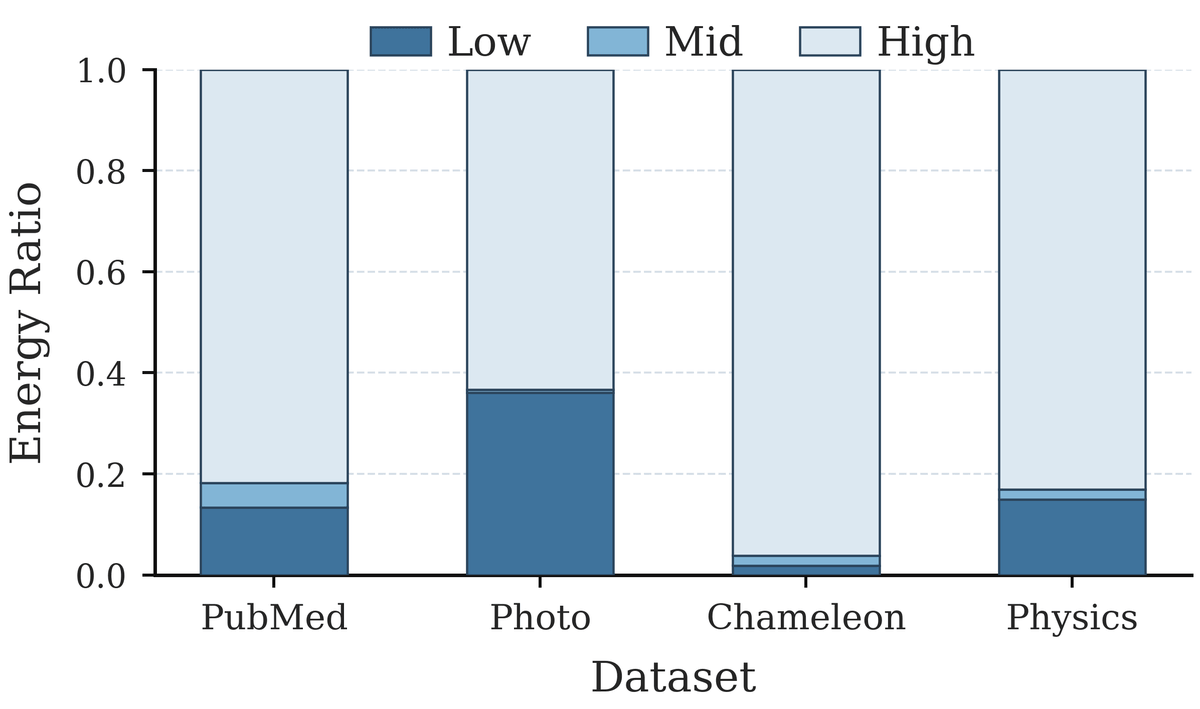
SPG introduces spectral signal decomposition and geometry-aware prototypes to finally crack cross-domain graph transfer learning
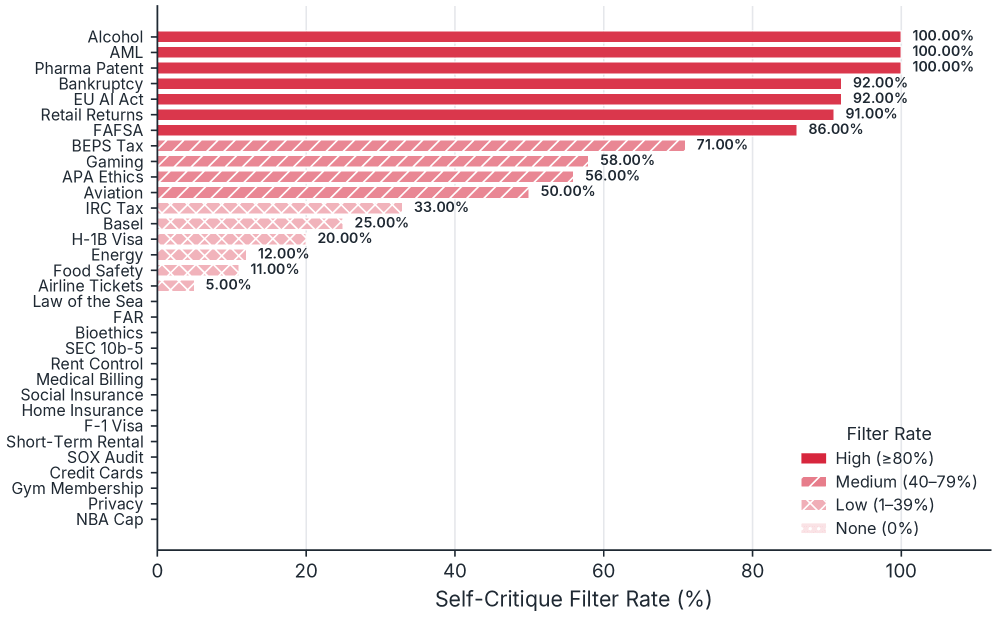
A new paper shows RL-trained LLMs spontaneously discover regulatory loopholes across finance, healthcare, and immigration -- without ever being asked to look for them
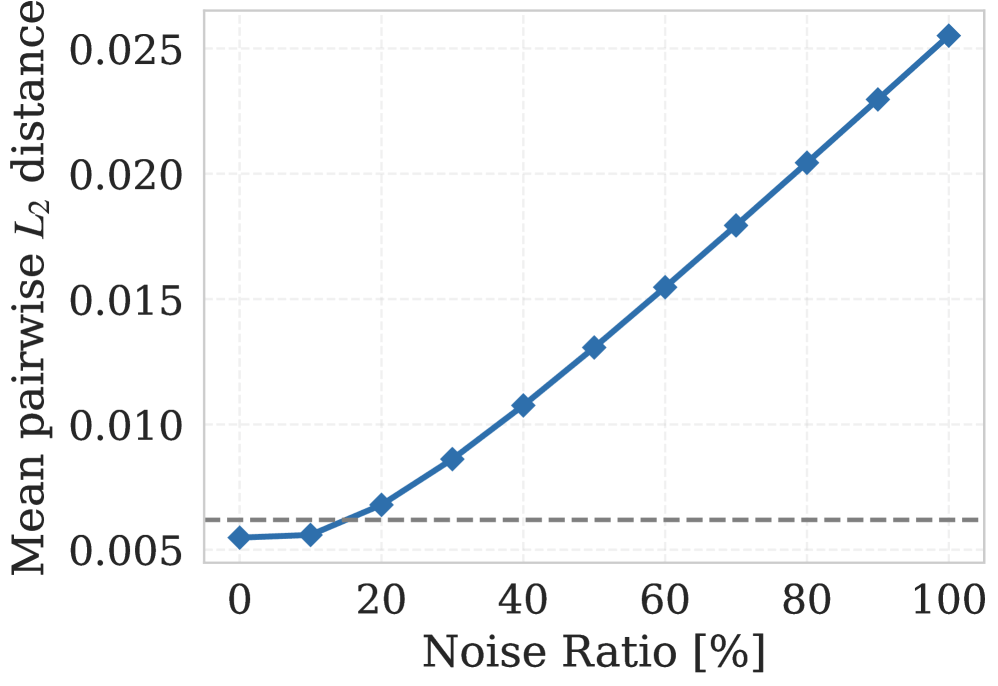
Researchers sidestep the intractable OT problem entirely by redesigning the prior, cutting trajectory curvature in half and boosting few-step image generation quality.
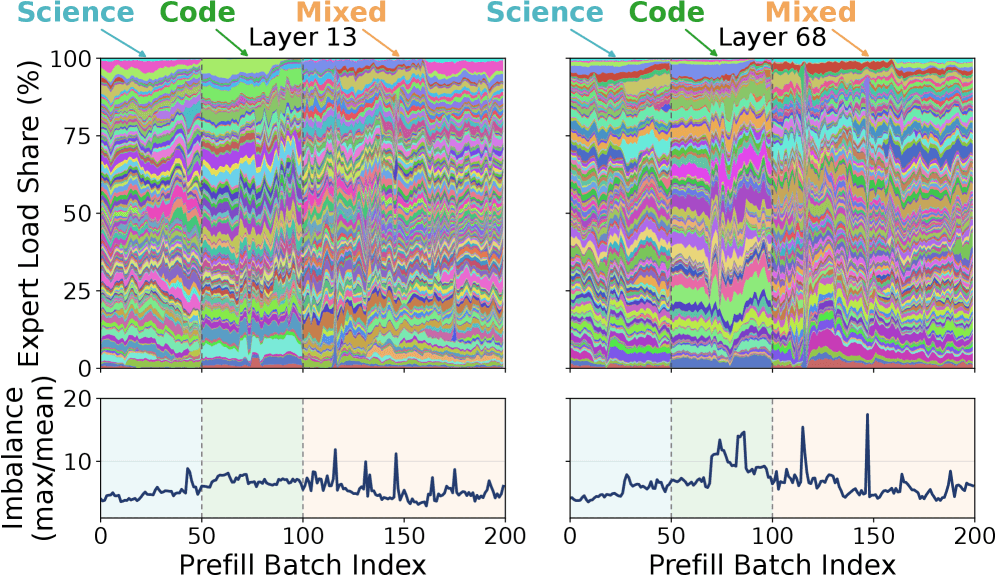
UltraEP solves real-time expert load imbalance in MoE training and inference, hitting 94.3% of theoretical peak throughput across models up to 671B parameters
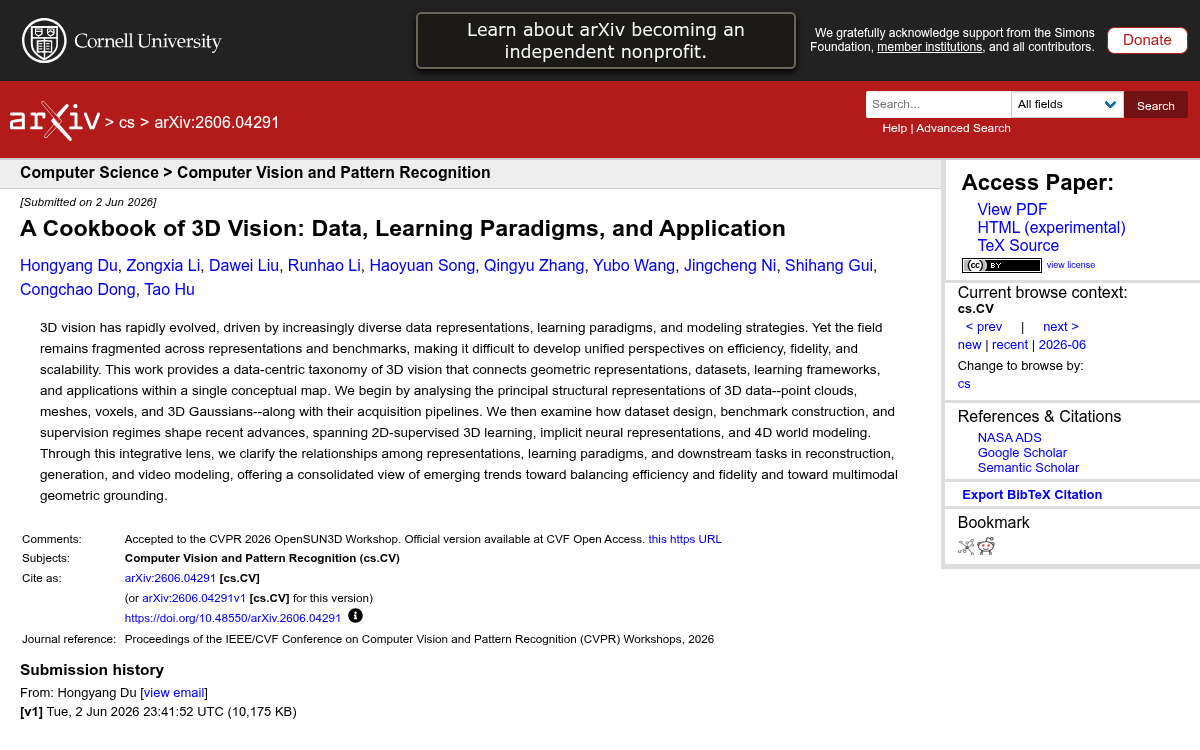
A CVPR 2026 workshop paper maps every major 3D data format, dataset, and learning paradigm into one unified reference for practitioners navigating a fragmented field.
DiverAge adds a training-free guidance module to diffusion-based face aging that keeps identity coherent across a full lifespan sequence while preserving visual diversity
Humanoid-GPT trains a GPT-style Transformer on 2 billion motion frames, breaking the agility-generalization tradeoff that has bottlenecked humanoid robot control for years.
AgenticRL uses a multimodal GPT agent to write, test, and rewrite its own reward functions for drone navigation — hitting 91% real-world success with zero manual reward engineering
QUBRIC shows that rewriting training prompts alongside rubrics unlocks RL training for tasks where no ground-truth answer exists, gaining +5.5 points on ArenaHard
A new RL framework replaces scalar rewards with reward distributions, making behavioral diversity a natural byproduct of uncertainty rather than a fragile tuning knob.