
Pro
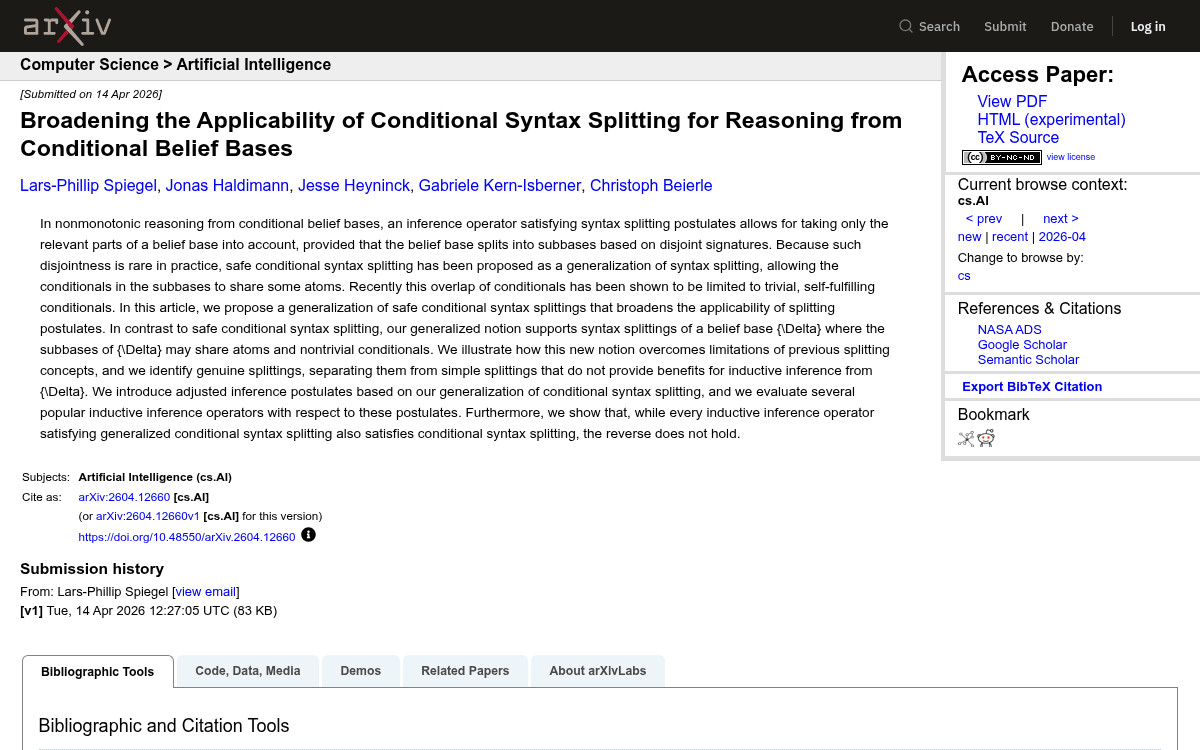
Researchers Fix a Decades-Old Flaw in Symbolic AI's Reasoning Rules
A new generalization lets knowledge bases share atoms and nontrivial rules across subparts, expanding when modular reasoning shortcuts can safely apply.
20 stories
A new generalization lets knowledge bases share atoms and nontrivial rules across subparts, expanding when modular reasoning shortcuts can safely apply.
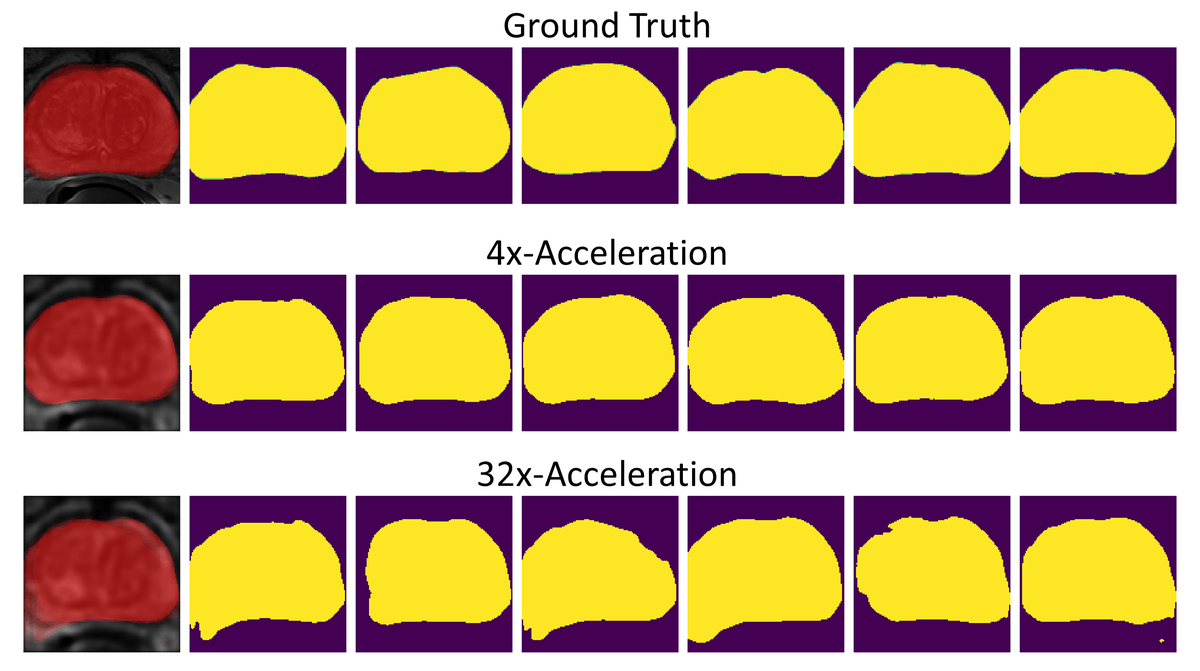
A new framework treats MRI acquisition as an information problem, jointly learning what to sample and what to infer with calibrated uncertainty.
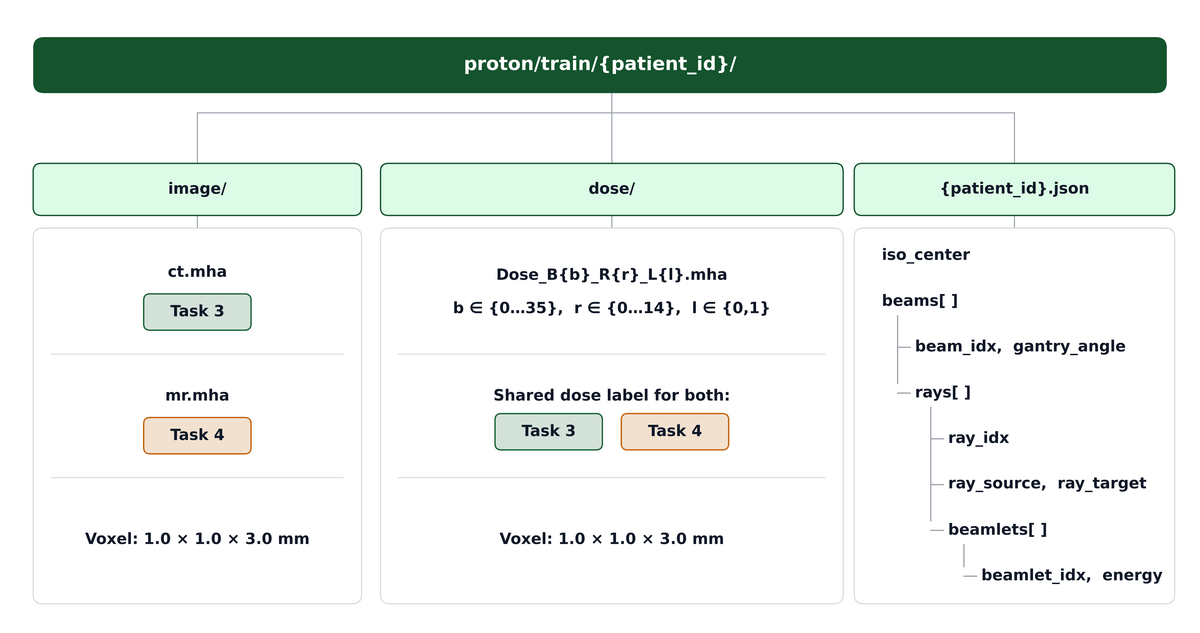
A public benchmark of 40,500 photon beams and 81,000 proton beamlets paired with CT and MRI aims to make deep learning dose engines finally reproducible.
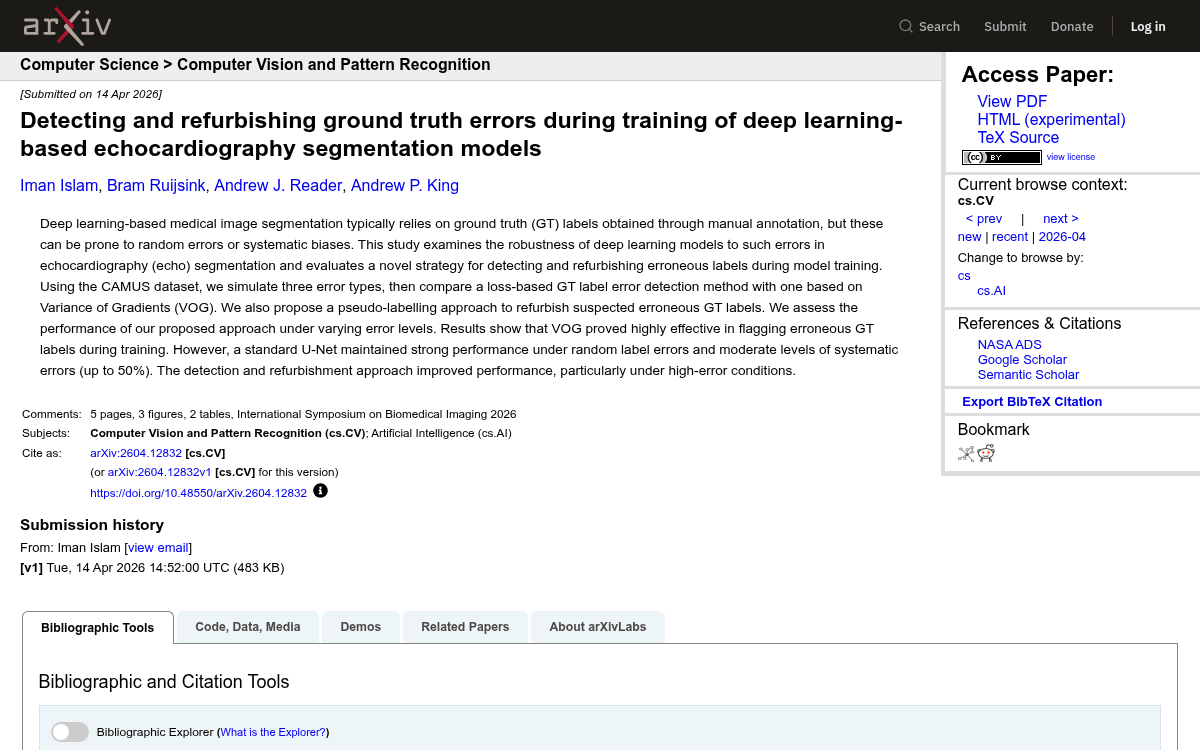
A new study finds U-Nets shrug off most annotation noise in heart ultrasound, but a gradient-variance trick can rescue models under heavy systematic errors.
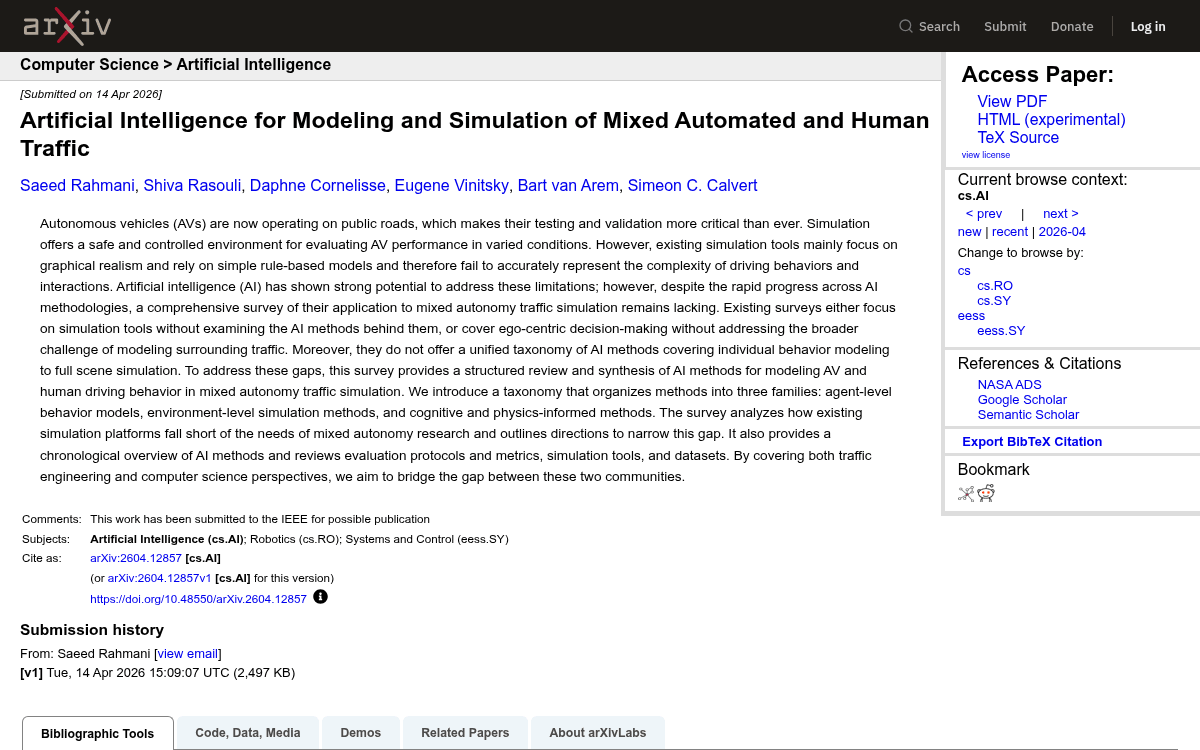
A comprehensive taxonomy maps every AI method being used to simulate how autonomous vehicles and human drivers actually interact on shared roads.
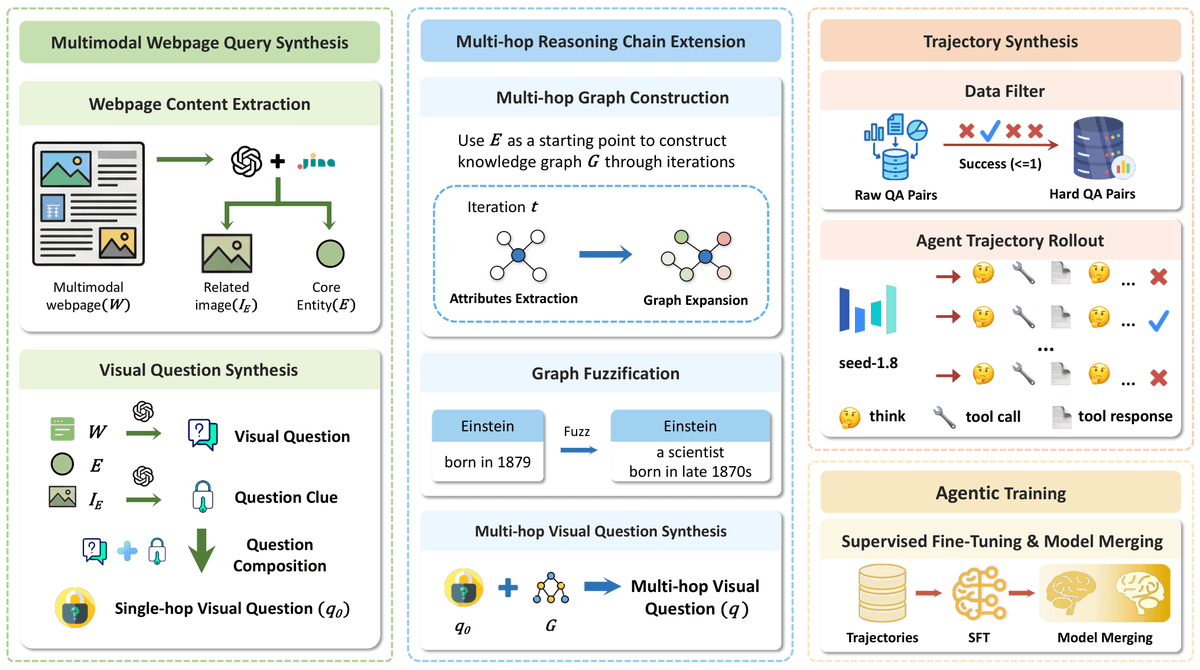
A file-based memory system lets multimodal agents scale to 100 search turns without drowning in image tokens, setting new open-source records.
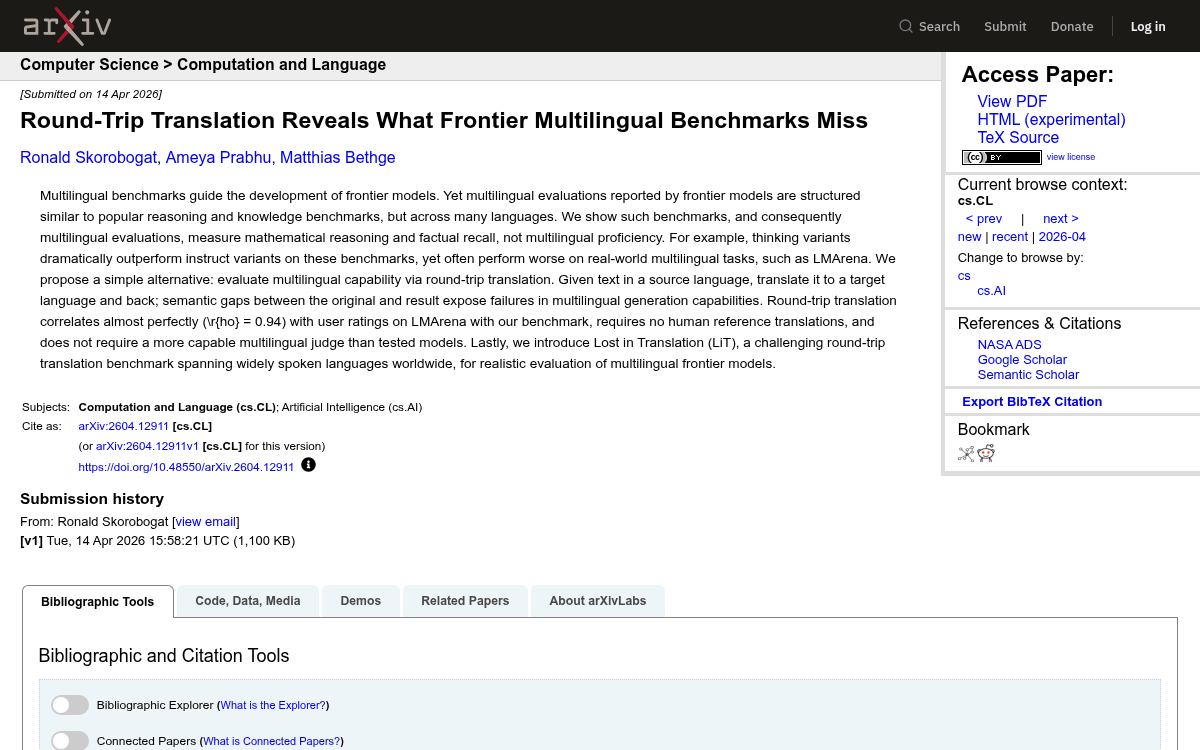
A new study argues popular multilingual benchmarks quietly measure math and trivia, and proposes round-trip translation as a cleaner fix.
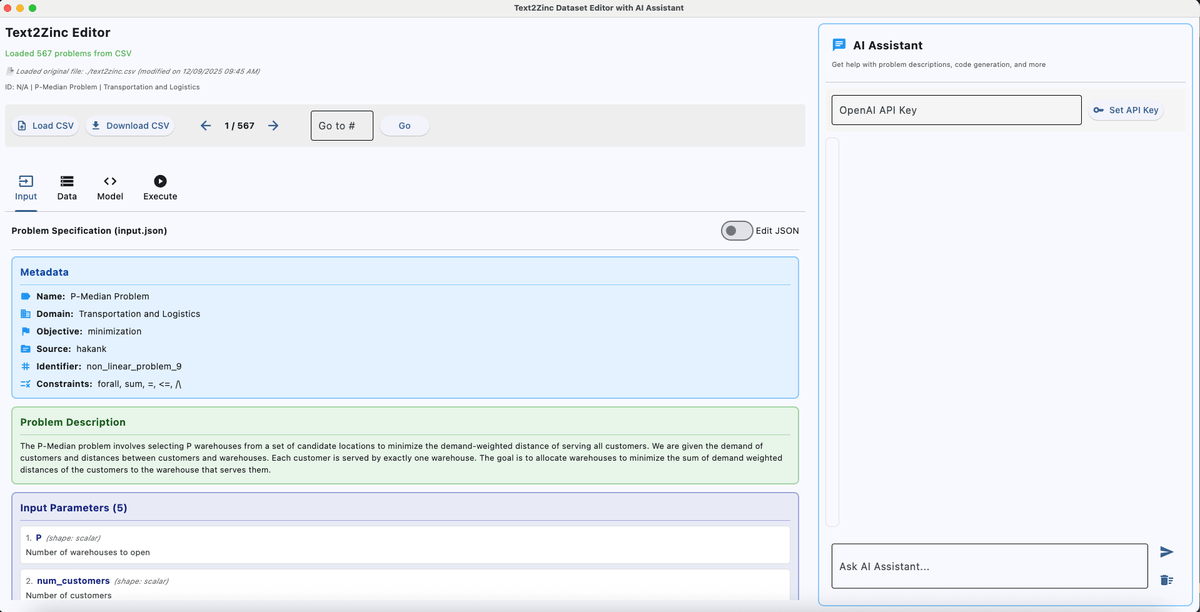
A new benchmark and copilot suite tests whether LLMs can turn plain-English problem descriptions into working optimization models, with mixed results.
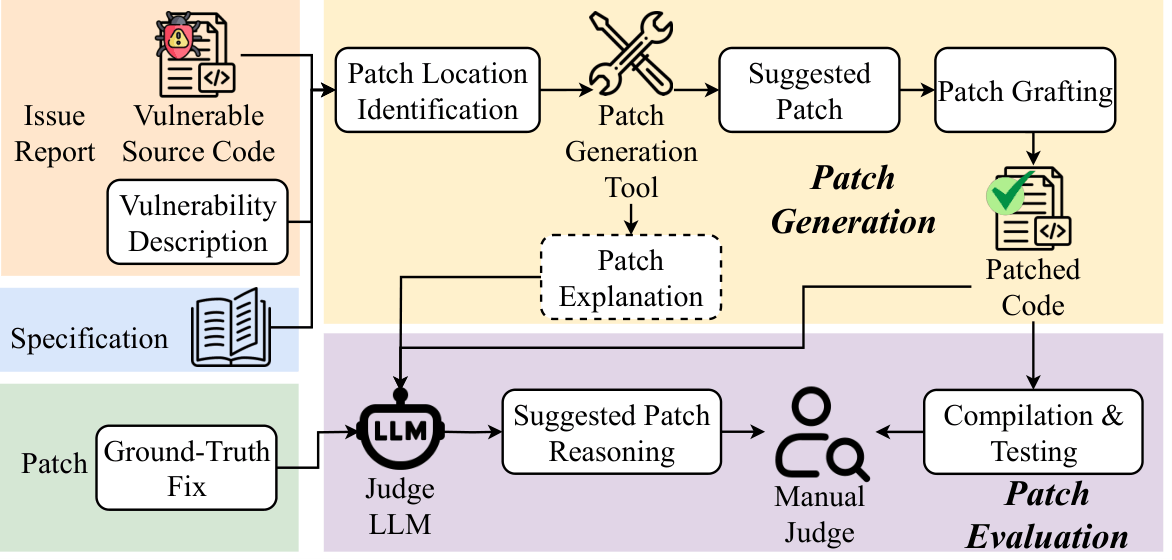
A new benchmark of 86 real-world CVEs exposes why automated program repair and LLM prompting still stumble on business-logic bugs.
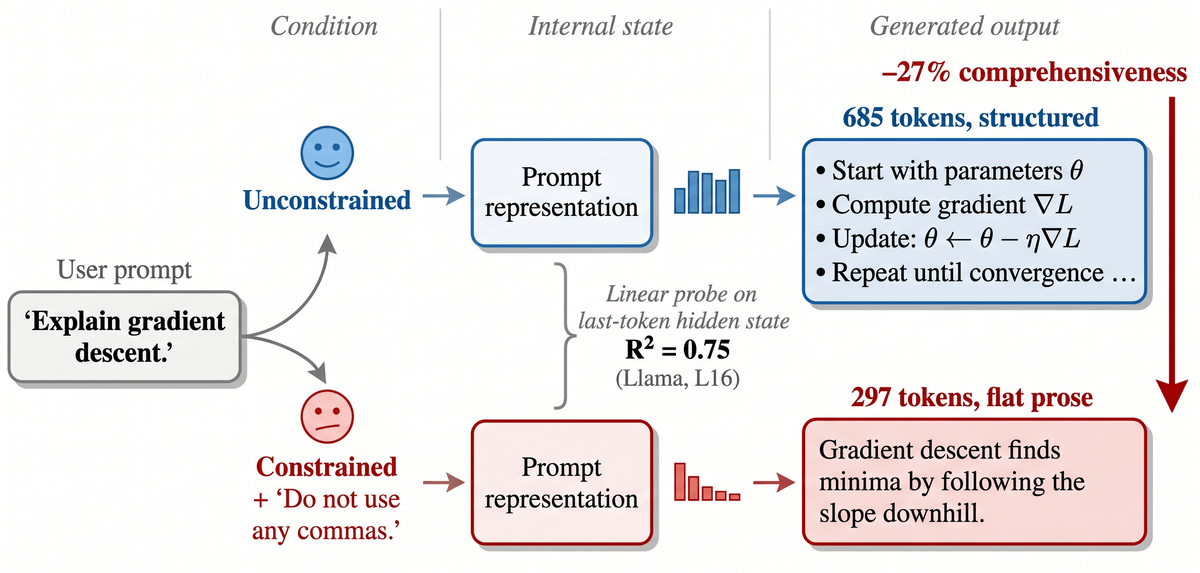
Instruction-tuned LLMs lose 14 to 48 percent of their comprehensiveness when told to avoid a single common word or punctuation mark.
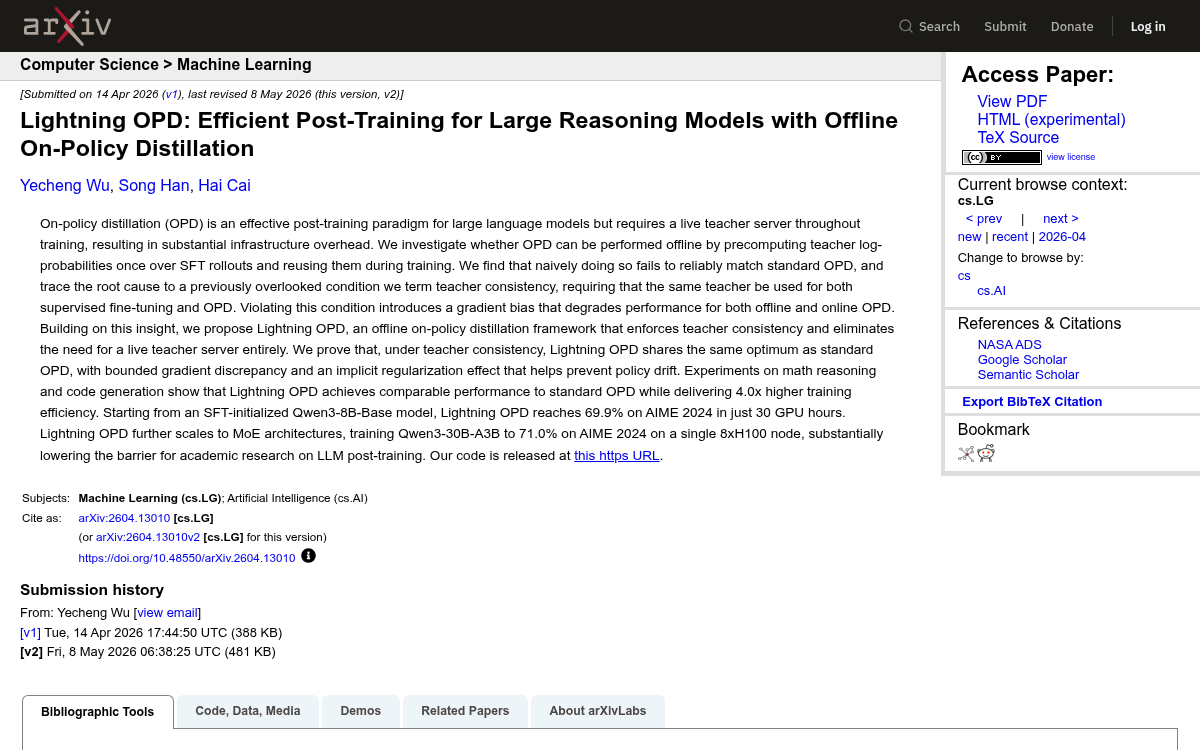
NVIDIA researchers show that on-policy distillation can drop its live teacher server, cutting 8B reasoning training from 120 to 30 GPU hours.
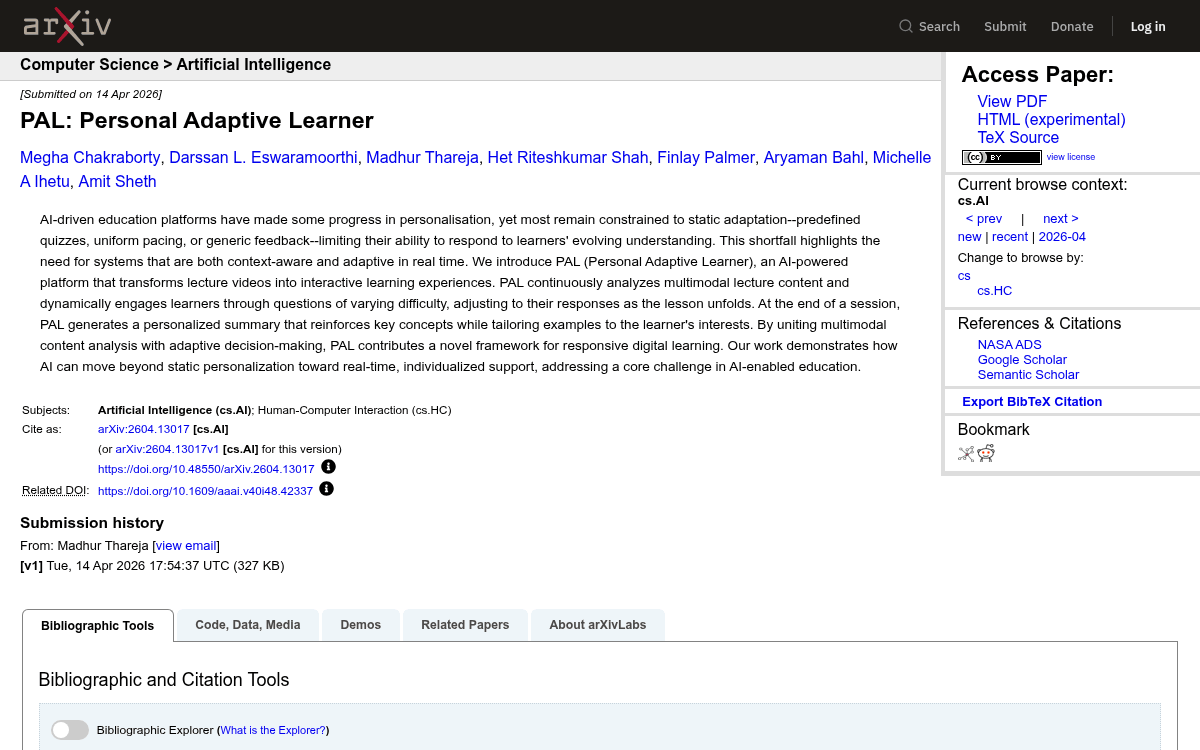
A new AI tutoring system turns lecture videos into interactive sessions, using reinforcement learning to adjust question difficulty in real time.
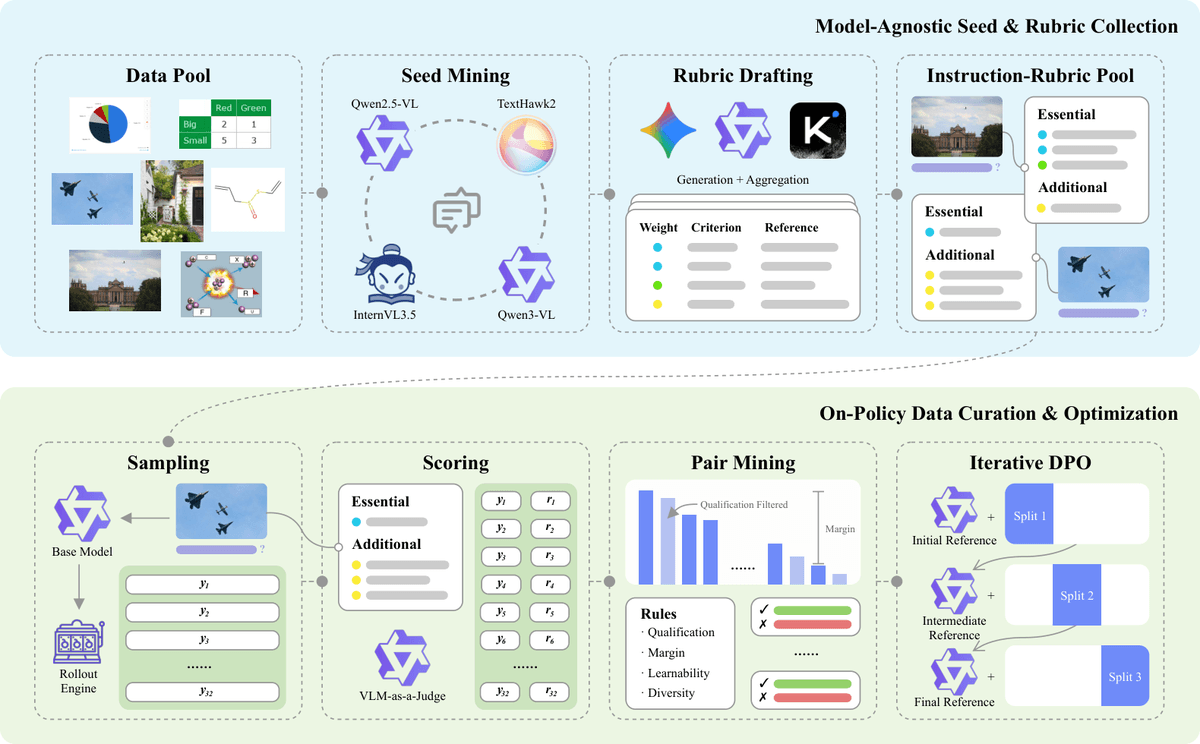
Huawei's rDPO framework builds per-image checklists that turn a mid-sized open judge into a GPT-5.4 rival and lifts vision model alignment across the board.
University of Michigan researchers publish the first vision-language transfer learning baselines for CT enterography, showing that slice pooling strategy dictates task performance.
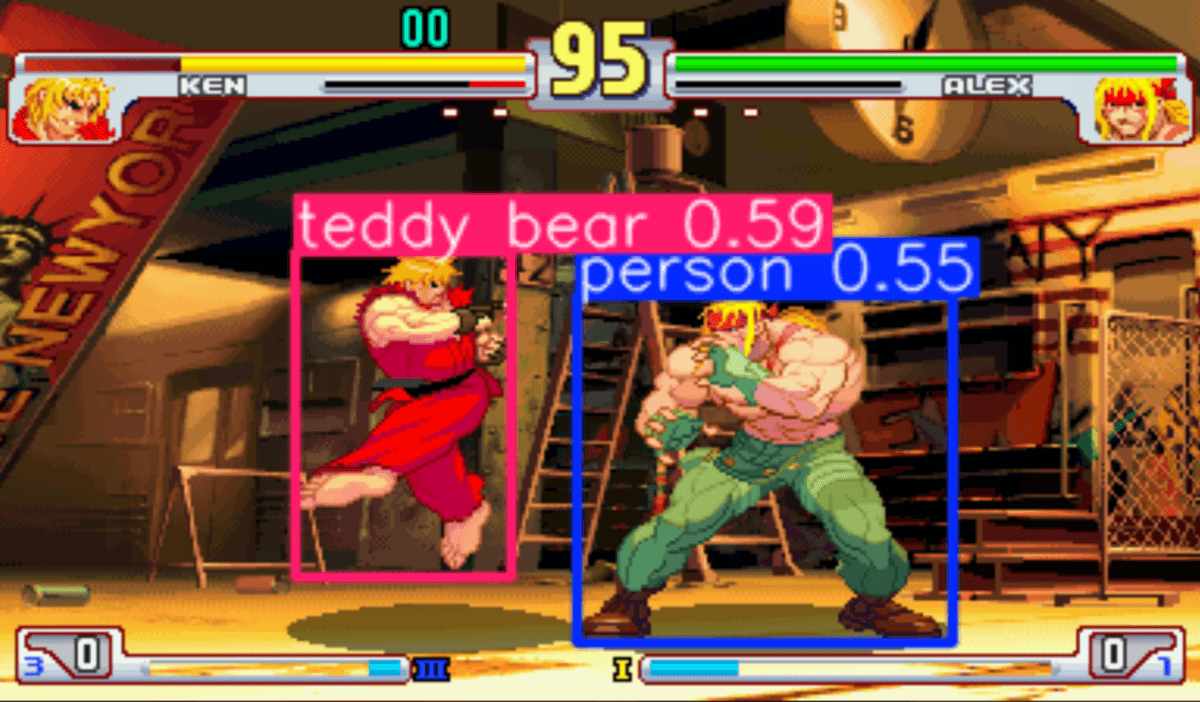
KRAFTON and NVIDIA built a 12-game benchmark spanning every major genre to test how LLM agents actually play real video games.
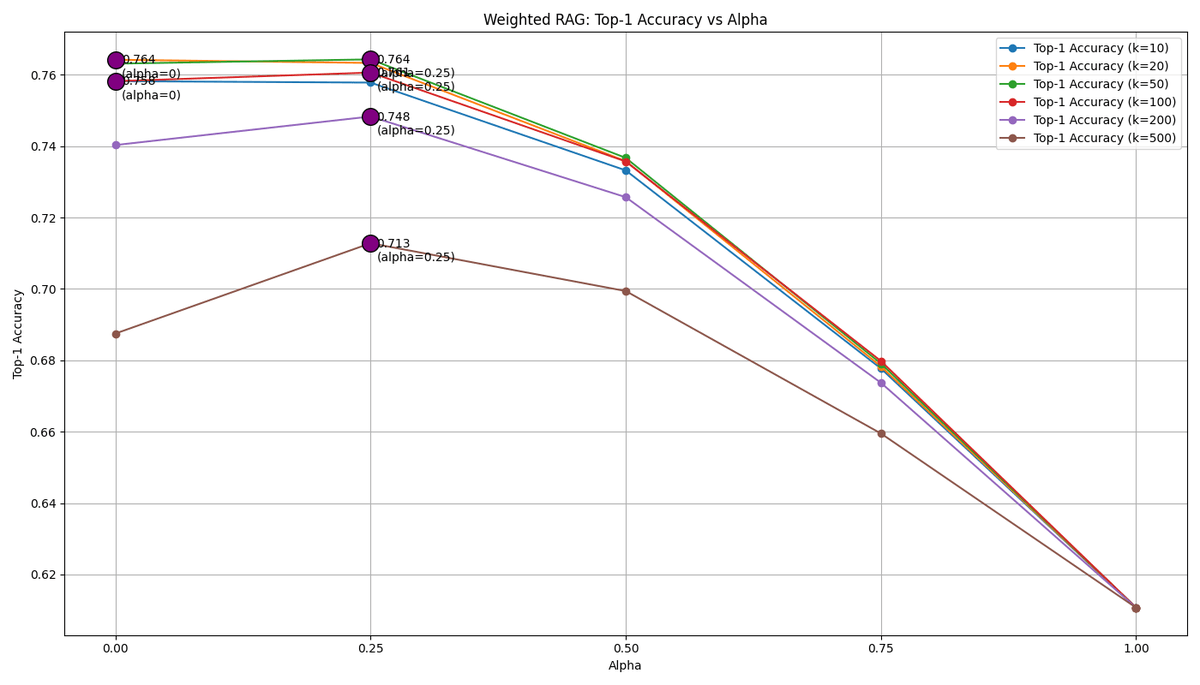
A new method turns sparse autoencoders from interpretability toys into a lightweight, label-free way to nudge frozen CLIP models toward better zero-shot accuracy.
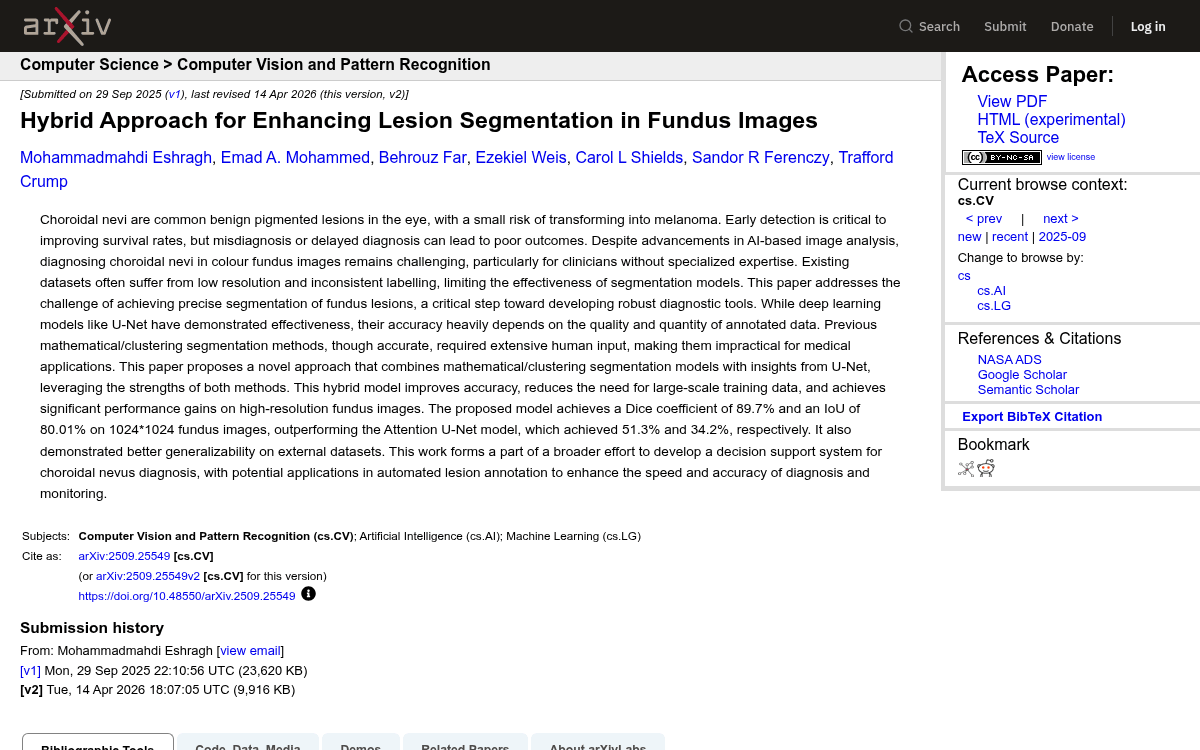
A hybrid U-Net plus SLIC clustering pipeline hits 89.7% Dice on 1024x1024 eye fundus scans, quadrupling Attention U-Net accuracy on high-res lesion segmentation.
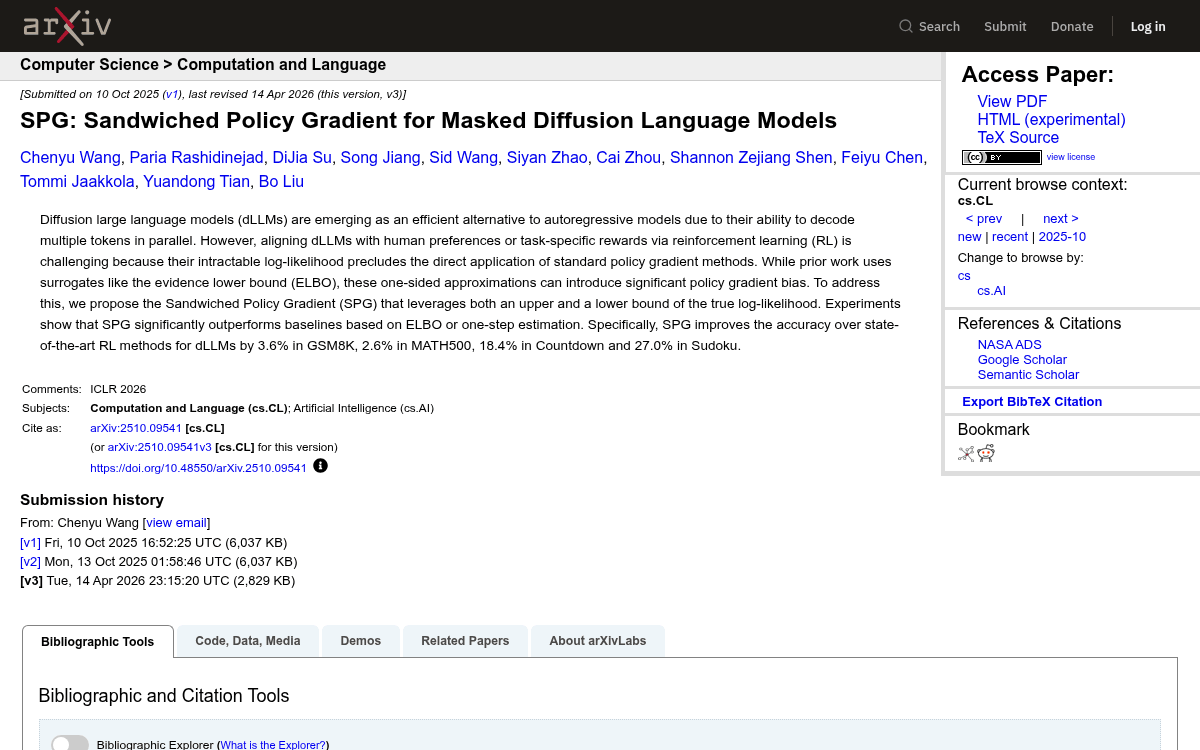
Meta's new reinforcement learning method fixes a fundamental bias in training diffusion language models, delivering up to 27% accuracy gains on reasoning benchmarks.
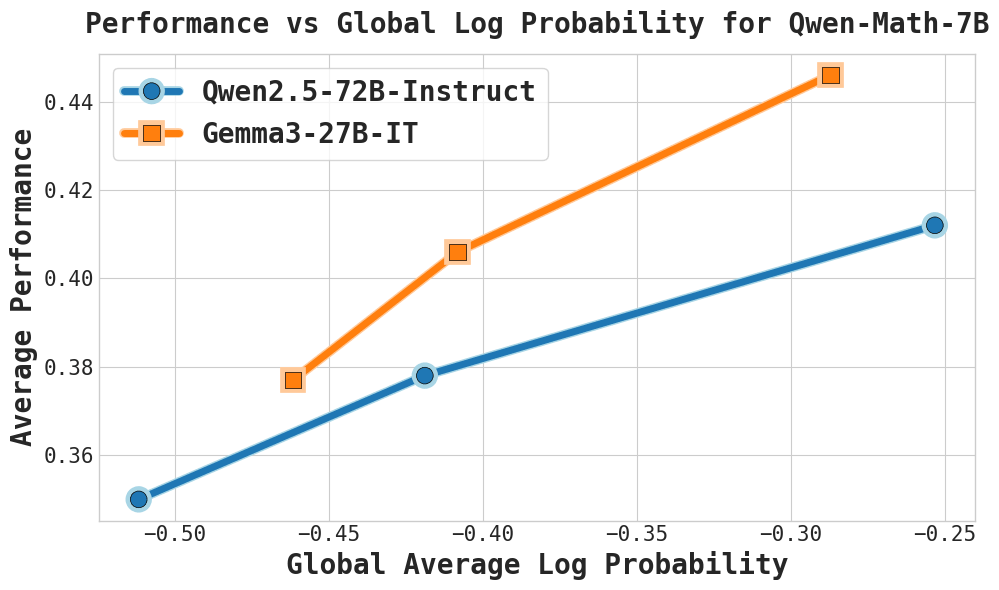
A new step-level scoring rule flips the ranking of reasoning teachers and lifts distillation accuracy by up to 9.4 points.
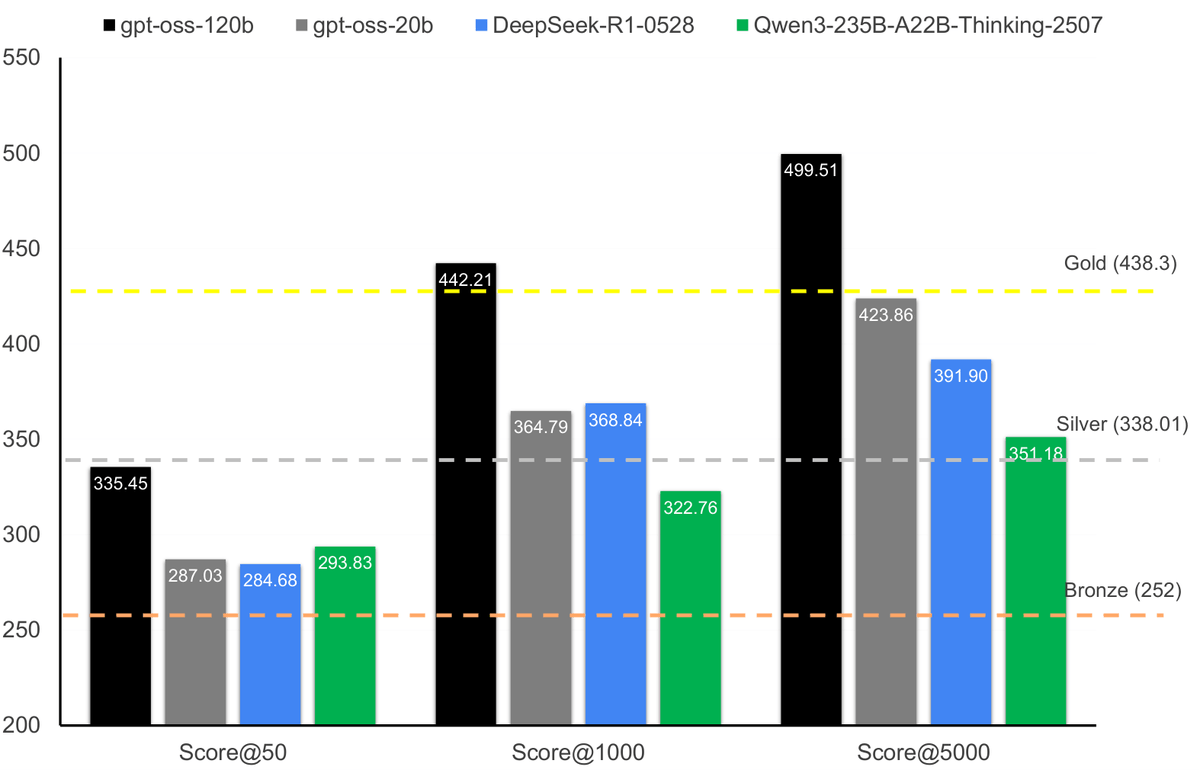
A research team demonstrates that open-weight models can hit IOI gold with a reproducible test-time compute pipeline built on generation, clustering, and tournament ranking.