
Pro
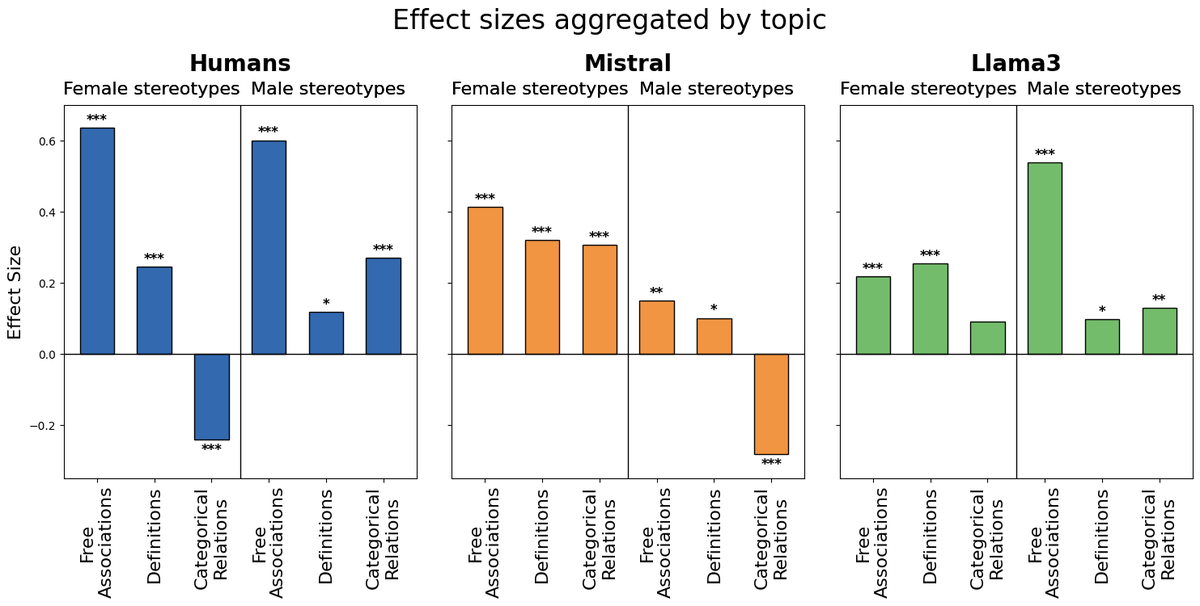
Mistral and Llama3 Lack the Brain Structure That Keeps Humans Unbiased
New research finds humans regulate bias through structurally distinct memory layers, while Mistral and Llama3 collapse those layers into overlapping associations.
20 stories
New research finds humans regulate bias through structurally distinct memory layers, while Mistral and Llama3 collapse those layers into overlapping associations.
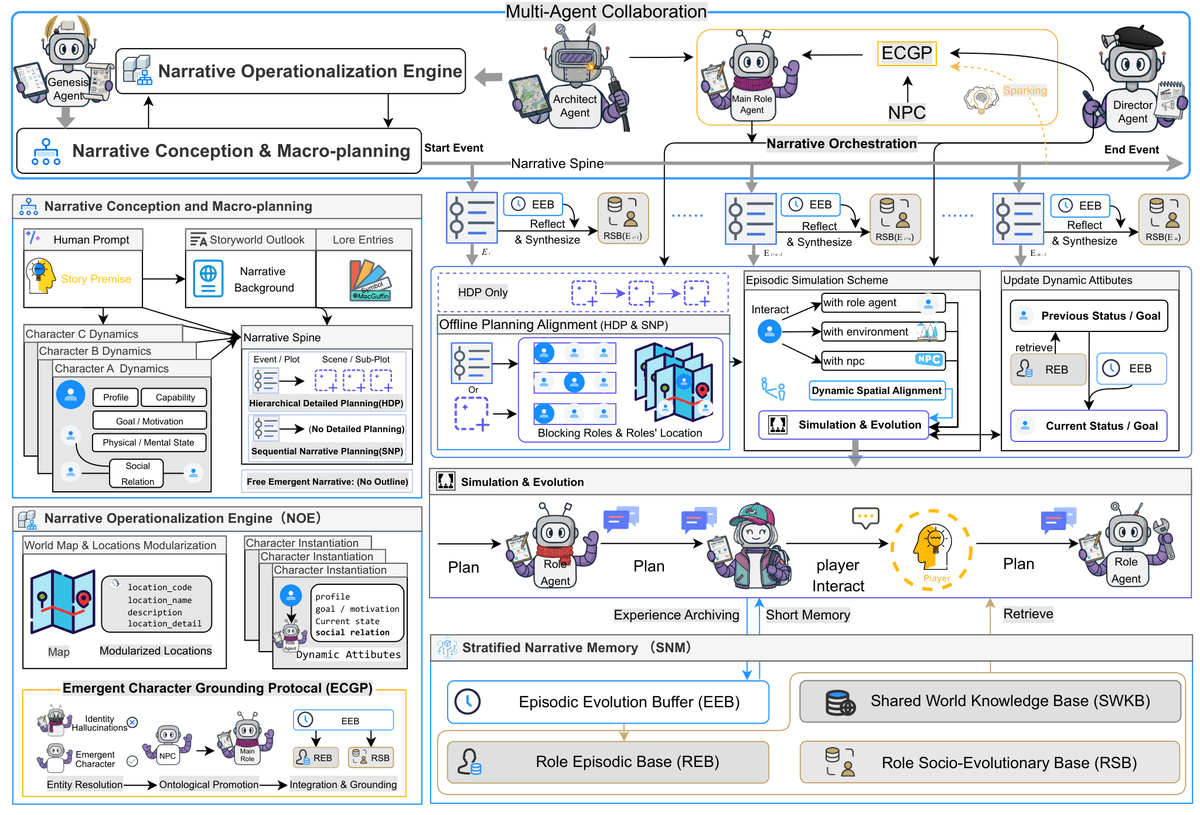
A new multi-agent framework tackles long-horizon story simulation by treating LLM hallucinations as narrative fuel and giving agents a mutable, evolving social memory.
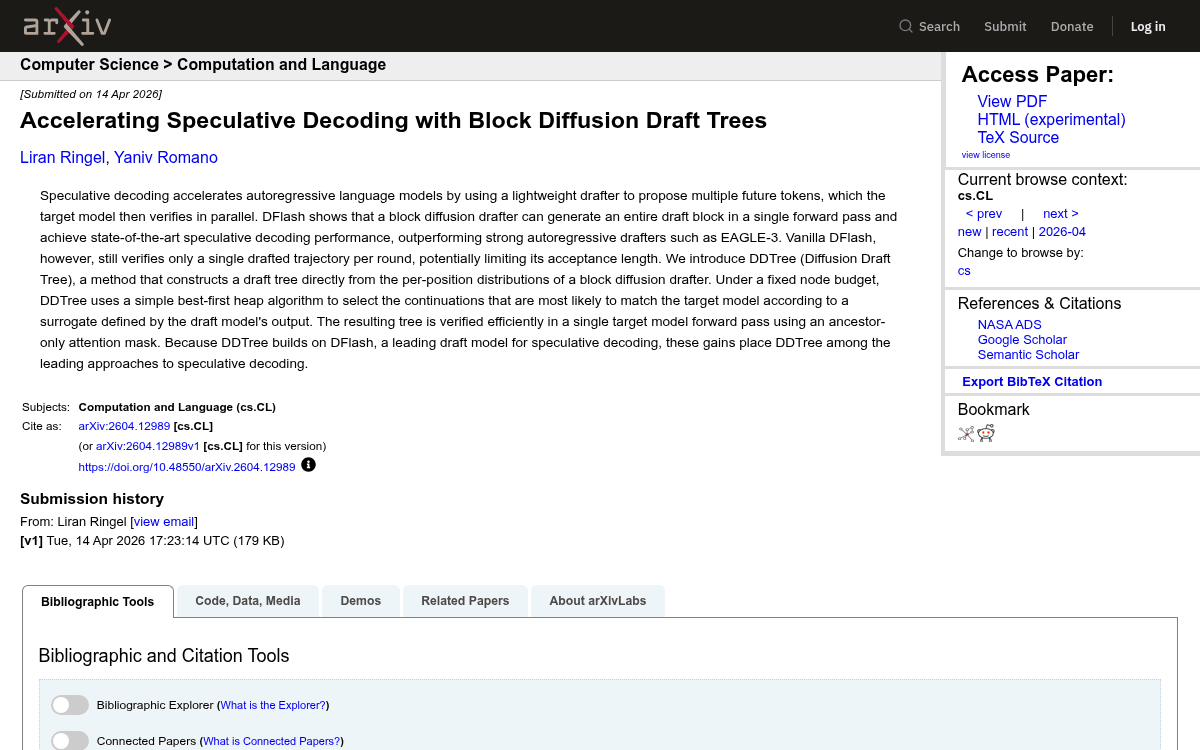
DDTree turns one block diffusion drafter pass into an optimal draft tree, lifting DFlash speedups from around 5x to over 7x across every tested benchmark.
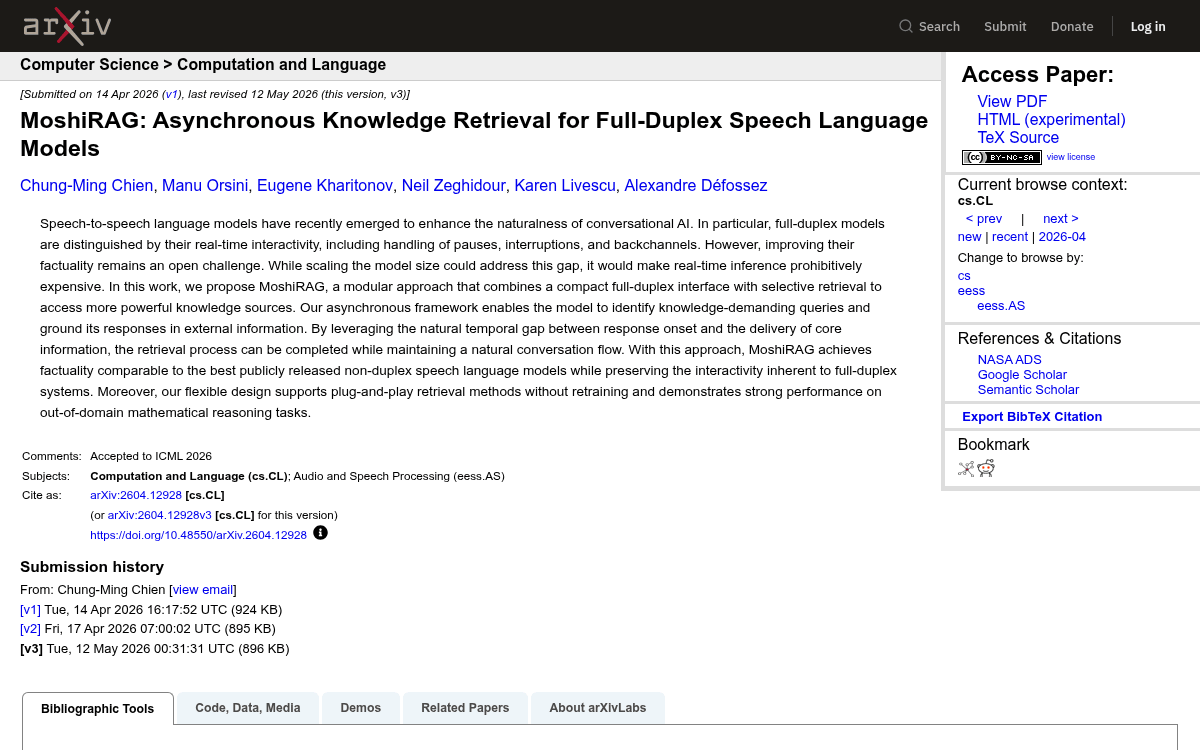
Kyutai's new system lets Moshi trigger web search or LLM lookups mid-sentence, closing the factuality gap with slower turn-based voice assistants.
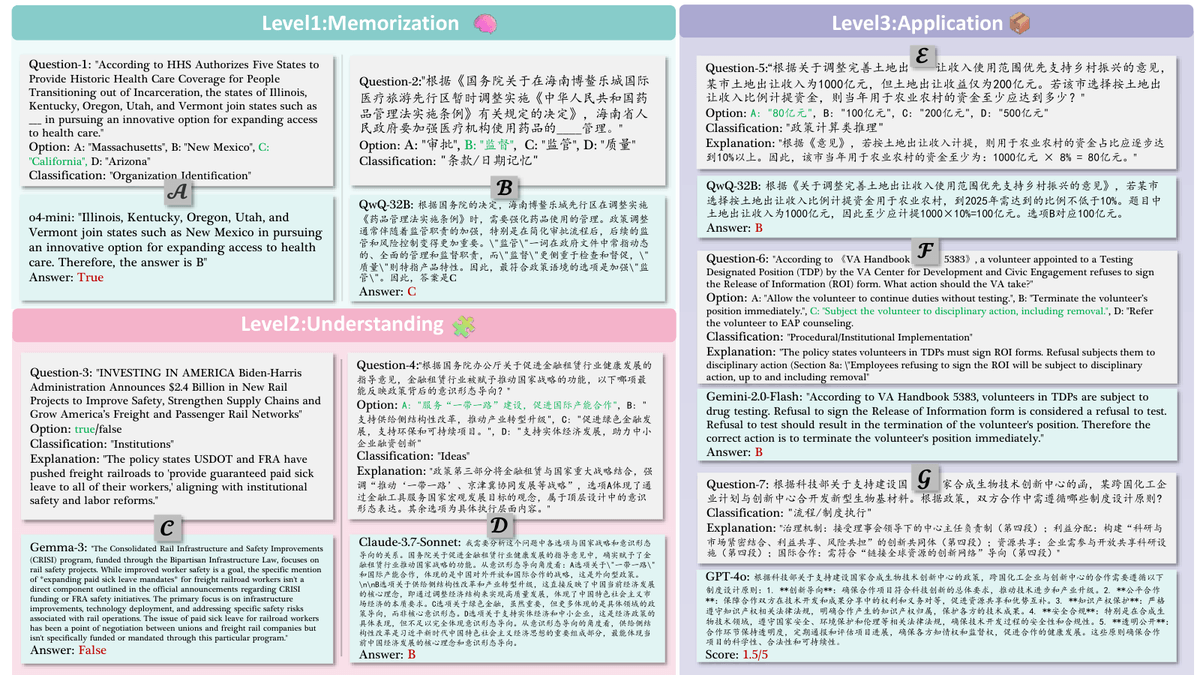
A new 21K-case benchmark tests how well LLMs comprehend US and Chinese policy, and a Mixture-of-Experts model narrows the gaps.
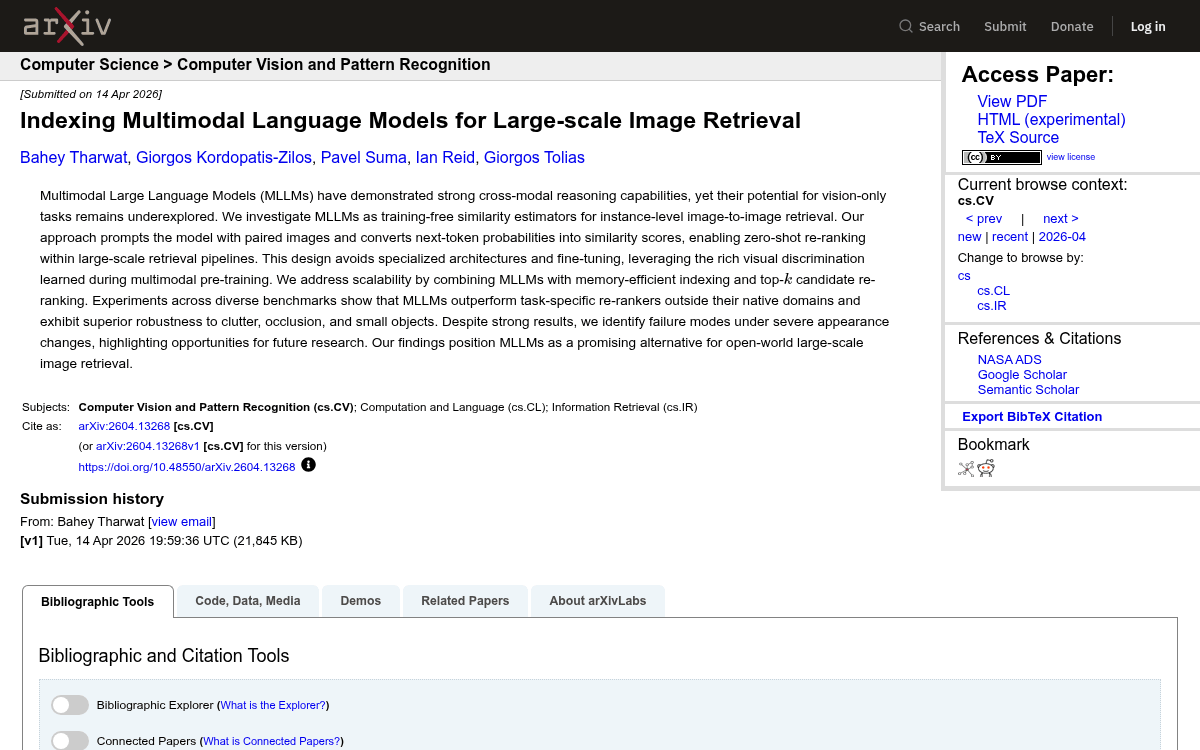
A new paper turns off-the-shelf multimodal LLMs into zero-shot image-to-image re-rankers, beating task-specific models on out-of-domain retrieval.
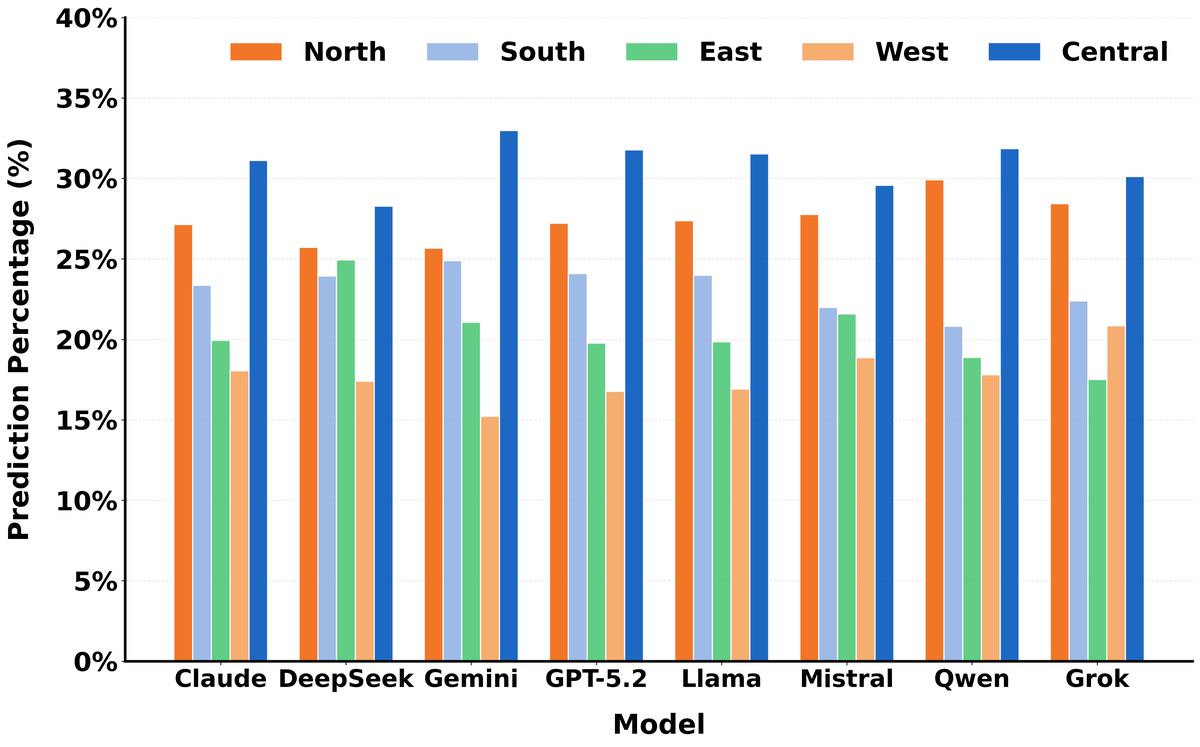
A new benchmark exposes how eight frontier LLMs treat India as culturally uniform, defaulting to Central and North Indian practices when generating cultural answers.
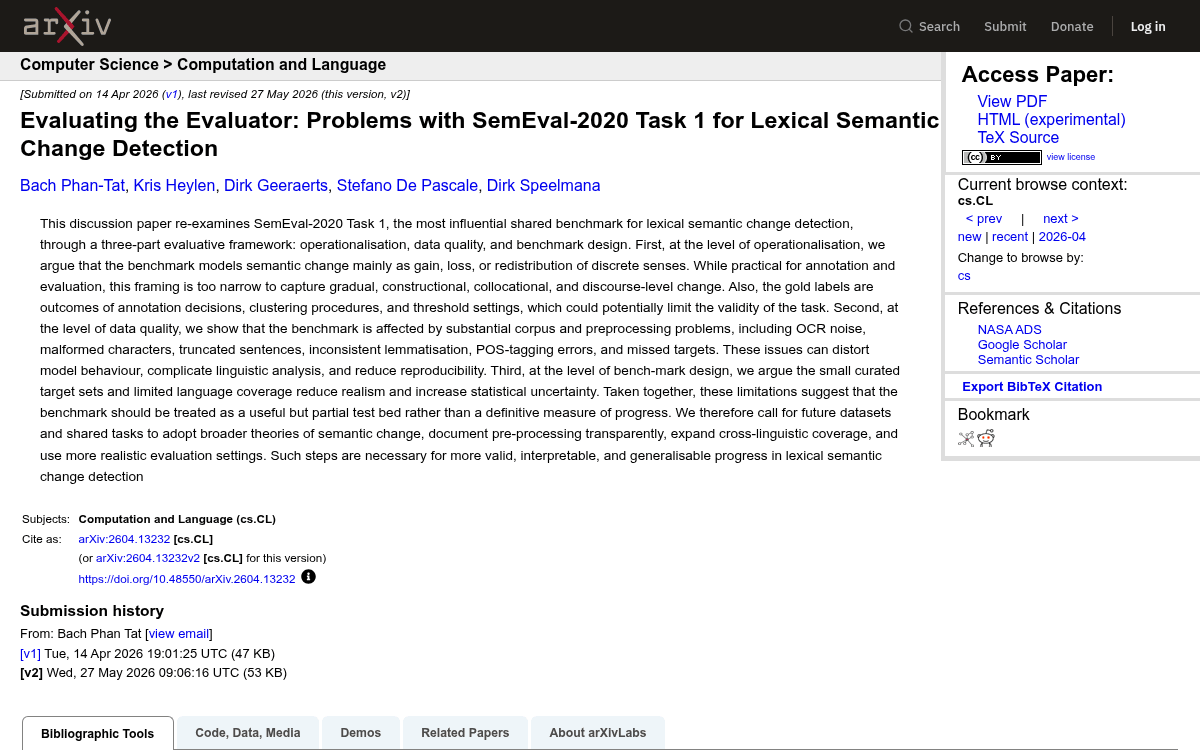
A KU Leuven team audits the field's most-cited semantic change benchmark and finds OCR noise, mislabeled targets, and error bars so wide they swallow rankings.
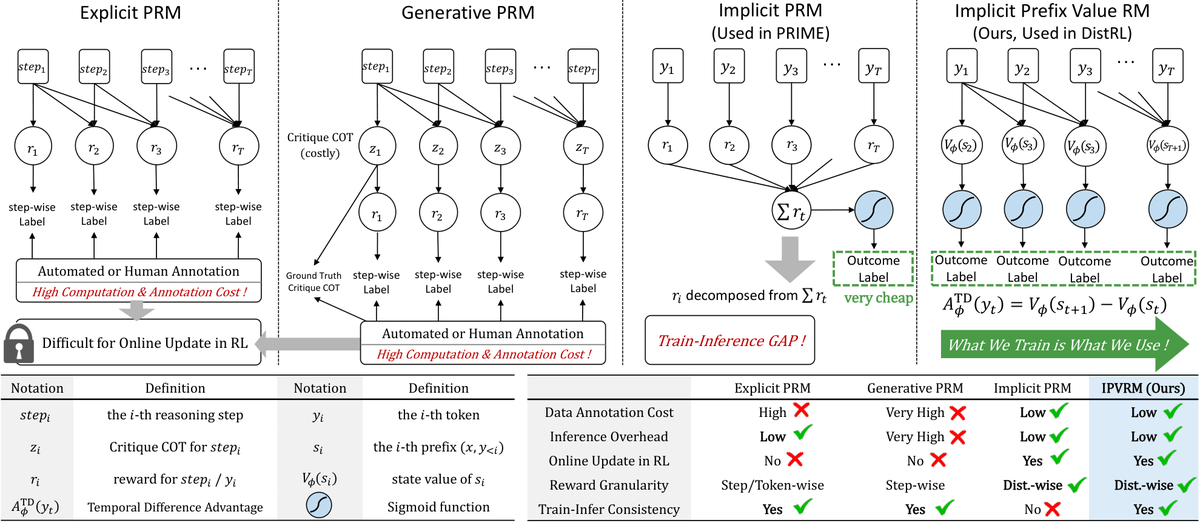
A new prefix-value reward model plus distribution-level RL fixes the train-inference mismatch that has plagued cheap implicit process rewards.
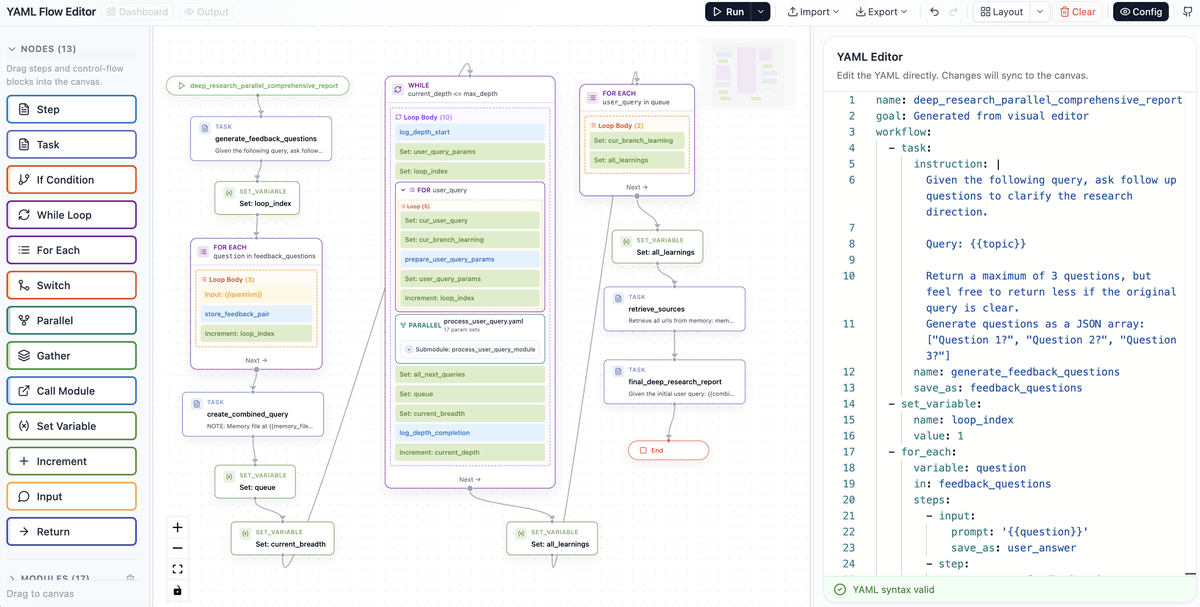
A YAML-based specification language decouples agent workflows from Python code, adding explicit control flow, sandboxed execution, and a visual editor.
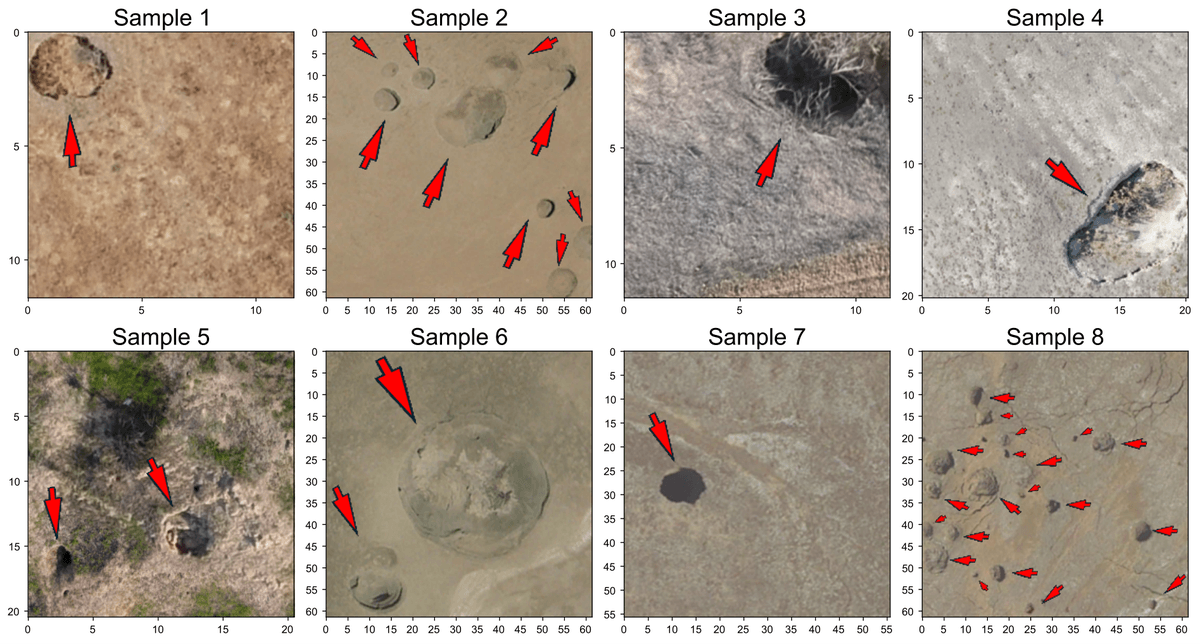
A new self-supervised pipeline combines Segment Anything Model, Depth Anything V2, and topographic priors to segment sinkholes from RGB imagery without manual labels.
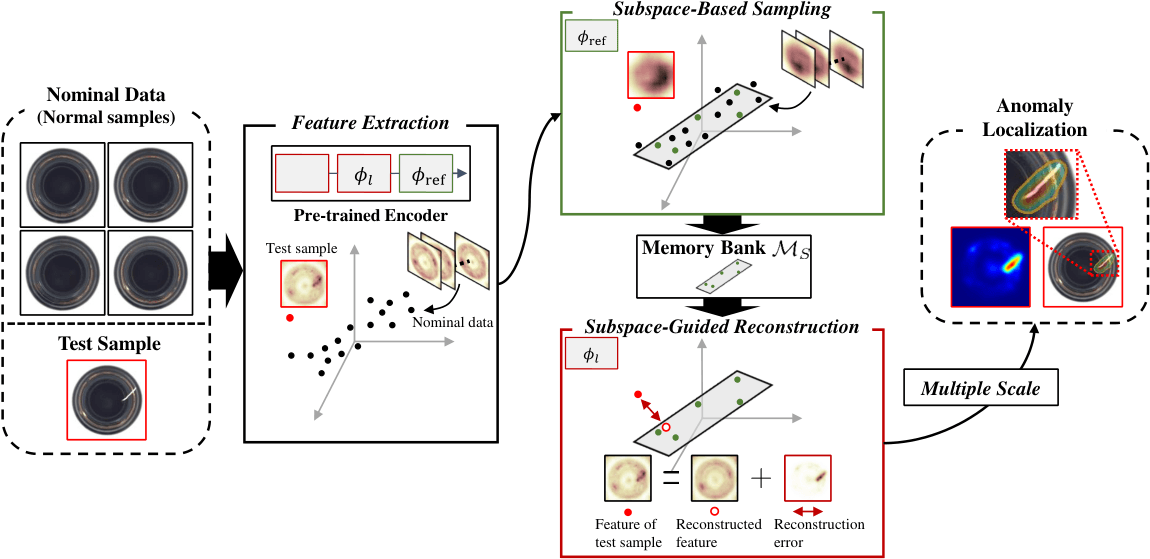
A new anomaly detection framework uses low-dimensional subspaces to mimic unseen features, hitting state-of-the-art scores on three industrial defect benchmarks.
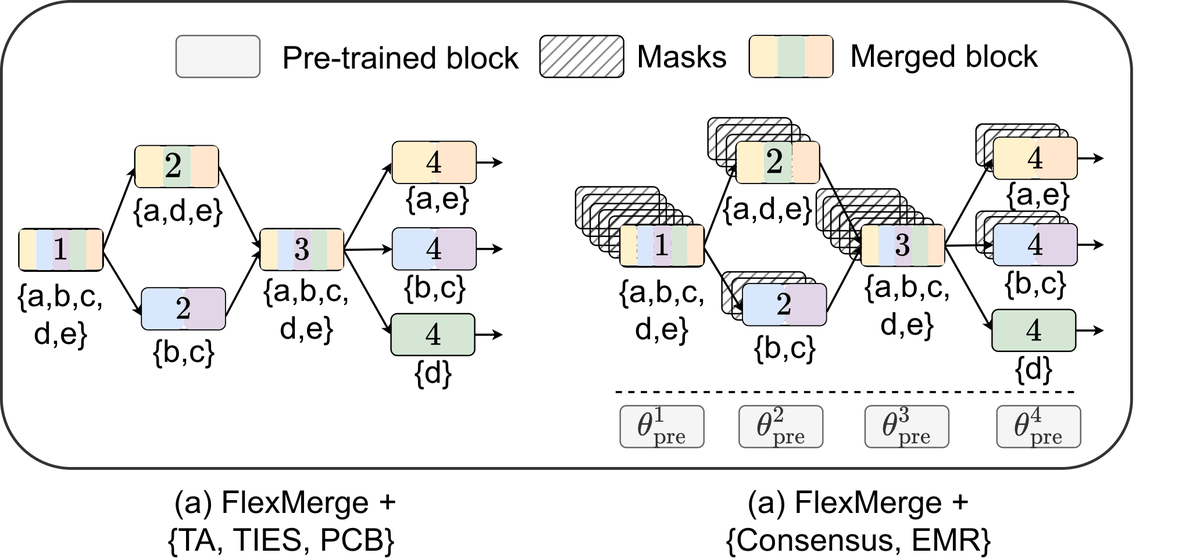
FlexMerge lets you dial the merged model size from 1x to full, revealing 13.5% accuracy jumps just by doubling storage.
A new 9,000-question benchmark hides geometry conditions inside 3D scenes, exposing that top vision-language models fail more than half the problems.
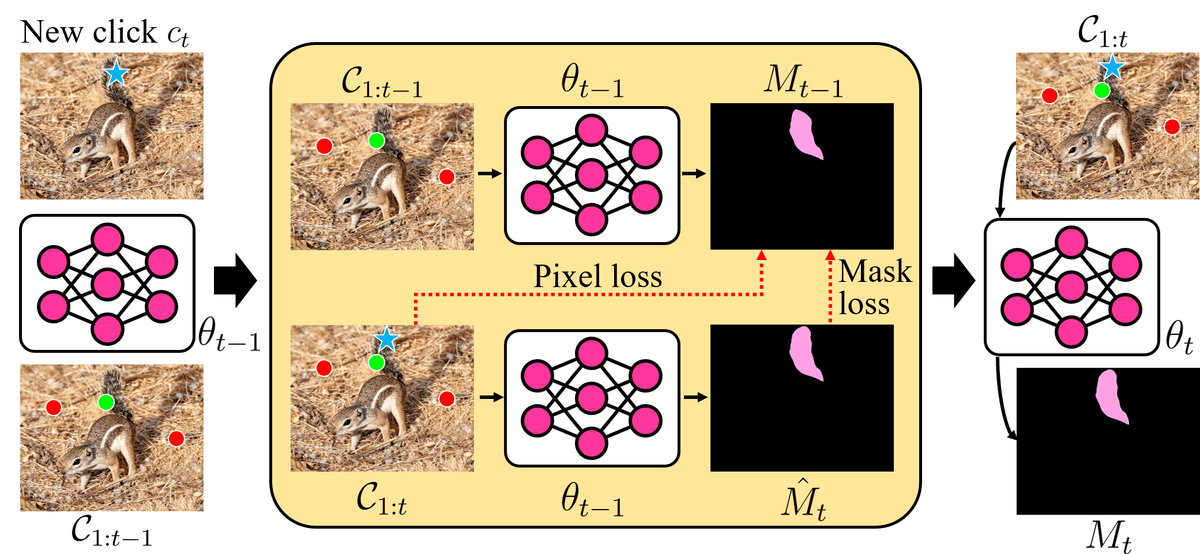
A new test-time adaptation method splits user clicks into coherent groups, adapts SAM separately per group, and merges the specialists.
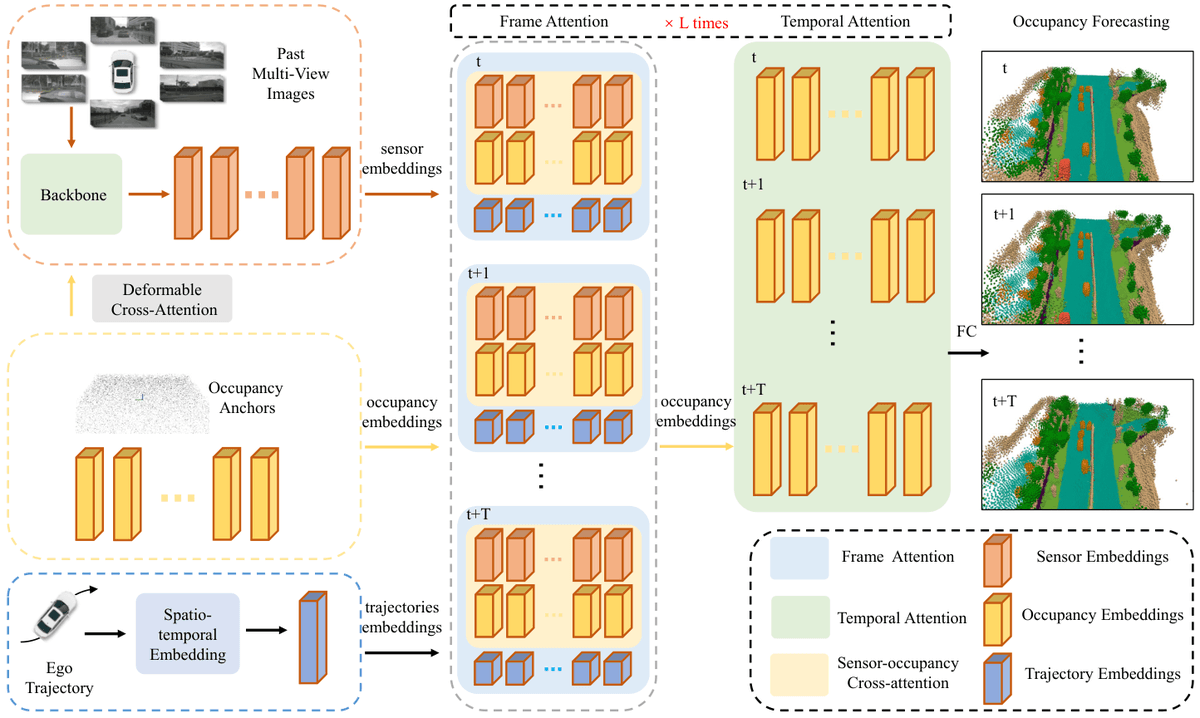
A new transformer-based world model ditches VAE codebooks and bird's-eye-view grids, forecasting future 3D driving scenes directly from camera images with 18.7% higher mIoU.
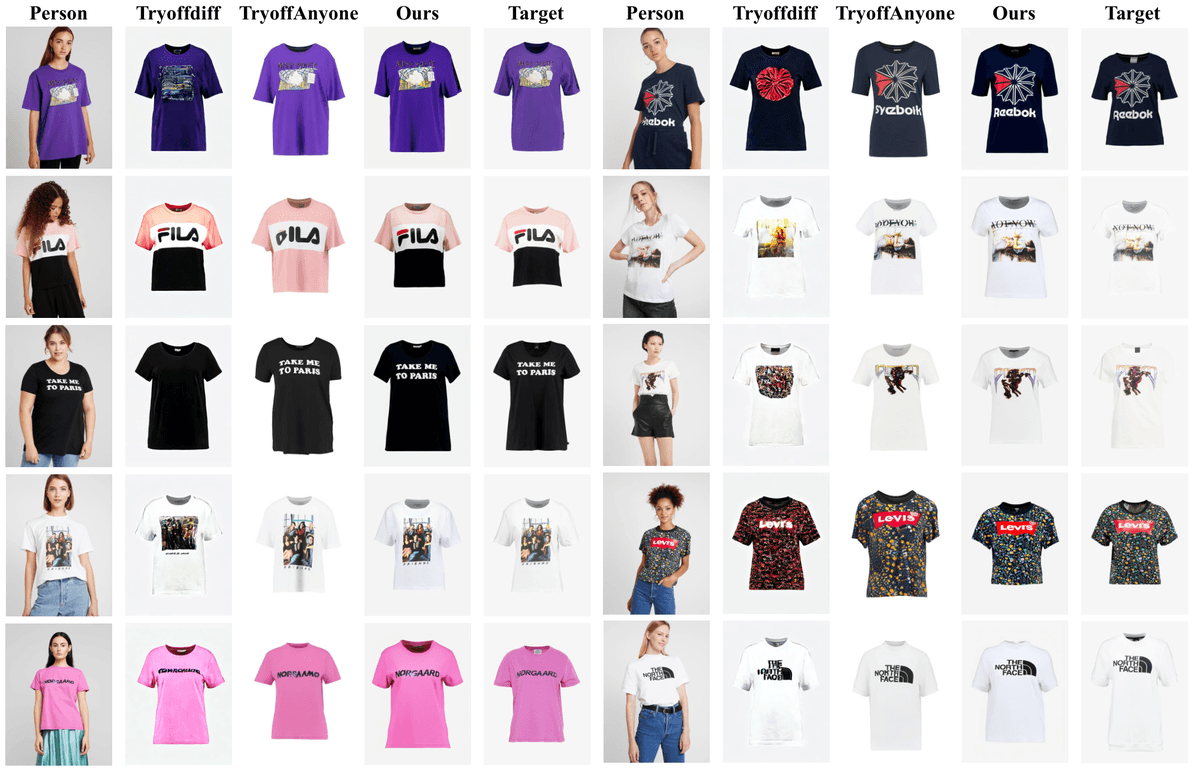
A single diffusion model handles virtual try-on, try-off, and arbitrary-pose garment transfer without segmentation masks or clean product photos.
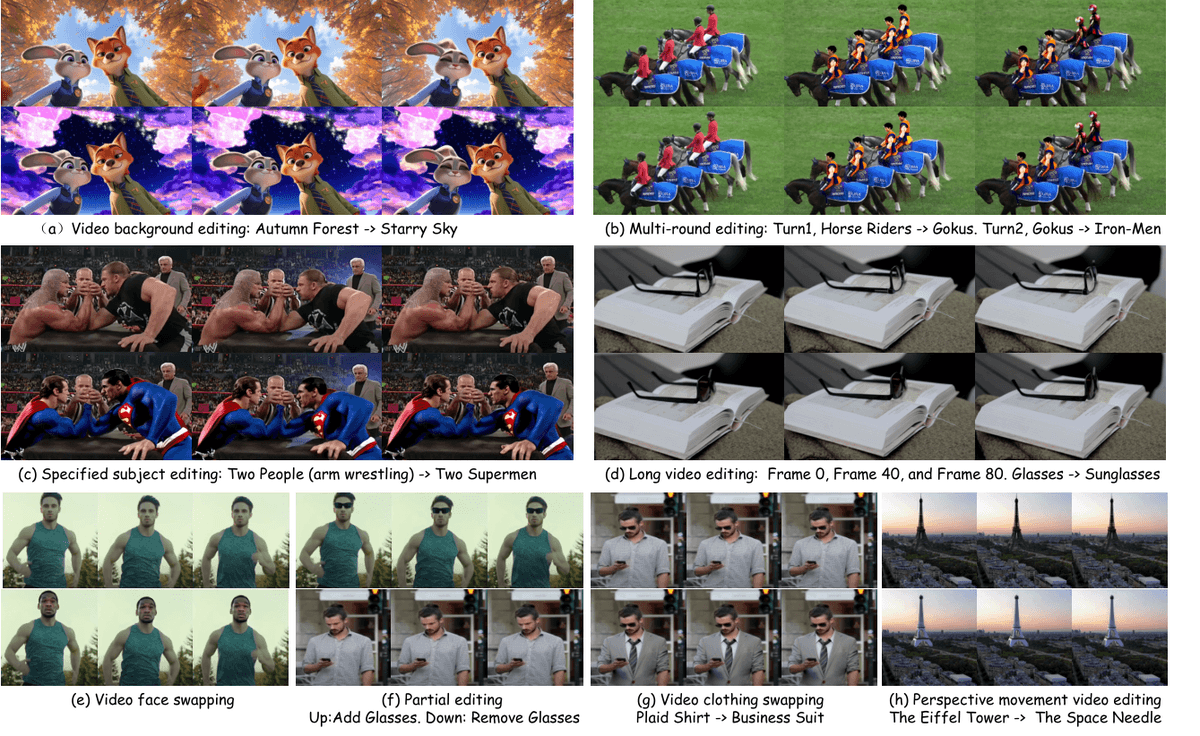
A training-free framework tackles multi-subject video editing by aligning multimodal prompts and retargeting masks to eliminate attribute leakage across instances.
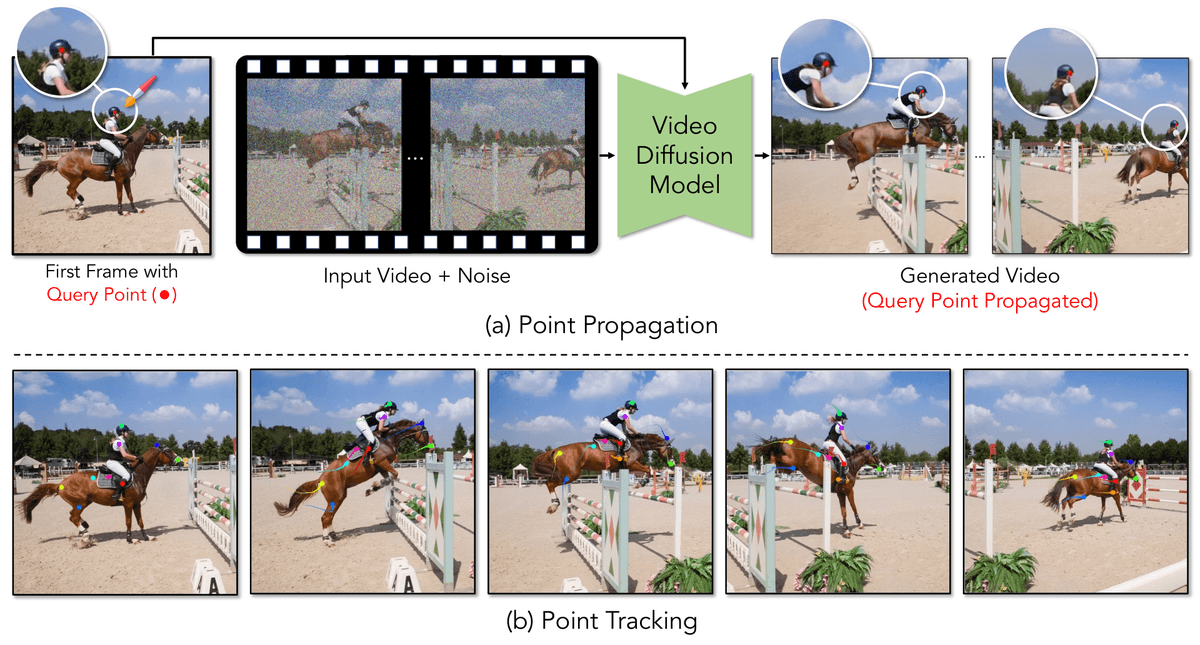
A red dot plus SDEdit turns any pretrained video generator into a zero-shot point tracker that survives occlusions and rivals self-supervised baselines.
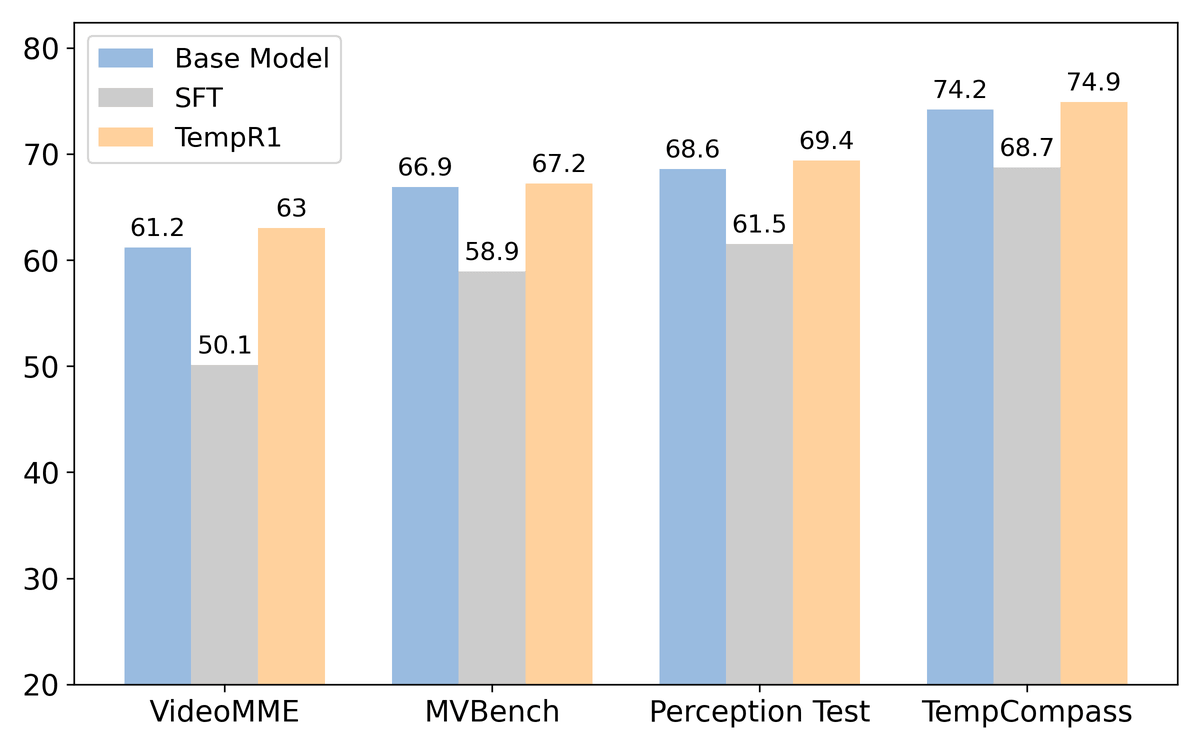
A new multi-task reinforcement learning recipe teaches video language models to pinpoint events in time across five different temporal tasks at once.