
Pro
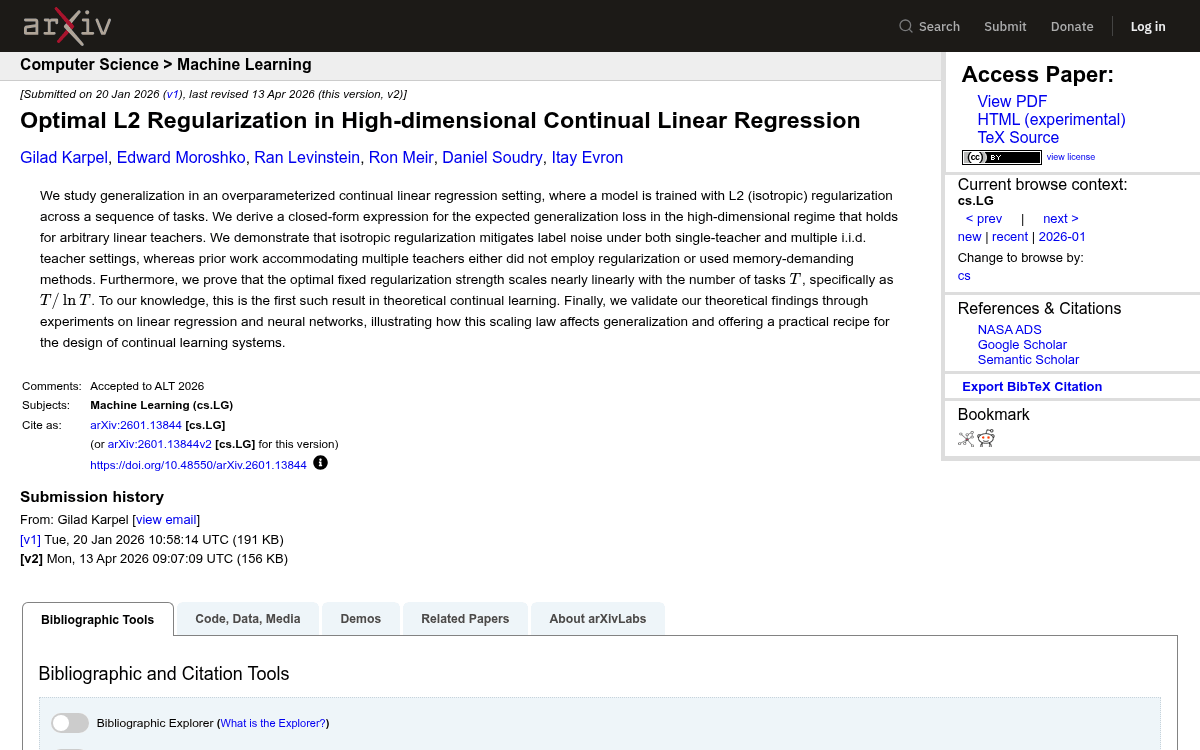
Meta and Technion Crack the Optimal Regularization Formula for Continual AI Learning
New theory pins down the optimal L2 regularization strength for sequential training, showing it scales nearly linearly with the number of tasks.
20 stories
New theory pins down the optimal L2 regularization strength for sequential training, showing it scales nearly linearly with the number of tasks.
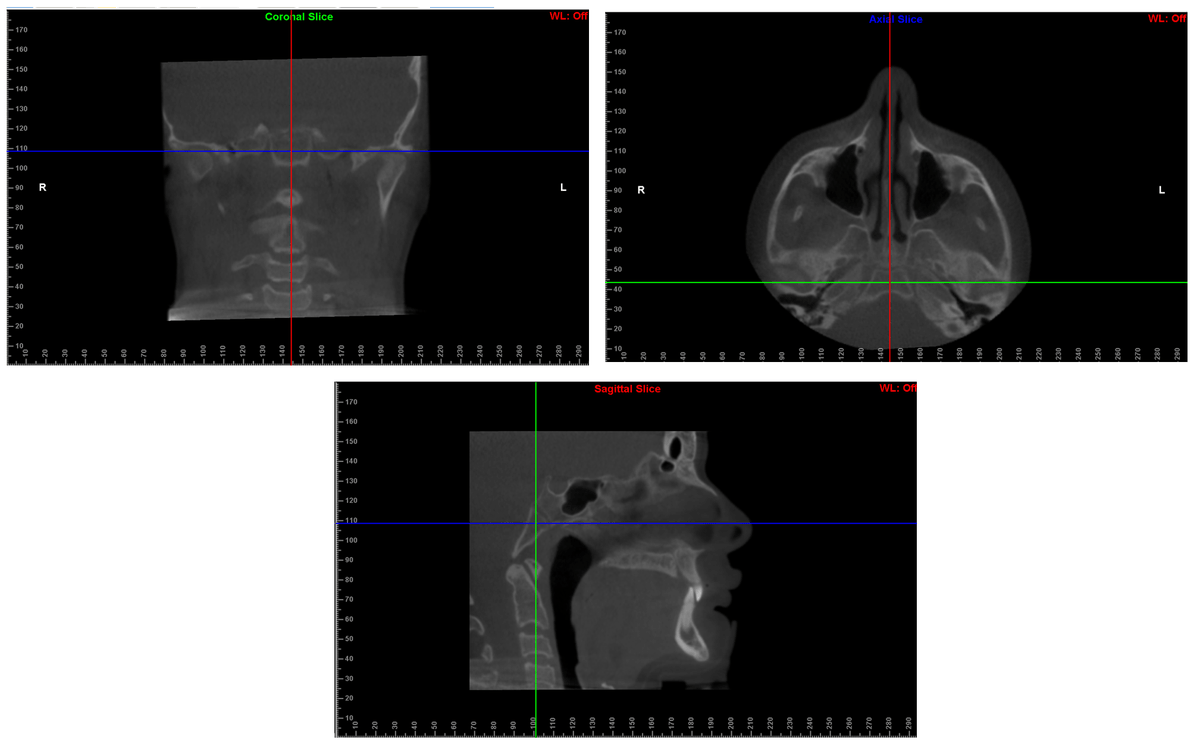
A curriculum over network depth improves fine-grained anatomical classification on limited medical data, with transformer models gaining more than 16 accuracy points.
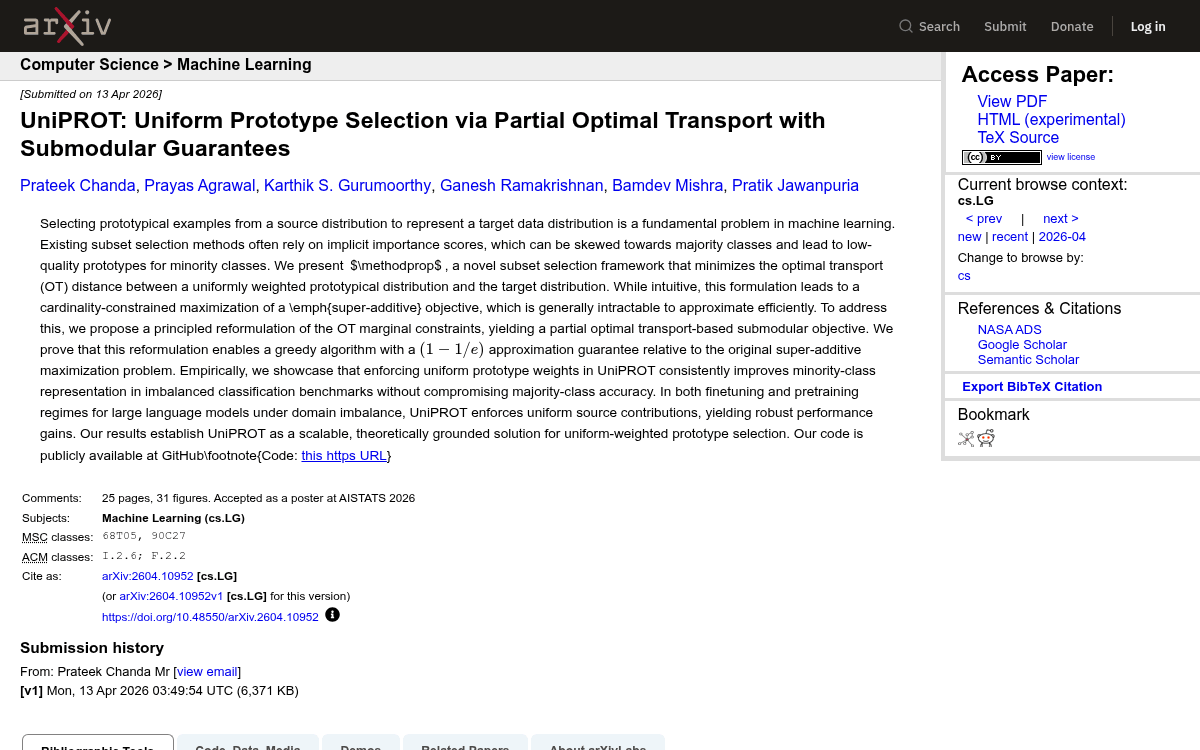
A new subset selection method forces equal weights on chosen prototypes, boosting minority class accuracy and LLM training on imbalanced data mixtures.
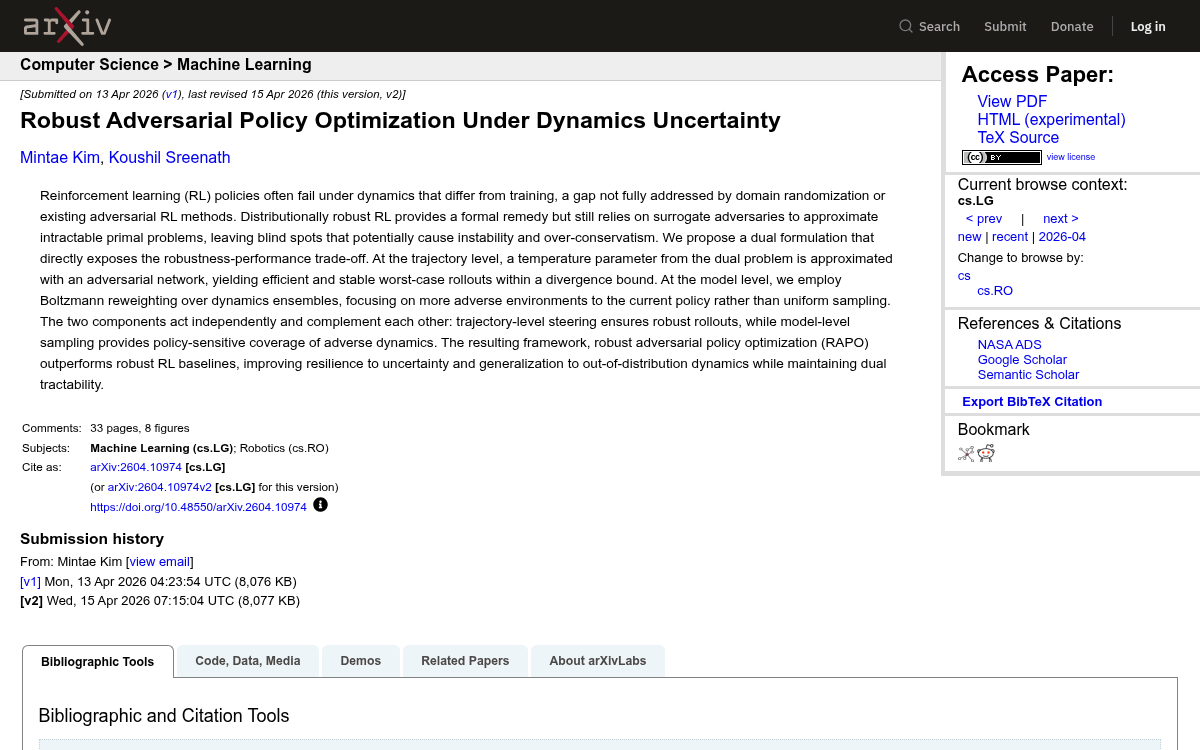
Berkeley researchers introduce RAPO, a dual formulation robust RL method that steers rollouts toward worst-case dynamics without collapsing into over-conservatism.
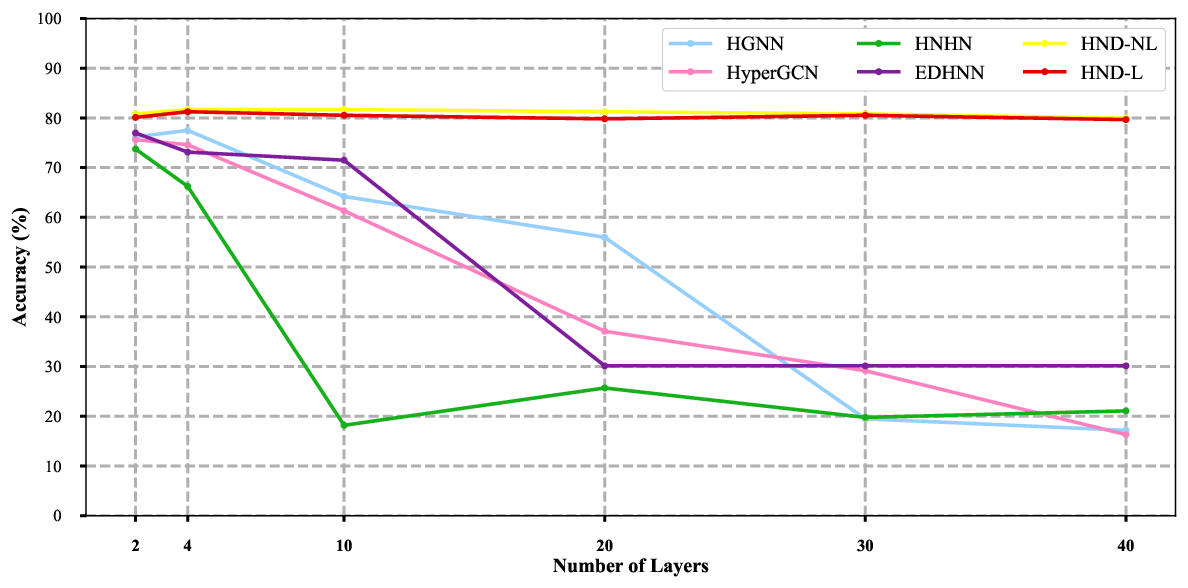
A new framework treats hypergraph message passing as a nonlinear diffusion PDE, staying stable at 40 layers while topping 11 benchmarks.
A transformer plus local-search loop pumps out thousands of inequivalent Hadamard matrices per hour and cracks orders where random search fails.
Researchers at Caltech and MIT propose a worst-case reformulation of K-means that stays stable under outliers, noise, and tiny datasets.
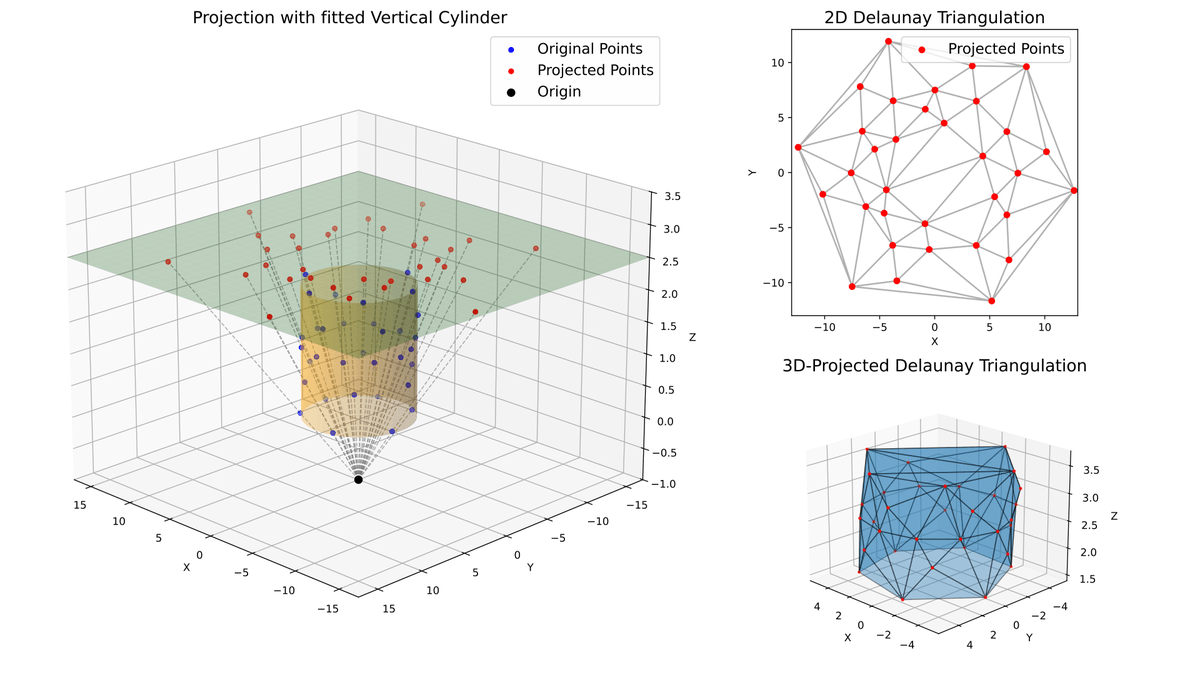
A feedforward network from University of Bonn renders novel views at 40 FPS from just three cameras, using Delaunay triangulation and depth-guided fusion.
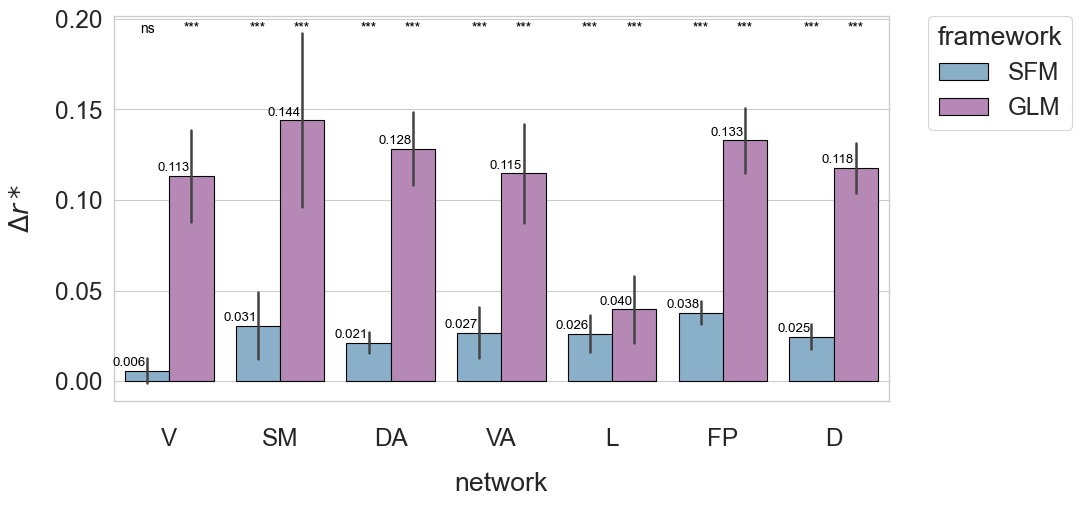
A generative model borrows tricks from diffusion and time series forecasting to predict brain activity, beating the official Algonauts 2025 baseline.
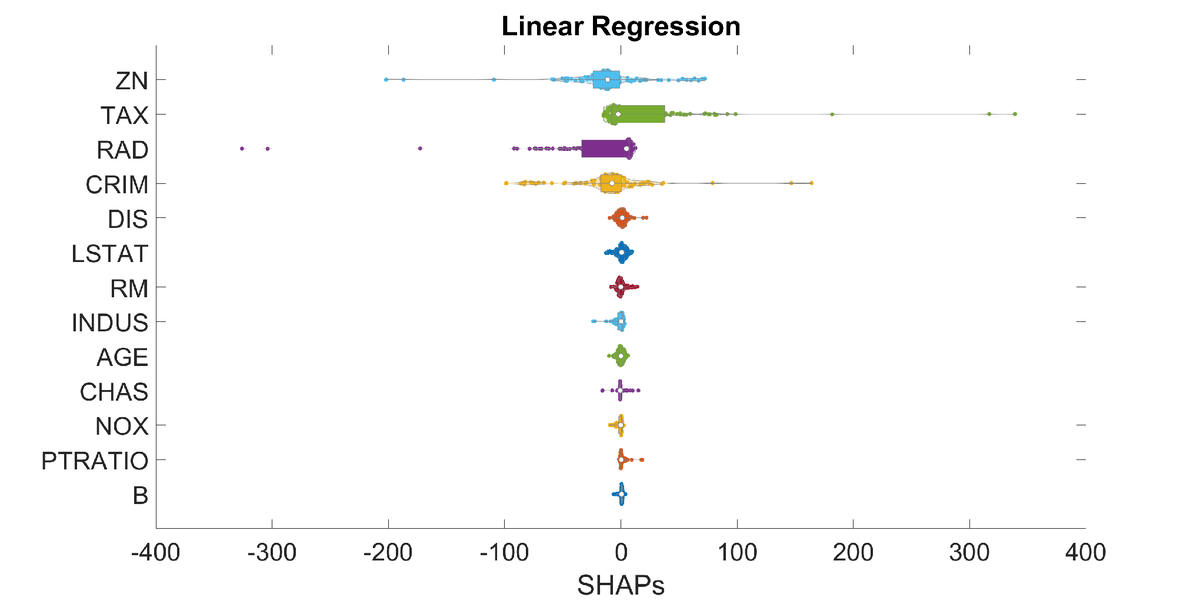
A new paper shows SHAP, Breiman importance, and Knockoffs all extrapolate on correlated data, and proposes Gaussian-copula fixes with theoretical guarantees.
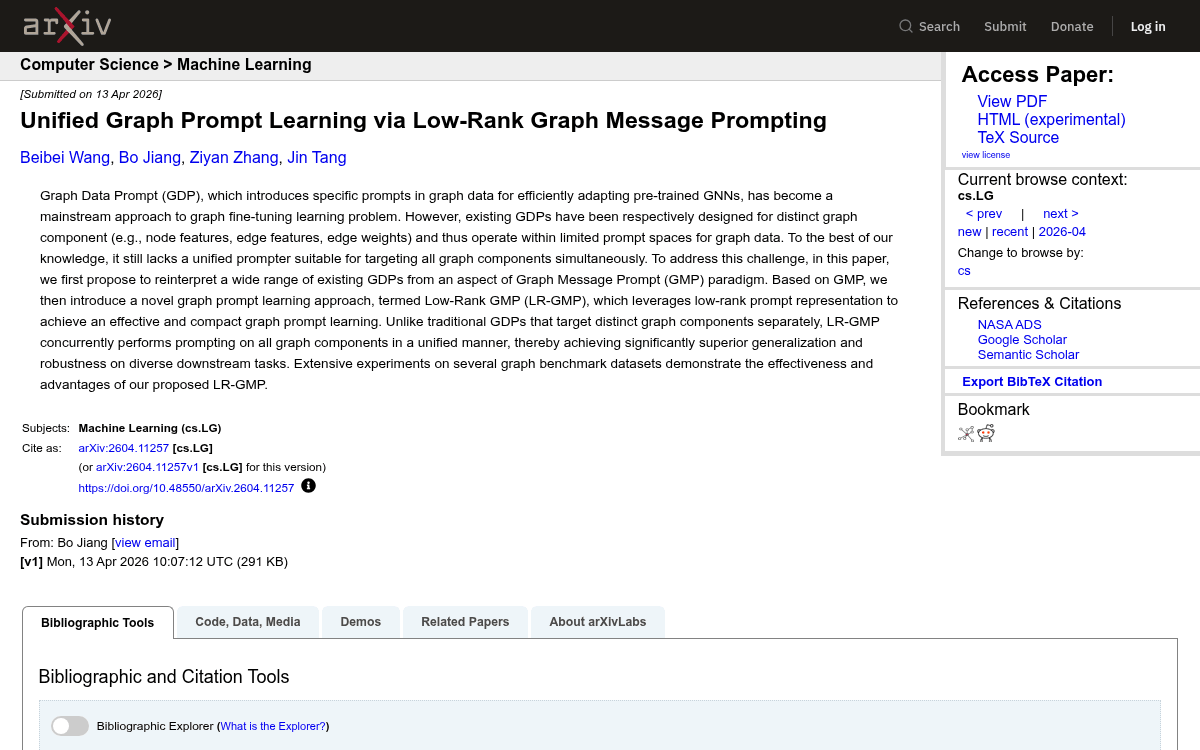
A new prompt learning method unifies node features, edge features, and edge weights into a single low-rank prompt injected during message passing.
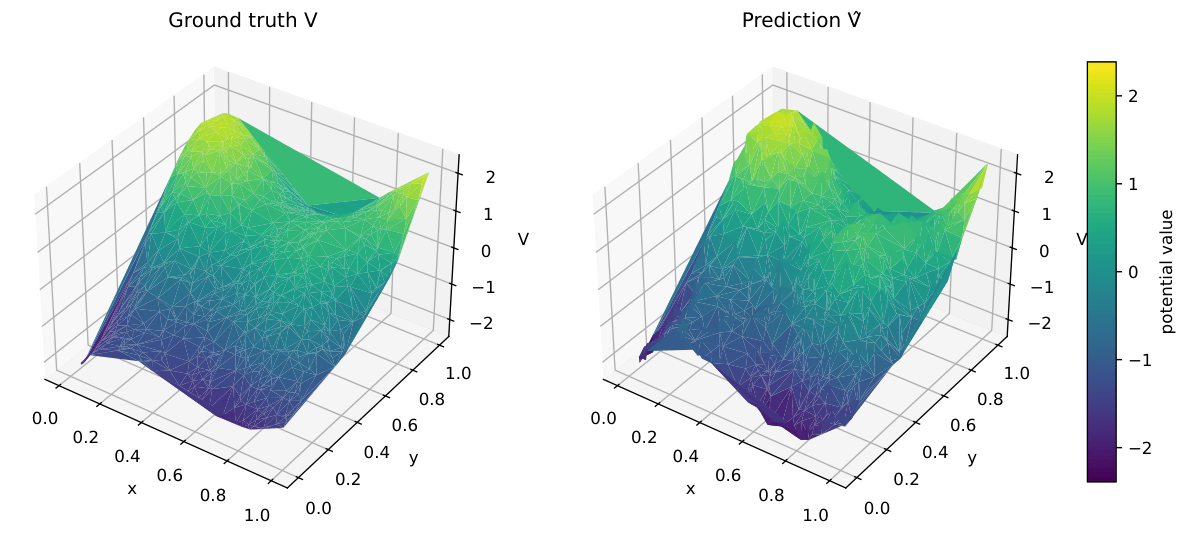
New method translates a decade-old piece of pure mathematics into a fast, quadratic-loss training loop for learning discrete diffusion dynamics on graphs.
A new framework called LASE-AD keeps control systems running when attackers spoof their sensors, using Bayesian inference and active probing to isolate compromised inputs.
A new certification framework proves neural networks stay correct under label poisoning, delivering tighter guarantees with 100x fewer ensemble partitions.
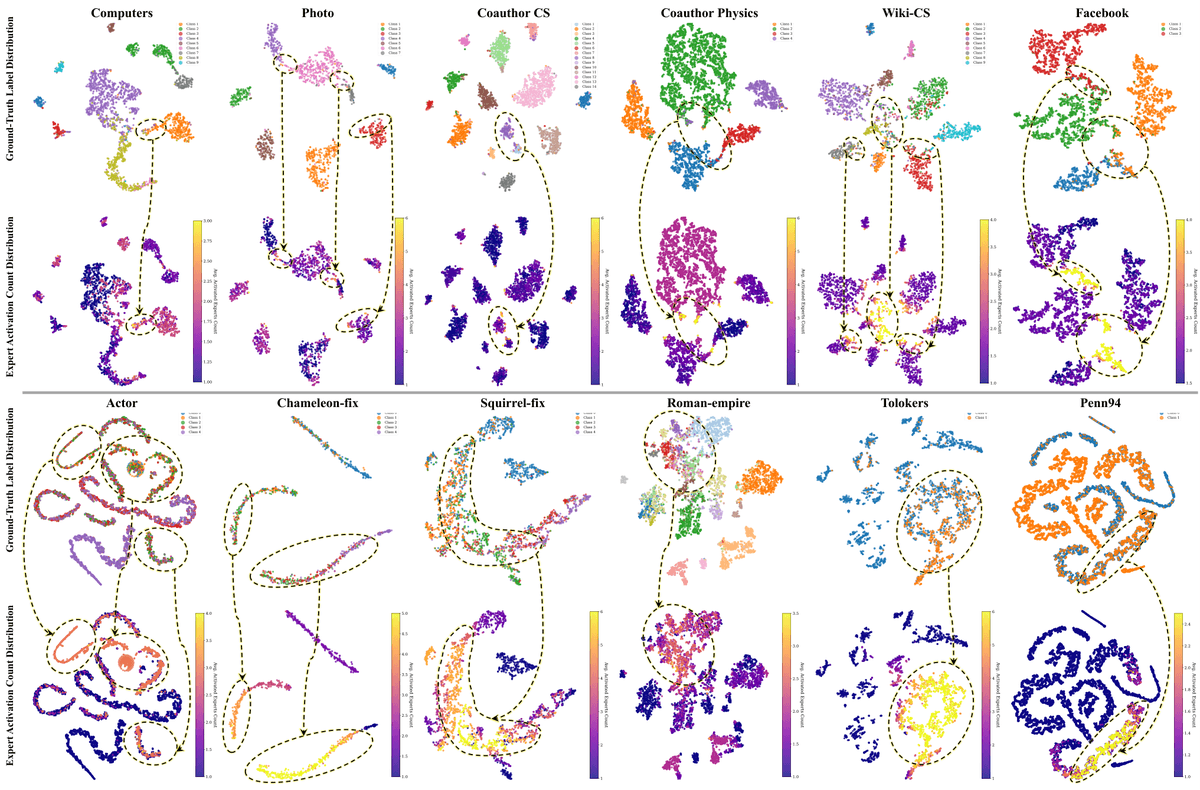
D2MoE swaps rigid top-k routing for entropy-driven top-p selection, spending more experts on ambiguous graph nodes and fewer on easy ones.
A Cambridge study models Country+1, Friendshoring and Reshoring on the global EV supply network and finds these localizing policies mostly increase interdependence.

ByteDance Seed's continuous adversarial flow models replace mean squared error with a learned critic, cutting ImageNet guidance-free FID by more than half.
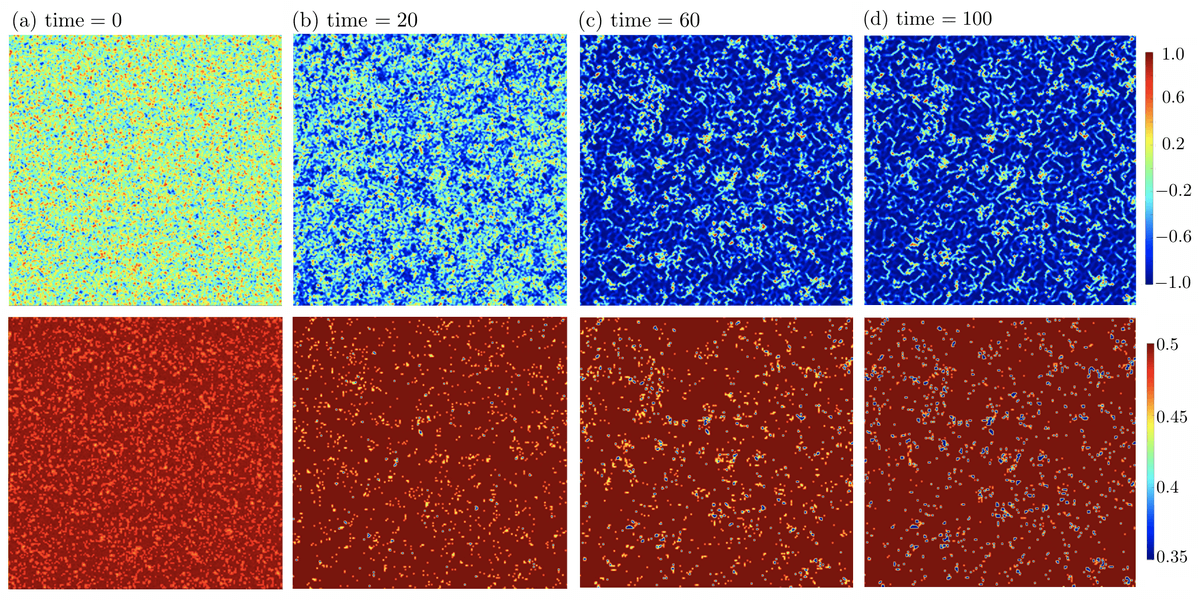
Researchers adapt the Behler-Parrinello neural network framework from molecular dynamics to metallic magnets, enabling large-scale simulations of both equilibrium and voltage-driven spin systems.

New research shows CLIP-style models already encode compositional structure, but global cosine similarity throws it away at inference time.
MedSSR uses knowledge-guided synthetic questions and self-generated pseudo-labels to lift rare-disease reasoning by up to 5.93 percent without expensive teacher distillation.