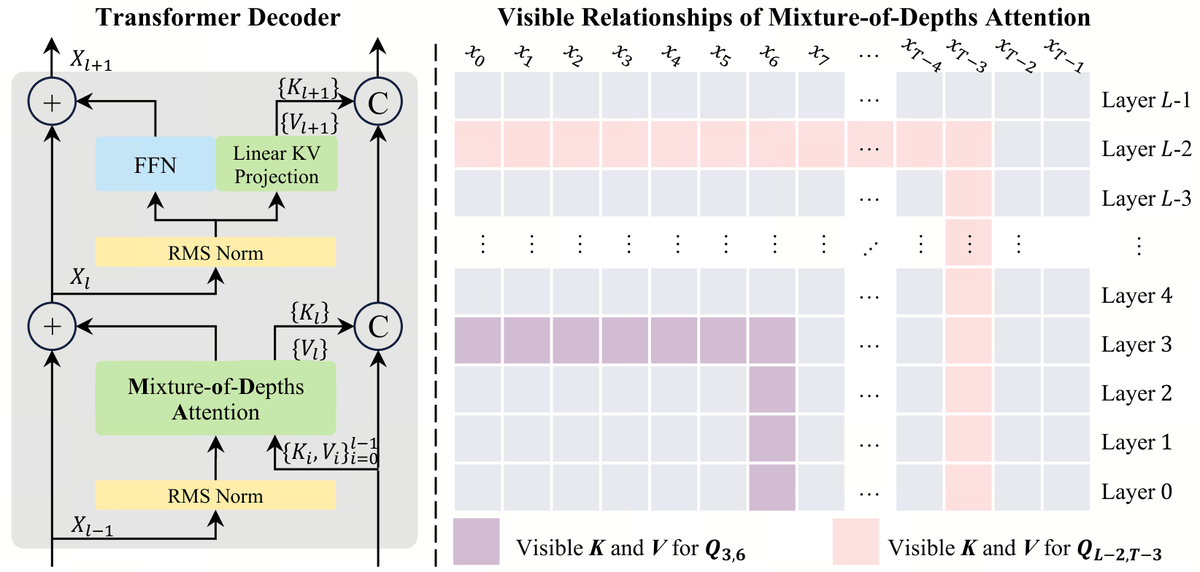
HUST's hustvl group open-sources MoDA, replacing residual connections with attention across transformer layers for a 2.11% accuracy gain at only 3.7% extra compute.
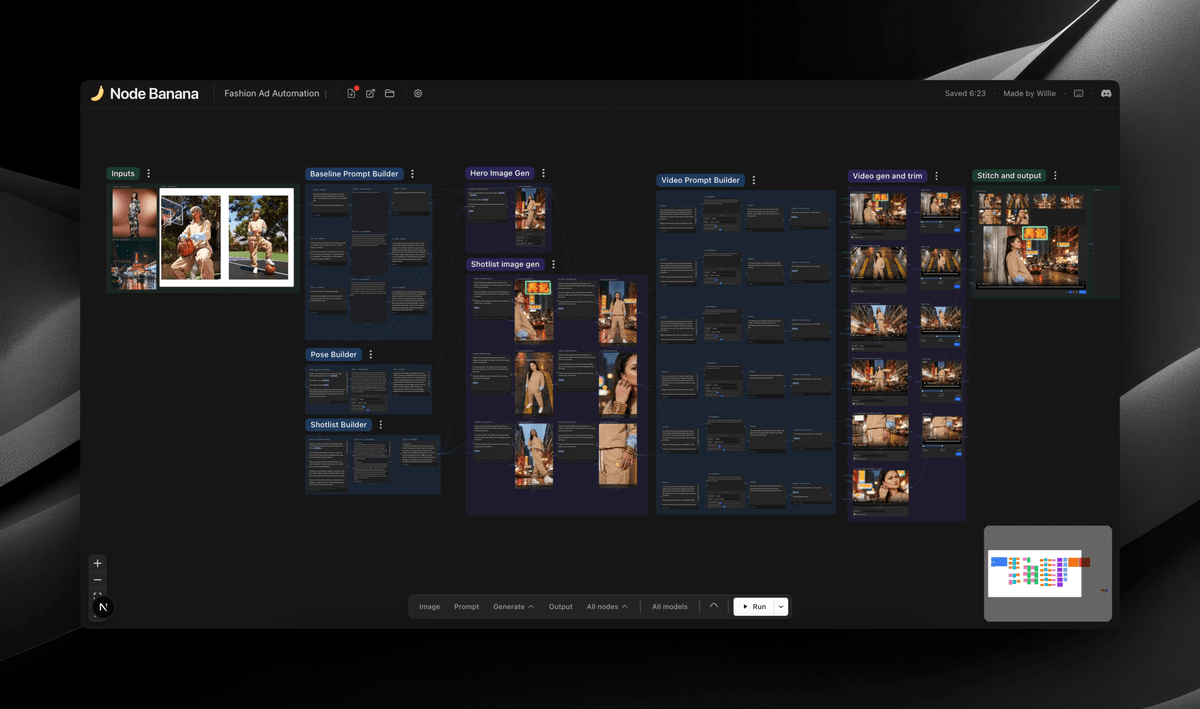
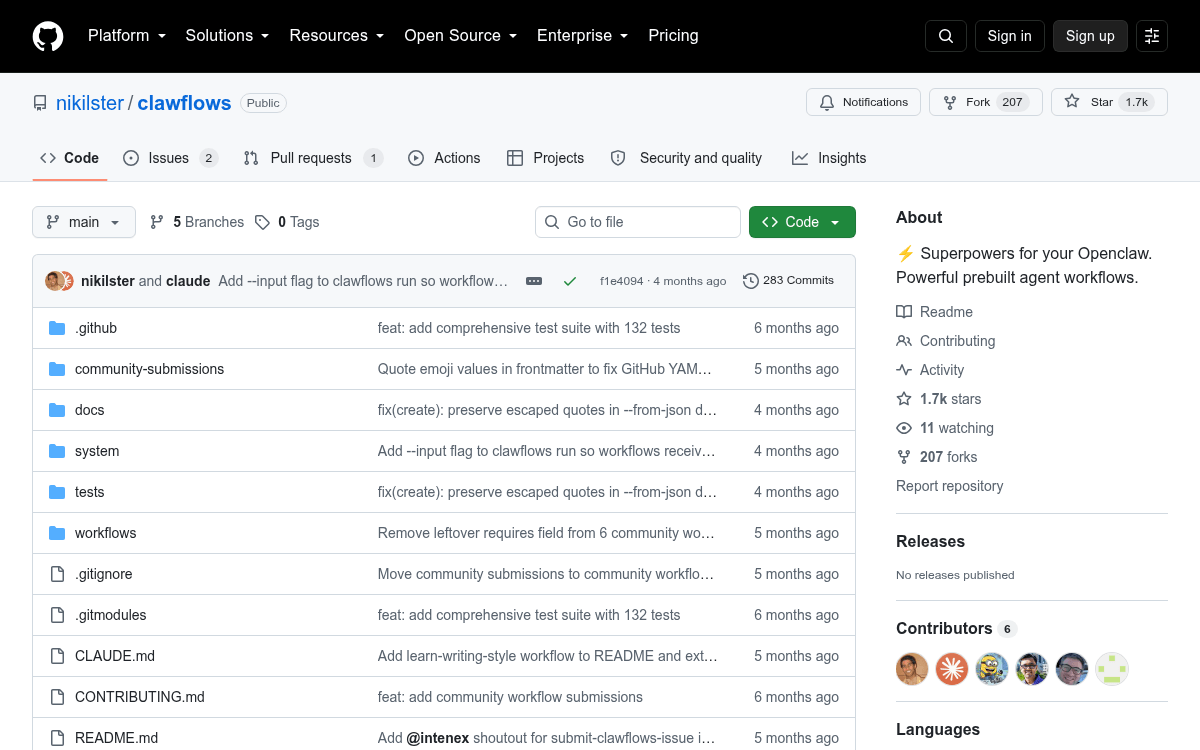
A new bash-based workflow system ships 113 prebuilt automations for OpenClaw agents, from inbox triage to overnight builds, installable with one curl command.
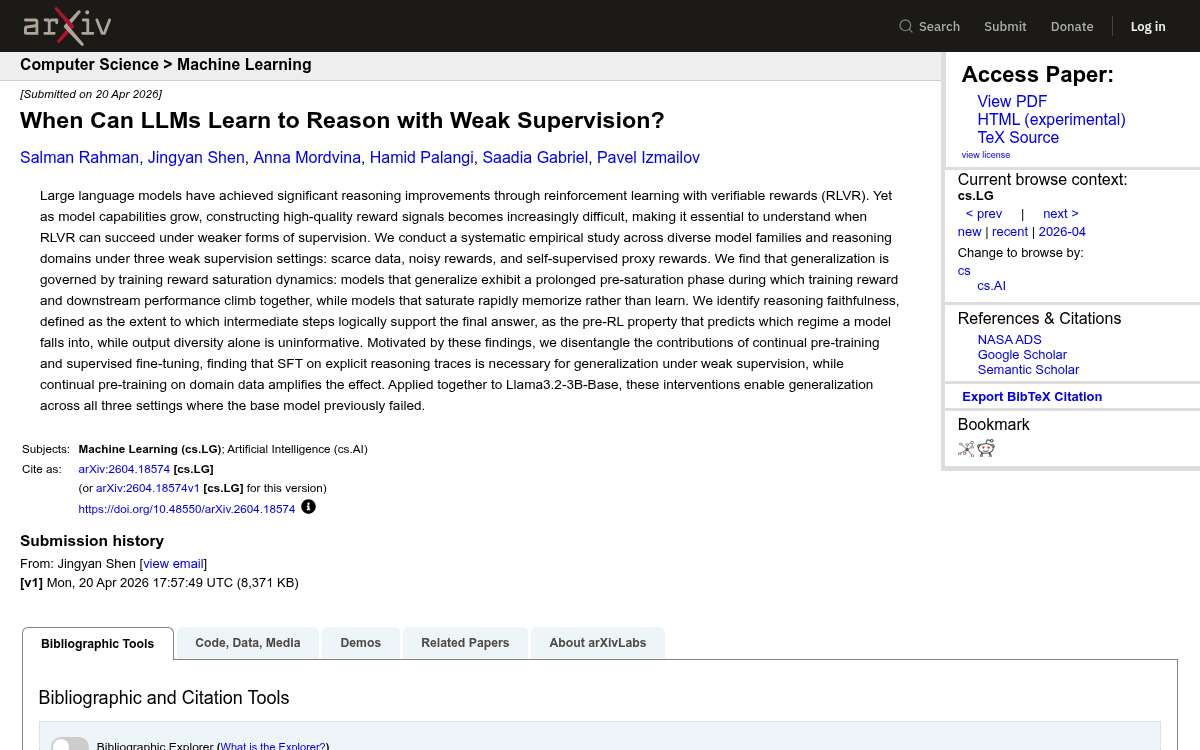
A new study pinpoints why reinforcement learning with weak reward signals works for some LLMs and fails for others, and offers a concrete recipe to fix it.
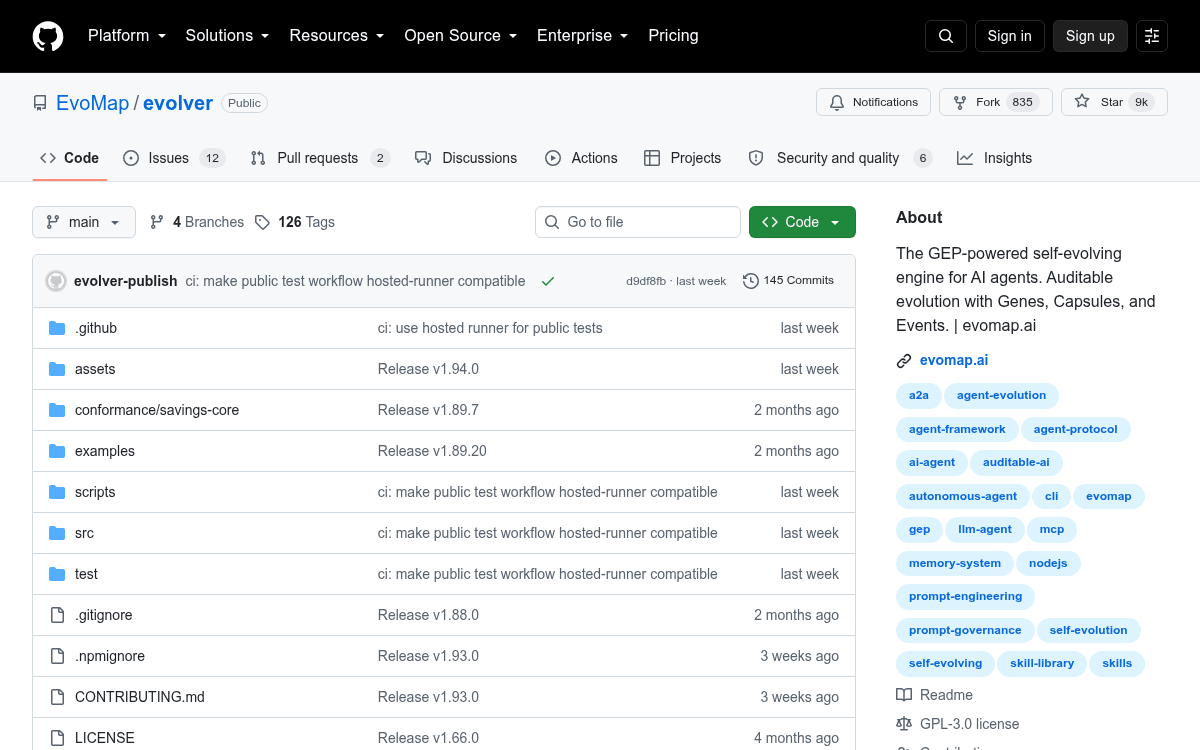
EvoMap's Evolver lets AI agents encode what they learn as compact, reusable Genes — not verbose skill docs — and share them across a decentralized evolution network.
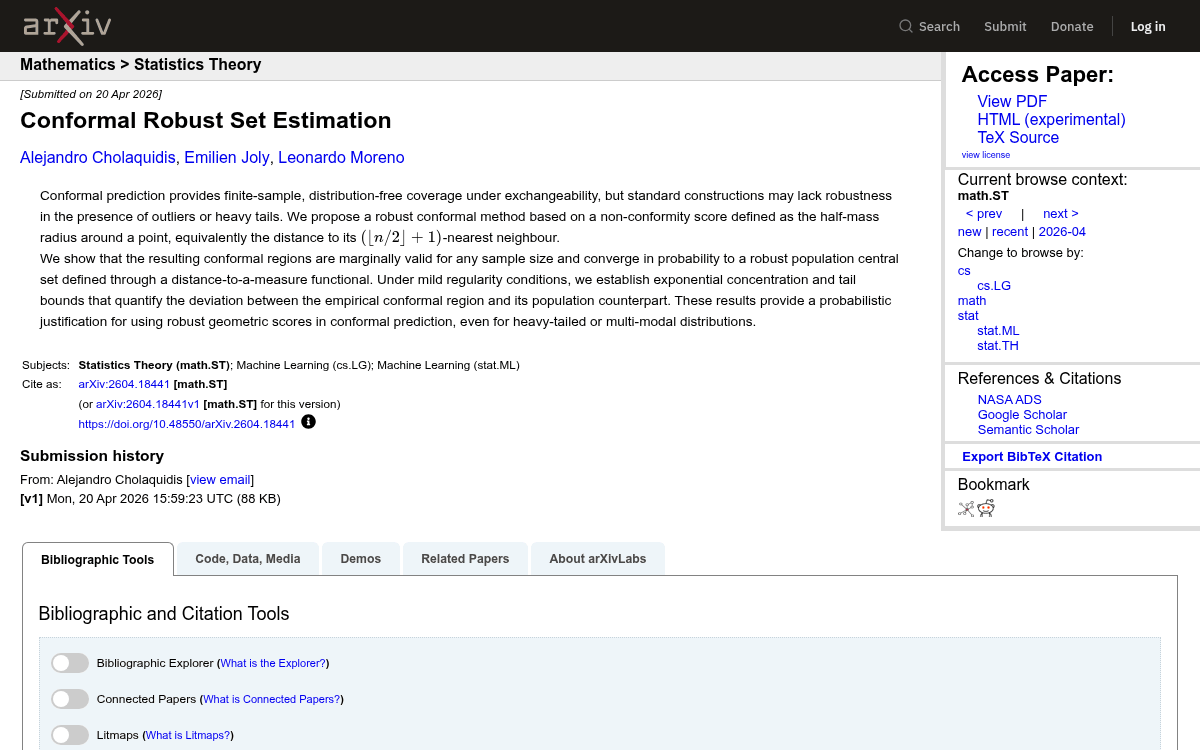
A new non-conformity score based on the distance to the median-ranked neighbor makes conformal prediction regions immune to nearly half-sample contamination.
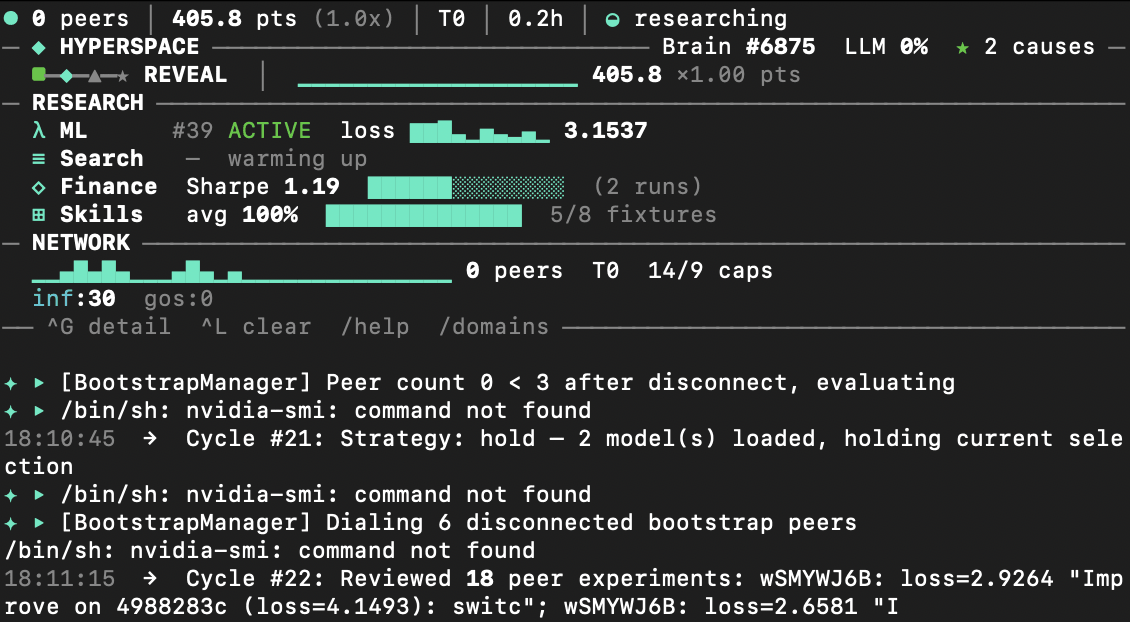
Hyperspace open-sources a P2P autoresearch system where autonomous agents run experiments, gossip findings, and collaboratively train models from any device
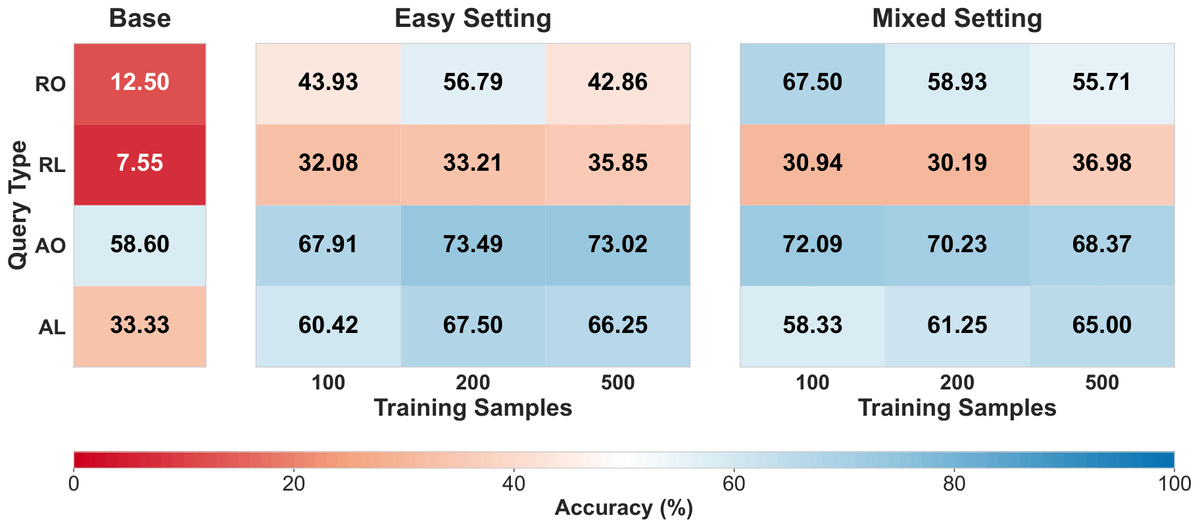
A new empirical study shows that for RLVR fine-tuning, mixing question difficulties beats piling on easy examples, delivering up to 5x sample efficiency.
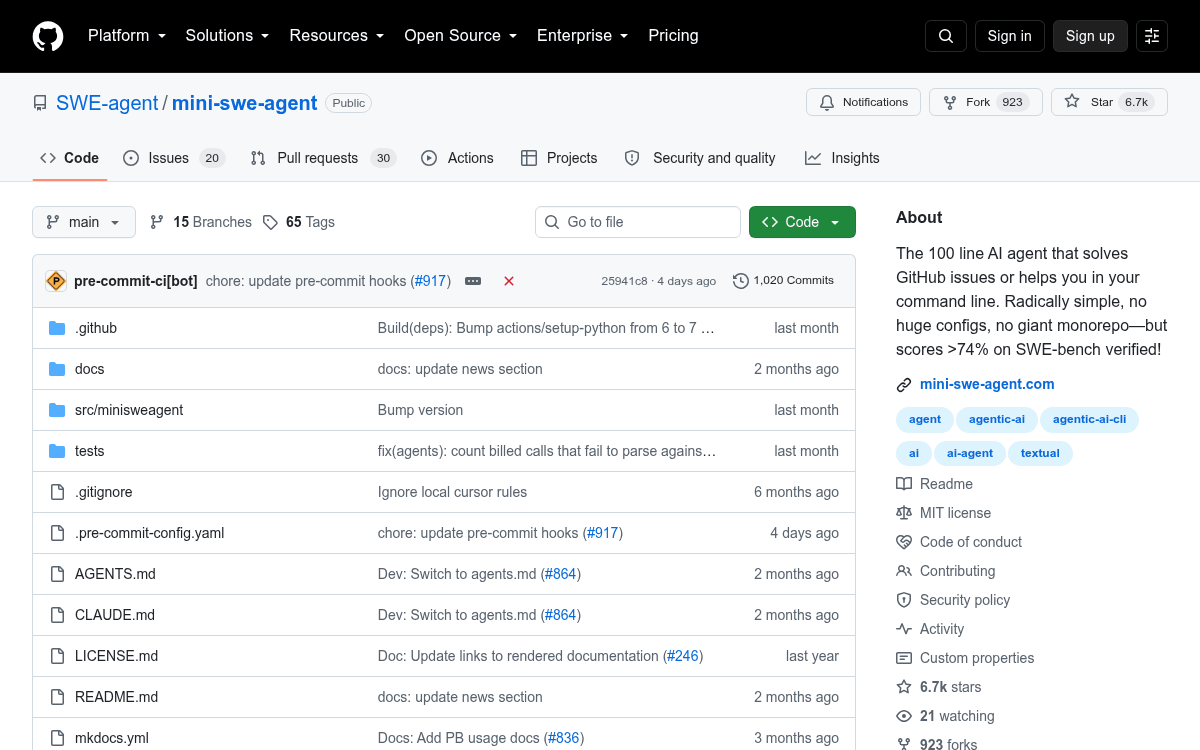
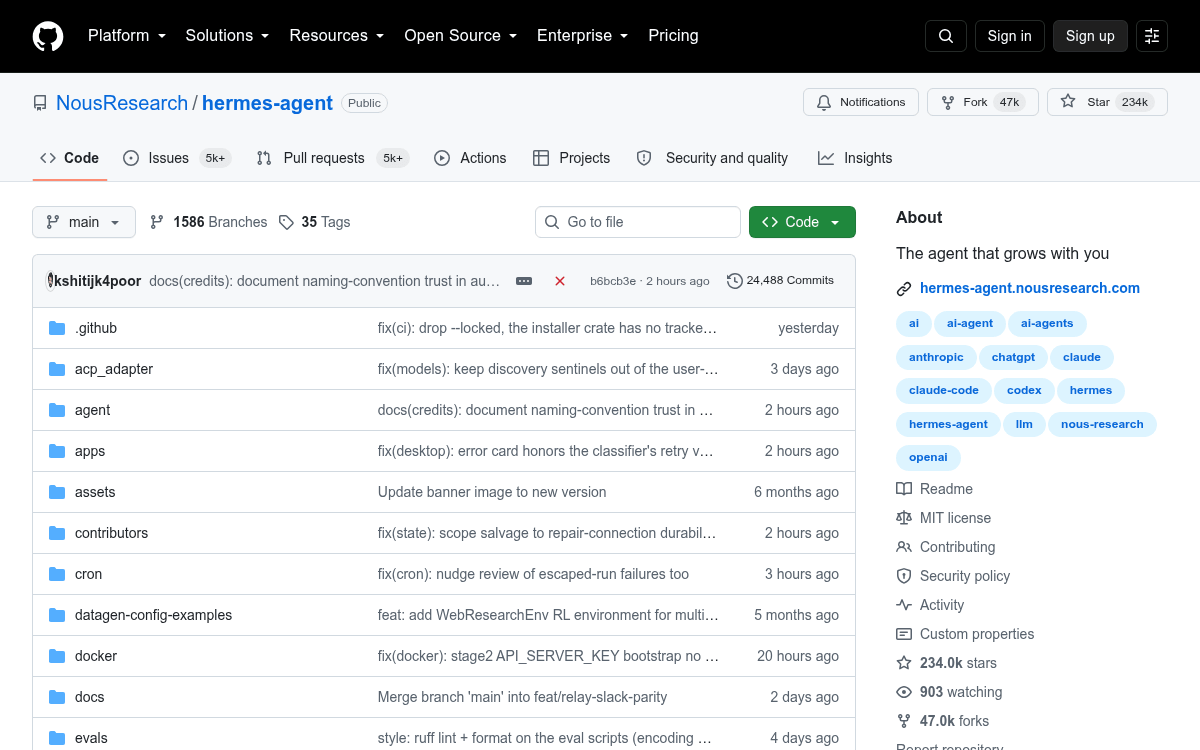
Nous Research's open-source Hermes Agent pairs a persistent learning loop with 20+ messaging surfaces, turning a chatbot into a self-hosted teammate that grows.
oh-my-claudecode turns Claude Code into a full multi-agent team with 19 specialists, parallel execution, and zero configuration — hitting 38k GitHub stars
CowAgent (formerly chatgpt-on-wechat) is a self-evolving open-source AI agent with long-term memory, a skills marketplace, and support for 10+ LLMs across 12 messaging platforms
CalibAdv fixes two chronic failures in GRPO training for search agents: unfair penalties on correct intermediate steps and catastrophic language collapse.
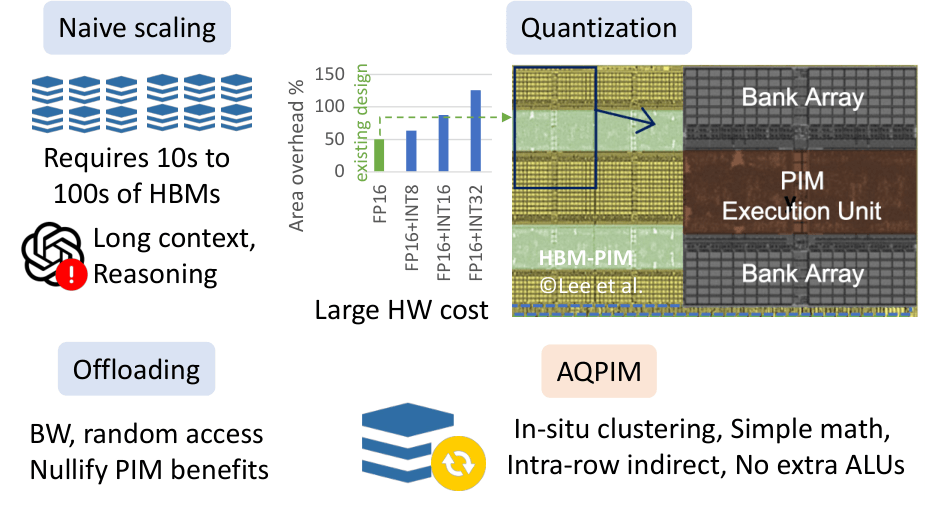
A new HPCA paper redesigns processing-in-memory around product quantization, cutting KV cache footprint 6.5x and delivering 3.4x speedup over the previous SOTA PIM accelerator.