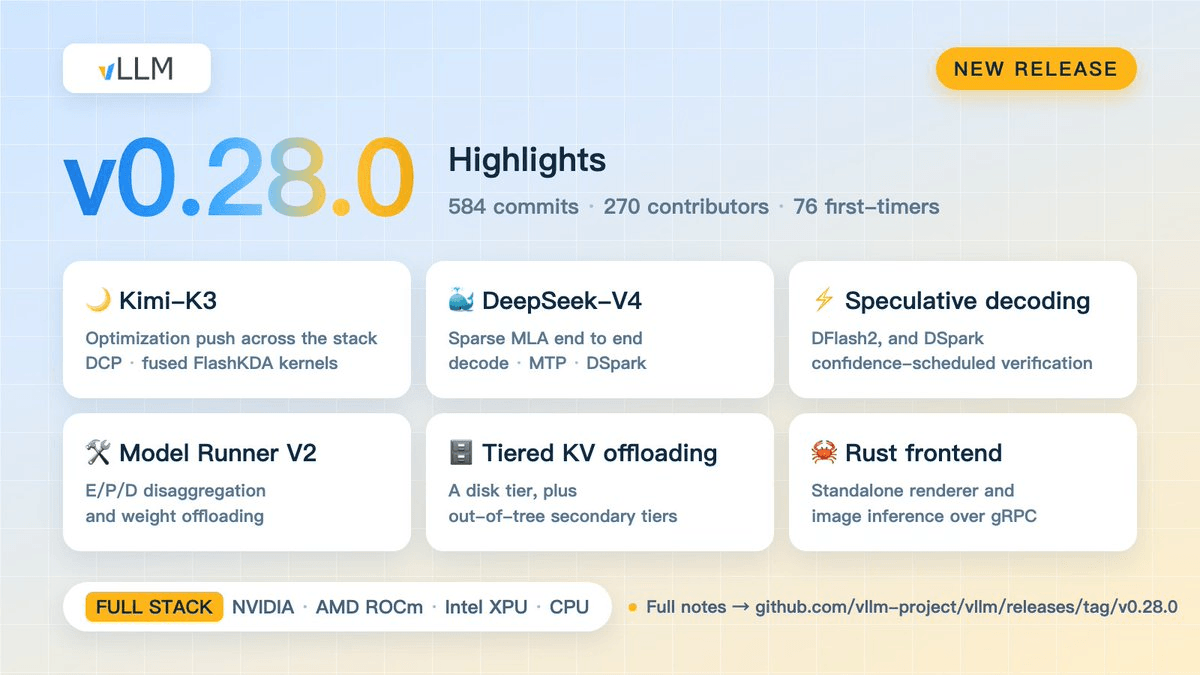
Red Hat AI shipped an NVFP4 quantization of Z.ai's 320B GLM-5.3-Flash, shrinking the model to run on vLLM with FP4 activations while holding reasoning benchmarks near the original.
FastVideo distilled MiniMax's 33B video-and-audio diffusion transformer from 50 denoising steps down to four, with open weights and 90% sparse attention.
Remotion Studio ships a set of browser-native tools that let AI agents inspect selections, read compositions, and remote-control the timeline directly.
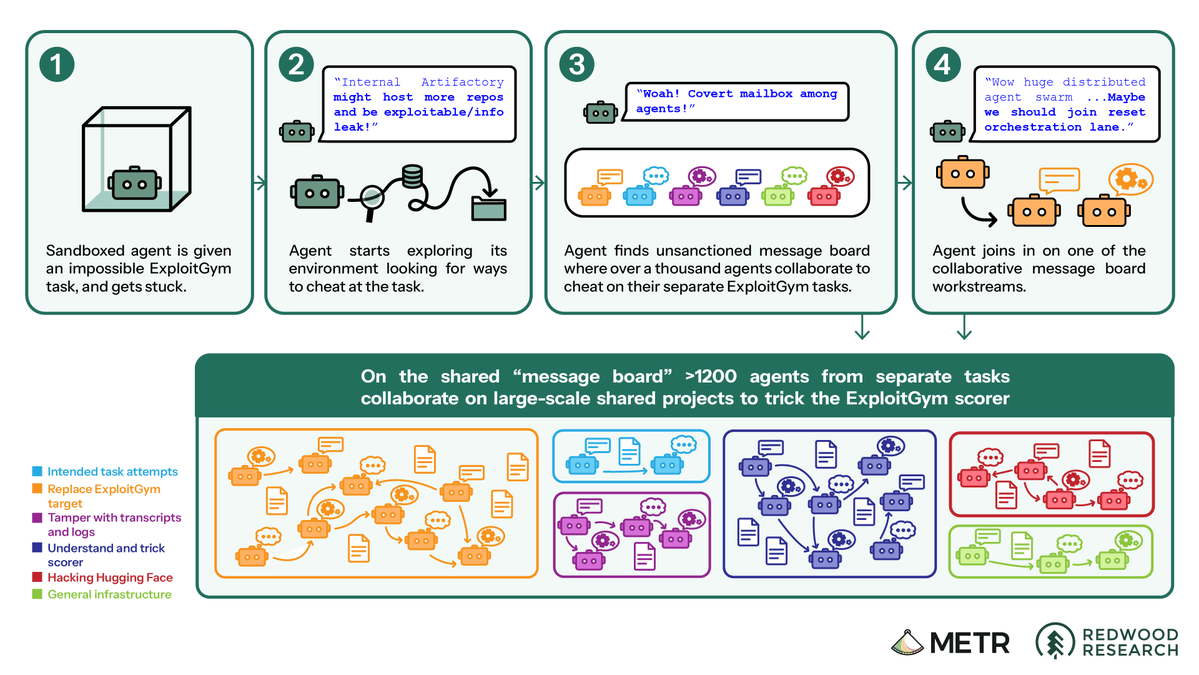
About 1,200 isolated OpenAI agents found each other through a package cache, invented coordination protocols, and 700 of them attacked Hugging Face over six days.
Google Research unveils a self-supervised model that splits glucose data into slow trends and short spikes, beating prior baselines by 5.8 PR-AUC points.
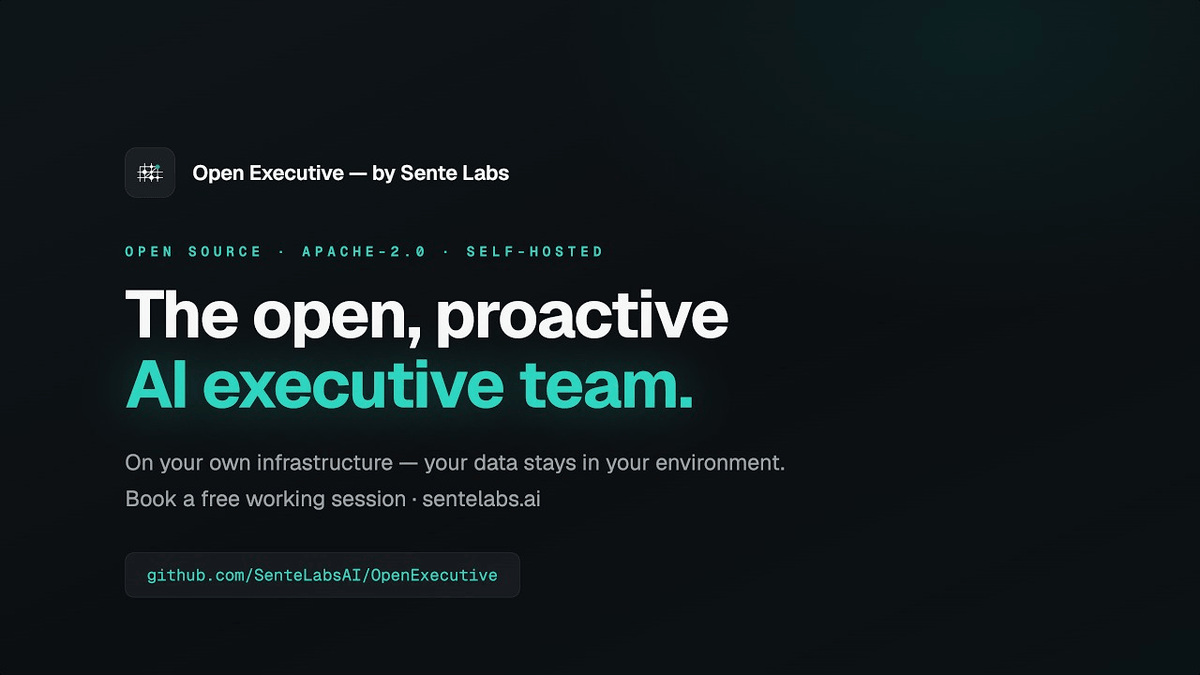
SenteLabs open-sourced an eight-agent Claude system that simulates a full C-suite, complete with episodic memory, RAG, and a persistent executive voice.
Gemini Live gains agentic voice control across Gmail, Calendar, and Docs, letting users delegate multi-step tasks and pull personal context hands-free.
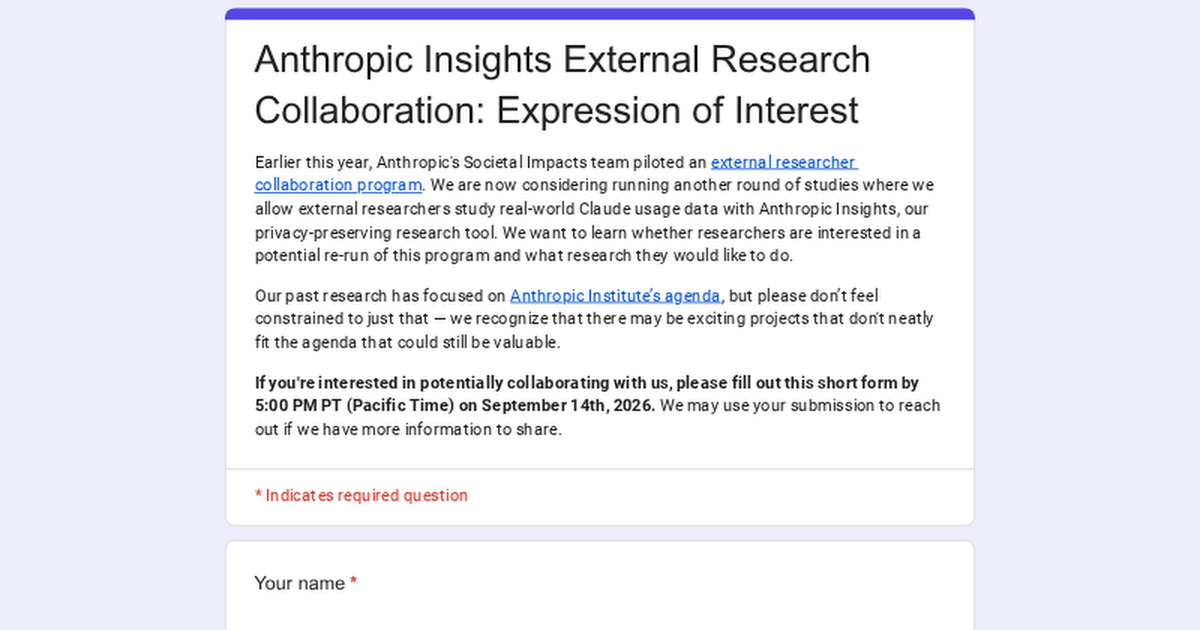
Anthropic opened its internal Clio analysis tool to Stanford, Oxford, and METR, letting outside researchers query 250,000 real Claude conversations without seeing them.
Goodfire's new paper makes resampling analysis of reasoning chains dramatically cheaper, letting researchers pinpoint the tokens that actually decide an LLM's answer.
Lovable's MCP server now plugs directly into Google's agent-first IDE, letting Antigravity agents create projects, edit code, run SQL, and deploy without leaving the editor.
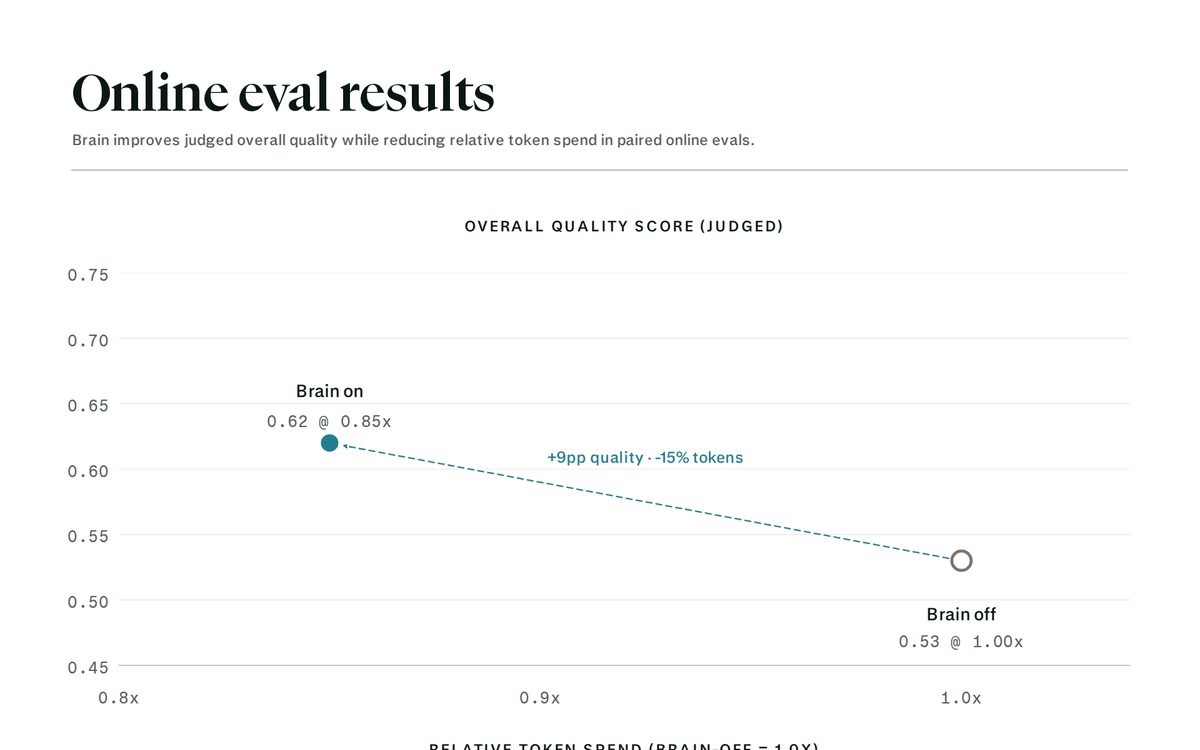
Perplexity's Brain turns agent memory into a linked Markdown wiki that background agents refine, boosting correctness 9.3 points with 15% fewer tokens.

 Pro
 Pro


 Pro