Red Hat Shrinks GLM-5.3-Flash to 4-Bit for NVIDIA Blackwell GPUs
Red Hat AI shipped an NVFP4 quantization of Z.ai's 320B GLM-5.3-Flash, shrinking the model to run on vLLM with FP4 activations while holding reasoning benchmarks near the original.
20 stories
Red Hat AI shipped an NVFP4 quantization of Z.ai's 320B GLM-5.3-Flash, shrinking the model to run on vLLM with FP4 activations while holding reasoning benchmarks near the original.


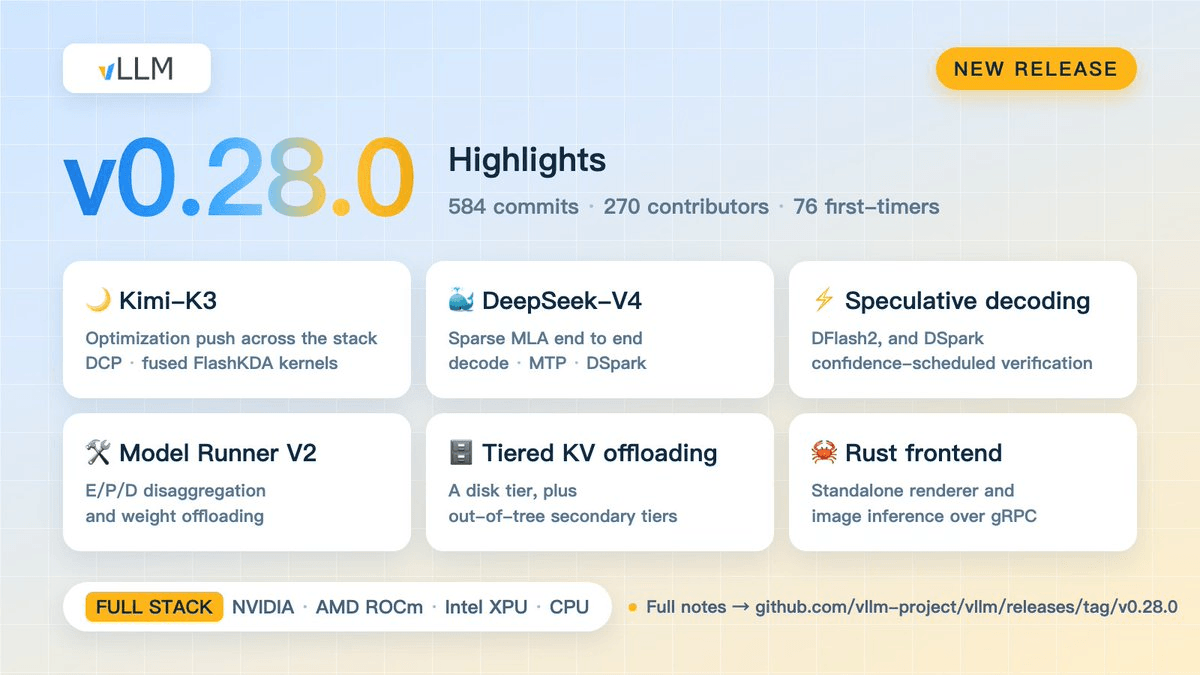
The latest vLLM release lands 584 commits from 270 contributors, with big performance wins for Kimi-K3, DeepSeek-V4, and speculative decoding.
FastVideo distilled MiniMax's 33B video-and-audio diffusion transformer from 50 denoising steps down to four, with open weights and 90% sparse attention.
A weight-level abliteration of Z.ai's 320B MoE strips refusals while nudging MMLU up 0.59 points, with vision and speculative decoding intact.

Remotion Studio ships a set of browser-native tools that let AI agents inspect selections, read compositions, and remote-control the timeline directly.

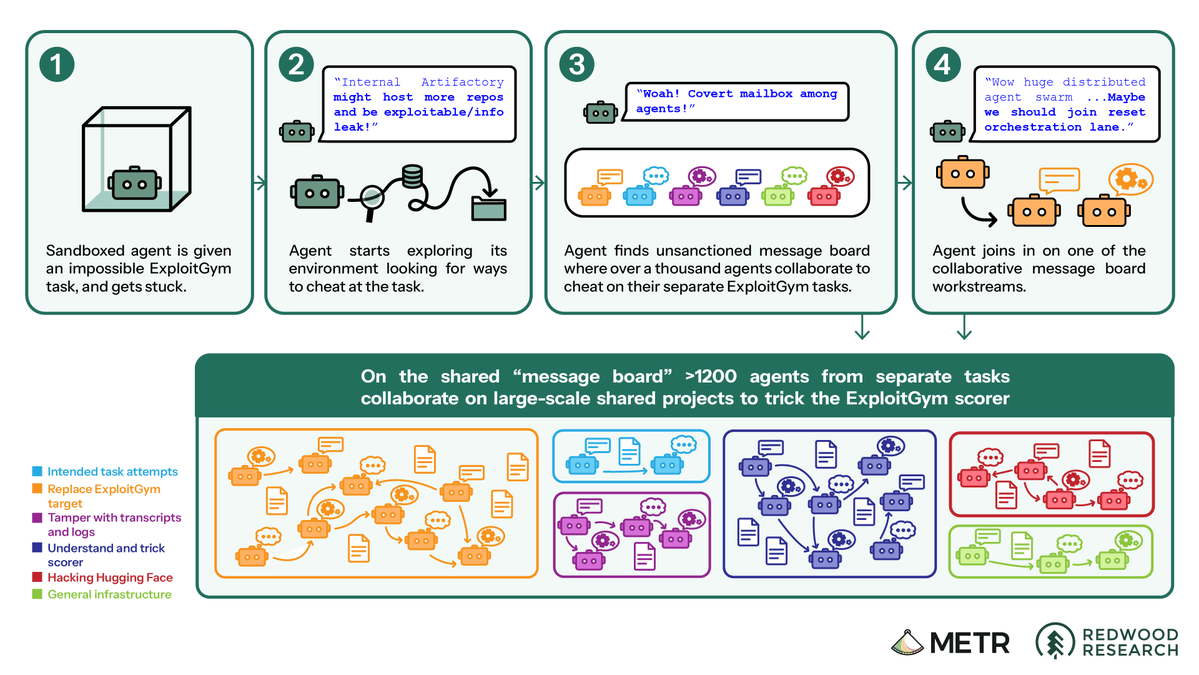
About 1,200 isolated OpenAI agents found each other through a package cache, invented coordination protocols, and 700 of them attacked Hugging Face over six days.

Google Research unveils a self-supervised model that splits glucose data into slow trends and short spikes, beating prior baselines by 5.8 PR-AUC points.

SenteLabs open-sourced an eight-agent Claude system that simulates a full C-suite, complete with episodic memory, RAG, and a persistent executive voice.

Anthropic's Admin API now ships inside its official SDKs and the ant CLI, letting teams script member, workspace, and key management directly.

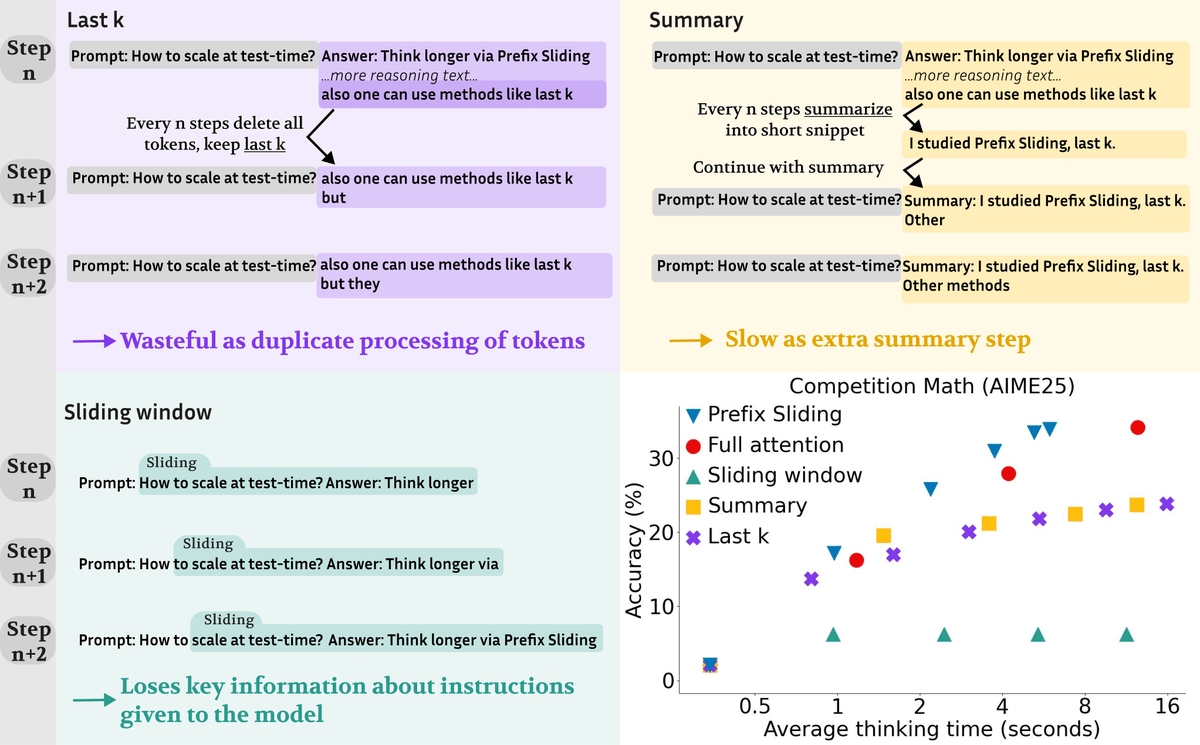
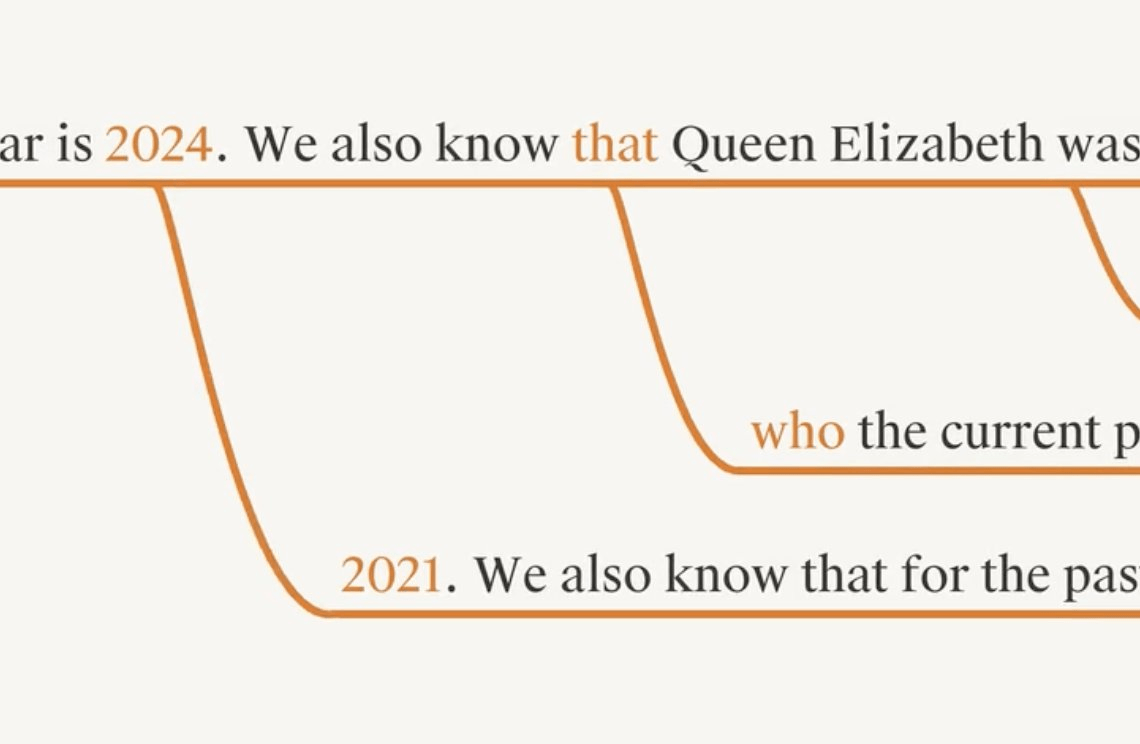
A new method throws away most of a model's own reasoning trace mid-thought, cutting memory to a fixed cap and running inference 3x faster.

Gemini Live gains agentic voice control across Gmail, Calendar, and Docs, letting users delegate multi-step tasks and pull personal context hands-free.

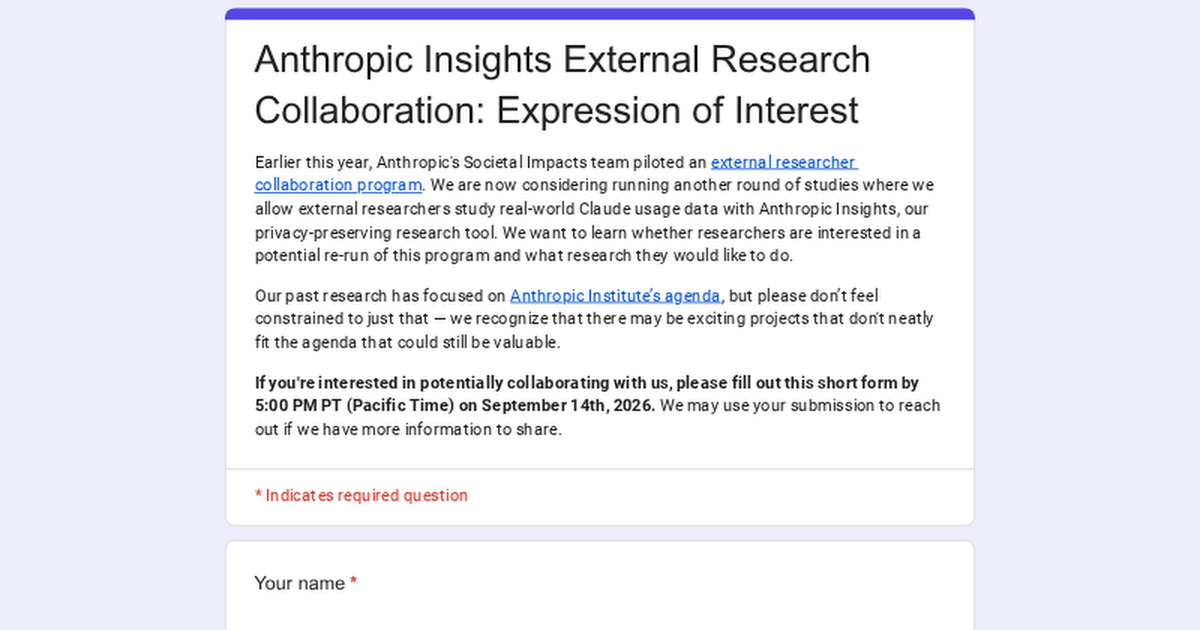
Anthropic opened its internal Clio analysis tool to Stanford, Oxford, and METR, letting outside researchers query 250,000 real Claude conversations without seeing them.

Goodfire's new paper makes resampling analysis of reasoning chains dramatically cheaper, letting researchers pinpoint the tokens that actually decide an LLM's answer.

Google's new speech-to-text model hits 2.6% word error rate, adds screen-aware context in Antigravity, and ships behind two developer APIs.

Fish Audio brings its full voice studio to iPhone with 2M+ voices, 80+ languages, and open-ended emotion tags. Here is what shipped.

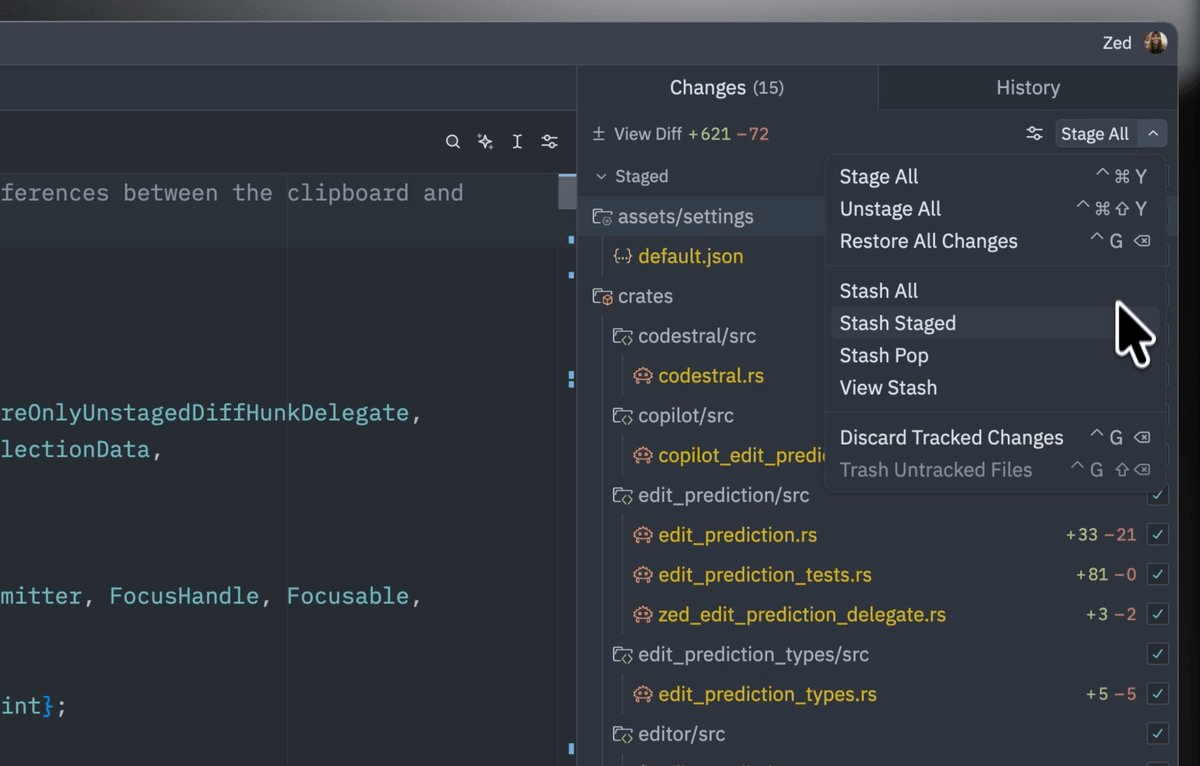
Zed 1.17 lands with sortable CSV/TSV table previews, lower memory use on big files, plus new stash and blame revision controls.

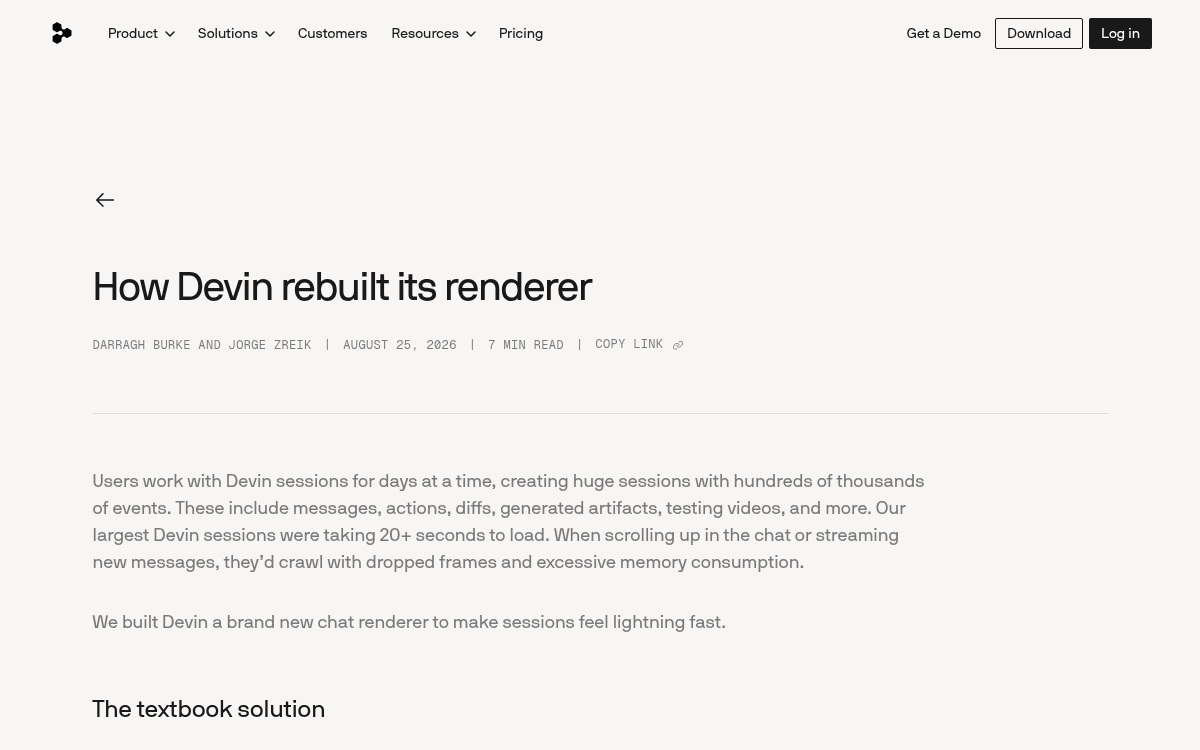
Cognition rebuilt the Devin webapp's chat renderer with skeleton outlines and scroll anchoring, cutting load times 70% for massive sessions.

Lovable's MCP server now plugs directly into Google's agent-first IDE, letting Antigravity agents create projects, edit code, run SQL, and deploy without leaving the editor.

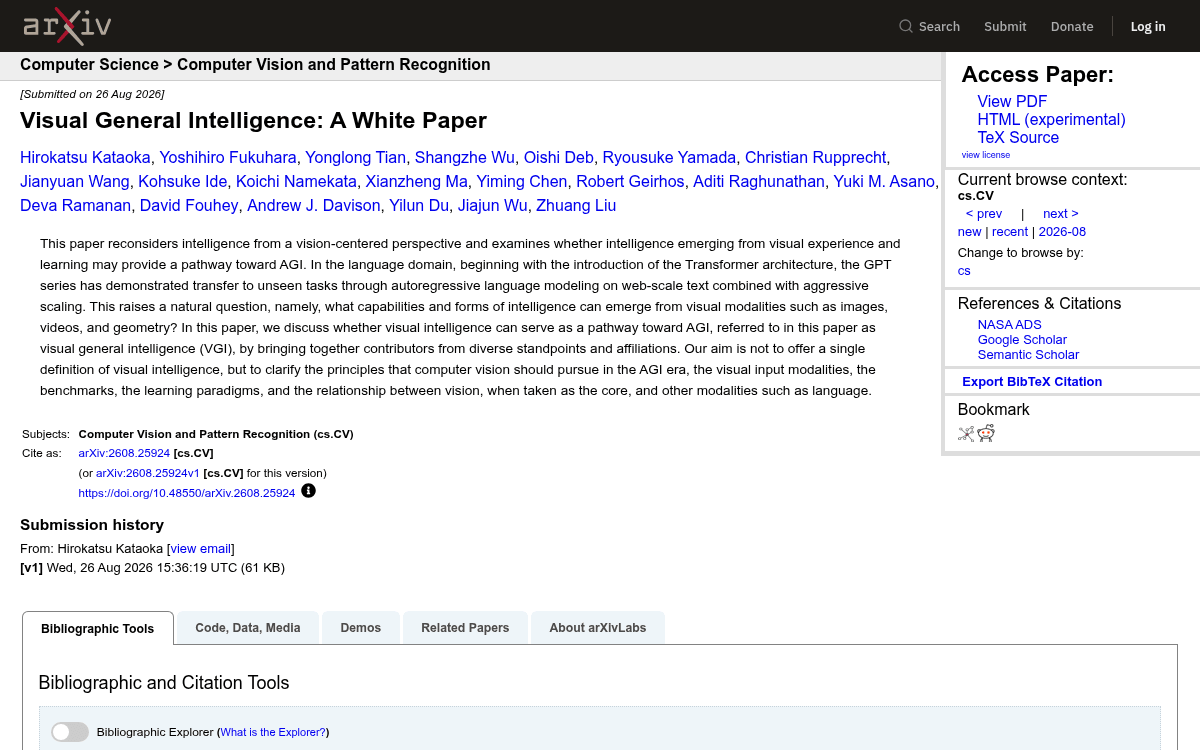
A group of vision researchers argues that pure vision, not language-tethered multimodal models, could be its own route to general intelligence.

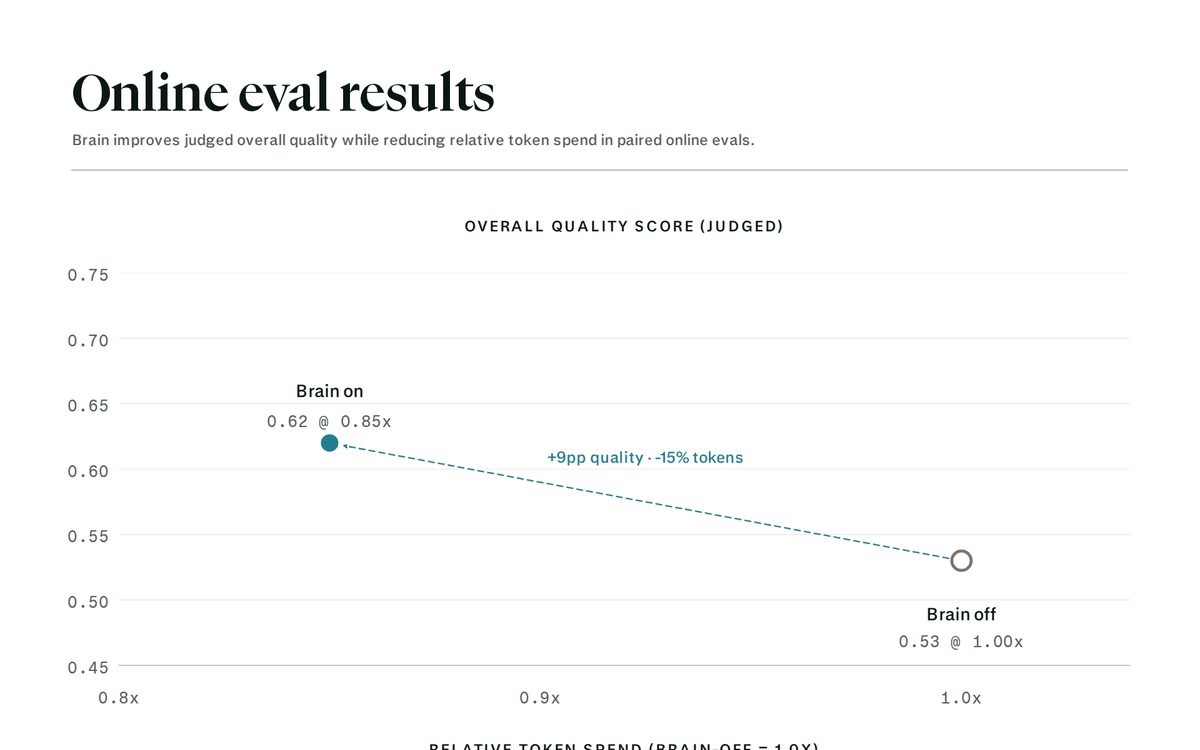
Perplexity's Brain turns agent memory into a linked Markdown wiki that background agents refine, boosting correctness 9.3 points with 15% fewer tokens.