MIT Gives AI a Math Test to Prove It's Truly Discovering
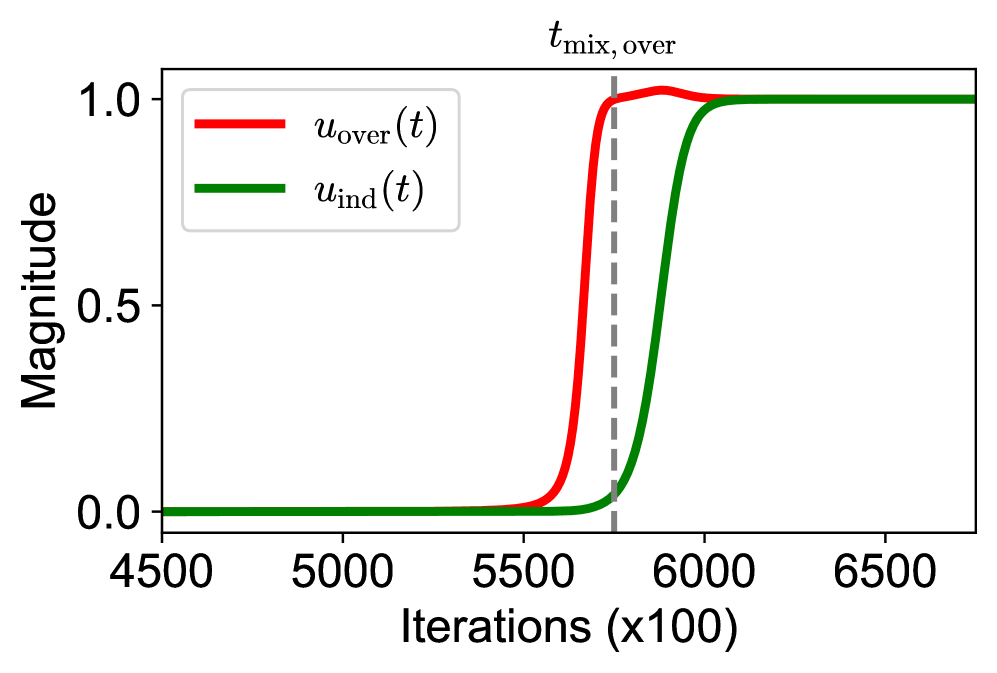
MIT researchers built an AI scientist that uses category theory to mathematically separate genuine discovery from mere search, with measurable novelty.
20 stories
MIT researchers built an AI scientist that uses category theory to mathematically separate genuine discovery from mere search, with measurable novelty.

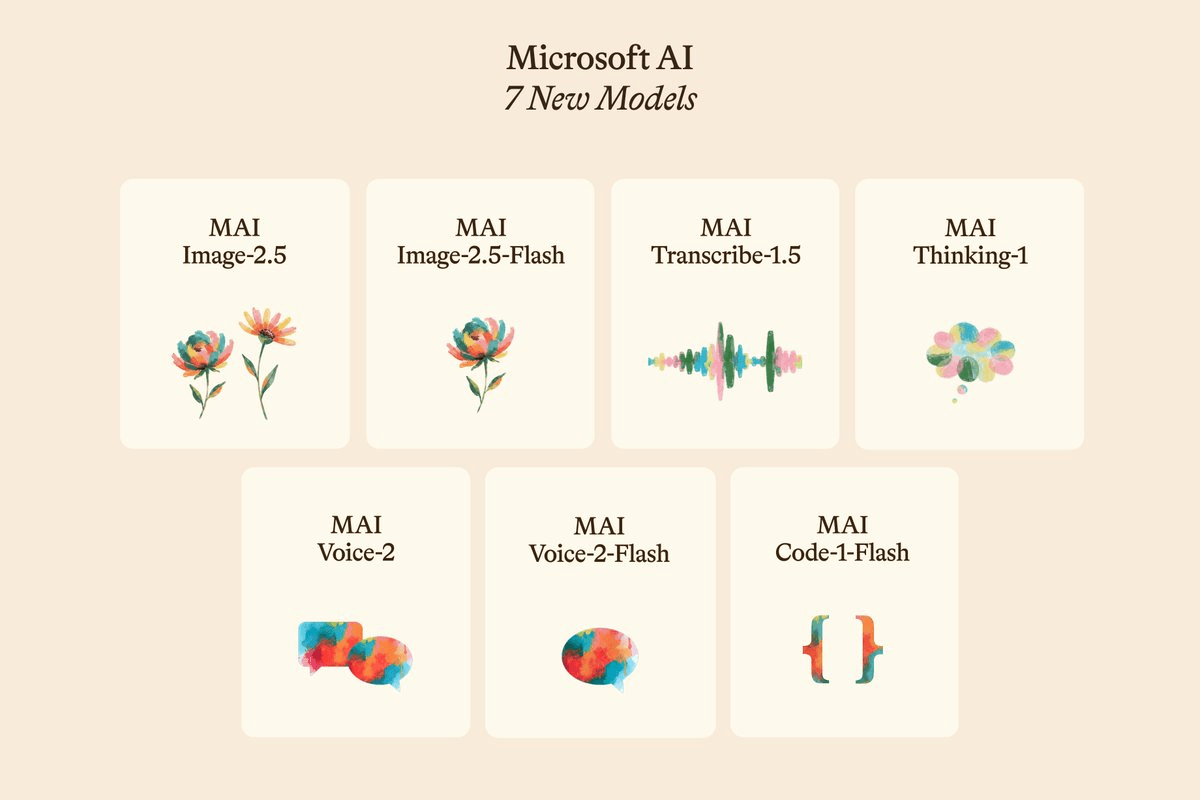
Microsoft ships seven in-house AI models at Build 2026, from a frontier reasoning model to voice and transcription, all trained without OpenAI data

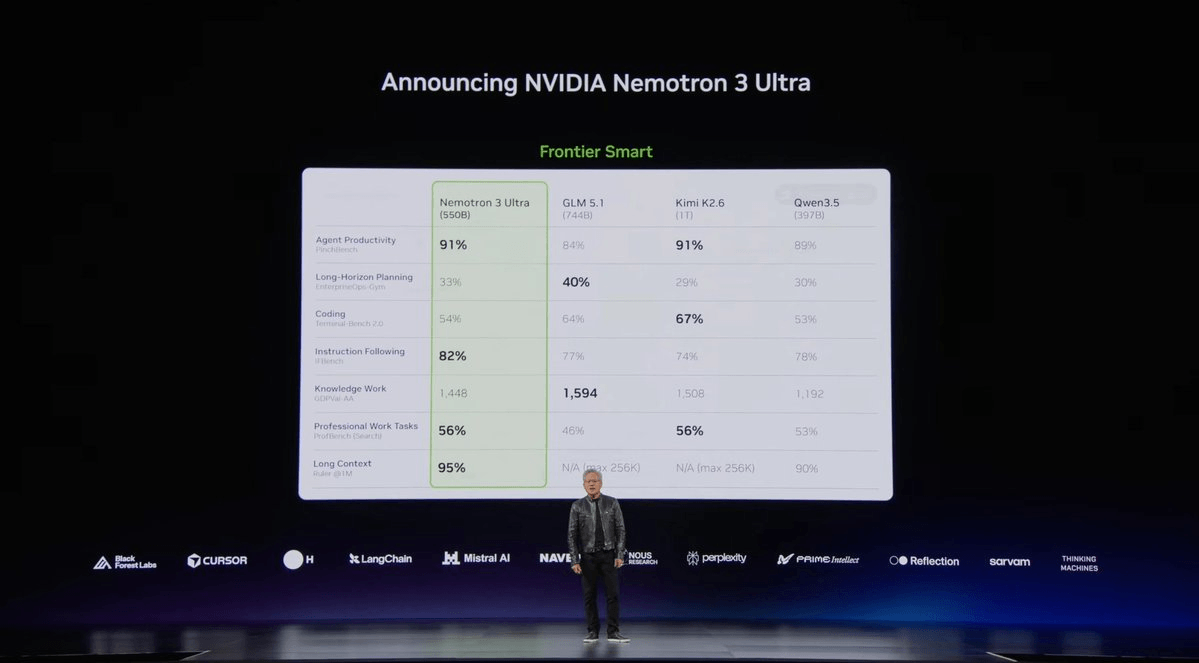
Prime Intellect joins NVIDIA's Nemotron Coalition, contributing 2,500+ open RL environments to turn Nemotron 3 Ultra into a fully customizable open agent platform

Alibaba's Tongyi Lab ships a transparency-focused overhaul of its agent framework with observable events, retry logic, granular permissions, and pluggable workspaces.

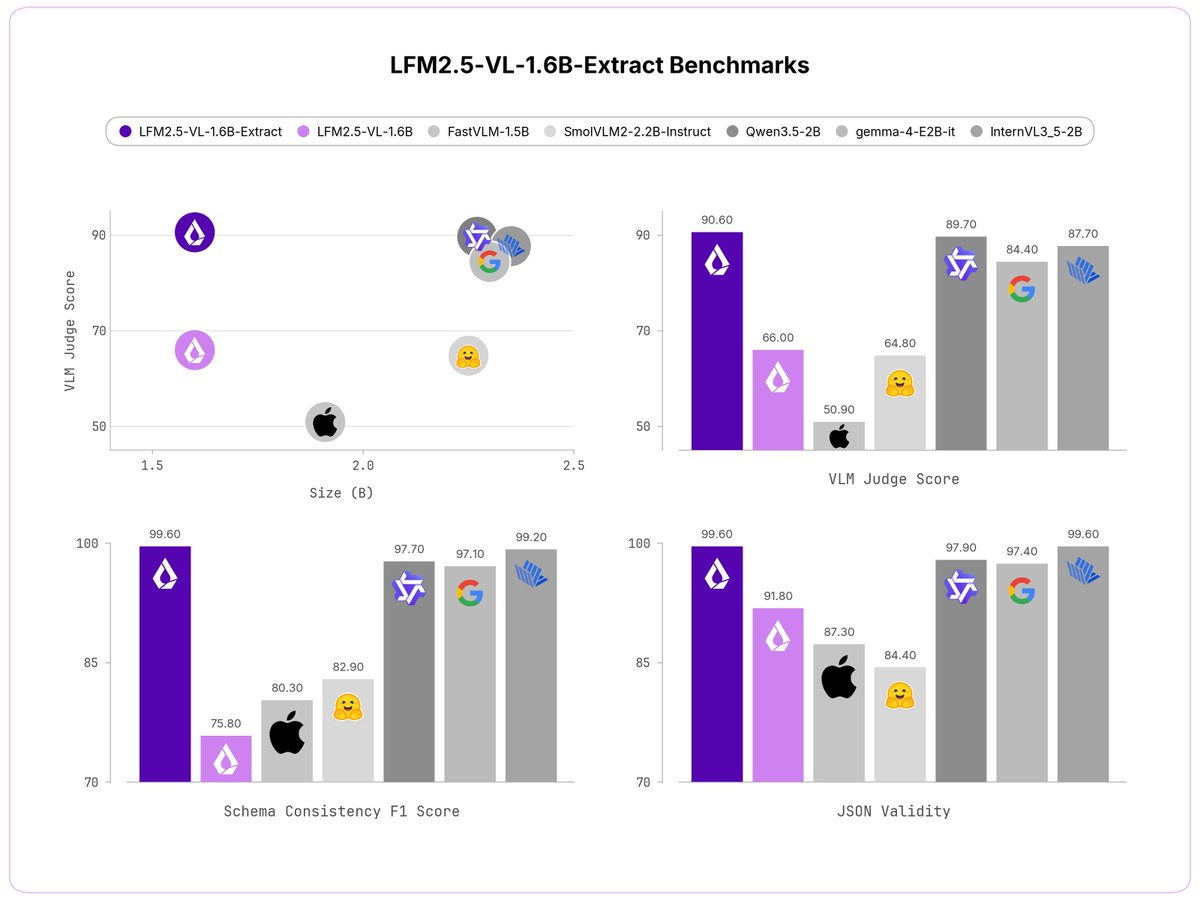
Liquid AI's new Extract models take an image and a YAML field list, return clean JSON, and run on-device with no parsing layer.

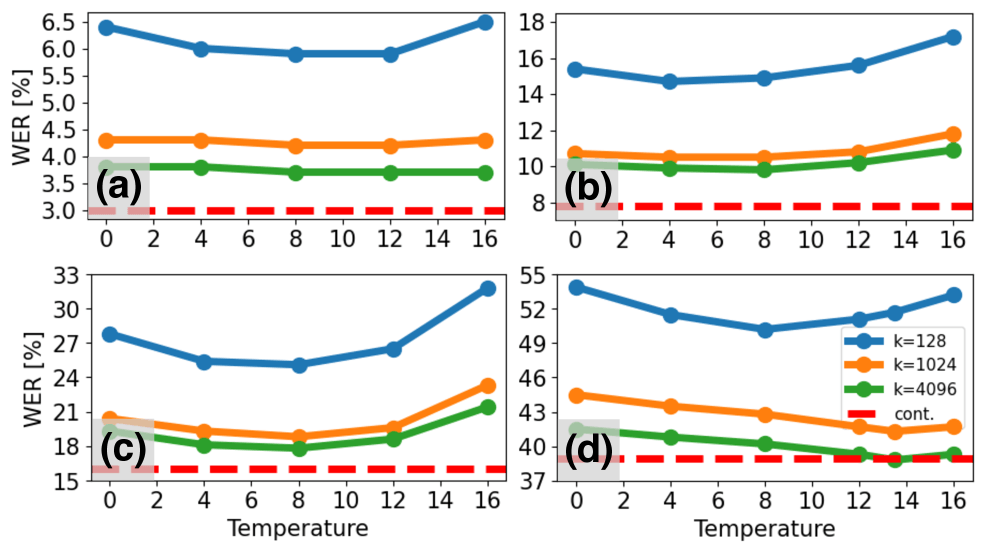
Researchers from the University of Tokyo show that swapping hard token assignment for soft distributions only at inference time recovers lost speech information without retraining

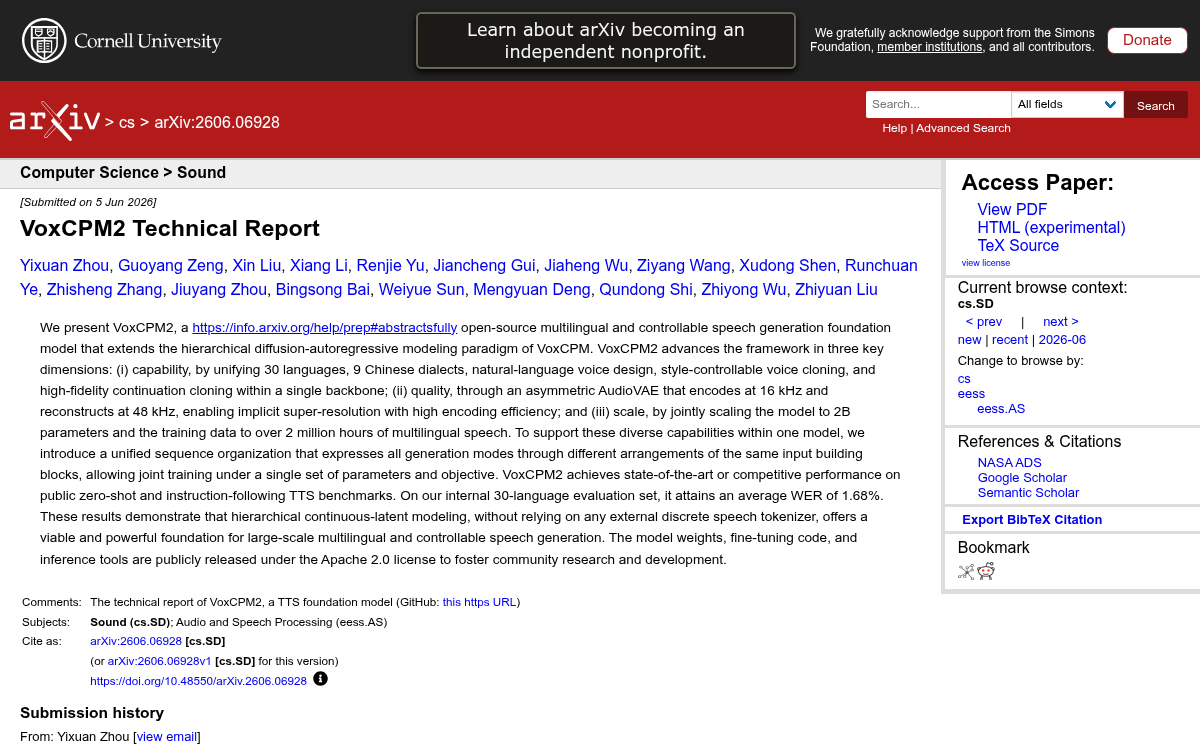
VoxCPM2 is a fully open-source 2B-parameter TTS model covering 30 languages, voice cloning, and natural-language voice design — no discrete tokenizer required

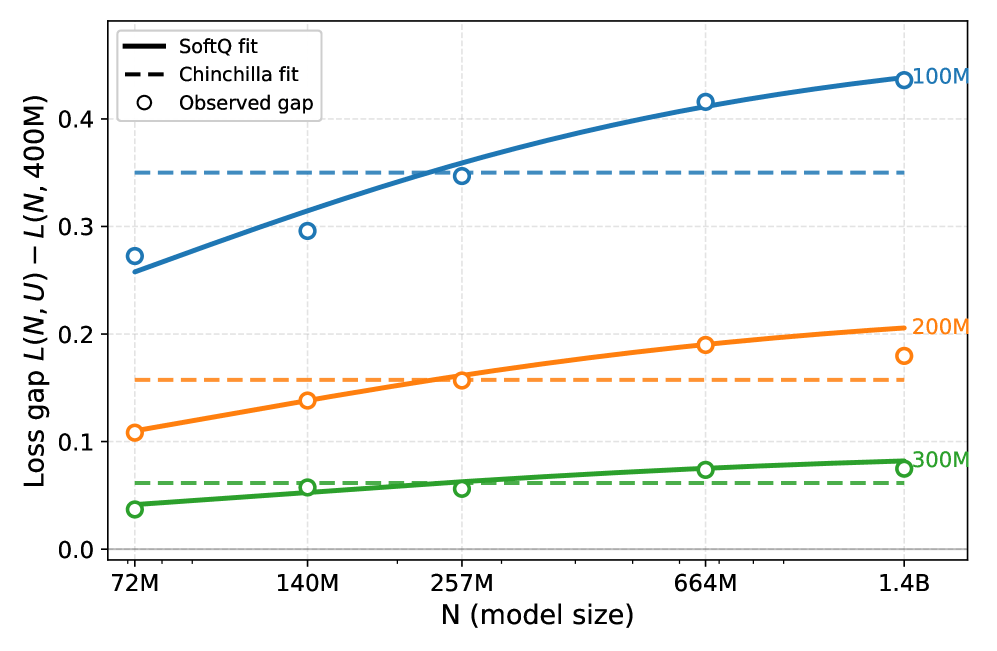
A new scaling law and masking trick show how to squeeze more out of repeated training data as the internet runs dry

A new theoretical framework proves why training on more diverse tasks makes transformers learn faster and generalize further — explained through low-dimensional geometry.

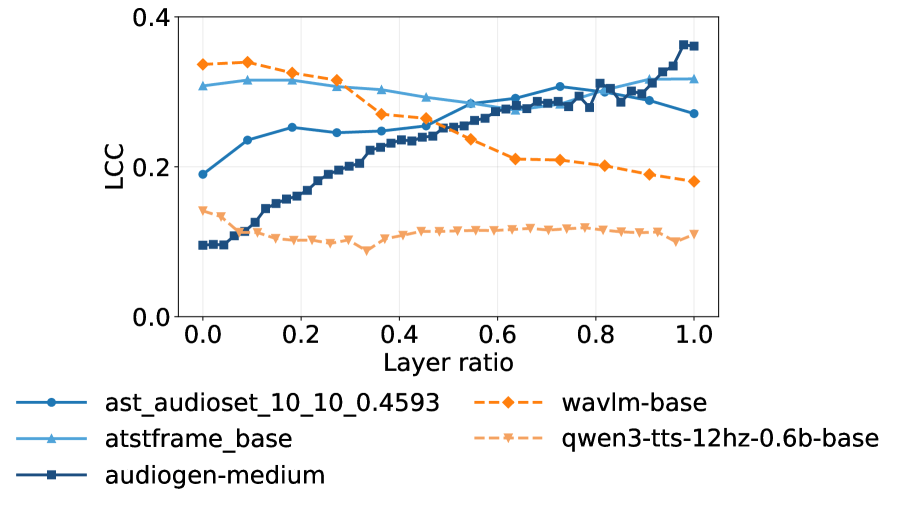
A new study tests 40+ speech models against human voice similarity judgments, revealing which architectures and layers actually match how humans hear voices.

Microsoft puts Dev Box into maintenance mode and pushes Windows 365 as the standard cloud workstation, shipping a preconfigured developer image in public preview.

Codex now has a GitHub-style profile page tracking streaks, lifetime tokens, and top features, with optional shareable cards for your activity.

Google launches Managed Agents in the Gemini API, letting developers spin up sandboxed, tool-using agents on Google's infrastructure with one call.

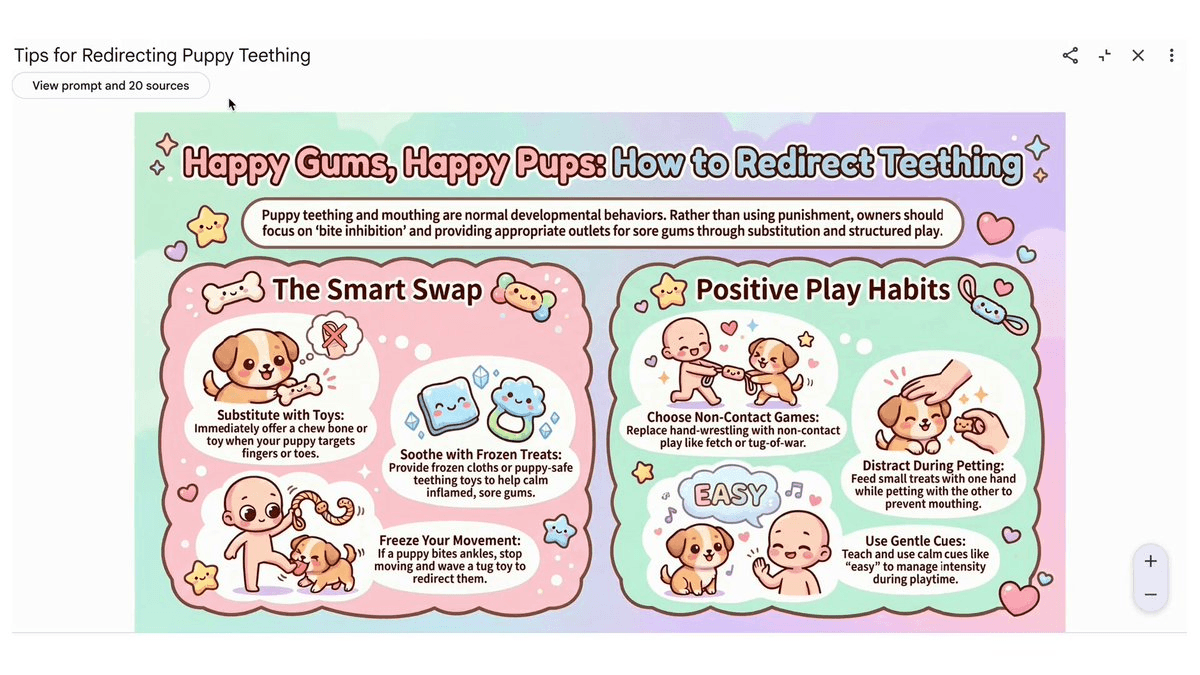
NotebookLM's new Source Attribution feature exposes the exact prompt and sources behind every Studio artifact, and lets you tweak and re-run them.

Microsoft AI's first full-stack lineup spans reasoning, code, image, voice and transcription, trained from scratch on Maia 200 silicon with no distillation.

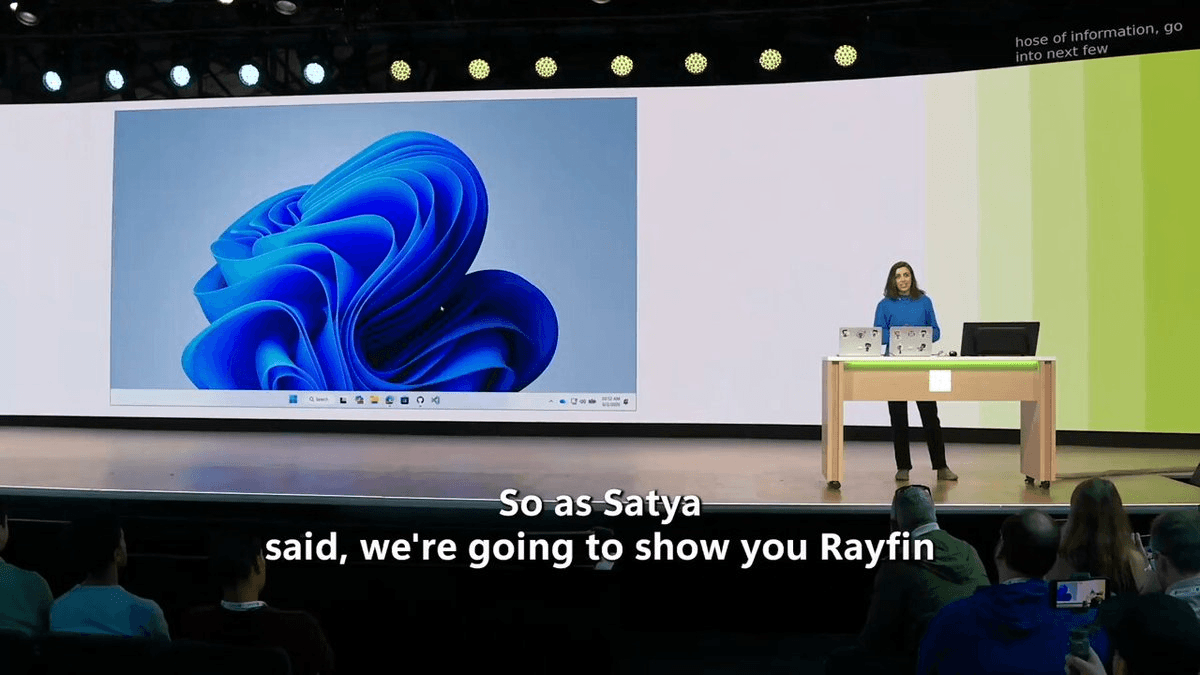
GitHub's new desktop app turns AI agent chaos into a single control center, with canvases, sandboxes, and enterprise deployment via Rayfin
An internal OpenAI reasoning model autonomously cracked the planar unit distance problem, an open question Erdős posed in 1946, using algebraic number theory.
Google's PHRM system uses your phone's selfie camera to passively measure heart rate after face unlock, matching wearables across all skin tones.

Factory's new Router automatically picks the best LLM per task and fails over across providers, cutting token spend 20-25% while keeping sessions alive.
Prime Intellect Lab adds day-0 post-training for NVIDIA's 550B Nemotron 3 Ultra, opening the closed-lab agent loop to every team on Blackwell.