
Pro
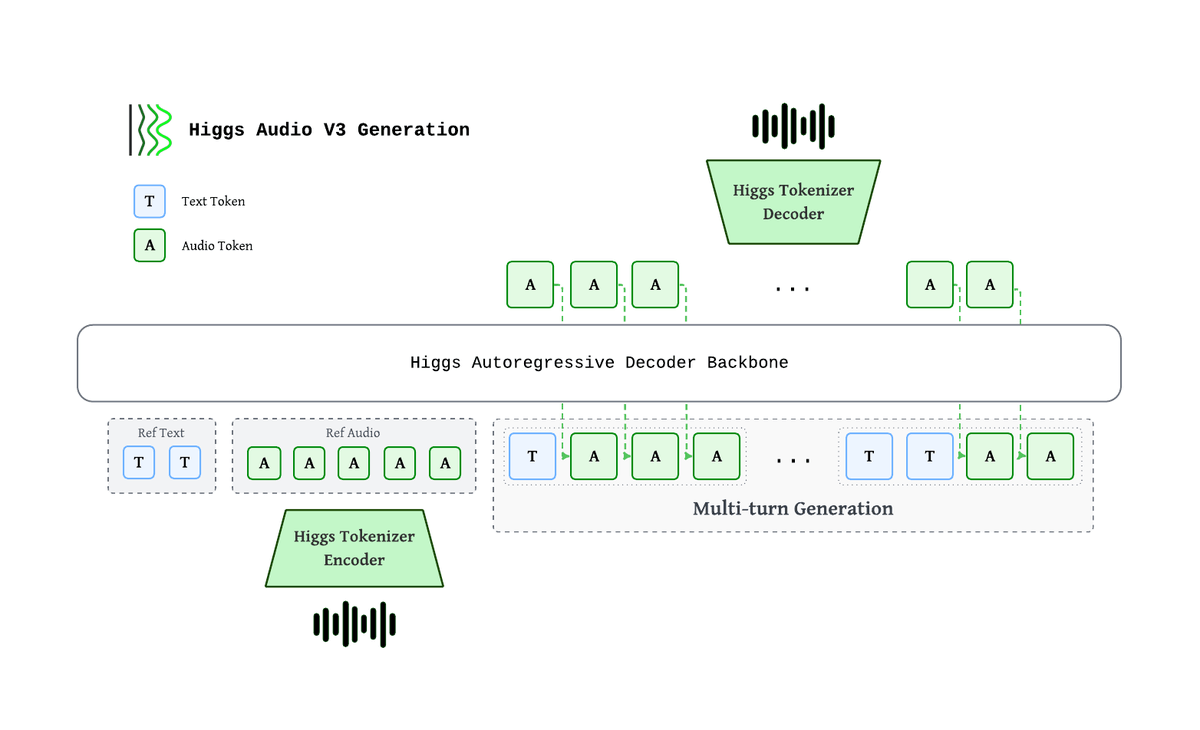
Boson AI's Higgs TTS 3 Brings Human Emotion to Open Voice Agents
Boson AI's 4B open-weight TTS model handles 100+ languages with zero-shot voice cloning, inline emotion control, and sub-second streaming for real voice agents.
20 stories
Boson AI's 4B open-weight TTS model handles 100+ languages with zero-shot voice cloning, inline emotion control, and sub-second streaming for real voice agents.
StepFun's open-weights 198B MoE hits 400+ tokens per second with only 11B active parameters, multi-token prediction, and native vision input.
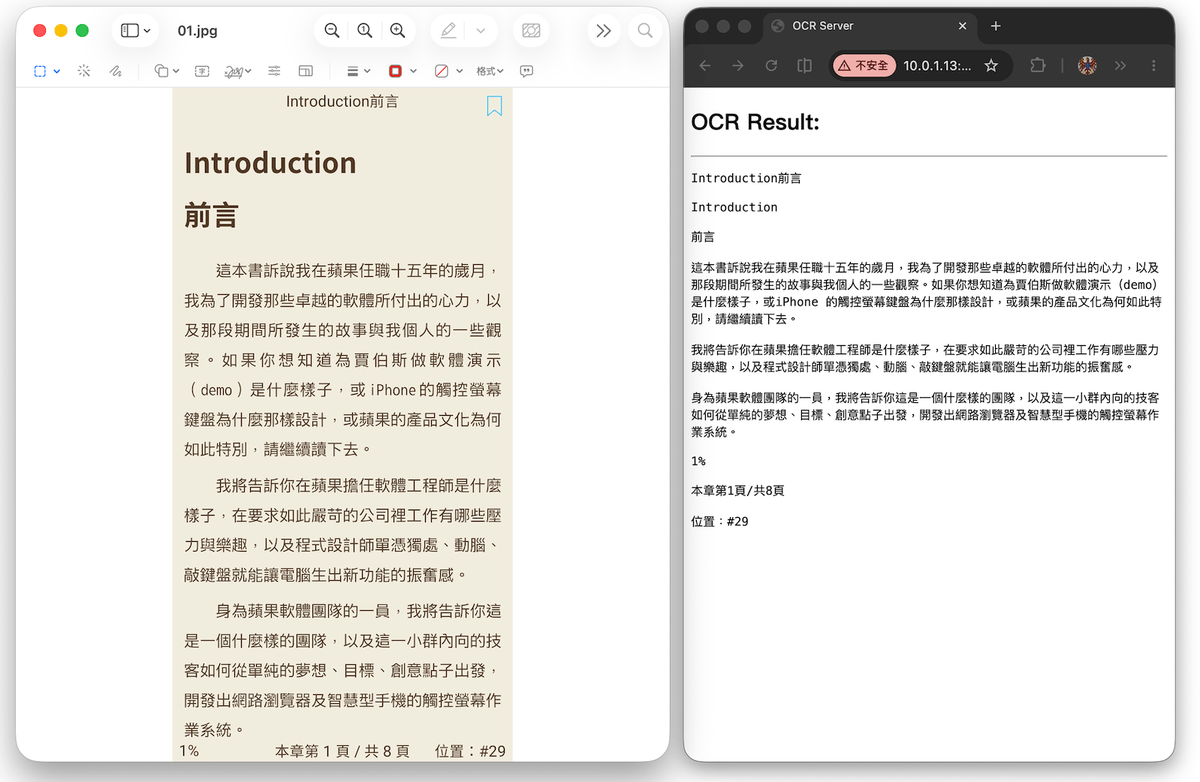
iOS-OCR-Server turns any iPhone into a local HTTP OCR endpoint, giving your scripts free, private, on-device text extraction via Apple's Vision Framework
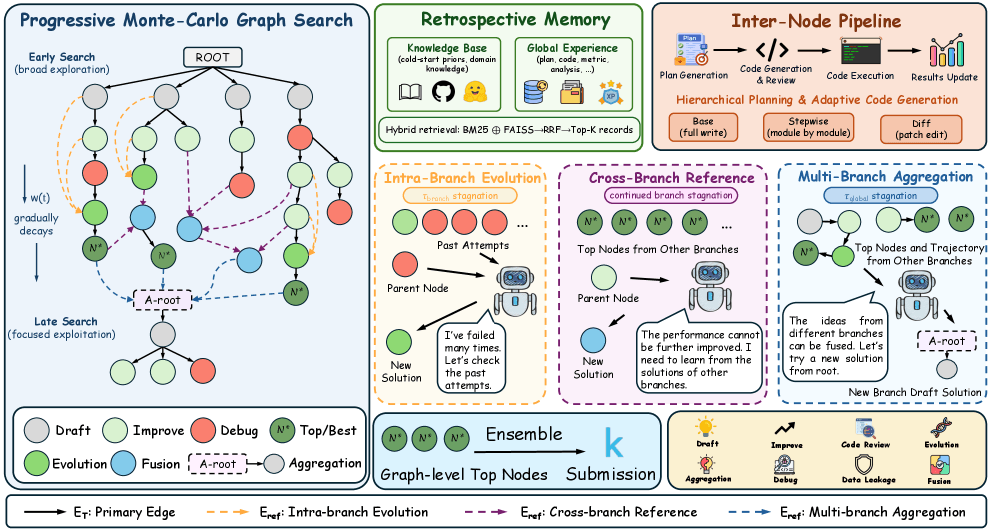
MLEvolve beats AlphaEvolve and every MLE agent on the leaderboard using half the standard compute budget, with a new graph search and memory system that lets agents actually learn from past runs.
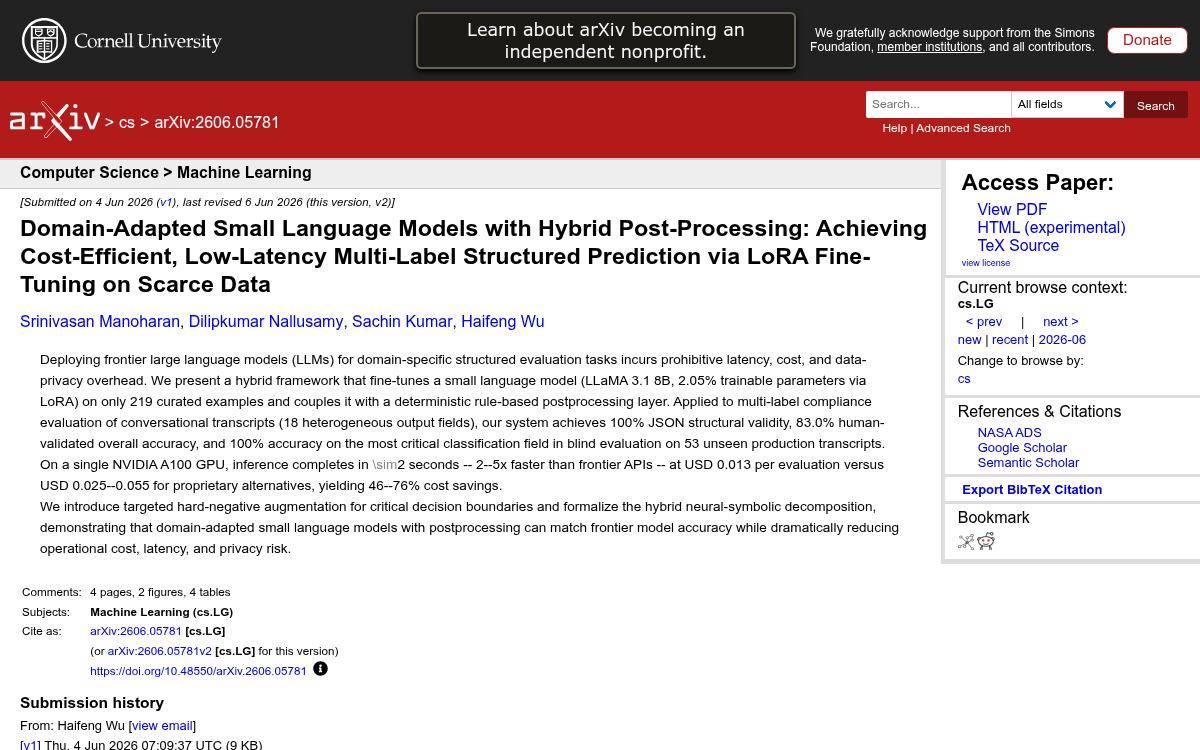
A fine-tuned LLaMA 3.1 8B model trained on just 219 examples matches frontier API accuracy on compliance tasks at a fraction of the cost and latency
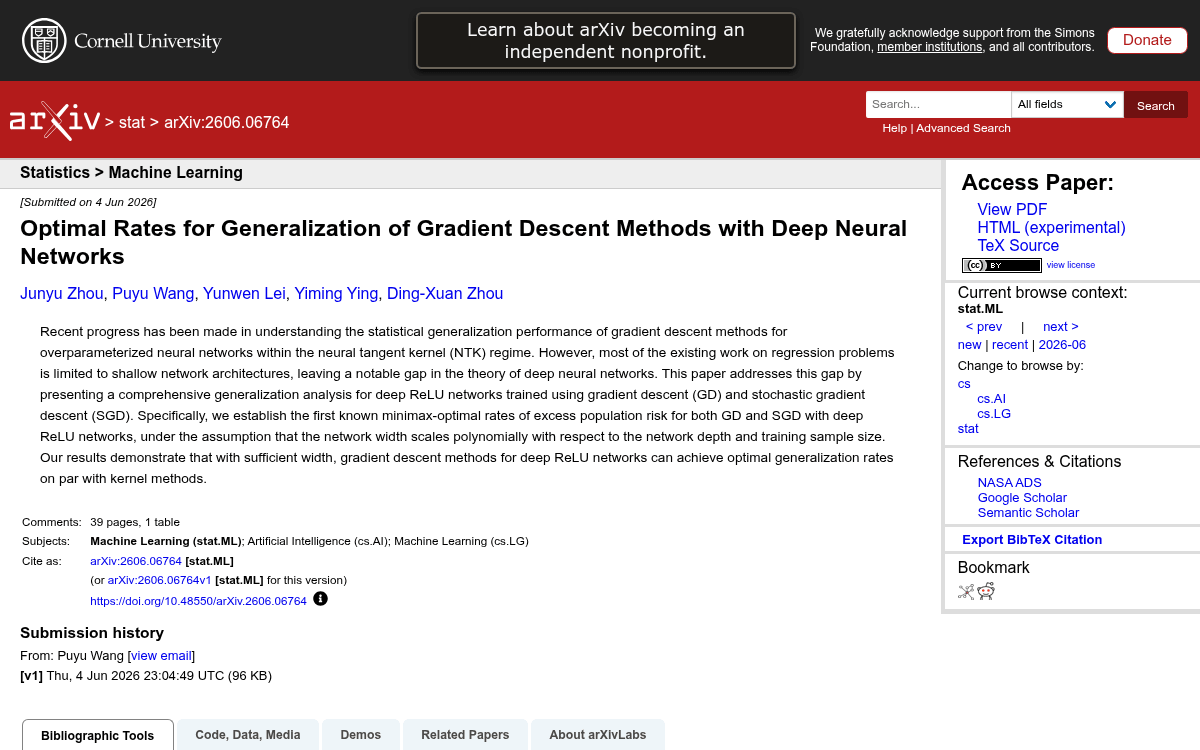
A new paper proves deep ReLU networks trained with gradient descent can match the theoretical best possible generalization rates — a first for multi-layer architectures.
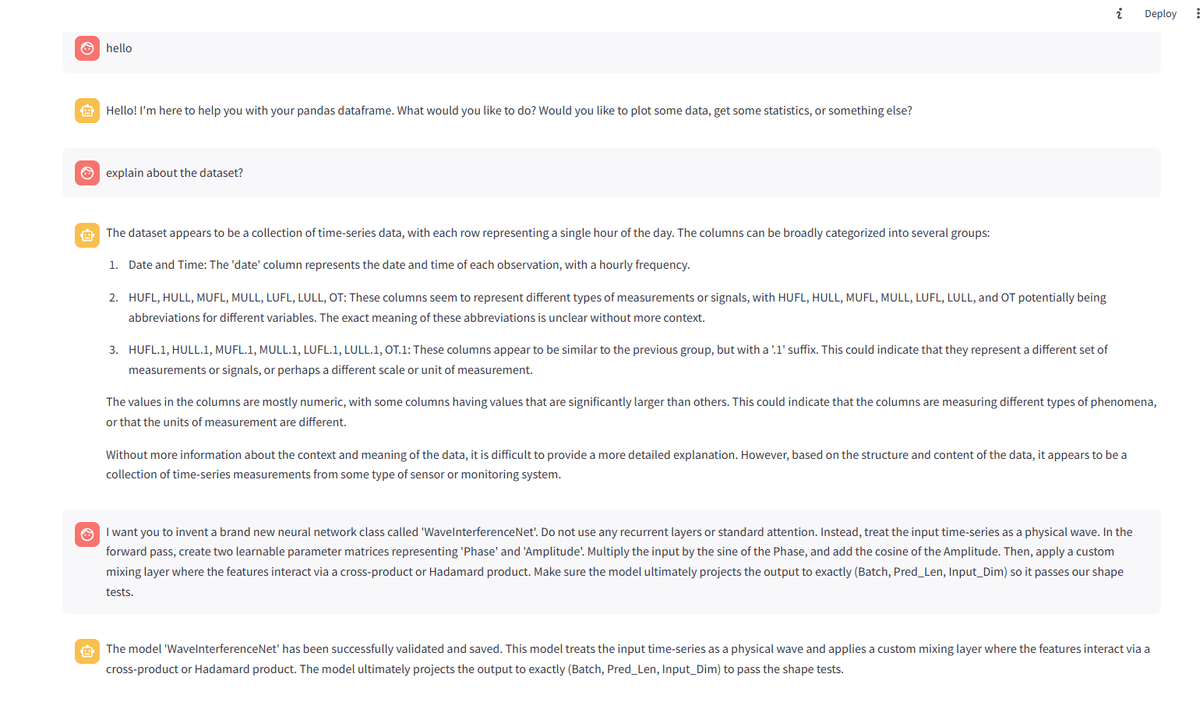
GenAutoML uses LLMs as neural architects to auto-generate PyTorch time-series models from scratch, producing ultra-lightweight networks that run in under 0.01ms per sample
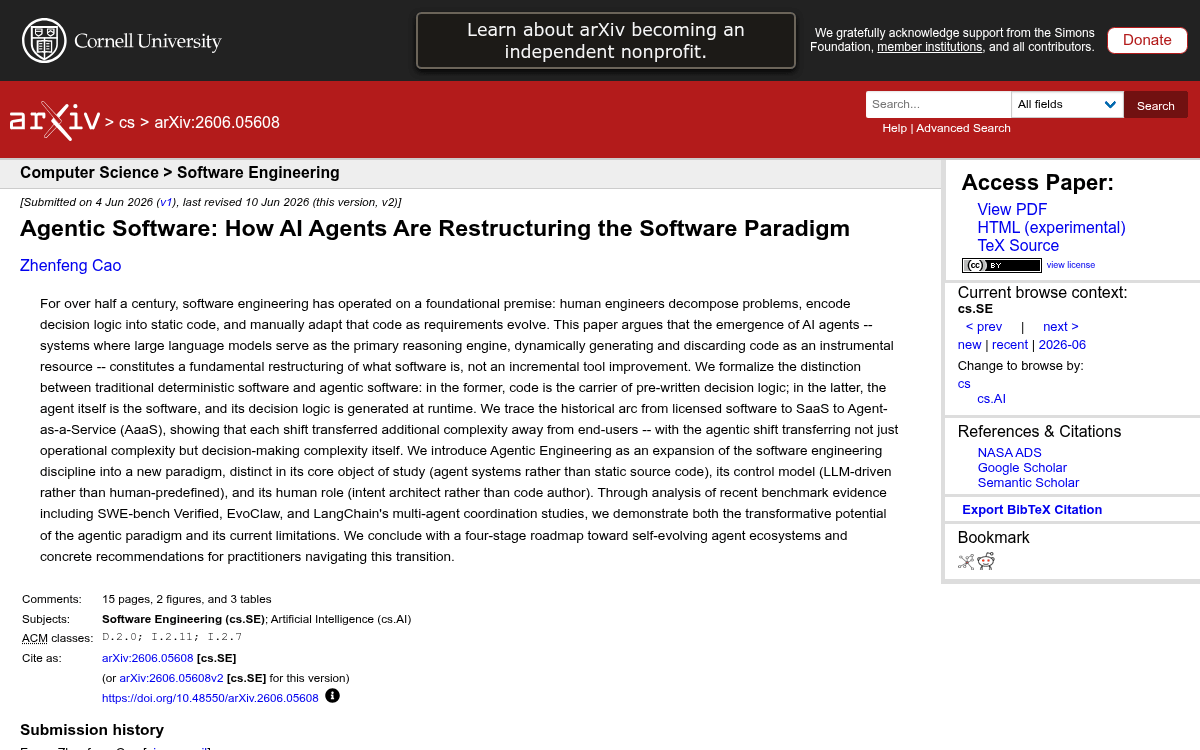
A new paper argues AI agents don't just speed up coding -- they make static software itself obsolete, backed by benchmark data showing both the promise and the hard limits of today's agents.
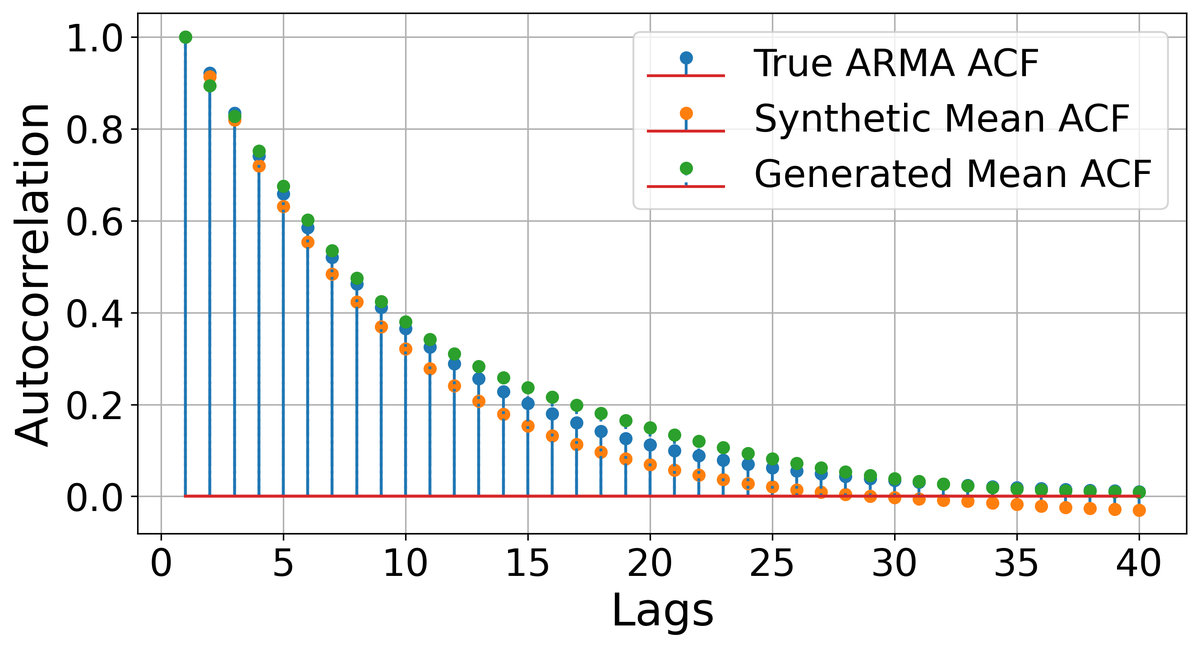
Researchers from Johns Hopkins, Northwestern, and Stanford propose a diffusion framework that generates time series one step at a time, without peeking at the future.
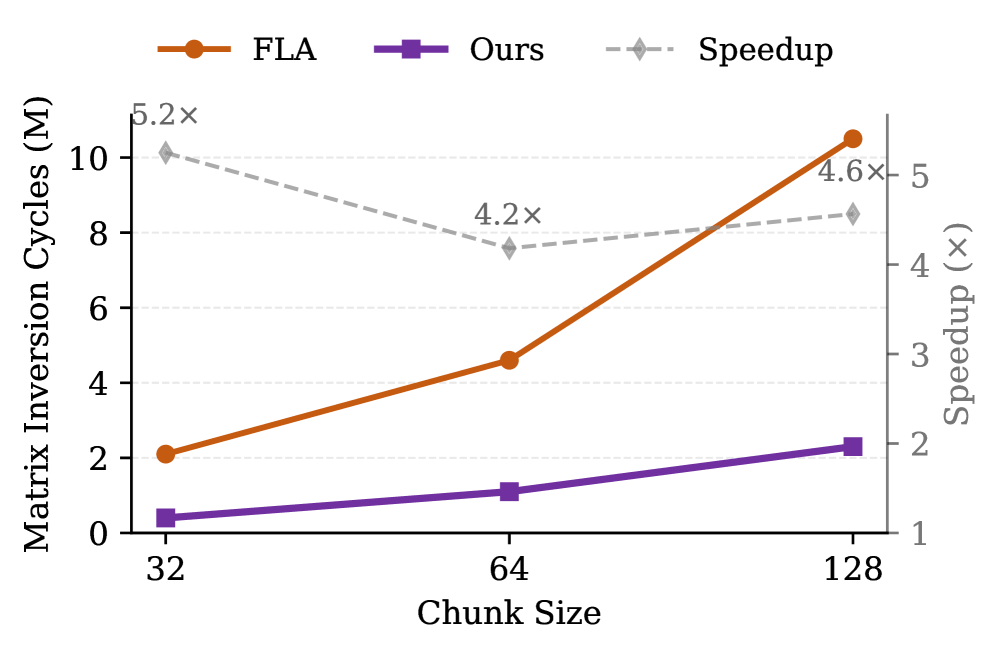
A MatMul-only matrix inversion trick delivers 5x kernel speedup for Gated DeltaNet linear attention on NPUs, without sacrificing accuracy
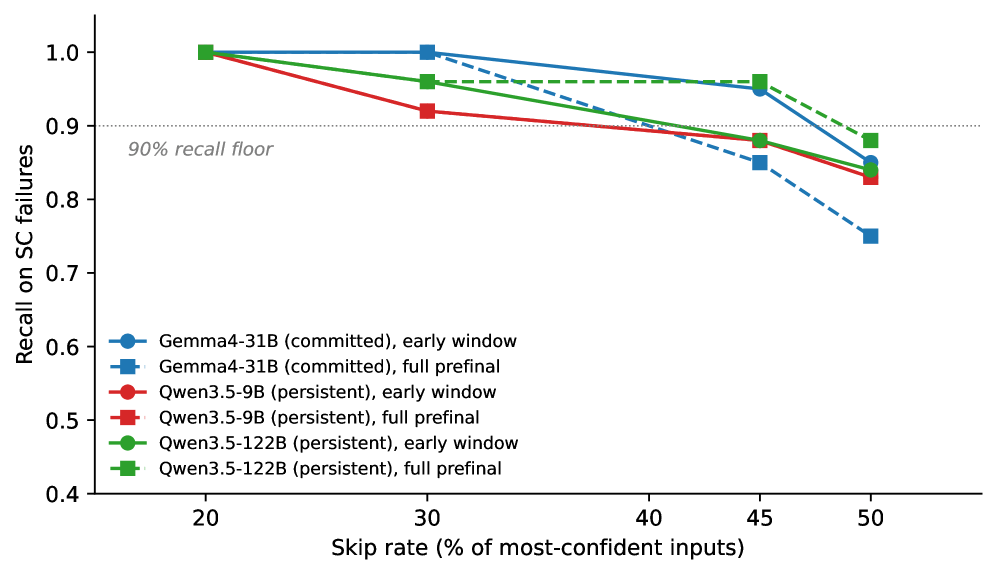
Stanford researchers show LLM reasoning failures leave two distinct token-level fingerprints, enabling smarter and cheaper failure detection strategies
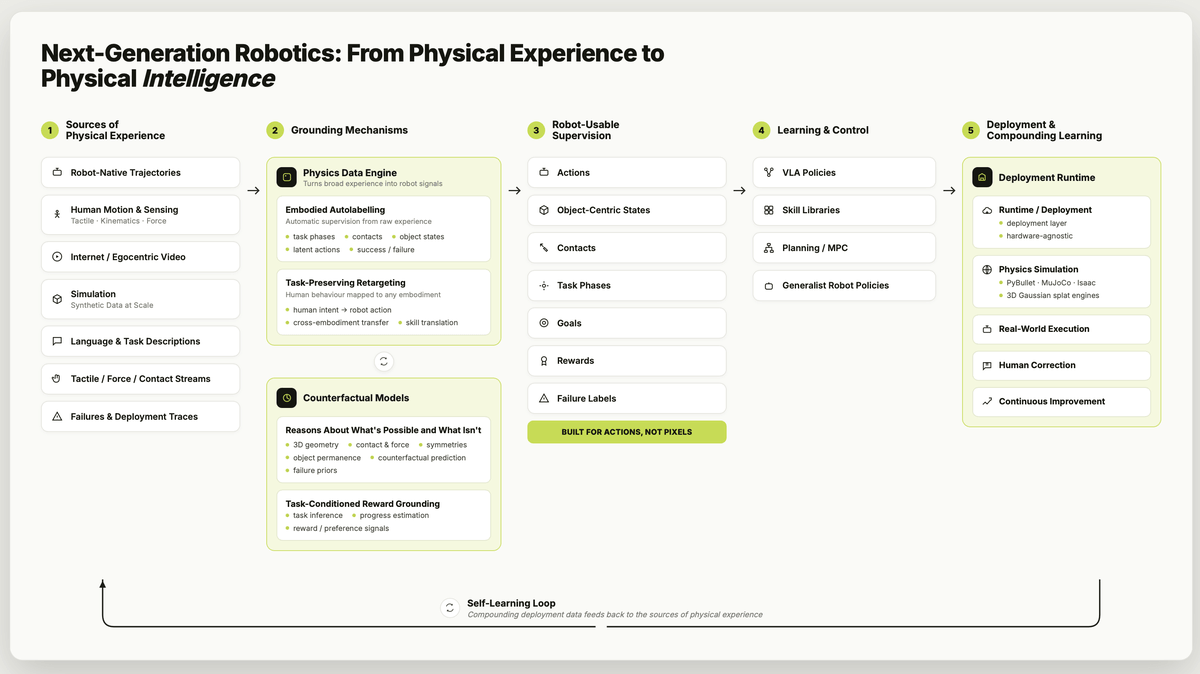
A new position paper from researchers at Stanford, ETH Zurich, and UCL argues that scaling VLA models alone won't get us to generalist robots — and maps out the four missing pieces.
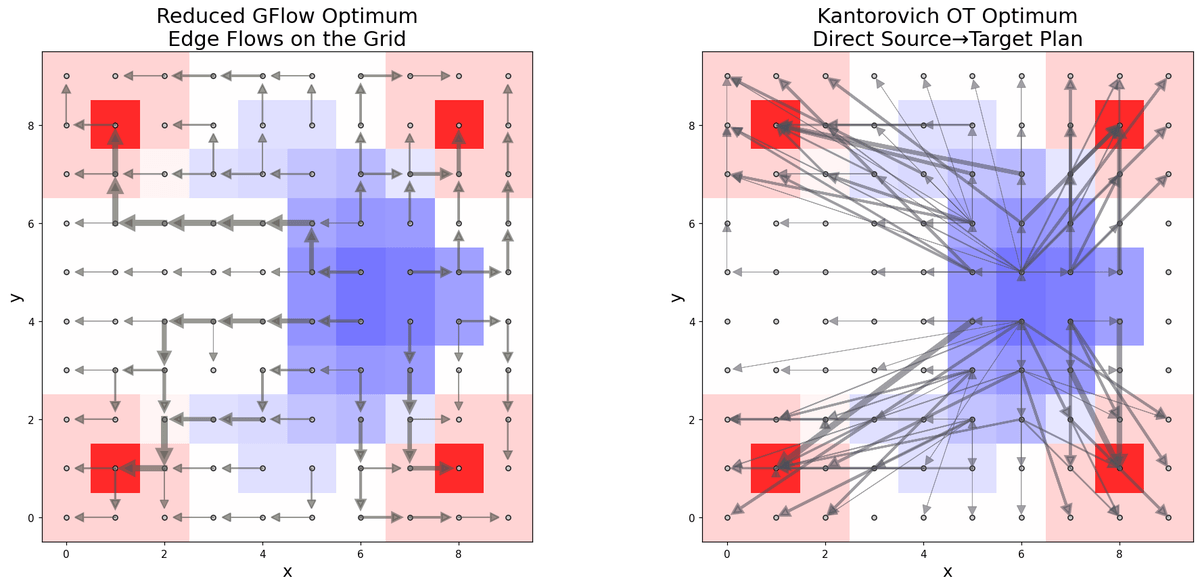
A new paper proves that a trained GFlowNet implicitly solves an optimal transport problem, opening a scalable neural path to OT on large graphs.
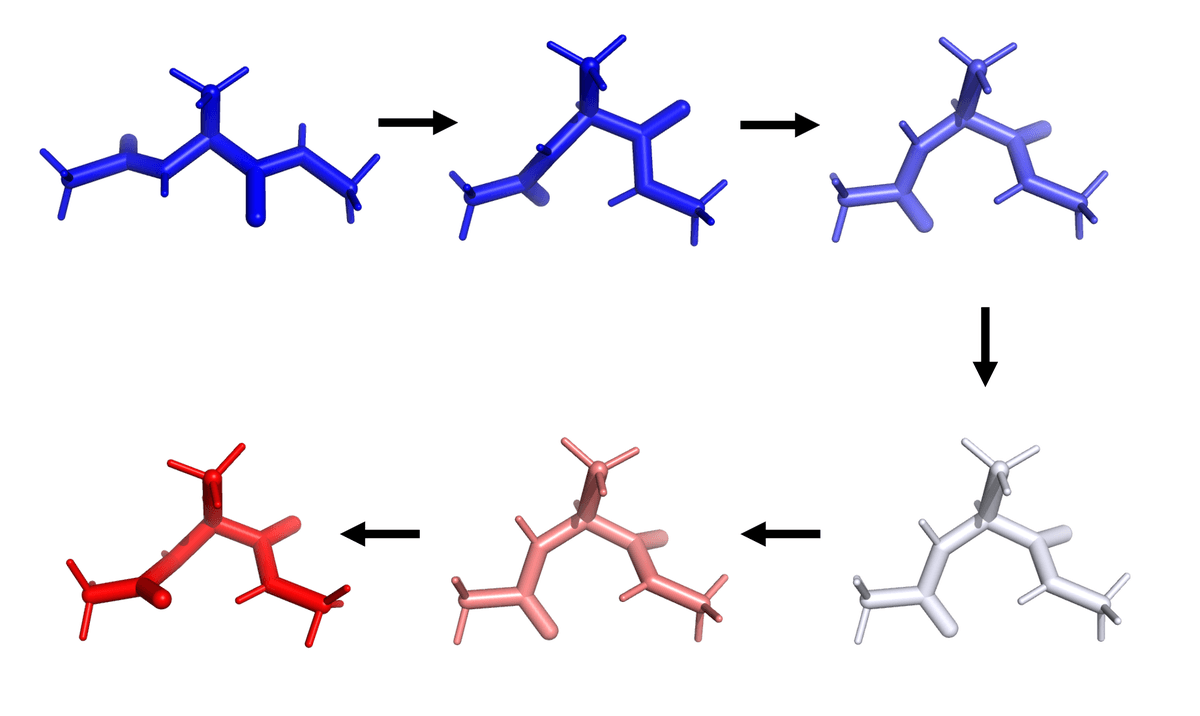
Flux Matching borrows the flow matching loss from generative AI to automatically extract reaction mechanisms and reaction coordinates from molecular simulation data
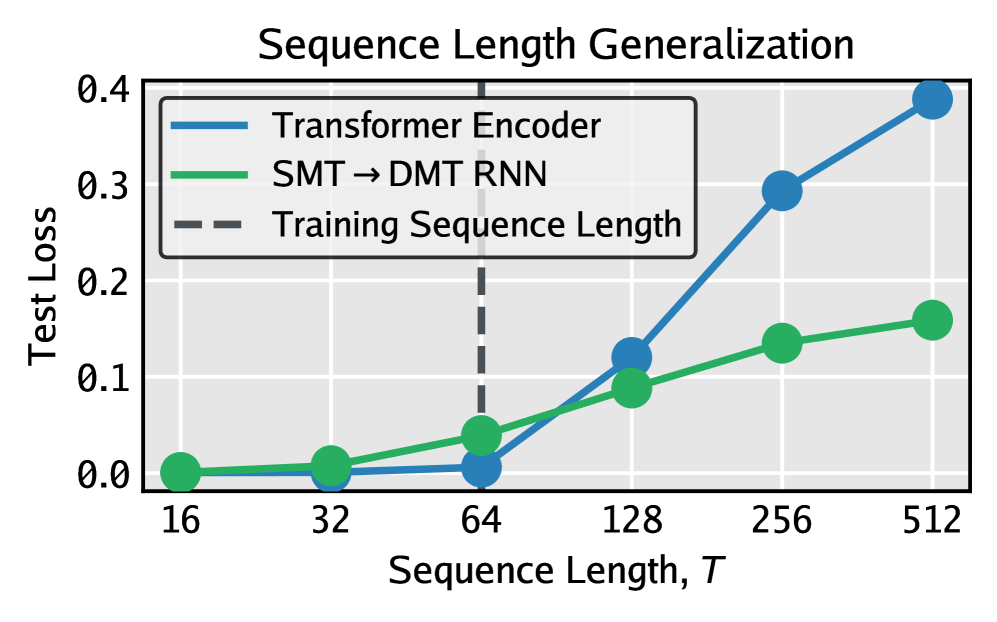
MIT researchers train nonlinear RNNs without ever unrolling them, replacing BPTT with a Transformer-supervised memory labeling scheme that eliminates vanishing gradients entirely.
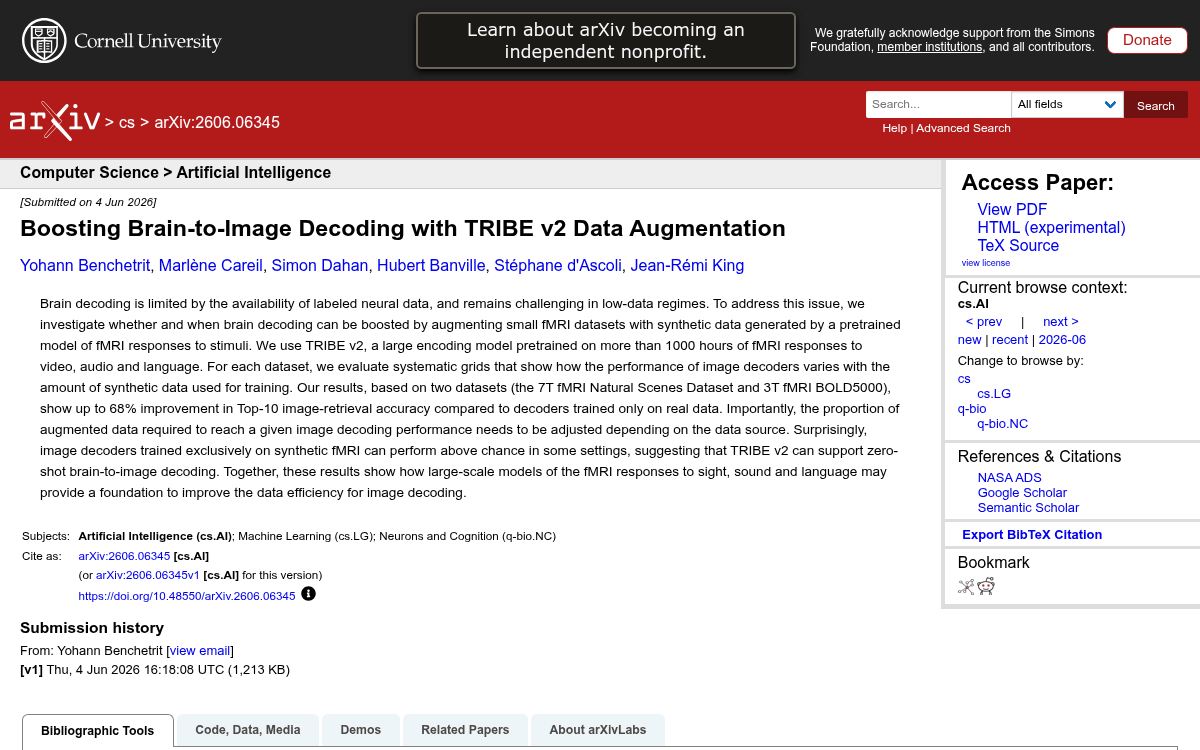
Meta AI researchers show that TRIBE v2's synthetic fMRI predictions can boost brain-to-image decoding accuracy by up to 68% in low-data regimes — but only when the real-to-synthetic ratio is carefully calibrated.
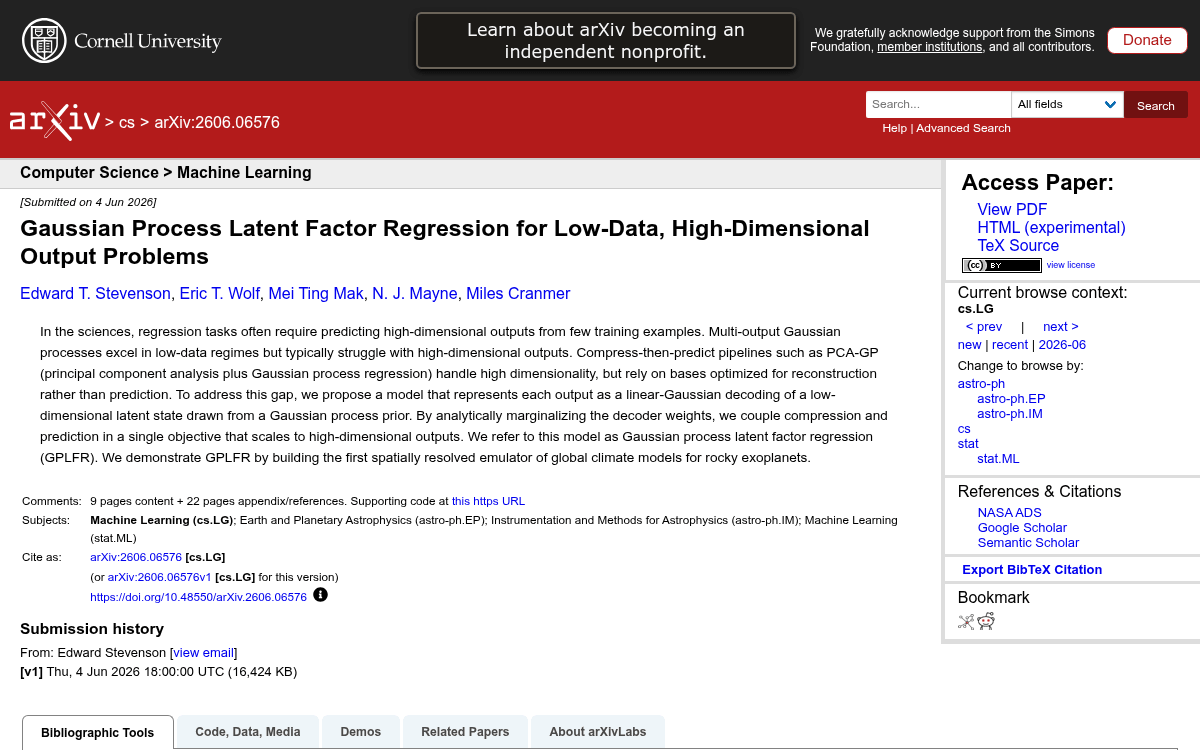
GPLFR unifies compression and prediction in a single GP objective, cutting training data needs by 4x for high-dimensional scientific emulation tasks
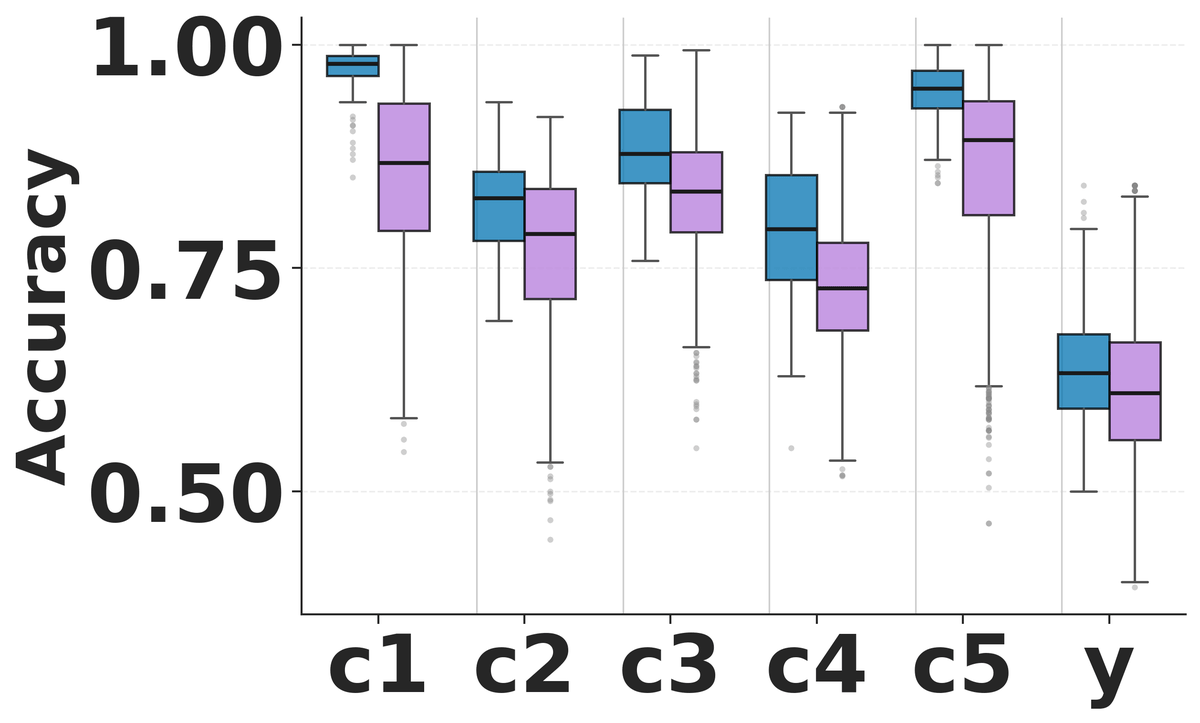
Technion researchers propose a four-phase pipeline that builds causal graphs of LLM reasoning using MCMC-driven counterfactual chains, making model decisions transparent and auditable.
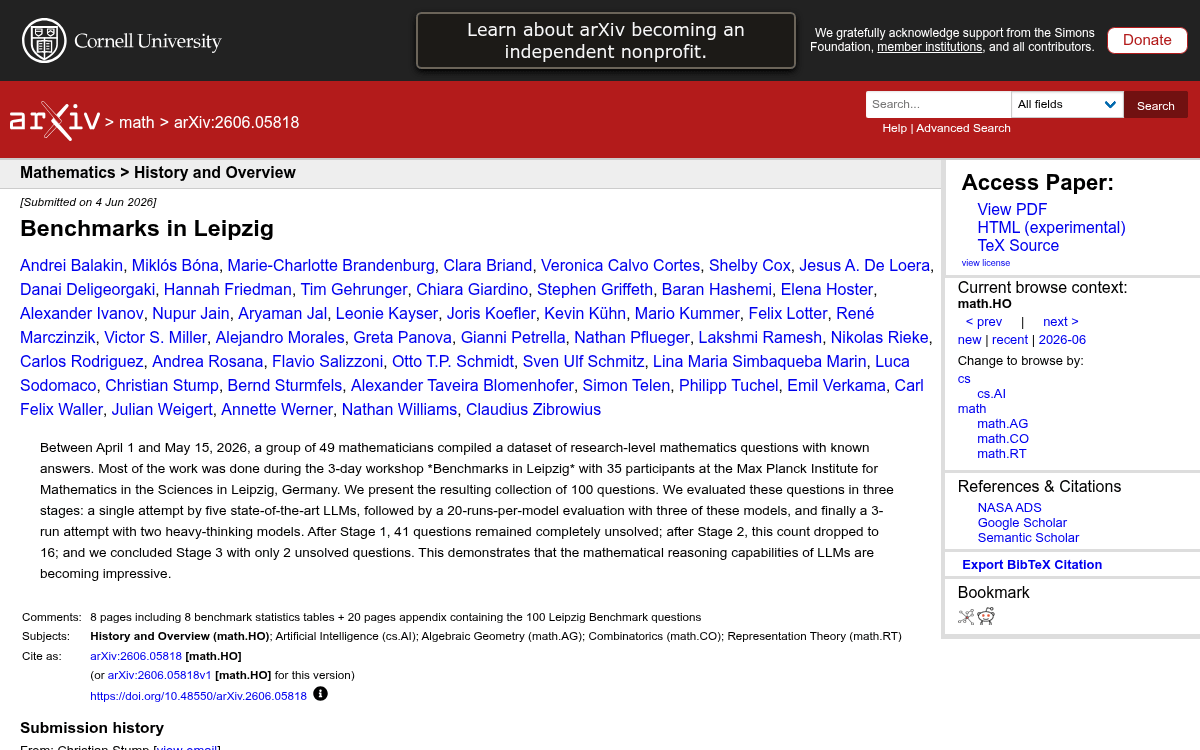
49 mathematicians crafted 100 research-level math problems; only 2 stumped the best LLMs after extended thinking runs
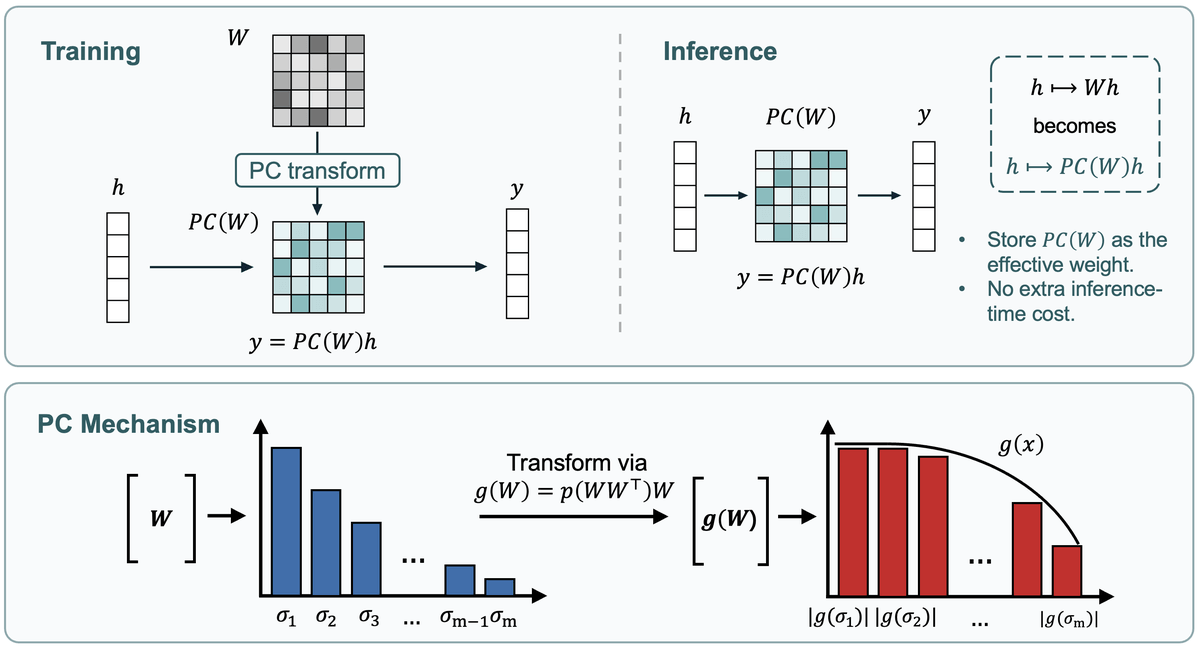
Researchers propose the PC Layer, a plug-in weight reparameterization that reshapes singular-value spectra during LLM pre-training with no inference overhead, achieving up to 2x token efficiency on Llama-1B.