Letta's open-source plugin runs a background agent that watches Claude Code sessions, remembers everything, and whispers guidance before your next prompt.
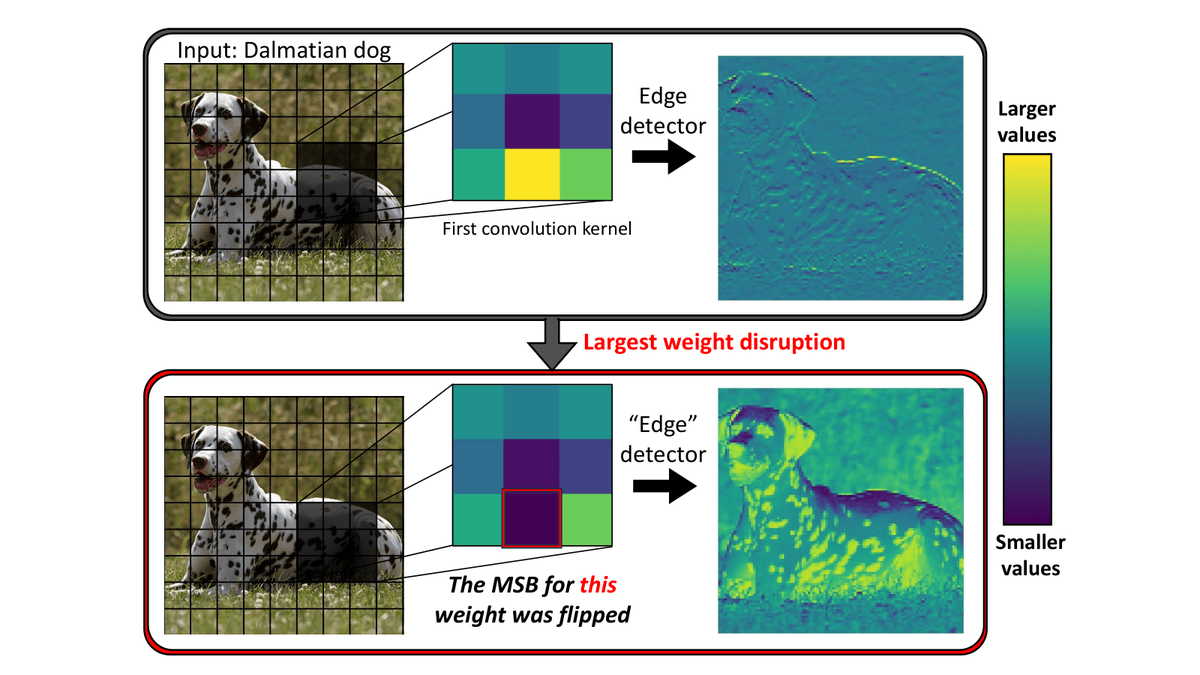
Researchers from Technion, IBM Research, and NVIDIA show that flipping just two bits can reduce ResNet-50 accuracy by 99.8% and collapse a 30B MoE reasoning model.
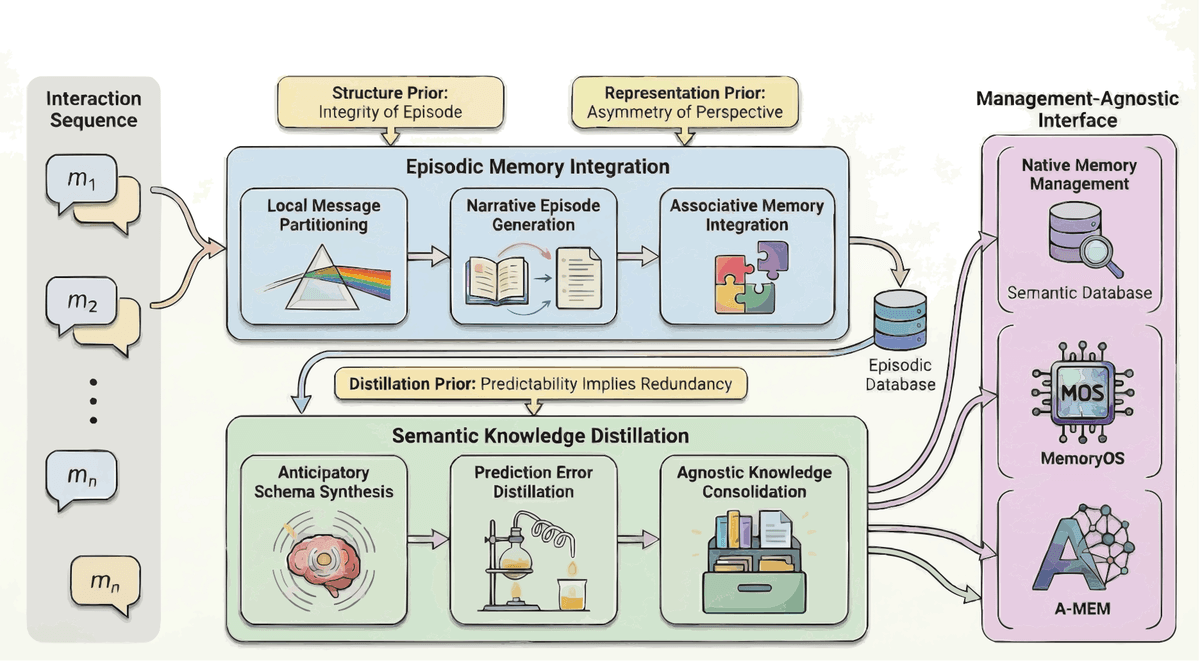
A new framework decides what LLM agents should remember based on prediction error rather than hand-crafted heuristics, cutting tokens 88% while beating full-context accuracy.
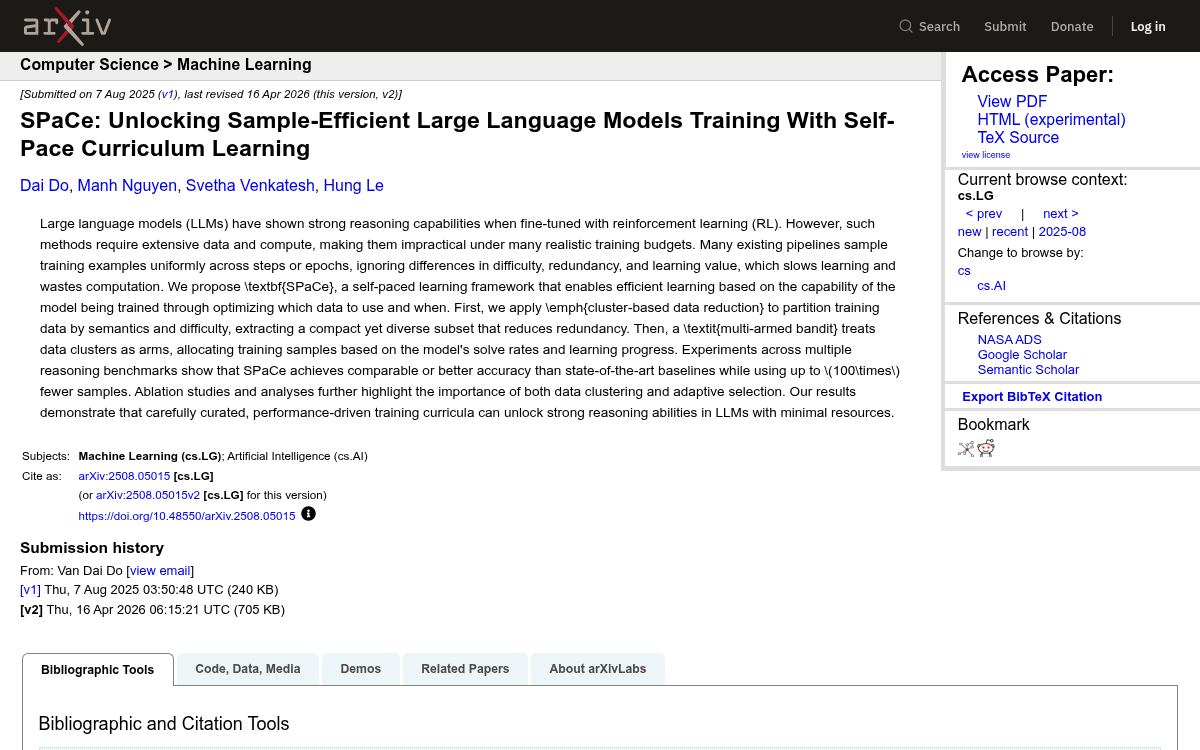
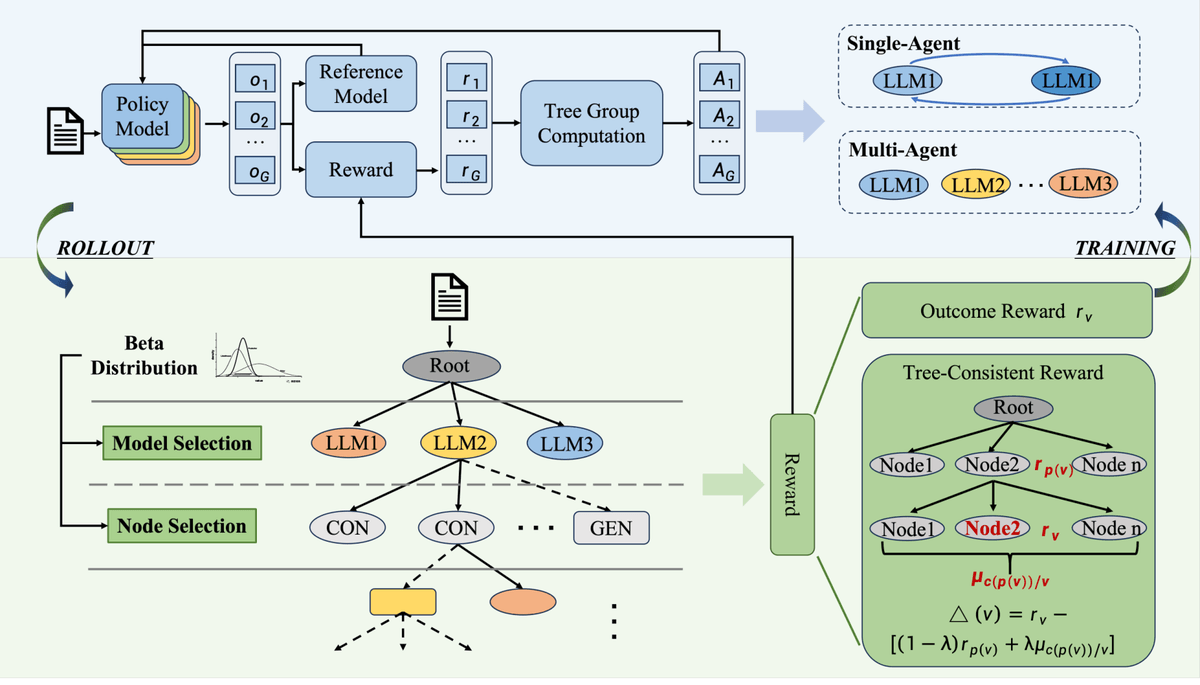
A self-paced curriculum framework matches state-of-the-art reasoning fine-tuning using up to 100x fewer training samples by treating data clusters as bandit arms.
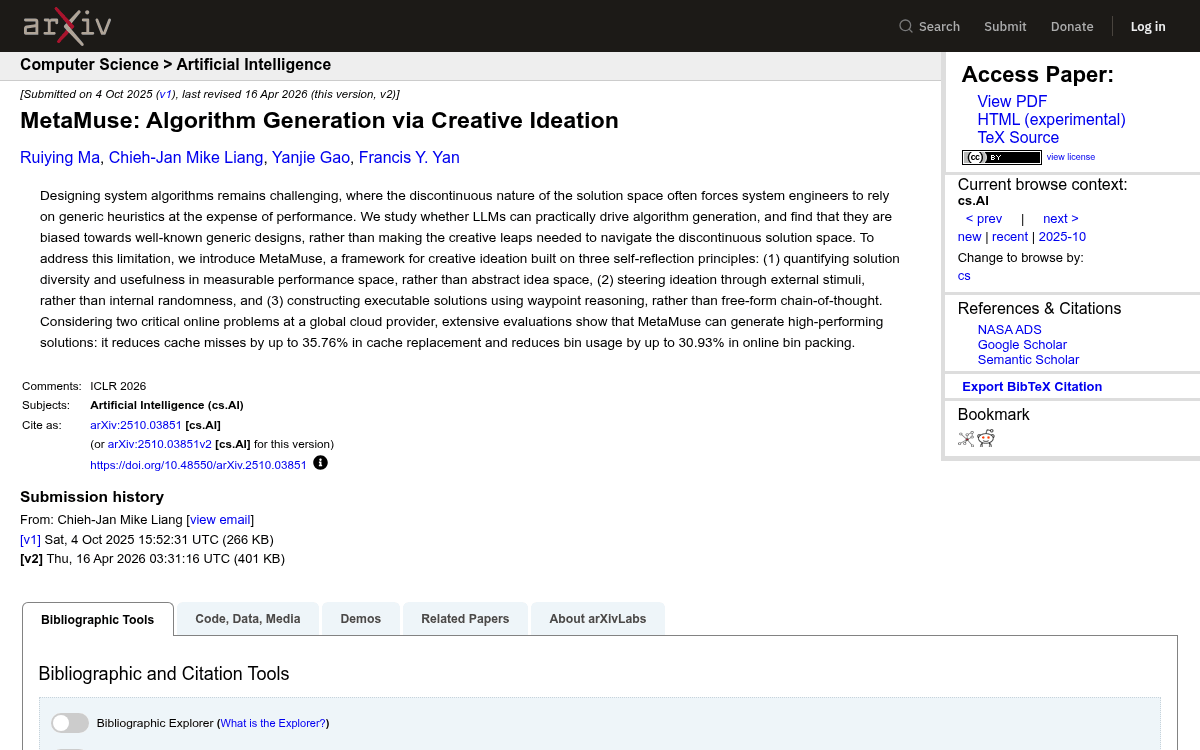
A Microsoft Research and UIUC team shows that random dictionary words can push LLMs past their bias toward LRU and first-fit, producing genuinely novel system algorithms.
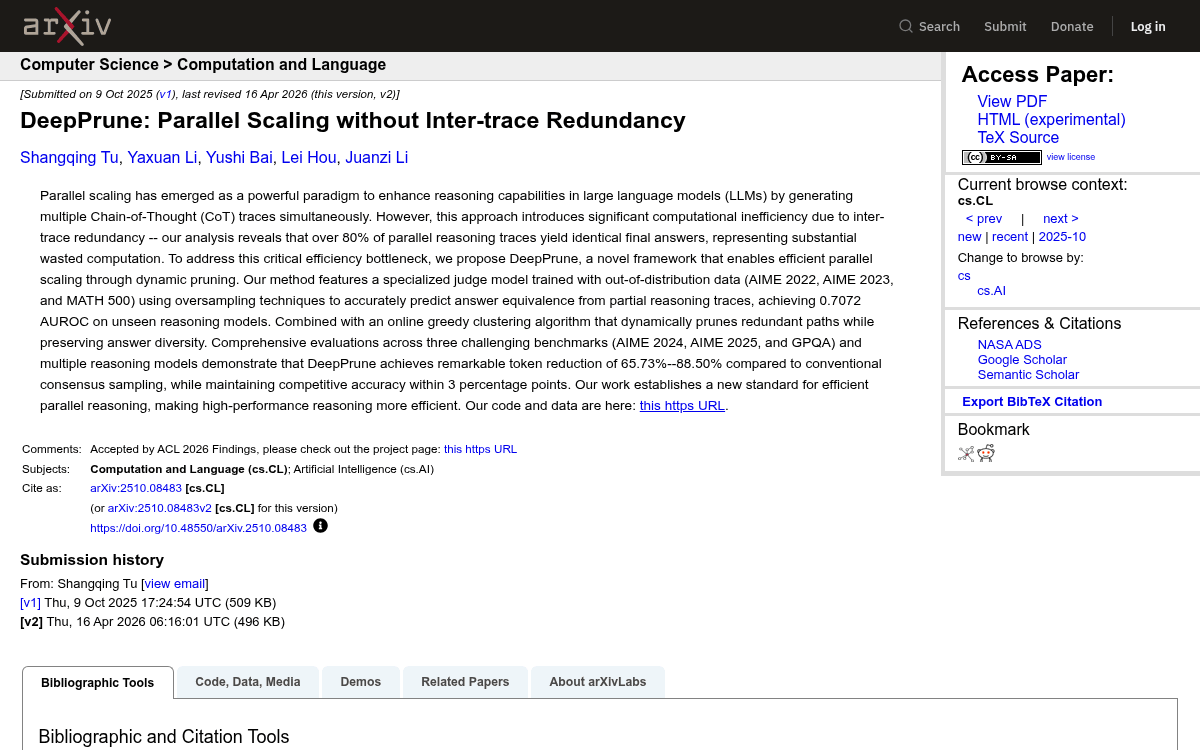
A Tsinghua team's DeepPrune framework cuts parallel reasoning token costs by 65 to 88 percent by killing redundant chain-of-thought traces before they finish.
A new retrieval-augmented framework teaches multimodal LLMs to spot the specific ways they usually misread memes, lifting F1 scores by 8.30% on average.
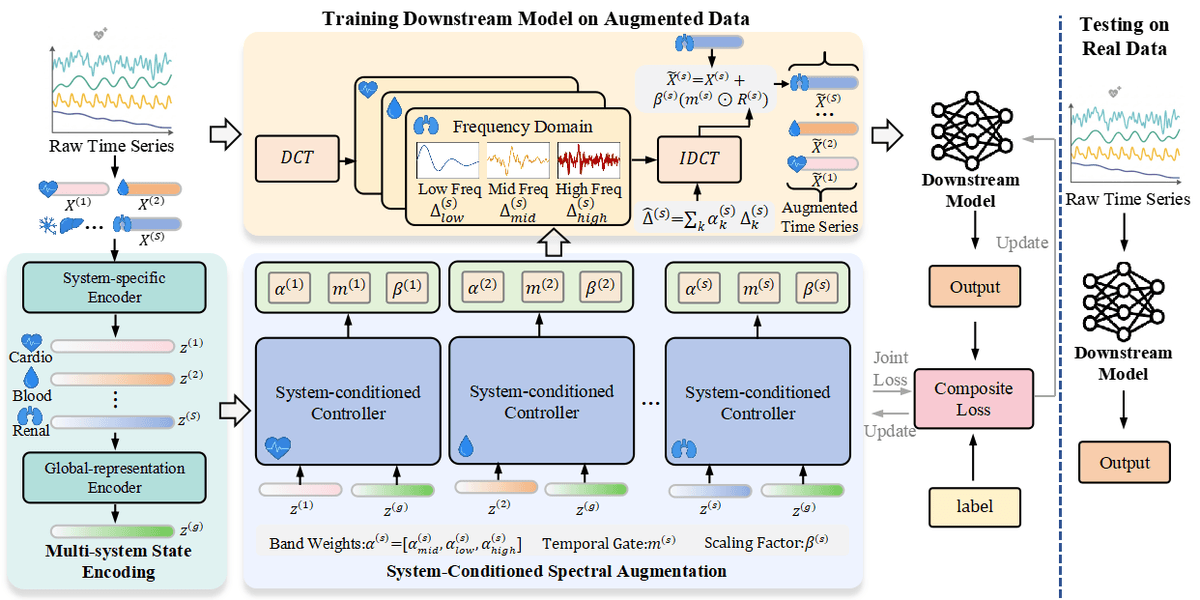
A frequency-domain augmentation method reduces sepsis regression error by 10.2% MSE on MIMIC-IV, holding up under shorter observation windows and longer prediction horizons.
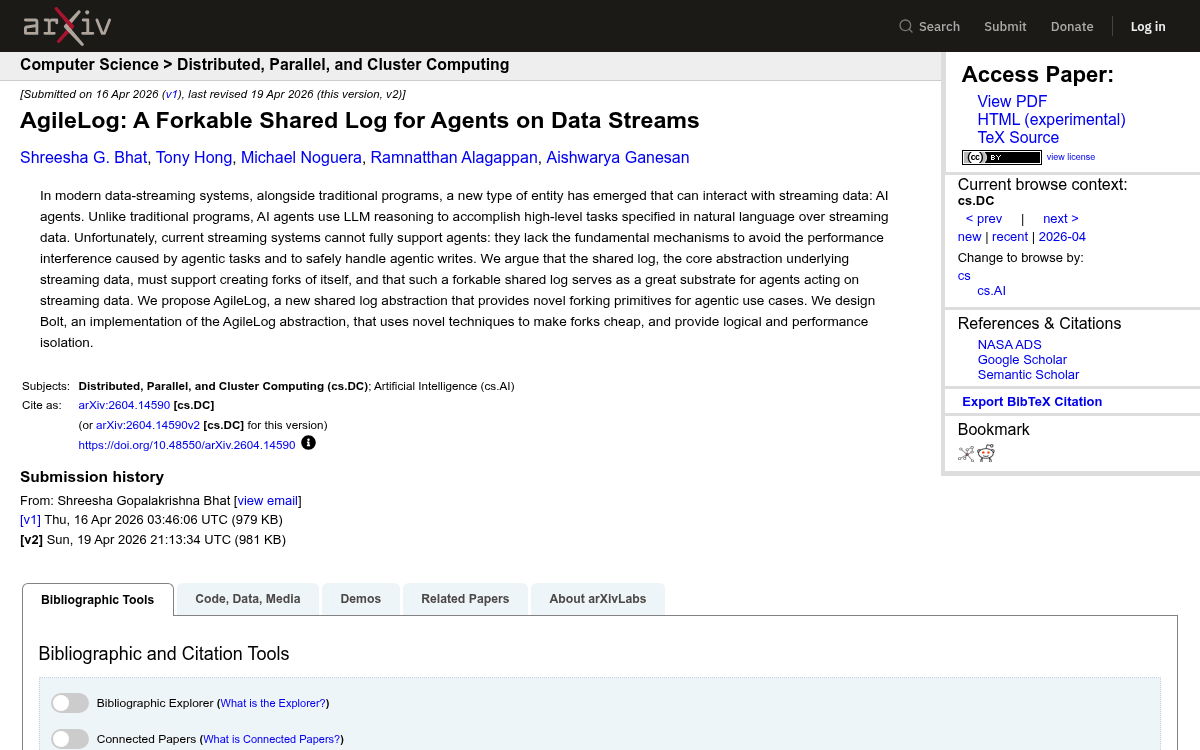
A new shared-log abstraction lets AI agents fork production data streams cheaply, isolating their exploratory reads and risky writes from live workloads.
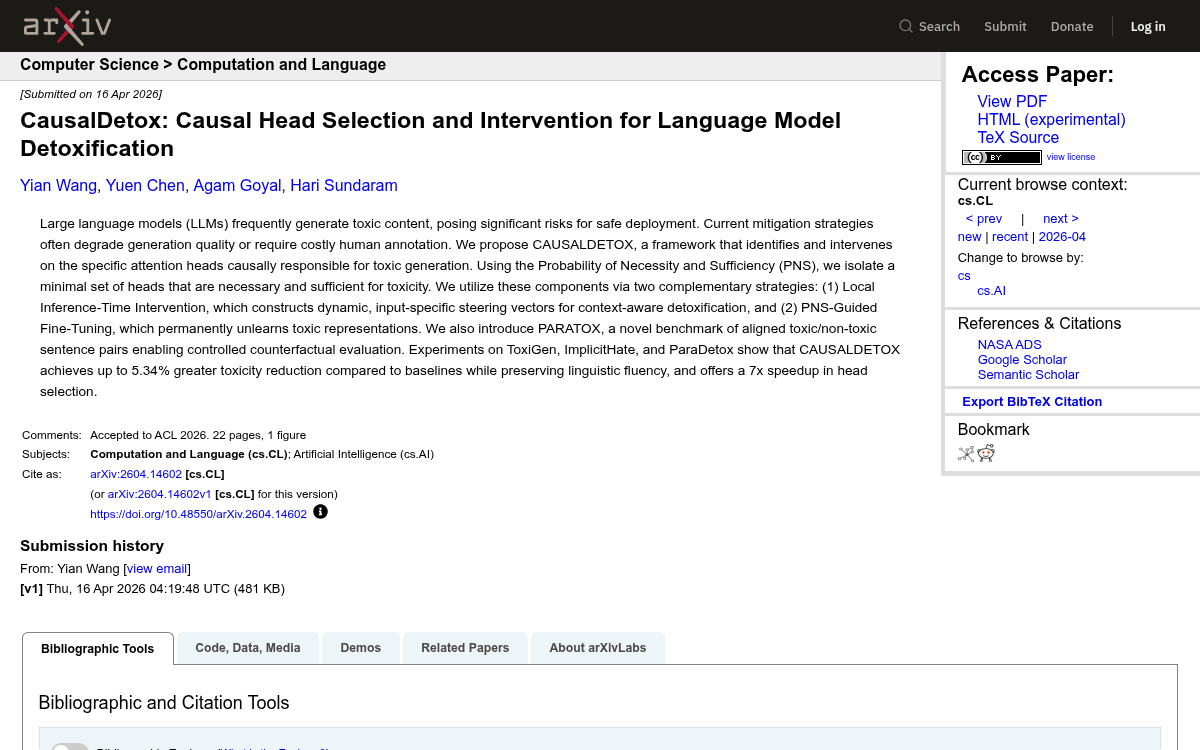
A new framework uses causal inference to pinpoint the specific attention heads driving toxic output, then surgically steers or retrains only those components.