
Pro
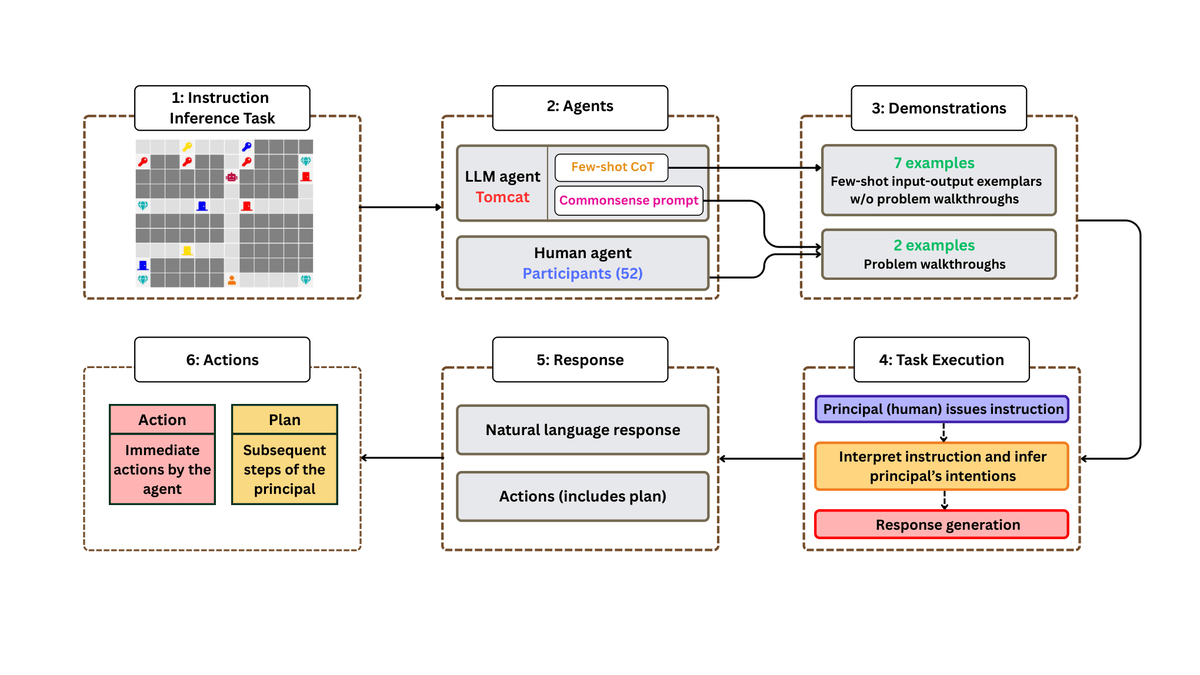
NC State's Tomcat Agent Reads Vague Human Commands as Well as People
A new benchmark tests whether LLM agents can decode vague human instructions in a shared task, and top models match human performance.
20 stories
A new benchmark tests whether LLM agents can decode vague human instructions in a shared task, and top models match human performance.
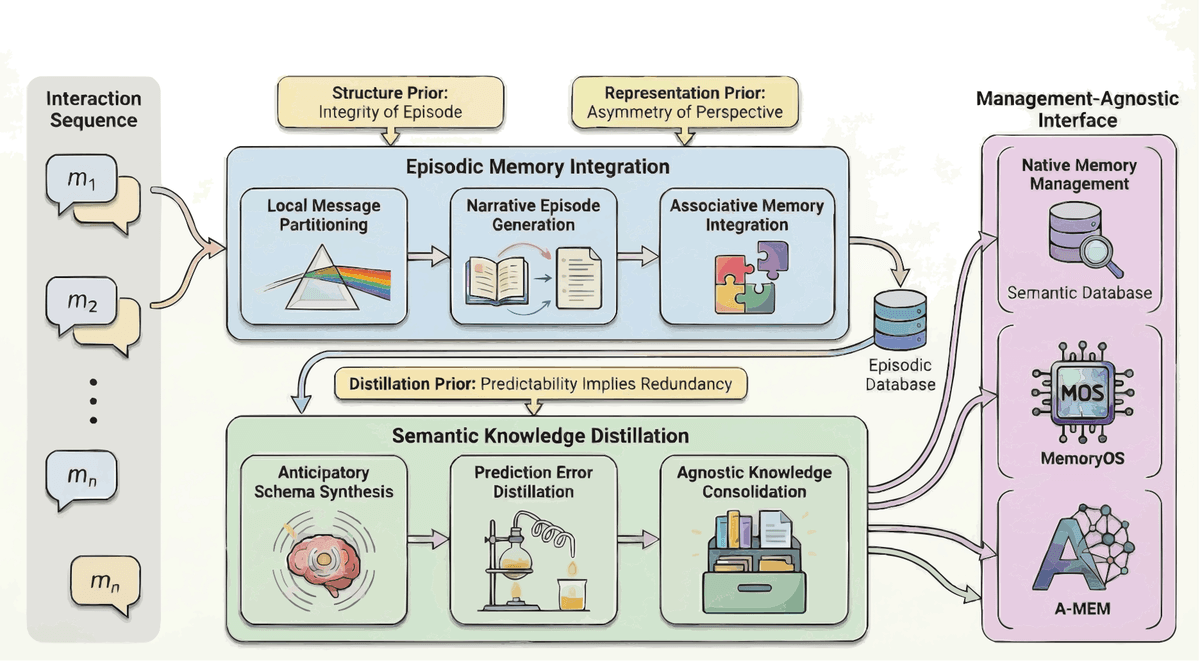
A new framework decides what LLM agents should remember based on prediction error rather than hand-crafted heuristics, cutting tokens 88% while beating full-context accuracy.
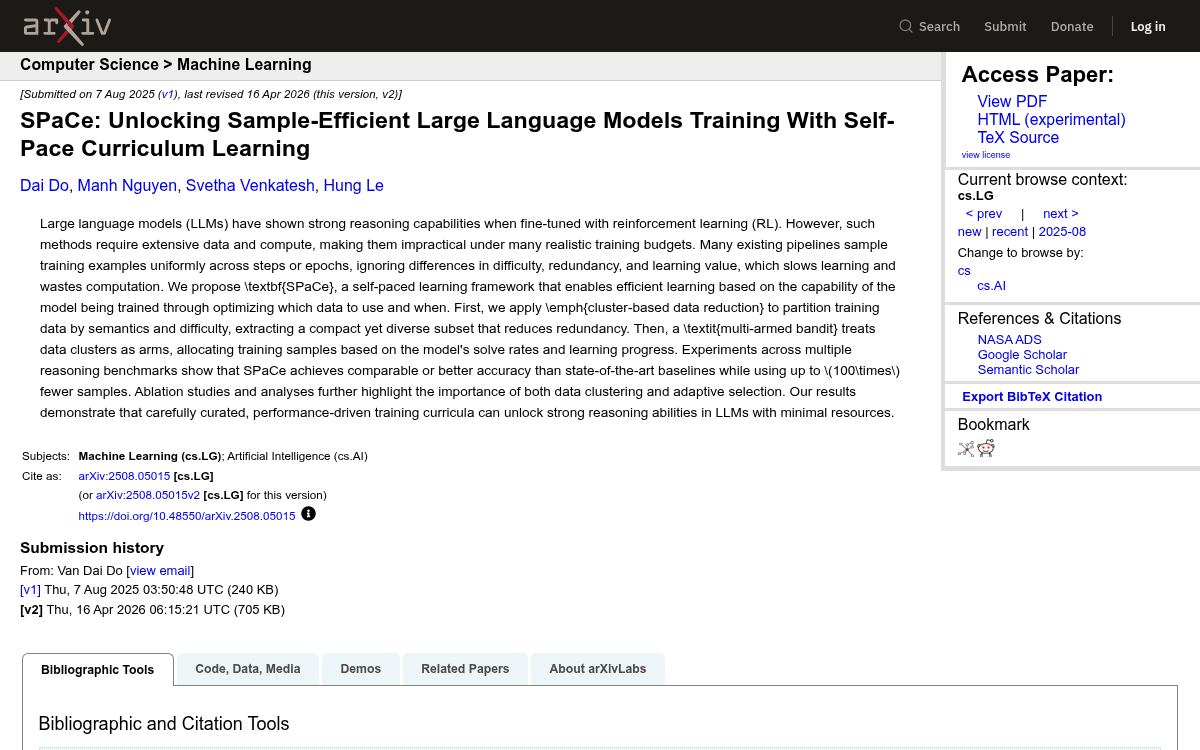
A self-paced curriculum framework matches state-of-the-art reasoning fine-tuning using up to 100x fewer training samples by treating data clusters as bandit arms.
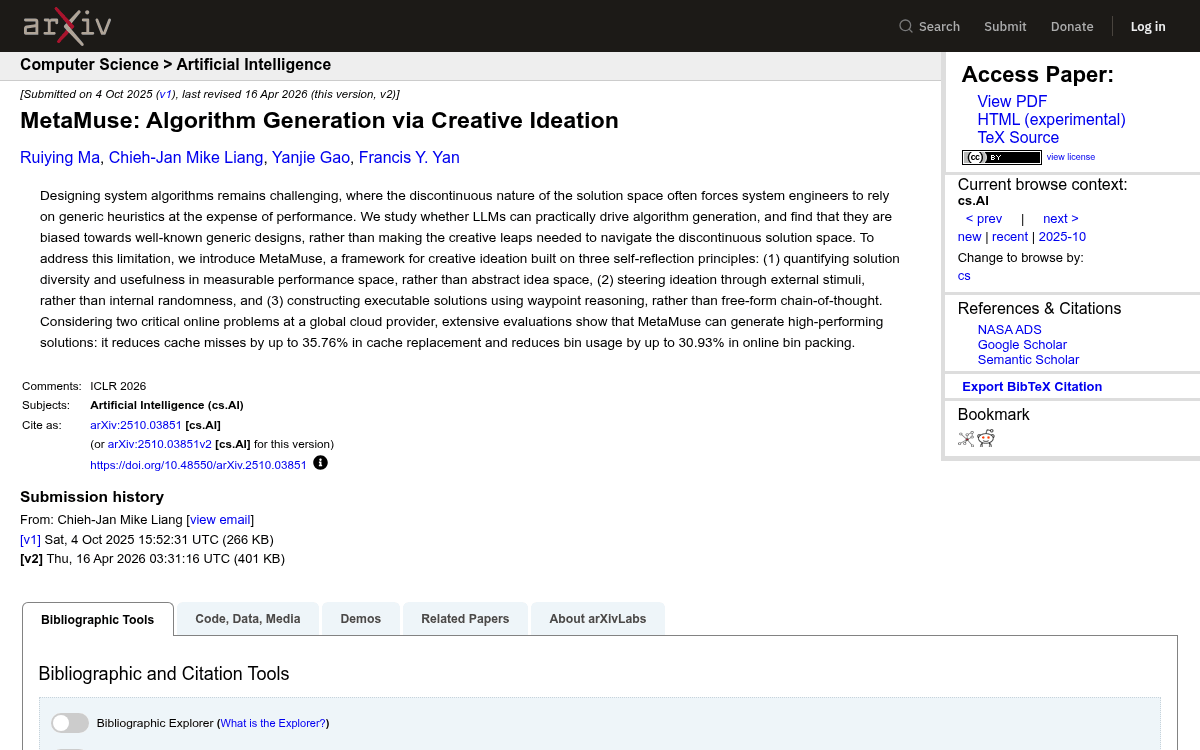
A Microsoft Research and UIUC team shows that random dictionary words can push LLMs past their bias toward LRU and first-fit, producing genuinely novel system algorithms.
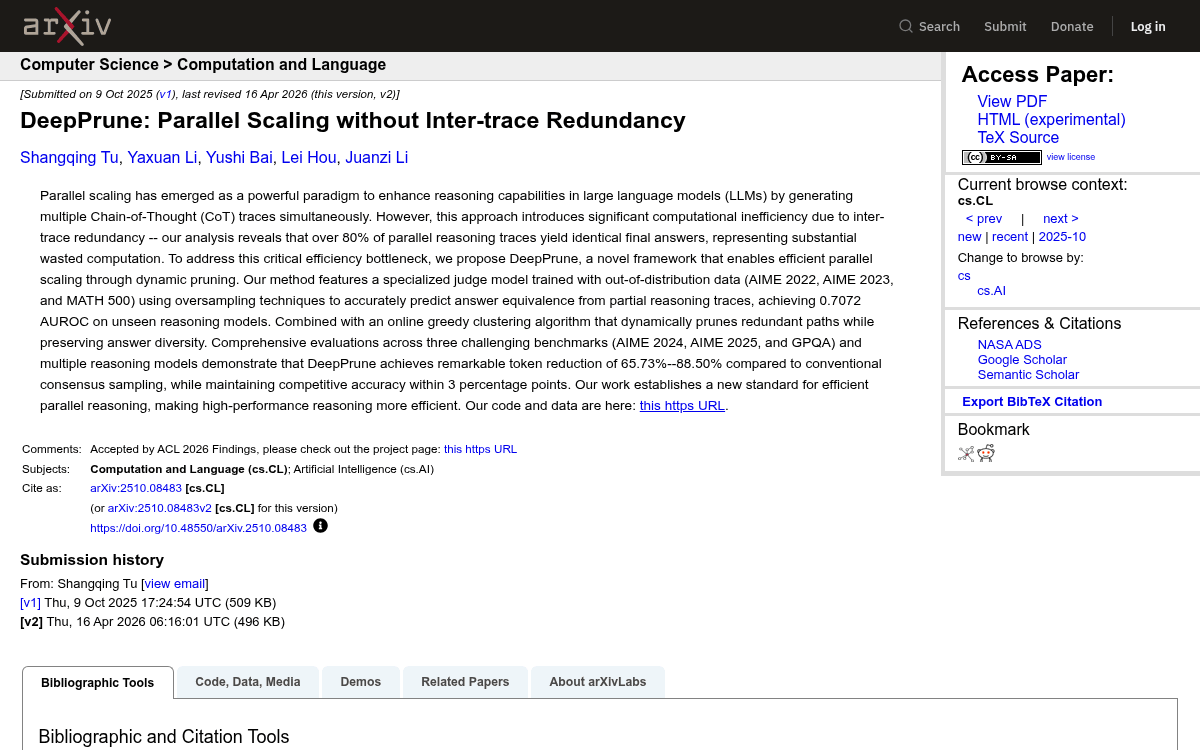
A Tsinghua team's DeepPrune framework cuts parallel reasoning token costs by 65 to 88 percent by killing redundant chain-of-thought traces before they finish.

A new retrieval-augmented framework teaches multimodal LLMs to spot the specific ways they usually misread memes, lifting F1 scores by 8.30% on average.
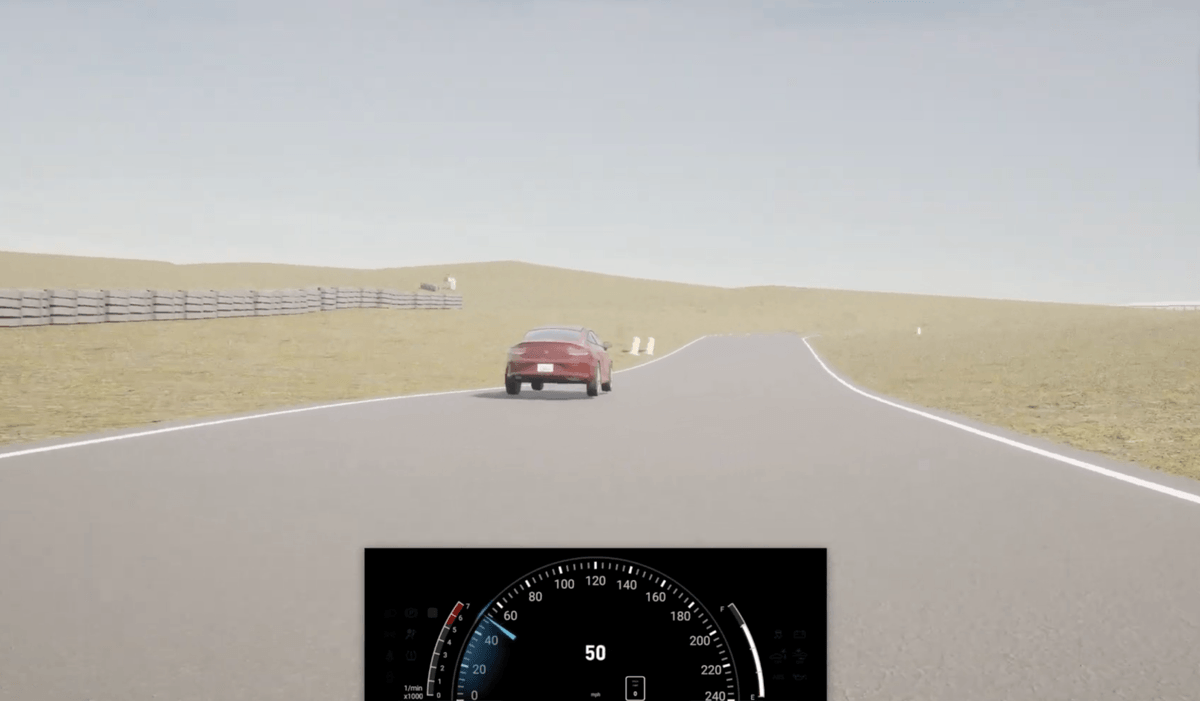
A new paper accepted at L4DC couples reinforcement learning with sampling-based MPC, boosting success rates up to 72% while cutting training time.
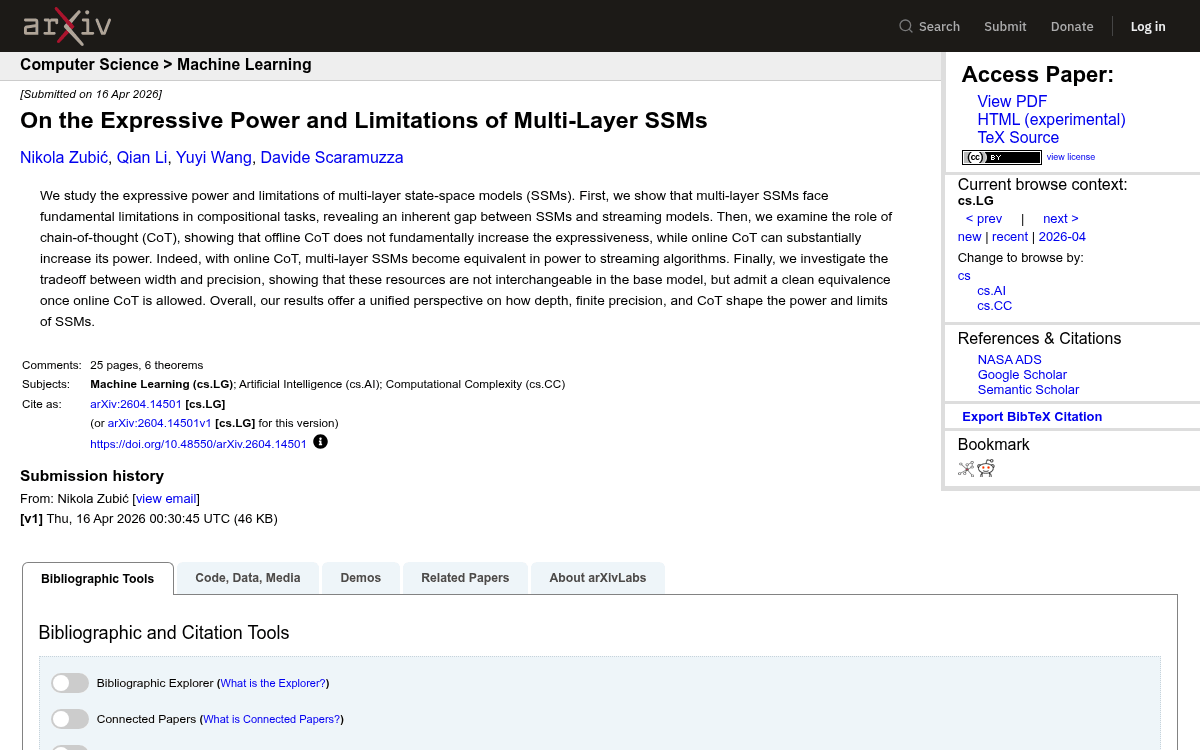
New theory pins down exactly how depth, precision, and chain-of-thought shape what state-space models like Mamba can and cannot compute.
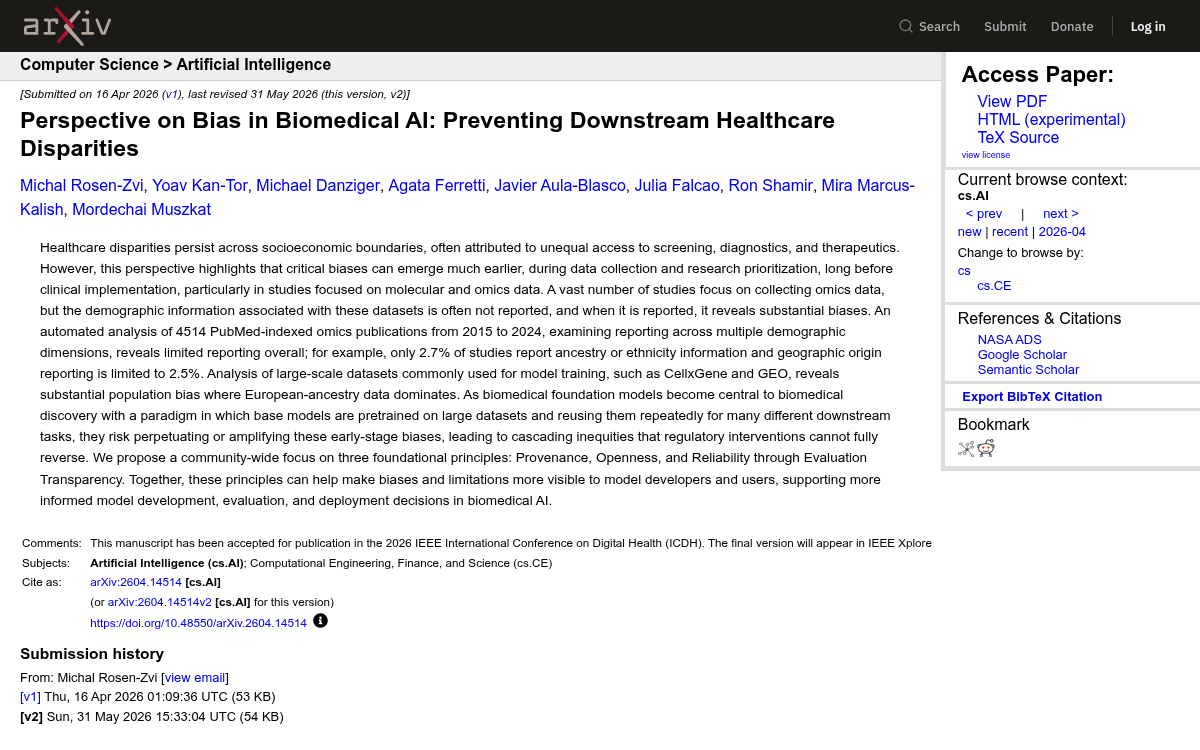
A study of 4,514 omics papers finds under 3% report ancestry, threatening biomedical foundation models with cascading population bias.
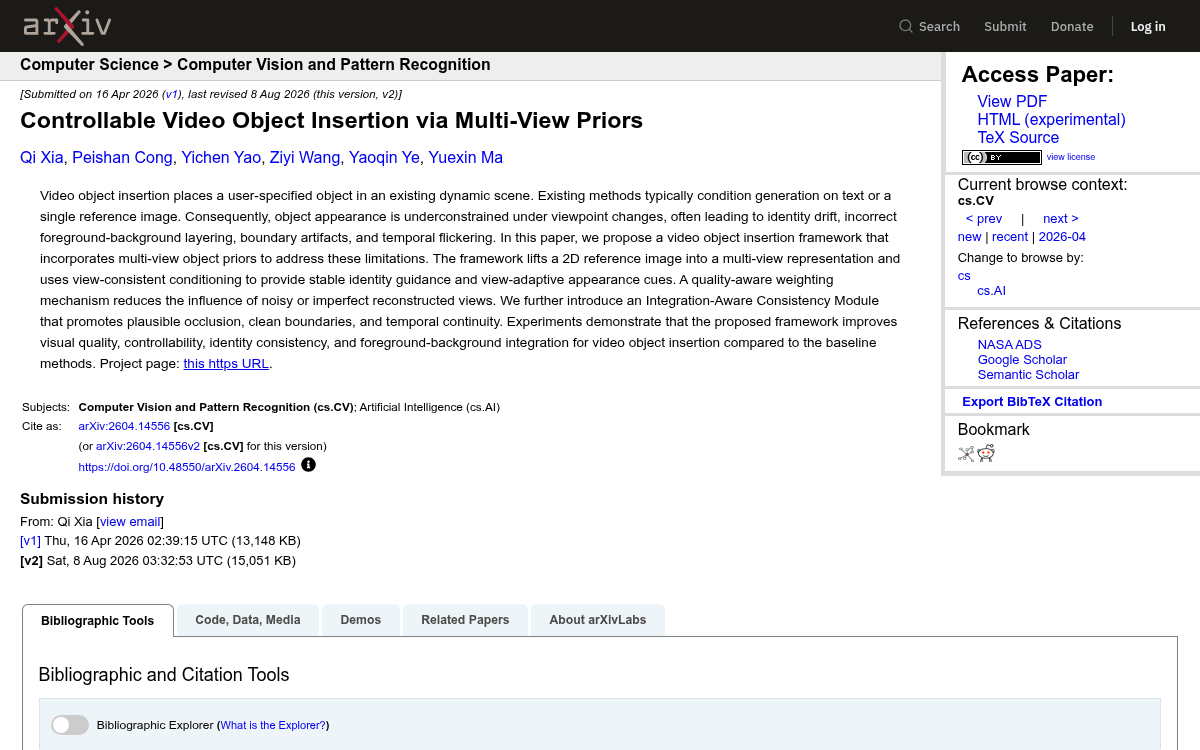
A new framework lifts reference images into 3D meshes and renders them from four angles to keep inserted objects consistent as cameras move.
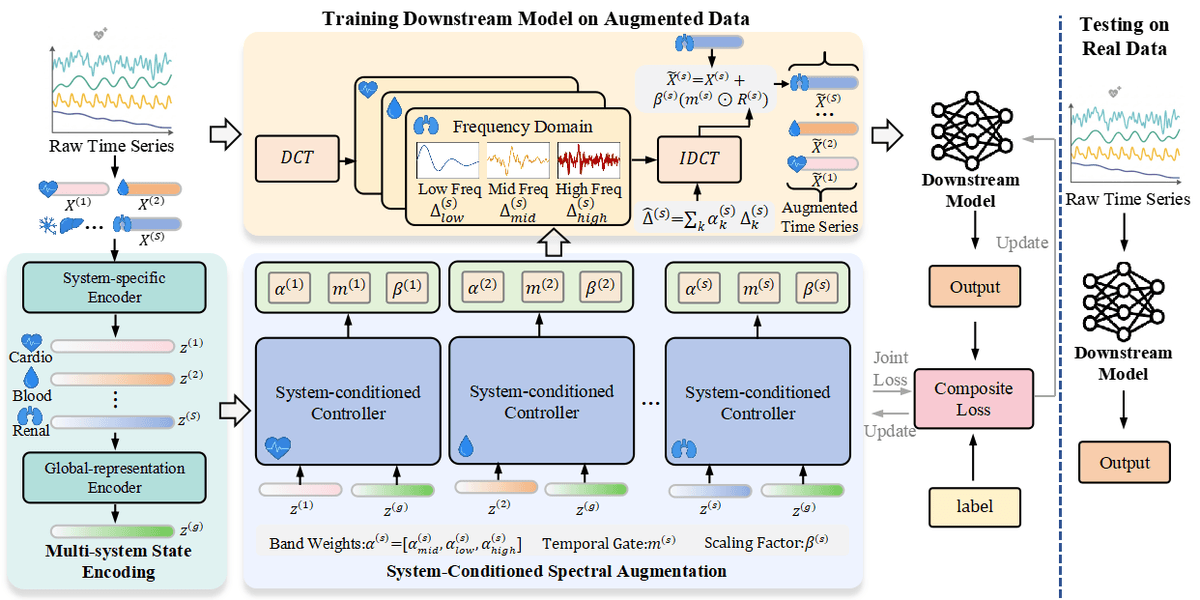
A frequency-domain augmentation method reduces sepsis regression error by 10.2% MSE on MIMIC-IV, holding up under shorter observation windows and longer prediction horizons.
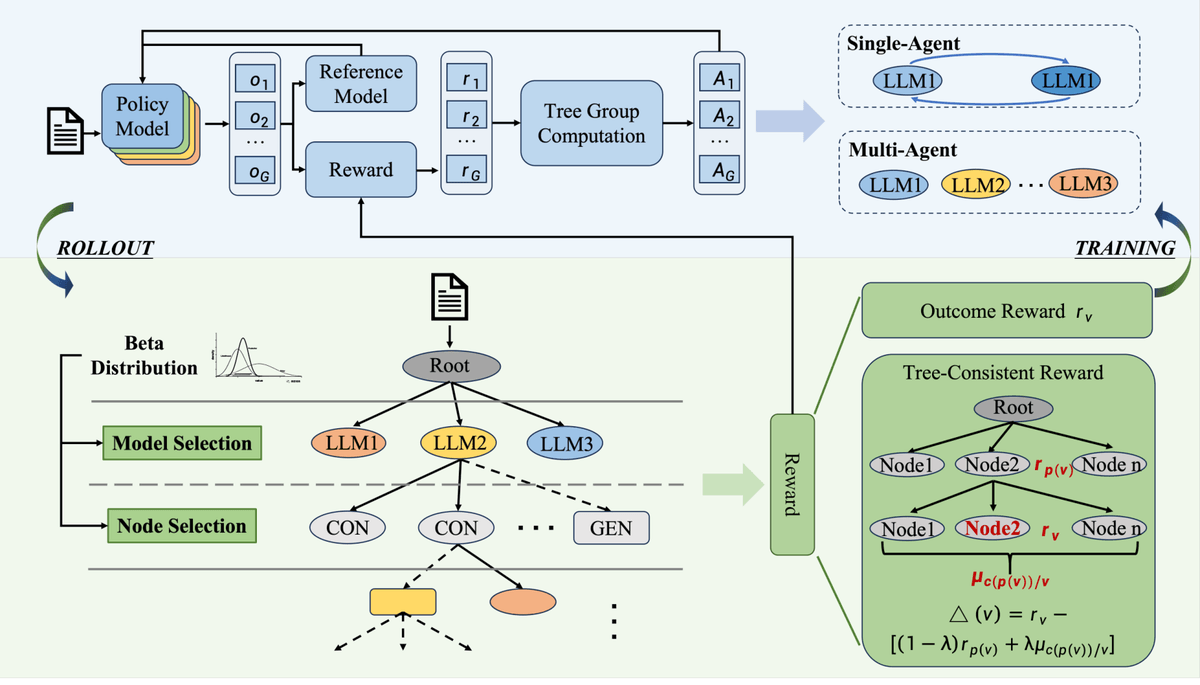
A new RL framework has heterogeneous agents collaborate inside a shared search tree, lifting Qwen3-8B by 8 points on LiveCodeBench.
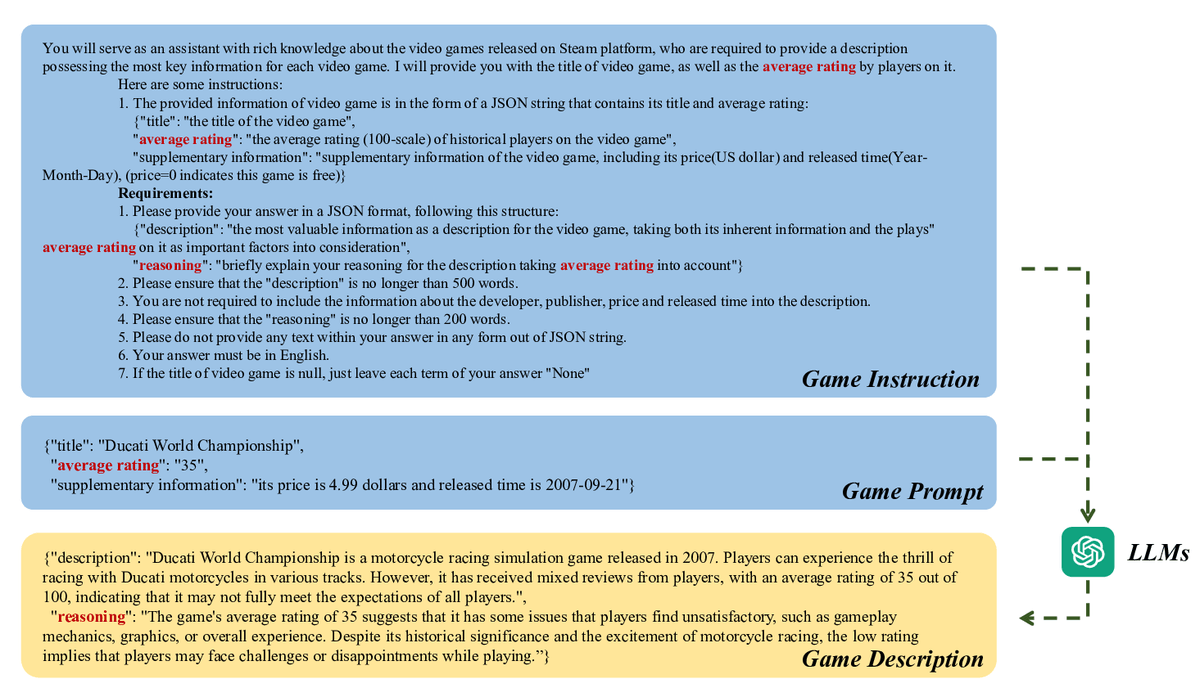
A new graph-based recommender for Steam blends LLM reasoning with signed edge weights to fix the accuracy-vs-diversity trade-off in game suggestions.
A new shared-log abstraction lets AI agents fork production data streams cheaply, isolating their exploratory reads and risky writes from live workloads.
A new framework uses causal inference to pinpoint the specific attention heads driving toxic output, then surgically steers or retrains only those components.
Google Research and DeepMind built a multi-agent Gemini system that mines wearable data for candidate biomarkers, validated across 9,279 participants.
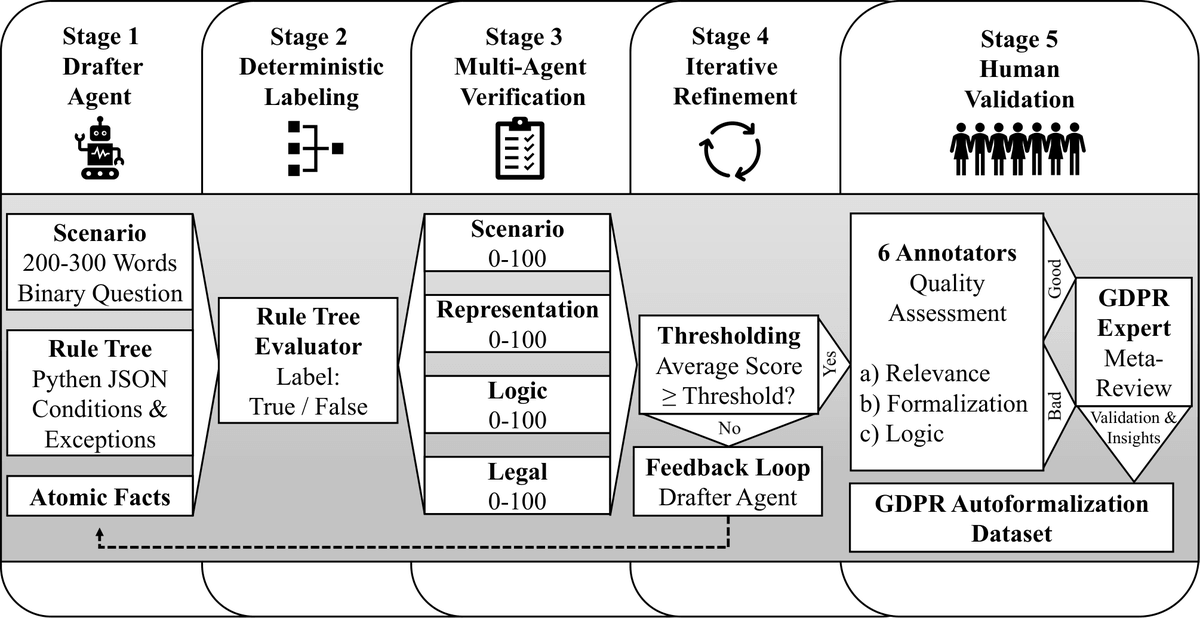
A multi-agent pipeline turns GDPR articles into executable rules, but human reviewers still catch legal errors that pass every automated check.
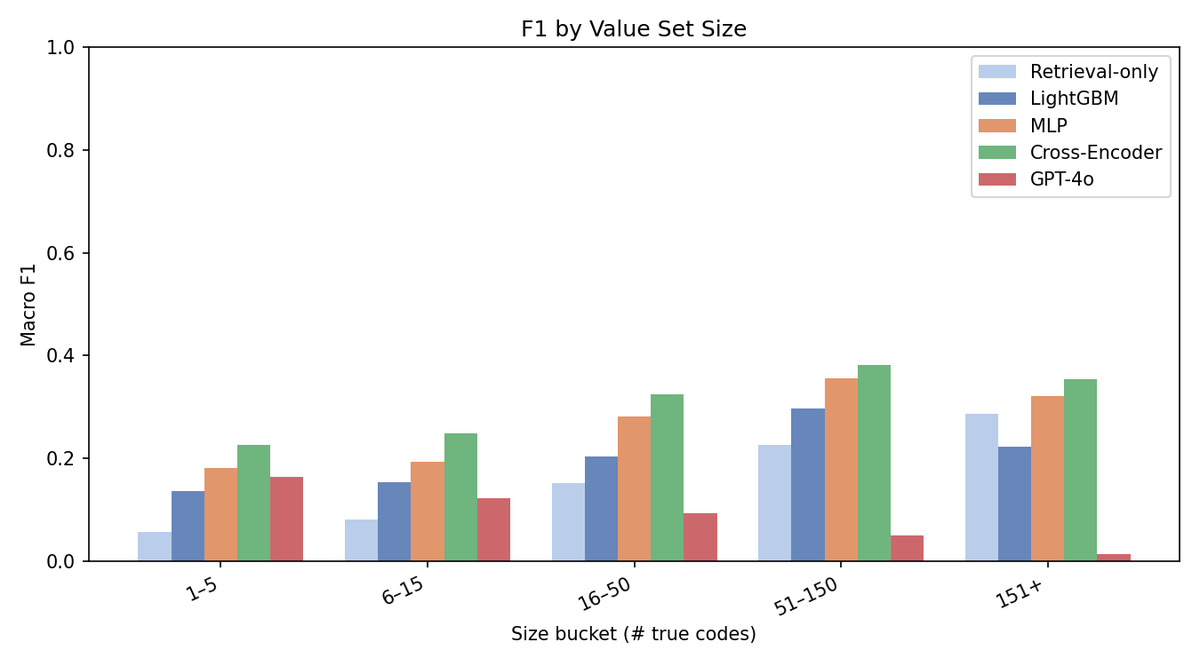
A retrieve-then-classify pipeline beats zero-shot GPT-4o on clinical value set construction, turning an intractable generation problem into a shortlist classification task.
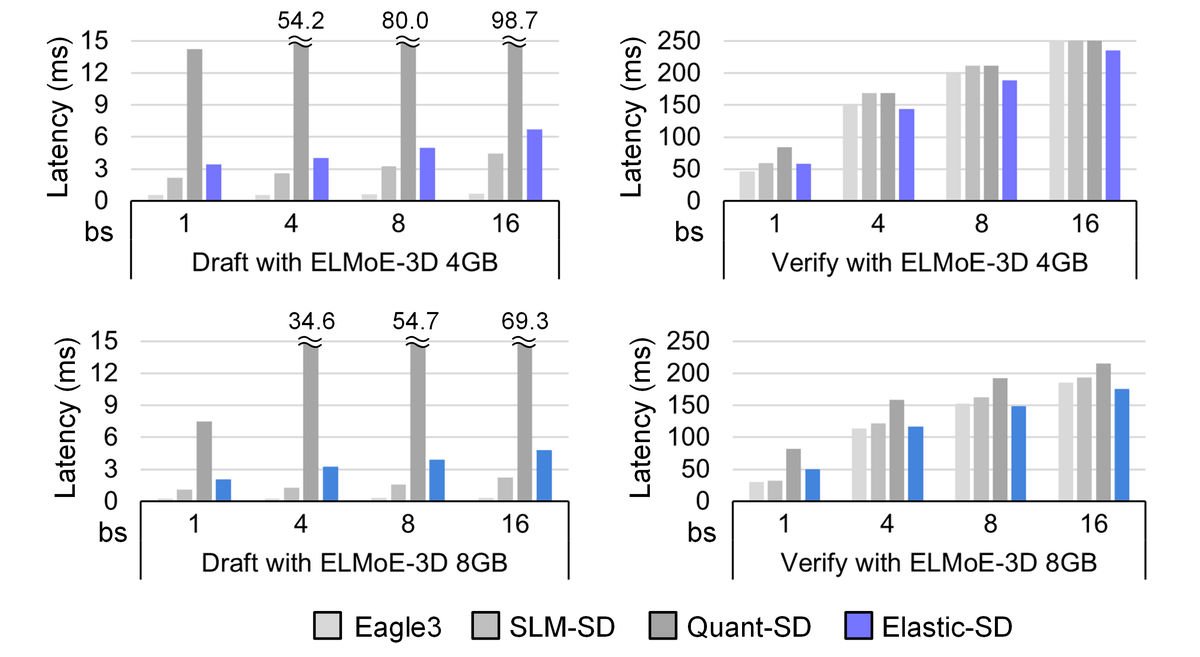
A hardware-software co-design fuses expert caching and speculative decoding on 3D-stacked memory, cutting MoE inference latency 6.6x on desktop-class hardware.
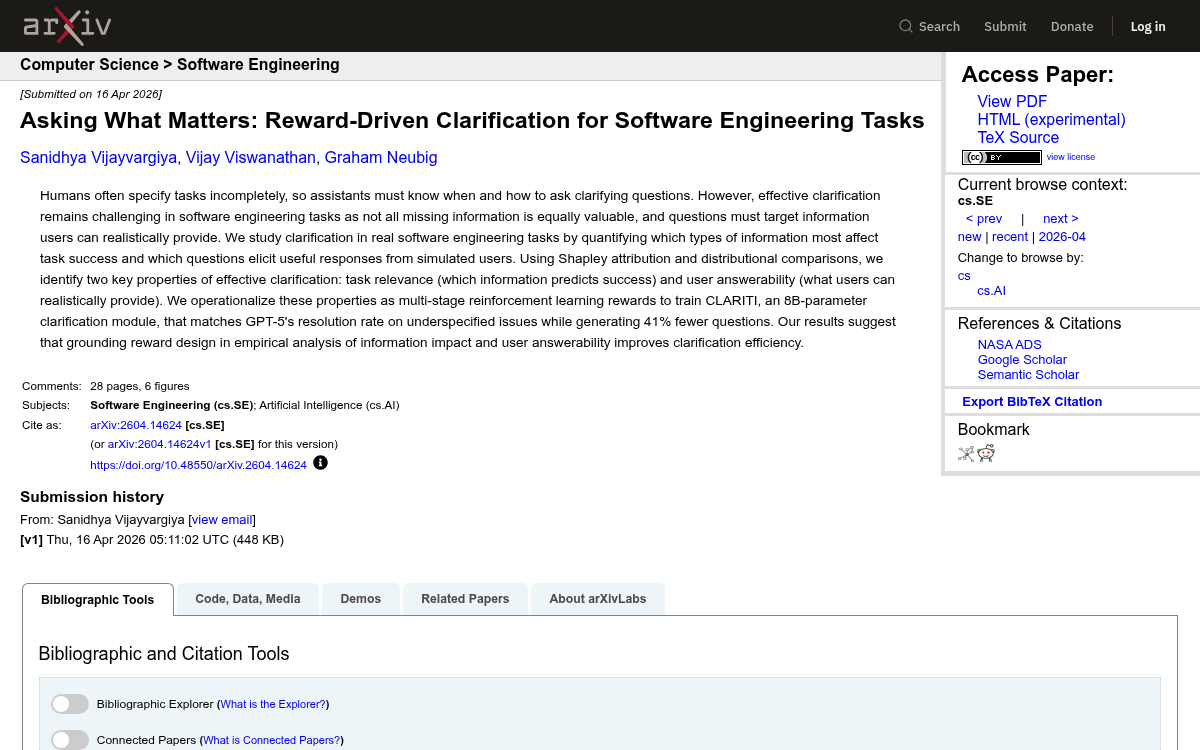
An 8B clarification module matches GPT-5's fix rate on underspecified GitHub issues while asking 41% fewer questions, using empirically-grounded rewards.