
Pro
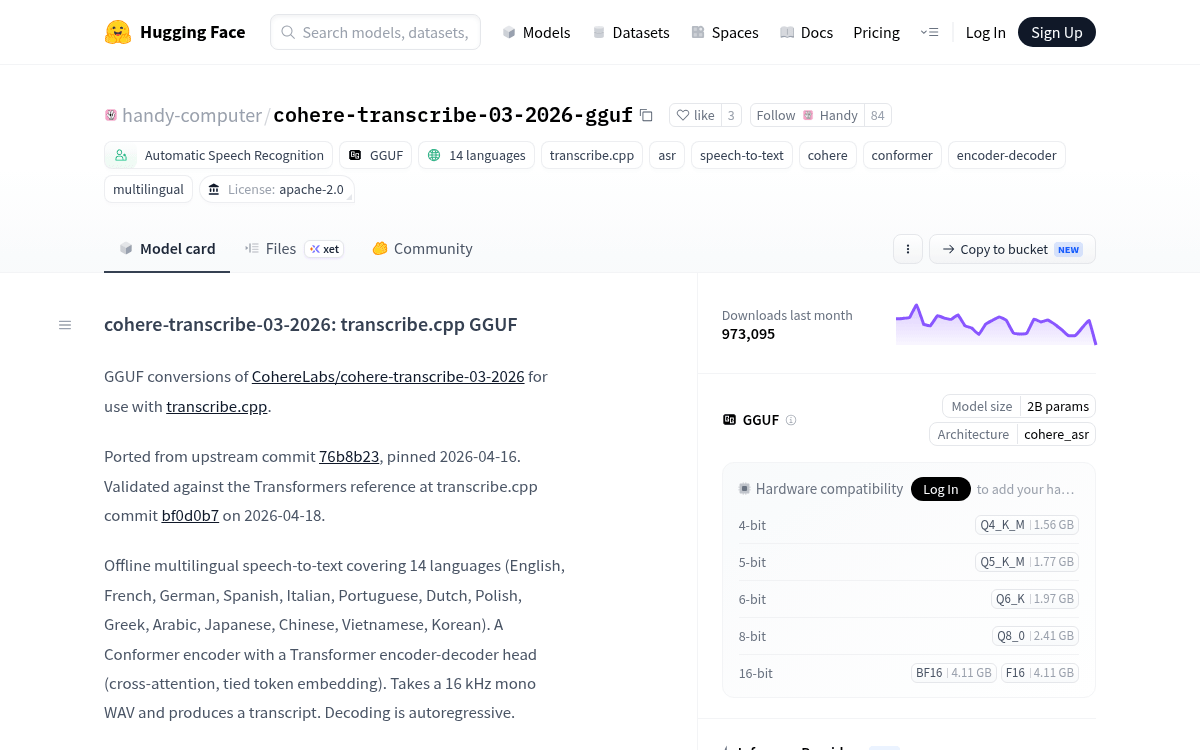
Cohere Transcribe Runs Offline on a Laptop With No Python Needed
A community port of Cohere Transcribe now runs offline through a llama.cpp-style C++ runtime, with four quantizations that hold accuracy within rounding.
20 stories
A community port of Cohere Transcribe now runs offline through a llama.cpp-style C++ runtime, with four quantizations that hold accuracy within rounding.
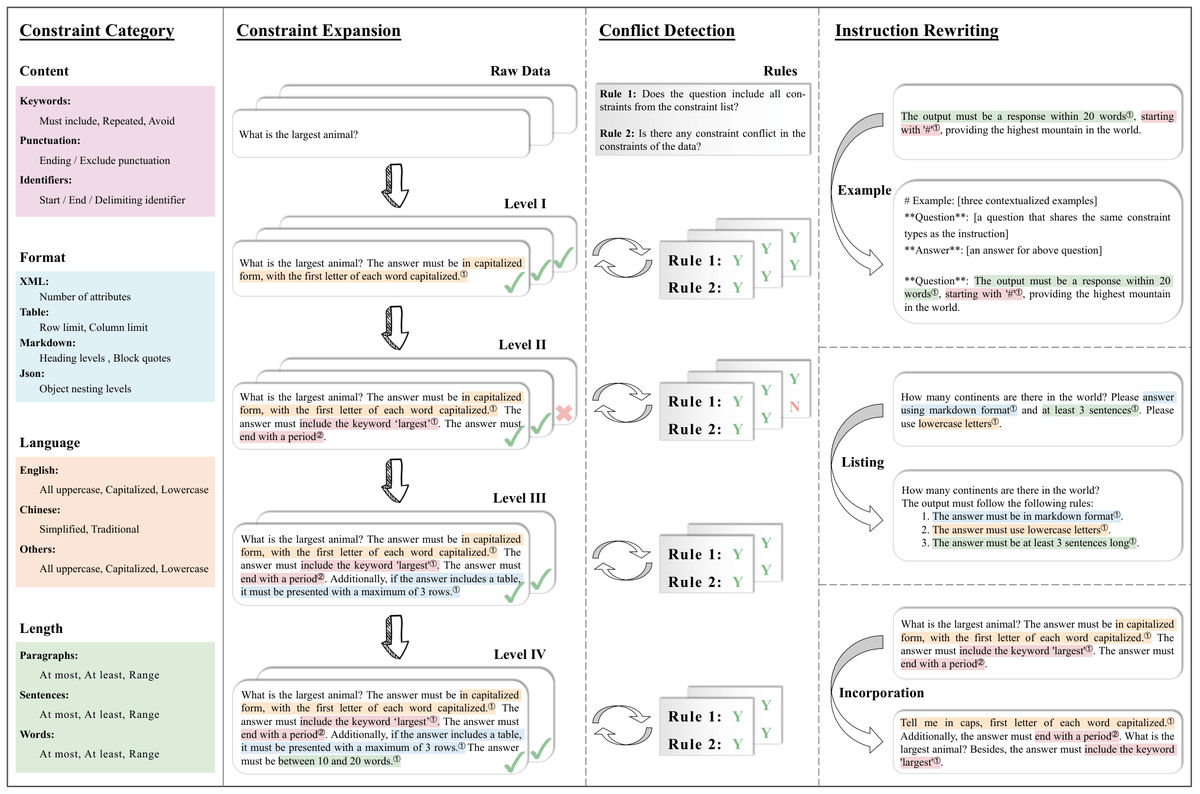
A new benchmark shows top LLMs drop from 80% to 37% accuracy as instruction constraints stack up, and a targeted RL fix nearly closes the gap.
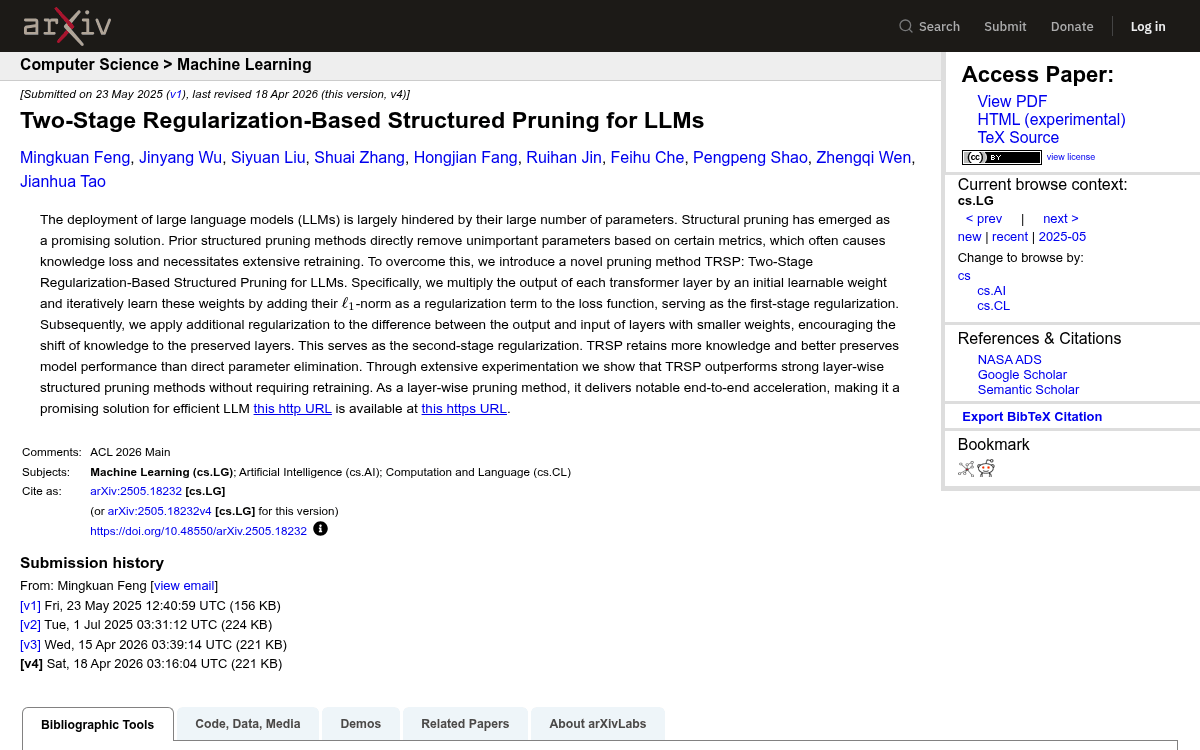
TRSP prunes transformer layers by first learning per-layer weights, then regularizing pruned layers to shift their knowledge into layers that survive.
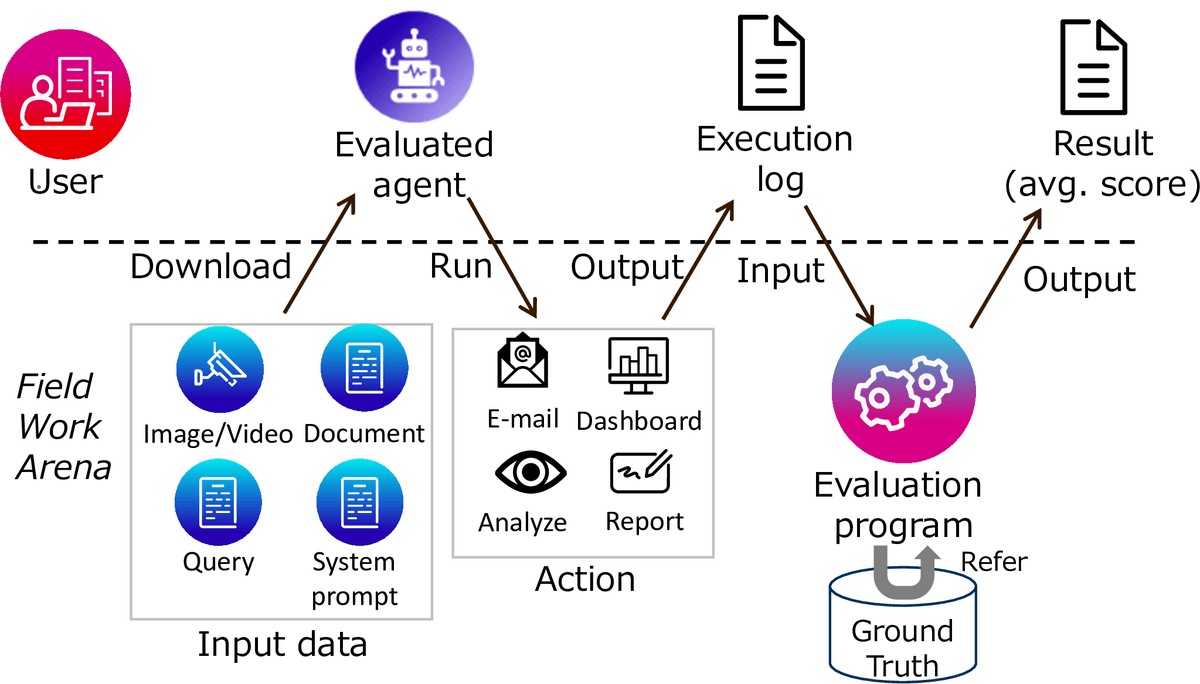
Fujitsu and CMU release a benchmark of 886 tasks built from real factory, warehouse, and retail footage, exposing where today's multimodal agents break down.
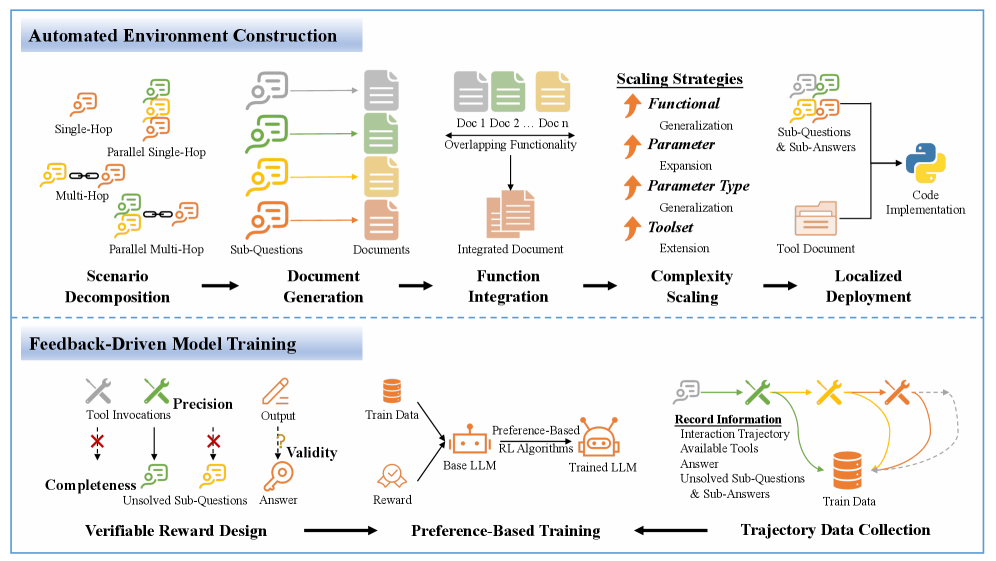
Researchers from ByteDance Seed and Fudan propose FTRL, a pipeline that builds local tool-use training environments with verifiable rewards.
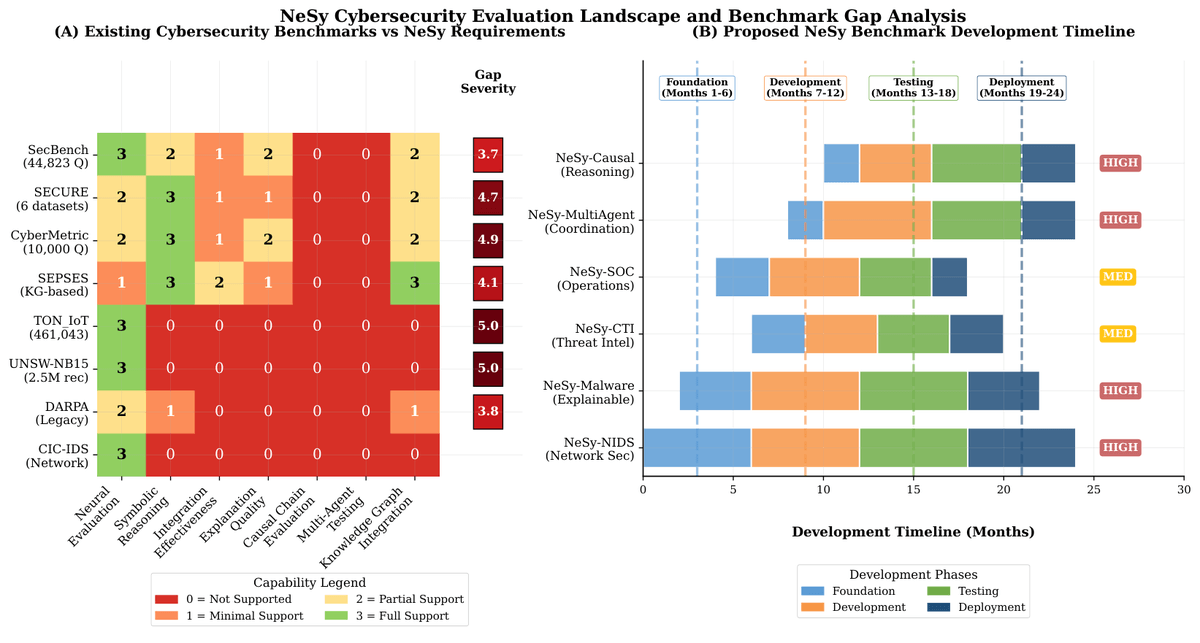
A systematic review of 103 papers maps how combining neural networks with symbolic logic produces cybersecurity systems that reason, explain, and defend better than either approach alone.
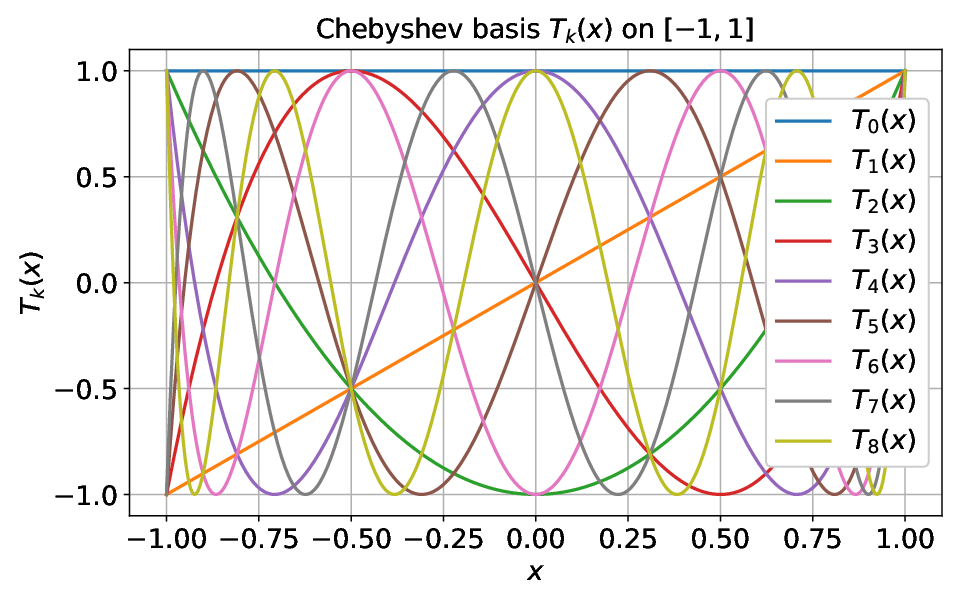
A new review maps the sprawling Kolmogorov-Arnold Network ecosystem, offering theory, basis-function trade-offs, and a decision guide for picking the right variant.
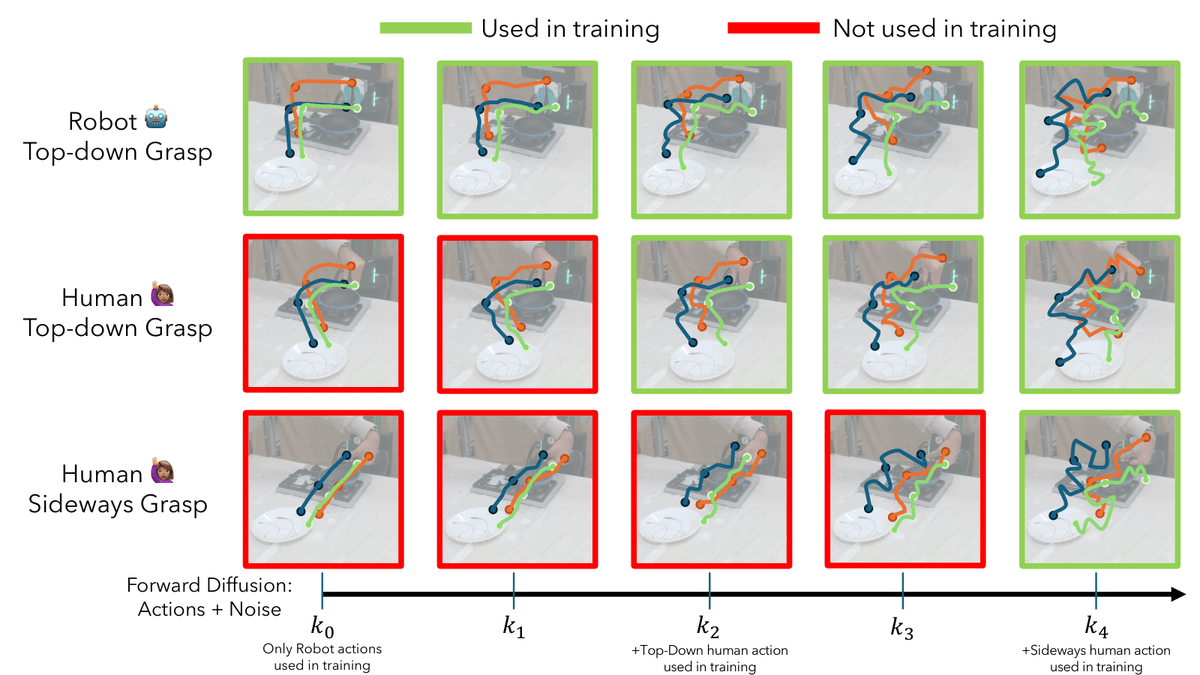
Cornell researchers use Ambient Diffusion to treat human videos as noisy robot data, boosting manipulation success rates by 16 percent across five real-world tasks.
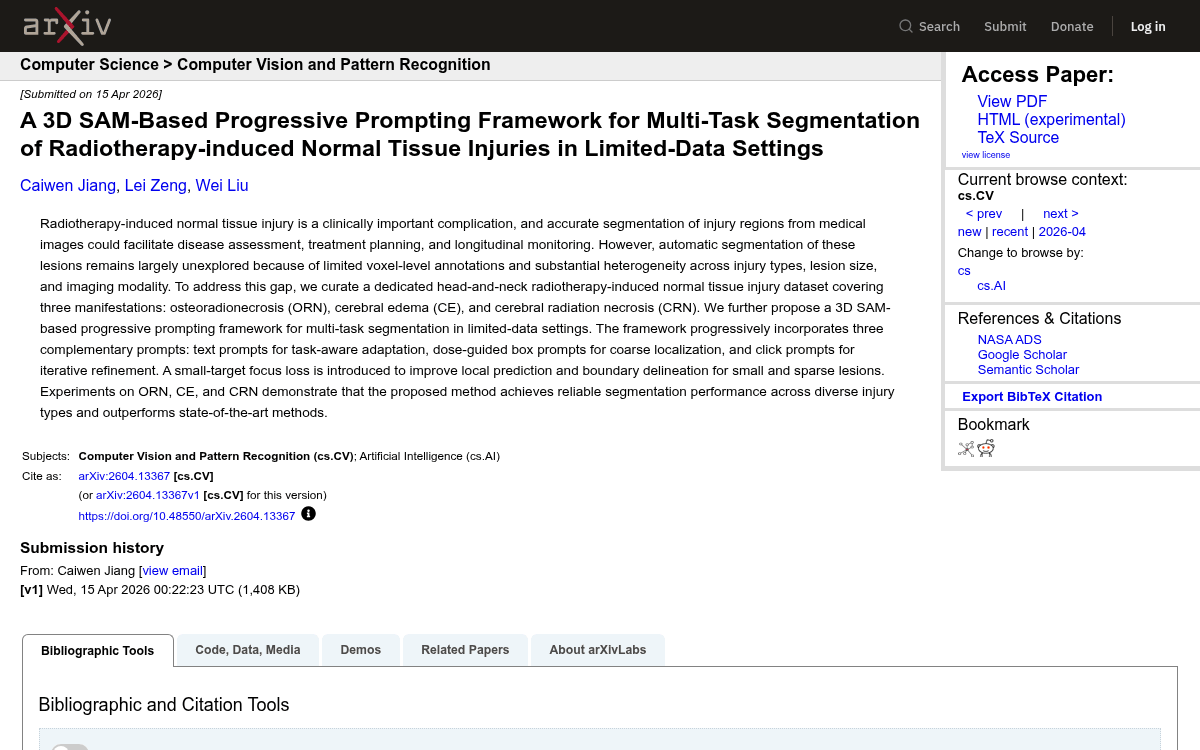
A new 3D SAM framework layers text, dose-map, and click prompts to segment tiny radiotherapy injuries from just 70 patient scans.
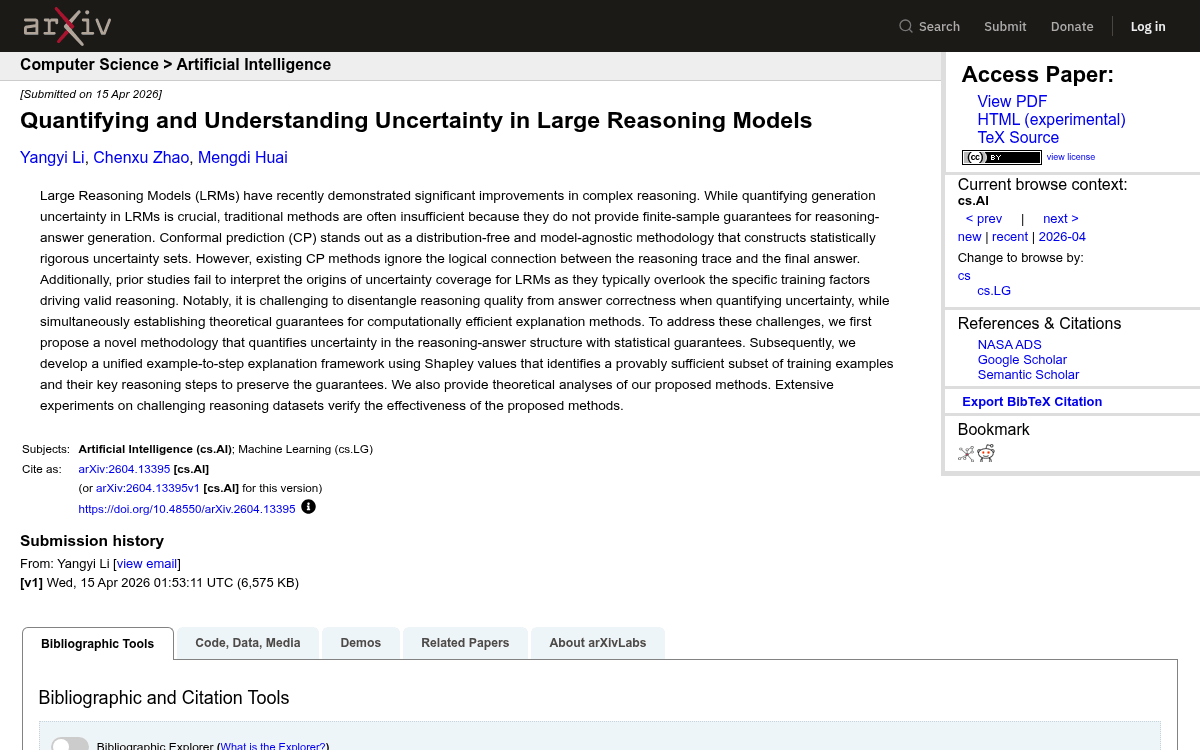
A new framework called CoRAP wraps reasoning models in statistical guarantees, ensuring the final answer is actually backed by valid step-by-step logic.
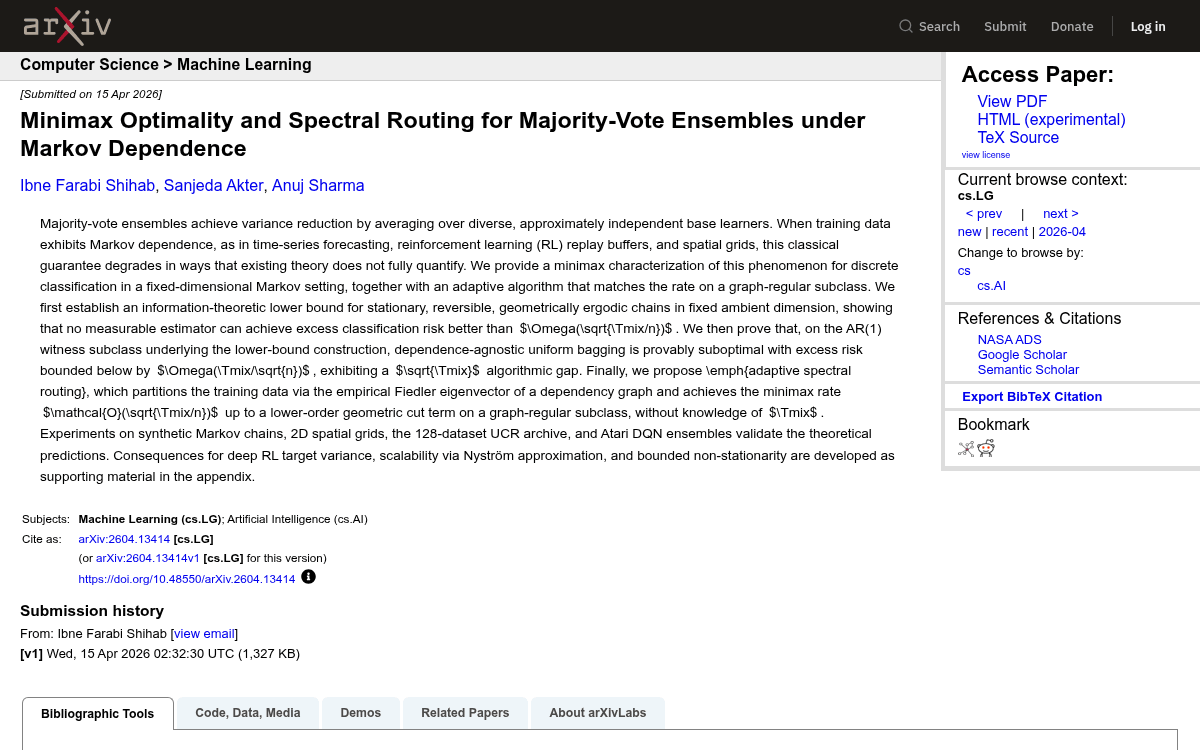
A new theoretical analysis pins down exactly how much bagging breaks on correlated data, and offers a graph-based fix that closes the gap.
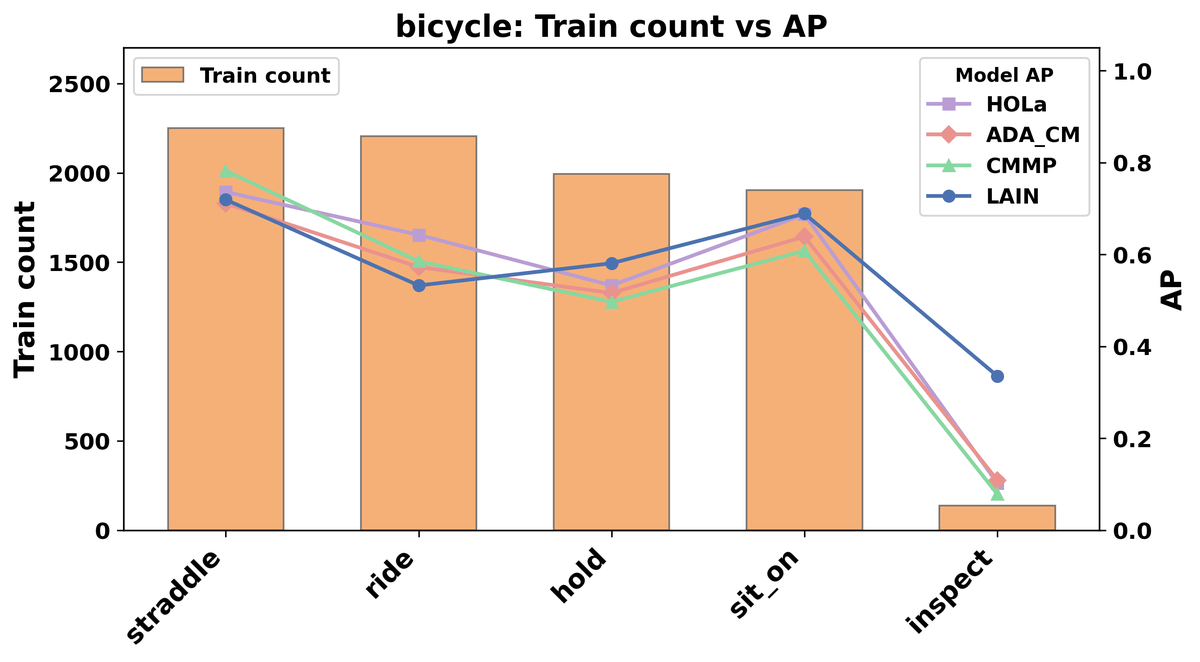
Researchers dissect where popular two-stage human-object interaction detectors quietly fail, revealing that high benchmark scores mask serious reasoning gaps in crowded scenes.
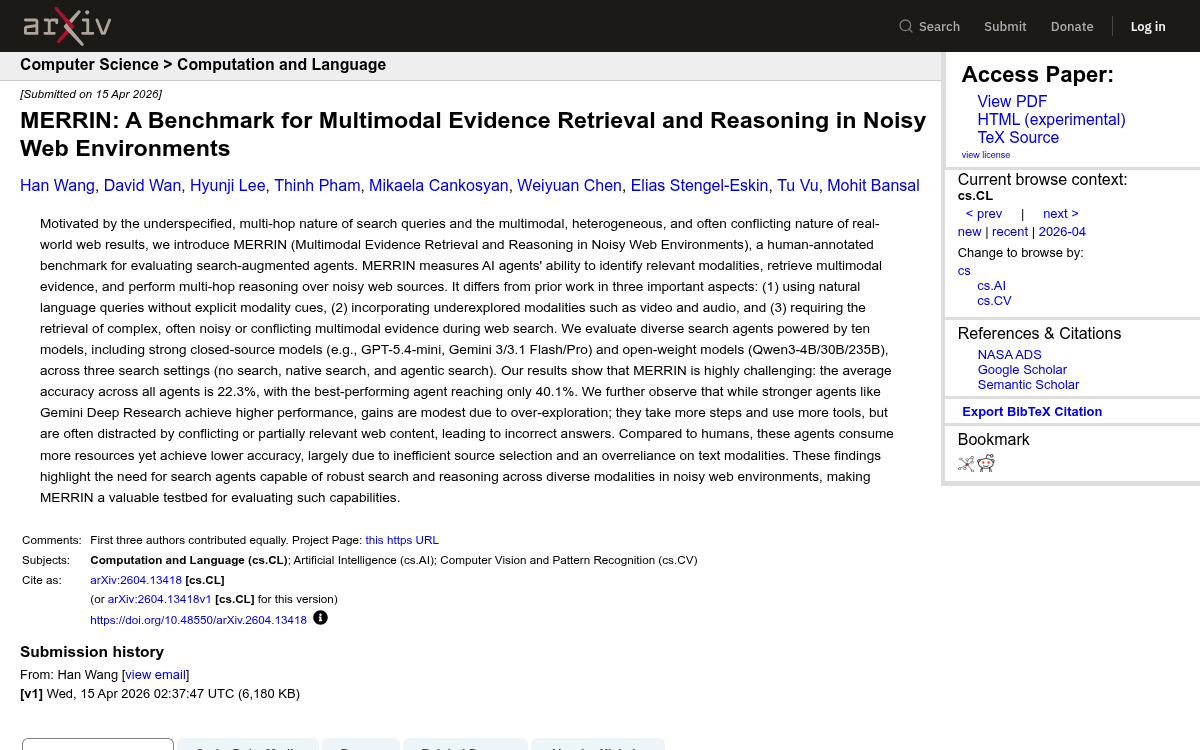
A new UNC-led benchmark shows top search agents like Gemini 3.1 Pro top out at 40% accuracy, badly losing to humans on multimodal web queries.
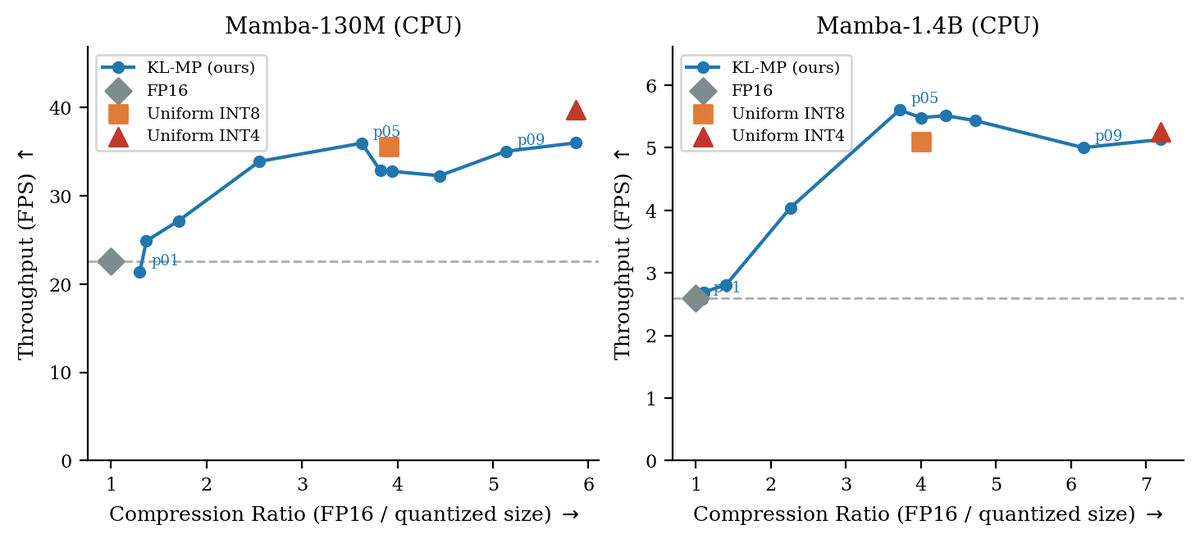
A forward-only sensitivity method uses KL divergence to pick which layers of hybrid SSM-Transformer models can safely drop to INT4 on edge silicon.
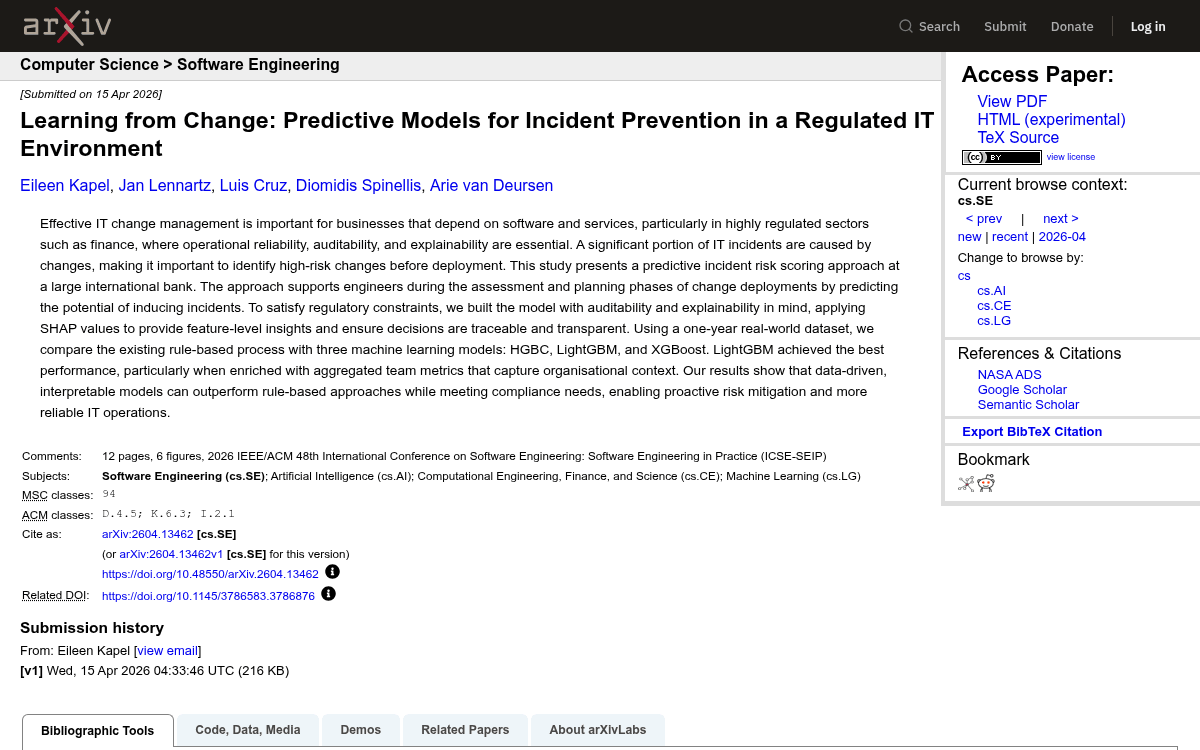
A bank replaced hand-coded change risk rules with gradient boosted trees plus SHAP explanations, lifting recall from 56% to 93%.
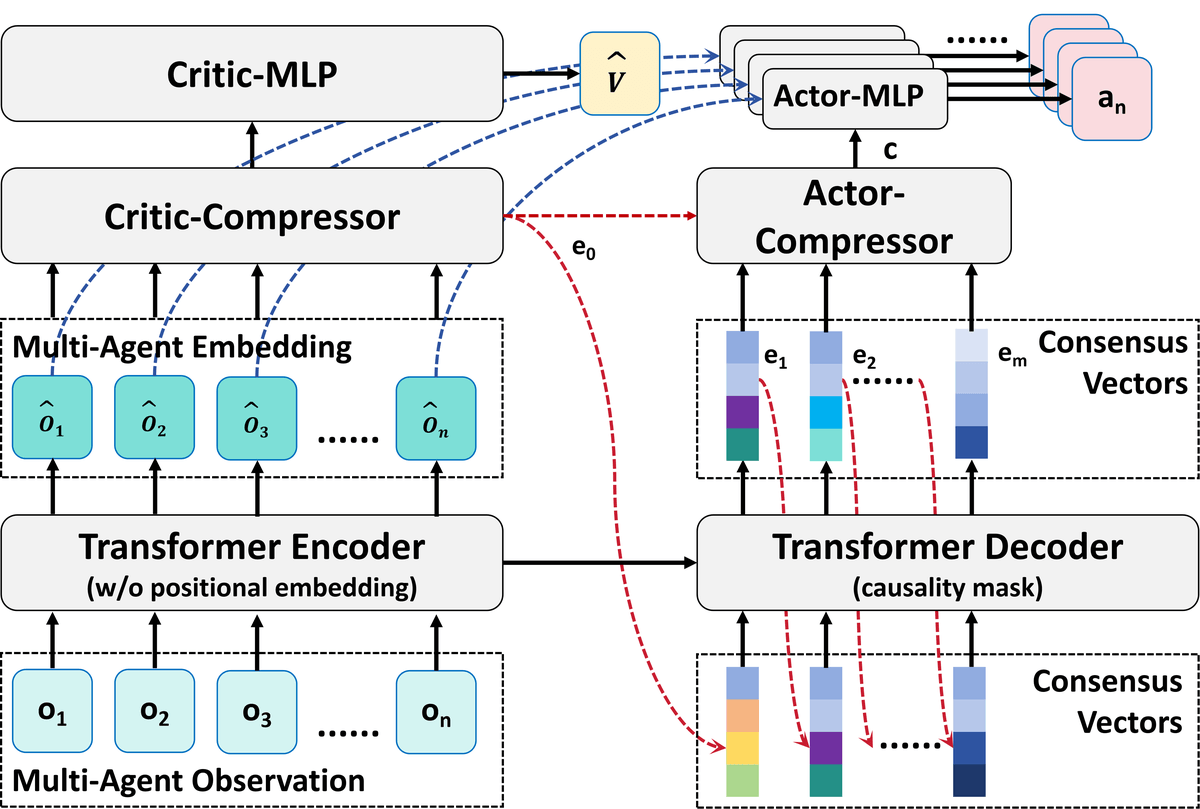
A new centralized multi-agent RL framework replaces sequential action generation with a shared latent consensus vector, removing order-dependent bias.

Ant Group releases a 1,513-task benchmark drawn from real production risk pipelines, exposing a brutal gap between frontier models and specialized GUI agents.
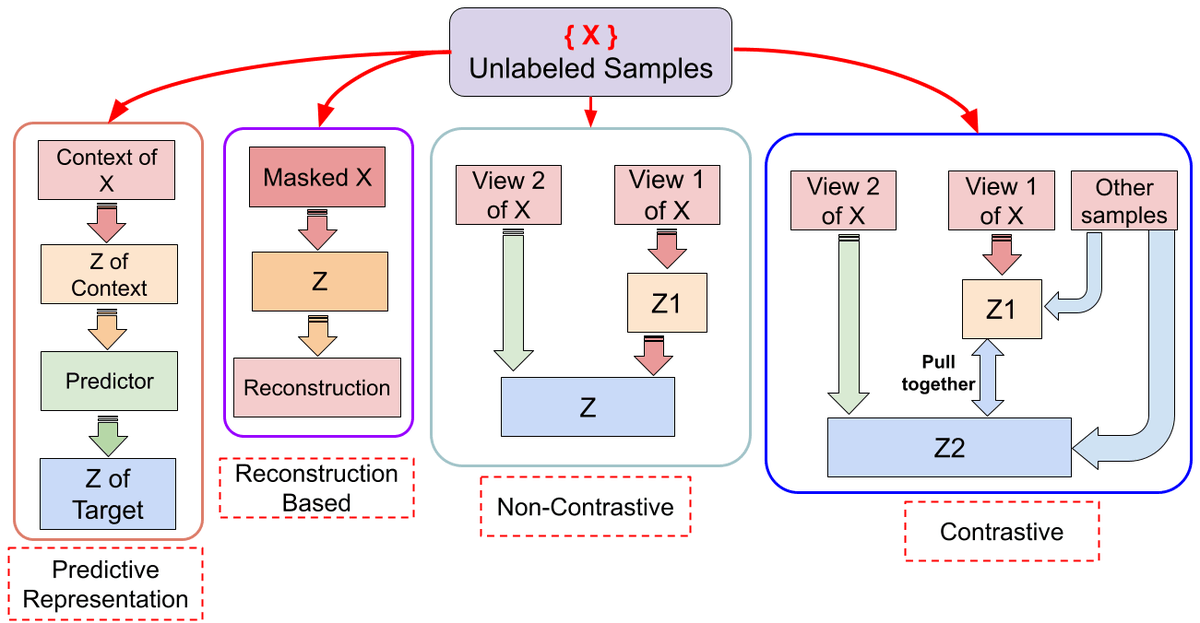
A new taxonomy splits self-supervised learning into three families and shows predictive latent methods trade raw similarity for stronger robustness.
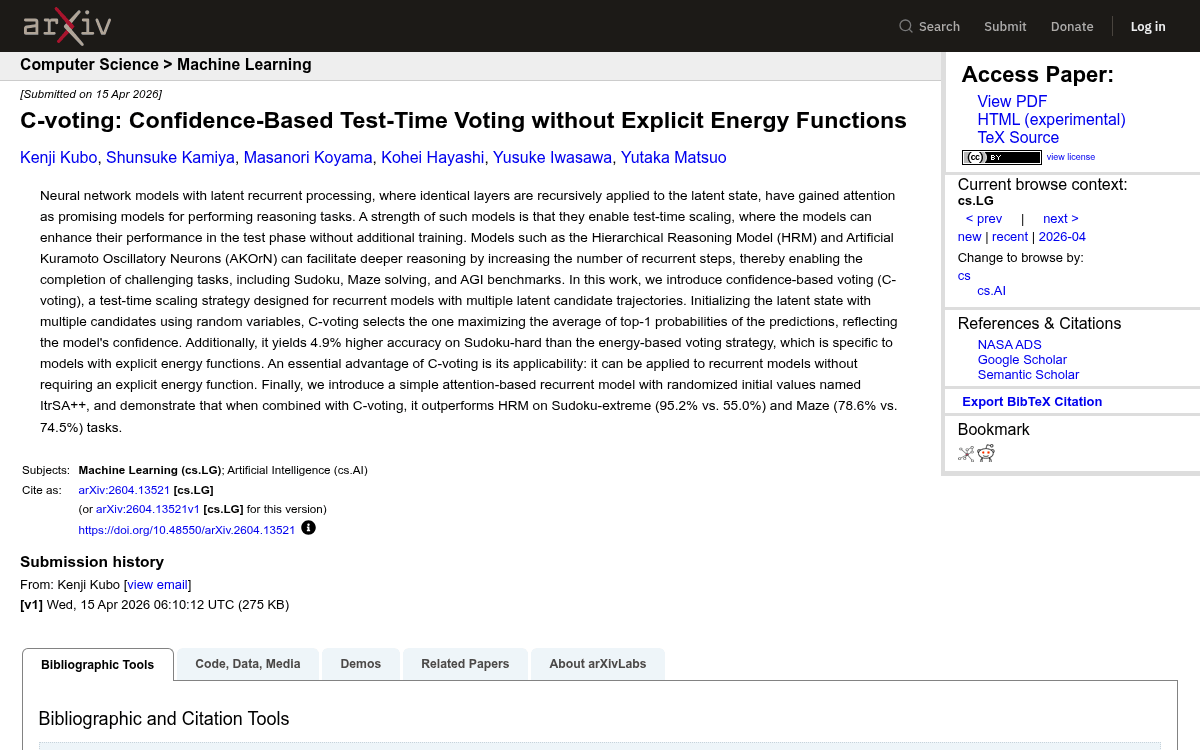
A confidence-driven voting scheme lets any recurrent reasoner scale at test time, and a 3M-parameter model built around it beats HRM by 40 points on Sudoku-Extreme.
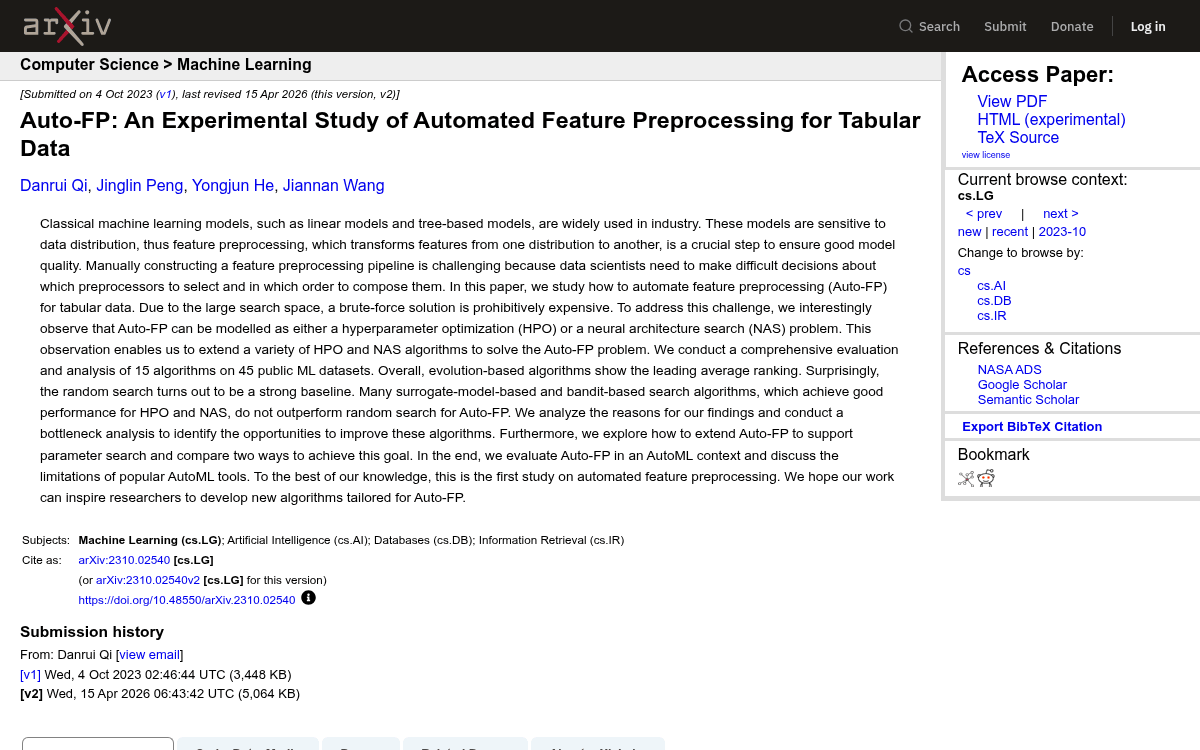
A benchmark of 15 search algorithms across 45 tabular datasets reveals that evolution beats fancy methods, and random search embarrasses most of them