
Pro
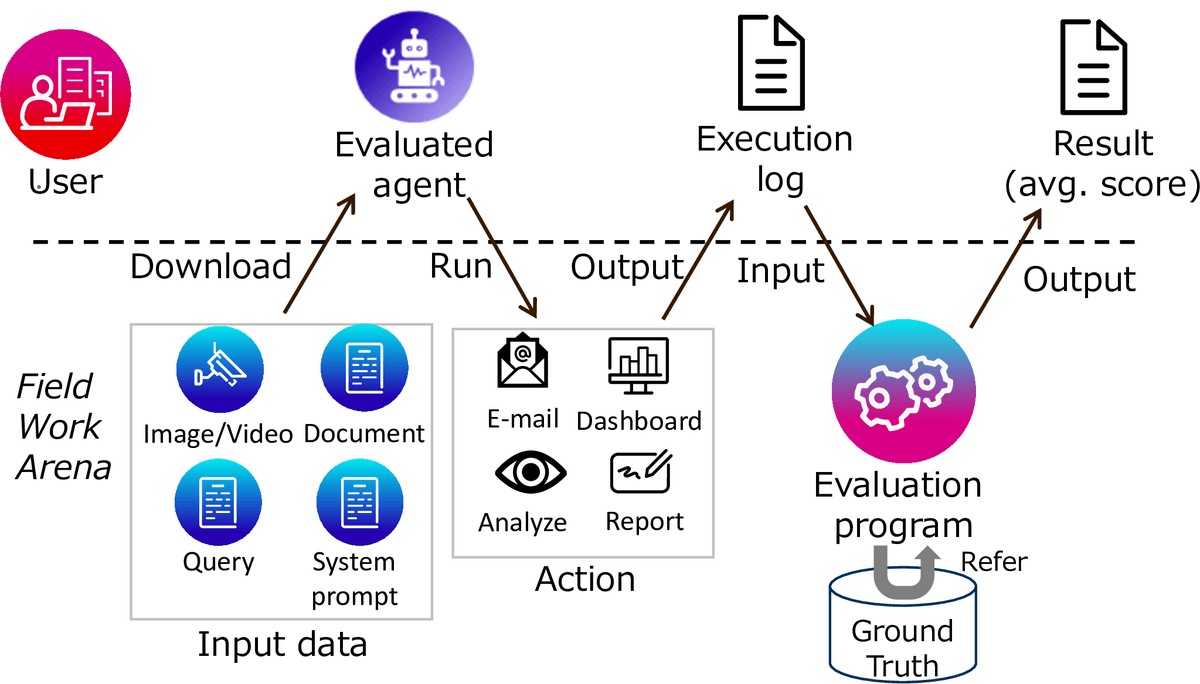
Fujitsu and CMU's FieldWorkArena Exposes How AI Fails Real Factory Safety
Fujitsu and CMU release a benchmark of 886 tasks built from real factory, warehouse, and retail footage, exposing where today's multimodal agents break down.
20 stories
Fujitsu and CMU release a benchmark of 886 tasks built from real factory, warehouse, and retail footage, exposing where today's multimodal agents break down.
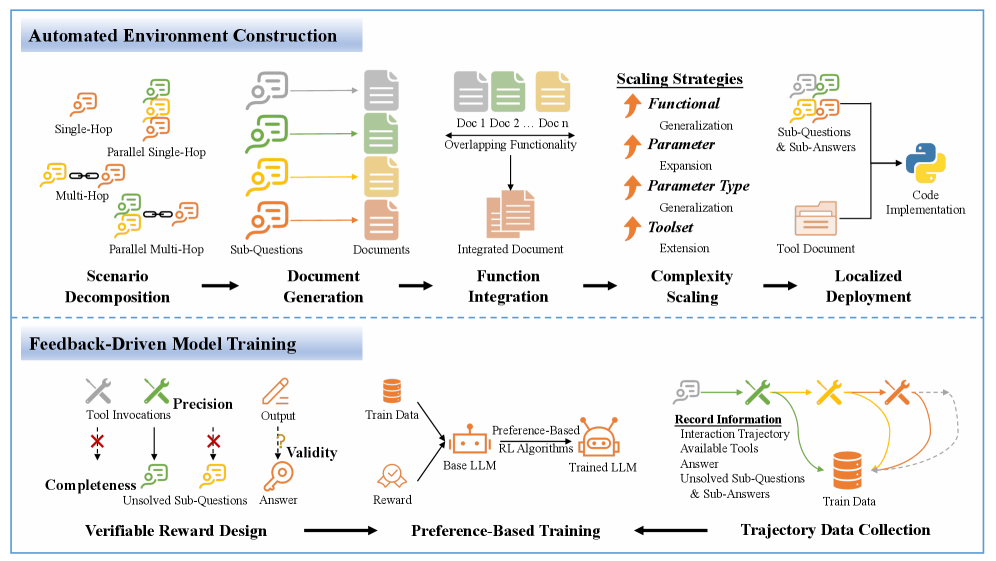
Researchers from ByteDance Seed and Fudan propose FTRL, a pipeline that builds local tool-use training environments with verifiable rewards.
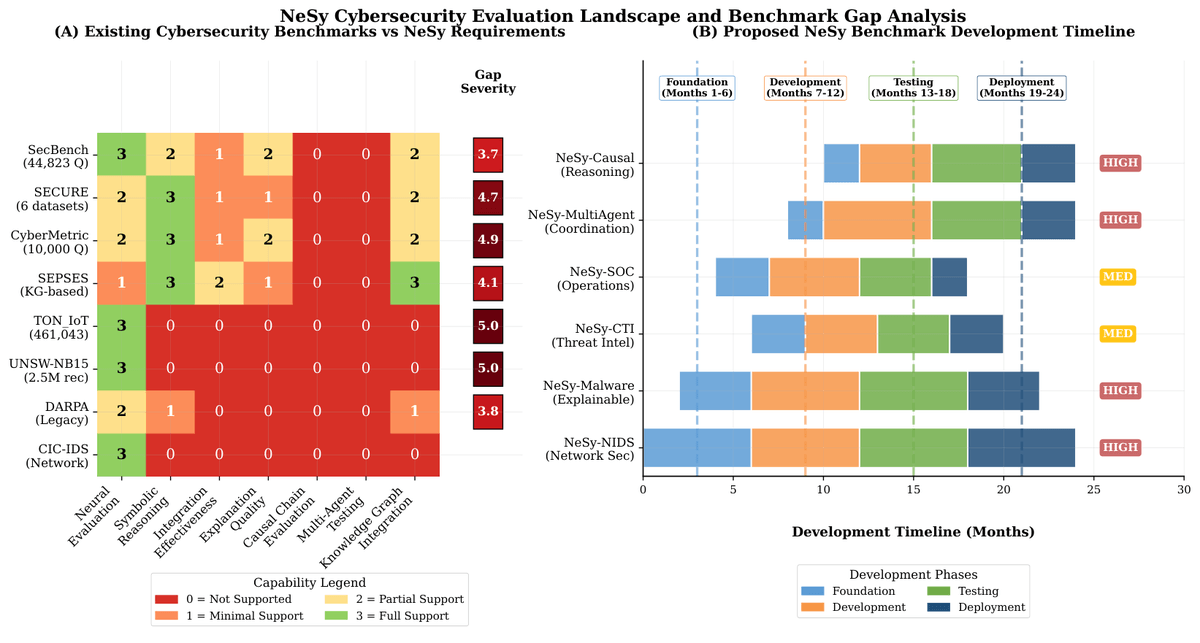
A systematic review of 103 papers maps how combining neural networks with symbolic logic produces cybersecurity systems that reason, explain, and defend better than either approach alone.
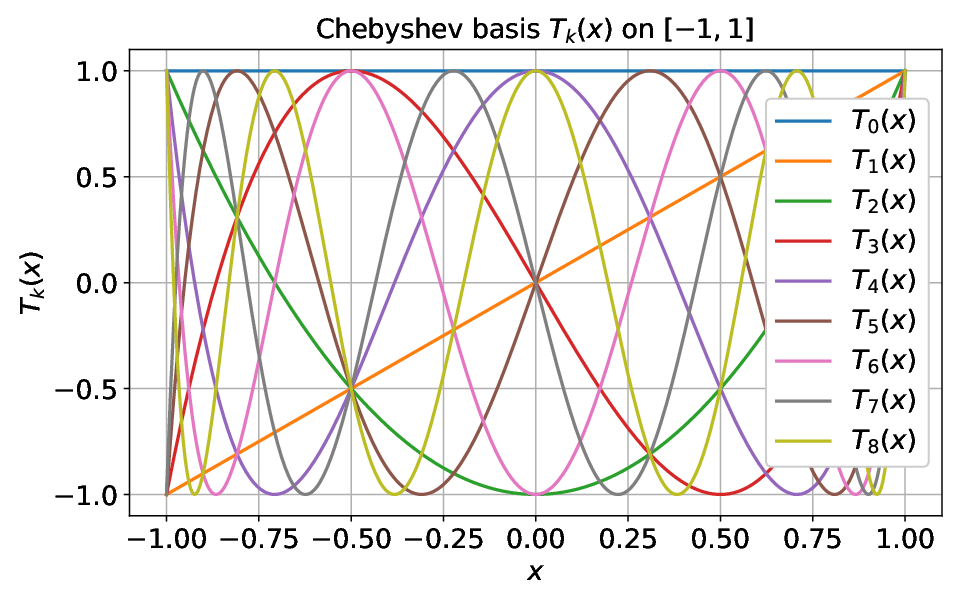
A new review maps the sprawling Kolmogorov-Arnold Network ecosystem, offering theory, basis-function trade-offs, and a decision guide for picking the right variant.
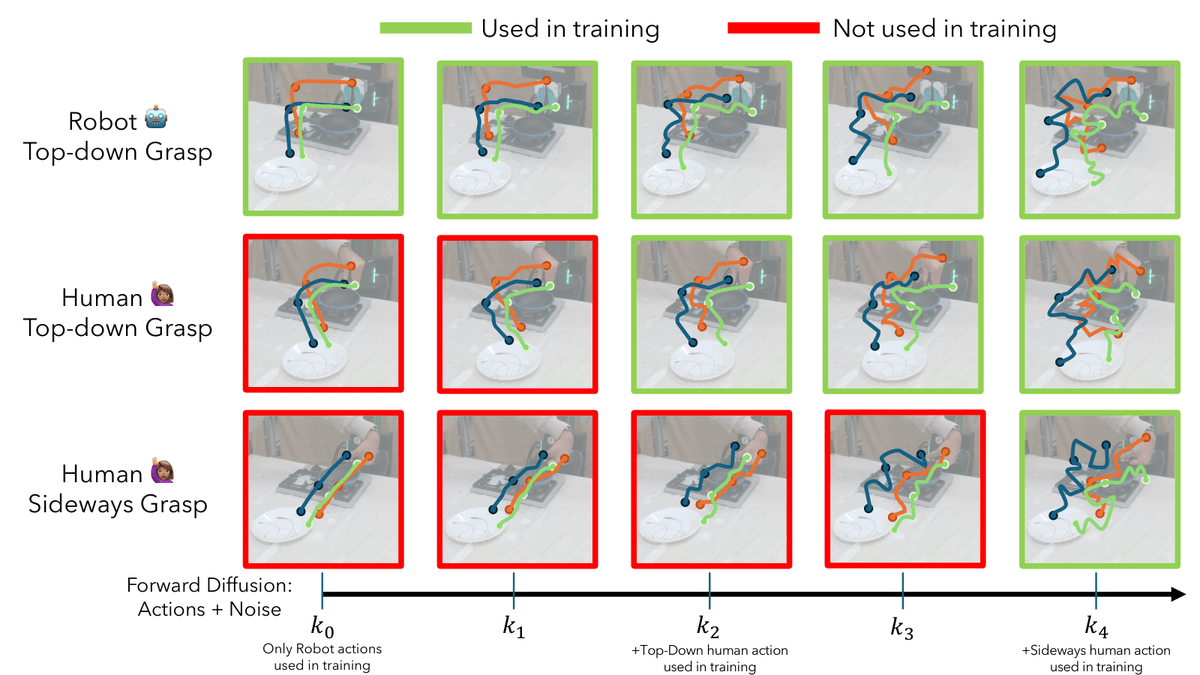
Cornell researchers use Ambient Diffusion to treat human videos as noisy robot data, boosting manipulation success rates by 16 percent across five real-world tasks.
A new 3D SAM framework layers text, dose-map, and click prompts to segment tiny radiotherapy injuries from just 70 patient scans.
A new framework called CoRAP wraps reasoning models in statistical guarantees, ensuring the final answer is actually backed by valid step-by-step logic.
A new theoretical analysis pins down exactly how much bagging breaks on correlated data, and offers a graph-based fix that closes the gap.
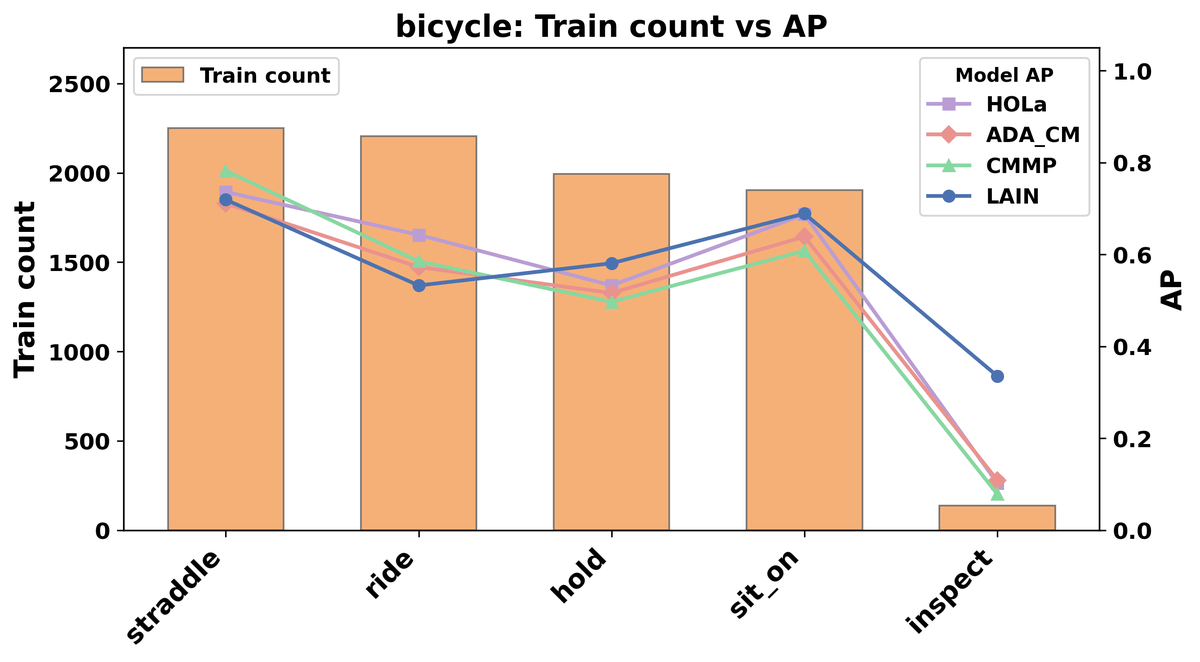
Researchers dissect where popular two-stage human-object interaction detectors quietly fail, revealing that high benchmark scores mask serious reasoning gaps in crowded scenes.
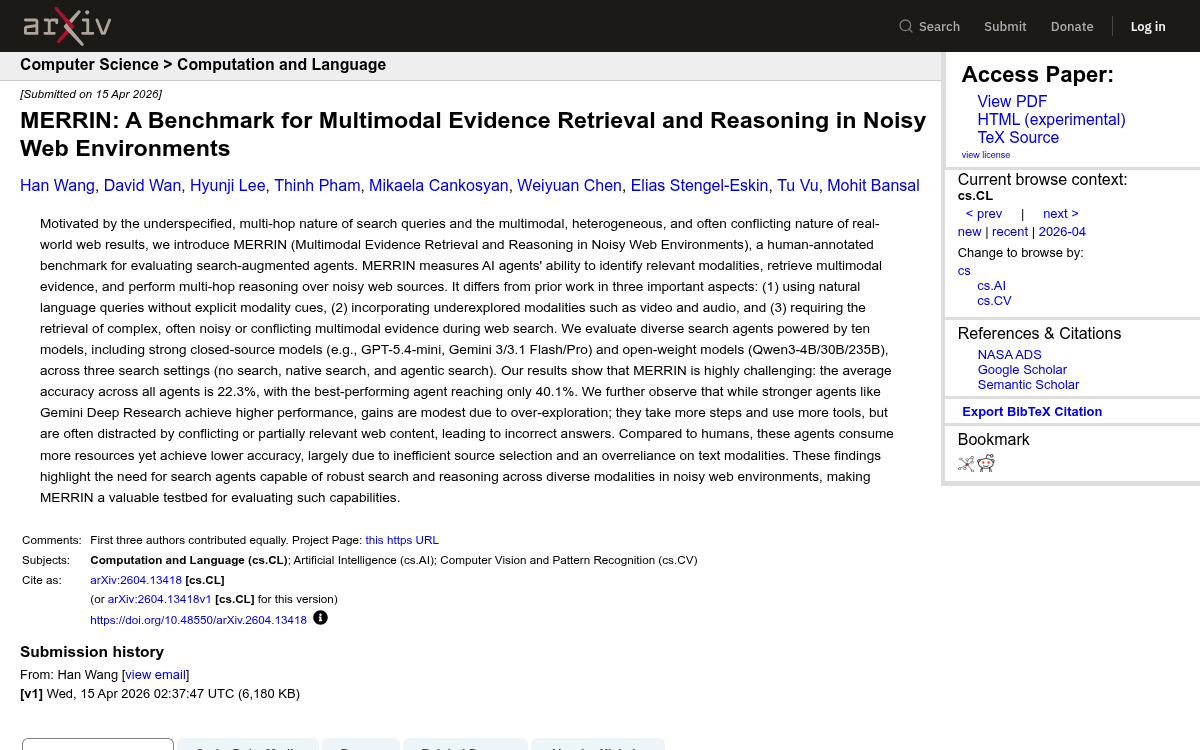
A new UNC-led benchmark shows top search agents like Gemini 3.1 Pro top out at 40% accuracy, badly losing to humans on multimodal web queries.
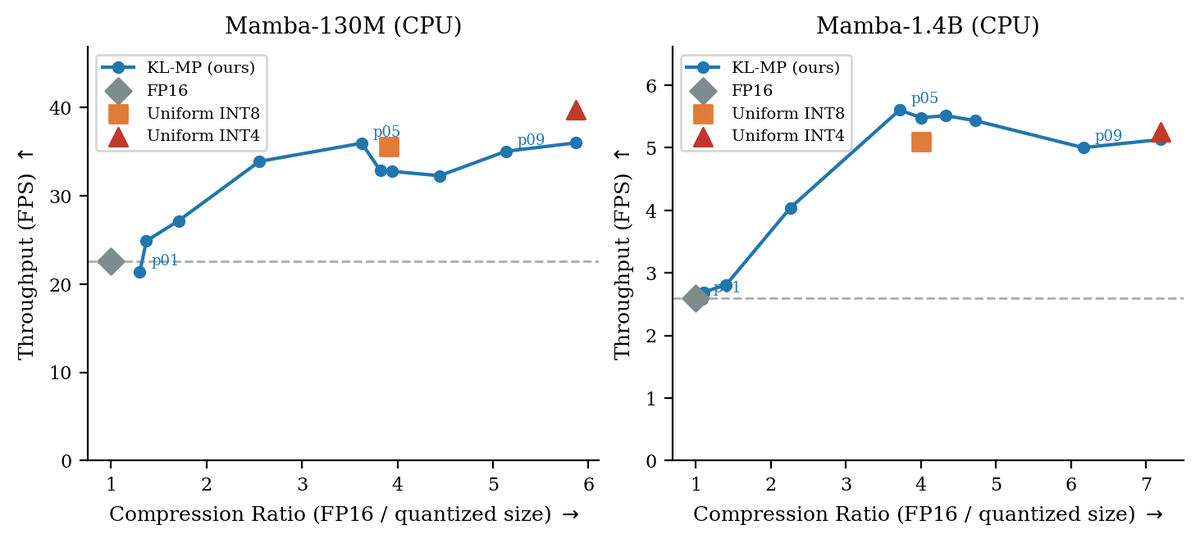
A forward-only sensitivity method uses KL divergence to pick which layers of hybrid SSM-Transformer models can safely drop to INT4 on edge silicon.
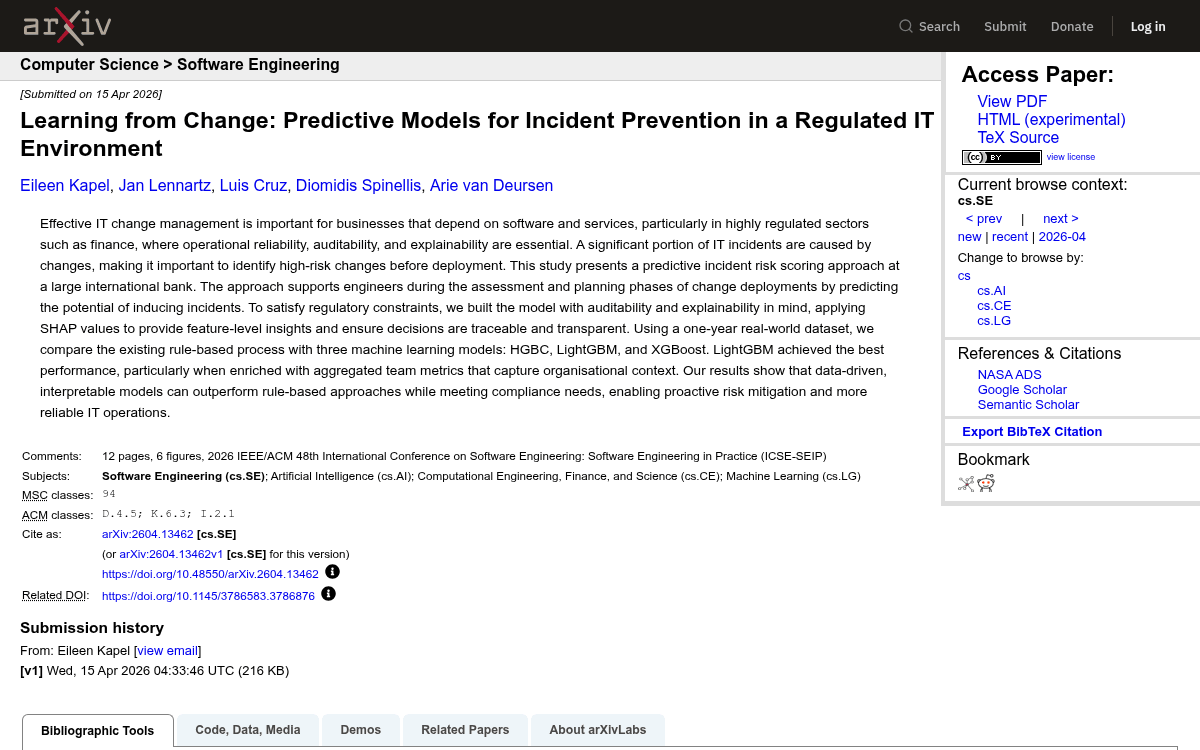
A bank replaced hand-coded change risk rules with gradient boosted trees plus SHAP explanations, lifting recall from 56% to 93%.
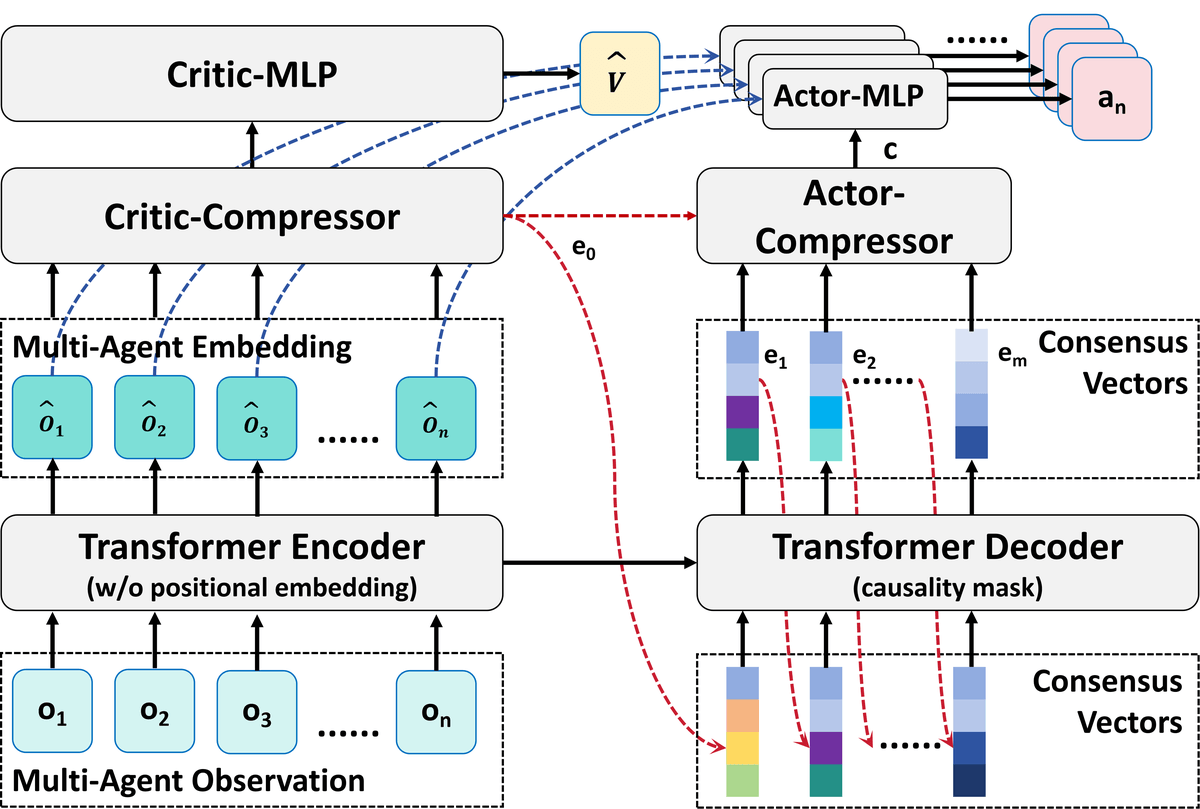
A new centralized multi-agent RL framework replaces sequential action generation with a shared latent consensus vector, removing order-dependent bias.
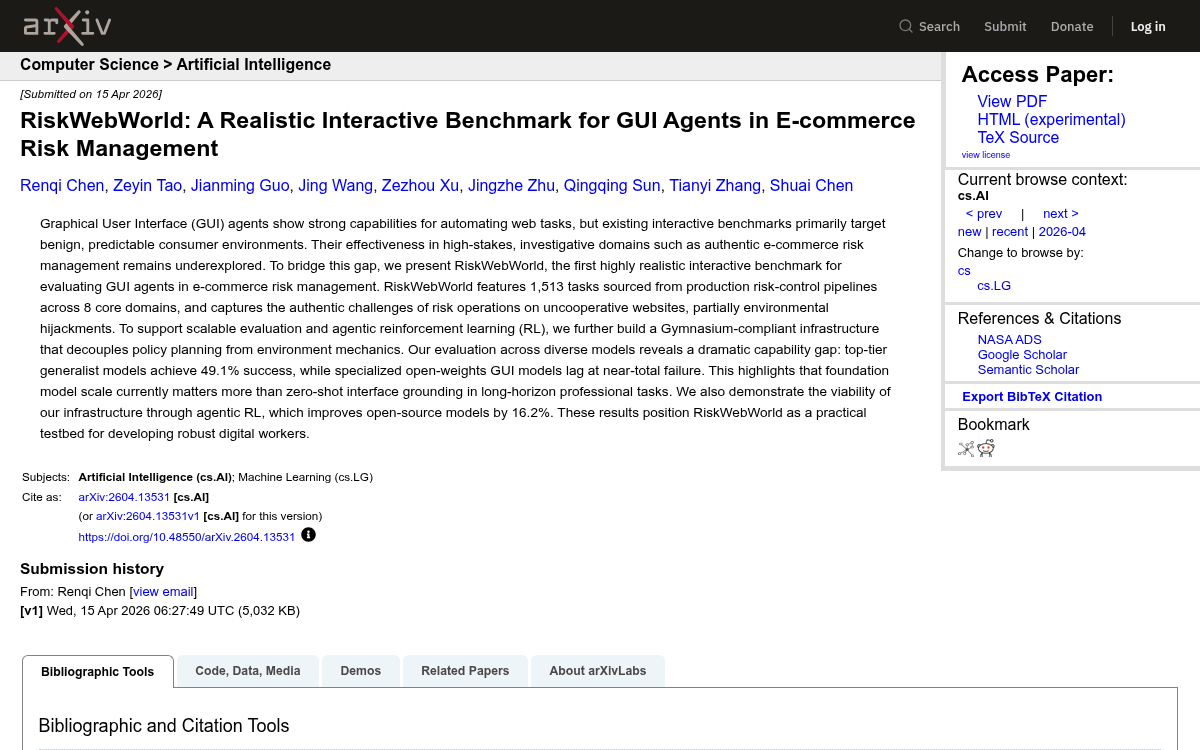
Ant Group releases a 1,513-task benchmark drawn from real production risk pipelines, exposing a brutal gap between frontier models and specialized GUI agents.
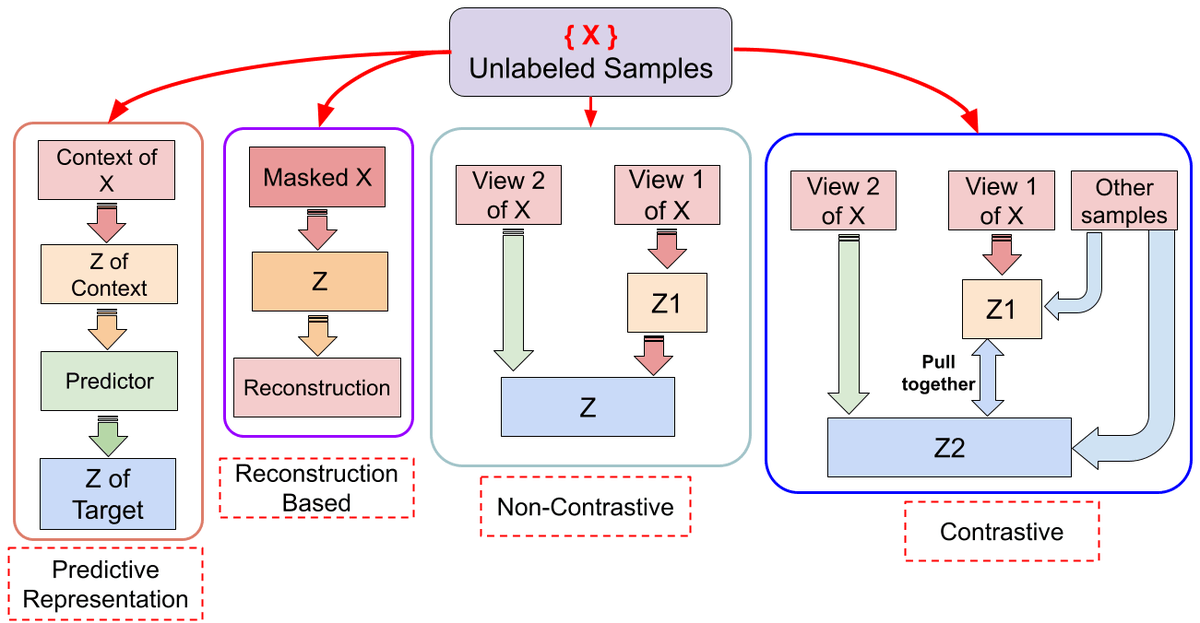
A new taxonomy splits self-supervised learning into three families and shows predictive latent methods trade raw similarity for stronger robustness.
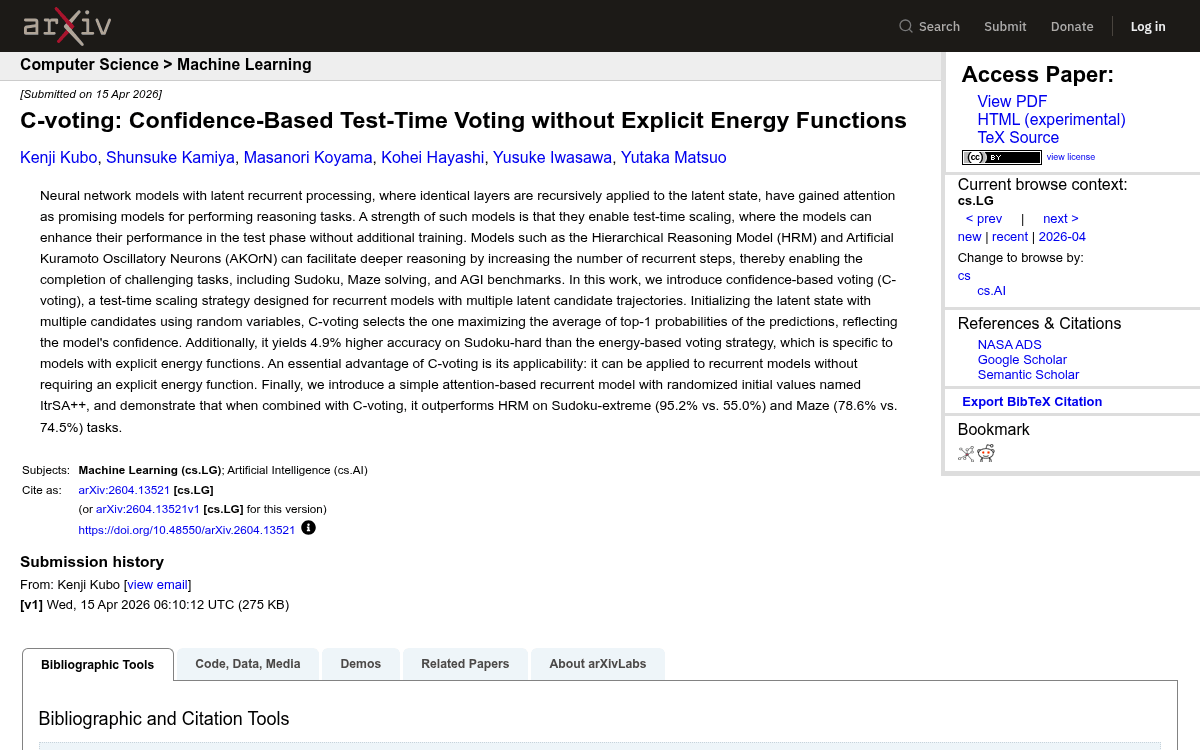
A confidence-driven voting scheme lets any recurrent reasoner scale at test time, and a 3M-parameter model built around it beats HRM by 40 points on Sudoku-Extreme.
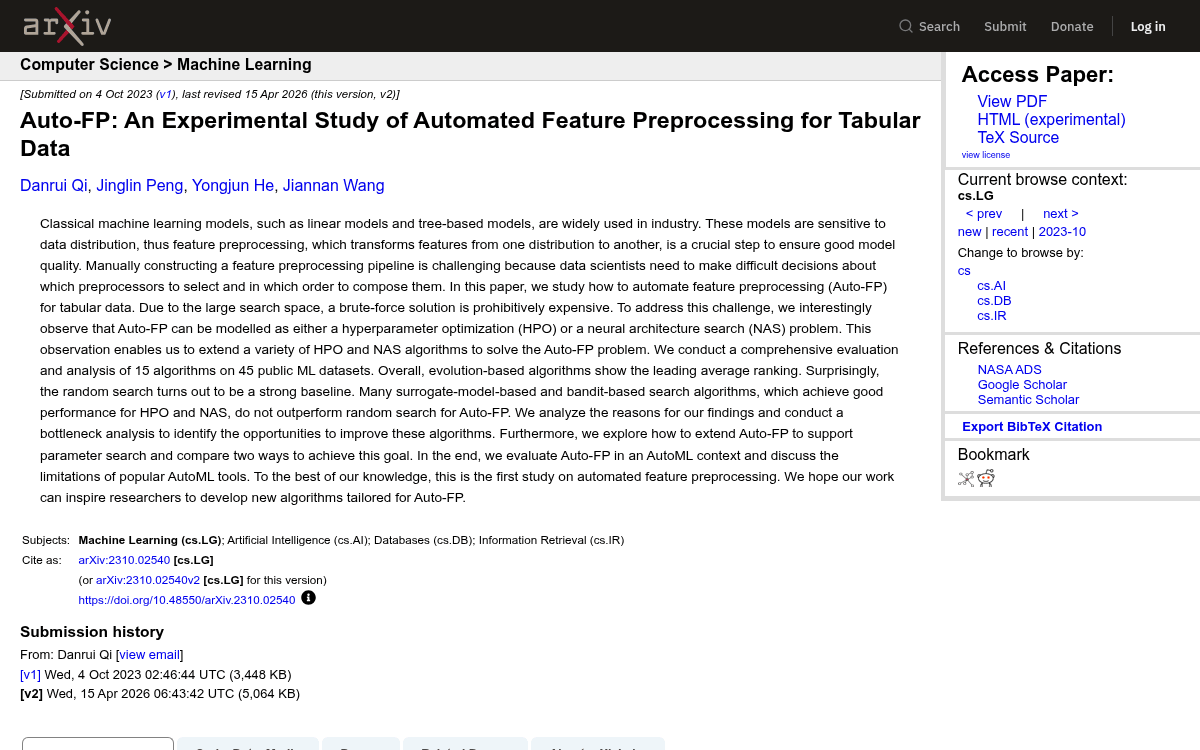
A benchmark of 15 search algorithms across 45 tabular datasets reveals that evolution beats fancy methods, and random search embarrasses most of them
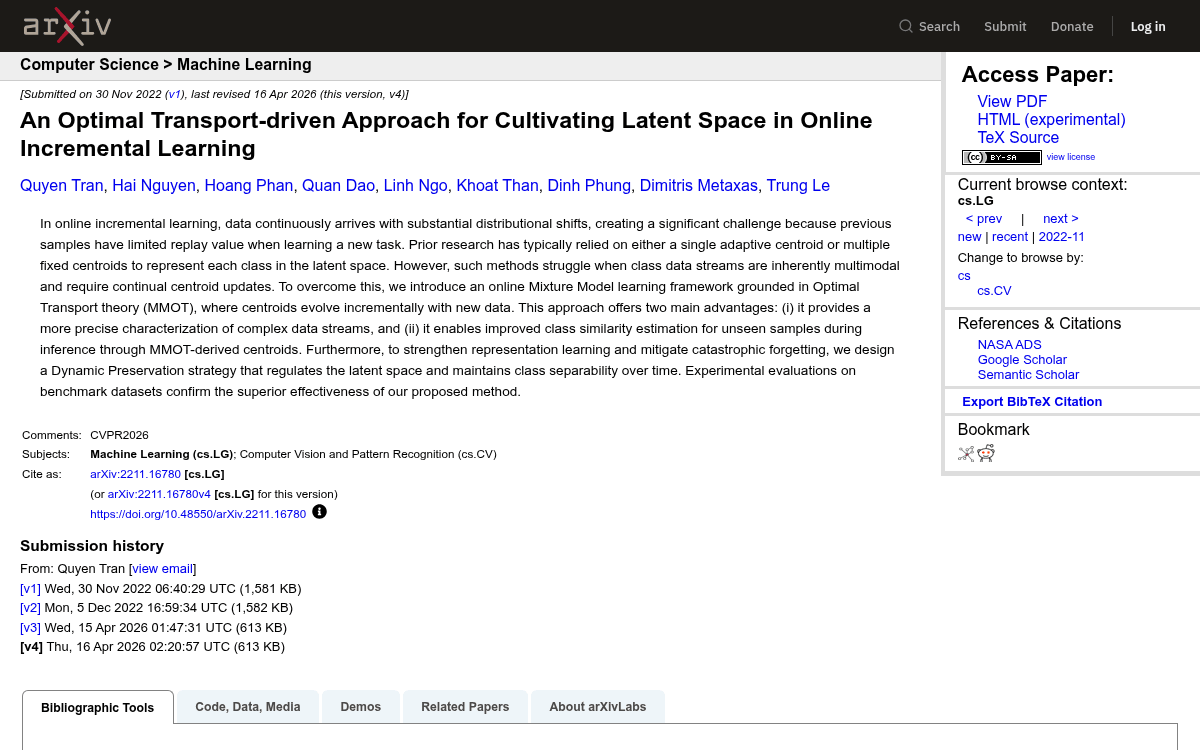
A new continual learning method uses optimal transport to grow multiple adaptive cluster centers per class, cutting forgetting on streaming data.
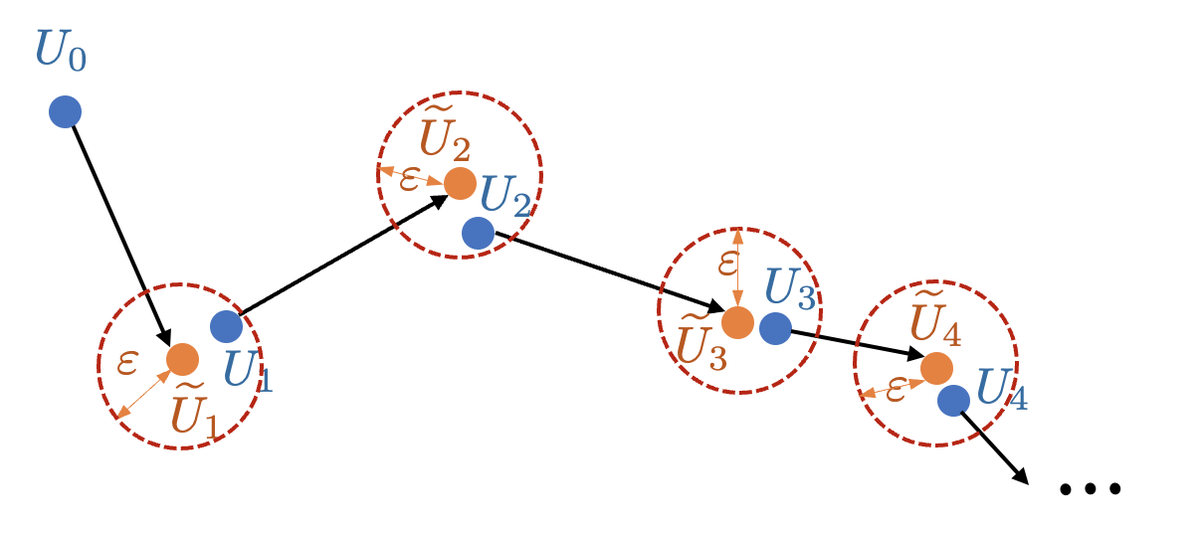
A new algorithm learns Koopman operators from streaming trajectory data with provable convergence and controlled model complexity, no batches required.
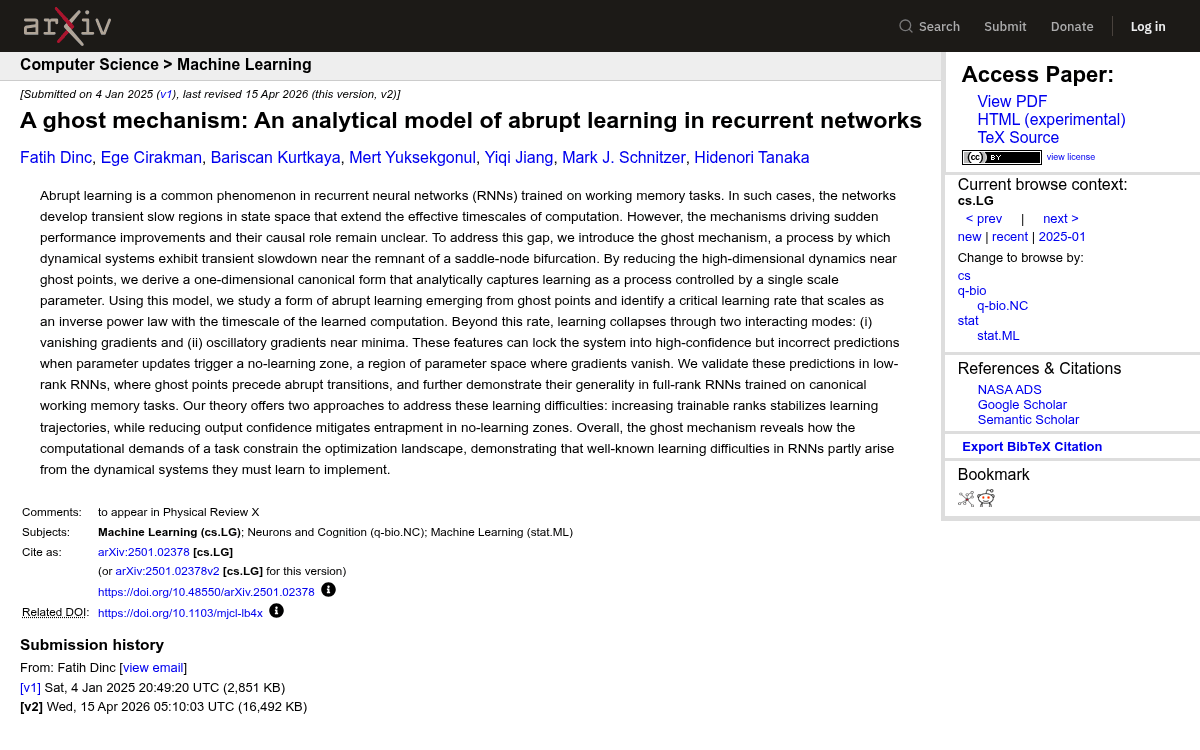
Stanford and NTT researchers derive an analytical model explaining why RNNs suddenly 'get' working memory tasks, plus two fixes for training instabilities.