
Pro
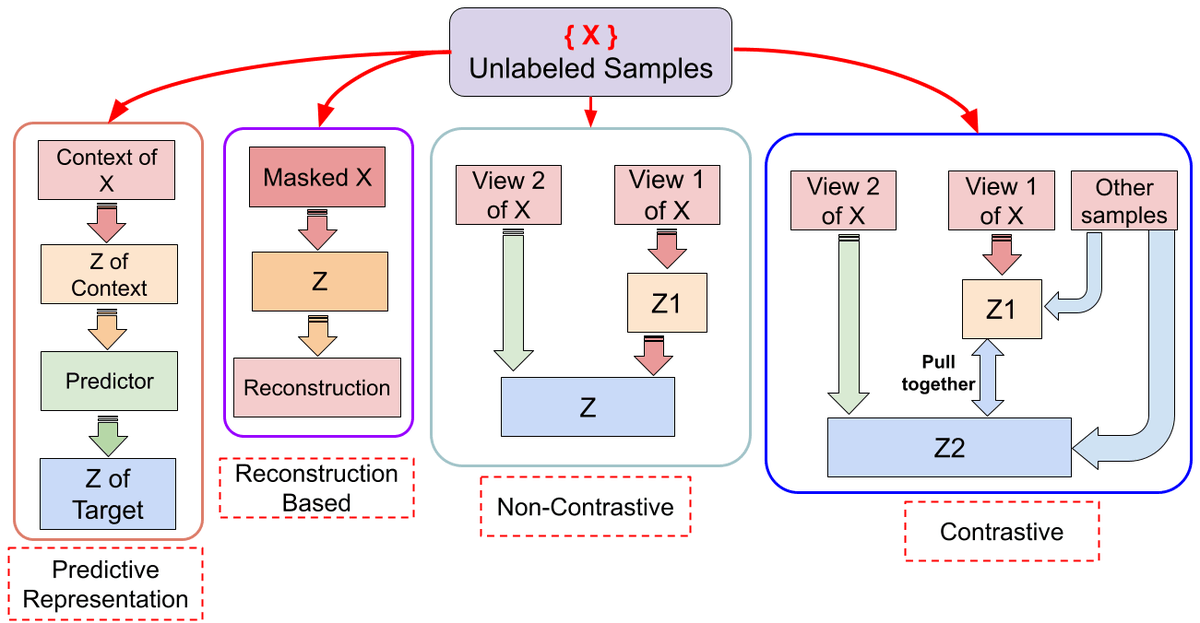
LeCun's I-JEPA Beats BYOL and MAE on Robustness in a New SSL Showdown
A new taxonomy splits self-supervised learning into three families and shows predictive latent methods trade raw similarity for stronger robustness.
20 stories
A new taxonomy splits self-supervised learning into three families and shows predictive latent methods trade raw similarity for stronger robustness.

A confidence-driven voting scheme lets any recurrent reasoner scale at test time, and a 3M-parameter model built around it beats HRM by 40 points on Sudoku-Extreme.
A benchmark of 15 search algorithms across 45 tabular datasets reveals that evolution beats fancy methods, and random search embarrasses most of them
A new continual learning method uses optimal transport to grow multiple adaptive cluster centers per class, cutting forgetting on streaming data.
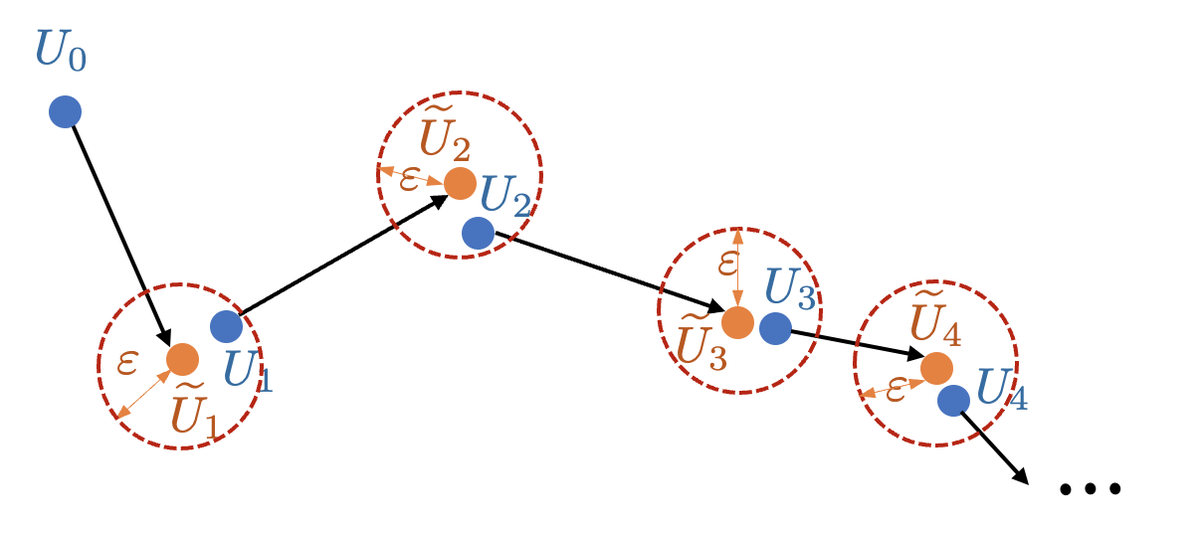
A new algorithm learns Koopman operators from streaming trajectory data with provable convergence and controlled model complexity, no batches required.
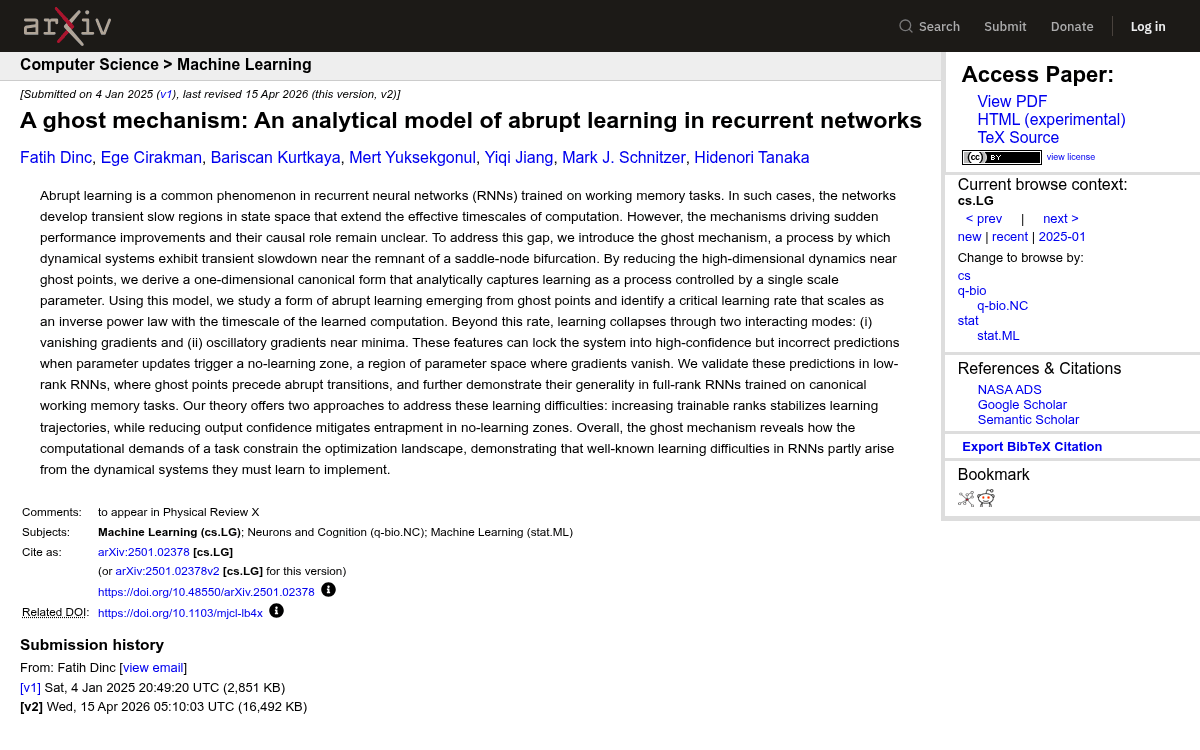
Stanford and NTT researchers derive an analytical model explaining why RNNs suddenly 'get' working memory tasks, plus two fixes for training instabilities.
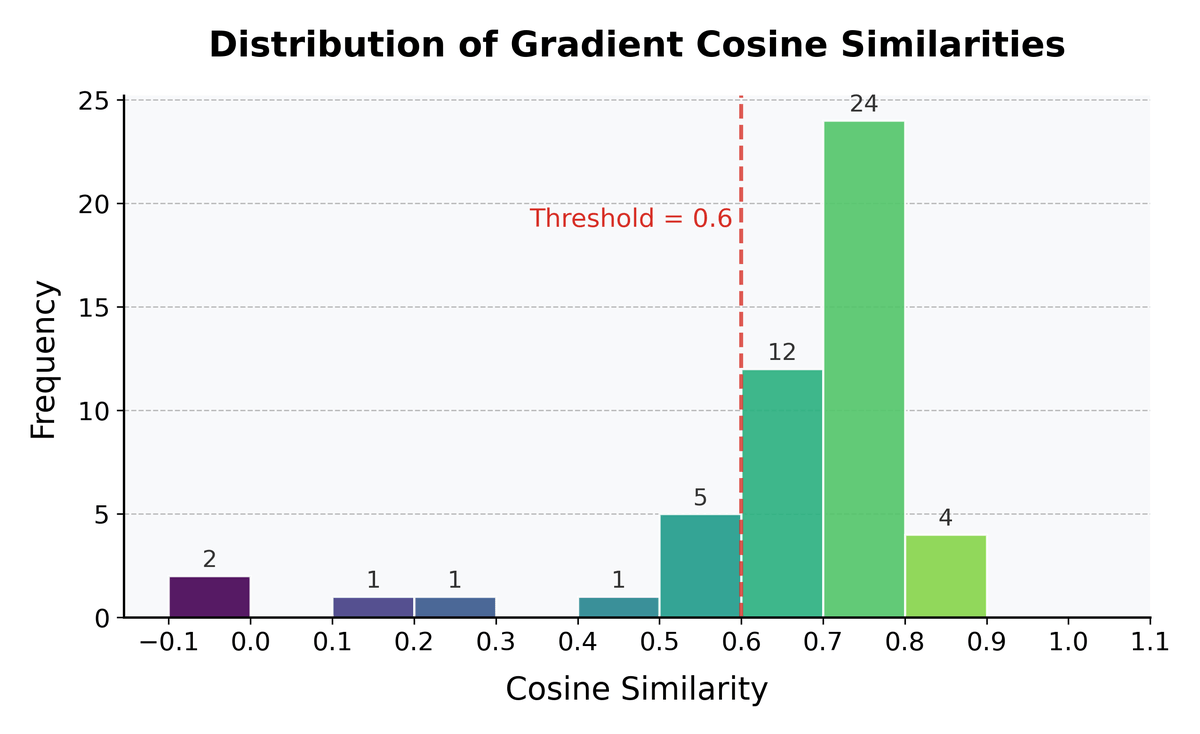
A new paper from Tsinghua and Z.AI proposes CROPI, using influence functions to pick the most useful prompts for reasoning RL, cutting training data to 10% per stage.
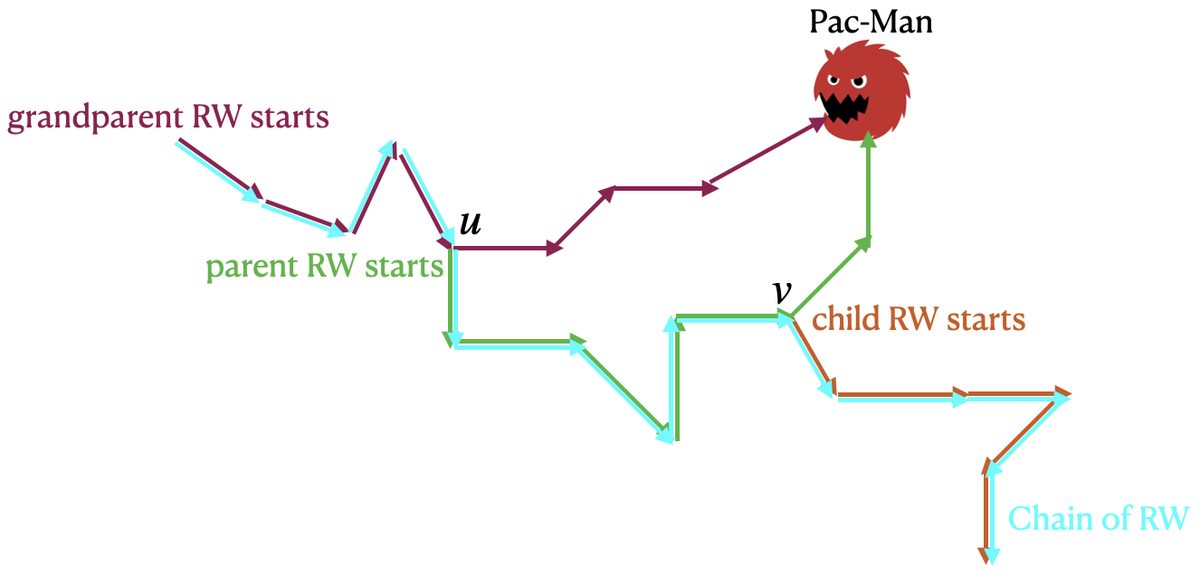
A stealthy adversary can silently kill random walks and halt decentralized training. A new duplication rule keeps the network alive.
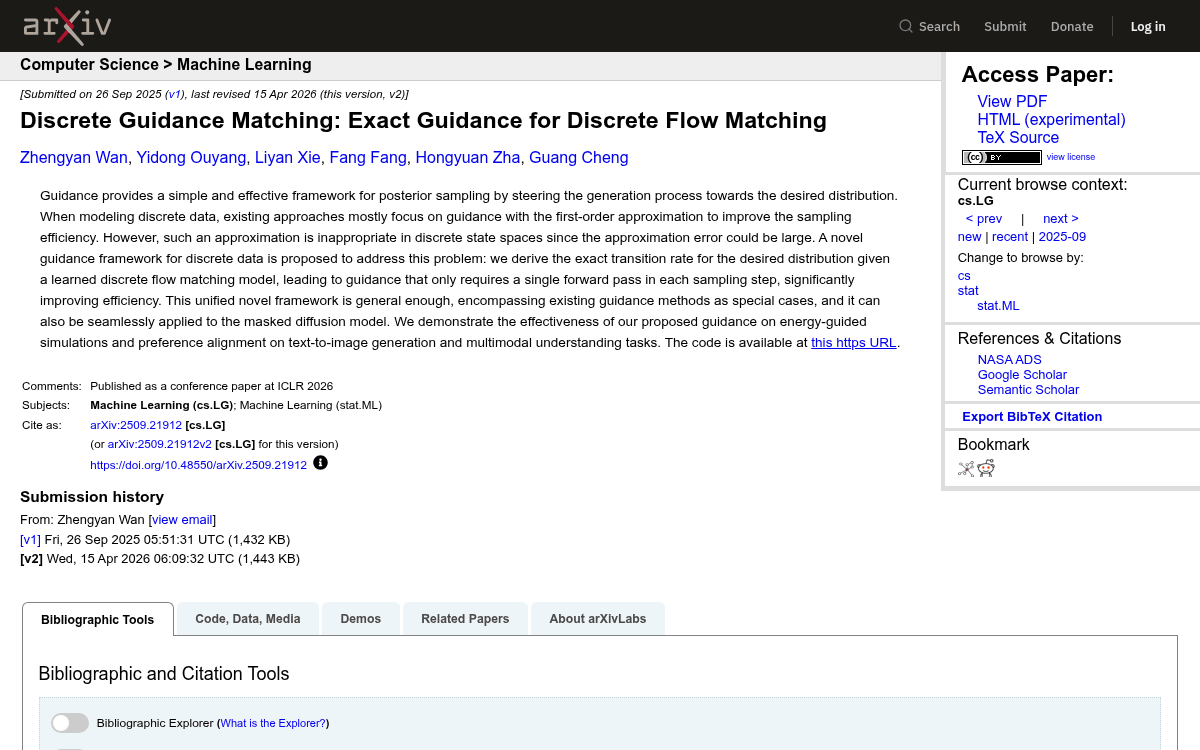
A new posterior-based guidance framework for discrete flow matching delivers exact steering in one forward pass, outperforming approximate methods.
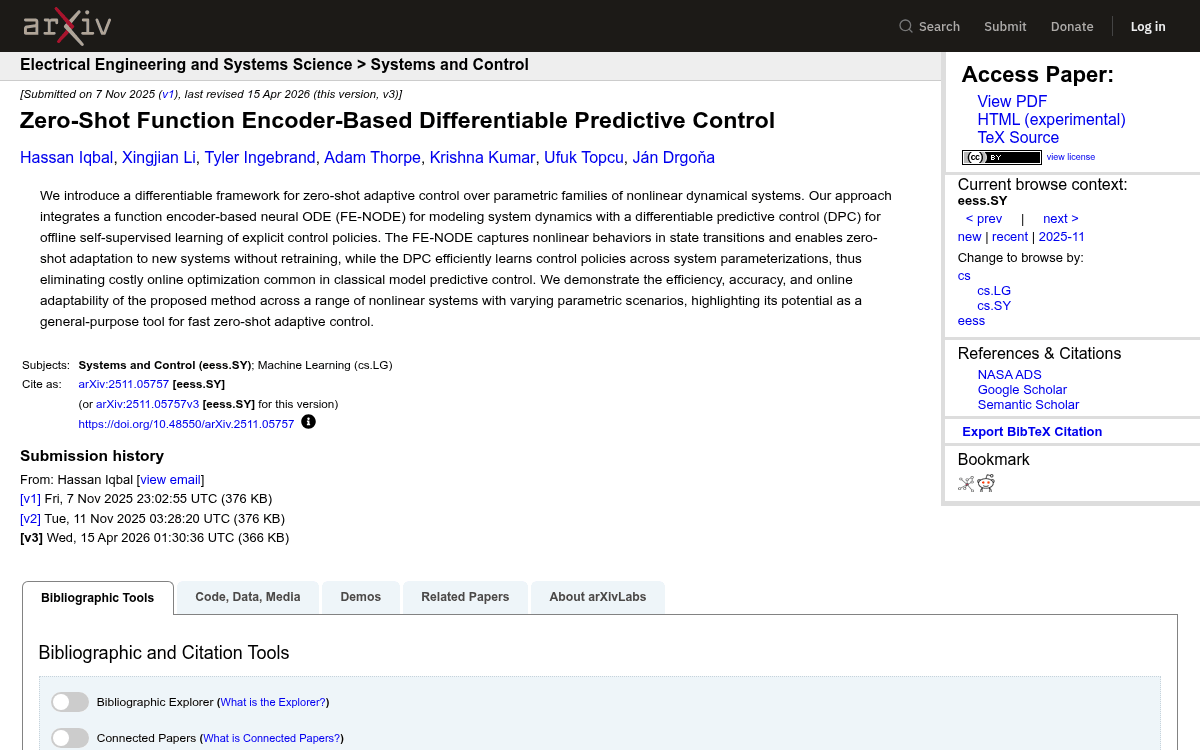
A new control framework blends function encoders with differentiable predictive control, letting policies adapt to unseen nonlinear dynamics without any retraining or online optimization.
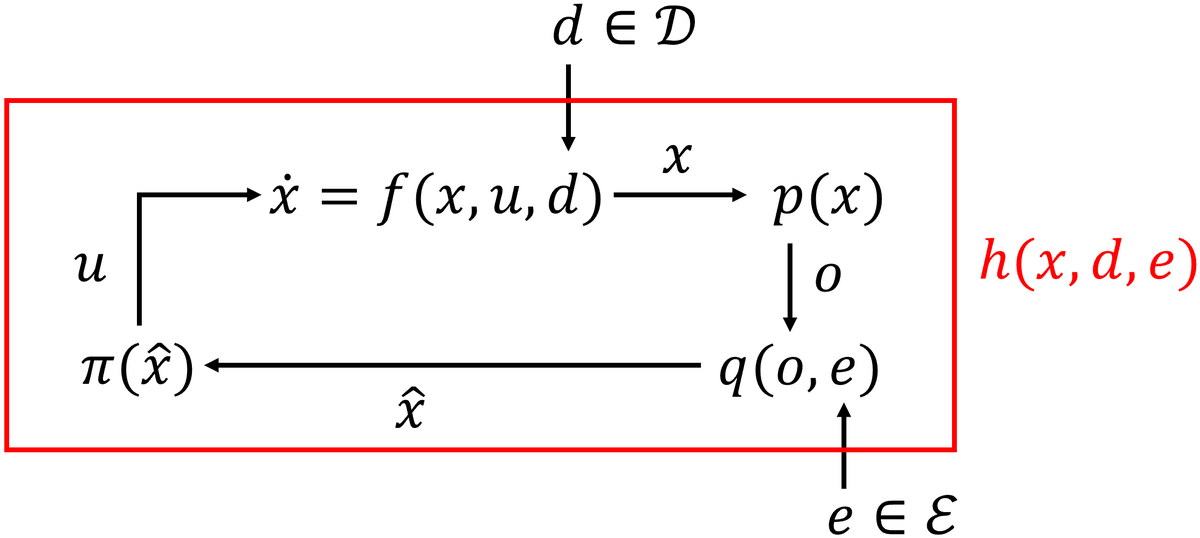
Stanford and JPL researchers extend Hamilton-Jacobi reachability to formally verify perception-based controllers under worst-case sensor and estimation errors.
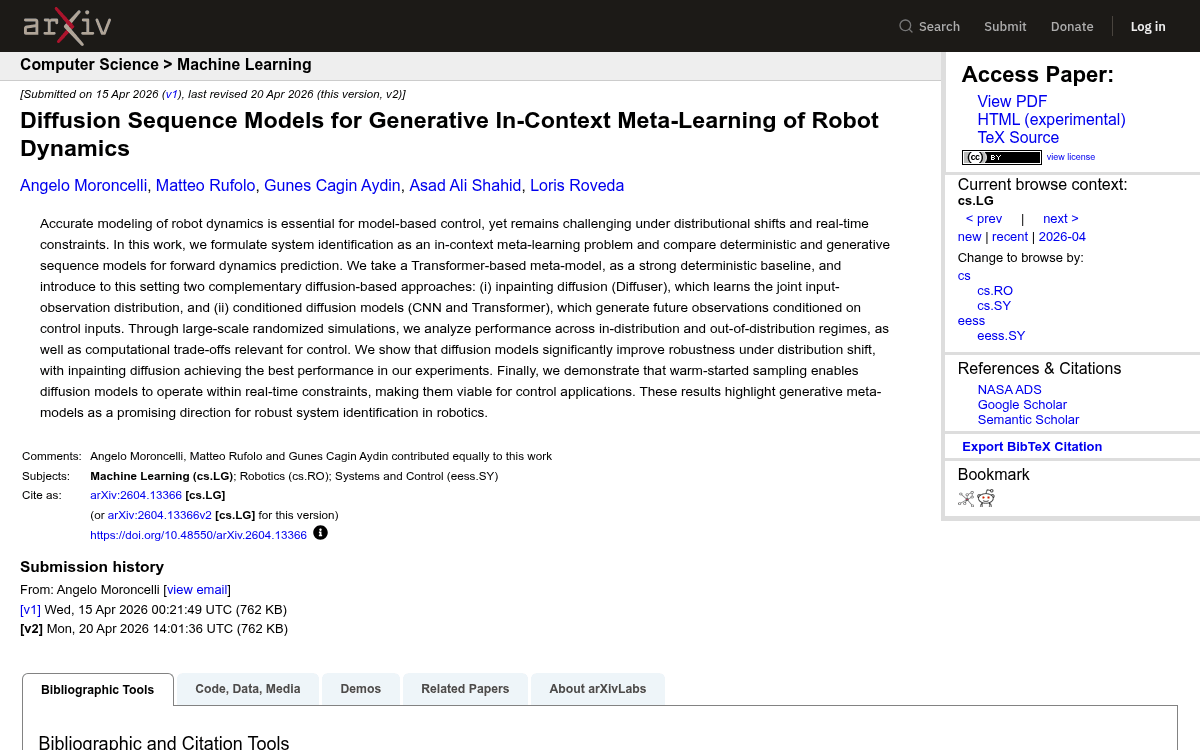
Researchers pit diffusion-based sequence models against a Transformer baseline for robot dynamics prediction, finding diffusion far more robust to distribution shift.
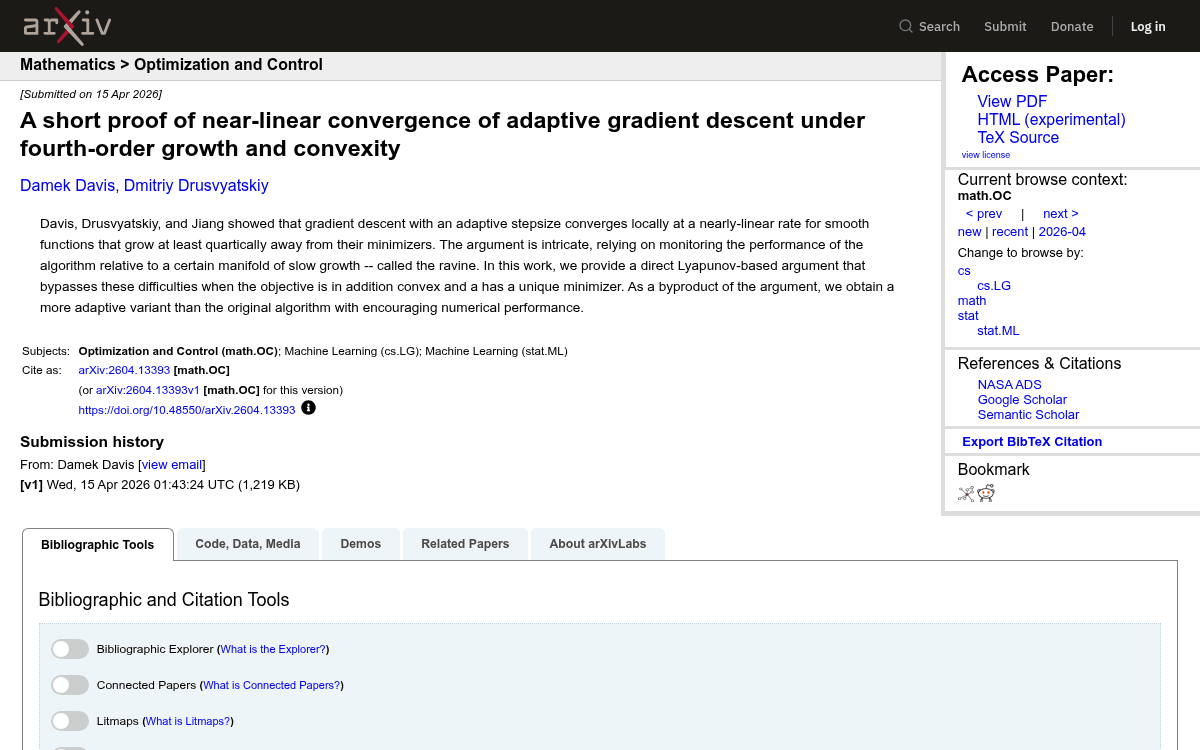
A new Lyapunov-based proof replaces an intricate manifold argument, yielding a simpler adaptive gradient-Polyak hybrid that converges 2 to 5x faster in benchmarks.
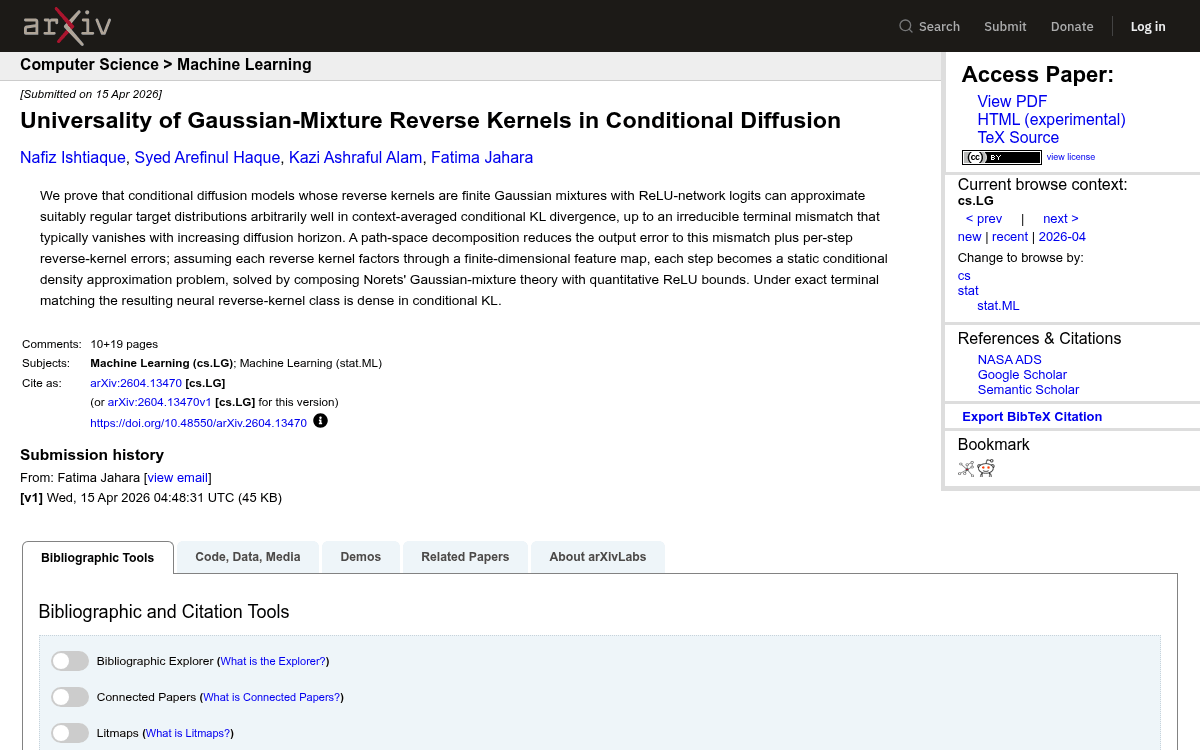
A new proof shows that diffusion models using Gaussian-mixture reverse steps with ReLU-parameterized weights can approximate any well-behaved conditional distribution arbitrarily well.
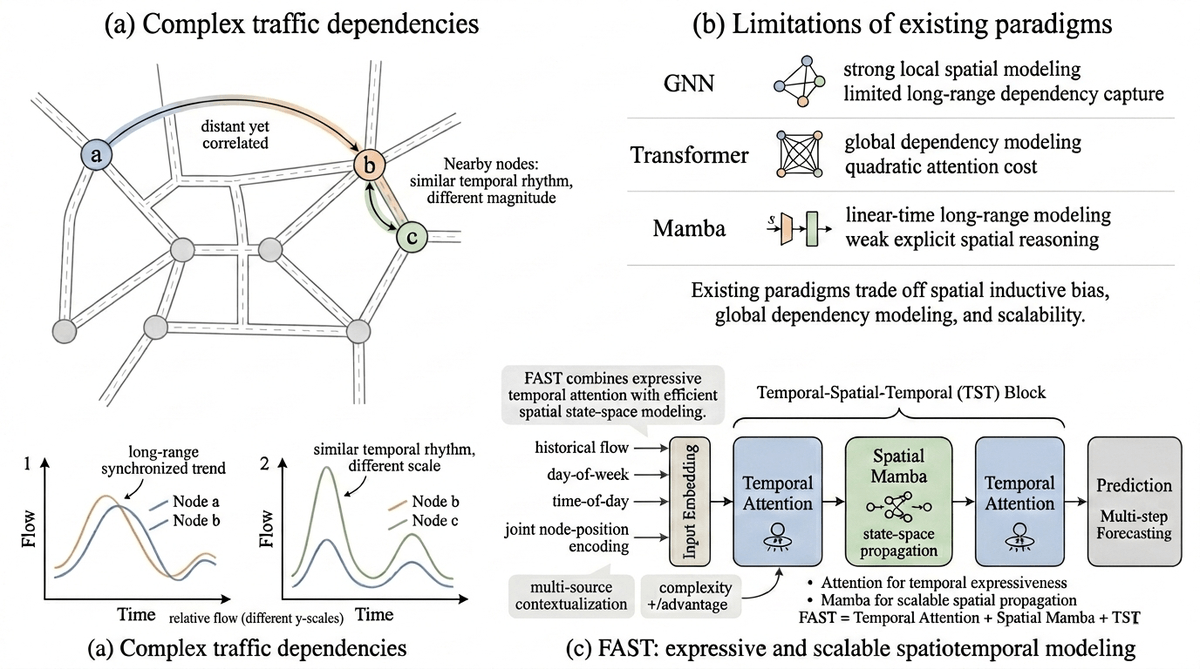
A new spatiotemporal forecasting framework pairs attention with Mamba in a Temporal-Spatial-Temporal design, cutting RMSE by up to 4.3% on standard traffic benchmarks.
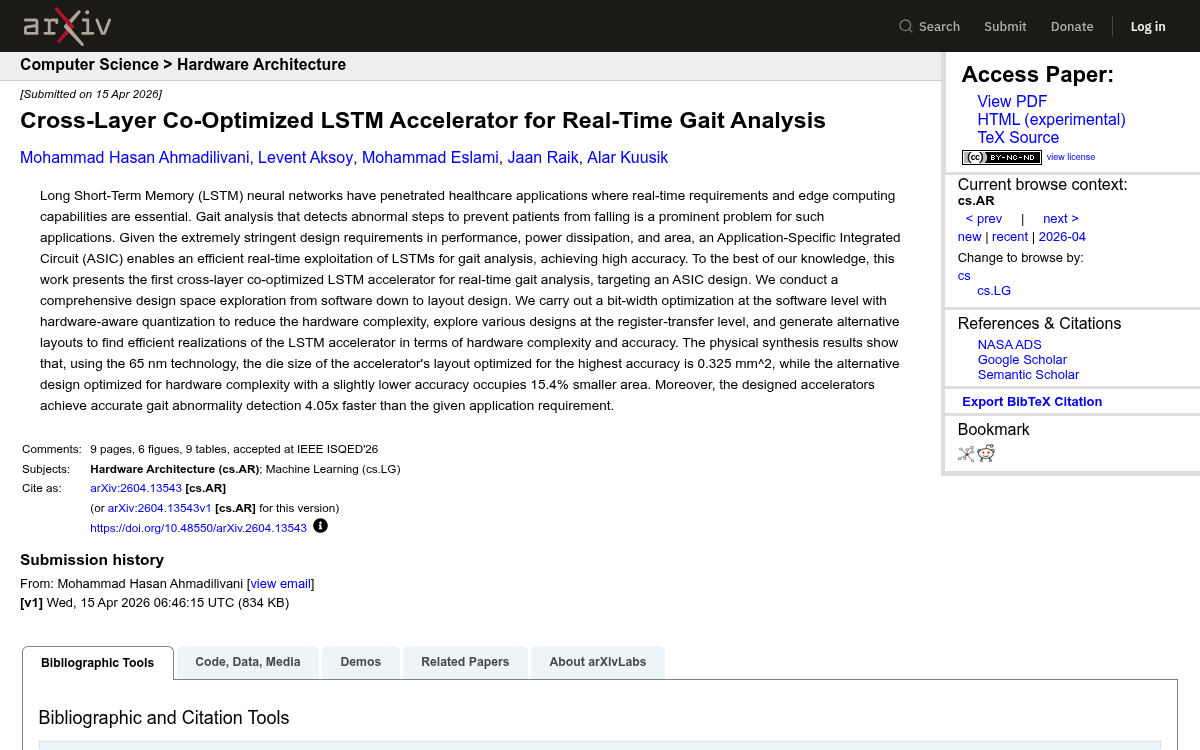
Researchers built the first ASIC accelerator that co-optimizes an LSTM for gait analysis across software, RTL, and physical layout, hitting 4.05x real-time speed.
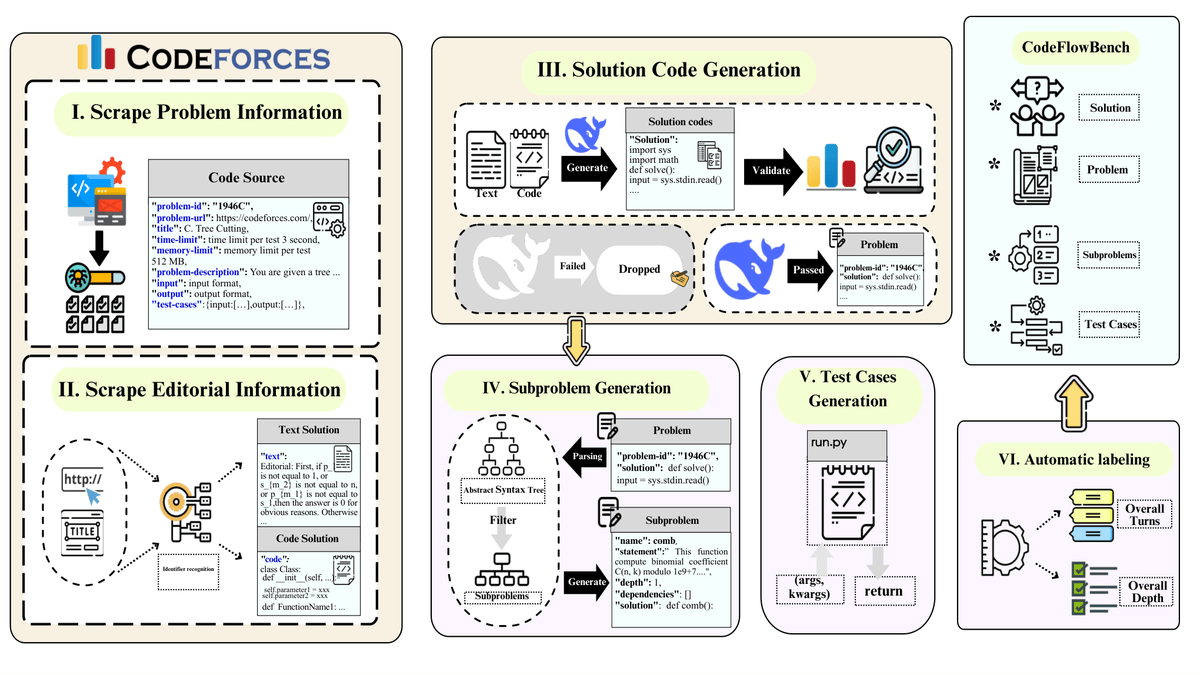
A new benchmark decomposes Codeforces and GitHub problems into dependency chains, exposing sharp performance drops when LLMs must build code iteratively.
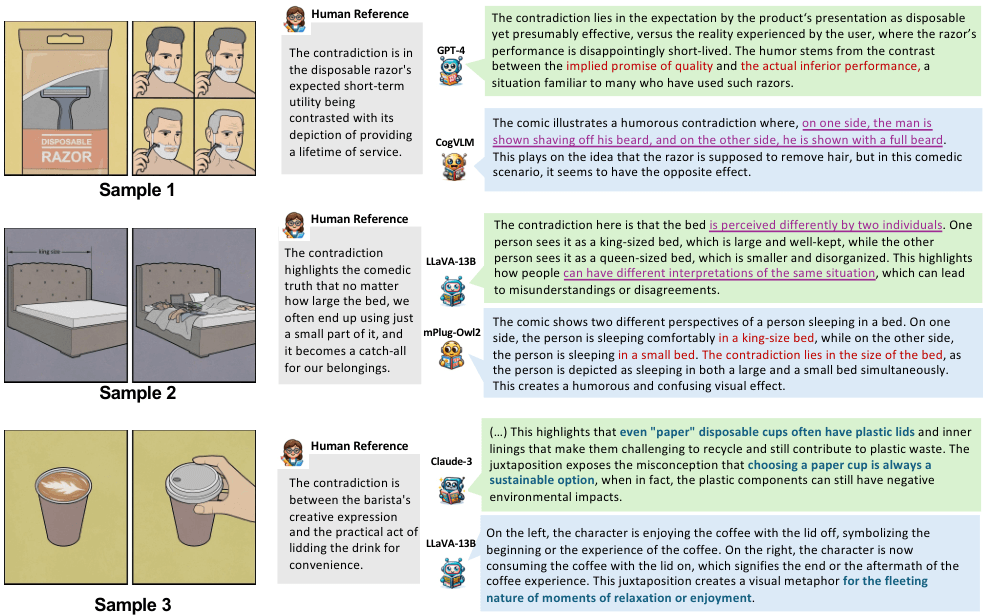
A new NeurIPS benchmark called YesBut shows that even top vision-language models still fumble the punchlines of two-panel comics built on contradiction.
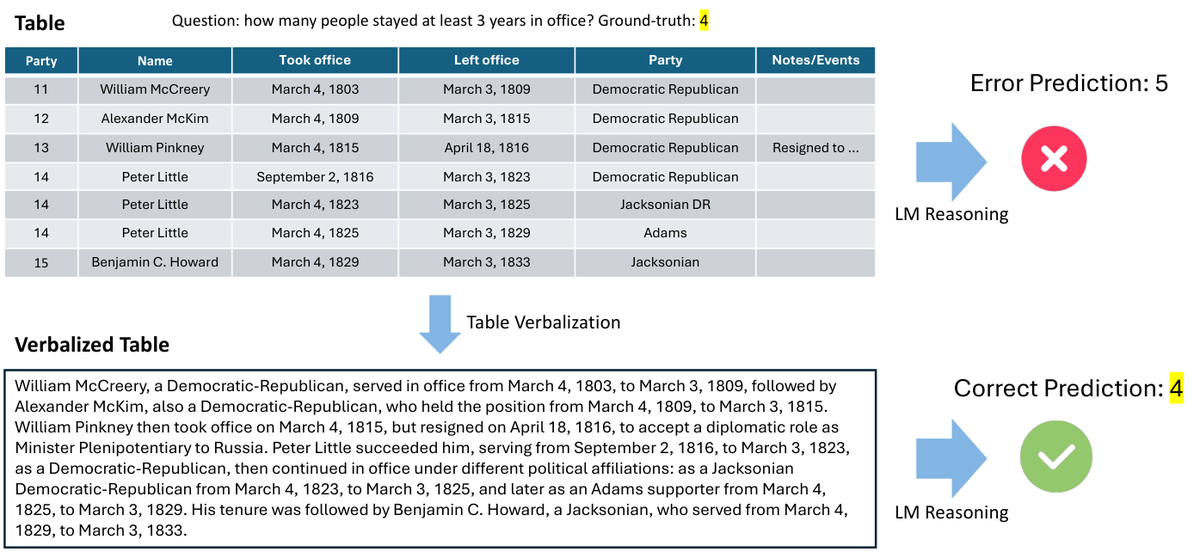
A three-stage framework dissects why language models fail on tables, then patches each failure with a specific fix, hitting 78% on WikiTQ with GPT-4o-mini.
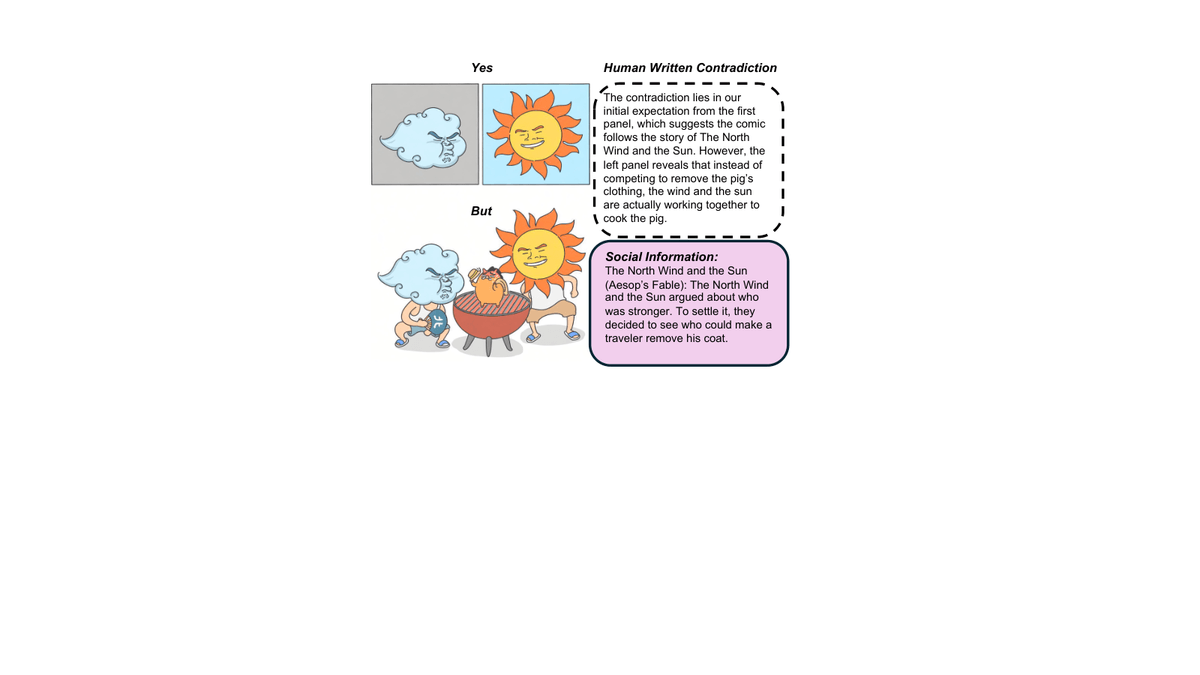
A new benchmark of 1,262 juxtaposed comic panels exposes how badly today's vision-language models handle contradiction-based humor and comparative reasoning.